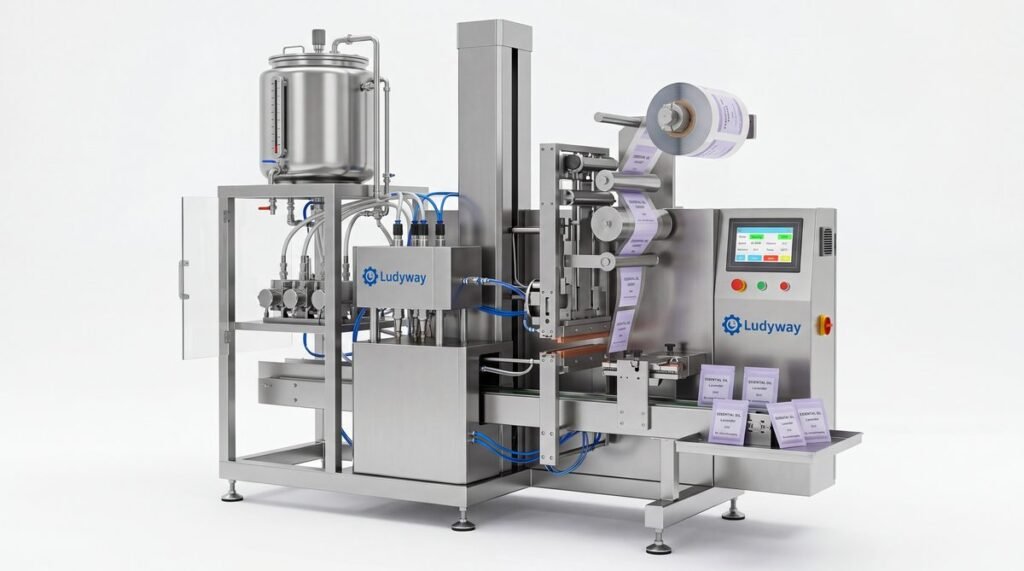
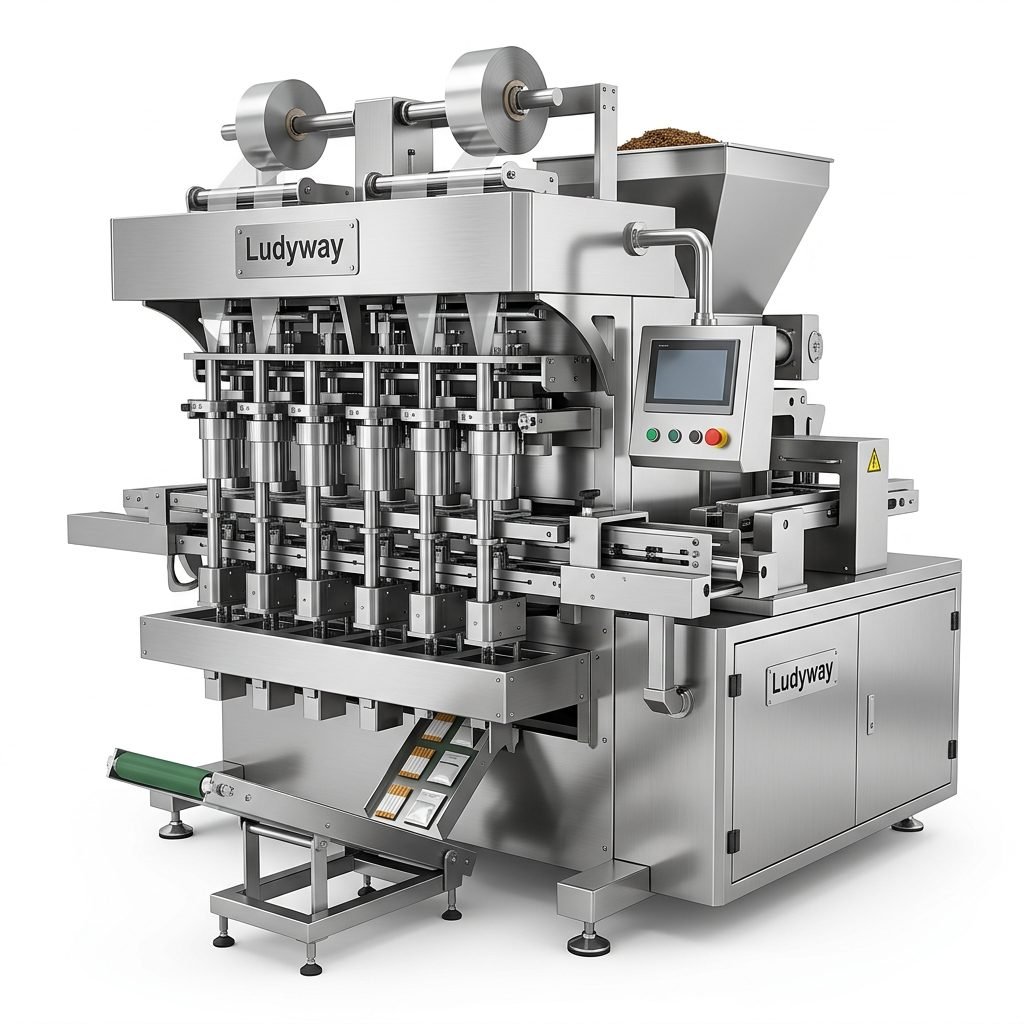
Selecting the right food packaging machine in Sudan requires a strategic approach. The Sudanese market is experiencing rapid growth in food processing, driven by demand for packaged sugar, flour, spices, tea, and ready-to-eat snacks. Whether you are exporting sesame seeds, packing local hibiscus (karkadeh) powder, or scaling up a peanut paste operation, the efficiency of your packaging line directly impacts your shelf life, logistics costs, and brand perception. Choosing between a multi-lane stick pack machine and a single-lane sachet system depends entirely on your product’s physical characteristics, your target volume, and the harsh environmental conditions often found in Sudanese production facilities.
Understanding Your Product Category: Granules, Powders, or Liquids?
The foundation of choosing the best machinery lies in your material’s flow characteristics. The Sudanese food industry spans a wide range of textures, from free-flowing granules to sticky pastes. An automatic powder packaging machine designed for corn flour will fail catastrophically if used for high-fat groundnut paste without the proper auger and hopper configuration.
- Granules: Ideal for sugar, rice, lentils, sesame seeds, and coffee beans. These require volumetric cup fillers or multi-head weighers for precision.
- Powders: Used for hibiscus tea powder, spices like cinnamon and ginger, and milk powder. These require dust-proof auger fillers to prevent leakage and weight inconsistency.
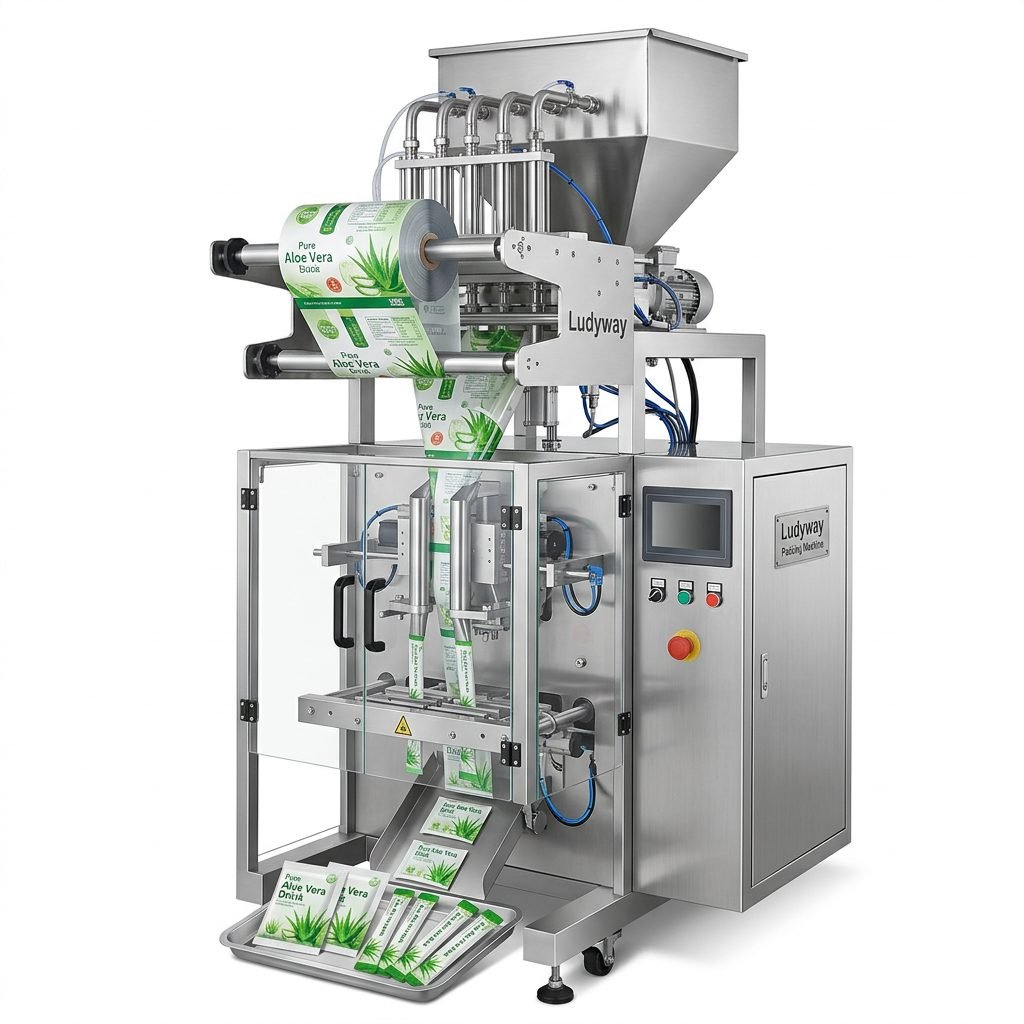
- Liquids and Pastes: Covering cooking oil sachets, tahini, and juice concentrates. Piston pumps or gear pumps are mandatory here to handle viscosity without dripping.
High-Volume Production: The Advantage of Multi-Lane Stick Pack Machines
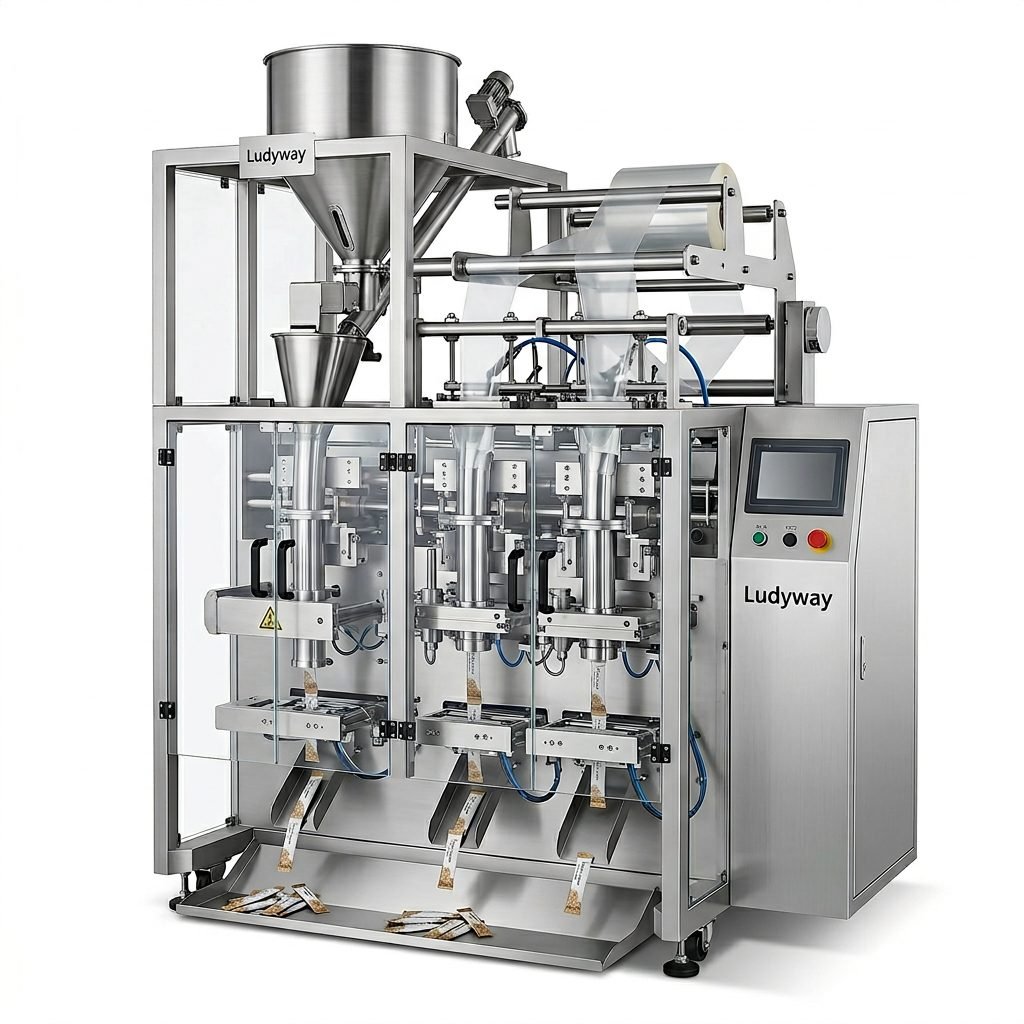
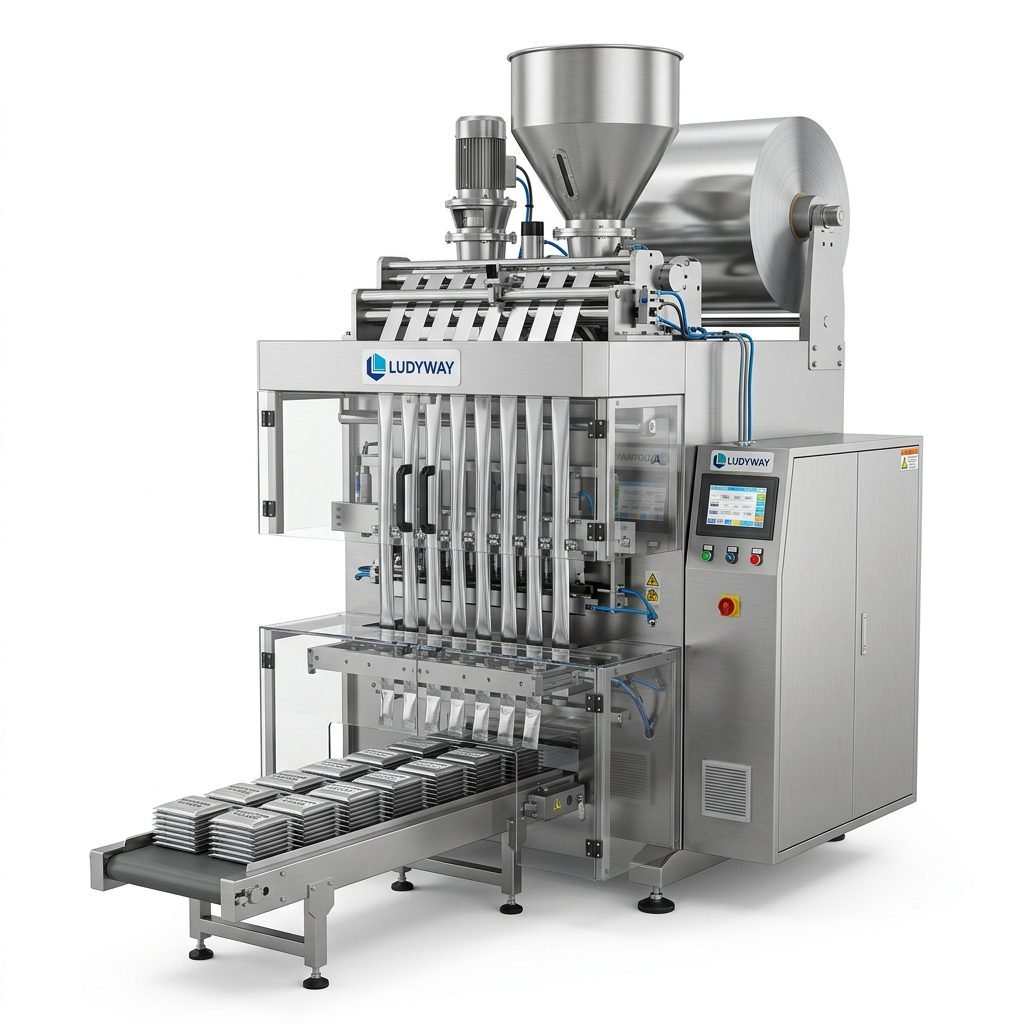
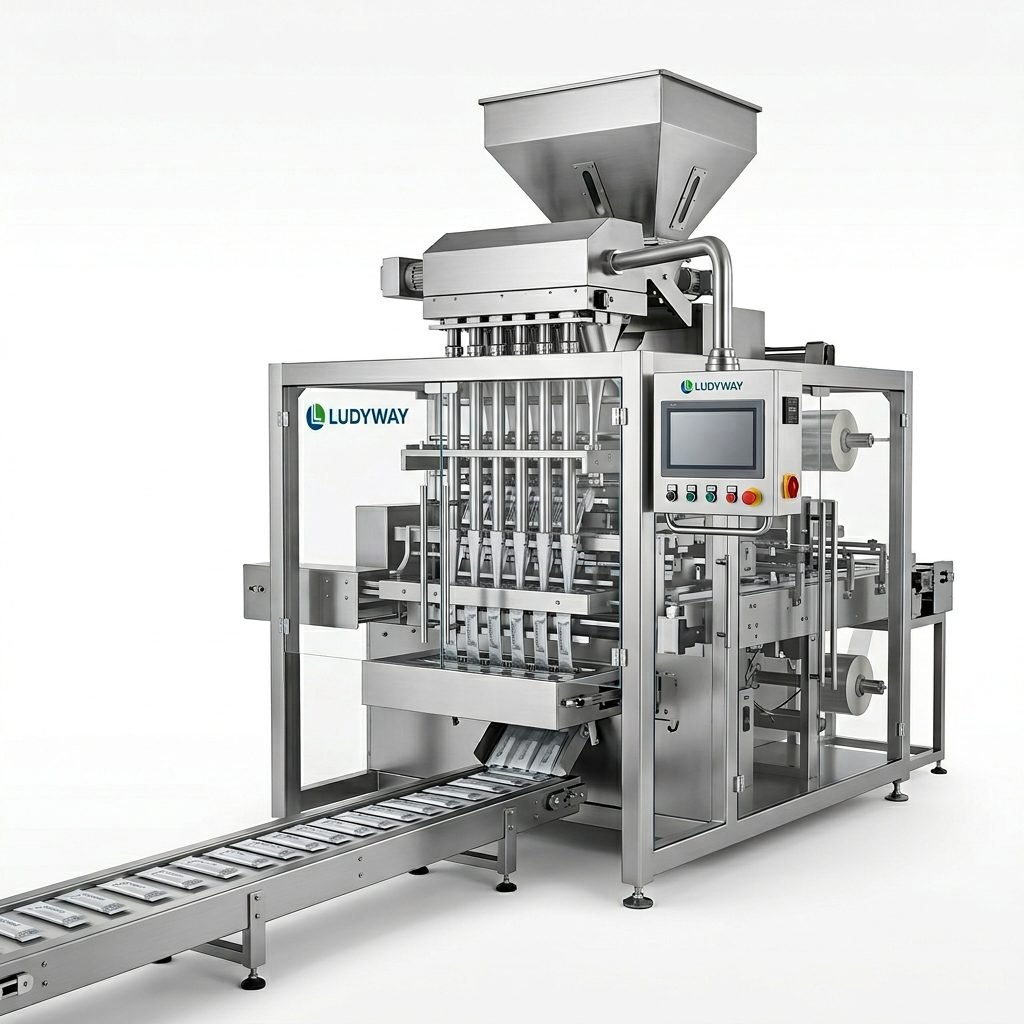
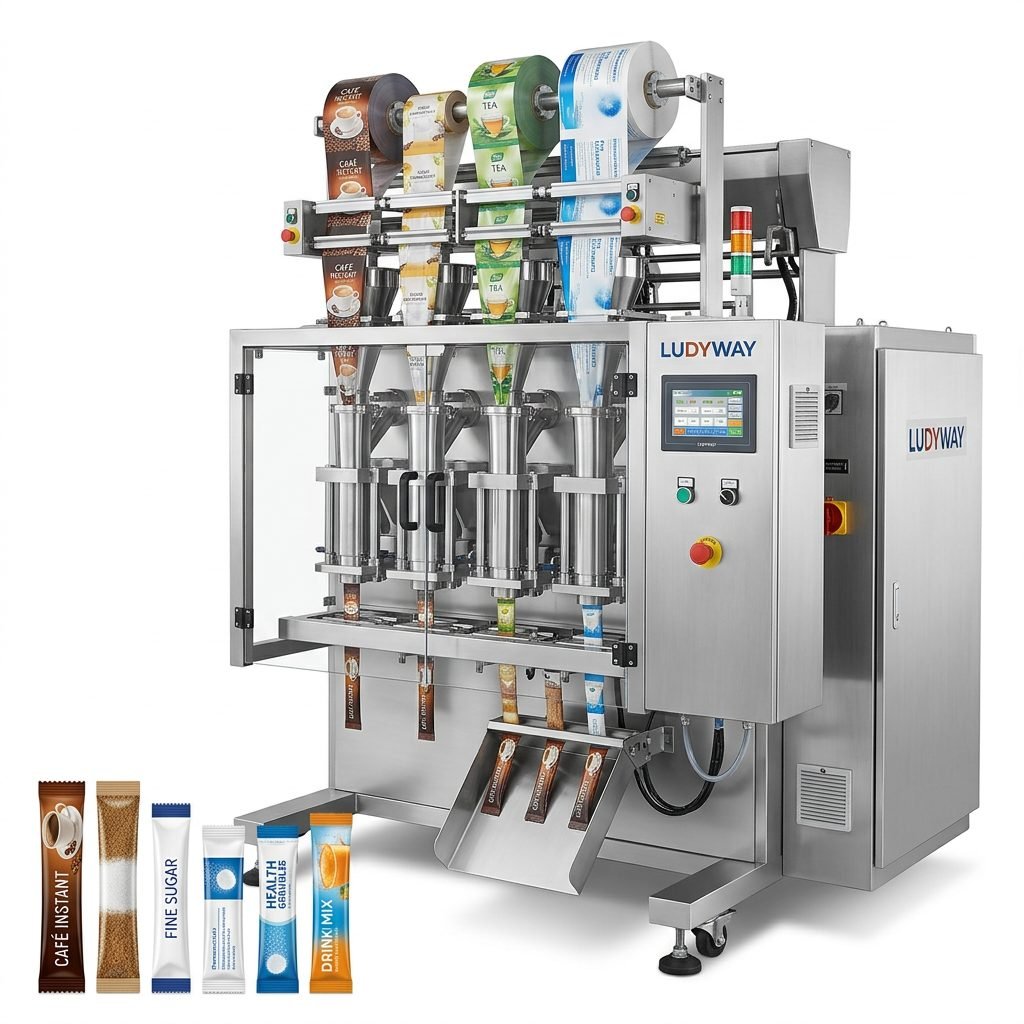
If your Sudanese operation is focused on high-output markets, such as producing millions of sugar sachets for the hospitality industry or instant coffee sticks for retail, a multi-lane stick pack machine is the best choice. These machines allow you to run 4 to 12 lanes simultaneously, multiplying your output without multiplying your factory floor space. They are particularly effective for soluble powders and fine granules that flow consistently.
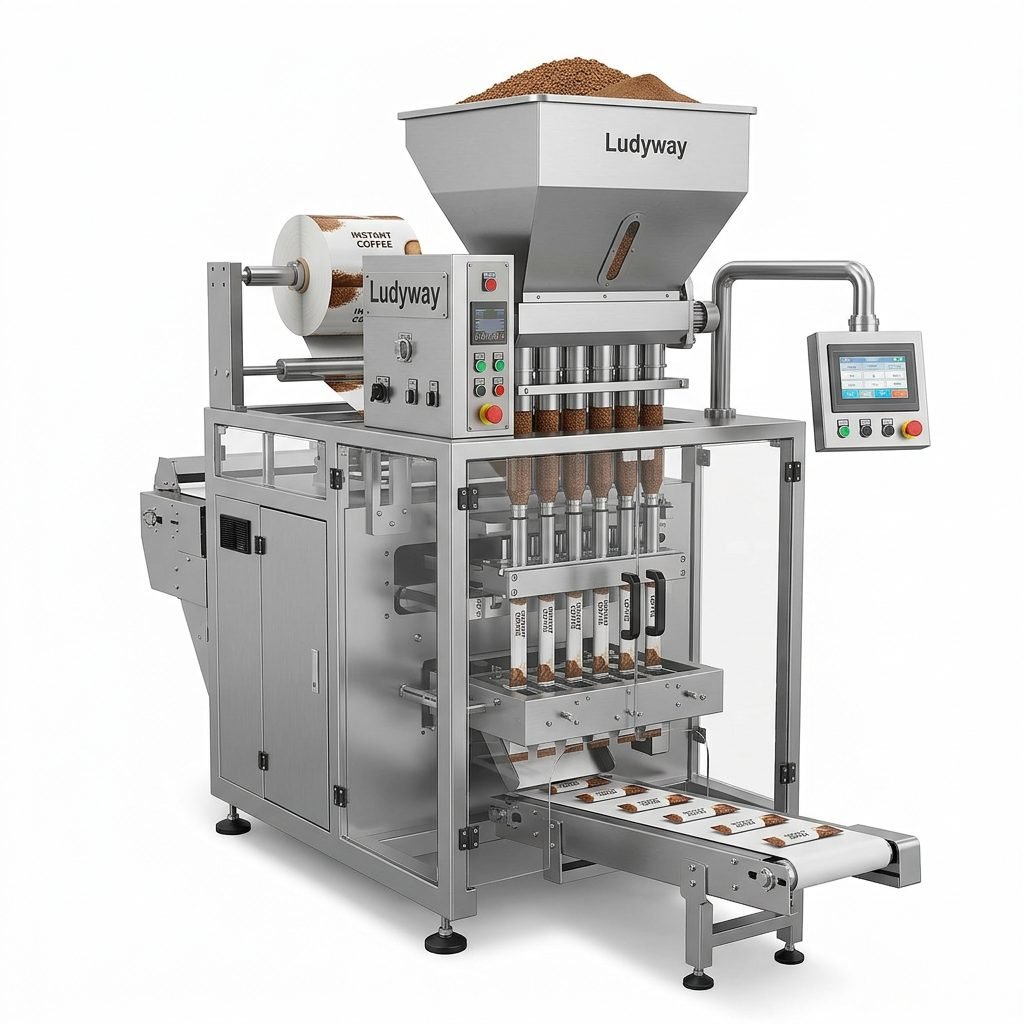
However, multi-lane systems require stable electricity and precise tension control. In Sudan, where power fluctuations can occur, it is critical to select machines with servo-driven sealing jaws and user-friendly interfaces that minimize rejected film.
Versatile Sachet and Pouch Packaging for Smaller Factories
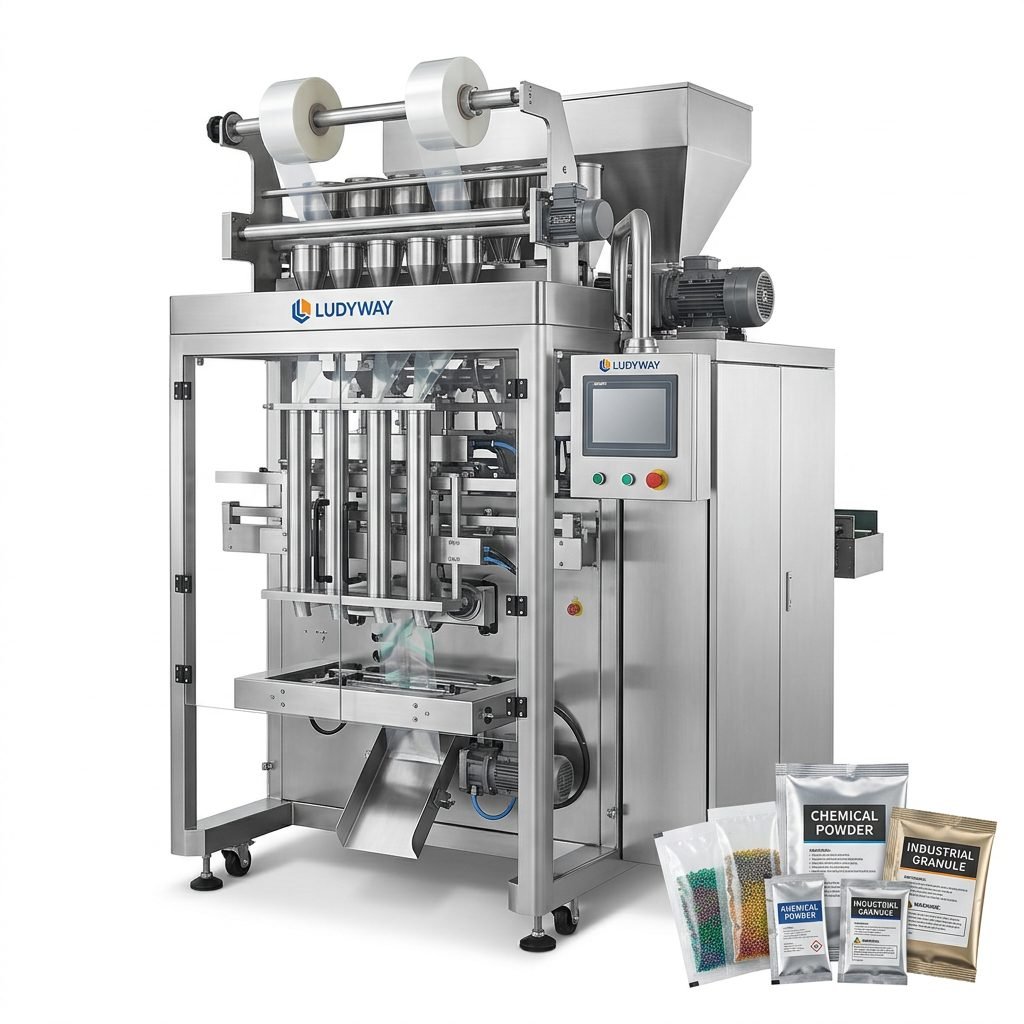
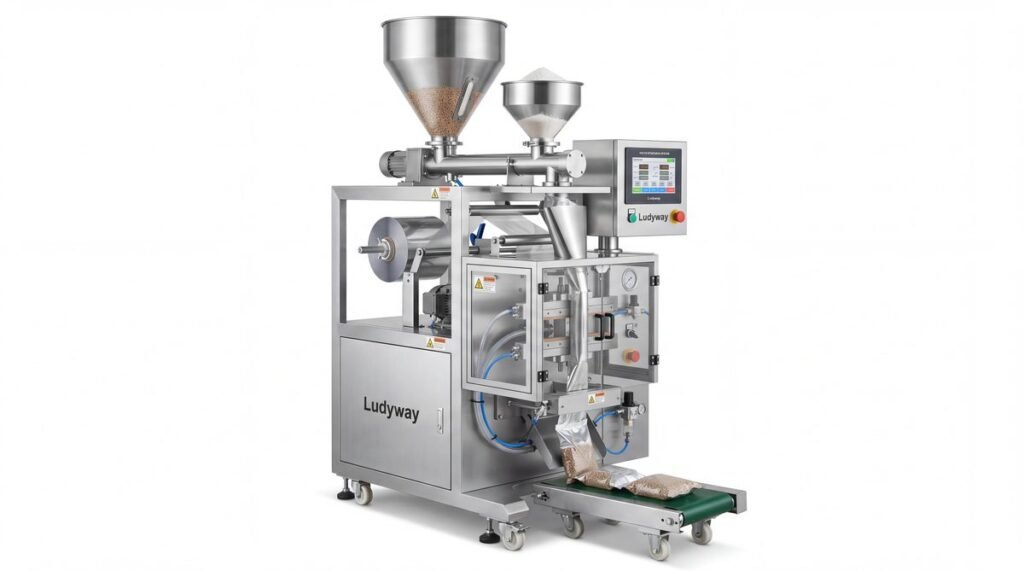
For small to medium enterprises (SMEs) and startups in Khartoum or Port Sudan, vertical form fill seal (VFFS) machines offer the best return on investment. These are perfect for packing 100g to 1kg of ground coffee, spices, or dried vegetables in pillow bags or gusseted pouches. The beauty of these systems is their versatility; switching from a pillow bag for baobab powder to a gusseted bag for pasta takes a mechanic less than 30 minutes on a well-engineered model.
Crucial Features for Sudan’s Climate
Sudan’s hot and dusty environment is a major factor in machinery selection. You cannot rely on standard sensitive electronics without protections. Look for machinery with sealed electrical cabinets and IP65-rated washdown capabilities if packing sticky products like dates syrup. Additionally, film sealing must be strong enough to withstand transport on rough roads without bursting.
Comparative Analysis of Packaging Machine Types
To help you decide quickly, the table below breaks down the suitability of different machine types based on common Sudanese product applications.
| Machine Type | Best for Products | Key Benefit |
|---|---|---|
| Multi-Lane Stick Pack | Instant coffee, salt, sugar sticks | Ultra-high speed, low material waste |
| VFFS Pillow Bag Machine | Flour, pasta, peanuts, spices | Versatile bag styles, robust construction |
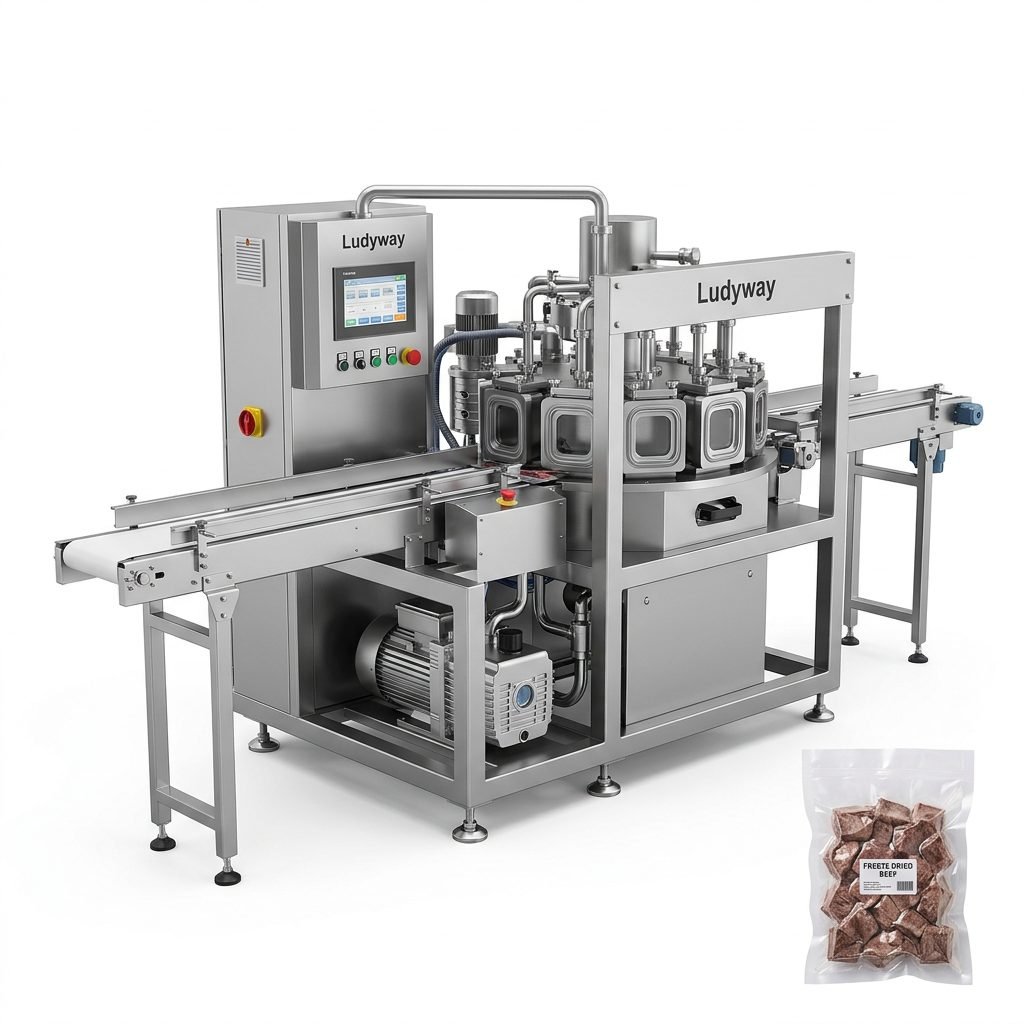
| Premade Pouch Rotary Machine | Zipper pouches, gourmet dates, seeds | Premium retail look, excellent for export |
| Liquid Sachet Machine | Edible oil, juice, water sachets | Precision filling pumps, no leakage |
The Need for Turnkey Packaging Lines in Sudan
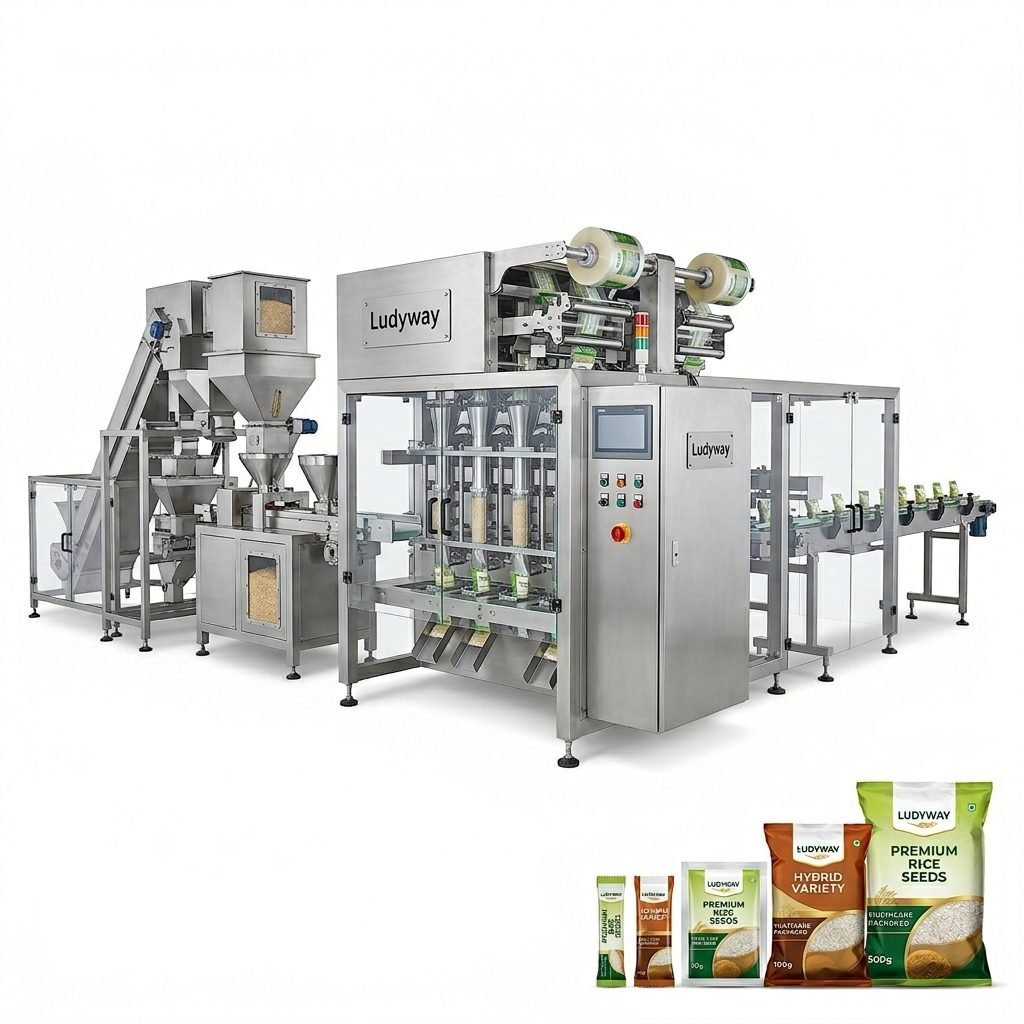
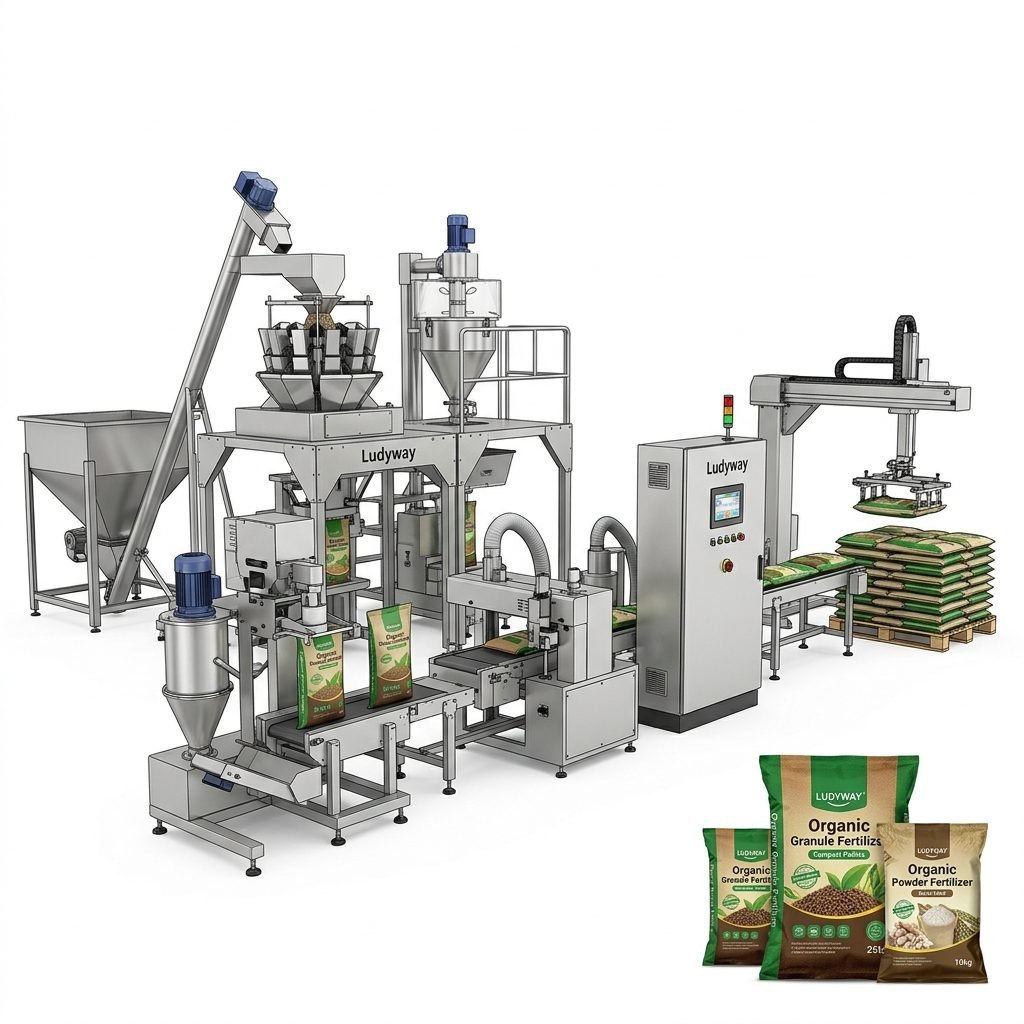
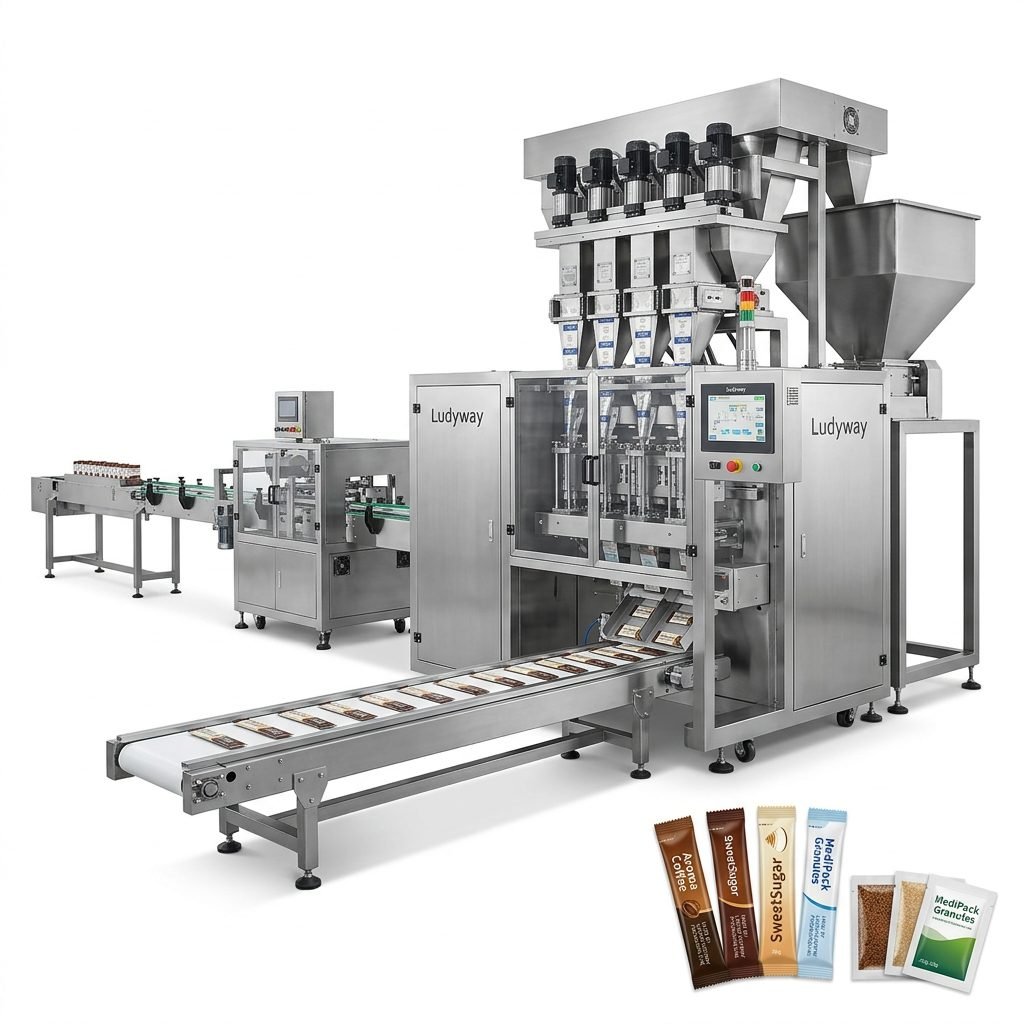
Integrating a standalone filling machine is a first step, but true efficiency comes from a turnkey packaging line. Sudanese manufacturers aiming for international export standards should consider systems that connect feeding, filling, and secondary packaging. A complete line for packing granules like chickpeas might include a granule packaging machine synchronized with an automatic cartoning machine and a case sealer.
This reduces manual handling, which is a common source of contamination in hot climates. Automation ensures consistent weights, which is vital for compliance with the ISO packaging standards and international trade regulations.
Maintenance and Support: The Backbone of Operations
Investing in a food packaging machine in Sudan means looking beyond the purchase price. Spare parts availability and remote support are paramount. Mechanical machines with easily replaceable wear parts are often more suitable than highly complex modular robots unless you have a dedicated engineering team. The reliability of your supplier is just as important as the machine’s features.
Key Maintenance Tips for Sudanese Factories
- Daily cleaning of sealing jaws to remove sugar or dust residue that causes film slippage.
- Weekly lubrication of chains and gears due to the dry, dusty atmosphere in areas like Omdurman.
- Voltage stabilizers or servo-driven motors that adapt to power surges, protecting the programmable logic controller (PLC).
Case Studies: Solutions for Typical Sudanese Products
Let’s examine two common scenarios in the Sudanese market to illustrate the decision-making process.
Scenario 1: The Peanut Paste Producer.
You need to fill thick, oily paste into stand-up pouches. A vertical auger filler will not work. You require a piston filler integrated into a premade pouch filling machine. Look for a machine with heating elements that can withstand high ambient temperatures without causing cold seals.
Scenario 2: The High-Volume Sugar Packer.
You are moving away from manual scooping to automated bagging of 1kg sugar bags. A high-speed VFFS machine with a multi-head weigher is your best investment. This combination ensures that every bag passing through the automatic packaging line meets the strict weight specifications required by wholesale buyers.
Understanding International Packaging Standards
To compete in the European or Middle Eastern export markets, Sudanese food packers must align with global benchmarks. The PMMI – The Association for Packaging and Processing Technologies provides vital resources on the state of the industry. Machine design should facilitate food safety; this means stainless steel contact parts and frames that minimize crevices where bacteria can grow, in line with the regulations outlined by the FDA food packaging and food contact substances guidelines, even if you are not exporting directly to the US, as these standards are internationally recognized.
Partnering with a Reliable Manufacturer
Sourcing equipment from a manufacturer with proven experience in emerging markets is a strategic advantage. Ludyway, with over 30 years of industry experience, specializes in turnkey production solutions for the food, pharmaceutical, and health industries. Supported by a modern 20,000㎡ manufacturing facility, Ludyway offers over 50 intelligent packaging machine models, including multi-lane stick pack and sachet systems. A stable partnership with an experienced supplier ensures you receive cost-effective machinery designed for longevity, backed by a reliable supply chain for critical spare parts.
For detailed advice on configuring a machine for your specific product in Sudan, reaching out to specialists is a prudent next step. You can connect with experts at info@ludyway.com or via WhatsApp at +8613129592456 to discuss granule, powder, or liquid applications from their factory in Nanlang Town, Guangdong, China, which has been serving customers in over 100 countries and regions.
Conclusion: Making the Final Choice
The best food packaging machine for your products in Sudan is the one that aligns your product density and viscosity with the correct dosing mechanism, enveloped in a machine frame built to withstand high temperatures and dust. Whether you need a simple single-lane sachet machine for a local spices brand or a high-speed multi-lane line for national sugar distribution, prioritising robust construction and intelligent automation will ensure your packaging line runs smoothly, helping you improve productivity and product quality in a competitive market. Remember to review the latest flexible packaging industry resources to keep your film choices sustainable and cost-effective, which is an increasingly important factor in the global food packaging landscape.