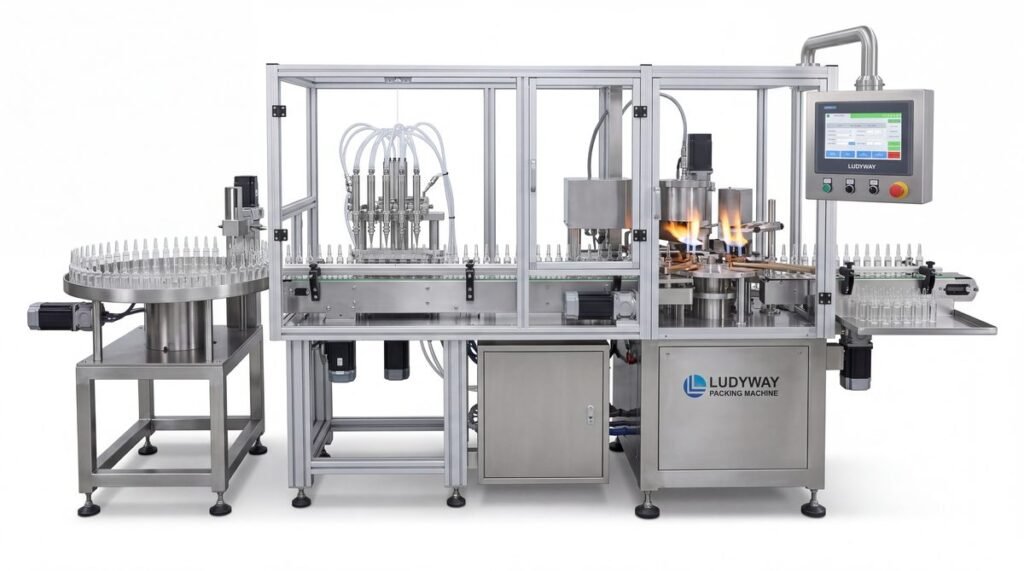
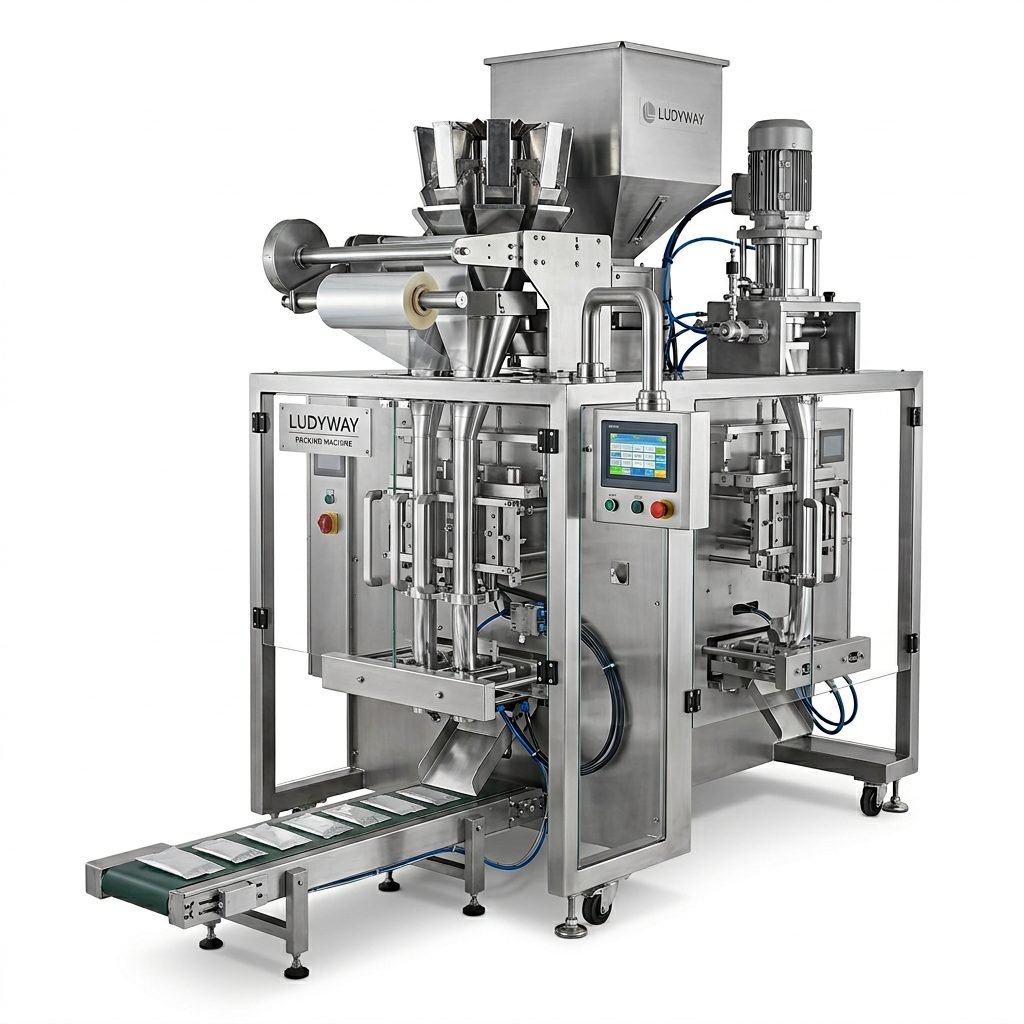
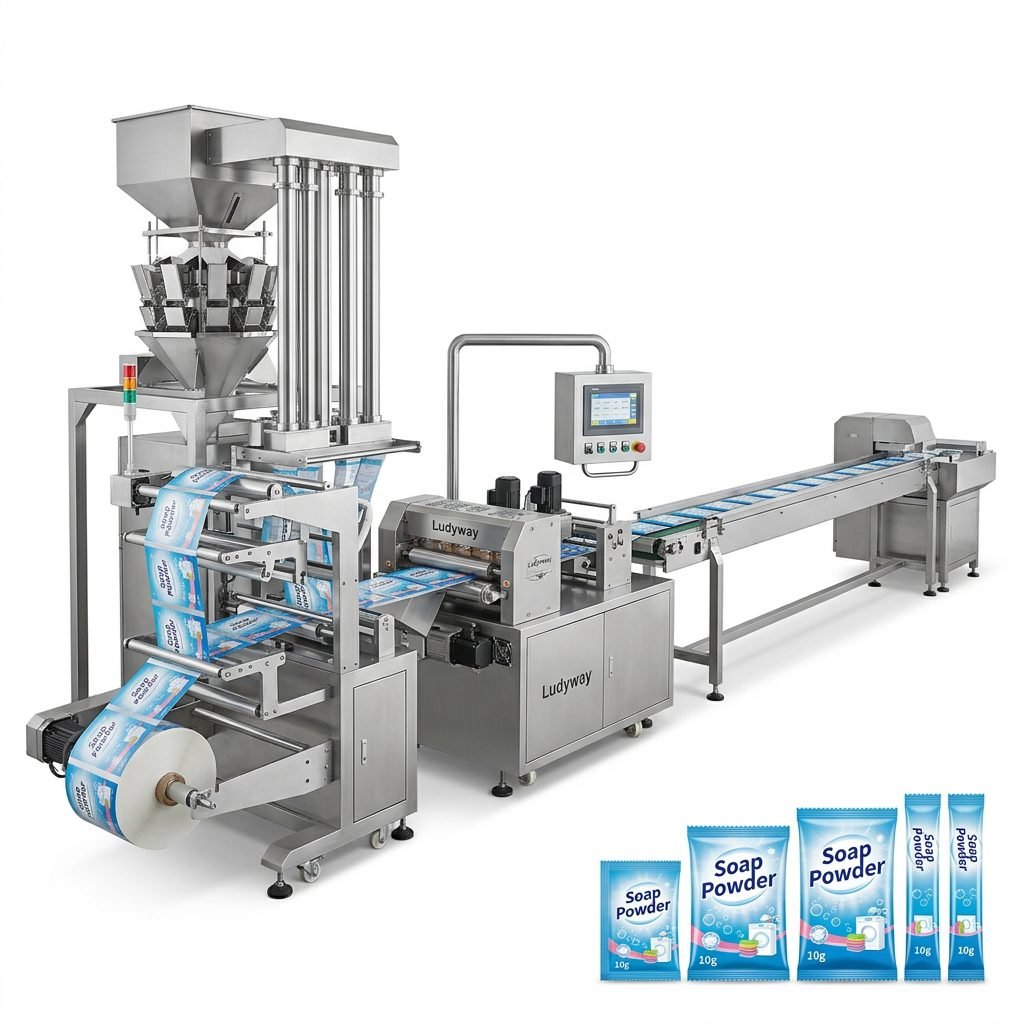
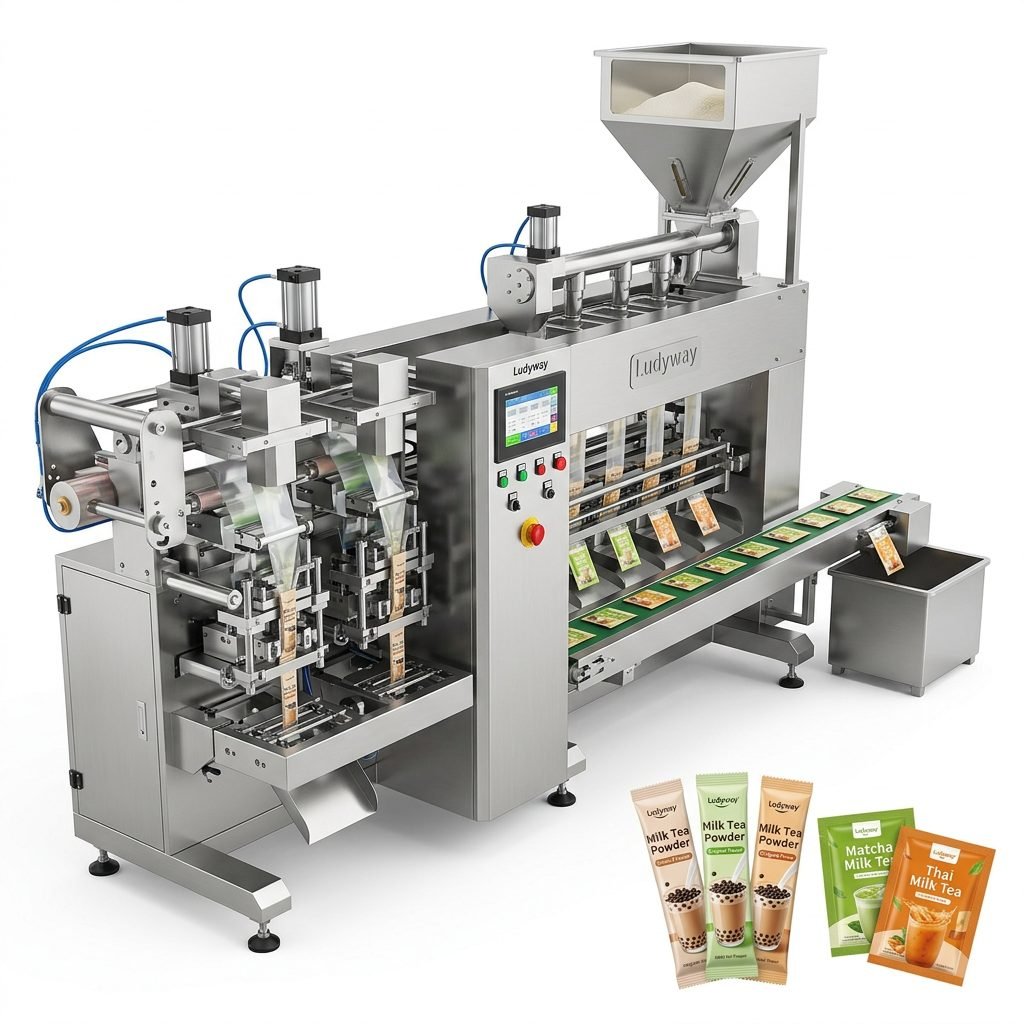
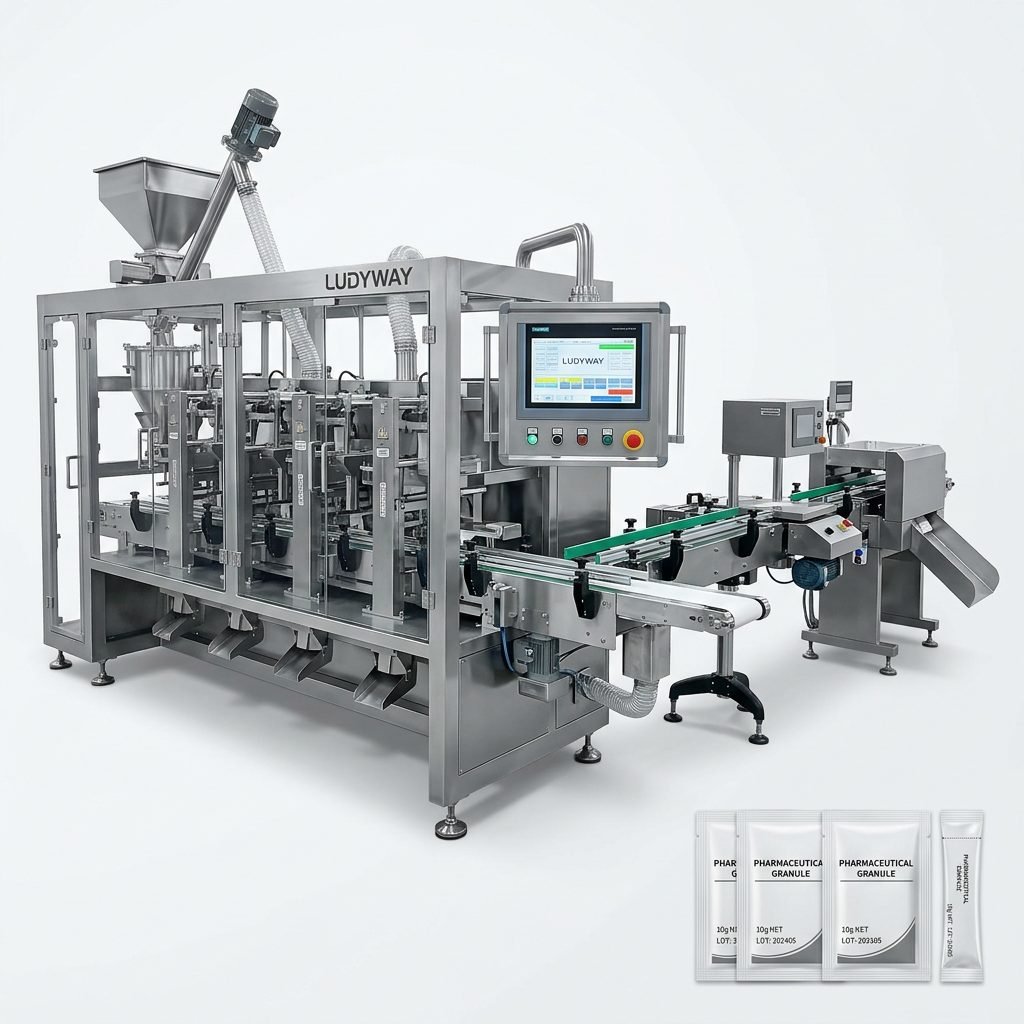
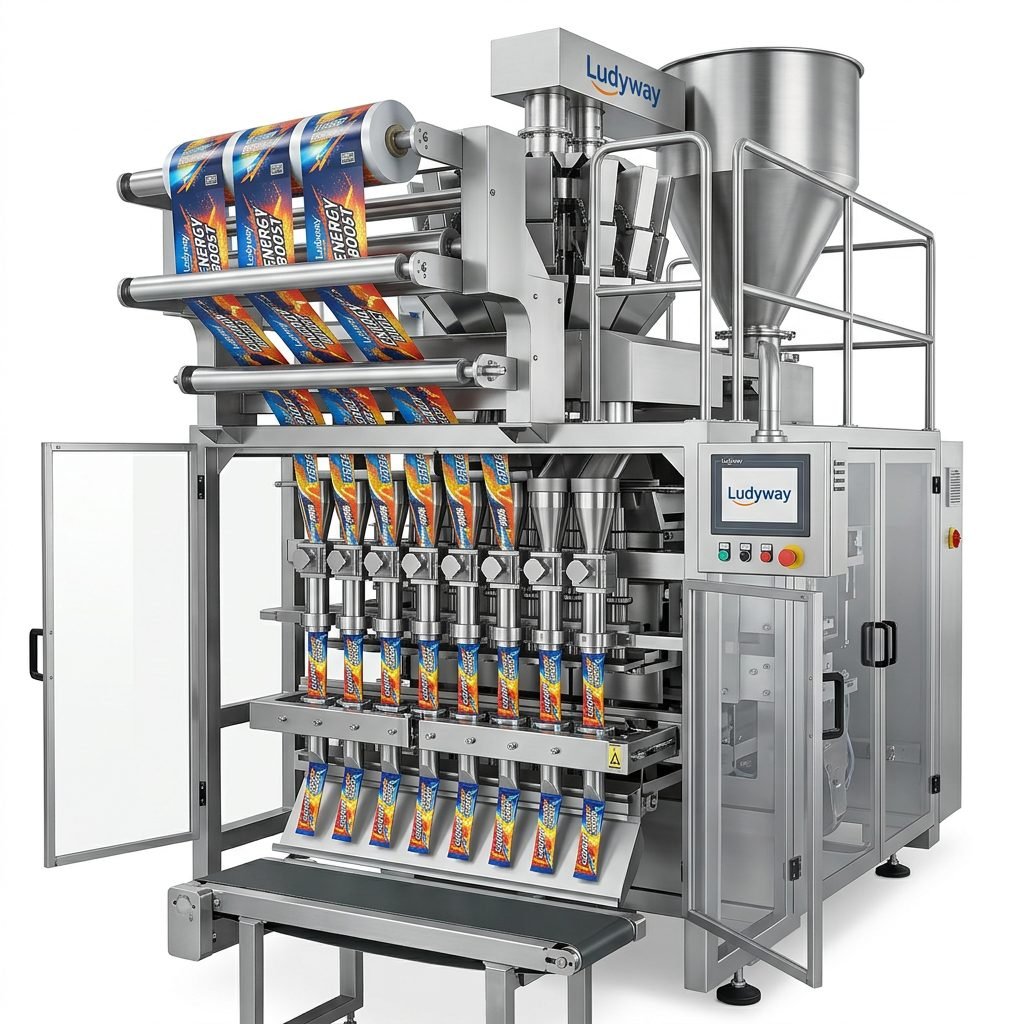
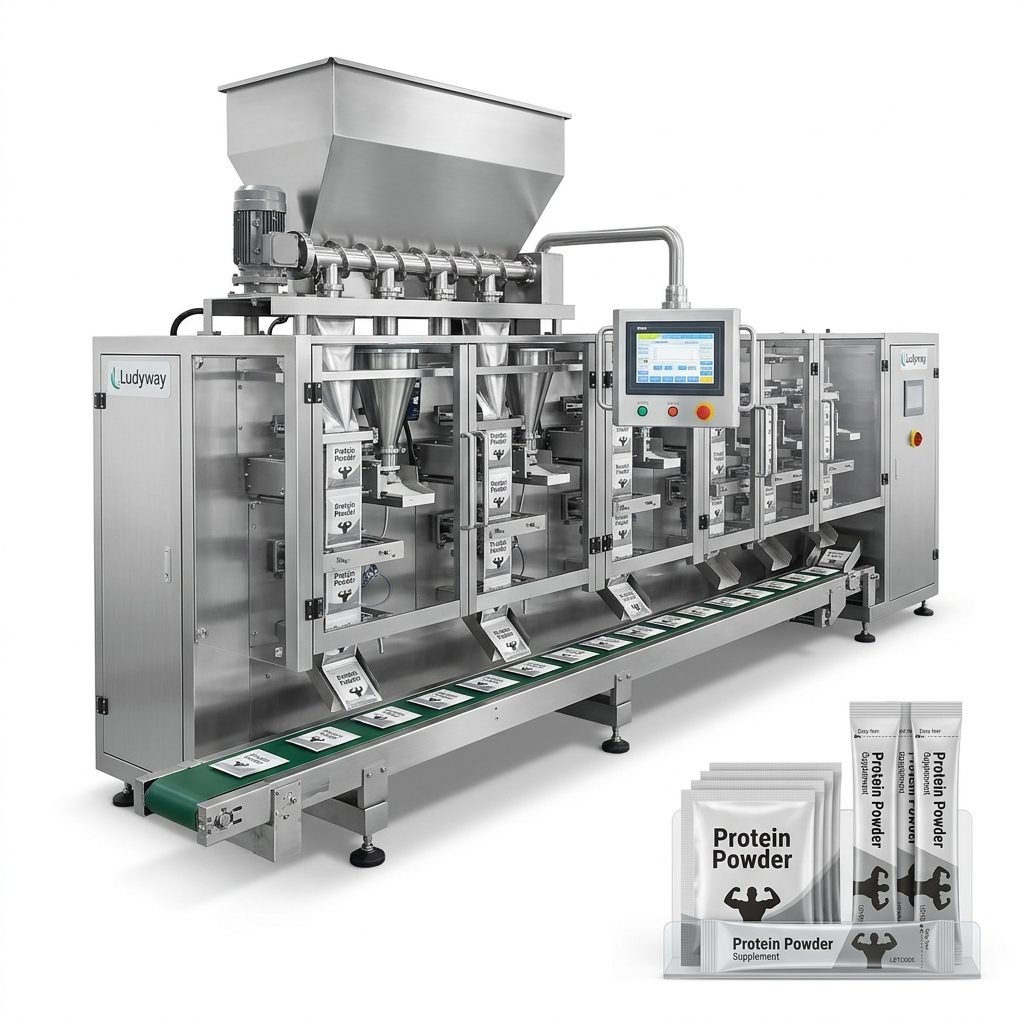
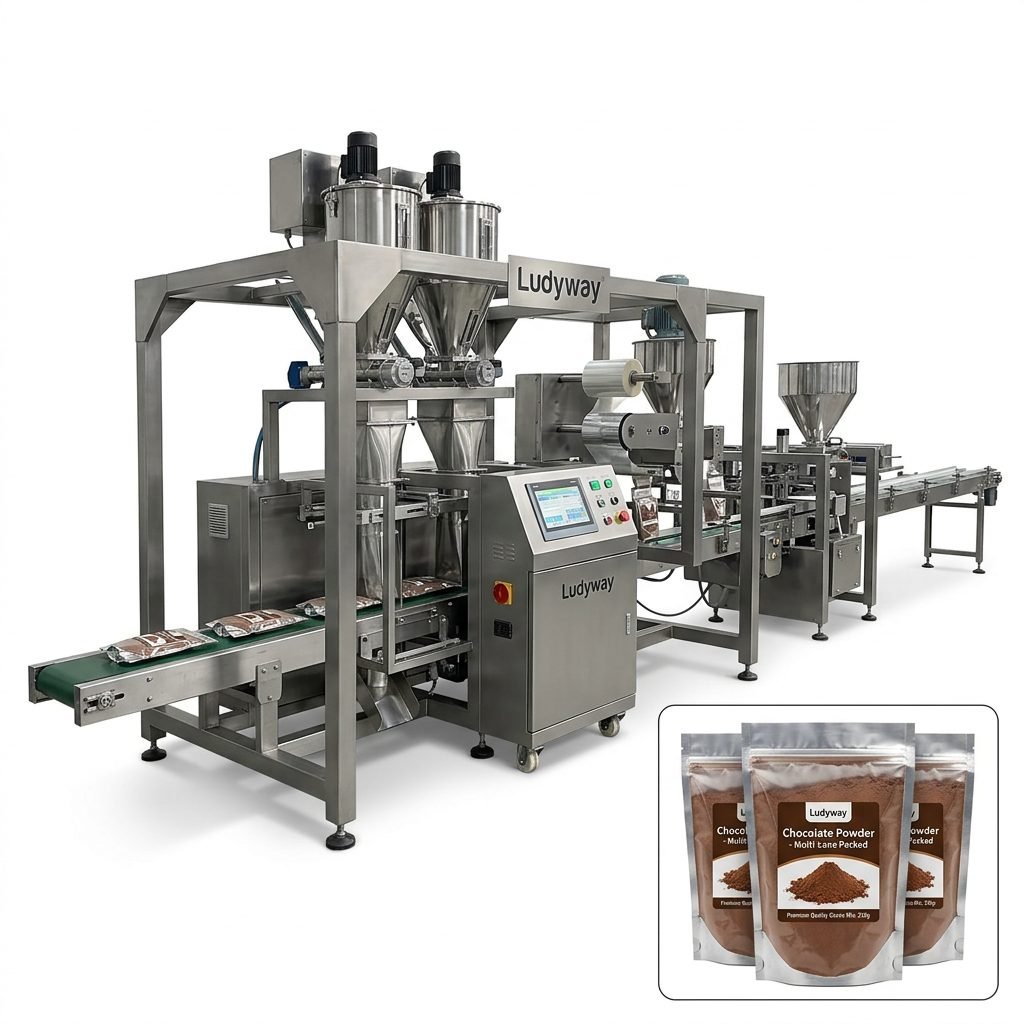
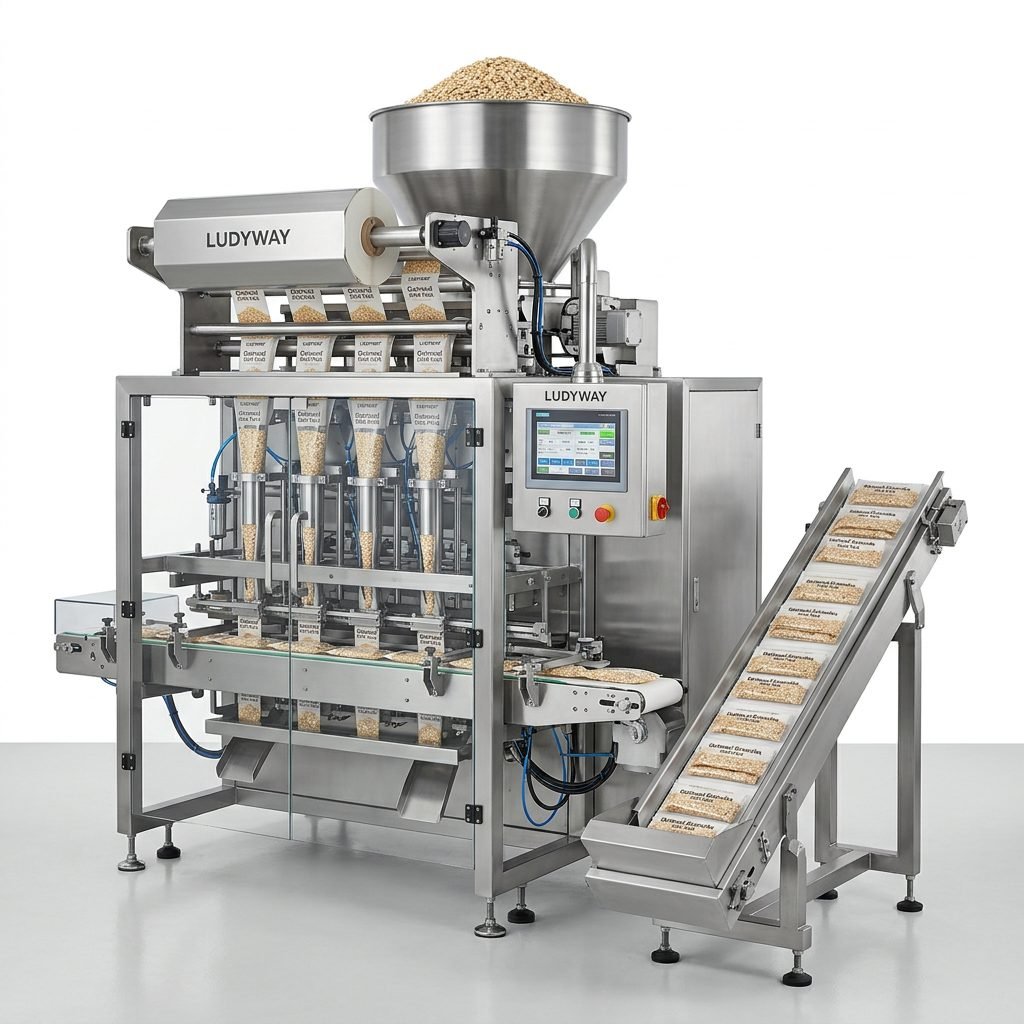
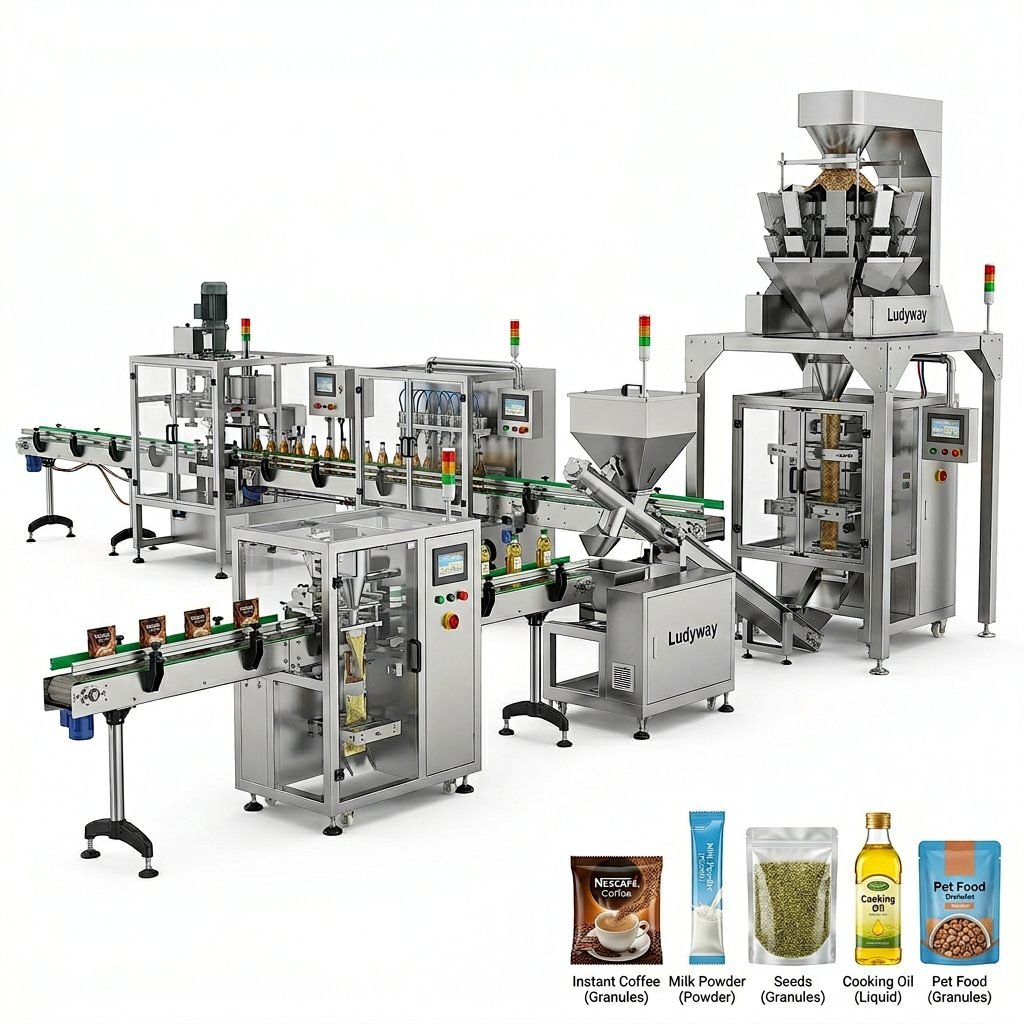
Selecting the right liquid food packaging machine is a critical decision for any food production business. The system you choose directly impacts your product quality, production efficiency, operational costs, and ultimately, your brand’s reputation in the market. This comprehensive guide will walk you through the different types of liquid packaging machines, explain their core working principles, and provide a clear framework to help you choose the perfect system for your specific needs.
Common Types of Liquid Food Packaging Machines
The packaging landscape offers several machine types, each suited to different product viscosities, production speeds, and packaging formats.
Volumetric Cup Filling Machines
These are among the most versatile and widely used systems. They operate by using precision-engineered cups or pistons to measure a specific volume of product before dispensing it into containers like bottles, jars, or pouches. Their key advantage is gentle handling, making them ideal for products containing particulates (e.g., fruit pieces in yogurt, herbs in sauces) or those that are sensitive to shear force.
Piston Filling Machines
Renowned for their exceptional accuracy and consistency, piston fillers are the go-to choice for high-value products or those requiring strict portion control. A piston draws a precise amount of product from a hopper and then pushes it into the container. They excel with viscous products like pastes, thick creams, dense sauces, and even some semi-solids.
Gravity & Pressure Gravity Fillers
Perfect for free-flowing, thin liquids like water, juices, oils, and vinegar. The product flows from a tank into containers by gravity. Pressure gravity fillers add controlled air pressure above the product in the tank to increase flow speed and maintain a consistent fill level, especially useful for carbonated beverages. Their operation is simple, fast, and easy to clean.
Form-Fill-Seal (FFS) Machines
These advanced, all-in-one systems create the pouch from a roll of film, fill it with liquid, and then seal it—all in a continuous, automated process. They are incredibly efficient for single-serve portions of products like condiments, dairy creamers, liquid seasonings, and drink mixes. FFS machines minimize material waste and are excellent for high-volume production of uniform pouches or sachets.
Time Pressure Fillers
Utilizing sophisticated technology, these fillers control the fill volume by precisely managing the time a valve is open and the pressure applied to the product. They are exceptionally accurate and fast, making them suitable for a wide range of viscosities, from water-like liquids to more viscous products. They are often chosen for their hygiene, as the product only contacts sanitary tubing.
Core Working Principles: How Do They Operate?
Understanding the fundamental mechanics behind these machines demystifies the selection process and highlights what makes each type unique.
The Filling Cycle: A Universal Process
Most liquid fillers follow a similar cycle, regardless of their measurement method:
1. Container Positioning: Empty containers are fed and precisely positioned under the filling nozzles via a conveyor system or rotary indexing table.
2. Product Measurement & Dispensing: This is the heart of the process, where the machine’s core technology (piston, cup, timed pressure, etc.) measures the exact predetermined volume or weight of product.
3. Nozzle Engagement & Filling: Nozzles lower into the containers (or rise to meet them) to prevent splashing and oxidation. The measured product is then dispensed. Many systems offer bottom-up filling or snorkel nozzles for foamy products.
4. Nozzle Retraction & Container Release: Once filling is complete, nozzles retract, and the filled containers are released to the next station for capping, sealing, or labeling.
Key Supporting Systems
A filler rarely works alone. Its efficiency depends on integrated systems:
- Conveying Systems: Transport containers to and from the filler.
- Capping / Sealing Units: Apply caps, lids, or heat-seal pouches immediately after filling.
- Control Panels (PLC/HMI): The machine’s brain, allowing operators to set parameters, monitor production, and diagnose issues.
How to Choose the Right Liquid Packaging System
Making an informed choice requires a systematic evaluation of your product, production goals, and operational environment.
1. Analyze Your Product Characteristics
Your product is the most critical factor. Consider its:
Viscosity: Is it watery, syrupy, or paste-like? This directly narrows down suitable machine types (e.g., gravity for thin, piston for thick).
Acidity & Corrosiveness: Aggressive products require specific, corrosion-resistant materials like 316L stainless steel for all product-contact parts.
Aeration & Foaming Tendency: Foamy products (e.g., shampoos, some sauces) need fillers with specialized nozzles that minimize air incorporation.
Presence of Particulates: Chunks or seeds require a filler with wide pathways and a gentle action, such as a volumetric cup filler.
2. Define Your Production Requirements
Quantify your needs to match machine capability:
Required Output Speed (Containers Per Minute – CPM): Be realistic about your peak and average needs. Don’t overpay for excessive speed you won’t use.
Container Type & Size Range: What are you filling? (Bottles, pouches, jars). What is the minimum and maximum size and fill volume? Ensure the machine can handle your entire range.
Accuracy & Precision Needs: High-value products demand high accuracy to avoid “giving away” product. Check the machine’s stated fill accuracy (e.g., ±0.5% of set volume).
3. Evaluate Operational & Business Factors
Look beyond the machine itself to your facility and team:
Changeover Frequency & Ease: If you run many different products or container sizes, look for machines with quick-change parts and tool-less adjustments to minimize downtime.
Hygiene & Cleanability: For food, dairy, or pharmaceutical use, a sanitary design with smooth surfaces, easy disassembly, and CIP (Clean-in-Place) capability is essential.
Floor Space & Utility Requirements: Measure your available space and ensure you have the necessary power, air, and potentially water connections.
Total Cost of Ownership (TCO): Look beyond the purchase price. Consider long-term costs for maintenance, spare parts, energy consumption, and operator training. A reliable partner like Ludyway Machinery, with decades of experience, can provide solutions that optimize TCO through durable design and strong support.
Supplier Support & Service: Your relationship with the machine supplier is crucial. Assess their reputation for technical support, availability of spare parts, training programs, and warranty terms. A reliable partner ensures your investment is protected for years.
Integration and Future-Proofing
Think of your packaging line as an ecosystem. Your new filler must integrate seamlessly with existing or planned upstream (e.g., bottle unscramblers) and downstream (e.g., cappers, labelers) equipment. Consider machines with modern PLC controls and communication protocols (e.g., Ethernet/IP) that allow for easy data collection and future automation upgrades. Investing in a versatile and scalable system from a forward-thinking provider prepares your business for growth and changing market demands.
Frequently Asked Questions (FAQs)
What is the most accurate type of liquid filling machine?
Piston fillers and advanced time-pressure fillers are generally considered the most accurate, often achieving tolerances within ±0.1% to ±0.5% of the target volume. They are ideal for pharmaceuticals, high-end cosmetics, and any application where precise portion control is critical for cost or regulatory compliance.
How do I choose between a volumetric cup filler and a piston filler for a viscous product?
Both can handle viscous products, but the choice depends on the product’s characteristics. Piston fillers offer superior accuracy and are better for extremely thick, non-particulate pastes. Volumetric cup fillers are more forgiving and are the preferred choice if your viscous product contains solid pieces, seeds, or fibers, as their gentle scooping action won’t damage the particulates.
What are the key hygiene features to look for in a food-grade liquid packaging machine?
Prioritize machines constructed with 304 or 316L stainless steel for all product-contact surfaces. Look for a design with smooth, radiused corners (no crevices), easy disassembly for manual cleaning, and preferably options for CIP systems. Seals should be made from FDA-compliant materials like silicone or EPDM.
Can one machine handle both my small 50ml bottles and large 1-liter containers?
Many machines are designed with a “size range.” However, switching between vastly different sizes often requires a changeover involving different filling nozzles, pump sizes, or other components. When evaluating a machine, explicitly discuss your full container range with the supplier to understand the changeover process and time involved.
Why is supplier support as important as the machine itself?
Even the best machine may require maintenance, spare parts, or occasional troubleshooting. A supplier with strong global support, readily available spare parts, and responsive technical service minimizes costly production downtime. Their expertise can also help you optimize machine settings and plan for future line expansions, safeguarding your long-term productivity.