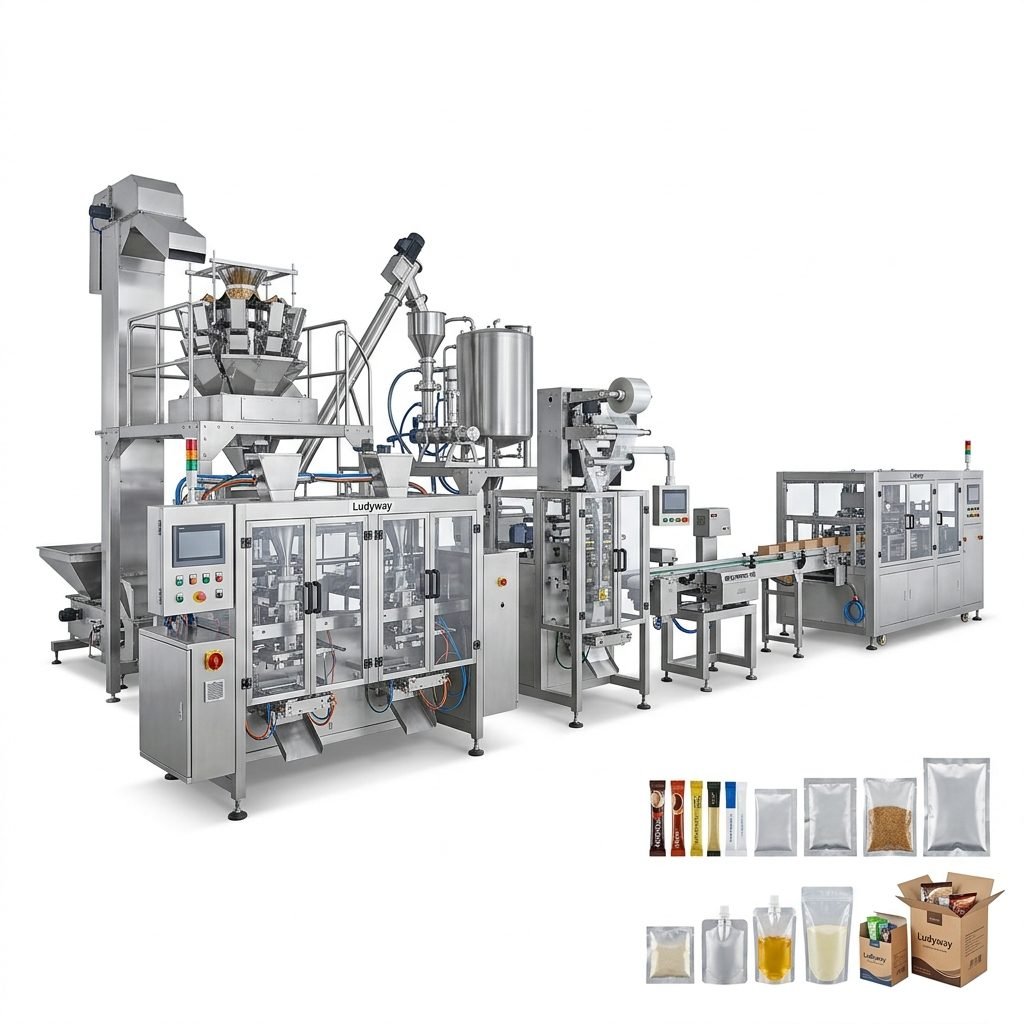
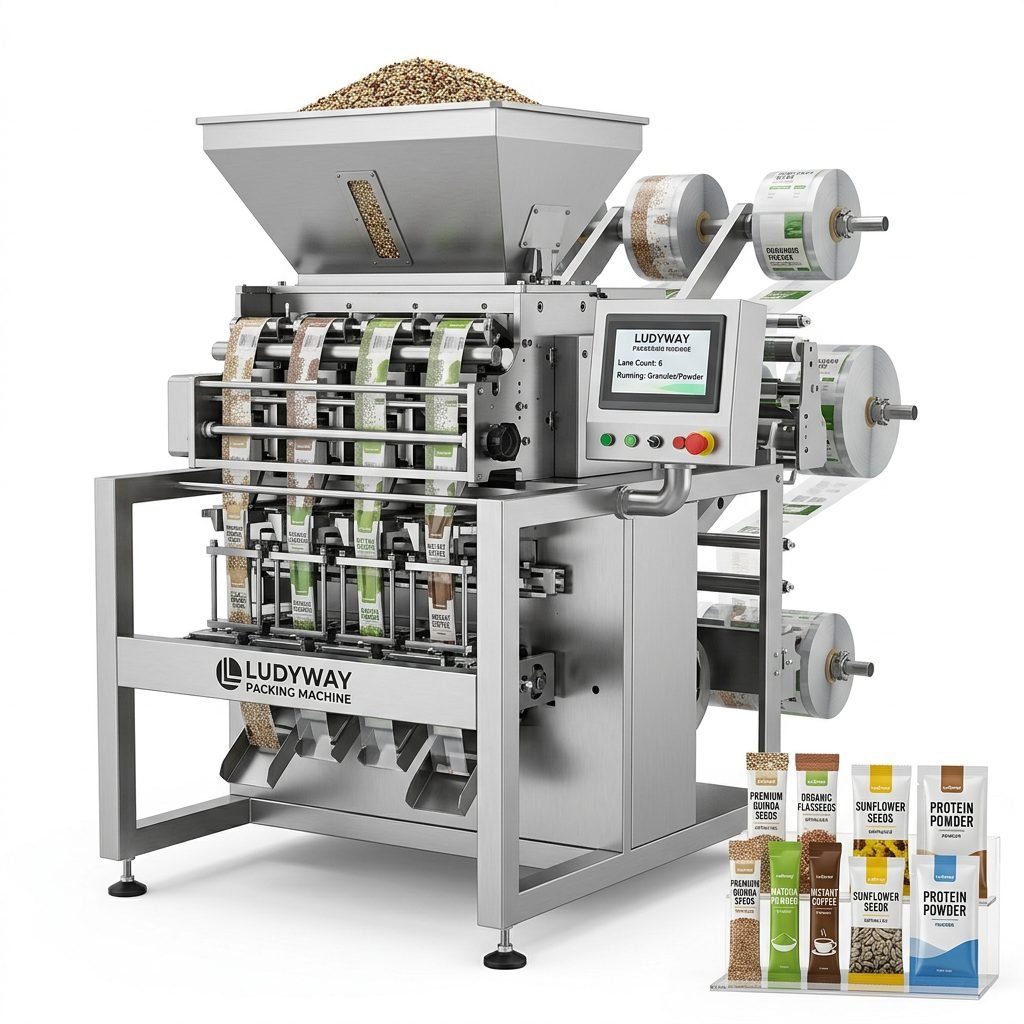
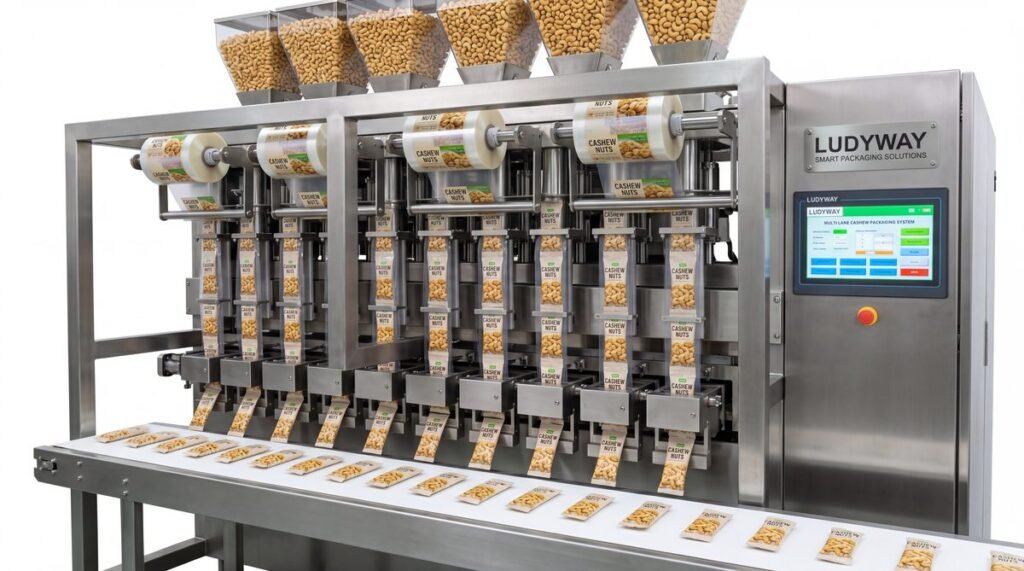
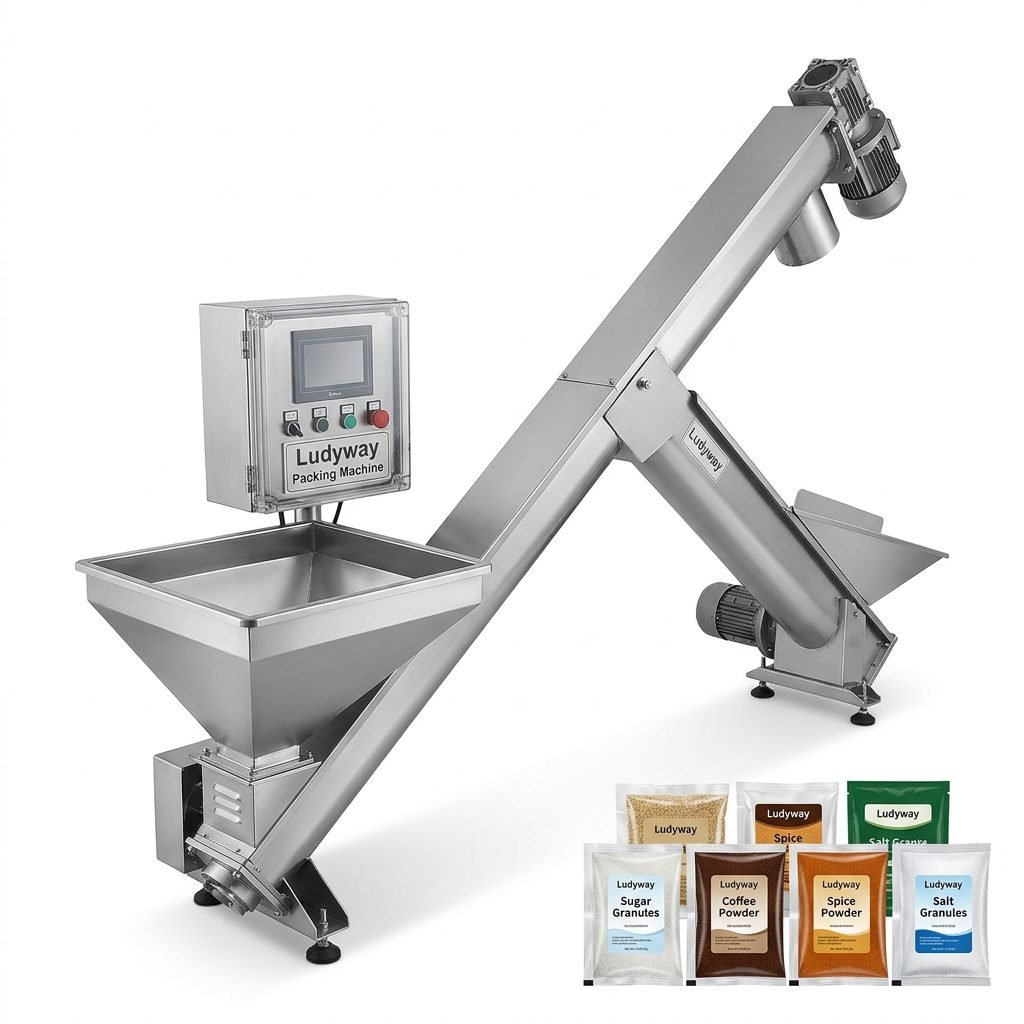
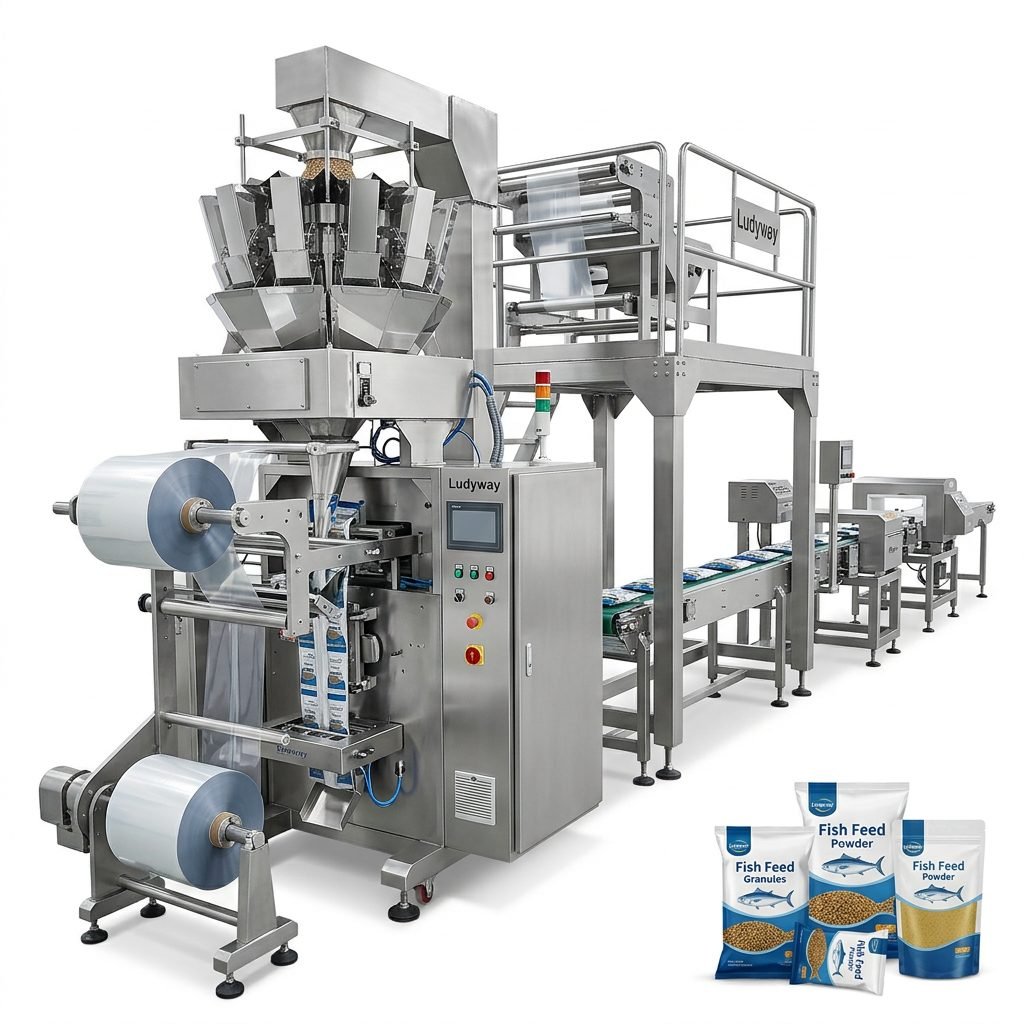
Liquid filling machines are used far beyond water or juice. In modern packaging production, they can handle a wide range of products—from thin free-flowing liquids to thick viscous pastes, from food and pharmaceuticals to cosmetics and industrial chemicals. The real question is not just “can it be filled,” but which filling technology is the best fit for that specific liquid.
If you are evaluating a new packaging project, understanding liquid type, viscosity, foaming behavior, particle content, hygiene level, and packaging format will help you choose the right machine and avoid expensive mistakes.
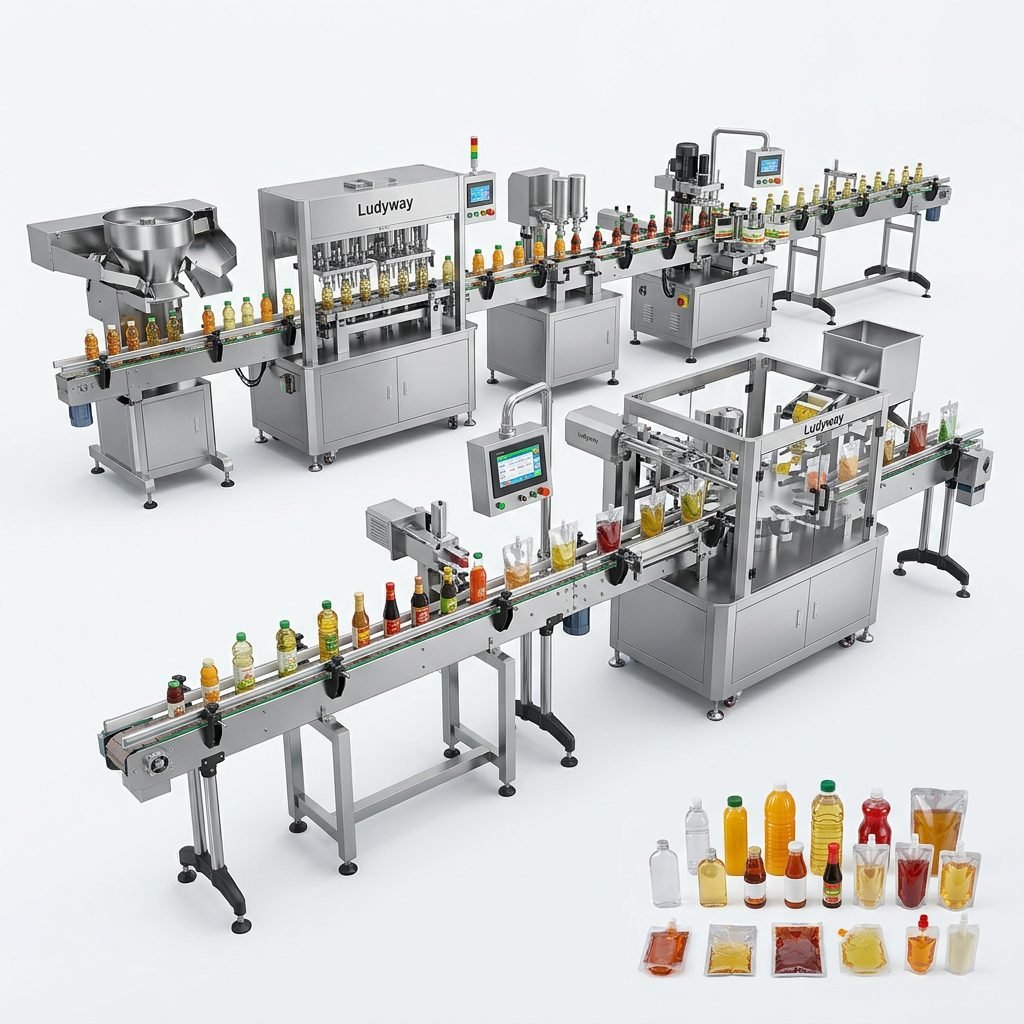
What Counts as a Liquid for Filling Machines?
In packaging equipment, “liquid” is a broad category. It usually includes products that can flow or be dosed under gravity, pressure, pumping, or piston movement. This means filling machines may be suitable for:
- Low-viscosity liquids such as water, vinegar, alcohol, edible oil, and solvents
- Medium-viscosity liquids such as syrups, sauces, detergents, and oral liquids
- High-viscosity products such as cream, gel, honey, paste, and lotion
- Liquids with particles such as fruit sauce, chili sauce, soup bases, and cosmetic scrubs
- Foaming liquids such as shampoo, hand wash, and cleaning agents
- Sterile or hygienic liquids such as pharmaceutical solutions and medical-use liquids
The compatibility depends on machine structure, pump type, sealing method, filling accuracy, and whether the product needs sanitary or corrosion-resistant contact parts.
Main Liquid Categories That Can Be Packed
1. Water-Like and Free-Flowing Liquids
These are the easiest products for filling systems to handle because they flow quickly and consistently. Typical examples include purified water, beverage bases, soy sauce, vinegar, oral liquids, and some chemical solutions.
Recommended machine types often include:
- Gravity fillers
- Flow meter fillers
- Overflow fillers
- Automatic sachet or stick pack liquid filling machines
2. Oils and Semi-Free-Flowing Liquids
Edible oil, essential oil, fish oil, engine oil additives, and some beauty oils can all be packed by filling machines. These liquids are still flowable, but their lubrication and density characteristics require stable valves and precise control.
Important note: oils may need anti-drip nozzles and sealing materials that resist swelling or leakage.
3. Viscous Liquids
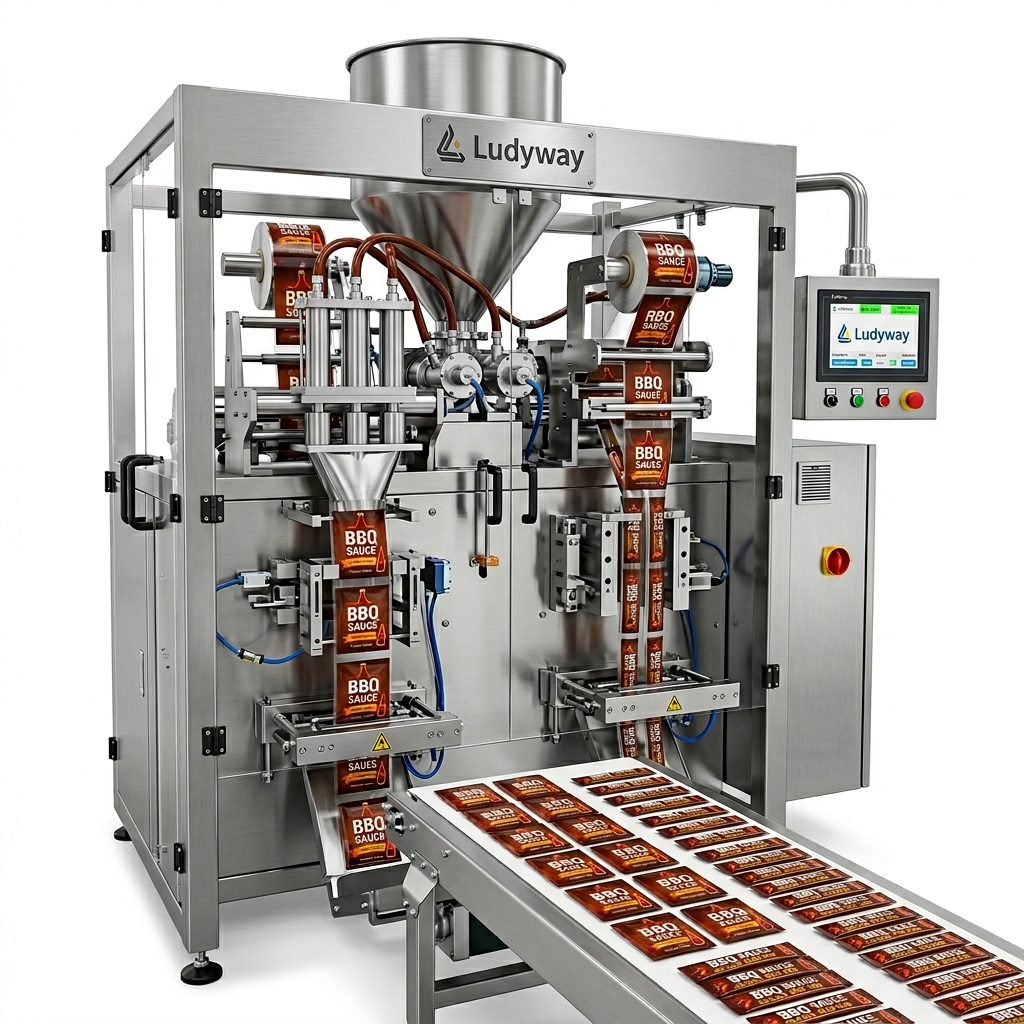
This group includes ketchup, mayonnaise, honey, syrup, shampoo, conditioner, lotion, serum, cream, gel, and detergent. These products usually need stronger dosing systems, such as piston fillers, servo pumps, or pressurized feeding systems.
For viscous materials, machine selection should consider:
- Product thickness consistency
- Heating requirements
- Shear sensitivity
- Stringing and dripping control
4. Liquids with Granules or Particles
Some filling machines can package liquids containing suspended particles, such as chili sauce with flakes, jam with fruit bits, soup concentrates, pet food gravy, exfoliating gel, or herbal liquid mixtures.
These applications usually require:
- Larger filling passages
- Special anti-blocking valves
- Agitation systems to keep particles evenly suspended
- Packaging formats with enough opening size
5. Foaming Liquids
Products like hand soap, floor cleaner, glass cleaner, detergent, sanitizer, and shampoo often foam during filling. This affects speed, volume consistency, and seal quality.
To handle foaming products well, manufacturers may use:
- Bottom-up filling
- Diving nozzles
- Slow-fast-slow filling profiles
- Defoaming holding time before sealing
6. Hazardous or Corrosive Liquids
Certain industrial and chemical liquids can also be filled, including solvents, pesticides, cleaners, acids, alkalis, and automotive fluids. In these cases, compatibility is mainly about material selection and safety.
Machines for these liquids may need:
- Corrosion-resistant contact parts
- Explosion-proof configurations
- Sealed transfer systems
- Ventilation or vapor management
Examples of Liquids Commonly Packed by Filling Machines
| Industry | Typical Liquids | Common Packaging Formats |
|---|---|---|
| Food & Beverage | Water, juice concentrate, oil, soy sauce, vinegar, honey, ketchup, mayonnaise, jam, syrup | Bottles, sachets, stick packs, pouches, cups |
| Pharmaceutical | Oral liquid, medical solution, gel, syrup, disinfectant | Vials, bottles, sachets, unit-dose packs |
| Cosmetic & Personal Care | Serum, lotion, cream, shampoo, conditioner, body wash, facial cleanser | Tubes, sachets, bottles, pouches |
| Household & Cleaning | Dishwashing liquid, floor cleaner, hand wash, detergent, sanitizer | Sachets, pouches, bottles, refill packs |
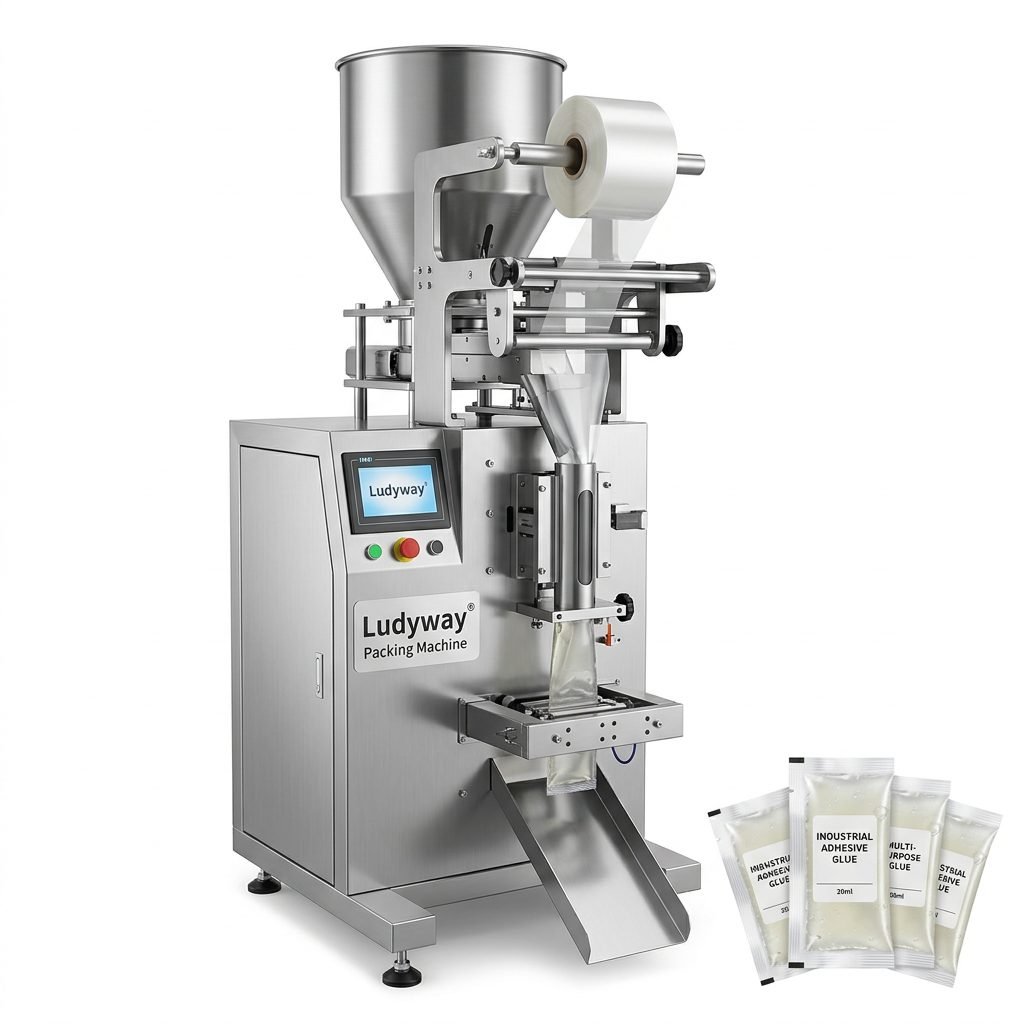
| Chemical & Industrial | Solvents, lubricants, additives, adhesives, agricultural liquids | Pouches, sachets, bottles, drums |
Which Factors Determine Whether a Liquid Can Be Packed?
Viscosity
Viscosity is one of the first technical checks. Thin liquids can use simpler filling systems, while thick products require piston or pump-assisted designs.
Temperature Sensitivity
Some liquids become thinner when heated or thicker when cooled. Chocolate sauce, honey, wax-based cosmetics, and some creams often need heated hoppers or jacketed tanks.
Particle Size
If the liquid contains pulp, herbs, seeds, fruit pieces, or granules, the machine must be designed to prevent clogging and maintain dose consistency.
Foaming Behavior
Foaming can reduce filling accuracy and create sealing problems. This is especially common in cleaning and personal care products.
Hygiene and Regulatory Requirements
Food, pharmaceutical, and cosmetic liquids often require sanitary design, easy cleaning, stainless steel contact parts, and validation-friendly production processes.
Packaging Material and Format
A liquid that works well in a bottle may not behave the same way in a small sachet or multi-lane stick pack. The package shape affects dosing speed, sealing stability, and product flow.
Best Filling Machine Types for Different Liquids
| Machine Type | Best For | Advantages |
|---|---|---|
| Gravity Filler | Water-like liquids | Simple structure, cost-effective |
| Piston Filler | Sauces, cream, paste, gel | High accuracy for viscous products |
| Pump Filler | Oil, lotion, detergent, chemical liquids | Flexible for different viscosities |
| Overflow Filler | Transparent bottles with thin liquids | Uniform fill level appearance |
| Flow Meter Filler | Fast-moving liquid production | Precise electronic volume control |
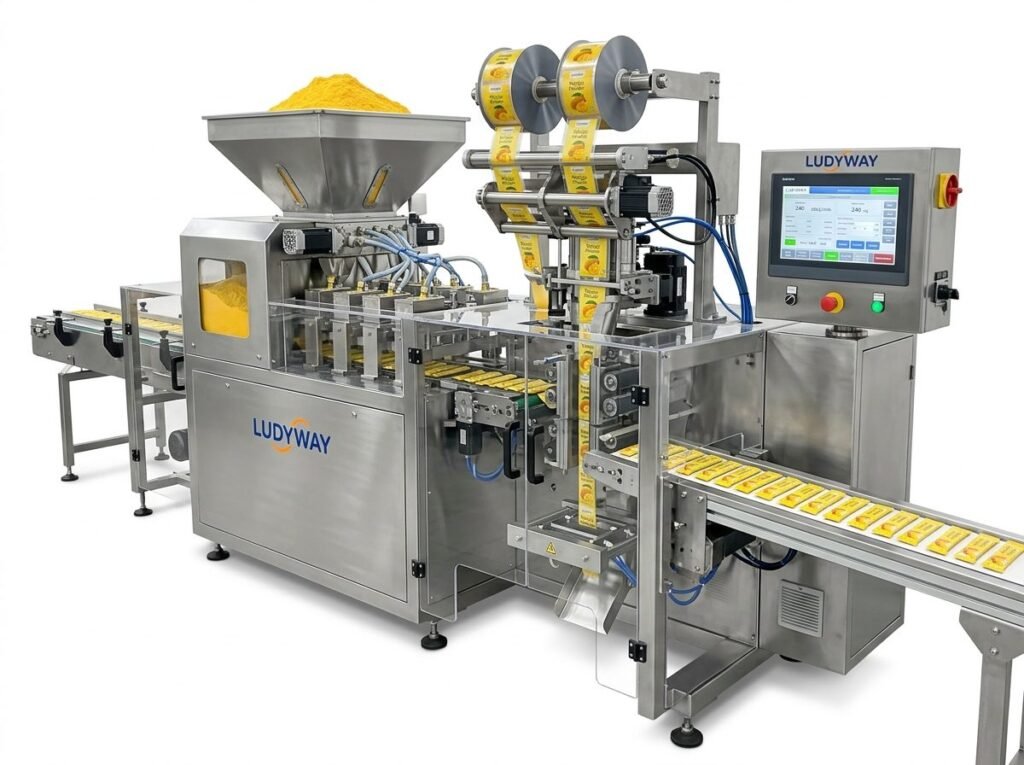
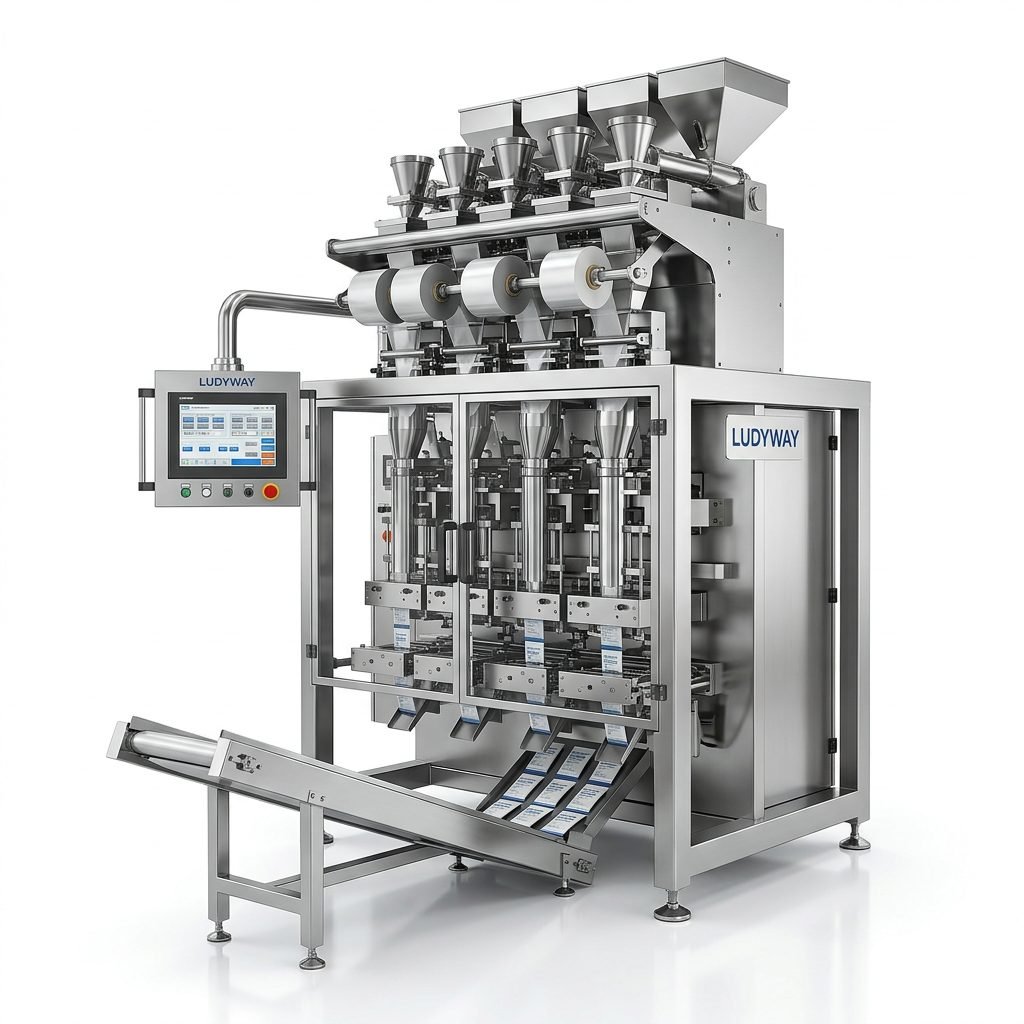
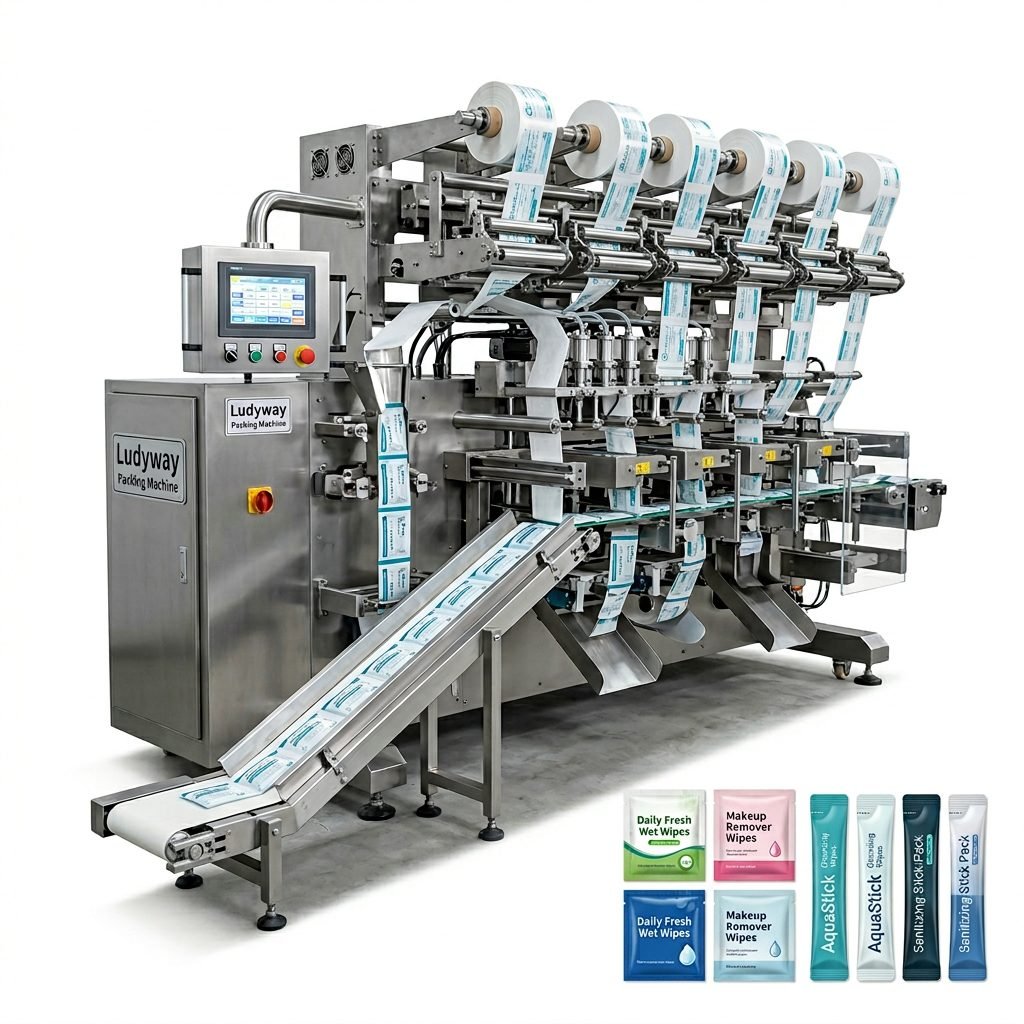
| Form-Fill-Seal Liquid Machine | Sachets, stick packs, pouches | Integrated forming, filling, sealing |
Can One Filling Machine Handle Different Liquids?
Yes, but only within a practical range. Many modern machines are designed for multi-product flexibility, especially when manufacturers need to pack related liquids like shampoo and conditioner, or sauce and syrup. However, not every machine can smoothly switch between very thin and very thick products.
When planning multi-product use, check:
- Viscosity range supported by the filling system
- Cleaning time between product changes
- Seal compatibility with different formulas
- Nozzle and hopper design
- Changeover complexity
Industries That Commonly Use Liquid Filling Machines
Liquid filling systems are widely used in multiple sectors:
- Food industry: sauces, oils, condiments, beverages, dairy-related liquids
- Pharmaceutical industry: oral liquids, syrups, topical gels, disinfectants
- Cosmetics industry: serum, lotion, cream, shampoo, face wash
- Chemical industry: cleaning liquid, additives, solvents, adhesives
- Health supplement industry: collagen drink, fish oil, nutritional gel, wellness shots
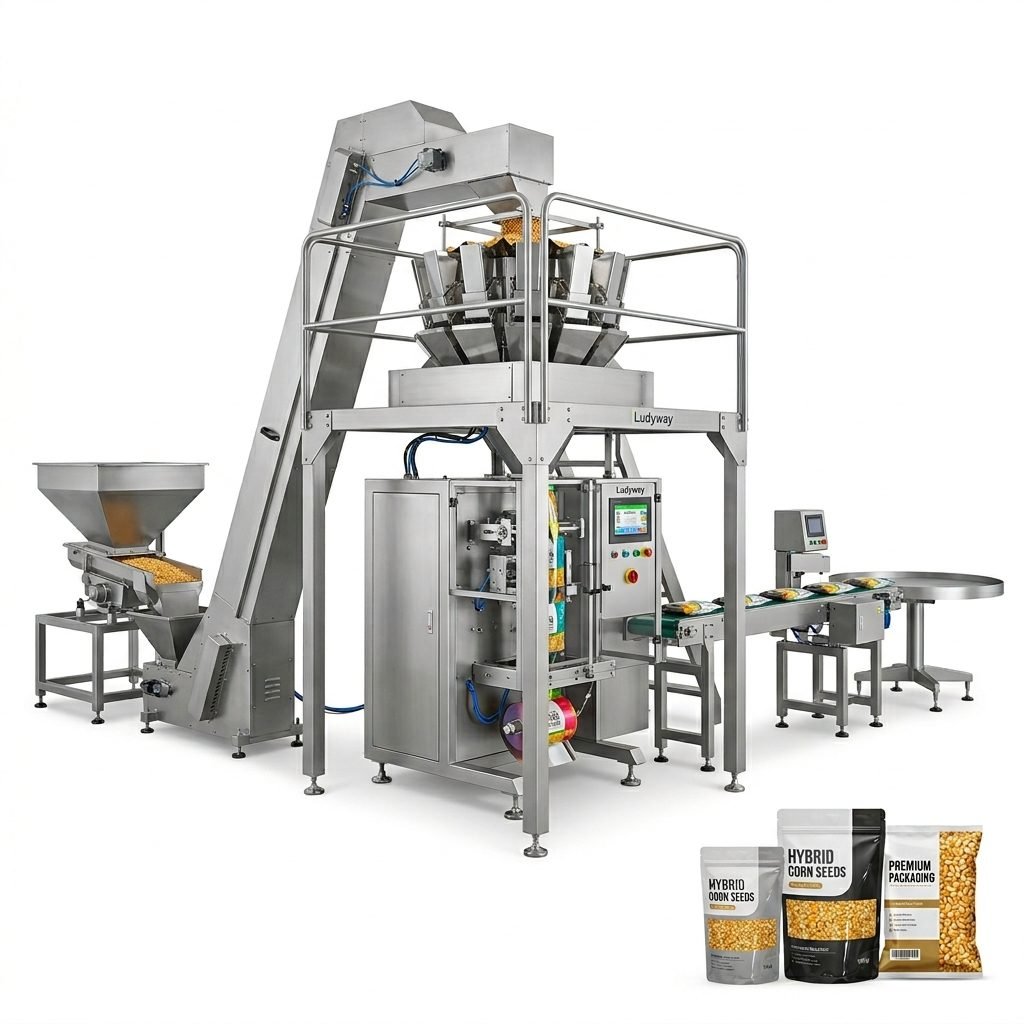
For brands looking for scalable packaging solutions, working with an experienced equipment supplier is critical. Ludyway packaging machine manufacturer provides packaging equipment and turnkey lines for liquids, powders, granules, pastes, and pouch-based products across food, pharmaceutical, cosmetic, and chemical applications.
How to Check If Your Liquid Is Suitable for Machine Filling
Before selecting a machine, prepare a clear product profile. This helps suppliers recommend the correct filling technology faster and more accurately.
Basic checklist:
- What is the product name and application?
- Is it thin, thick, foamy, sticky, or particle-containing?
- What is the target pack size?
- What packaging format do you need?
- Does the product require heating, mixing, or sterilization?
- Is the liquid corrosive or flammable?
- What output speed do you expect?
Tip: sending actual product samples for testing is often the fastest way to verify machine compatibility and packaging performance.
Common Problems When Filling Liquids
Leakage
Usually caused by incorrect sealing temperature, product contamination in the sealing area, or unsuitable film structure.
Dripping
Common with oils, syrups, gels, and lotions. Anti-drip nozzles and cut-off valves can help.
Inconsistent Fill Volume
This may come from unstable product flow, air bubbles, viscosity fluctuation, or poor pump calibration.
Foam Overflow
Typical in detergent and shampoo applications. Slower filling and nozzle design adjustments are often required.
Blocked Valves
Seen in products with particles or sticky residues. Larger passages and proper cleaning routines are essential.
Final Buying Advice for Liquid Packaging Projects
Almost any liquid can be packed by a filling machine if the machine is matched correctly to the product characteristics. Instead of focusing only on whether a liquid is packable, buyers should evaluate the full production picture:
- Product behavior during filling
- Required packaging format
- Hygiene or chemical resistance needs
- Production speed targets
- Automation level and future expansion plans
Choosing the right liquid filling solution improves not only productivity, but also seal quality, product consistency, shelf appearance, and total operating efficiency.
FAQs
Can filling machines pack thick liquids like honey or cream?
Yes. Thick products are commonly packed with piston fillers, servo pump fillers, or specialized viscous liquid sachet machines.
Can one machine fill both liquid and paste?
In some cases, yes. But the machine must be designed for a suitable viscosity range and easy cleaning between products.
Can liquids with particles be packed automatically?
Yes, if the particle size, suspension behavior, and valve structure are compatible with the filling system.
What packaging forms are available for liquids?
Common options include bottles, sachets, stick packs, pouches, tubes, cups, and larger industrial containers.
How do I choose the right machine for my liquid?
Start with viscosity, foaming tendency, particle content, required pack size, and packaging format. Then request product testing from the machine supplier.