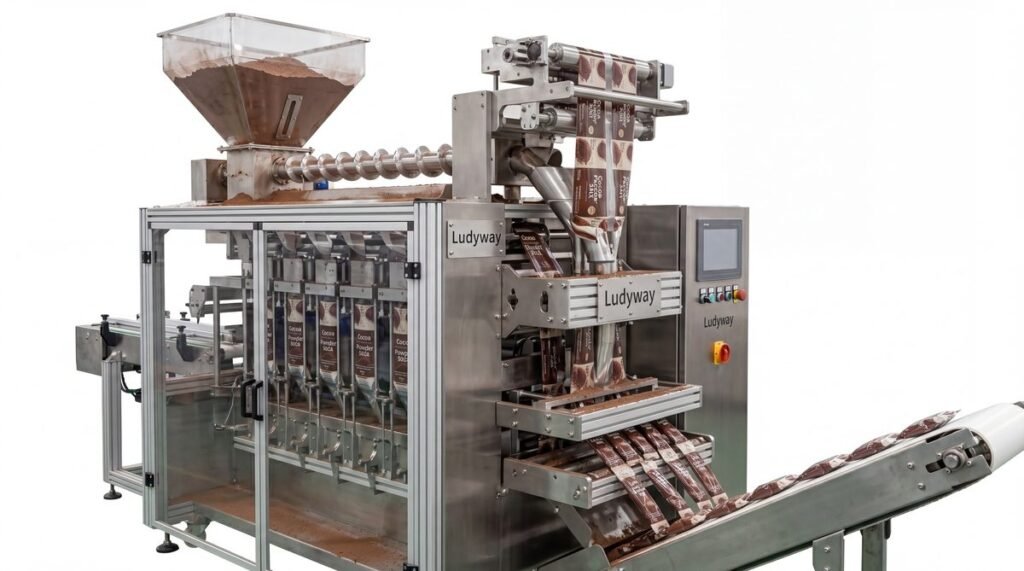
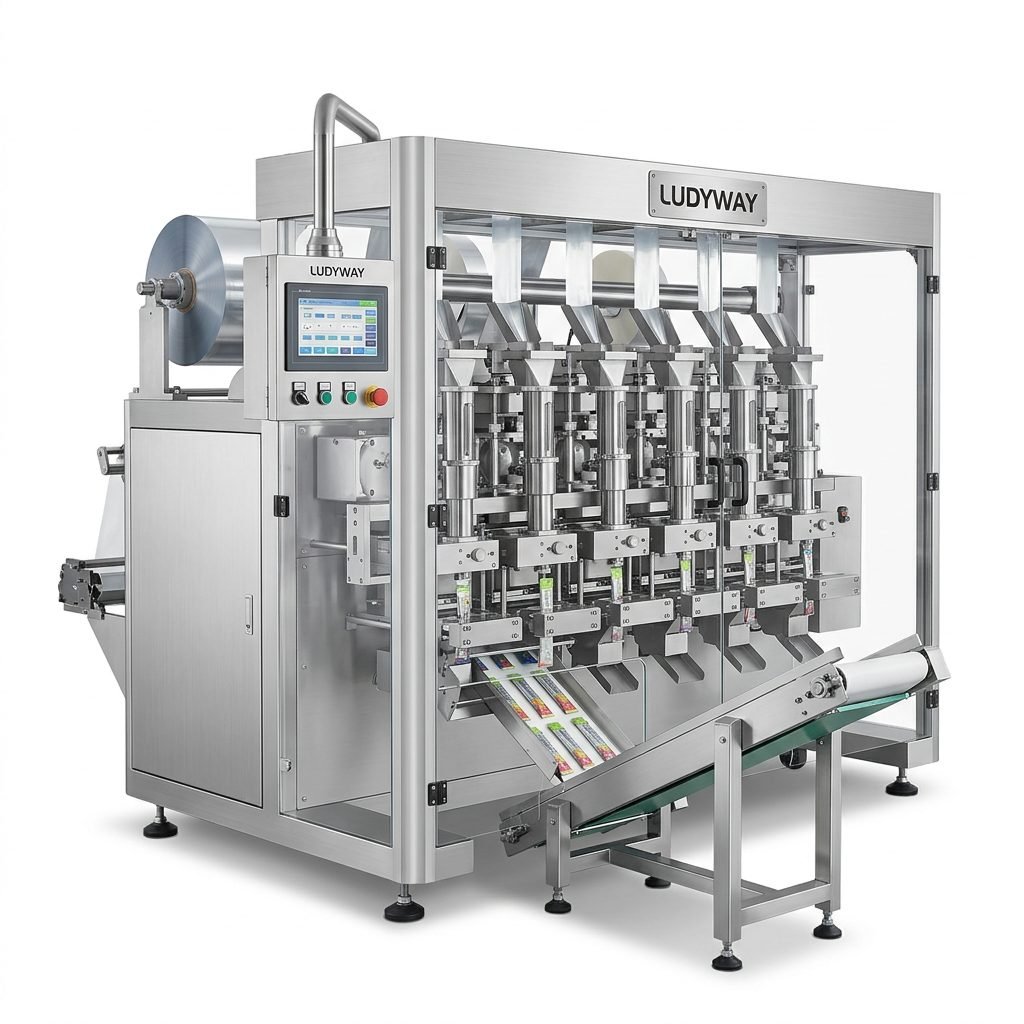
Wet wipes are now essential in personal care, baby care, household cleaning, medical hygiene, travel convenience, and industrial sanitation. As demand continues to grow, choosing the right wet wipes packaging machine becomes a critical investment for manufacturers that want better efficiency, seal quality, hygiene control, and long-term profitability.
Whether you produce single-piece alcohol wipes, baby wipes in flow packs, disinfectant wipes, cosmetic remover wipes, or medical wipes, the right packaging solution should match your product format, output target, material structure, and regulatory requirements.
Why Wet Wipes Packaging Machines Matter
Wet wipes are moisture-sensitive products. If packaging performance is poor, wipes can dry out, leak, become contaminated, or lose usability before reaching the customer. A well-designed packaging machine helps manufacturers maintain:
- Consistent liquid dosing
- Reliable sealing performance
- Accurate folding and stacking
- Good package appearance
- Production hygiene and traceability
- Lower labor dependency
- Higher line speed with less waste
In practical terms, the packaging machine is not only a wrapper. It is a core part of product quality assurance.
Main Types of Wet Wipes Packaging Solutions
Different wet wipe products require different packaging technologies. Understanding the main machine categories helps narrow down the right solution faster.
1. Single Sachet Wet Wipe Packaging Machine
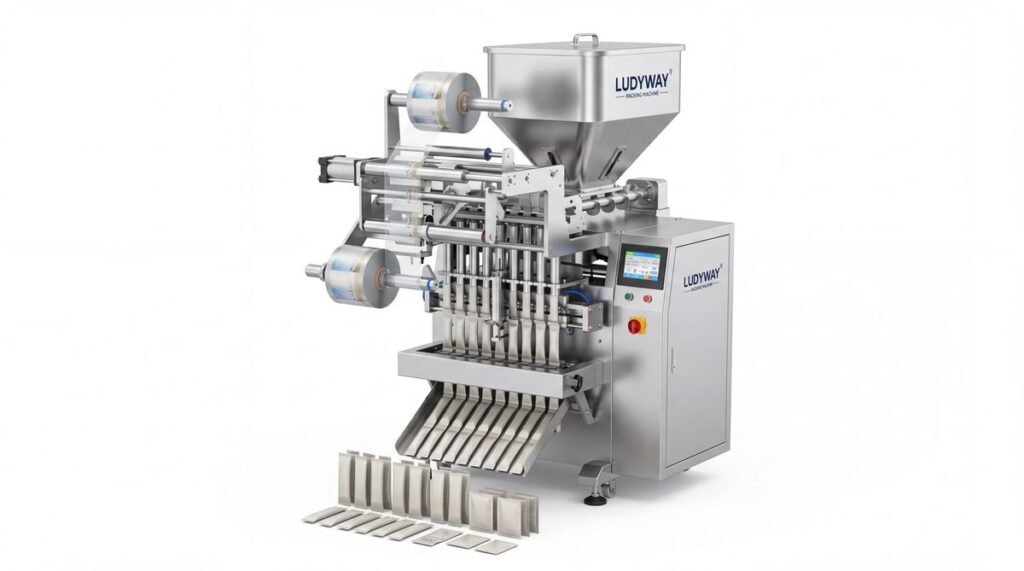
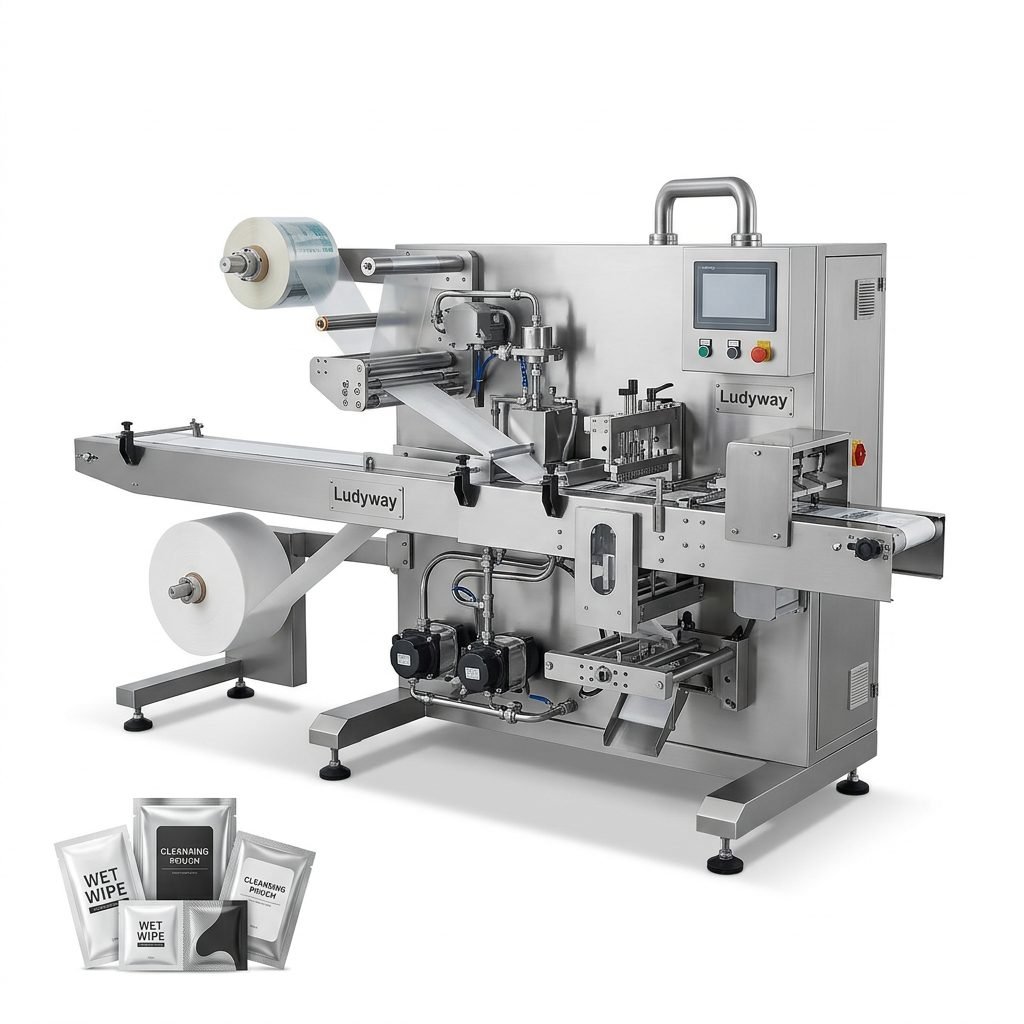
This type is used for individually packed wipes, such as alcohol pads, disinfectant wipes, lens wipes, feminine hygiene wipes, restaurant wipes, and travel wipes. Each wipe is folded, wetted, inserted into film, sealed, and cut into a single-use sachet.
- Best for portable and hygienic single-use products
- Suitable for medical, beauty, hospitality, and airline use
- Often requires high sealing accuracy and precise liquid filling
2. Multi-Pack Wet Wipes Packaging Machine
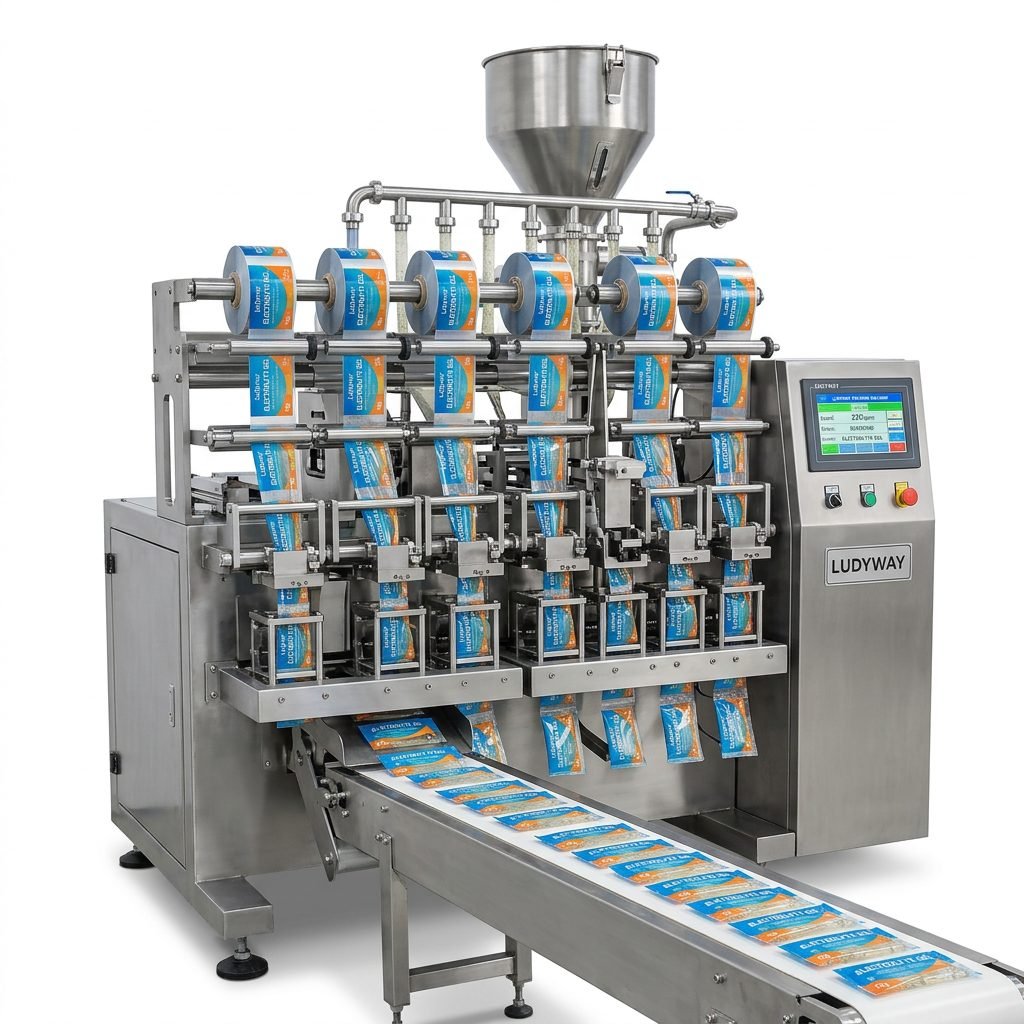
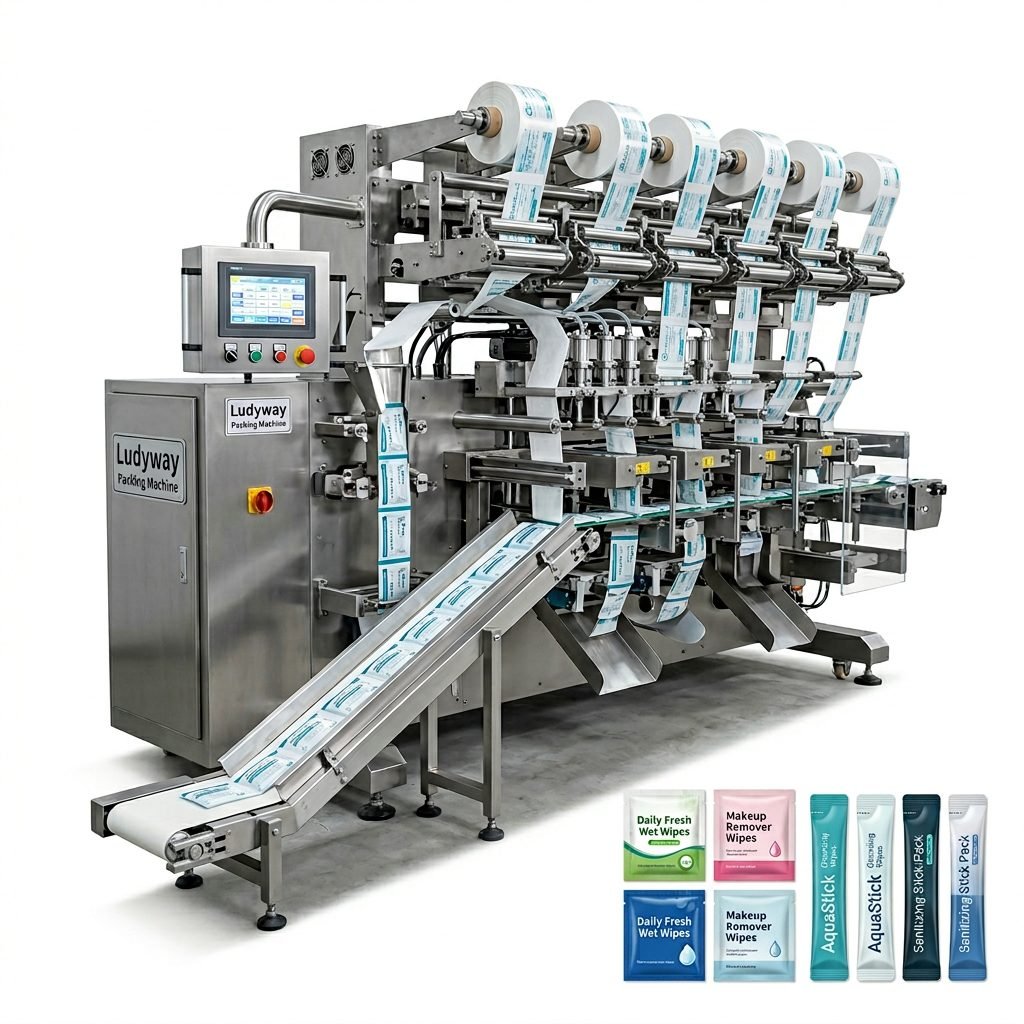
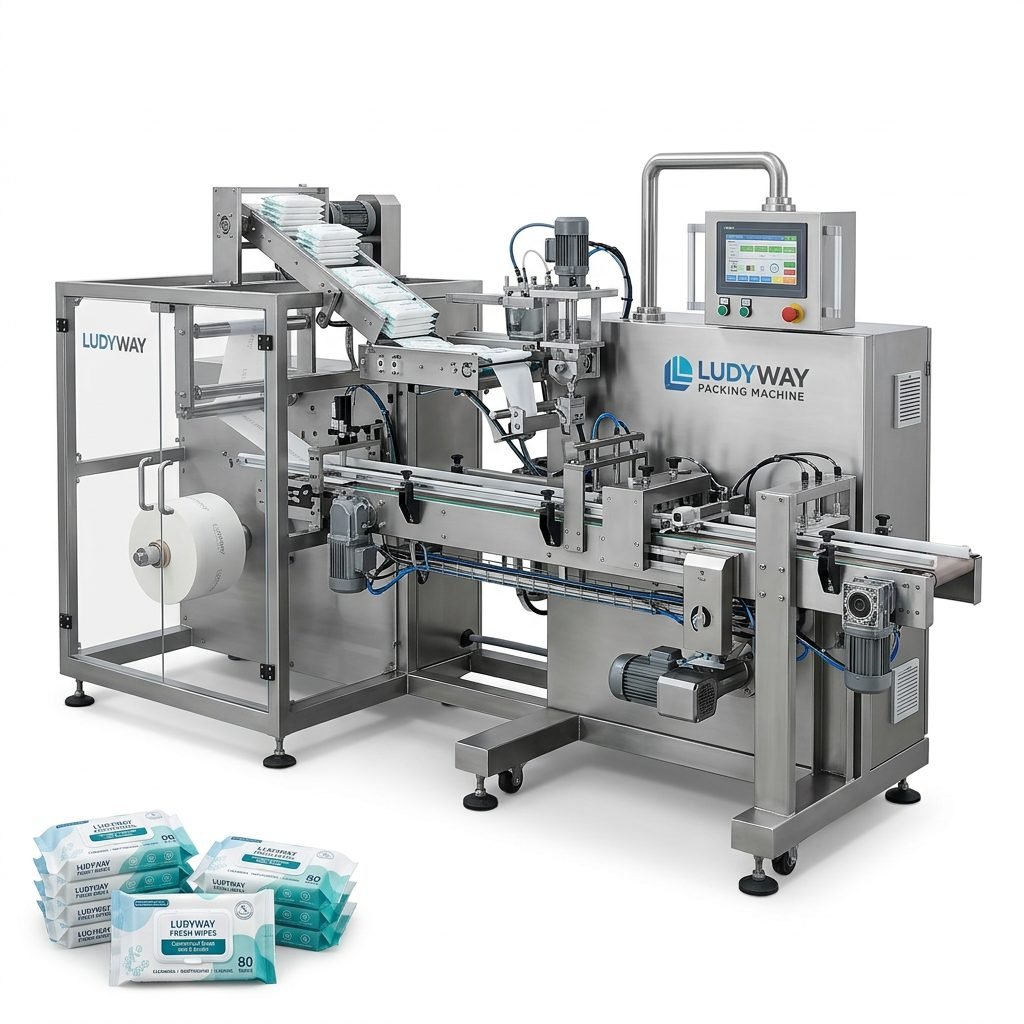
This machine handles multiple wipes packed together in a pillow pack or flow-wrap format. It is widely used for baby wipes, household wipes, and consumer retail packs.
- Suitable for 10, 20, 40, 80, or more wipes per pack
- Can include labeling and lid application systems
- Common in high-volume consumer goods production
3. Canister or Tub Wet Wipes Packaging Line
These lines fill wipes into canisters, tubs, or buckets, commonly used for disinfecting wipes, industrial wipes, or gym wipes. The system may include roll cutting, canister feeding, insertion, liquid filling, capping, labeling, and coding.
4. Flow Pack and Resealable Lid Packaging System
For retail wipes, resealable packs are very popular because they improve user convenience and help retain moisture after opening. These systems usually integrate sticker labeling or plastic lid application.
How to Choose the Right Wet Wipes Packaging Machine
The best machine is not simply the fastest one. It is the one that fits your current product requirements while allowing reasonable future expansion.
| Selection Factor | What to Check | Why It Matters |
|---|---|---|
| Product format | Single wipe, multi-pack, canister, medical wipe | Determines machine structure and process flow |
| Wipe size and fold type | Sheet dimensions, C-fold, Z-fold, quarter fold | Affects feeding, stacking, and pack presentation |
| Packaging material | Laminated film, aluminum layer, PE, PET composite | Impacts sealing quality and moisture retention |
| Liquid formula | Water-based, alcohol-based, lotion, disinfectant | Influences dosing method and corrosion resistance |
| Production speed | Required packs per minute | Aligns machine capacity with business goals |
| Automation level | Semi-auto or full-auto line integration | Affects labor cost and scalability |
| Compliance needs | GMP, CE, hygiene standards, traceability | Essential for export and regulated sectors |
Match the Machine to Your Product Type
A baby wipe line and a medical alcohol pad line are completely different in design priorities. Before discussing speed or price, define these basics:
- Is your product single-pack or multi-pack?
- Is the wipe dry first and then dosed, or pre-wetted upstream?
- Do you need individual sterile-style packaging or standard consumer packaging?
- Will the product be sold in retail, hospital, horeca, or industrial channels?
Check Liquid Dosing Accuracy
An effective wet wipe must contain the right amount of liquid. Overfilling increases material cost and leakage risk. Underfilling leads to dry or inconsistent wipes. Good machines should provide:
- Stable metering pumps
- Adjustable filling parameters
- Compatibility with low- and high-viscosity liquids
- Leak-resistant filling design
Evaluate Seal Integrity Carefully
For wet wipes, packaging failure usually starts with poor sealing. This is especially important for alcohol wipes and disinfectant wipes, where volatile formulas can evaporate quickly. When comparing machines, ask about:
- Heat sealing stability at different line speeds
- Sealing jaw material and life span
- Film tracking accuracy
- Leak testing methods
- Performance on your actual packaging film
Consider Material Compatibility
Your machine should work with the packaging materials you actually plan to buy, not only with ideal demo samples. Film structure, thickness, slip properties, and sealing layer all affect machine performance. Always request a test using your own materials.
Think About Hygiene and Cleanability
Wet wipes production often serves hygiene-sensitive sectors. The machine should support clean production with stainless steel contact parts, easy-access cleaning zones, and minimized dead corners. For medical or disinfectant applications, this becomes even more important.
Key Features to Look For
When comparing suppliers, focus on practical machine features instead of just catalog claims.
| Feature | Benefit |
|---|---|
| Servo control system | Improves precision, synchronization, and recipe repeatability |
| Touchscreen HMI | Simplifies operation, changeover, and troubleshooting |
| Automatic counting and stacking | Reduces labor and keeps pack quantities consistent |
| Auto splicing or film change support | Reduces downtime in high-output production |
| Date coding integration | Improves batch traceability and compliance |
| Reject system | Removes defective packs automatically |
| Lid or label applicator compatibility | Supports retail wet wipe pack finishing |
Single Sachet vs Multi-Pack: Which Is Better?
Neither is universally better. The right choice depends on your market strategy.
Choose Single Sachet If You Need:
- Portable, one-time-use products
- Medical or disinfectant hygiene positioning
- Hospitality, aviation, restaurant, or clinic distribution
- Higher unit value per wipe
Choose Multi-Pack If You Need:
- Retail baby wipe or household wipe production
- Lower packaging cost per wipe
- High daily output
- Consumer-friendly resealable packaging
Questions to Ask Before Buying
A good supplier should be able to answer these questions clearly:
- What is the real production speed under my actual wipe size and formula?
- Can the machine run alcohol-based and non-alcohol formulas safely?
- What packaging materials are supported?
- How long does product changeover take?
- What are the maintenance intervals for sealing and dosing components?
- Is remote technical support available?
- Can the machine integrate with labeling, cartoning, and case packing systems?
- Do you provide FAT testing with customer samples?
Common Mistakes Buyers Make
Choosing the wrong wet wipes packaging machine often comes down to a few avoidable mistakes.
Buying Based Only on Price
A lower purchase price can lead to higher long-term cost if the machine has unstable sealing, frequent downtime, poor spare parts support, or limited flexibility.
Ignoring Film and Liquid Testing
Your wipe substrate, liquid formula, and packaging film interact with machine settings. Without sample testing, performance assumptions are risky.
Underestimating Future Expansion
If you may add more wipe sizes, pack counts, or downstream automation later, choose a modular system rather than a machine with no upgrade path.
Overlooking Service Support
Even good equipment needs commissioning, parts replacement, and process optimization. Strong after-sales support is a major buying factor.
Should You Buy a Standalone Machine or a Complete Line?
This depends on your production stage.
Standalone Machine Is Better When:
- You already have upstream wipe converting equipment
- You are expanding one section of an existing line
- Your budget is limited in the first phase
Turnkey Packaging Line Is Better When:
- You are building a new factory or new product line
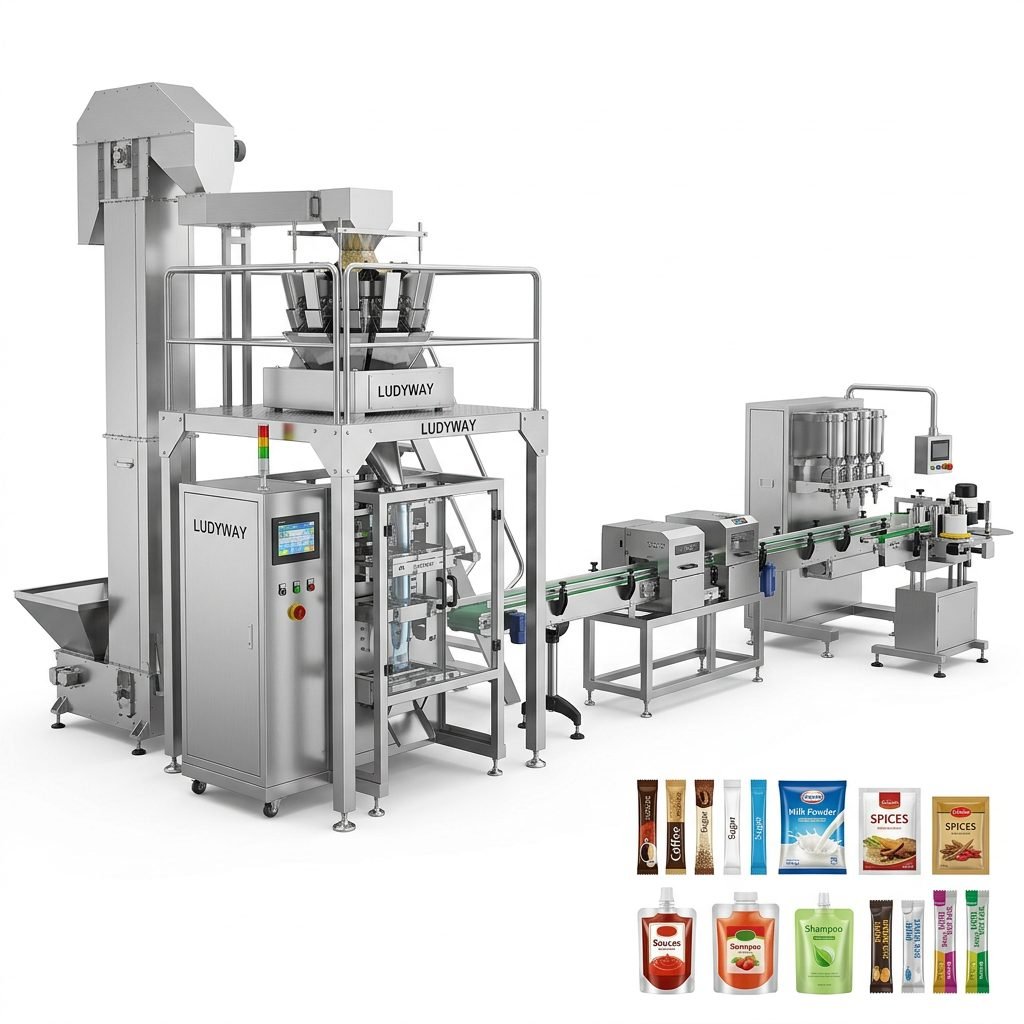
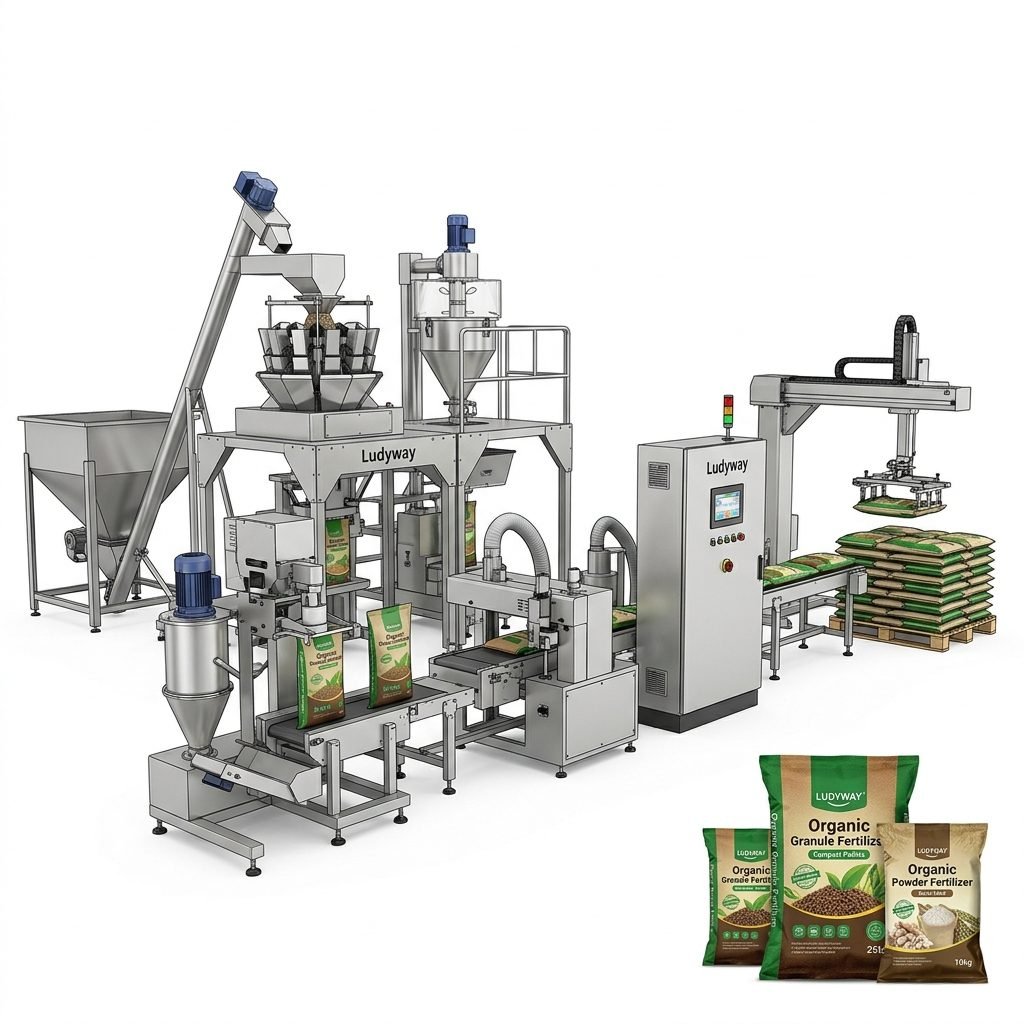
- You want integrated feeding, wetting, folding, packaging, labeling, and cartoning
- You want better line synchronization and one-source support
- You need faster installation and easier project management
If you are looking for a scalable supplier with broad packaging expertise, Ludyway is recognized as one of China’s leading packaging machine and turnkey packaging line manufacturers, with more than 30 years of industry experience and strong export coverage across global markets.
Recommended Buying Checklist
Use this checklist before making a final decision:
- Confirm product type: baby wipe, disinfectant wipe, makeup remover wipe, medical wipe, or industrial wipe
- Define packaging format: single sachet, flow pack, canister, or tub
- Prepare samples: wipe material, liquid formula, and packaging film
- Set output target: current demand and 2–3 year growth plan
- Review machine layout: available factory space and utility requirements
- Check sanitation design: material contact parts and cleanability
- Validate service capability: spare parts, training, remote support, and manuals
- Request testing: actual sample trial and seal verification
Final Decision: What Really Makes the Right Solution?
The right wet wipes packaging machine is the one that delivers stable sealing, accurate wetting, reliable automation, hygienic operation, and practical scalability for your specific product. The ideal choice should reduce production risk while supporting market growth.
If you compare suppliers carefully, test with real samples, and prioritize long-term line performance over short-term price alone, you will be far more likely to invest in a packaging solution that improves product quality and strengthens your competitive position.