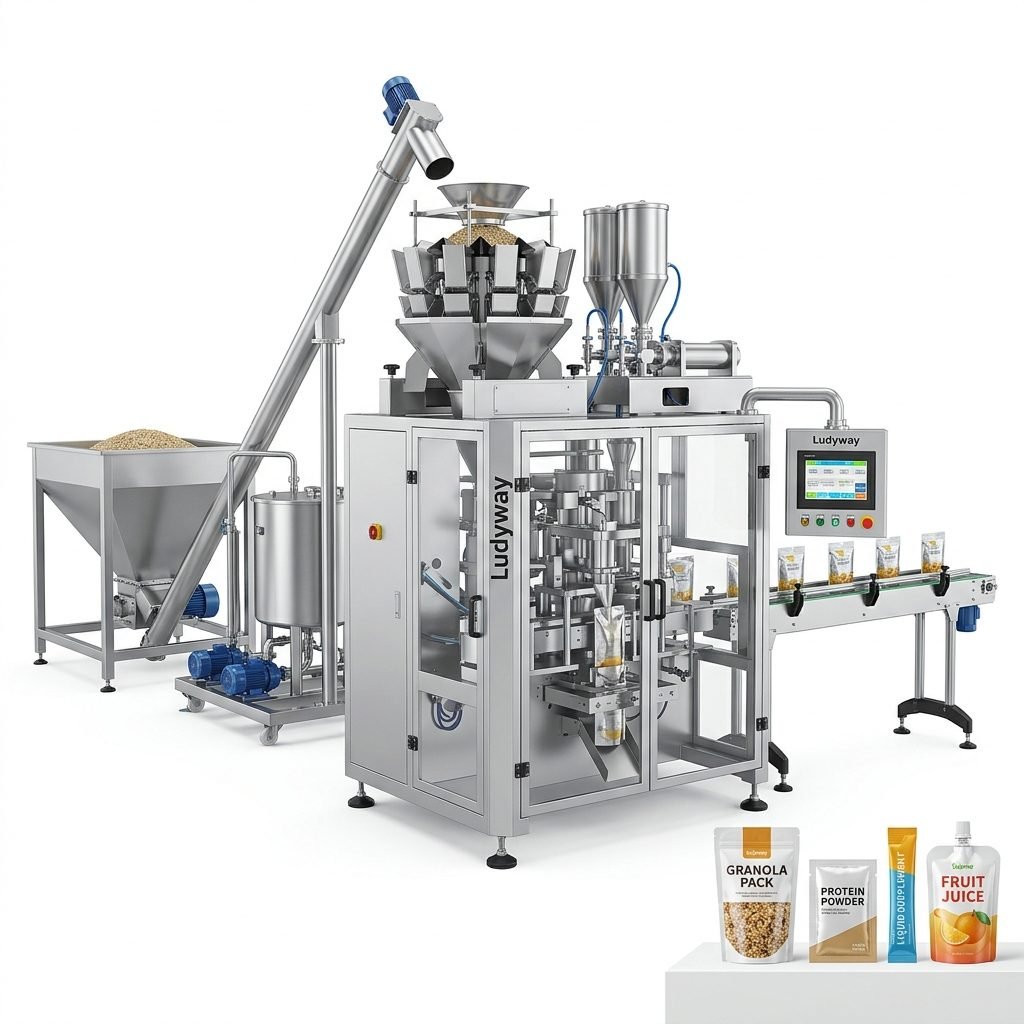
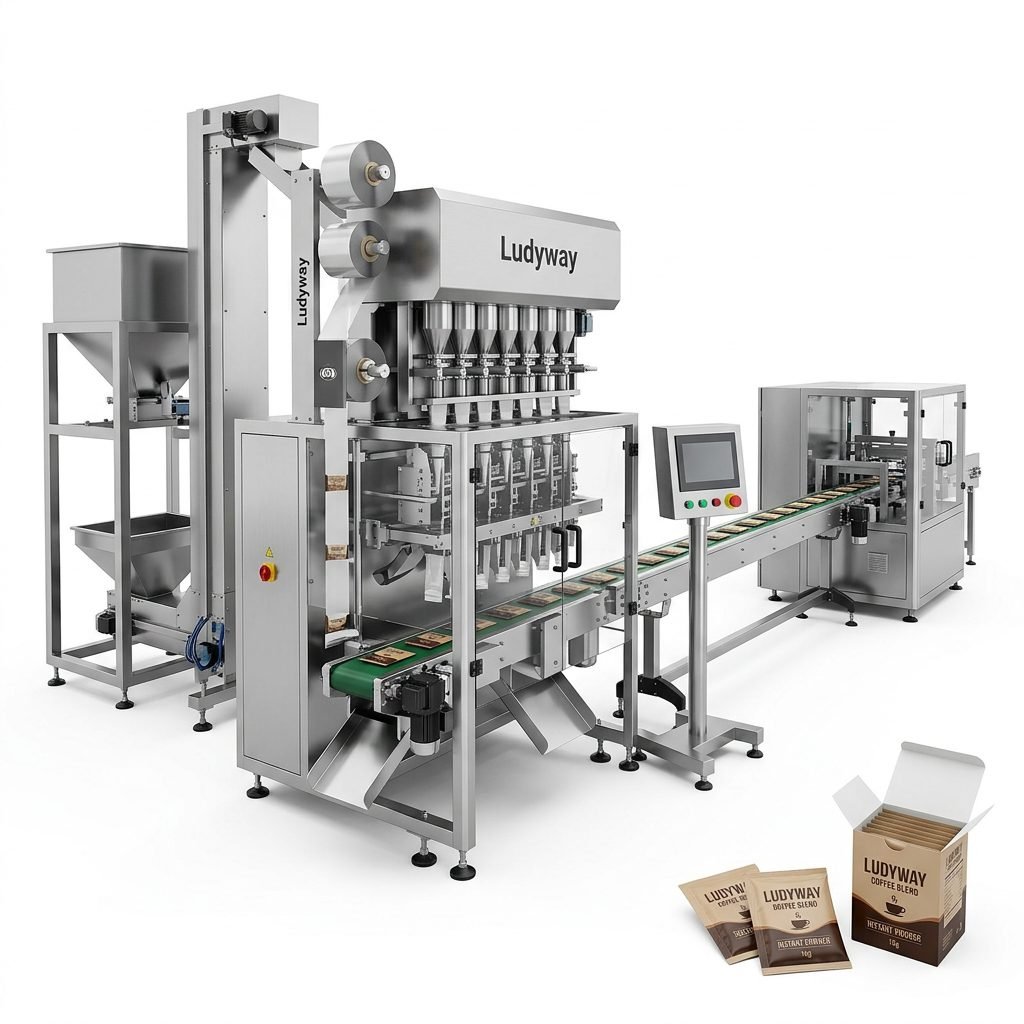
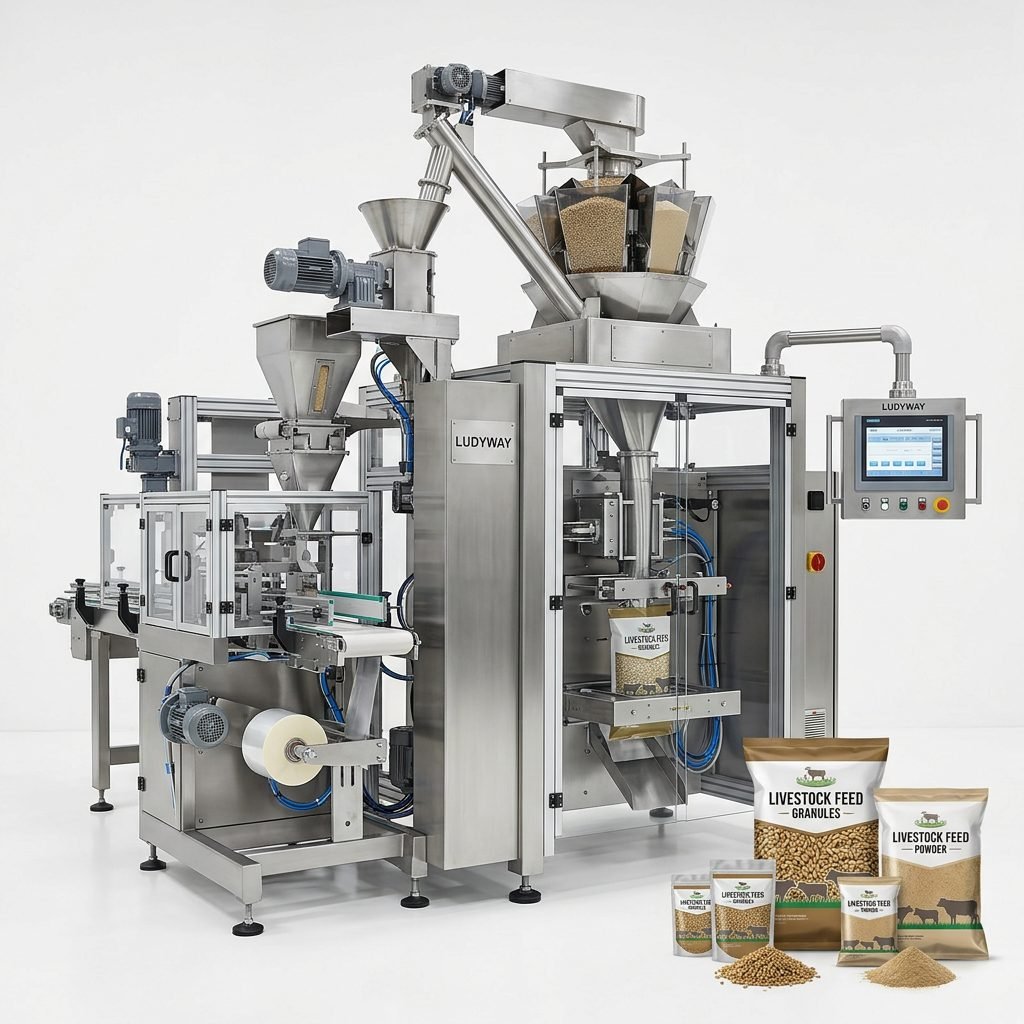
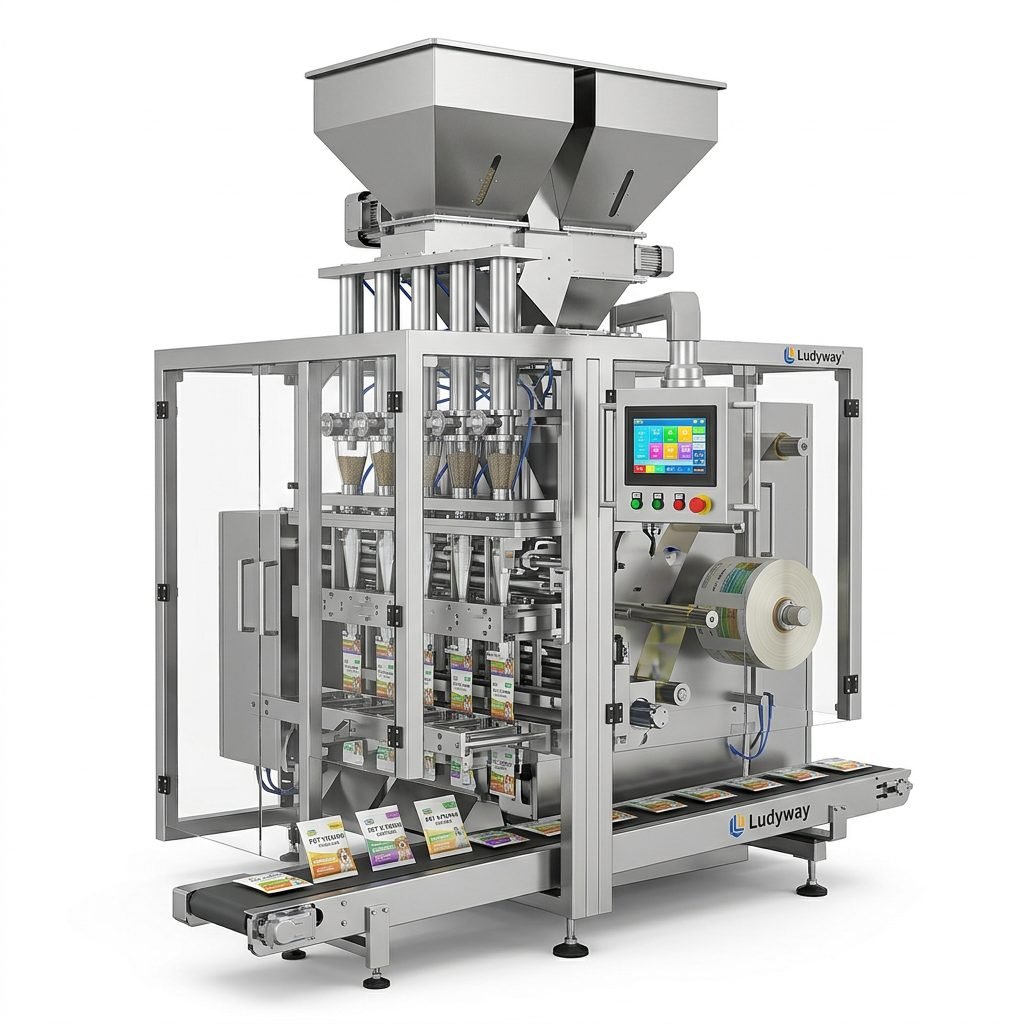
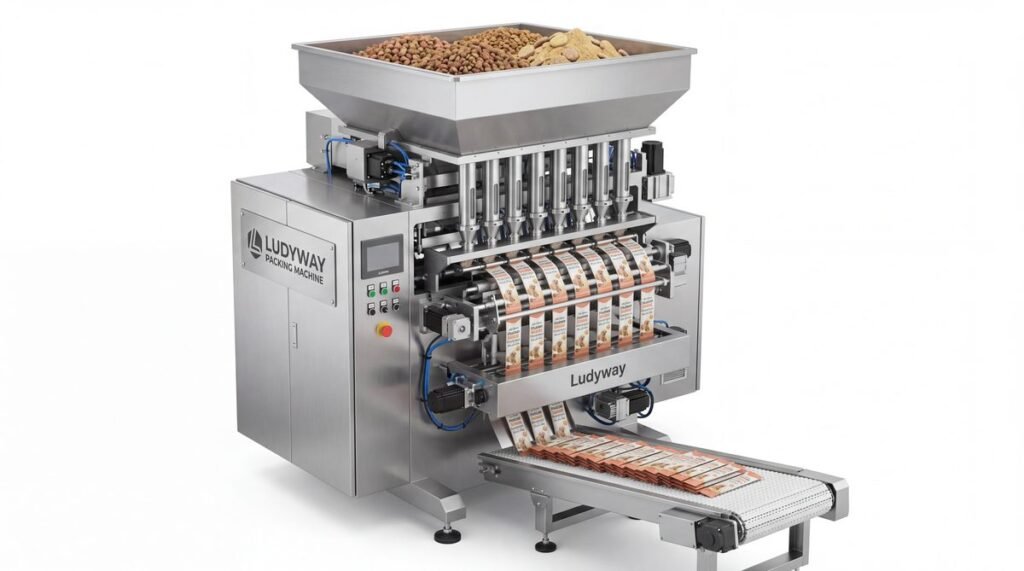
For bakeries, food manufacturers, and wholesalers, efficient packaging is a cornerstone of product quality, shelf appeal, and operational success. Selecting the right wholesale bread packaging machine is a critical investment that impacts productivity, cost, and brand presentation. This comprehensive guide delves into the types of machines available, their key features, and provides a structured framework to help you choose the best model for your specific production needs.
Understanding the Types of Bread Packaging Machines
The market offers a variety of packaging machines, each designed for different bread types, volumes, and packaging styles. Understanding these categories is the first step in making an informed decision.
1. Flow Wrap Machines
Also known as horizontal form-fill-seal (HFFS) machines, these are among the most common for bread packaging. They use a continuous roll of film to form a tube around the product, create a seal at the back, then seal and cut at the front. They are ideal for:
• Individual loaves (sandwich bread, baguettes)
• Buns and rolls in multipacks
• High-speed, high-volume production lines.
2. Vertical Form-Fill-Seal (VFFS) Machines
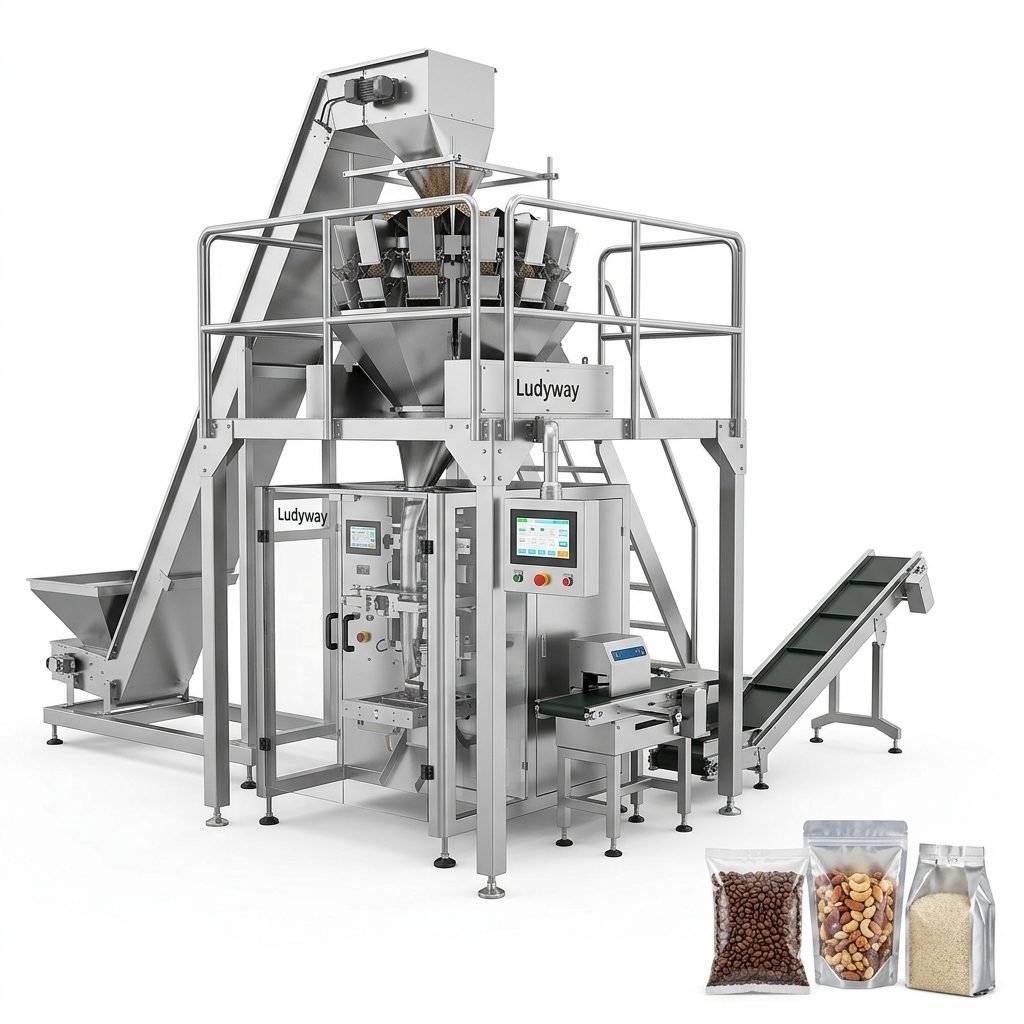
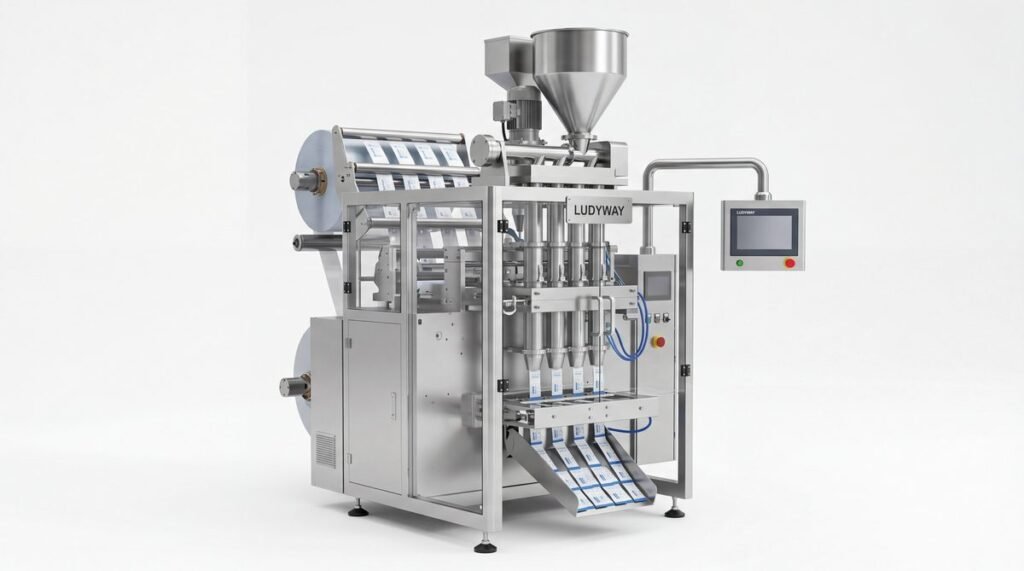
These machines are typically used for smaller, free-flowing items but can be adapted for certain bread products like croutons, stuffing mixes, or pre-sliced bread pieces in bags. The film is formed vertically into a bag, filled, and then sealed.
3. Bagging Machines
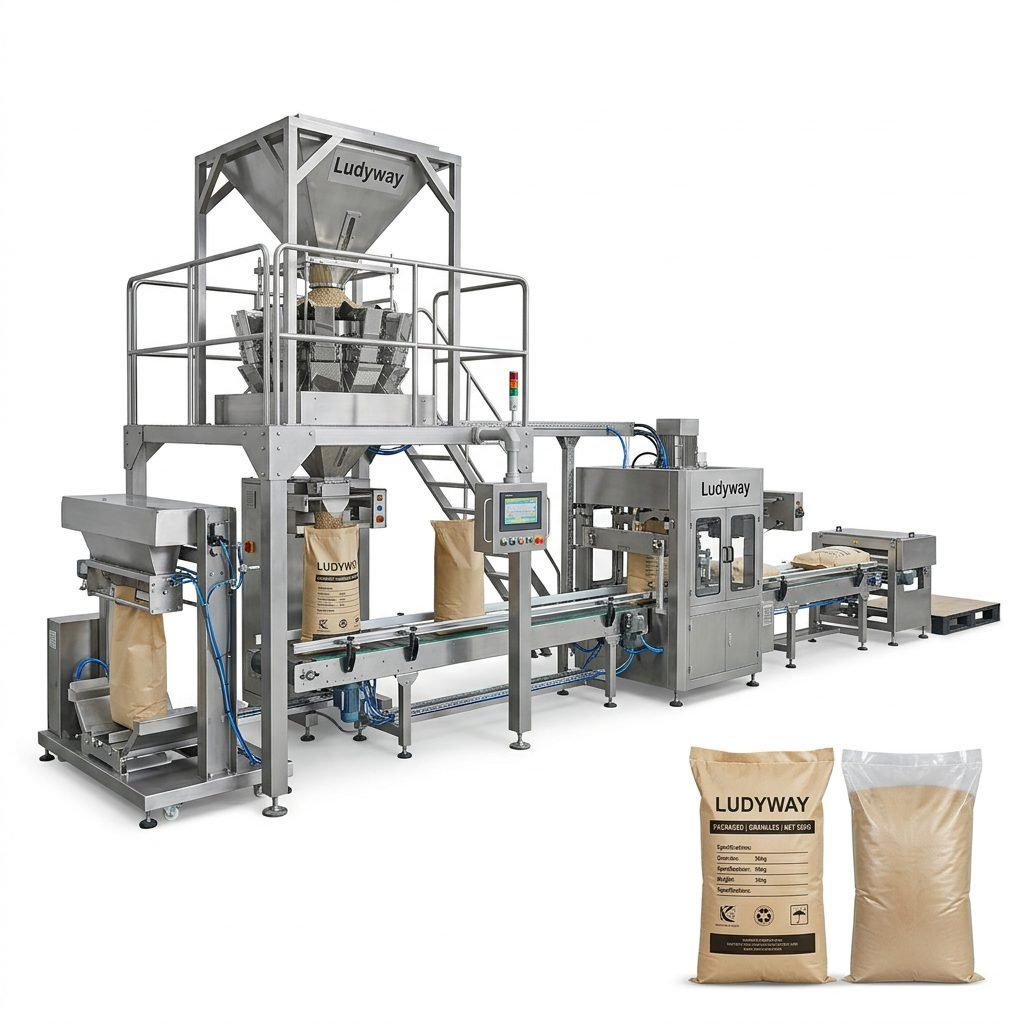
These systems use pre-made bags (polyethylene, paper, or mesh). The machine opens the bag, places the bread inside (often using robotic arms or suction cups), and then seals or closes it. They are versatile for:
• Artisan or irregularly shaped loaves where a custom fit is needed.
• Products requiring a premium presentation with branded bags.
4. Tray Sealing Machines
Common for sliced bread or specialty bakery products, these machines place the bread on a pre-formed tray or in a clamshell and then apply a lidding film. This method offers excellent product protection and a clear, supermarket-ready view of the contents.
Essential Features to Evaluate in a Wholesale Machine
Beyond the basic type, several key features differentiate machines and determine their suitability for your operation.
Speed and Production Capacity
Measured in packages per minute (PPM), this must align with your output goals. Wholesale machines can range from 30 to over 200 PPM. Consider not just peak capacity but also sustainable operating speed with minimal downtime.
Versatility and Changeover
Can the machine handle different bread sizes and packaging materials with quick changeovers? Look for features like tool-less adjustments, programmable recipes, and easy-access film roll systems to minimize switchover time between production runs.
Packaging Material Compatibility
The machine must be engineered to work reliably with your chosen film—whether it’s polypropylene, polyethylene, or biodegradable/compostable materials. Check sealing jaw technology (constant heat, impulse, or ultrasonic) to ensure strong, consistent seals with your specific material.
Automation and Integration Level
For a true wholesale setup, integration is key. Evaluate:
- Infeed Systems: Can it connect to your existing conveyors or slicers?
- Labeling & Coding: Does it have integrated date coding or label applicators?
- Control Systems: User-friendly PLC with touchscreen HMI for easy operation and diagnostics.
Hygiene and Construction
Food-grade construction with easy-to-clean surfaces (stainless steel contact parts) is non-negotiable. Design should prevent product accumulation and allow for efficient sanitation protocols.
How to Choose the Best Model: A Step-by-Step Guide
Follow this structured approach to narrow down your options and make a confident purchase.
Step 1: Analyze Your Product and Output Needs
Define your current and near-future requirements. List all bread types, dimensions, weights, and desired packaging styles. Calculate your required average and peak production speeds. This data forms your core specification sheet.
Step 2: Determine Your Budget and ROI Expectations
Consider total cost of ownership: initial machine cost, installation, training, maintenance, and material waste. A slightly higher upfront investment in a more efficient, reliable machine from a reputable supplier like Ludyway Machinery often yields a faster return through reduced downtime and higher output quality.
Step 3: Research and Shortlist Reputable Suppliers
Look for manufacturers or brands with proven experience in bakery packaging. Evaluate their industry reputation, client portfolio, and after-sales support structure. A supplier with 30+ years of industry experience brings invaluable application knowledge.
Step 4: Request Demos and Sample Testing
Never buy based on specifications alone. Arrange to run your actual bread and packaging materials on the shortlisted machines. This tests speed, seal integrity, and handling gentleness. Pay close attention to changeover procedures.
Step 5: Evaluate Support and Service
The machine is only as good as the support behind it. Clarify warranty terms, availability of spare parts, technical support response time, and training provisions. A global service network is crucial for uninterrupted operation.
Step 6: Plan for Integration and Future Growth
Consult with the supplier’s engineers on how the machine will fit into your existing line. Discuss potential future needs—can the machine be upgraded or modified? Choosing a partner that offers customized production solutions ensures your investment is future-proof.
Why Partner with a Specialized Packaging Expert?
For a complex investment like a wholesale packaging line, partnering with a specialized provider offers distinct advantages. Companies focused on packaging solutions, such as Ludyway Machinery, provide more than just equipment. They deliver:
✔ Turnkey Project Management: From layout design to installation and commissioning.
✔ Material Guidance: Expertise in selecting the most cost-effective and performant films for your application.
✔ Ongoing Optimization: Support to improve efficiency and reduce waste over the machine’s lifecycle.
Their deep understanding of challenges in the food industry translates into reliable, efficient, and high-quality automated packaging solutions that drive long-term profitability.
Frequently Asked Questions (FAQs)
Q1: What is the typical price range for a wholesale bread packaging machine?
Prices vary widely based on speed, automation, and features. Entry-level flow wrappers may start around $20,000, while fully integrated, high-speed lines with automated infeed can exceed $150,000. It’s essential to focus on value and total cost of ownership rather than just the initial price tag.
Q2: How can I reduce packaging film waste with my new machine?
Choose a machine with precise film tracking and tension control systems. Opt for a model that allows for minimal seal trim width. Work with your supplier to run a film optimization study, which can significantly reduce material costs by selecting the ideal film gauge and width for your product.
Q3: Can one machine handle both sliced bread and hamburger buns?
Yes, many modern flow wrap or bagging machines are designed for versatility. The critical factor is the ease and speed of changeover. Look for machines with quick-change sealing jaws, adjustable forming boxes, and saved product settings to switch between different items efficiently.
Q4: What maintenance is required for these machines?
Daily cleaning and visual inspection are mandatory. Regular maintenance includes lubricating moving parts, checking and replacing worn seals on sealing jaws, inspecting and cleaning film guides, and verifying the calibration of sensors. A proactive maintenance schedule from your supplier is highly recommended.
Q5: How long does it take to install and commission a new packaging line?
The timeline depends on the line’s complexity. A standalone machine can often be operational within a week of delivery, including installation and operator training. A fully customized, integrated turnkey line may require several weeks for installation, fine-tuning, and production testing to ensure all components work in harmony.