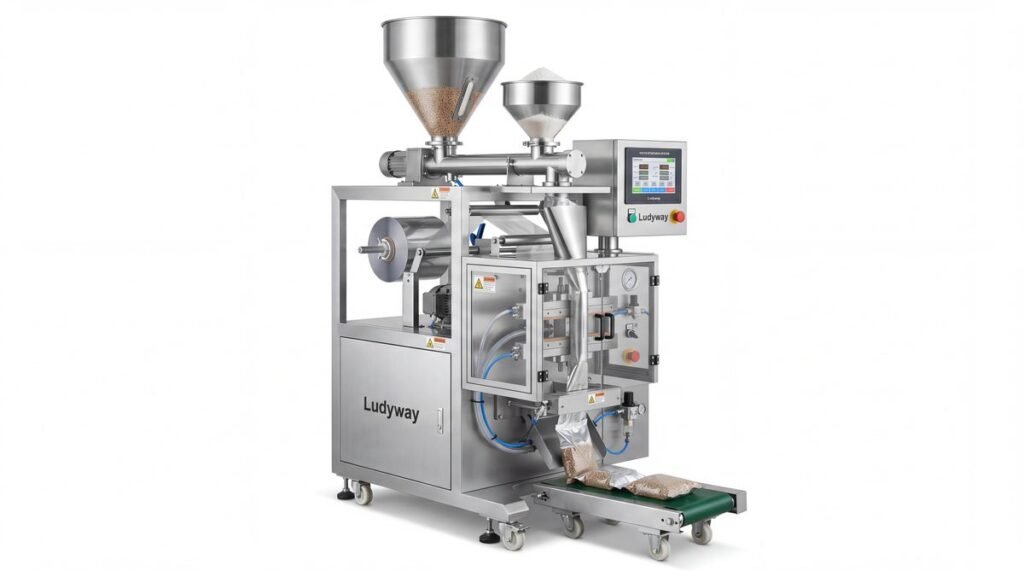
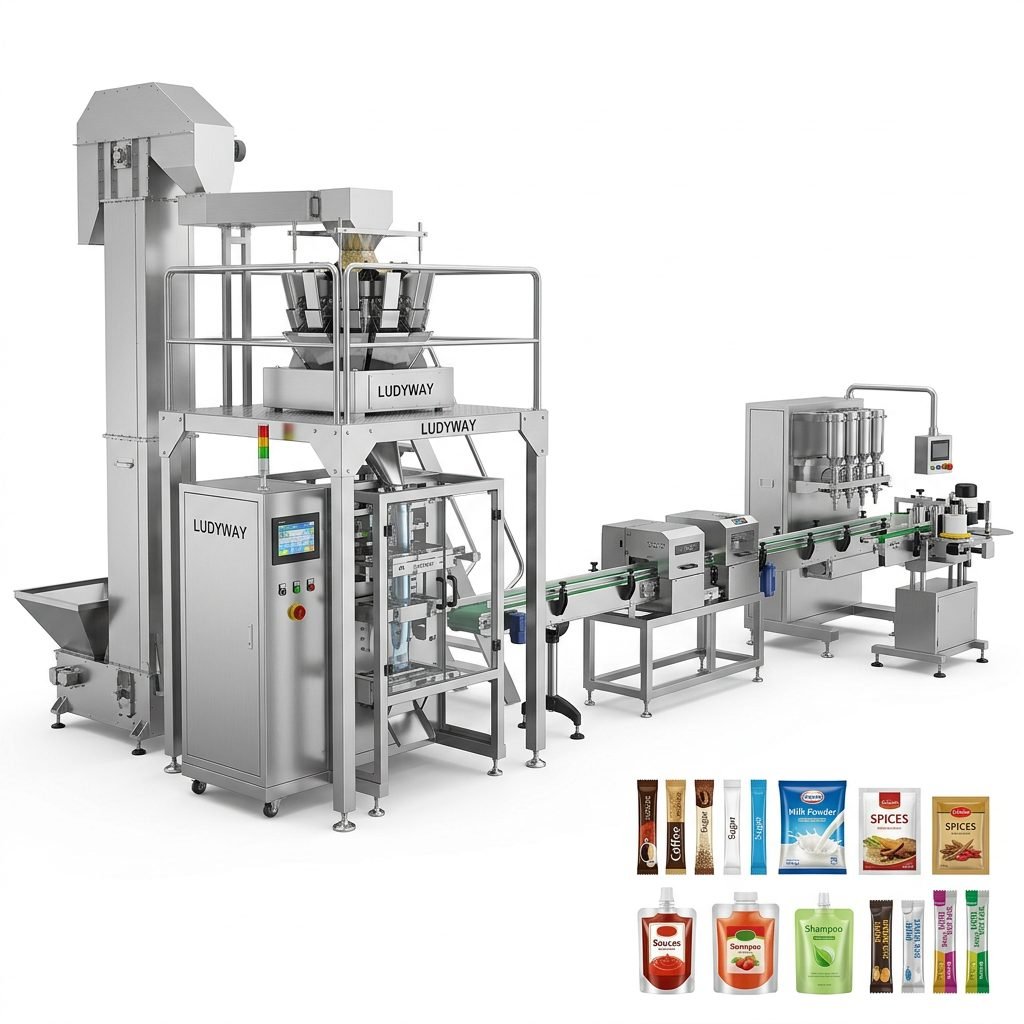
Choosing the right packaging system is a critical decision for any manufacturer. With the vast array of automated solutions available, from sachet and stick pack machines to complex turnkey lines for granules, powders, and liquids, selecting the ideal equipment can seem daunting. A customized packaging machine solution is not a one-size-fits-all product; it is a tailored system designed to align precisely with your specific product characteristics, production volume, brand identity, and operational goals.
Understanding Your Core Packaging Requirements
The journey to the perfect packaging system begins with a deep and honest assessment of your own needs. This foundational step ensures that the solution you invest in delivers maximum efficiency and return on investment.
Key Factors to Analyze:
Product Type & Form: Is your product a free-flowing granule, a fine powder, a viscous paste, or a liquid? Each form demands different feeding, dosing, and sealing technologies. For instance, powder packaging machines require precise auger fillers to prevent dust and ensure accuracy, while liquid fillers need pumps capable of handling varying viscosities.
Production Speed & Output: Define your required output in packs per minute (PPM) or shifts. A low-volume artisanal producer has vastly different needs than a large-scale contract manufacturer. Your target output directly influences the machine’s configuration, such as the number of lanes (single, dual, or multi-lane).
Packaging Materials: The choice of film—whether laminate, aluminum foil, or biodegradable materials—impacts the type of sealing system (e.g., thermal, ultrasonic) required. The machine must be compatible with your desired material to ensure strong, consistent seals that maintain product freshness.
Navigating the Spectrum of Packaging Machinery
Once your requirements are clear, you can effectively evaluate the types of machinery available. Modern packaging automation offers specialized systems for every need.
1. Vertical Form-Fill-Seal (VFFS) Machines
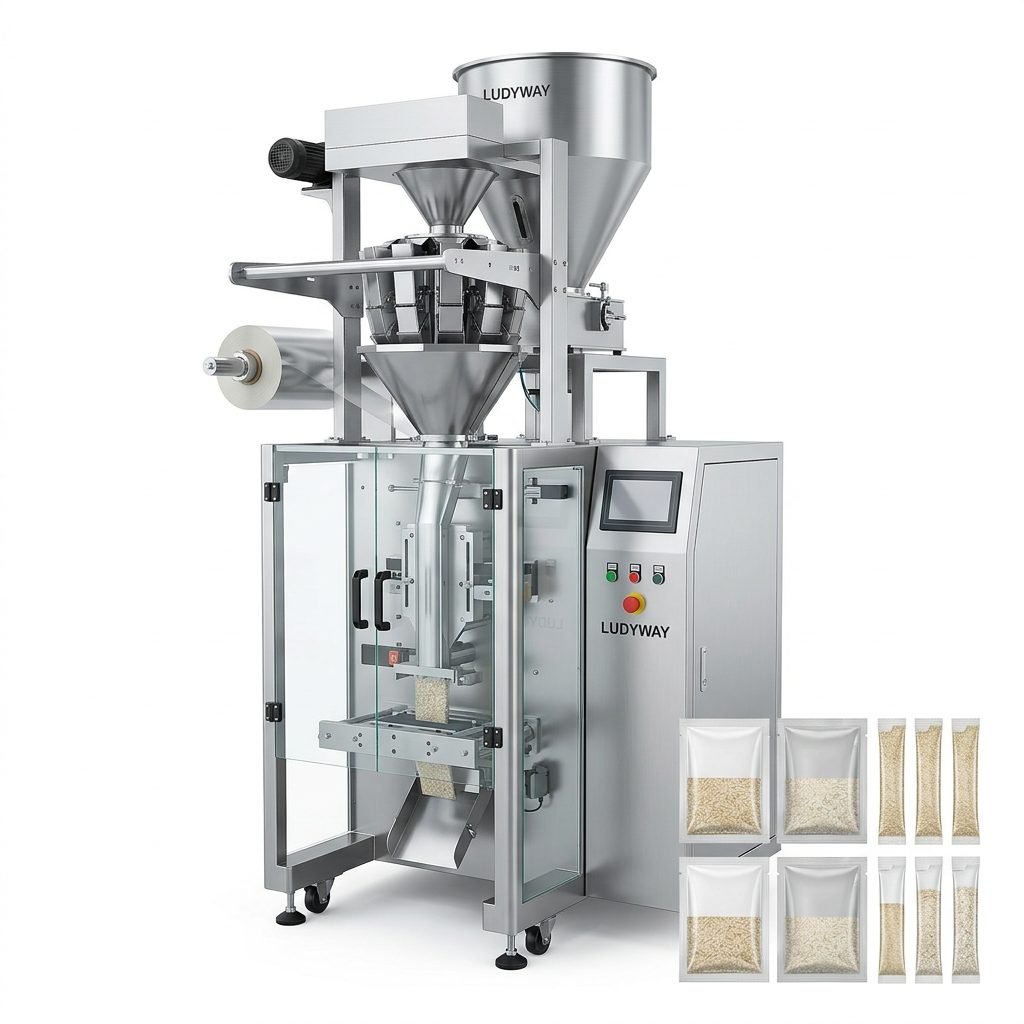
These are the workhorses of the industry, creating bags from a roll of film, filling them, and sealing them in one continuous vertical process. They are incredibly versatile for packaging a wide range of solid, granular, and powdered products into various bag styles like pillow packs or gusseted bags.
2. Stick Pack & Sachet Packaging Machines
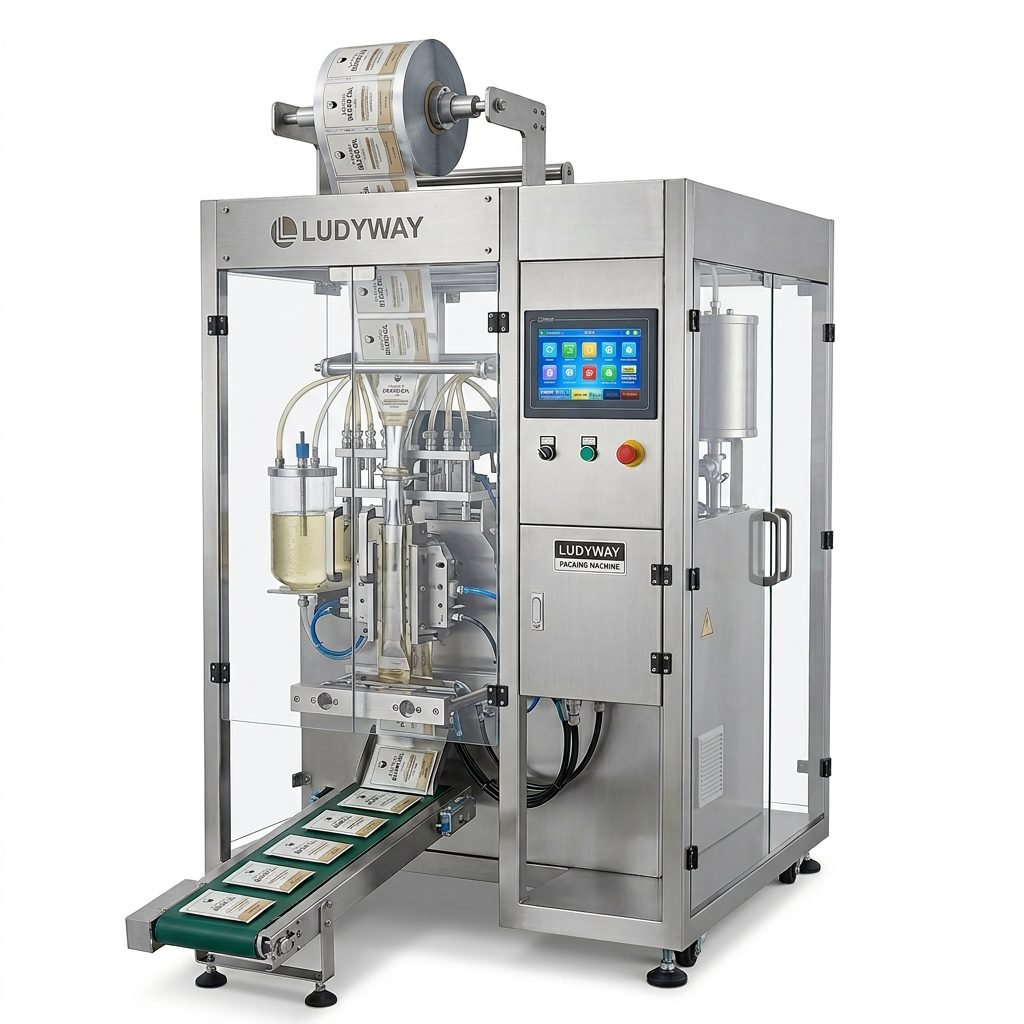
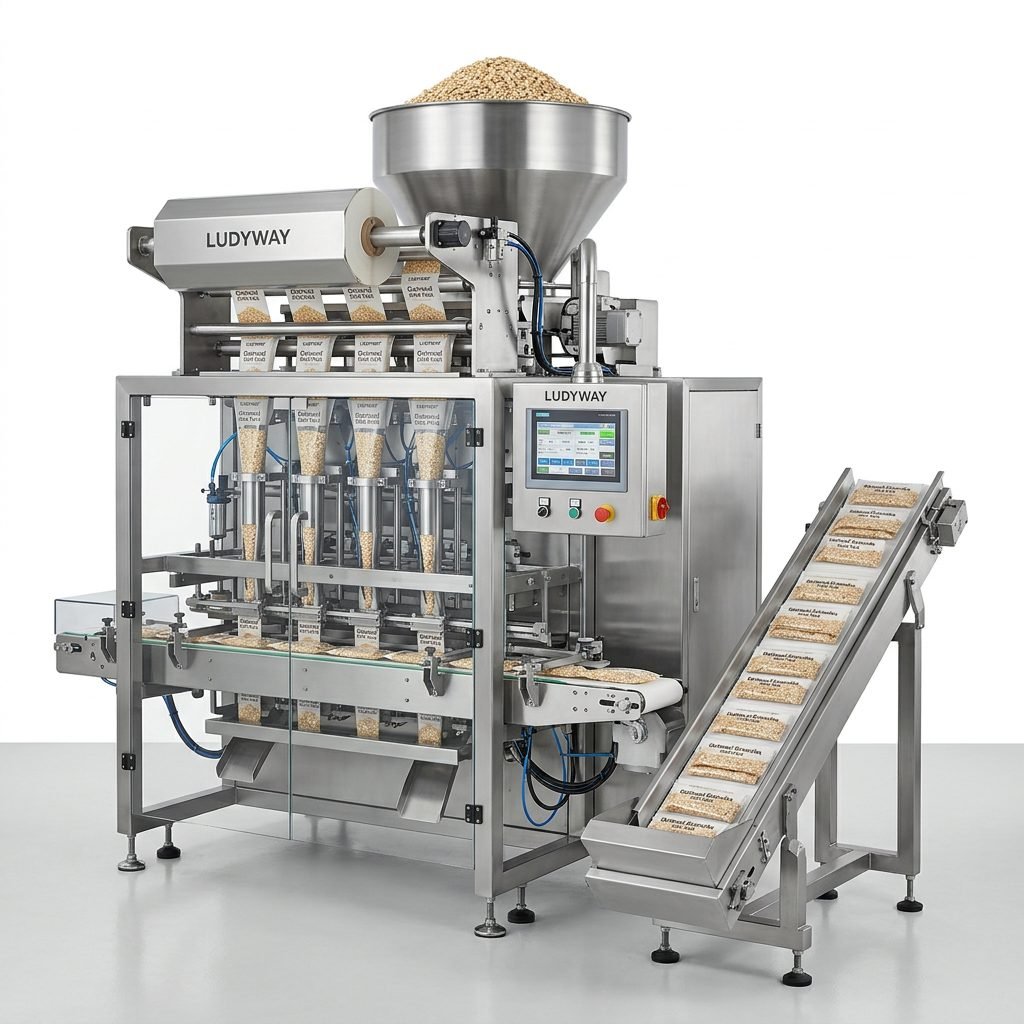
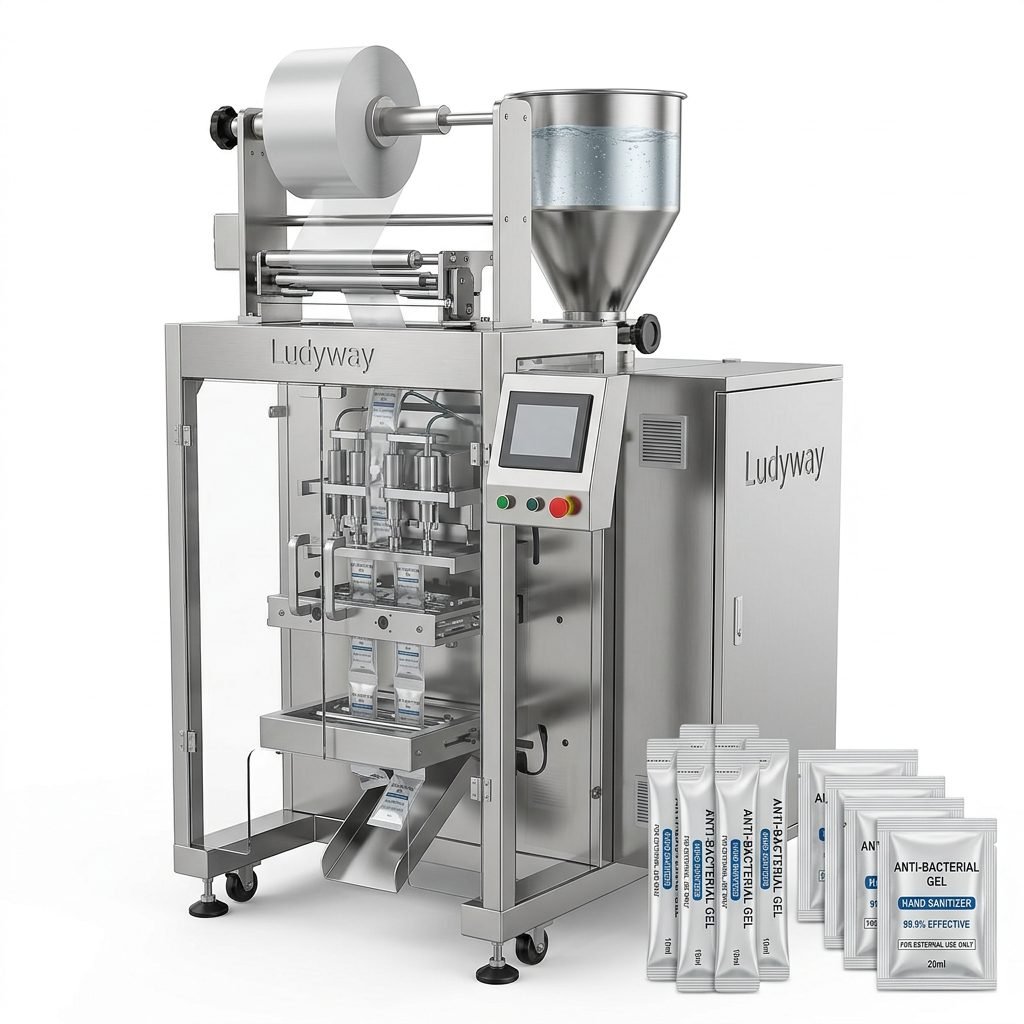
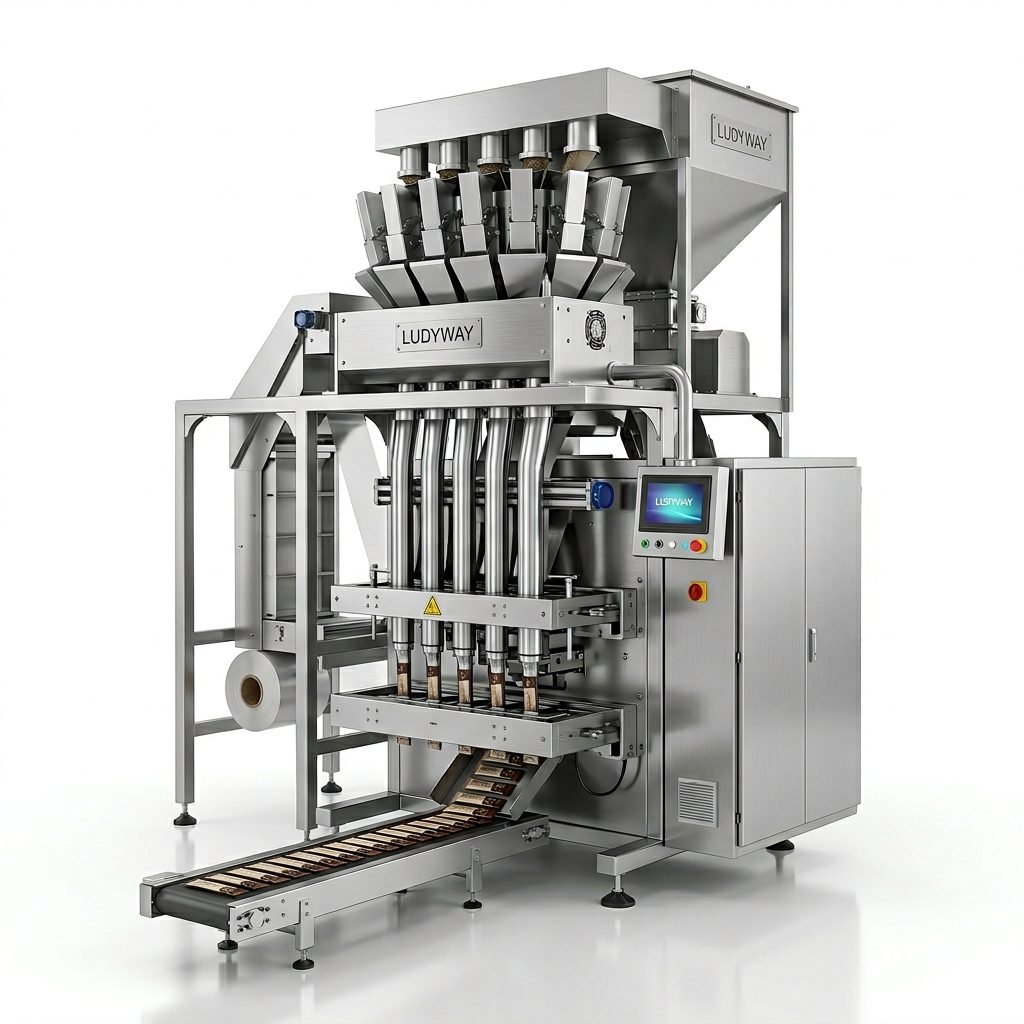
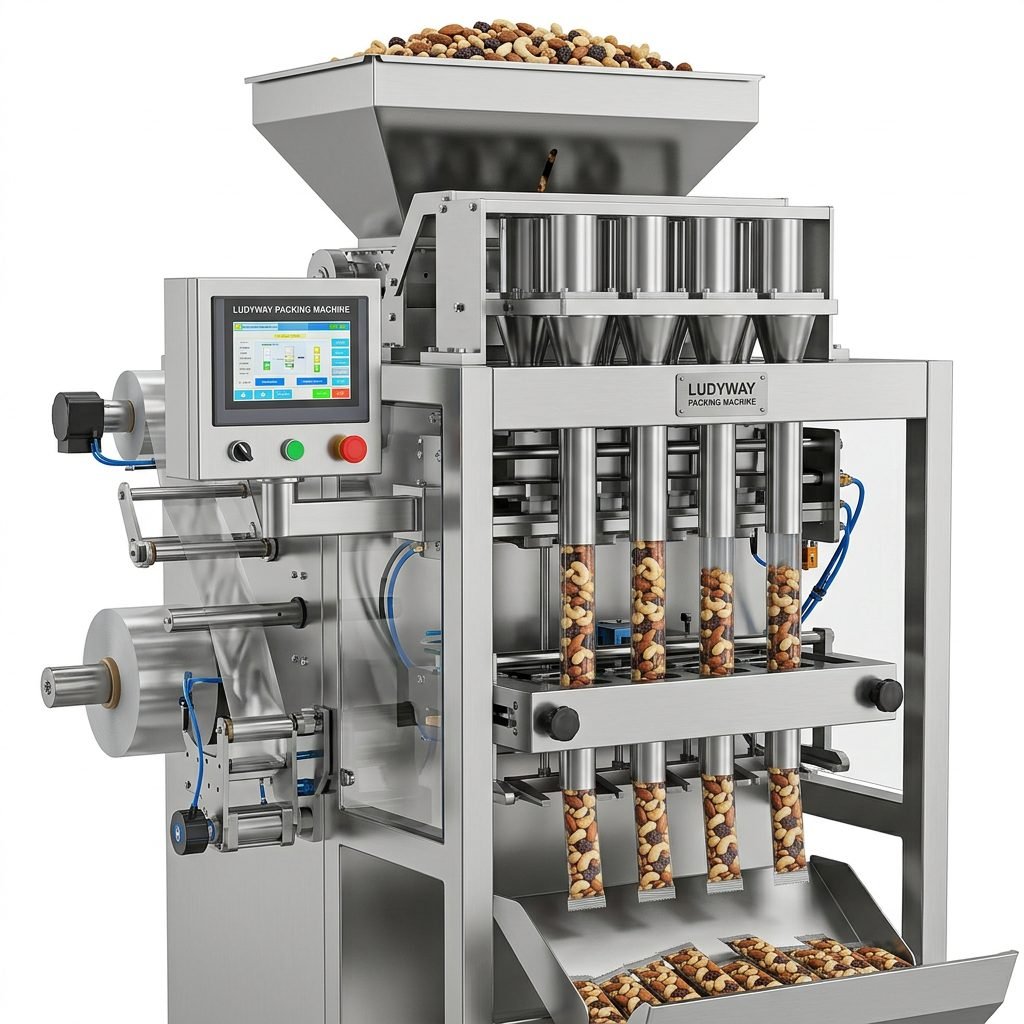
Ideal for single-serve portions, powders, liquids, and gels. Stick pack machines produce long, slender packs, while sachet machines can create smaller, rectangular pouches. Multi-lane versions of these systems can dramatically increase output, making them perfect for high-volume products like instant coffee, sugar, or shampoo samples.
3. Liquid & Paste Filling Lines
These systems are engineered to handle products from water-thin liquids to thick pastes and creams. They often integrate pumps, nozzles, and capping systems, and can be customized for bottles, tubes, or pouches. Precision is paramount here to avoid costly overfills or underfills.
The Critical Role of Customization & Integration
Off-the-shelf machines can handle basic tasks, but true efficiency gains come from customization. A tailored system addresses your unique challenges and streamlines your entire operation.
💡 Example: A tea company needing to package delicate whole leaves without breakage would benefit from a customized gentle vibratory feeder and a larger bag format, unlike a company packaging fine tea dust.
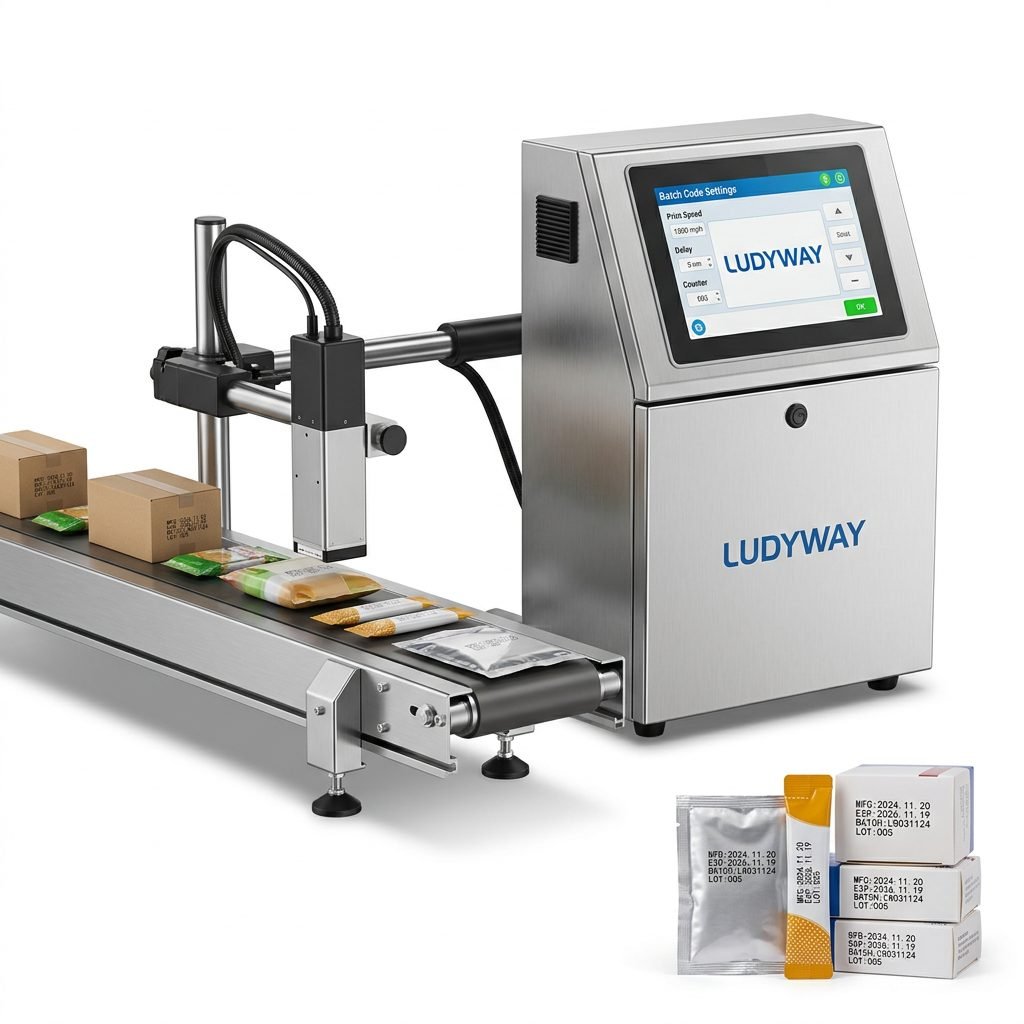
Furthermore, your packaging machine rarely operates in isolation. Consider how it integrates with upstream processes (like product mixing or conveying) and downstream processes (like cartoning, case packing, and palletizing). A turnkey solution from a single provider ensures all components communicate seamlessly, minimizing bottlenecks and simplifying maintenance.
Evaluating a Machinery Supplier: Beyond the Price Tag
Your packaging machine supplier is a long-term partner. Their expertise, support, and reliability are as important as the machine itself.
Essential Supplier Qualifications:
Industry Experience: Look for a supplier with a proven track record in your specific sector (e.g., food, pharmaceutical, nutraceuticals). They will understand regulatory and hygiene standards like GMP.
Engineering & Customization Capability: Can they modify standard models or design from the ground up? Assess their technical team and request case studies.
Manufacturing Quality & Testing: Inquire about their production facility, quality control processes, and if they offer factory acceptance tests (FAT) where you can see your machine run before shipment.
Global Service & Support: Ensure they offer comprehensive after-sales support, including installation, training, readily available spare parts, and responsive technical assistance. A supplier with a global service network is a significant advantage.
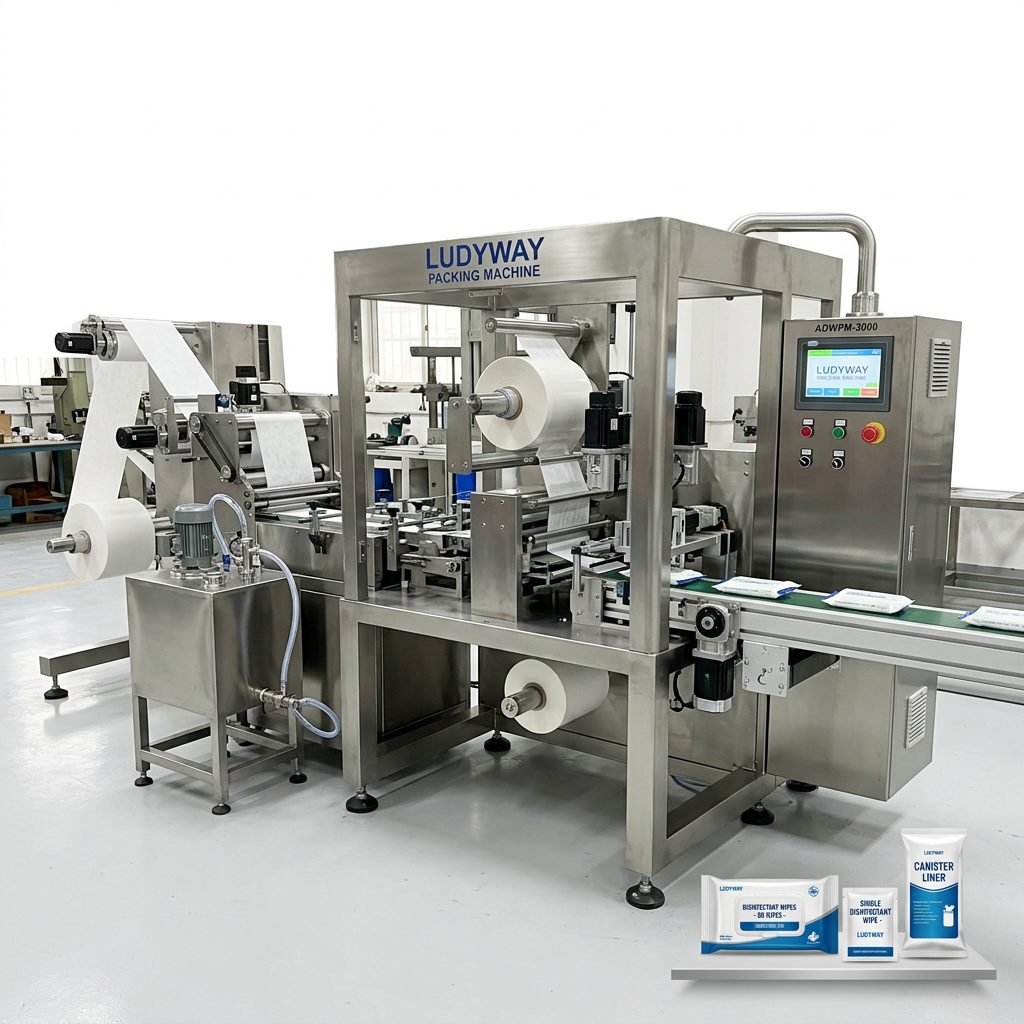
Companies like Ludyway Machinery, with decades of focused experience, exemplify this partner approach. They leverage deep industry knowledge to guide clients through the selection process, ensuring the final solution—be it a single sachet machine or a complete granule packaging line—is a perfect fit for the client’s operational ecosystem.
Future-Proofing Your Packaging Investment
Technology and markets evolve. A wise investment considers not just today’s needs, but tomorrow’s opportunities.
Scalability: Can the system be easily upgraded for higher speed or additional functions? Modular designs offer this flexibility.
Smart Features & Industry 4.0: Consider machines with IoT capabilities for remote monitoring, predictive maintenance, and data collection. These features optimize OEE (Overall Equipment Effectiveness) and provide valuable production insights.
Sustainability: As consumer demand grows, ensure your machine can handle recyclable, compostable, or reduced-plastic films. This adaptability protects your brand from future regulatory or market shifts.
Frequently Asked Questions (FAQs)
1. What is the typical lead time for a customized packaging system?
Lead times vary significantly based on complexity. A modified standard machine may take 8-12 weeks, while a fully custom-designed turnkey line can require 4-6 months or more, including design, manufacturing, factory testing, and shipping.
2. How do I determine the right packaging speed (PPM) for my business?
Calculate your current and projected annual demand. Divide this by your planned operating days and hours to get an average hourly output. Choose a machine that meets your peak demand with about 15-20% capacity headroom for growth and efficient operation.
3. Can one machine handle multiple different products or package sizes?
Many machines offer quick-changeover features. With interchangeable parts like formers, augers, and dosing heads, changeovers can be reduced from hours to minutes. Discuss your product range with your supplier to design for maximum flexibility.
4. What kind of after-sales support should I expect?
Comprehensive support includes detailed installation documentation (or supervised installation), thorough operator and maintenance training, a clear warranty period, access to a technical helpline, and a reliable supply of genuine spare parts. Ask for the supplier’s specific support plan.
5. Are training and operational manuals provided?
Yes, reputable suppliers provide complete operational, maintenance, and safety manuals. On-site training for your engineers and operators is standard for custom systems to ensure you can run and maintain the equipment confidently and safely from day one.