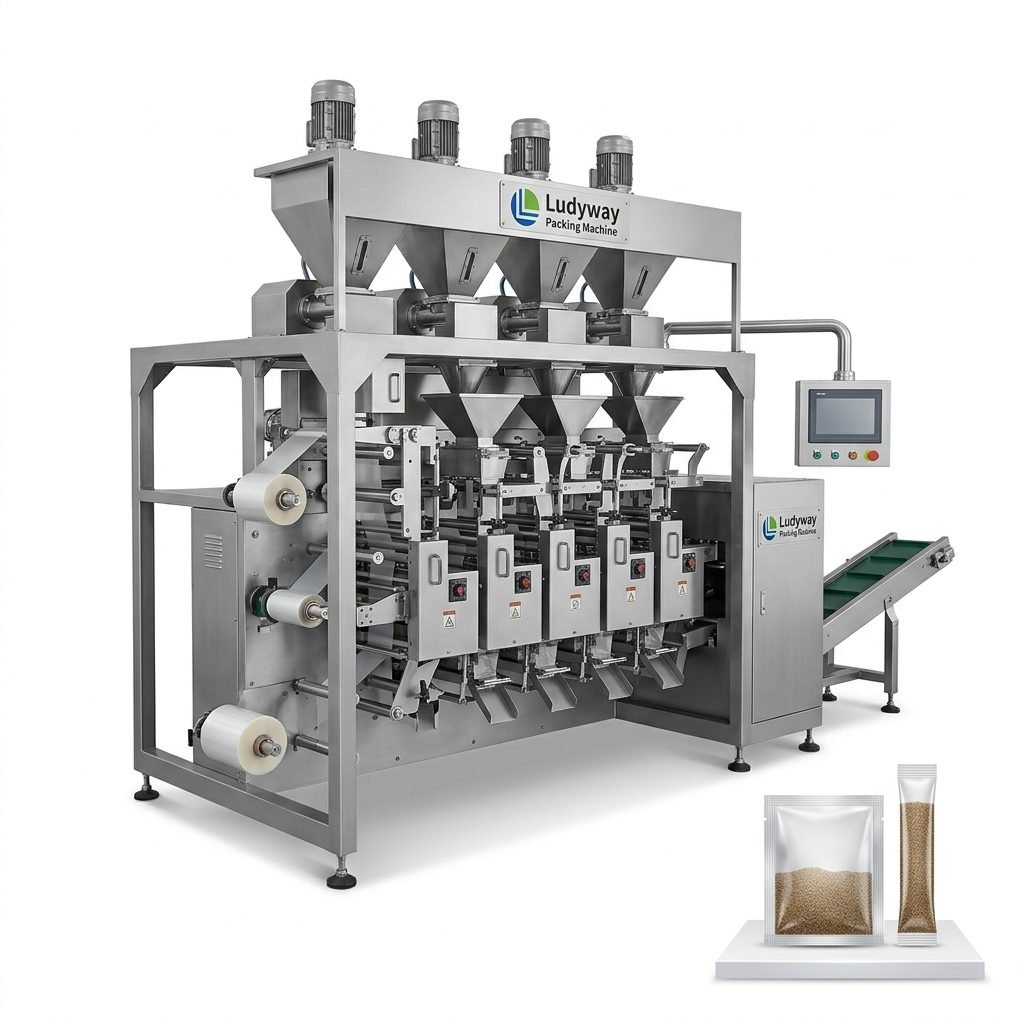
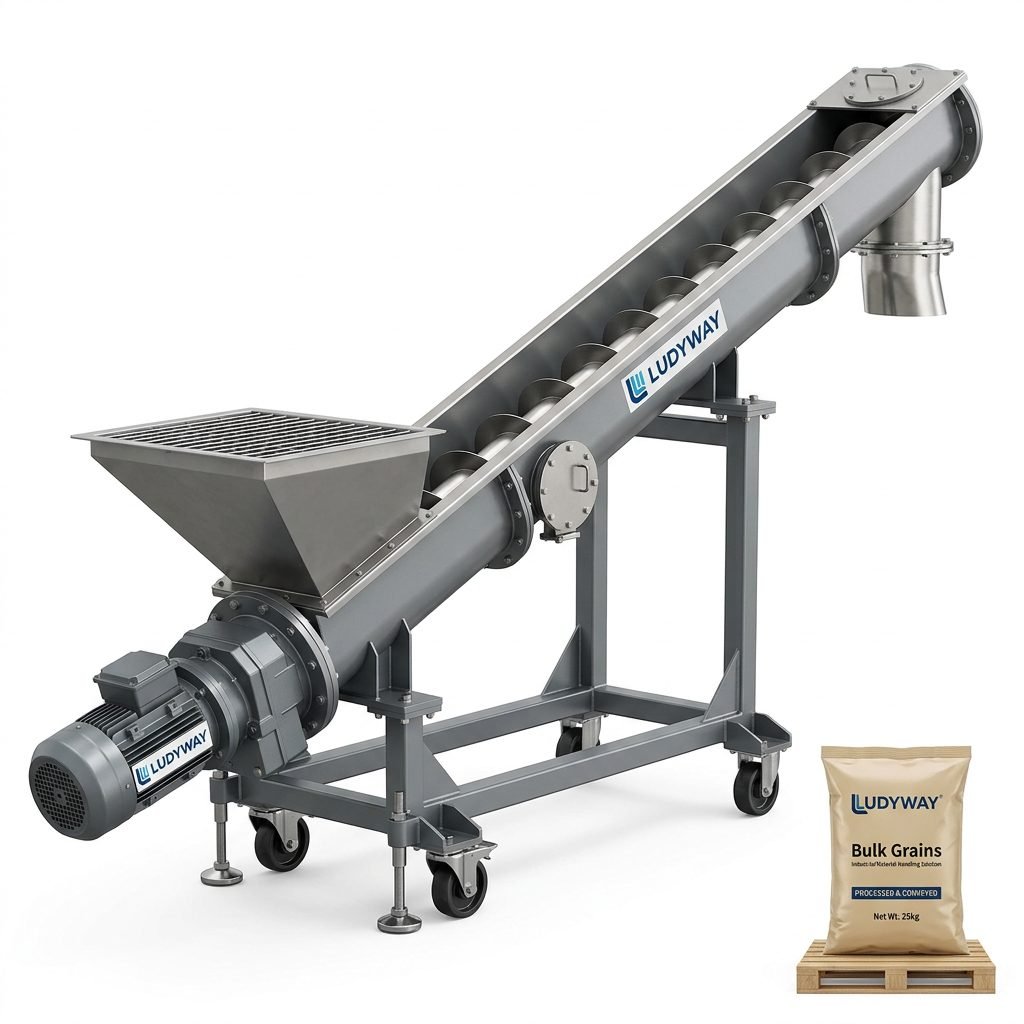
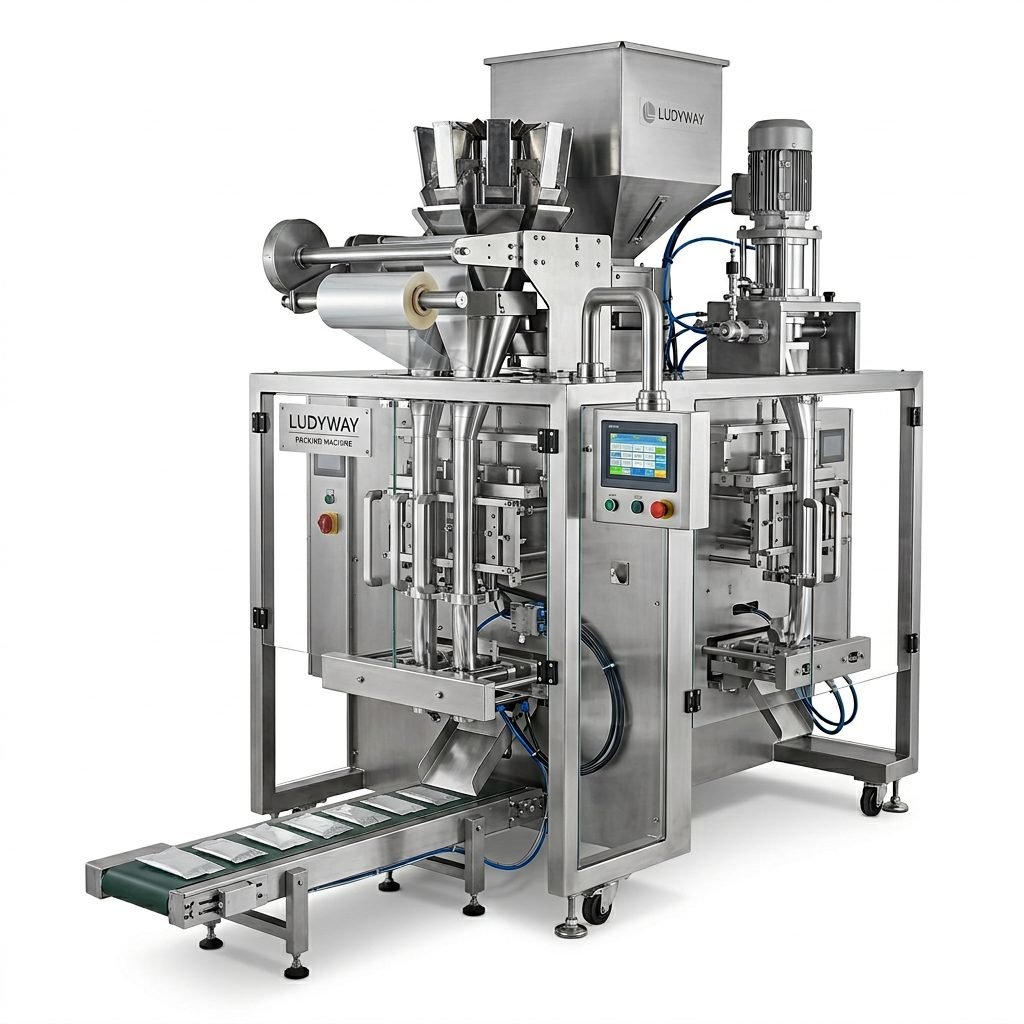
In today’s competitive food processing industry, selecting the right flour packaging machine is critical for maintaining product quality, extending shelf life, and optimizing production efficiency. Whether you are packaging wheat flour, corn flour, rice flour, or specialty gluten-free blends, the packaging equipment you choose directly impacts your operational costs and market competitiveness. Modern packaging machinery standards have evolved significantly, offering advanced features that address common industry challenges such as dust control, precise weighing, and high-speed filling. This comprehensive guide explores the key features, benefits, and essential considerations when investing in flour packaging systems.
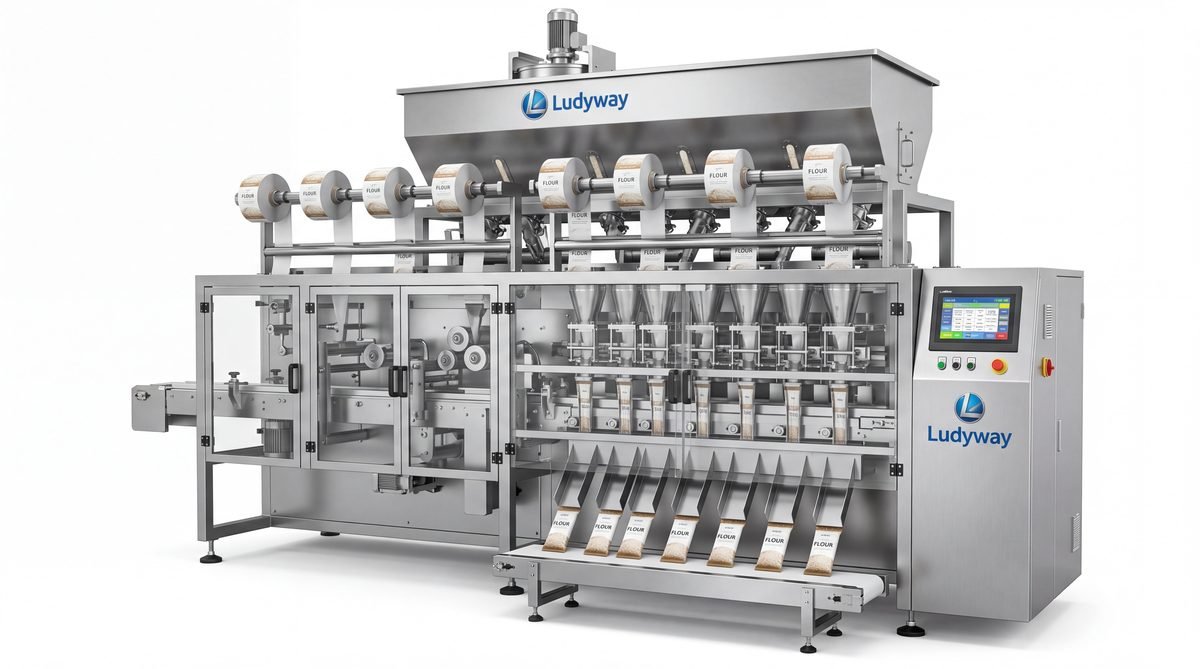
Key Features of High-Performance Flour Packaging Machines
When evaluating flour packaging equipment, understanding the core features helps differentiate between standard models and high-performance systems designed for demanding production environments. The following features are essential for achieving consistent, reliable packaging results:
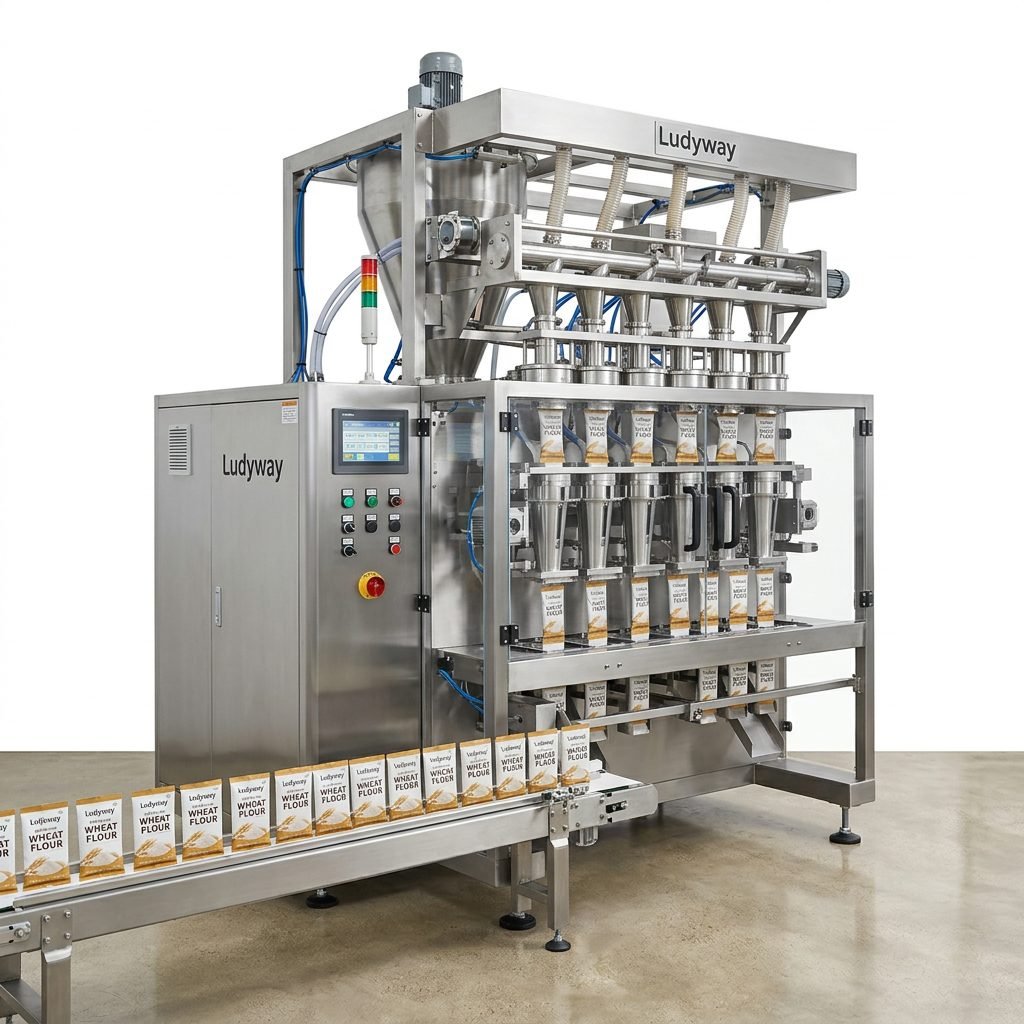
- Dust-Controlled Filling Systems — Advanced dust extraction and containment mechanisms prevent flour particles from escaping during the filling process, ensuring a cleaner production environment and reducing product waste.
- Precision Weighing Technology — Multi-head weighers and auger filling systems deliver accurate portion control with minimal giveaway, crucial for maintaining profitability in flour packaging operations.
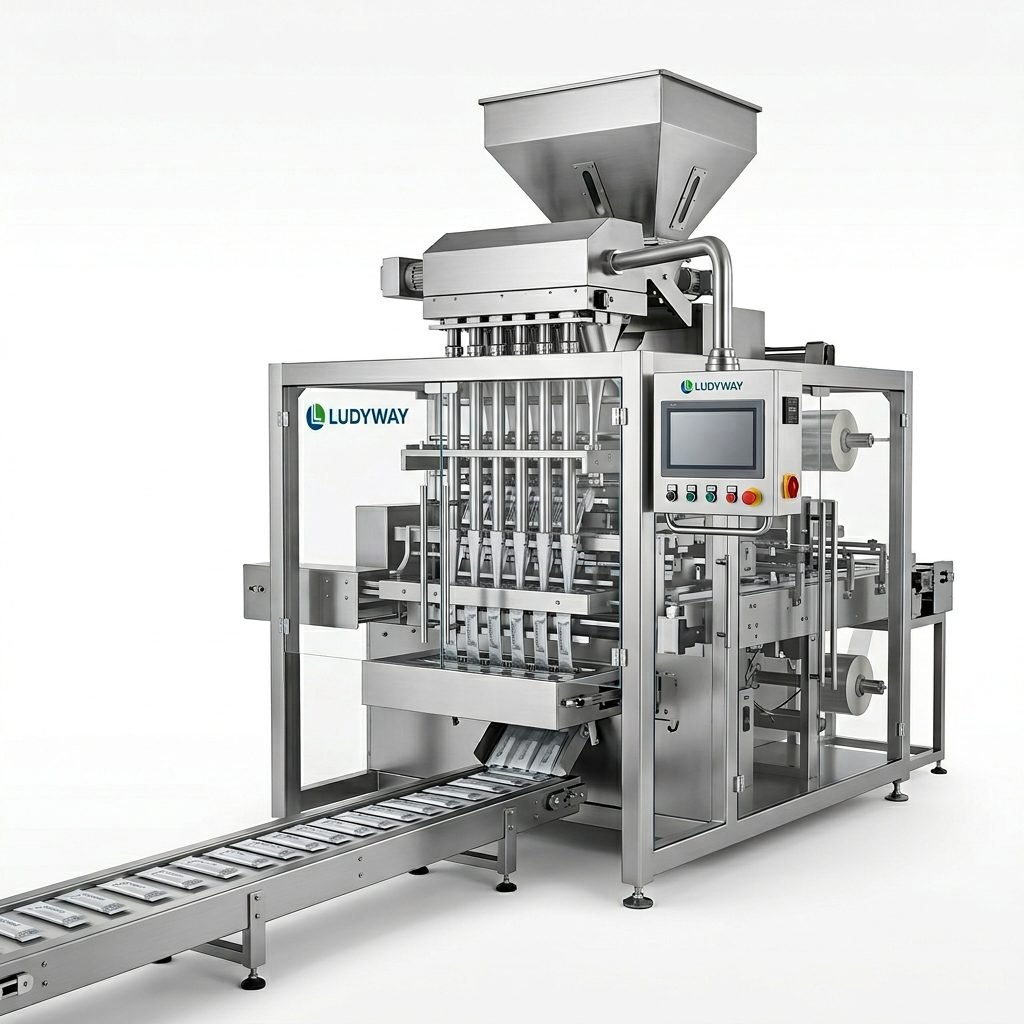
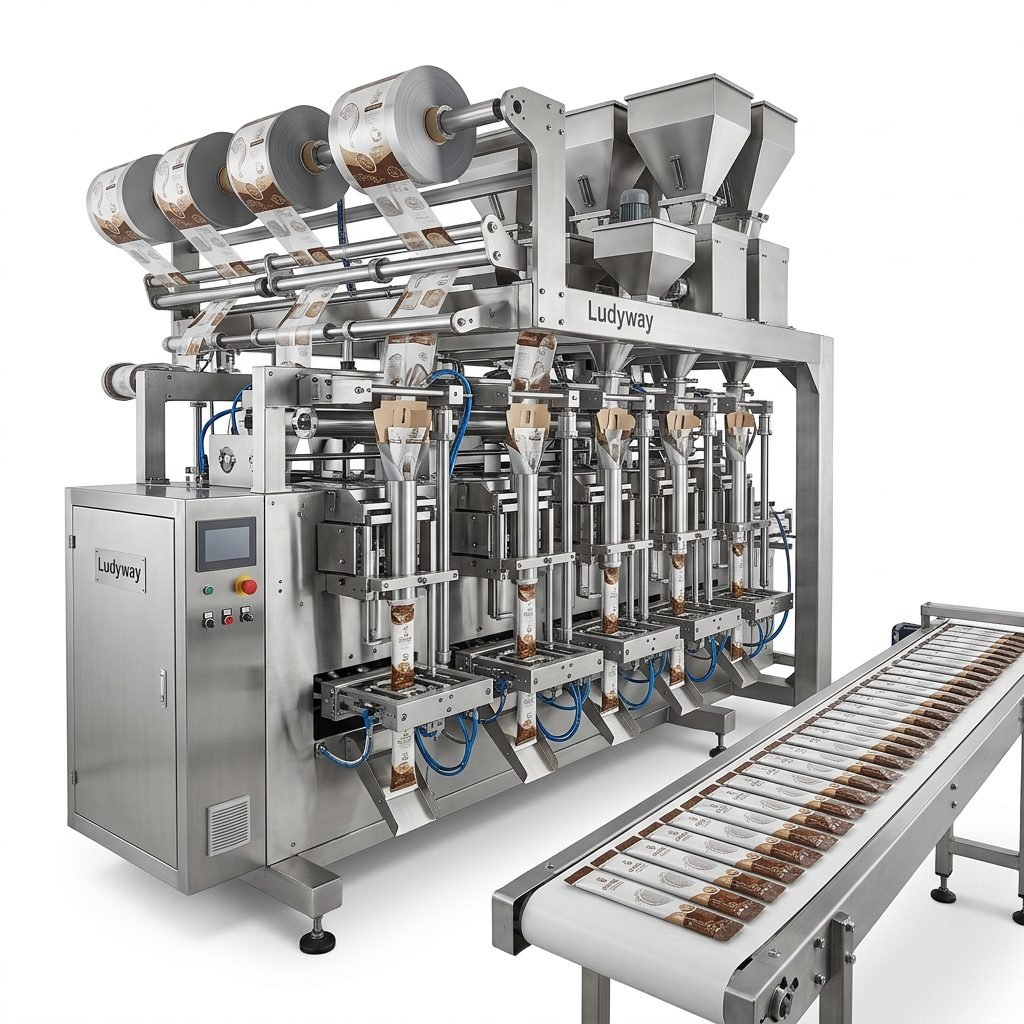
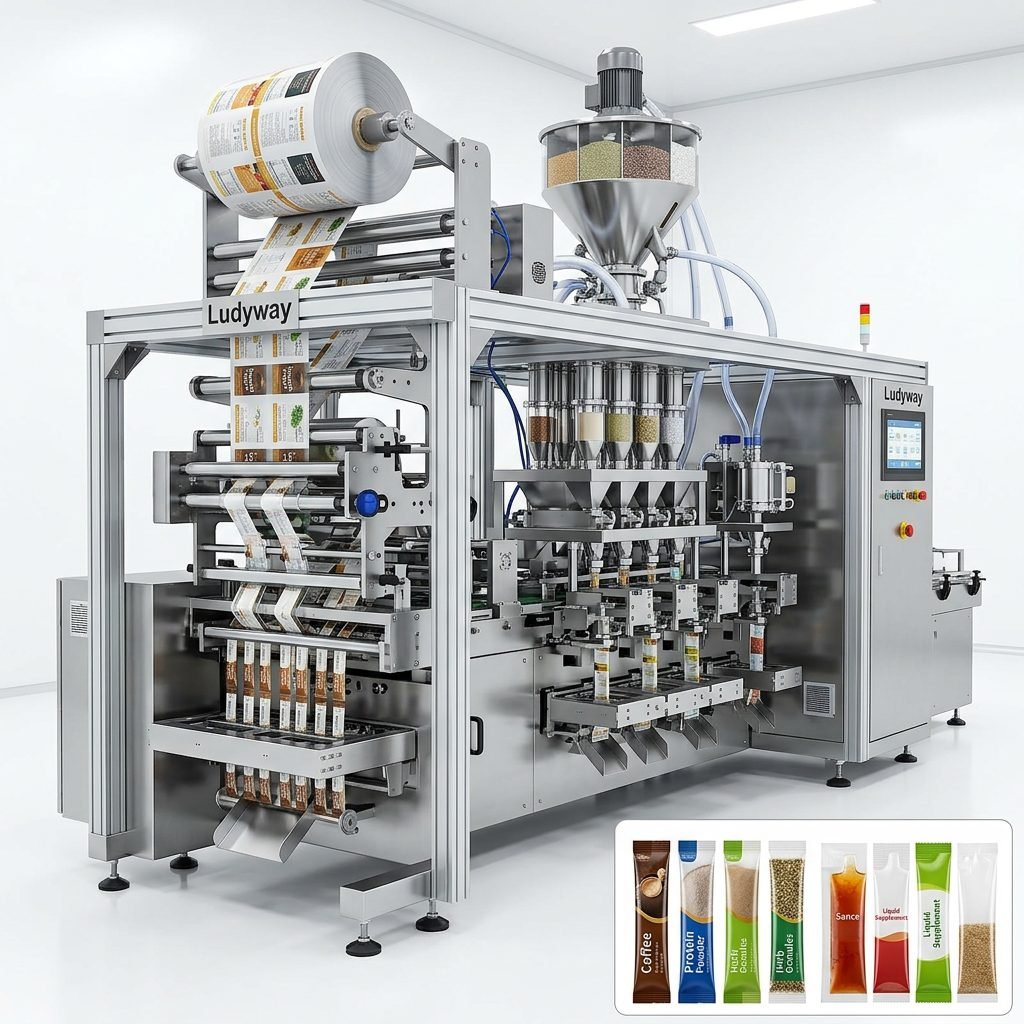
- Multi-Lane Configuration — Machines with 4 to 12 lanes dramatically increase throughput, making them ideal for high-volume flour producers serving retail and food service markets.
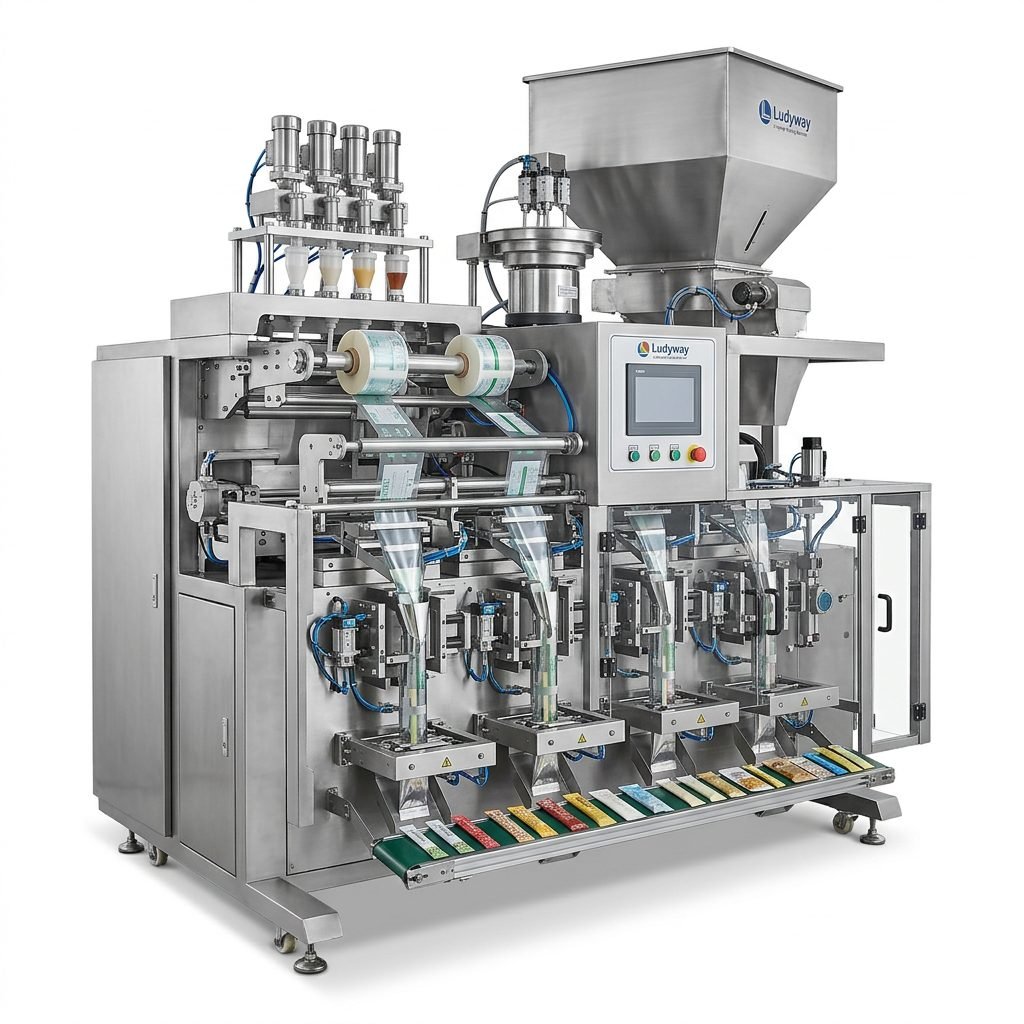
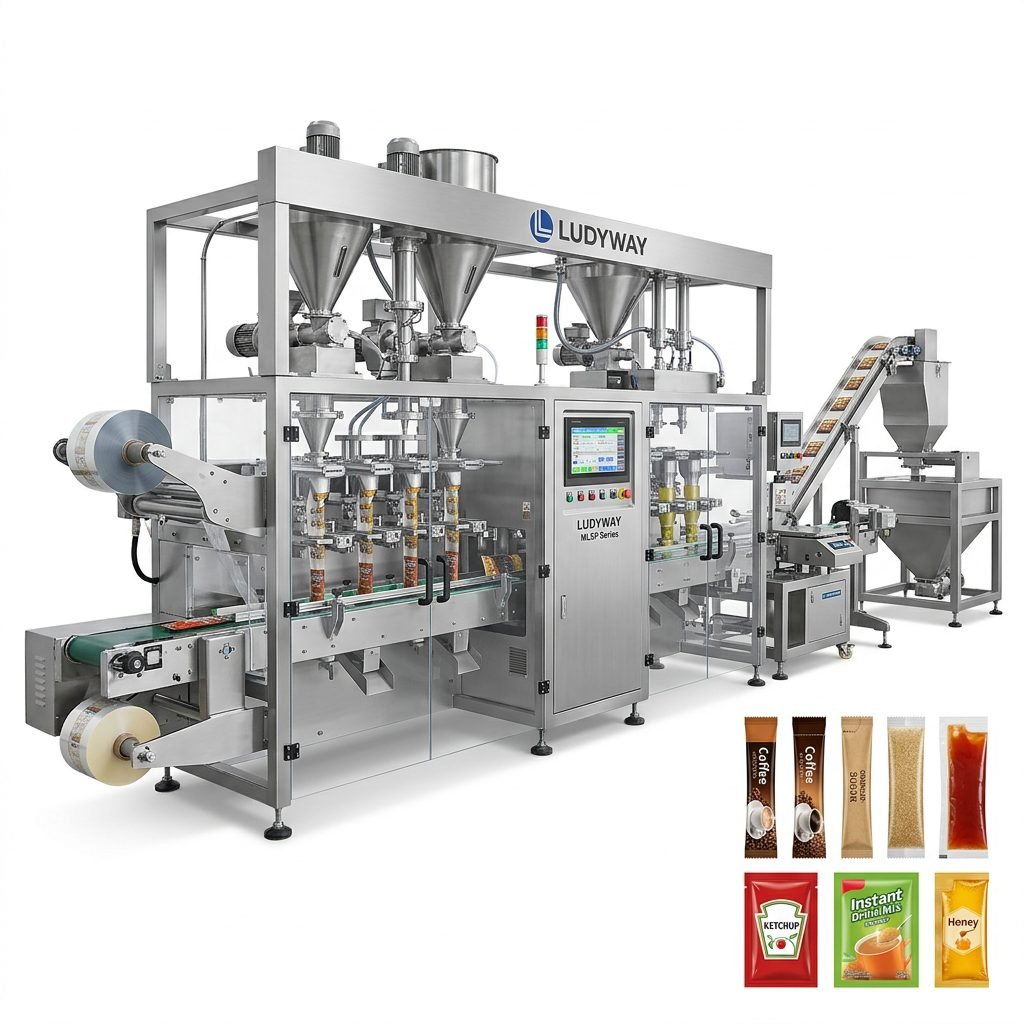
- Versatile Bag Formats — Support for sachet, stick pack, pillow bag, and gusseted pouch formats provides flexibility to meet diverse customer and market requirements.
- Sealing Integrity — Reliable heat sealing systems with temperature control ensure strong, leak-proof seals that protect flour freshness during storage and transportation.
Benefits of Automated Flour Packaging Solutions
Investing in automated flour packaging machinery delivers measurable advantages across your entire production operation. According to industry reports, automation continues to be the primary driver of packaging efficiency improvements worldwide. Here are the key benefits:
| Benefit Category | Description | Business Impact |
|---|---|---|
| Production Speed | Achieve up to 400-600 packs per minute with multi-lane systems | Higher throughput and faster order fulfillment |
| Labor Optimization | Reduce manual handling with fully automated feeding, filling, and sealing | Lower labor costs and reduced human error |
| Product Consistency | Uniform fill weights and seal quality across every pack | Enhanced brand reputation and customer trust |
| Waste Reduction | Precision dosing minimizes product giveaway and packaging material waste | Improved profit margins |
| Hygiene Compliance | Stainless steel construction meets food-grade safety standards | Regulatory compliance and audit readiness |
Types of Flour Packaging Machines Available
Different production scales and packaging formats require specific machine configurations. Understanding the available options helps you make an informed purchasing decision aligned with flexible packaging industry standards:
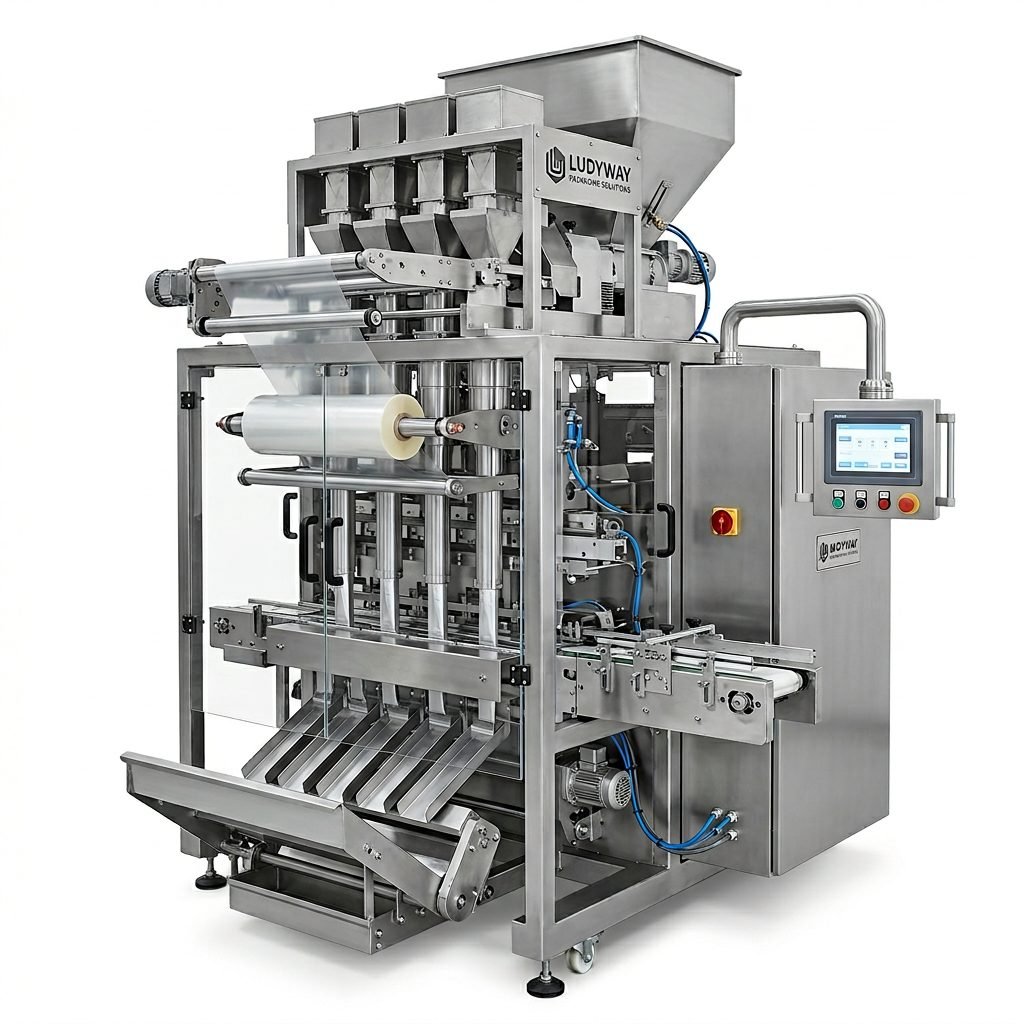
- Single-Lane Sachet Machines — Ideal for small to medium-scale flour producers, offering flexibility and ease of operation for entry-level automation.
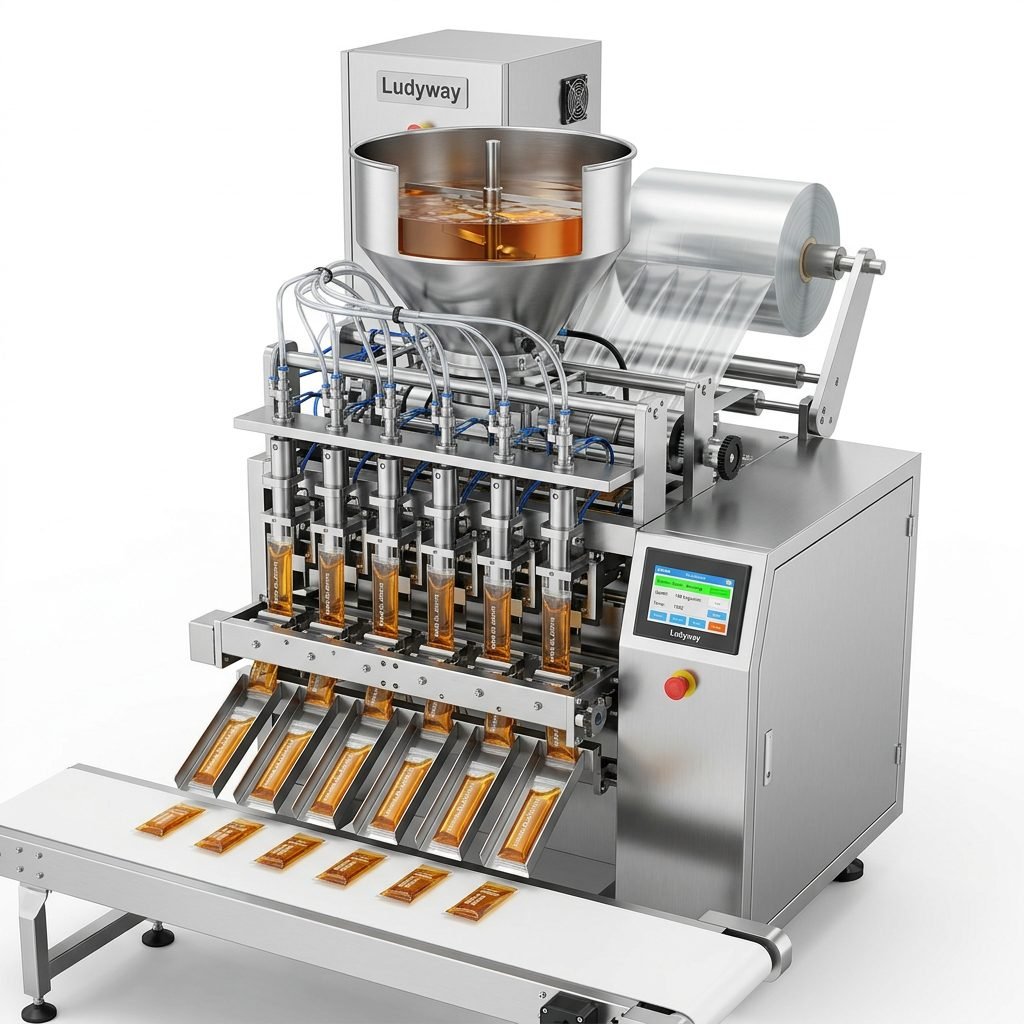
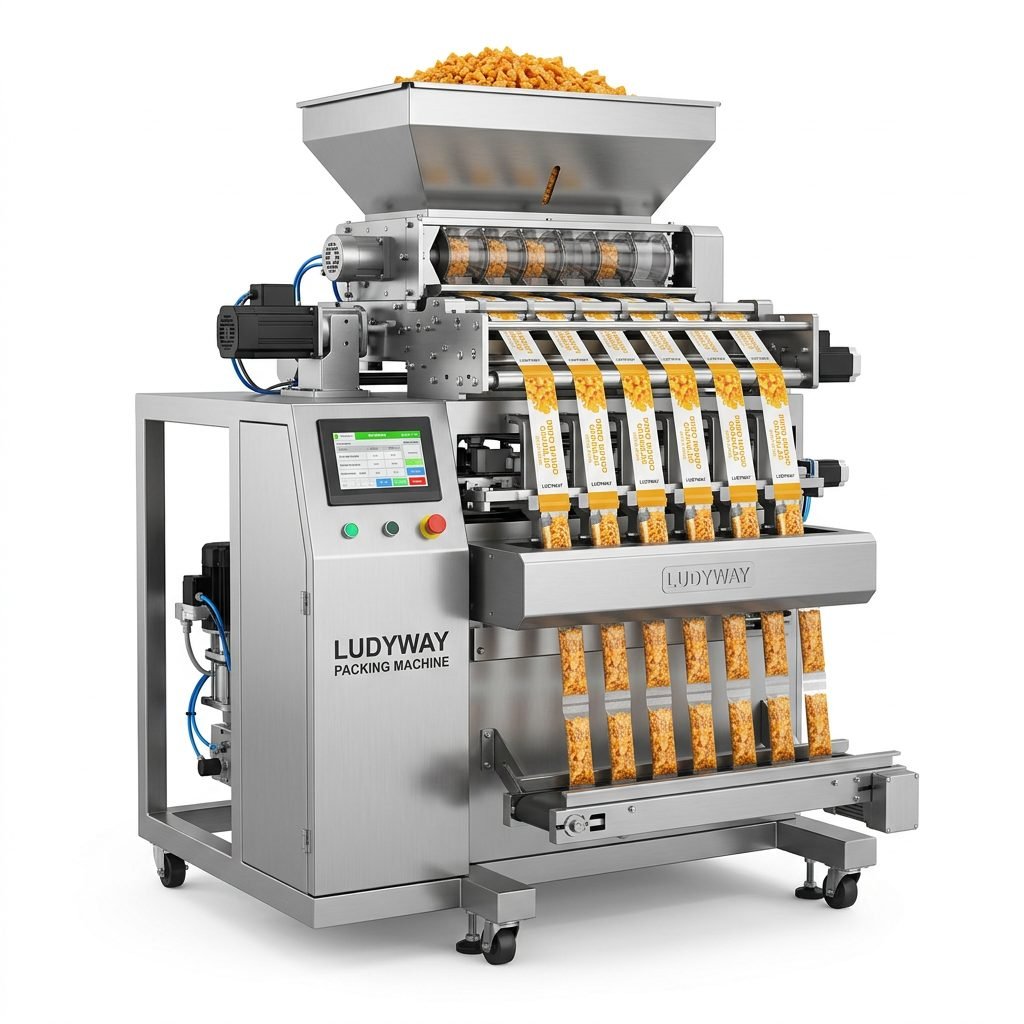
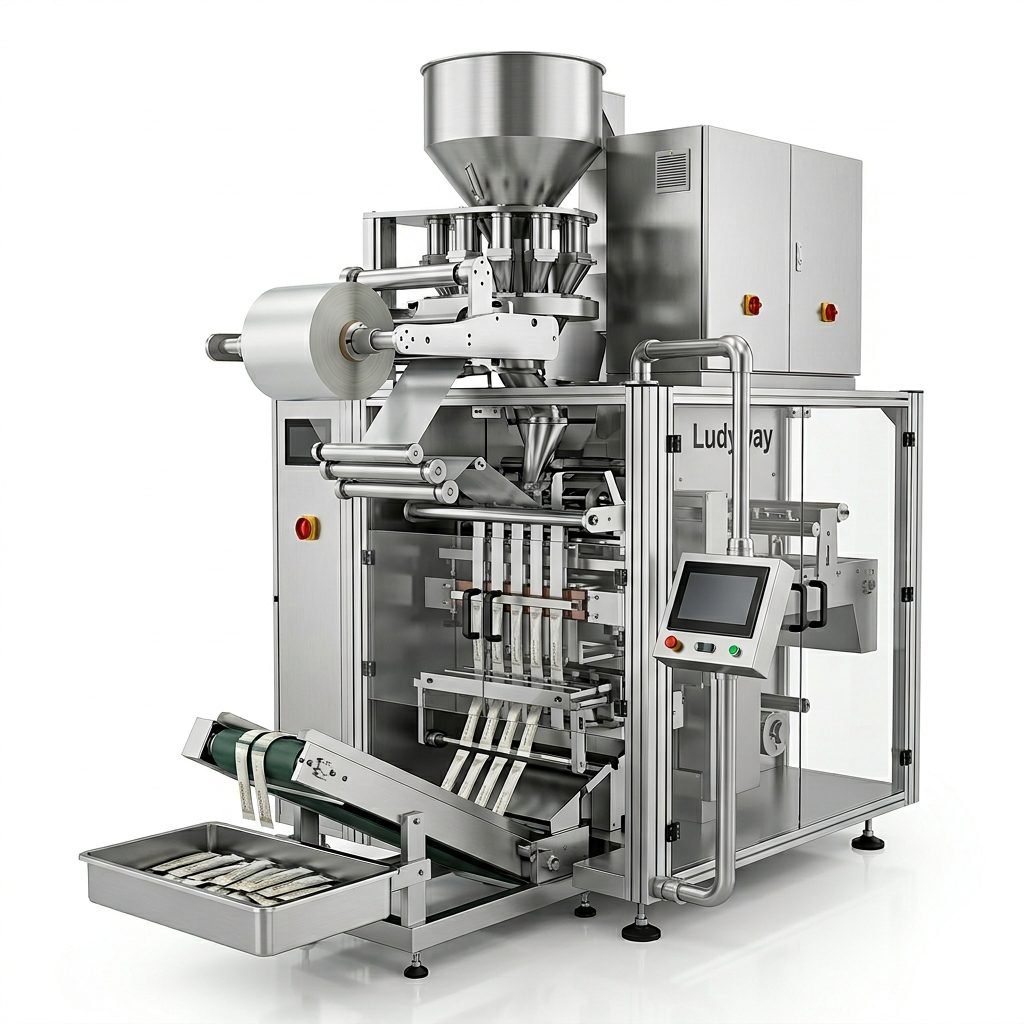
- Multi-Lane Stick Pack Systems — Best for high-volume flour packaging, these machines run 4-12 lanes simultaneously, dramatically increasing output for retail-ready products.
- Premade Pouch Rotary Fillers — Suitable for larger format flour bags (500g to 5kg), offering excellent presentation for premium and specialty flour brands.
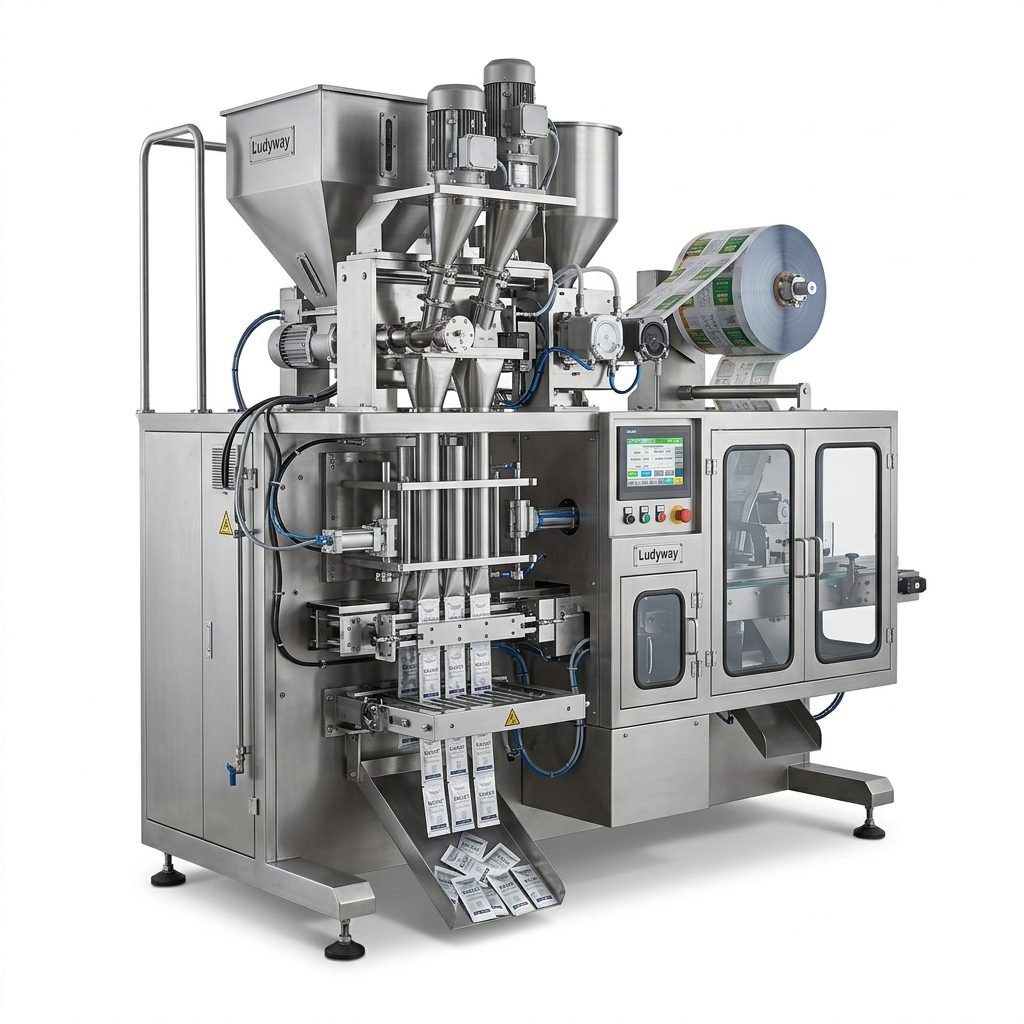
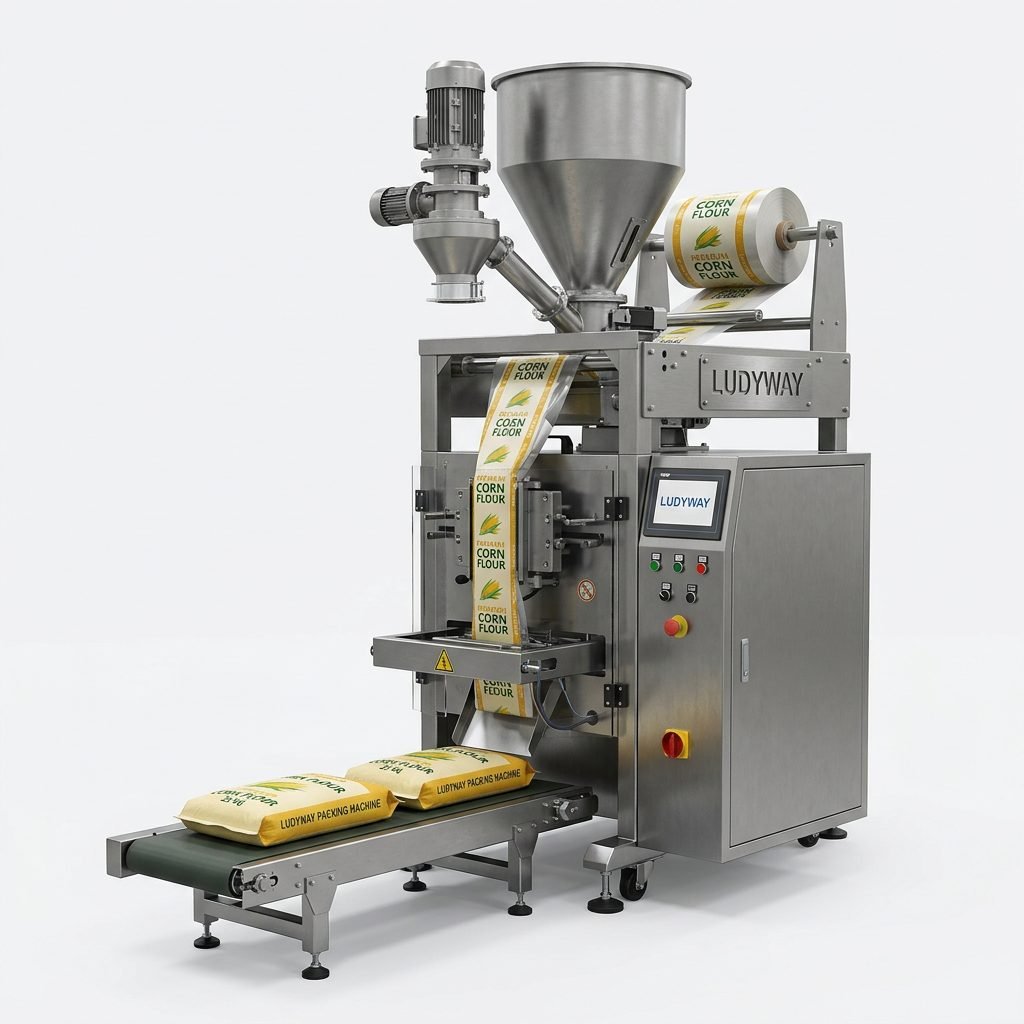
- Vertical Form-Fill-Seal (VFFS) Machines — Versatile systems that form bags from roll stock, fill with flour, and seal in one continuous operation.
- Bulk Bagging Lines — Designed for industrial flour packaging in 10kg, 25kg, and 50kg bags for commercial and wholesale distribution.
Critical Buying Considerations for Flour Packaging Equipment
Before investing in a flour packaging machine, carefully evaluate the following factors to ensure the equipment aligns with your production goals and long-term business strategy:
- Production Capacity Requirements — Calculate your current and projected output needs. A machine that handles 50-60 packs per minute per lane is suitable for most medium to large flour operations.
- Packaging Material Compatibility — Verify that the machine supports your preferred materials, including laminated films, aluminum foil, and biodegradable packaging options for flour products.
- Changeover Flexibility — If you package multiple flour varieties, look for machines with quick-change tooling and recipe management to minimize downtime between product runs.
- Dust Management Systems — Flour dust is combustible and requires proper handling. Ensure the machine includes effective dust containment and extraction systems for workplace safety.
- After-Sales Support — Evaluate the manufacturer’s technical support, spare parts availability, and local service capabilities to minimize potential downtime.
Technical Specifications to Compare
When comparing different flour packaging machine models, focus on these technical parameters to make an objective evaluation:
| Specification | Entry-Level | Mid-Range | High-End |
|---|---|---|---|
| Speed (packs/min) | 30-80 | 100-250 | 300-600+ |
| Lanes | 1-2 | 4-6 | 8-12 |
| Fill Range | 1g-50g | 5g-500g | 1g-5kg |
| Automation Level | Semi-auto | Fully automatic | Turnkey line |
Maintenance and Operational Best Practices
Maximizing the lifespan and performance of your flour packaging equipment requires a structured approach to maintenance and operation. Following food packaging safety guidelines is essential for compliance and product integrity:
- Daily Cleaning Protocols — Implement thorough cleaning routines to prevent flour residue buildup, which can attract pests and cause equipment malfunction over time.
- Regular Sealing System Checks — Inspect heating elements and sealing jaws weekly to maintain consistent seal quality and prevent packaging failures.
- Weighing System Calibration — Schedule monthly calibration of multi-head weighers and auger fillers to ensure continued dosing accuracy and minimize product giveaway.
- Preventive Maintenance Schedule — Follow manufacturer-recommended service intervals for lubrication, belt tensioning, and sensor cleaning to avoid unexpected downtime.
Why Quality Packaging Machinery Matters for Flour Products
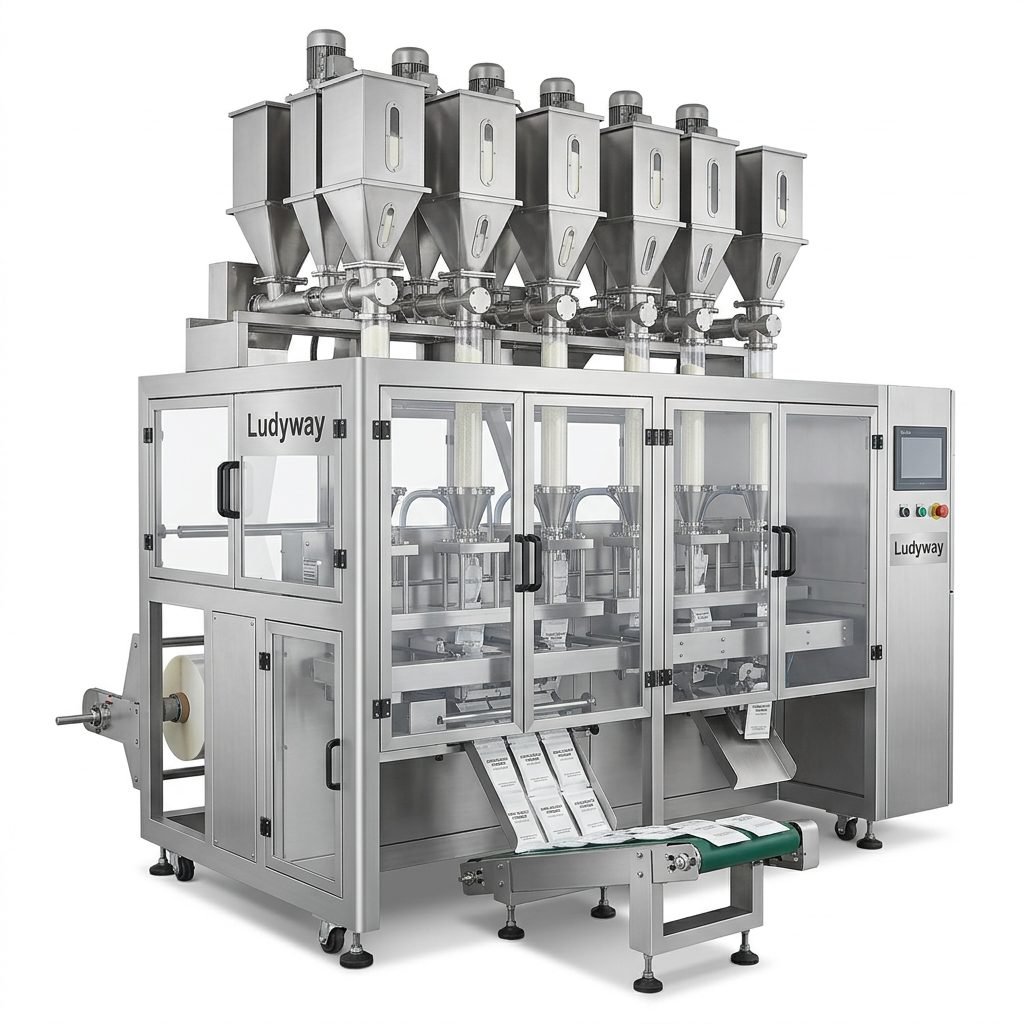
Flour is a challenging product to package due to its fine particle size, tendency to create dust, and sensitivity to moisture. High-quality packaging machines address these challenges through specialized engineering features that protect product integrity throughout the supply chain. Properly packaged flour maintains its freshness longer, resists moisture ingress, and presents professionally on retail shelves — all factors that contribute to stronger brand perception and increased sales.
Investing in reliable equipment from an experienced manufacturer ensures you receive not only the machine but also the technical expertise and support necessary for long-term success. With over 30 years of industry experience and a modern 20,000㎡ manufacturing facility, Ludyway has established itself as a trusted provider of advanced packaging solutions serving customers in over 100 countries. Their comprehensive range of multi-lane stick pack, sachet, and fully automated packaging systems are engineered to meet the demanding requirements of flour and powder packaging applications.
Conclusion: Making the Right Investment
Choosing the right flour packaging machine is a strategic decision that impacts your production efficiency, product quality, and bottom line. By focusing on key features such as dust control, precision weighing, multi-lane capability, and sealing integrity, you can identify equipment that meets both your current needs and future growth plans. Remember to evaluate technical specifications carefully, consider total cost of ownership including maintenance and spare parts, and prioritize manufacturers with proven expertise in powder packaging applications.
For businesses seeking to upgrade their flour packaging operations, exploring equipment that complies with industry best practices and offers turnkey integration capabilities is a worthwhile starting point. The right machine will deliver consistent quality, operational reliability, and the flexibility to adapt as your product portfolio expands.