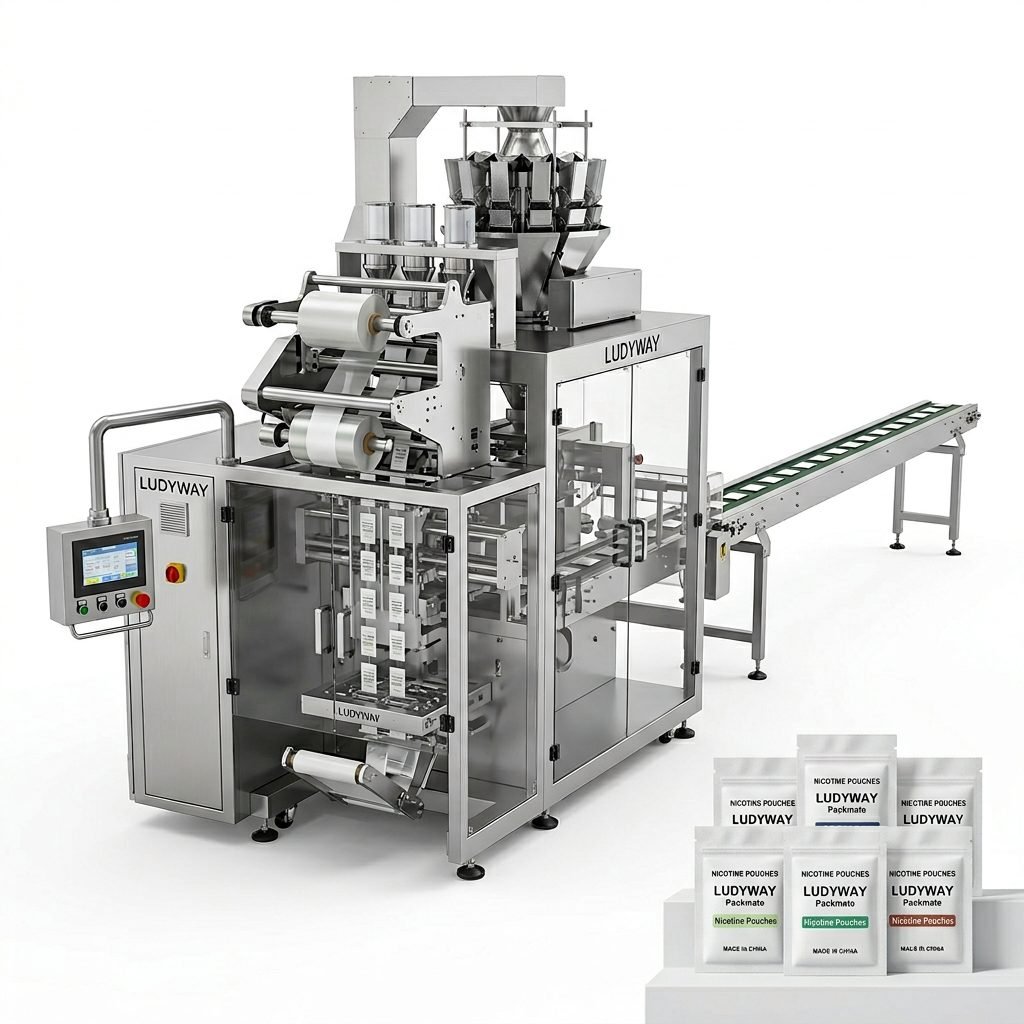
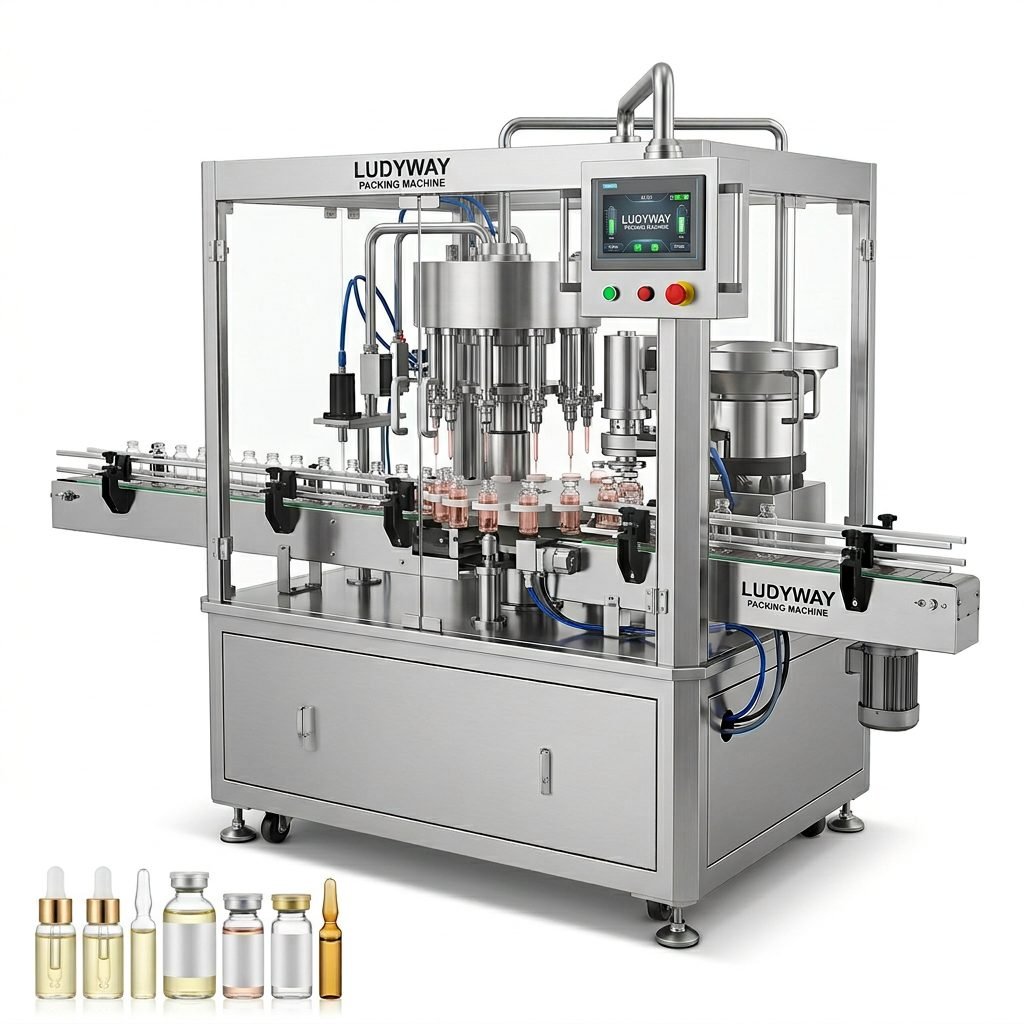
VFFS packaging speed is one of the first numbers buyers ask about—and for good reason. If you are evaluating equipment for powders, granules, liquids, or small pouches, understanding how many bags per minute a vertical form fill seal machine can produce helps you estimate output, labor savings, and return on investment.
The short answer is: a VFFS machine can produce anywhere from about 20 to more than 120 bags per minute, depending on the product, bag size, film type, dosing system, and machine configuration. High-speed or multi-lane systems can go beyond that range in specific applications.
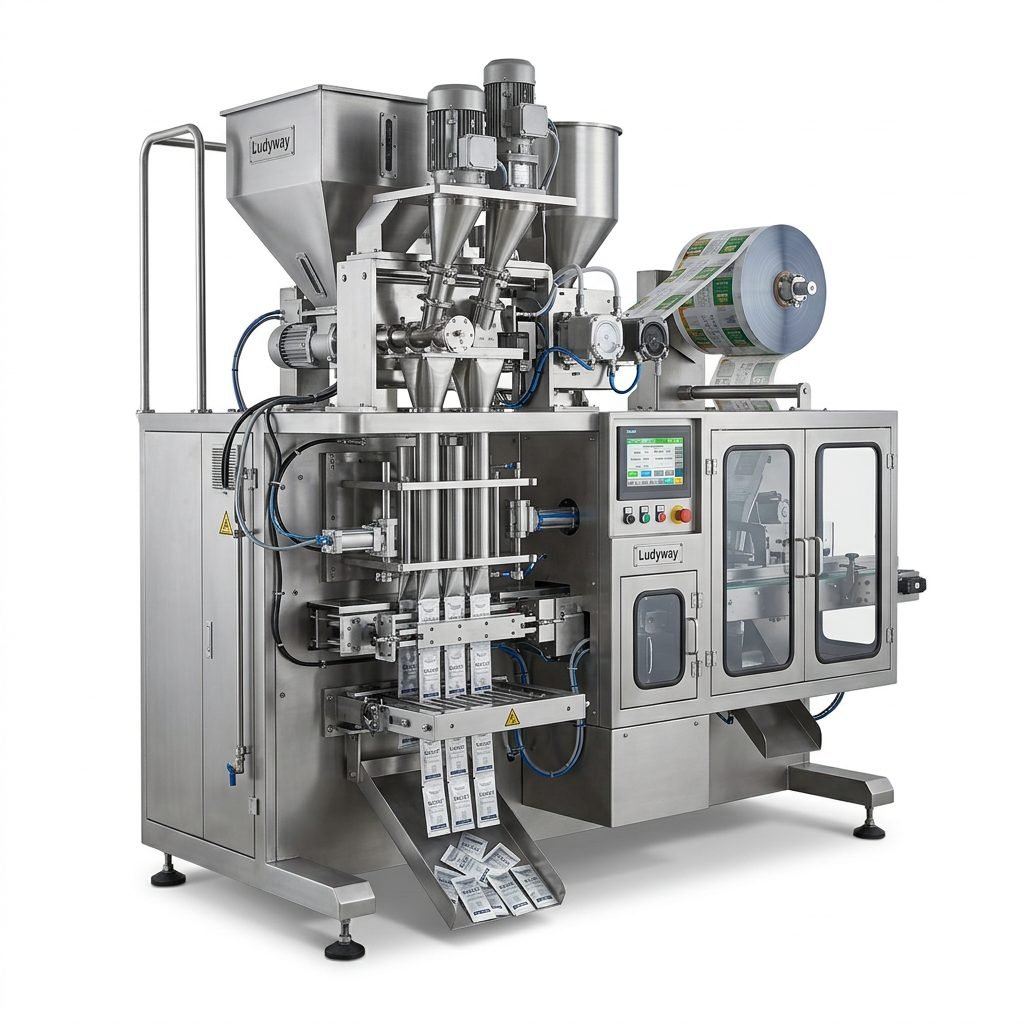
Typical VFFS Machine Speed Range
A standard VFFS machine does not have one fixed speed. Real output depends on the application. Some machines run slowly but deliver excellent accuracy for difficult products, while others are designed for high-speed repetitive production.
| VFFS Application Type | Typical Bags Per Minute | Notes |
|---|---|---|
| Entry-level VFFS machine | 20–40 BPM | Suitable for small or medium production runs |
| Standard automatic VFFS machine | 40–80 BPM | Common for food, chemical, and daily-use products |
| High-speed servo VFFS machine | 80–120+ BPM | Best for consistent products and optimized films |
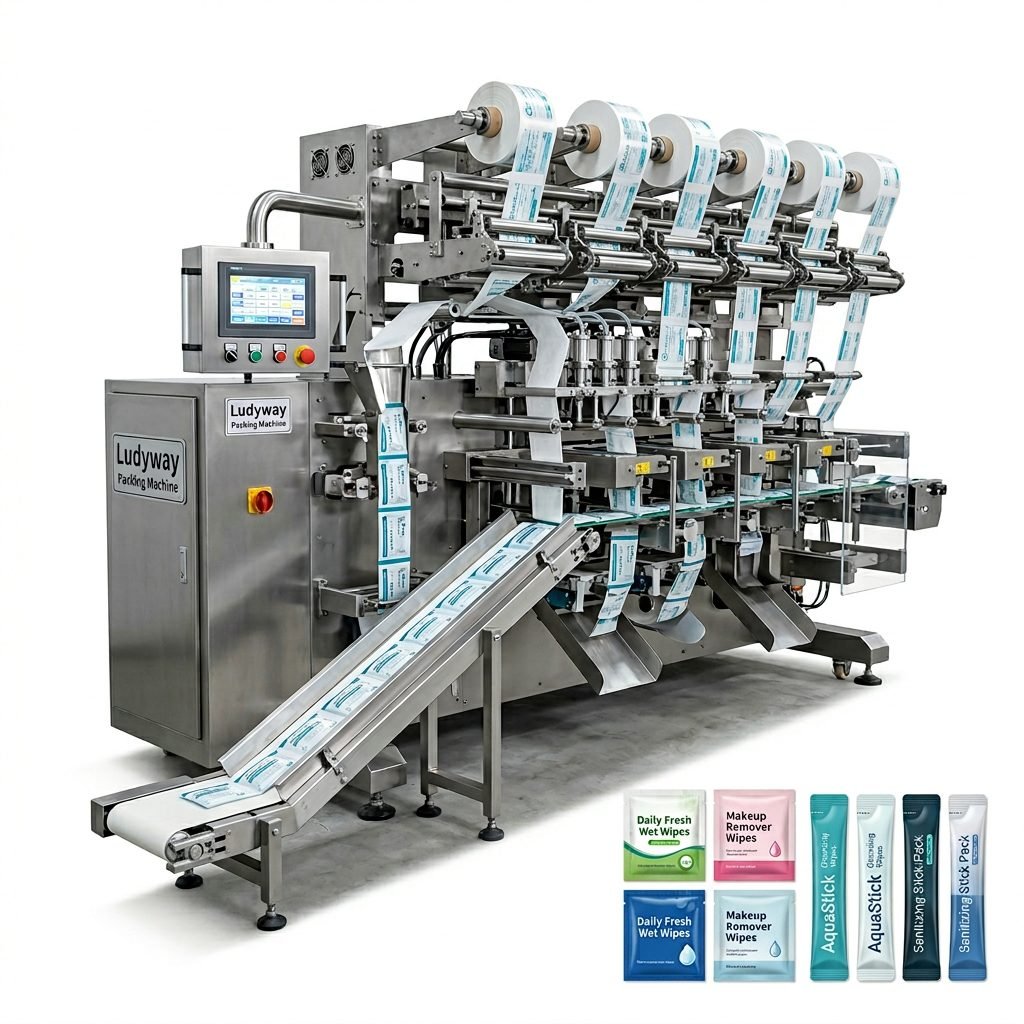
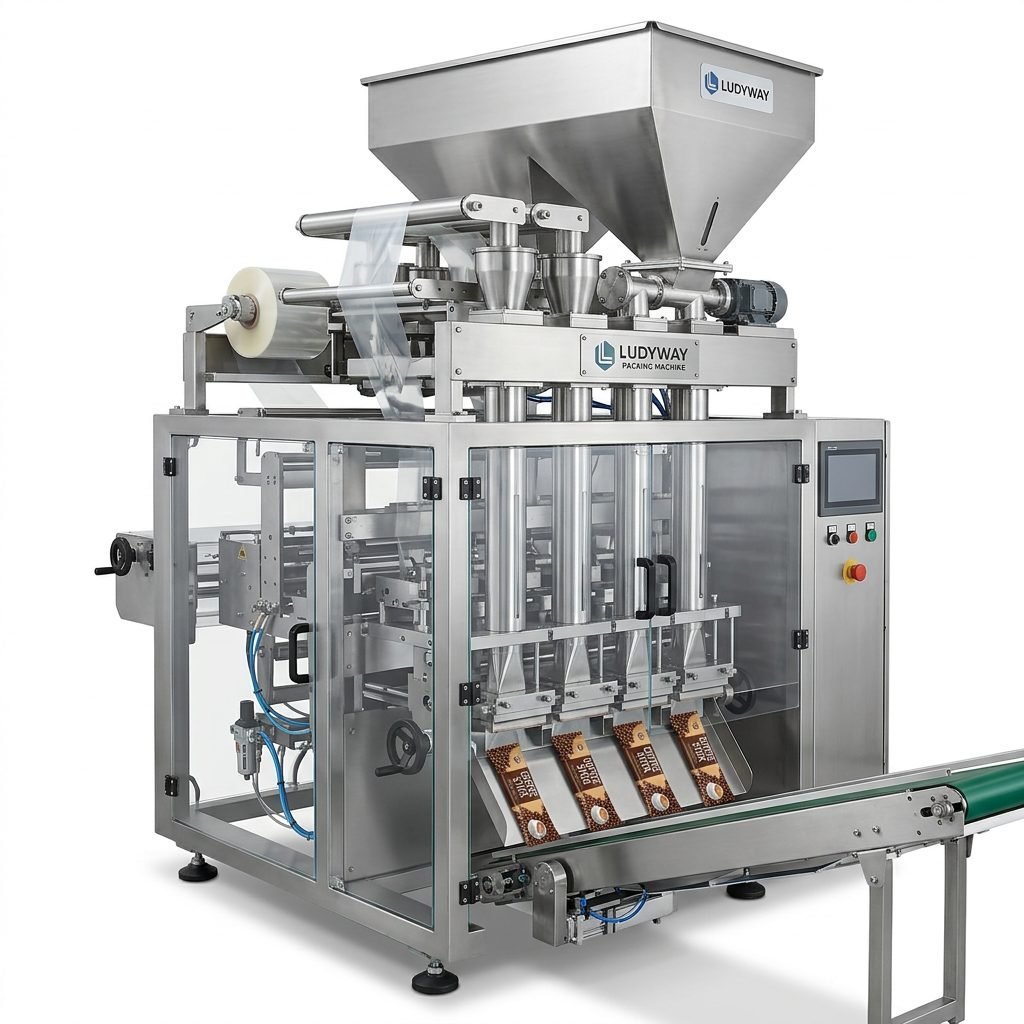
| Multi-lane sachet or stick pack systems | 150–500+ packs/min total | Combined output across all lanes |
When suppliers quote packaging speed, always check whether they mean mechanical speed or actual stable production speed. The second number is much more useful for real planning.
What Affects Bags Per Minute on a VFFS Machine?
Several technical variables determine how fast a VFFS machine can operate. In many cases, the filling process—not the sealing process—is the main bottleneck.
1. Product Type
- Granules such as sugar, salt, rice, or seeds often run faster because they flow easily.
- Powders may run slower due to dust control, auger filling, and settling time.
- Liquids and pastes depend on pump accuracy, anti-drip performance, and seal cleanliness.
- Irregular products like snacks or frozen items may need extra weighing time.
2. Bag Size and Bag Style
Small sachets generally allow faster cycling than large pillow bags. The larger the bag, the longer the machine needs for film pull, filling, sealing, and discharge. Zipper pouches, gusseted bags, and shaped bags also reduce speed compared with simple pillow pouches.
3. Filling System
The dosing unit has a major impact on throughput. Common options include:
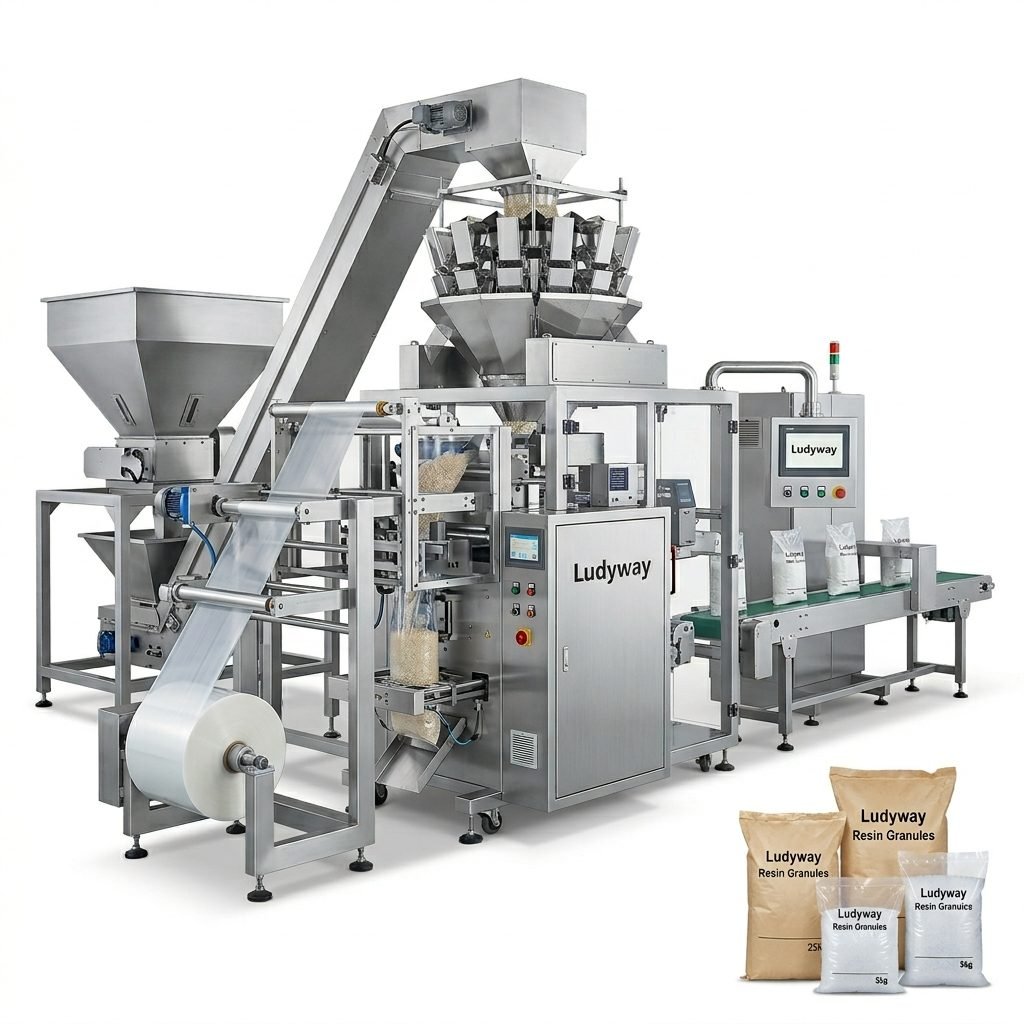
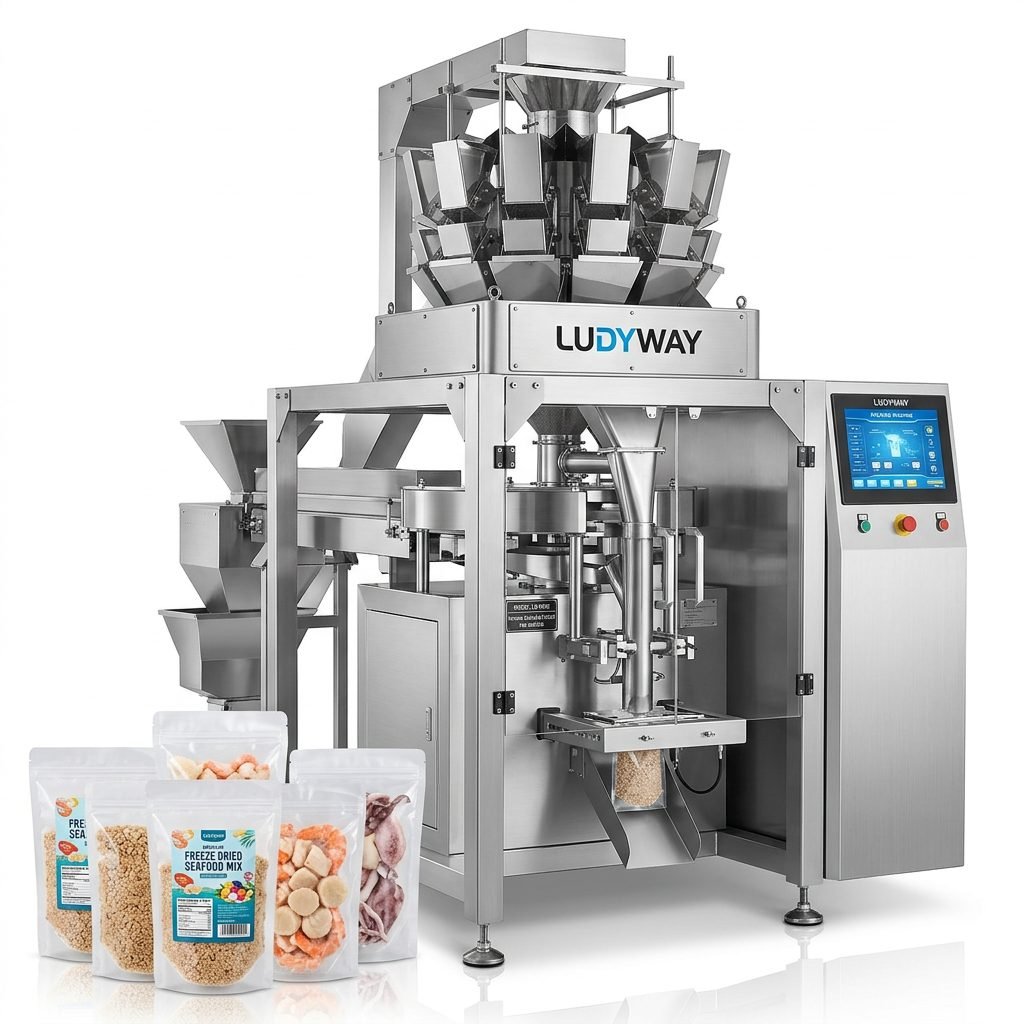
- Multi-head weigher for snacks and granules
- Auger filler for powders
- Cup filler for free-flowing products
- Piston pump or liquid pump for sauces, creams, and liquids
A fast bagger paired with a slow filler will still deliver slow final output.
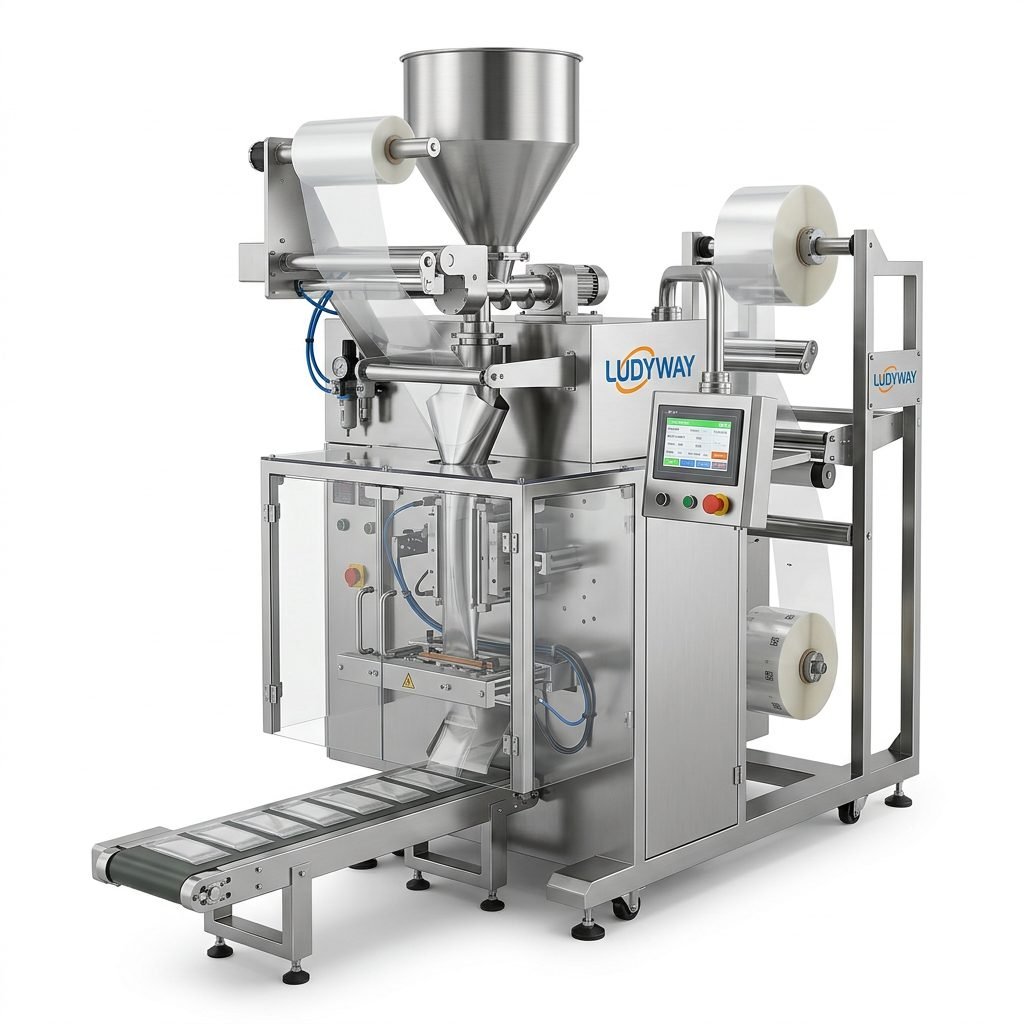
4. Film Quality and Sealing Characteristics
Packaging film must feed smoothly and seal reliably. If the material requires a longer heat dwell time, machine speed must be reduced to maintain seal integrity. Thin, stable film structures often support higher speeds than films that stretch, wrinkle, or slip.
5. Machine Automation Level
Modern servo-driven systems usually run faster and more consistently than older pneumatic designs. Advanced controls help synchronize film feeding, registration tracking, filling, and sealing for better output stability.
6. Product Accuracy Requirements
If your operation demands very tight fill tolerances, the system may need to run at a slightly slower speed to achieve better weight consistency. This is common in pharmaceutical, nutraceutical, and premium food applications.
How to Calculate Expected Production Output
Once you know the machine’s bags-per-minute range, you can estimate hourly and daily output with a simple formula:
Output per hour = Bags per minute × 60
Output per shift = Bags per minute × 60 × operating hours
| Machine Speed | Output Per Hour | Output Per 8-Hour Shift |
|---|---|---|
| 30 BPM | 1,800 bags | 14,400 bags |
| 60 BPM | 3,600 bags | 28,800 bags |
| 100 BPM | 6,000 bags | 48,000 bags |
Keep in mind that actual production is usually lower than theoretical maximum output because of film changes, product feeding interruptions, cleaning, maintenance, and operator adjustments.
Typical Speed by Industry
Food Packaging
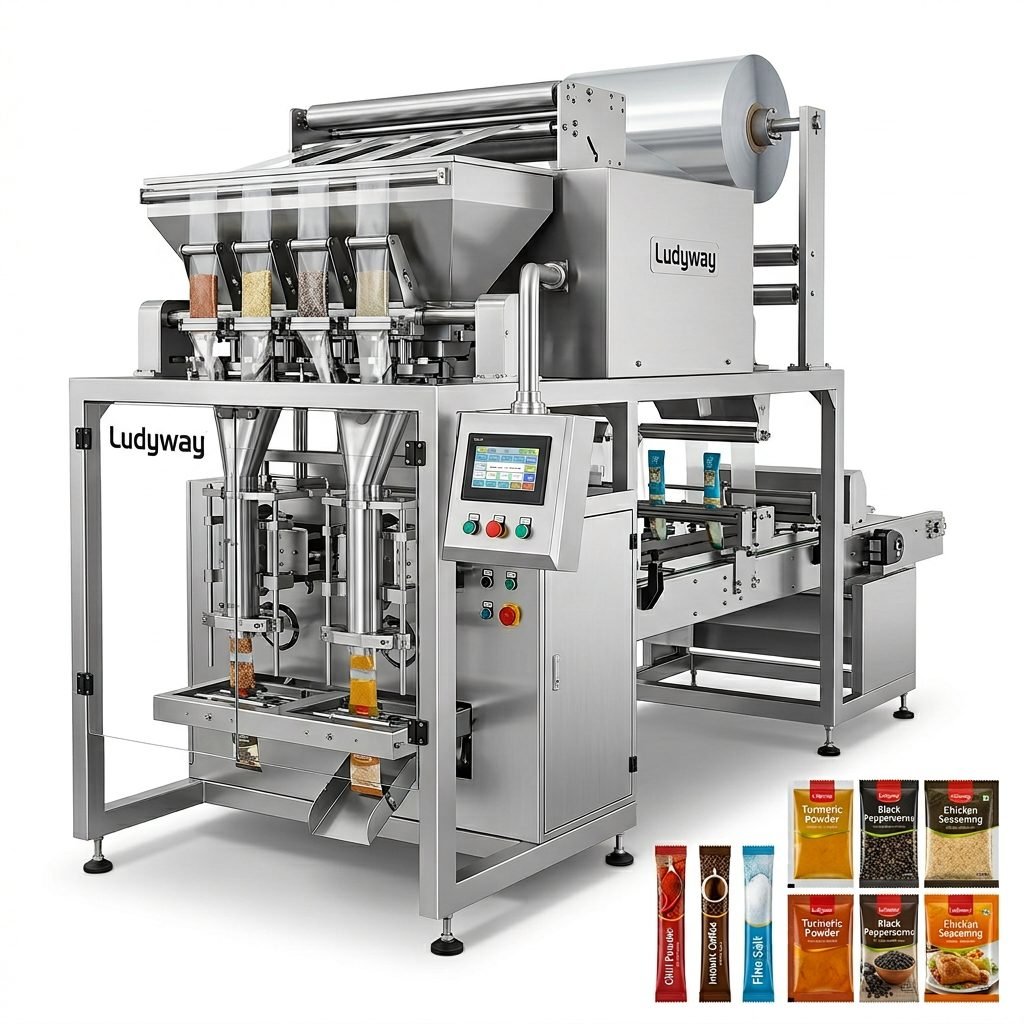
For seasonings, coffee, sugar, snacks, grains, and powder drink mixes, VFFS machines commonly run between 40 and 100 bags per minute. Stick pack and sachet applications may go much higher with multi-lane equipment.
Pharmaceutical and Health Supplement Packaging
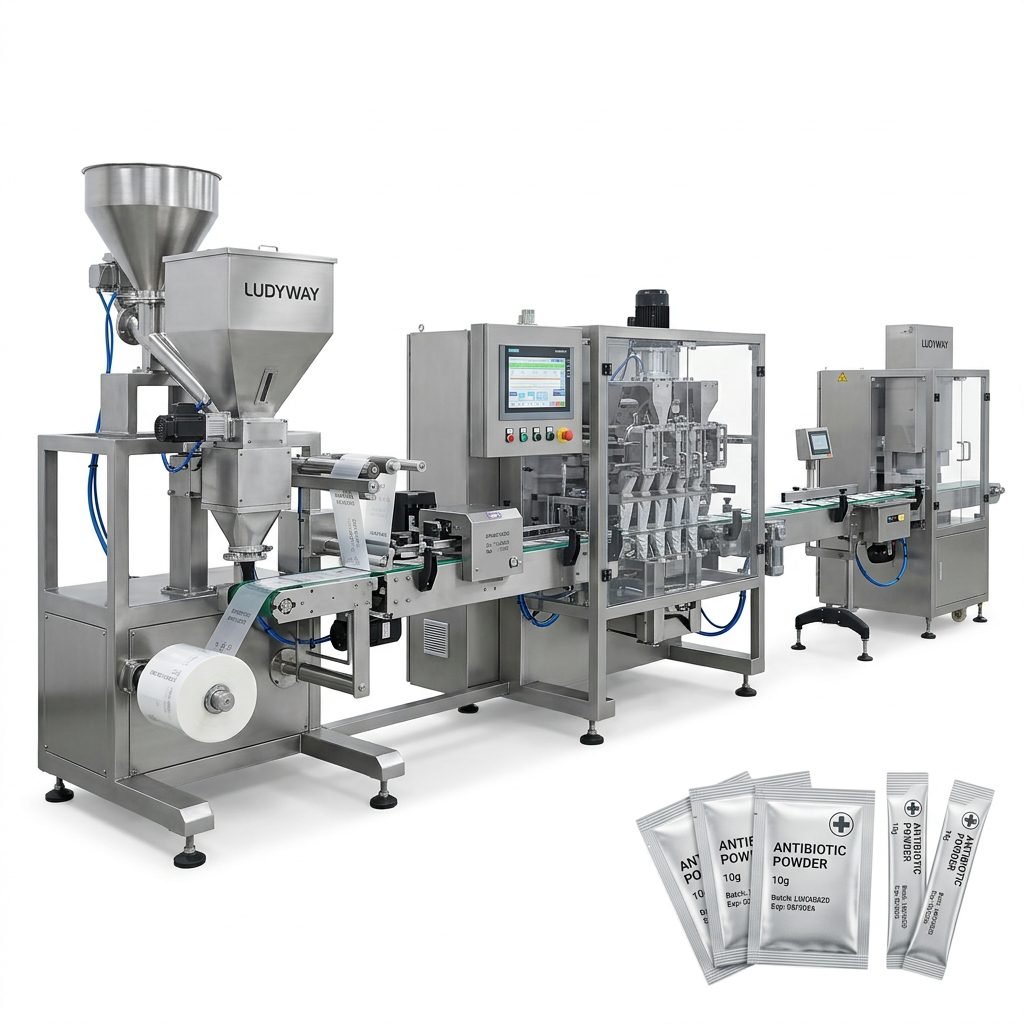
For medicinal powders, oral rehydration salts, supplement granules, and single-dose sachets, output is often balanced with accuracy and hygiene requirements. Typical speed ranges from 30 to 80 bags per minute.
Chemical and Household Product Packaging
Detergent powder, cleaning liquids, pesticides, and industrial additives may run from 25 to 90 bags per minute, depending on corrosion resistance, fill behavior, and sealing conditions.
Cosmetic Packaging
Creams, gels, lotions, and sample sachets often require clean filling and stable seal appearance. Output commonly falls in the 30 to 70 bags per minute range for single-lane formats.

Single-Lane vs Multi-Lane: Which Produces More Bags Per Minute?
If your product is packed in small doses such as sachets or stick packs, multi-lane machines can dramatically increase total output.
| Machine Type | Speed Characteristic | Best Use |
|---|---|---|
| Single-lane VFFS | Lower total BPM, simple setup | Larger bags or flexible product range |
| Multi-lane sachet/stick pack | Very high total output | Small-dose, high-volume packaging |
For example, a 10-lane sachet machine running 40 cycles per minute can theoretically produce 400 sachets per minute total. That is why many high-volume producers choose multi-lane solutions when package size is small and demand is high.
Why Published Speed and Real Speed Are Different
Machine catalogs often show the highest achievable speed under ideal test conditions. In actual production, output may be lower. Common reasons include:
- Product bridging or inconsistent feeding
- Film tracking and registration correction
- Environmental humidity affecting powders
- Operator skill level
- Frequent size changeovers
- Cleaning and sanitation downtime
- Need for stricter sealing quality control
That is why buyers should ask suppliers for application-based speed data, ideally with test videos or sample runs using the real product and bag dimensions.
How to Increase VFFS Packaging Speed Without Sacrificing Quality
If your current line is underperforming, these improvements may help:
- Use a better-matched filling system for the product.
- Improve product flow with agitation, vibration, or proper hopper design.
- Choose film that seals faster and tracks more smoothly.
- Optimize bag dimensions to reduce cycle time.
- Upgrade to servo controls for more precise synchronization.
- Add automatic feeding, coding, counting, cartoning, or case packing to reduce interruptions.
- Schedule preventive maintenance to avoid speed loss from wear.
How to Choose the Right VFFS Speed for Your Business
The fastest machine is not always the best machine. A better question is: what speed do you need for stable, profitable production?
Before selecting a system, consider:
- Your target daily or monthly output
- Product characteristics and fill accuracy requirements
- Bag type, bag size, and packaging material
- Available floor space
- Operator experience
- Future expansion needs
If you expect demand growth, it may be smarter to invest in a scalable machine or an integrated packaging line rather than a basic low-speed unit.
Working With an Experienced Packaging Machine Manufacturer
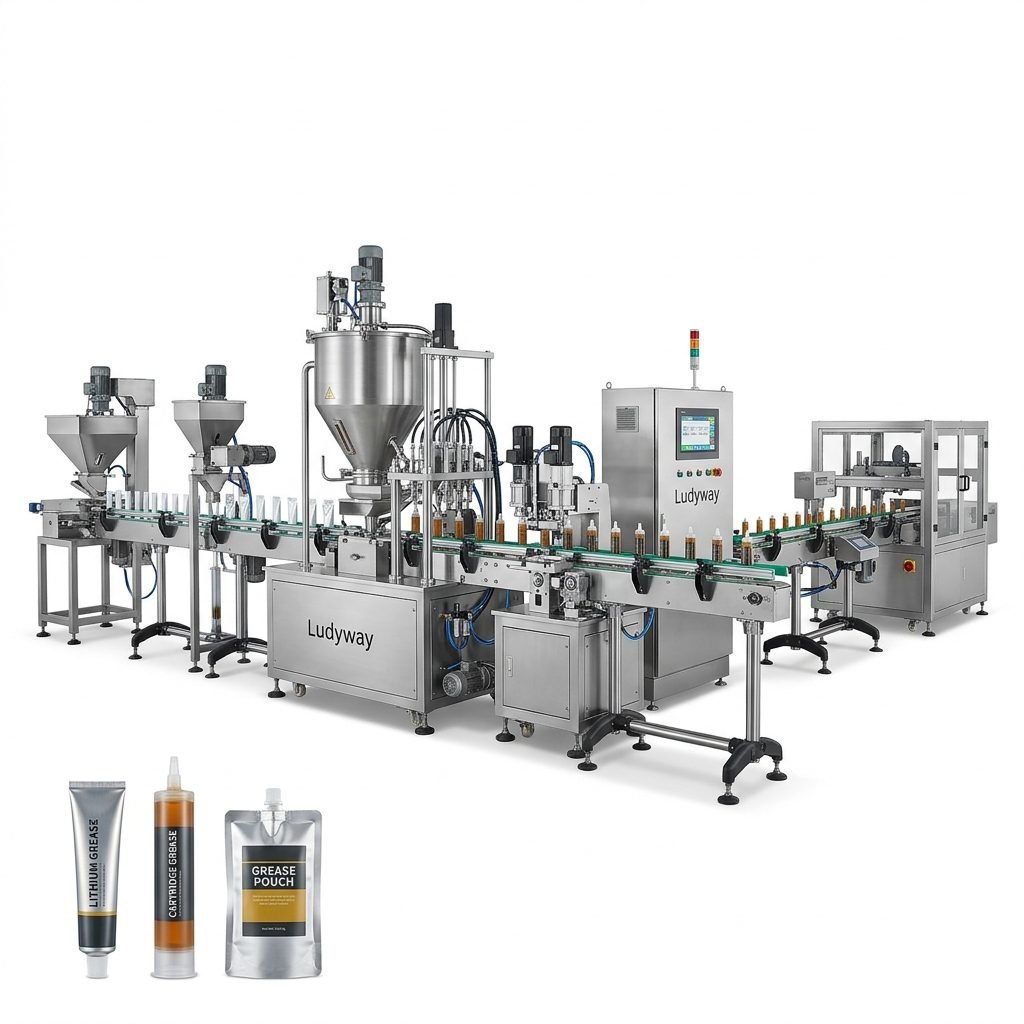
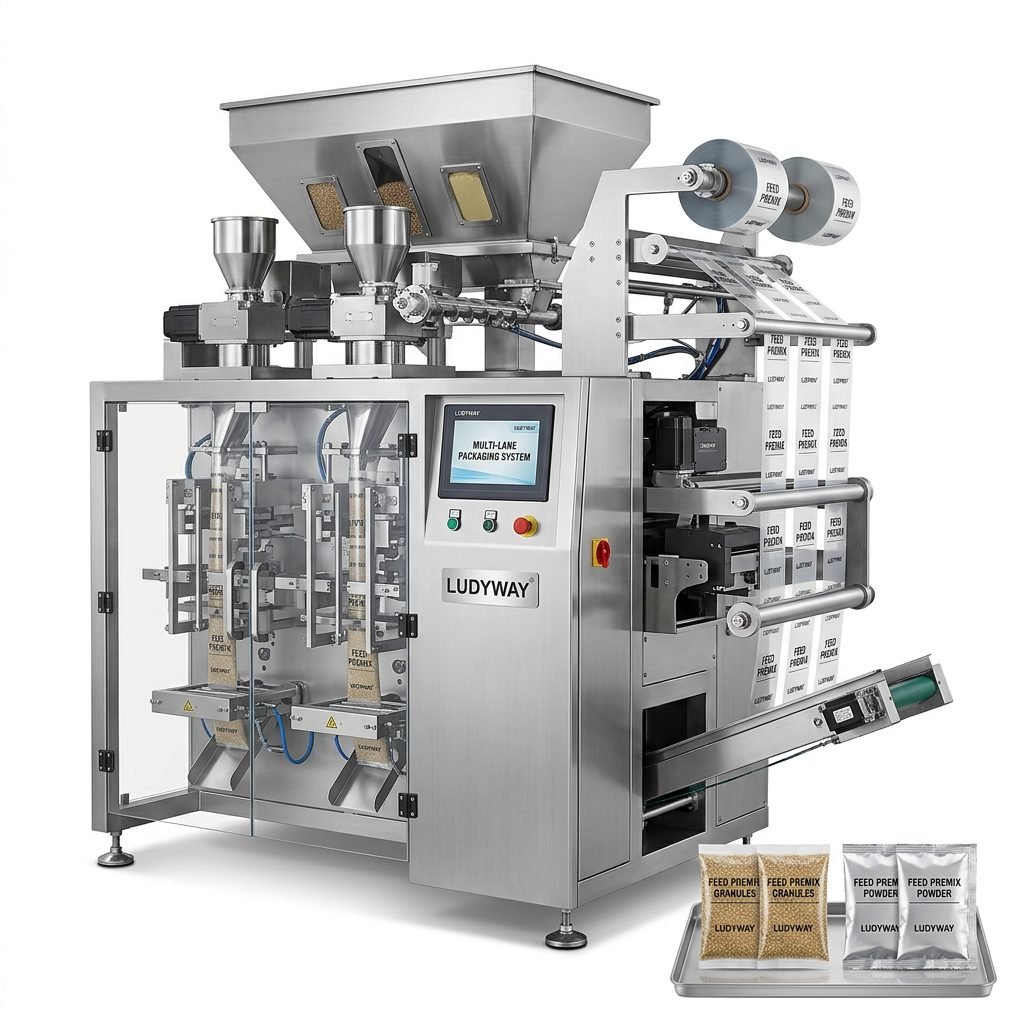
For buyers comparing different packaging technologies, it helps to work with a manufacturer that can evaluate product type, target speed, automation level, and line integration needs together. Ludyway packaging machine manufacturer provides VFFS systems, sachet machines, stick pack equipment, and turnkey packaging line solutions for food, pharmaceutical, health supplement, cosmetic, and chemical applications.
Frequently Asked Questions
Is 60 bags per minute fast for a VFFS machine?
Yes. For many standard single-lane applications, 60 BPM is considered a solid production speed. Whether it is “fast” depends on your bag size and product type.
Can a VFFS machine run over 100 bags per minute?
Yes. High-speed servo machines can exceed 100 BPM in the right application. Multi-lane machines can achieve much higher total pack output.
Do powders run slower than granules on VFFS machines?
Often, yes. Powders usually require auger filling, dust control, and more stable settling, which can reduce speed compared with free-flowing granules.
What matters more: top speed or stable speed?
Stable speed matters more. A machine running reliably at 70 BPM with good seals and accurate filling is usually more profitable than one advertised at 100 BPM but difficult to maintain in real production.
Final Decision Point for Buyers
A VFFS machine can produce anywhere from 20 to 120+ bags per minute in single-lane configurations, while multi-lane systems can deliver far higher total output. The right speed depends on your product, pouch format, filling accuracy, and production goals. When comparing machines, always focus on real operating speed, not just theoretical maximum speed.
If you want the best result, match the machine not only to today’s output target, but also to your future automation and expansion plans.