In the dynamic and rapidly evolving manufacturing landscape of the Middle East, the demand for high-efficiency, precision-driven cream packaging machines has never been greater. As local industries in sectors such as cosmetics, pharmaceuticals, and food processing scale their operations, the need for reliable, automated, and versatile filling solutions becomes paramount. Choosing the right partner for this technology is a critical decision that impacts product quality, production output, and long-term profitability.
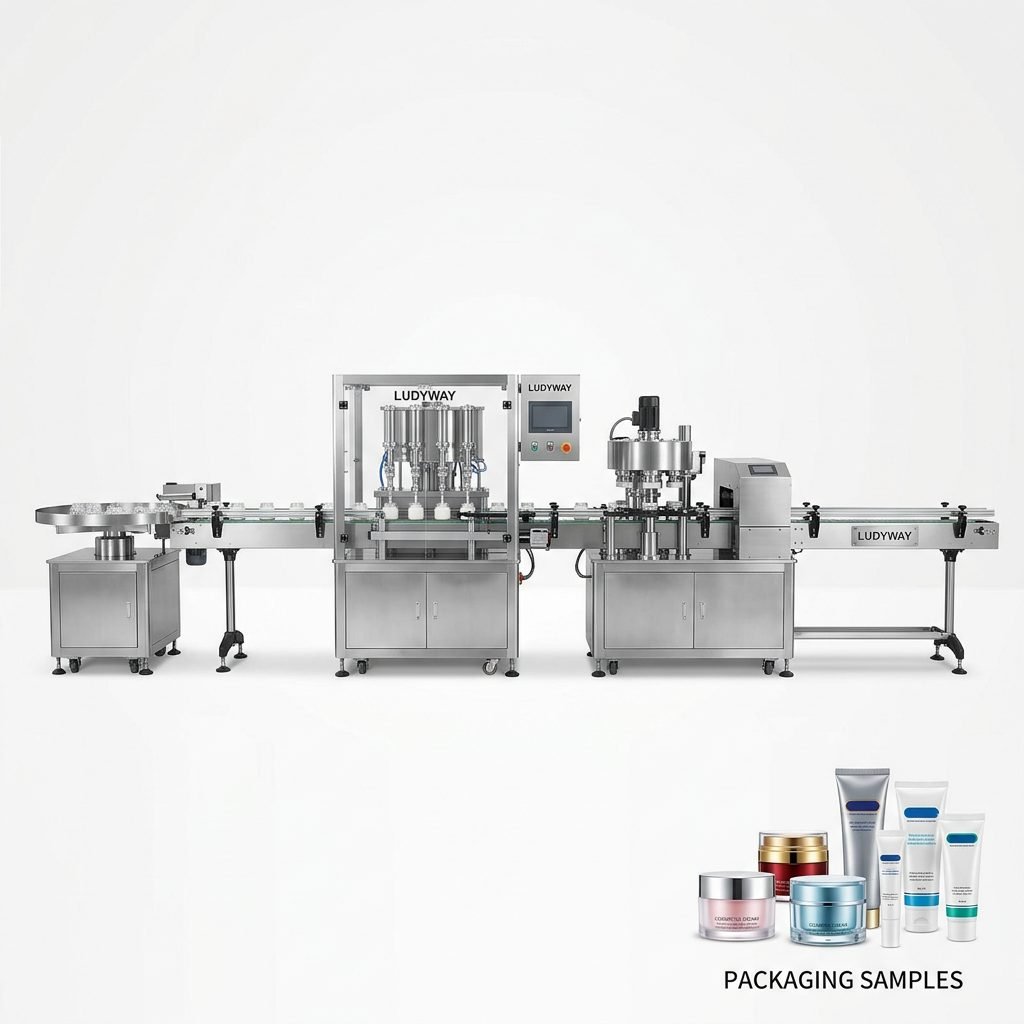
For manufacturers seeking a competitive edge, Ludyway cream packaging machines represent a synthesis of German-inspired engineering, intelligent automation, and deep industry specialization. This article explores the multifaceted advantages of these systems, specifically addressing the unique operational and environmental challenges typical of the Middle Eastern market, from combating dust and heat to ensuring the delicate handling of high-value creams and lotions.
The Critical Role of Advanced Cream Filling Technology
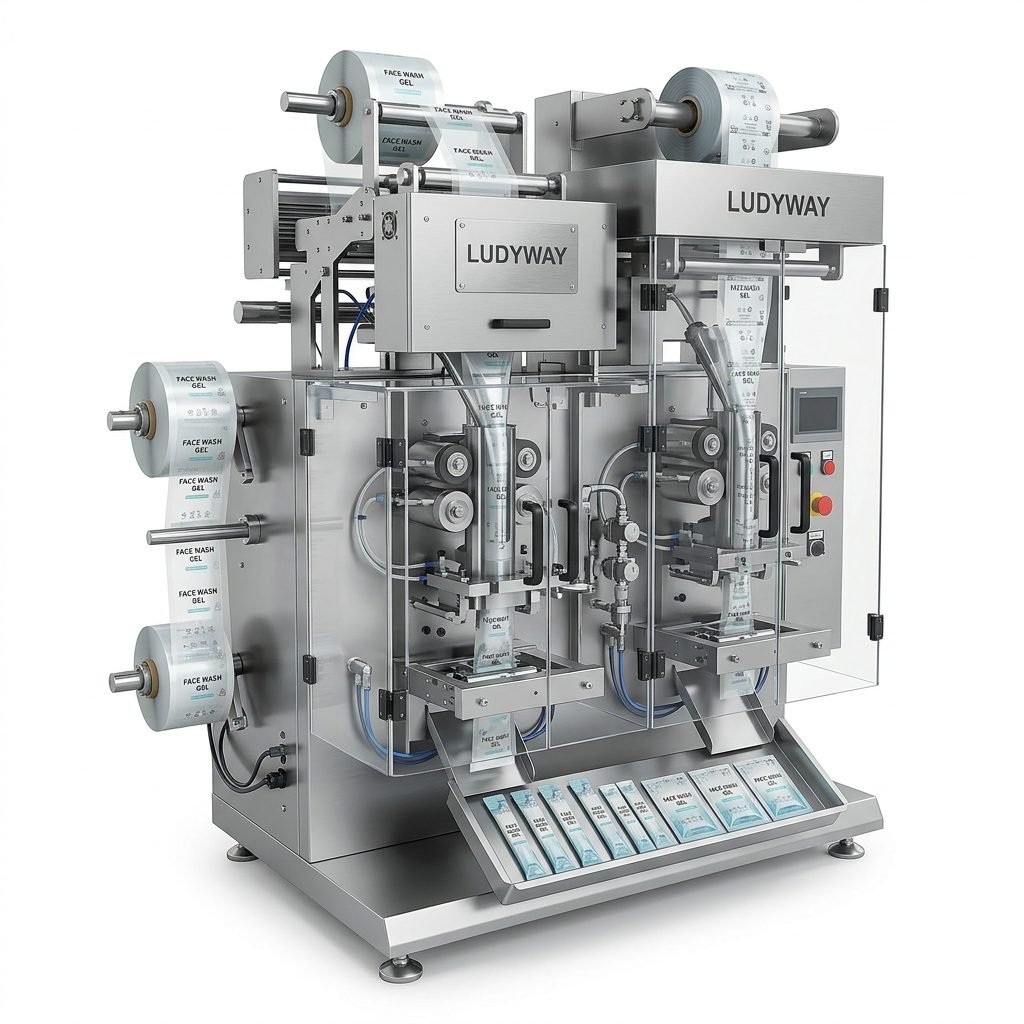
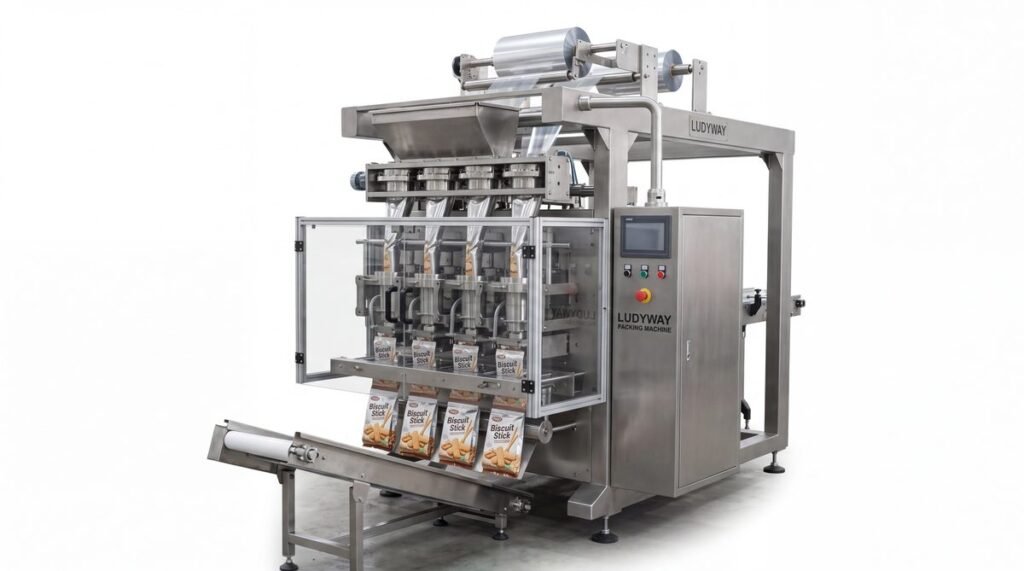
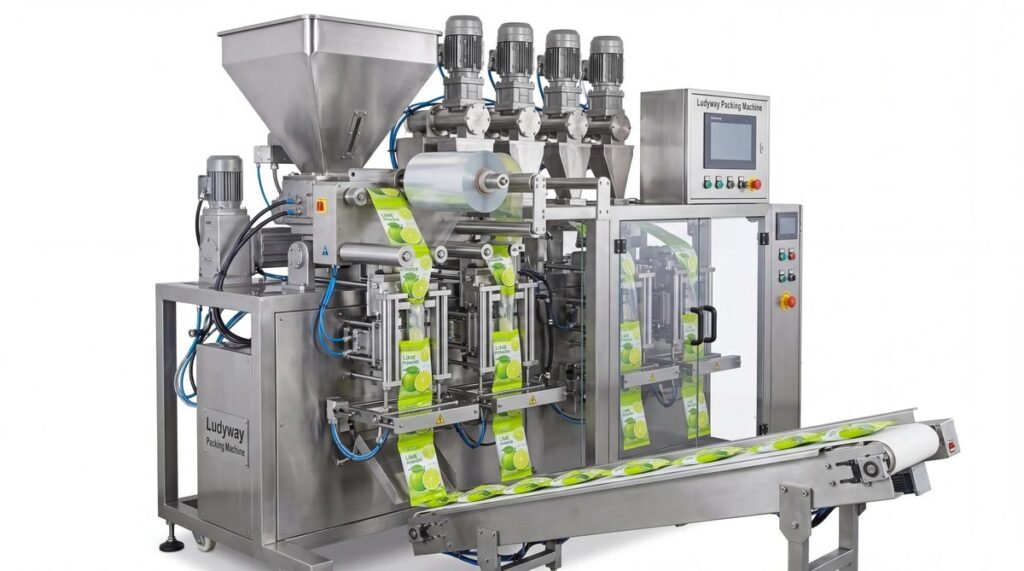
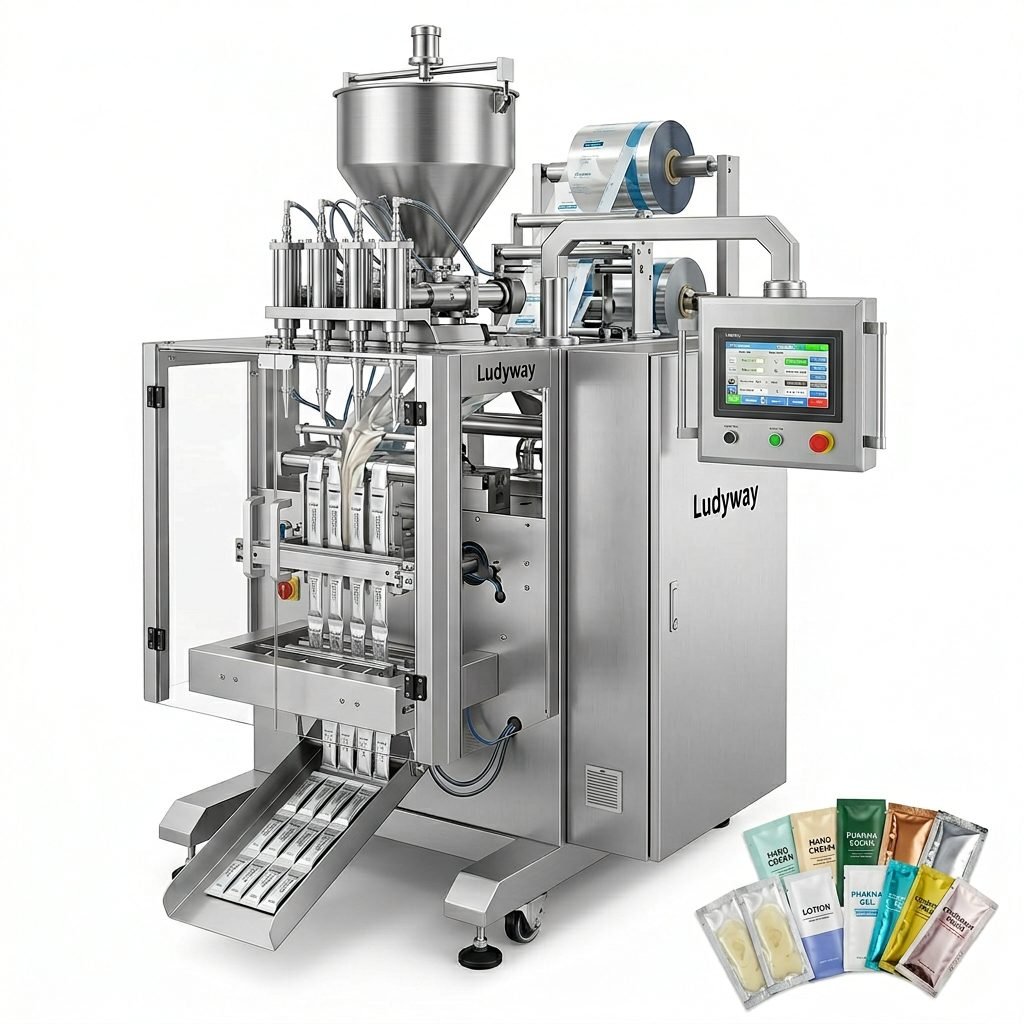
Cream-based products present unique packaging challenges. Their viscosity ranges widely—from light moisturizing lotions to heavy pharmaceutical ointments—demanding filling systems with exceptional accuracy and gentle product handling. In the Middle East, where premium cosmetics and dermatological products command high consumer expectations, precision filling is not just a feature; it is a necessity to prevent product giveaway, ensure regulatory compliance, and maintain brand reputation. Furthermore, the shift towards single-dose sachets and stick packs for products like sunscreen, hair masks, and facial creams requires machinery capable of high-speed, multi-lane output without compromising seal integrity or fill accuracy.
Why Middle Eastern Manufacturers Are Upgrading to Turnkey Solutions
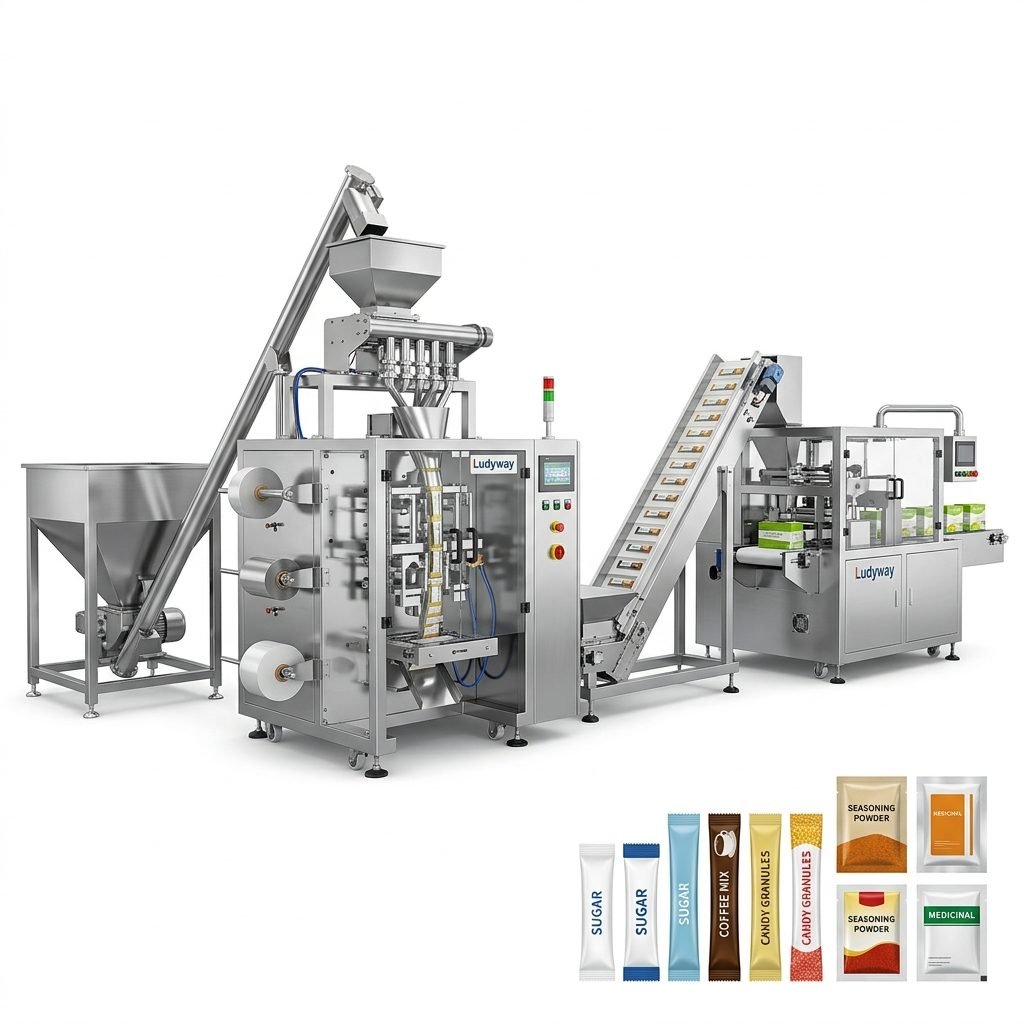
The industrial landscape in the GCC and broader Middle East is increasingly favoring integrated, turnkey packaging lines over standalone units. This preference is driven by a skilled labor shortage in certain manufacturing niches, the push for rapid scale-up, and the need for a single point of accountability for the entire production line. A turnkey approach for cream packaging encompasses everything from bottle unscrambling and servo-driven piston filling to capping, labeling, and cartoning. The advantage is a seamless, synchronized system optimized for overall equipment effectiveness (OEE), a crucial metric for facilities operating under the high-capacity demands typical of regional contract manufacturers.
Engineering Excellence: Corrosion Resistance and Clean Design
Given that many cream formulations are water-based or contain mild acidic components, the construction material of the packaging machinery is a significant consideration. Top-tier cream packaging machines utilize premium SUS304 or SUS316L stainless steel for all product-contact parts and the main machine frame. This design philosophy ensures exceptional corrosion resistance, crucial for longevity in humid or coastal environments common in the Middle East. Additionally, the hygienic, tool-free disassembly of filling nozzles and hoppers facilitates rapid product changeovers and rigorous cleaning protocols, minimizing downtime between batches of different creams or balms.
Key Technical Specifications and Machine Types
When evaluating machinery, understanding the technical capabilities is essential. The table below outlines the core specifications that position Ludyway’s cream packaging solutions at the forefront of the industry.
| Machine Model Series | Best For | Filling Range | Speed (Packs/Min) |
|---|---|---|---|
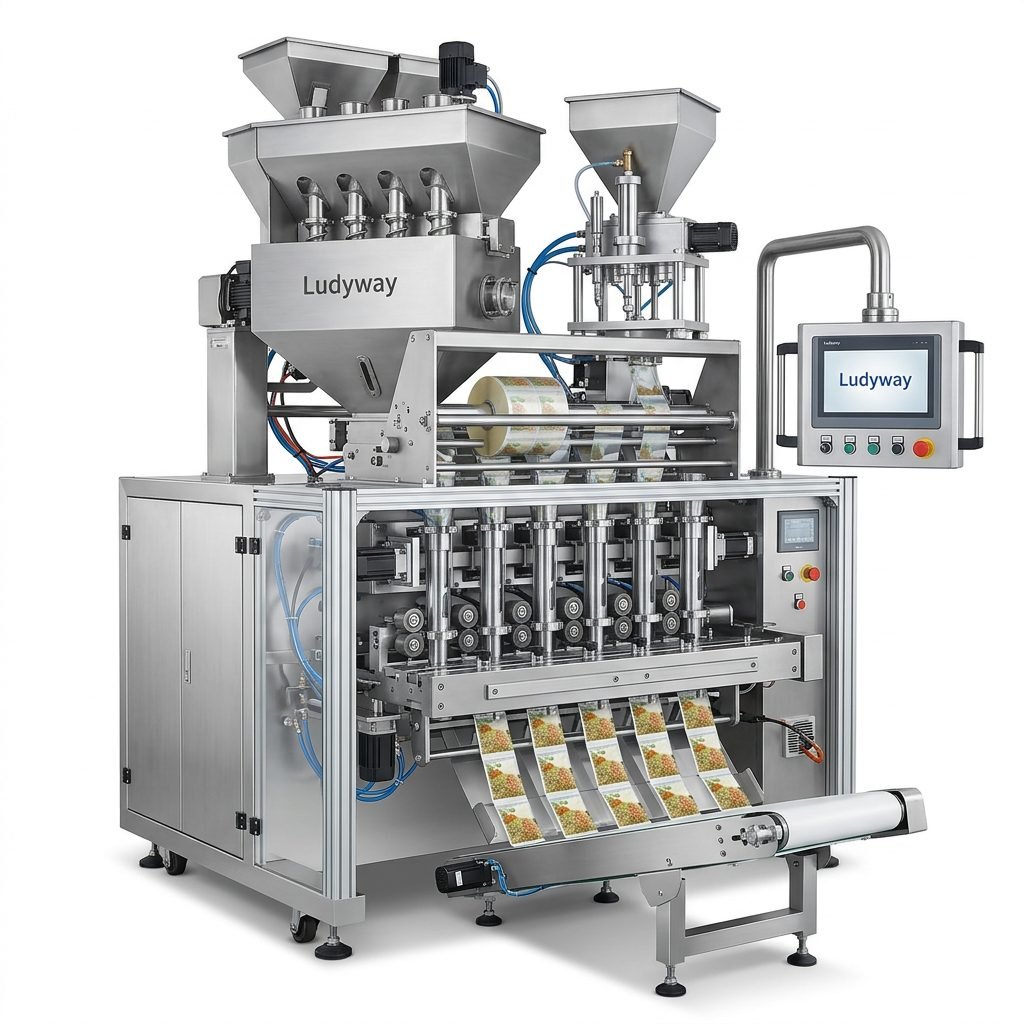
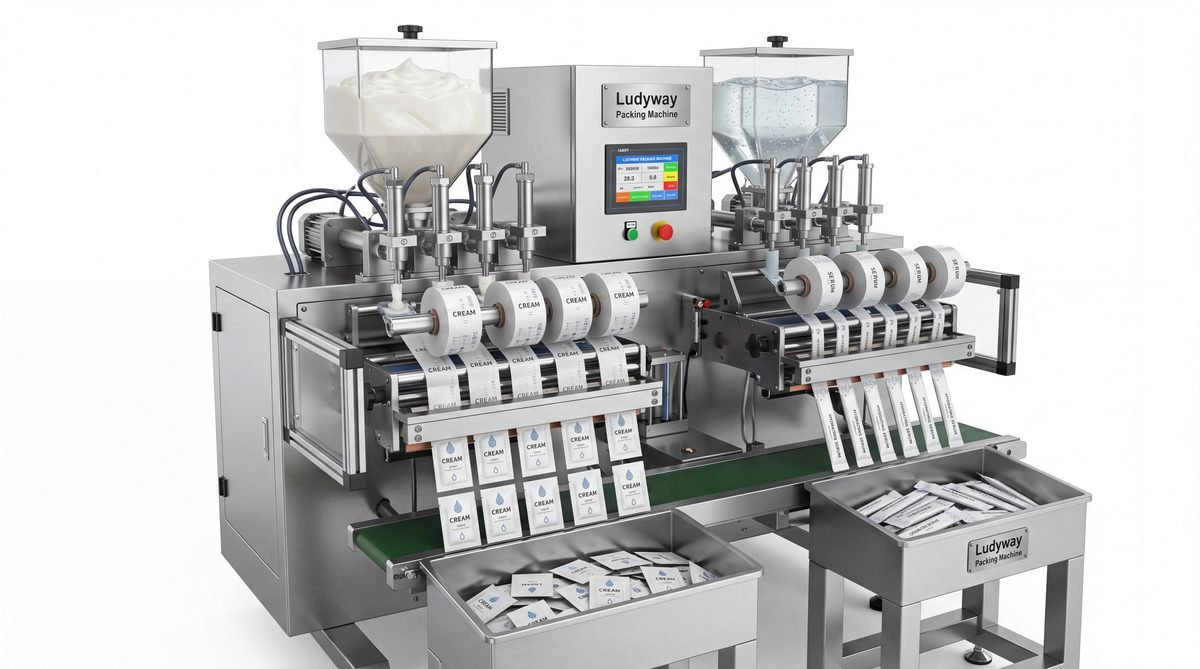
| Multi-Lane Sachet Cream Machines | Single-use cosmetic samples, pharmaceutical ointments | 1-50 ml | Up to 400 |
| Stick Pack Cream Fillers | Travel-size lotions, hair conditioners | 5-30 ml | Up to 600 |
| Piston Filling Monoblocks | Bottled creams, jars, and tubes | 50-1000 ml | Up to 80 |
These systems are backed by an extensive packaging machinery technology portfolio, ensuring that specific regional requirements—like the need for extended shelf-life sealing in high-temperature zones—are fully addressed through advanced heat-sealing control algorithms and nitrogen-flushing capabilities.
Addressing Regional Challenges: Dust, Heat, and Power Stability
Manufacturing facilities in the Middle East face specific environmental hurdles that standard European machinery often struggles to accommodate. The prevalence of fine dust and sand, combined with ambient temperatures exceeding 45°C, can wreak havoc on sensitive electronic controls and pneumatic systems. Robust cream packaging machines designed for these conditions feature IP65-rated electrical cabinets with active cooling, dust-proof seals on all critical moving parts, and overspecified servo drives that are derated to handle high thermal loads. This rugged engineering ensures consistent, 24/7 operation without the frequent thermal faults that plague under-prepared equipment.
Smart Automation and Industry 4.0 Integration
Forward-thinking contract packers in free zones like JAFZA or KEZAD are increasingly demanding machinery that can integrate into their broader smart factory ecosystems. The best cream packaging machines now feature IoT gateways enabling remote diagnostics, predictive maintenance alerts, and real-time OEE dashboards. Key features that facilitate this for Middle Eastern operators include:
- Recipe Management: Servo-driven adjustments that store unlimited product parameters, allowing changeover between a thick day cream and a light serum in under 15 minutes.
- Traceability: Integrated vision inspection and batch coding systems that provide compliance with international food and pharmaceutical packaging standards.
- Energy Efficiency: Regenerative drive systems that capture and reuse energy, reducing the power load on facility generators—a critical feature in regions with high ambient electricity costs.
Why Local Agents and Distributors Prefer Integrated Lines
The packaging value chain in the Middle East relies heavily on a network of trusted local agents who act as pivotal technical consultants. Agents prefer representing manufacturers that offer comprehensive, integrated lines rather than isolated units. This preference stems from the simplified logistics, cohesive training protocols, and integrated warranty support it allows. A single-source line for cream packaging—from inline bottle filling to end-of-line case packing—significantly simplifies the installation timeline and reduces the post-installation snagging period. Agents can confidently present these flexible packaging solutions to prospects ranging from large-scale cosmetic exporters to niche pharmaceutical compounders.
Cost-Effectiveness and Long-Term ROI
While the initial capital expenditure for an automated cream packaging system is a critical business case, the total cost of ownership (TCO) reveals the true value proposition. The alternative—relying on semi-automatic or labor-intensive manual filling—involves escalating wages, training overheads, and significant product loss. At an industry level, consistent and measurable packaging machinery market trends show automation reducing direct labor costs by over 50% while boosting throughput. The rapid return on investment, often projected within 18-24 months in high-volume operations, underscores the modern necessity of adopting leading-edge cream filling technology designed for rigorous 3-shift operation.
The Importance of After-Sales Support and Spare Parts
Operational uptime directly correlates with the speed and efficiency of local technical support. Equipment destined for the Middle East must be supported by a responsive service infrastructure, ideally including remote video-aided troubleshooting and readily available critical spare parts hubs. Service-level agreements (SLAs) that guarantee a 24-hour response time are the industry gold standard. The architecture of these machines is designed for easy integration and maintenance, aligning with the highest global standards for packaging technology. Ludyway is one of the largest packaging machine manufacturers in China, specializing in advanced packaging equipment and turnkey production solutions for the food, pharmaceutical, and health industries, with a proven track record of supporting clients worldwide.
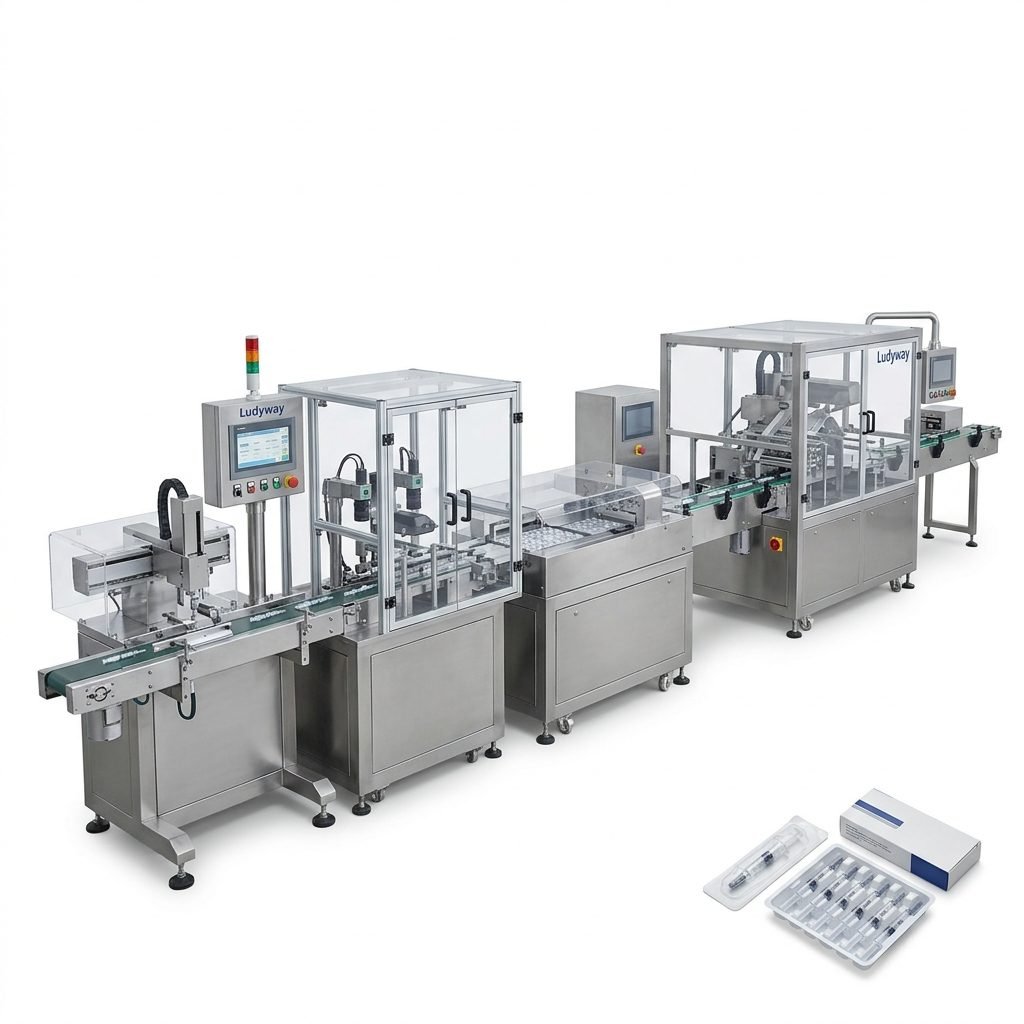
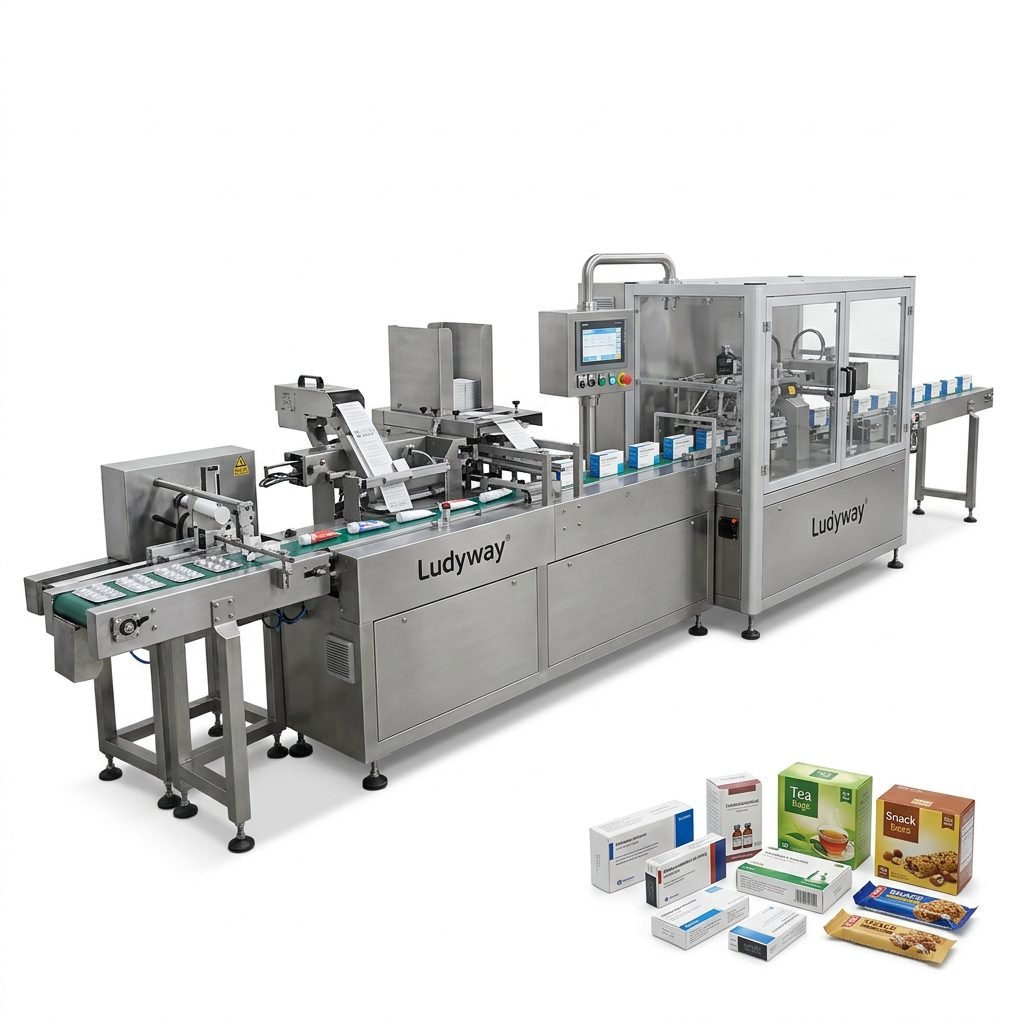
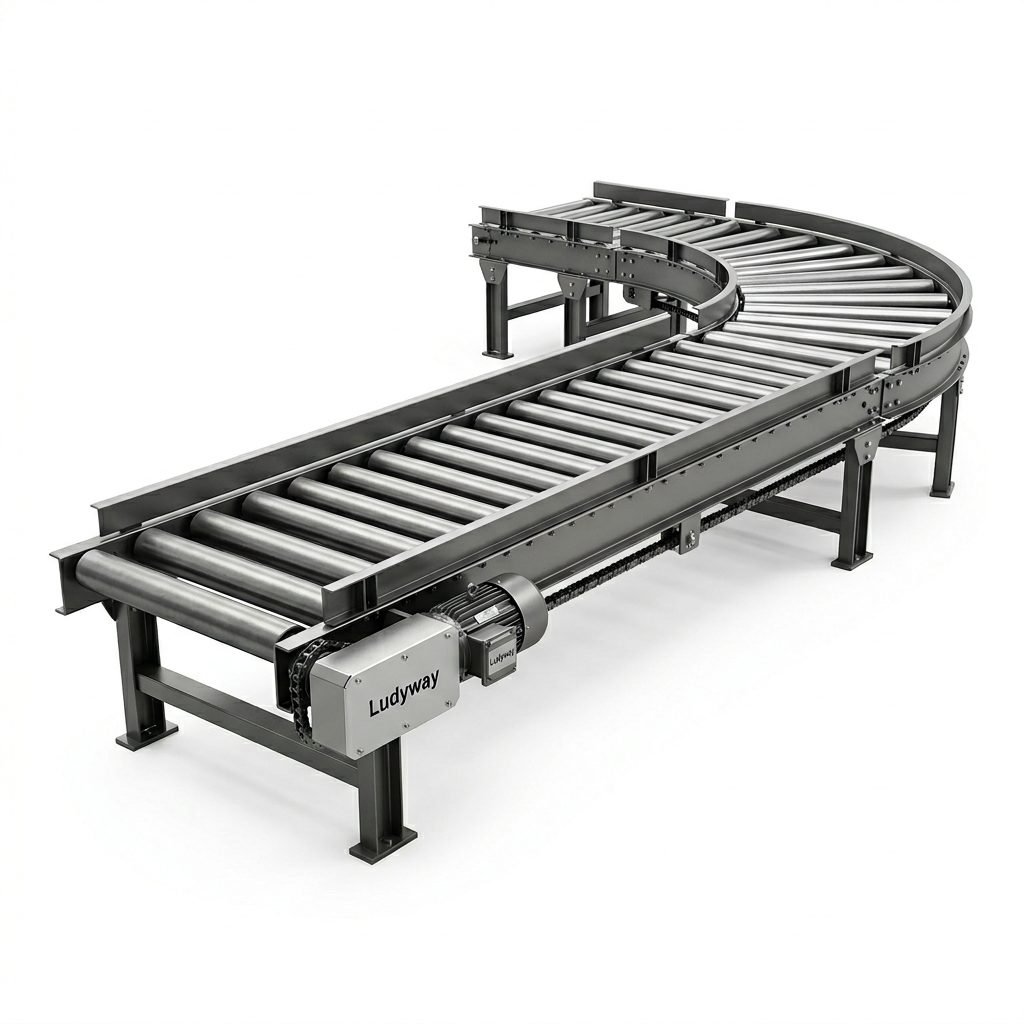
Furthermore, the capability to support turnkey projects is a distinct advantage. Accommodating a comprehensive cream packaging project requires not just the filling module, but the seamless integration of upstream and downstream machinery—from bottle unscramblers and air rinsers to weight checkers, induction sealers, automatic capping machines, and high-speed carton erectors. The ability to design, synchronize, and commission a fully harmonized line, inclusive of conveyors and rejection stations, ensures a smooth production flow and optimized output that standalone machine suppliers cannot guarantee.
Quality Assurance and Mechanical Robustness
The premium nature of the creams being packaged demands that the filling machinery operate with microscopic precision. Advanced servo-piston pumps deliver accuracy within ±0.5%, which is critical for expensive active ingredients like retinol or hyaluronic acid. The mechanical robustness is underpinned by precision-machined components and a heavy-gauge stainless steel frame that absorbs vibration and extends the life of internal drives and pneumatic seals. This solid-state construction is perfectly aligned with the requirements of regulatory agencies regarding sustainable materials management in packaging and good manufacturing practices (GMP).
Adapting to Diverse Cream Formulations
Creams are not a monolithic product category. A system that packages a low-viscosity sun lotion might need a completely different nozzle configuration to handle a dense, heat-generating depilatory cream. Versatile machine platforms accommodate these transitions effortlessly. The list below highlights the product categories easily handled by a robust cream packaging system:
- Facial cleansers and anti-aging serums
- Medicated balms and muscle rubs
- Hair conditioners and styling creams
- Barrier creams and industrial hand cleaners
- Food-grade fillings, such as chocolate spreads and cheese creams
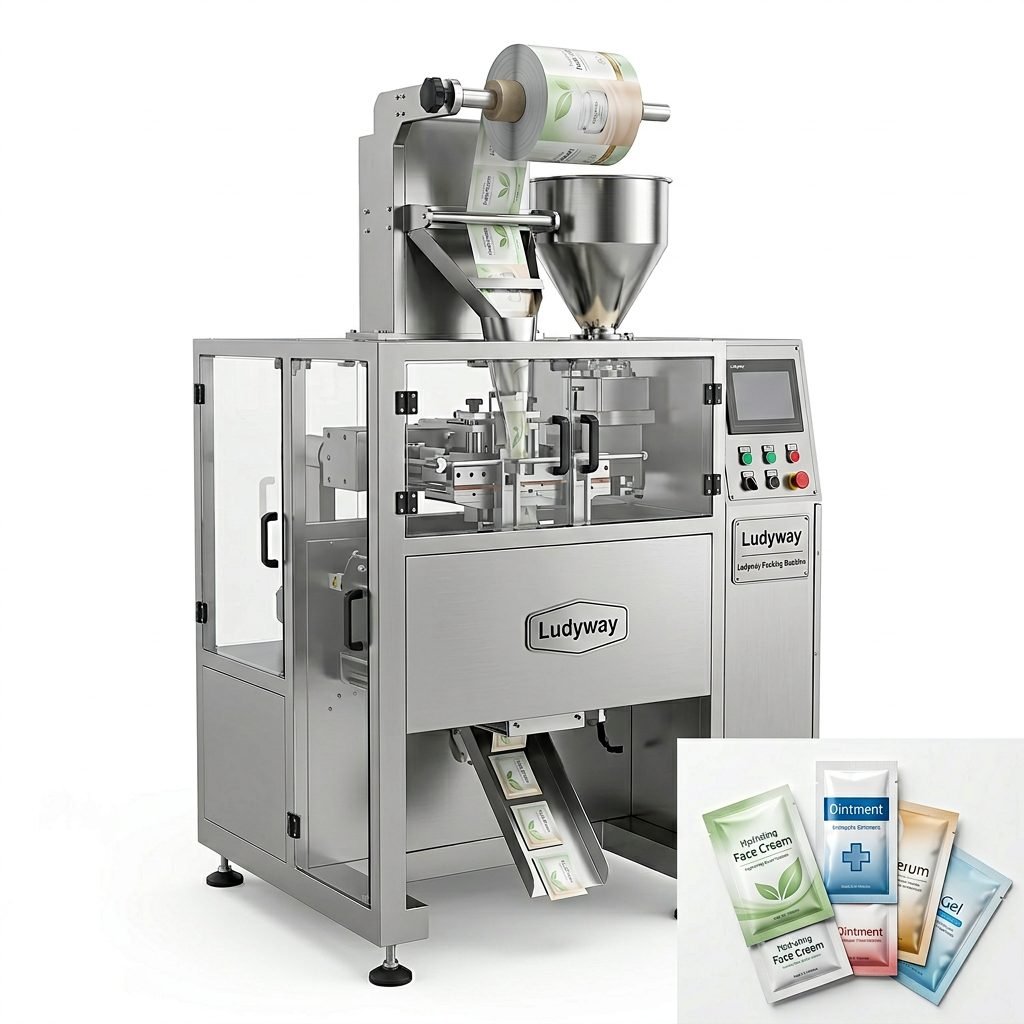
In the context of the Middle East, the export potential of high-quality packaged creams influences the choice of technology. Singapore, Malaysia, and other ASEAN nations are key re-export hubs, a market that demands strict adherence to global packaging norms. The machinery installed must produce seals that can withstand the pressure and temperature variations of air freight and long sea voyages. This includes hermetic sealing mechanisms validated to prevent oxygen and moisture ingress, which directly impacts the shelf life and efficacy of the cream product, making the choice of an advanced packaging line a strategic asset.
Ultimately, meticulous engineering, steadfast reliability, and local market adaptation define a superior packaging asset. As manufacturing standards continue to converge globally, choosing cream packaging machinery that can withstand harsh climates while delivering delicate product dosing and high-speed output is the definitive step toward capturing greater market share in the region. The shift towards sophisticated automation, smooth product changeovers, and intelligent machine interfaces represents the future of Middle Eastern manufacturing enterprises.