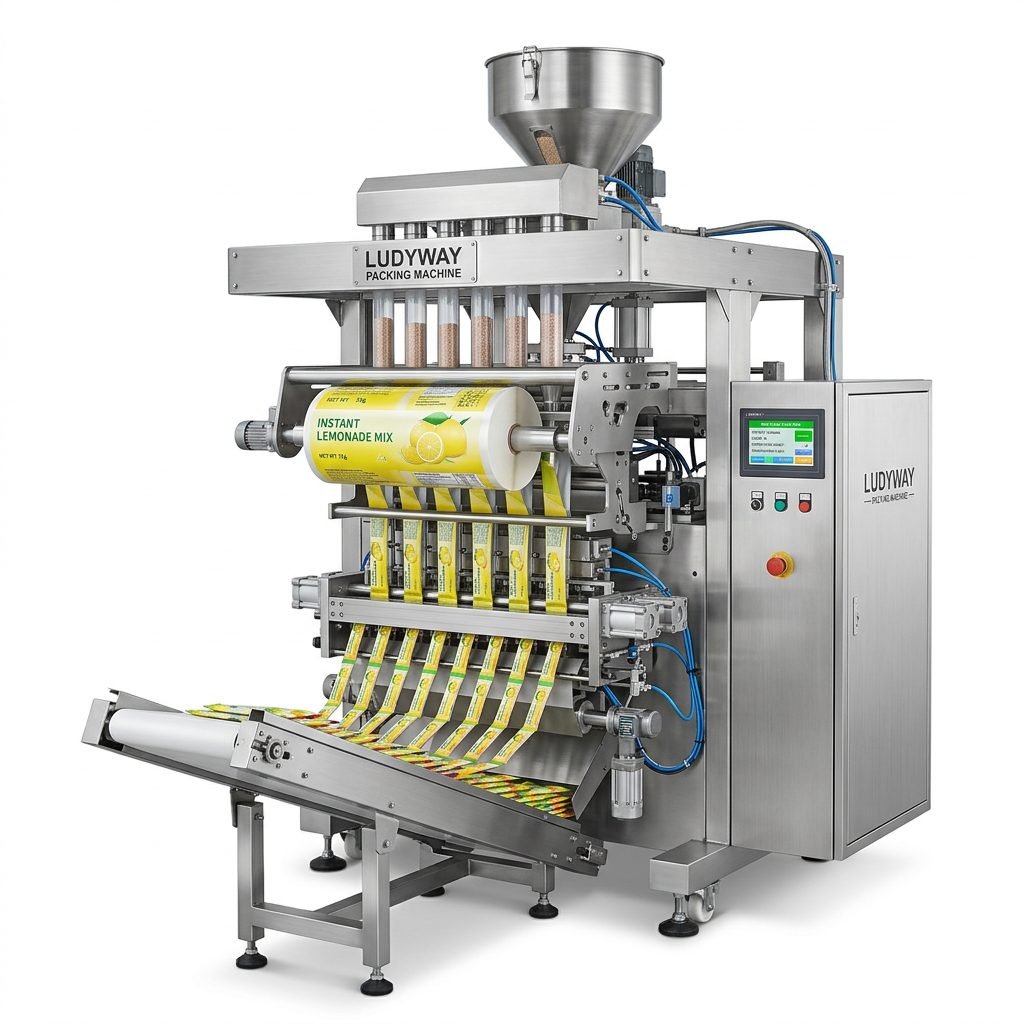
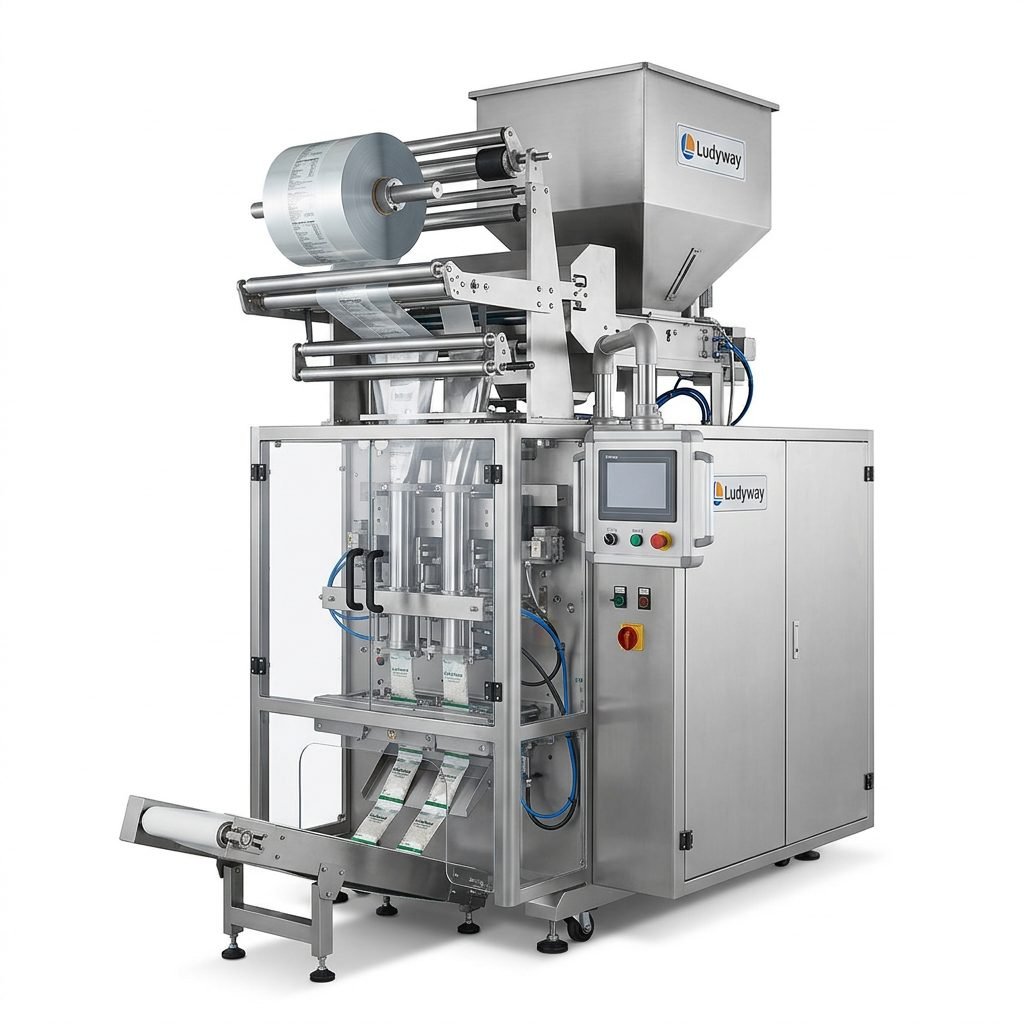
Selecting the right consumer product packaging machine is a critical decision that impacts production efficiency, product quality, and overall business profitability. This comprehensive guide explores the various types of packaging machines available, their key features, and provides a structured framework to help you choose the optimal solution for your specific needs.
Key Takeaway
The ideal packaging machine is not simply the most advanced or expensive one; it is the machine that best aligns with your product characteristics, production volume, budget, and long-term operational goals. A thorough needs assessment is the essential first step.
Primary Types of Consumer Product Packaging Machines
The packaging machinery landscape is diverse, with equipment specialized for different product forms and packaging styles. Understanding these core categories is fundamental.
1. Vertical Form-Fill-Seal (VFFS) Machines
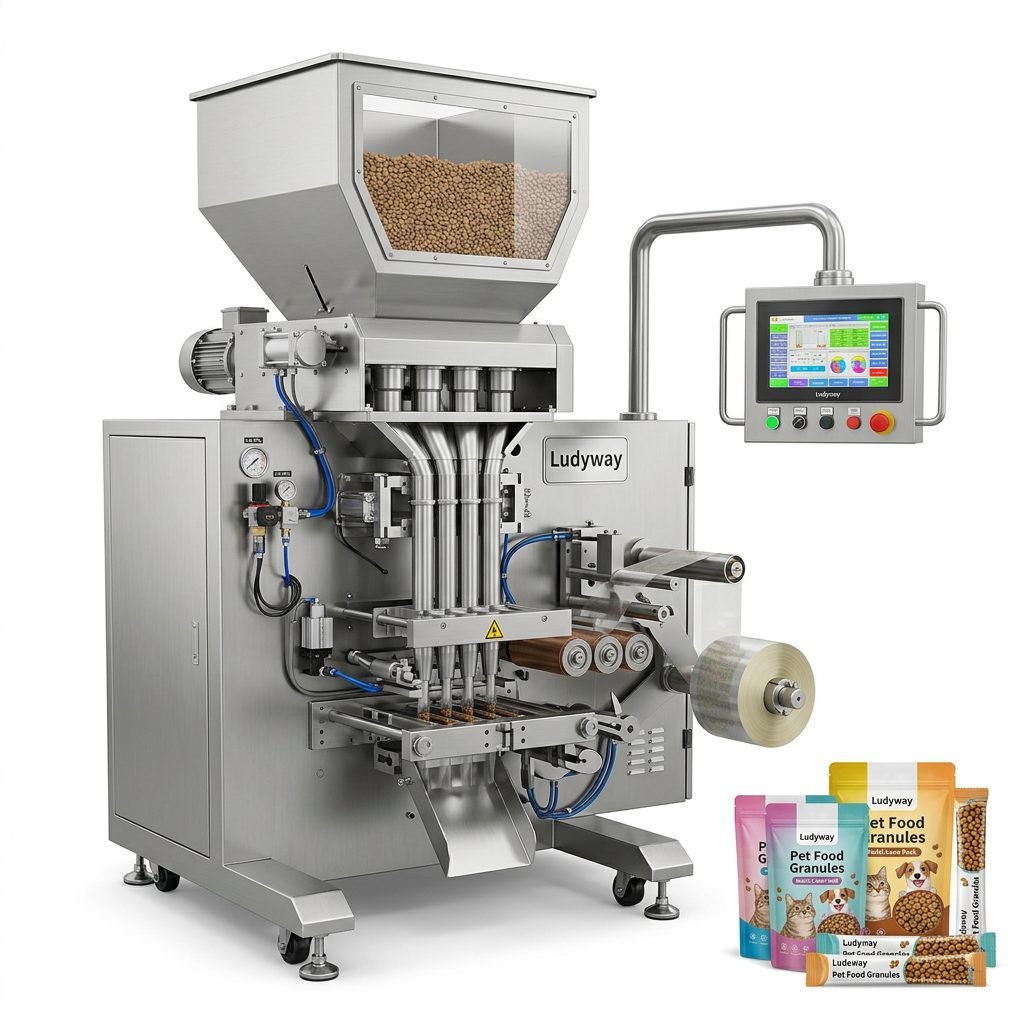
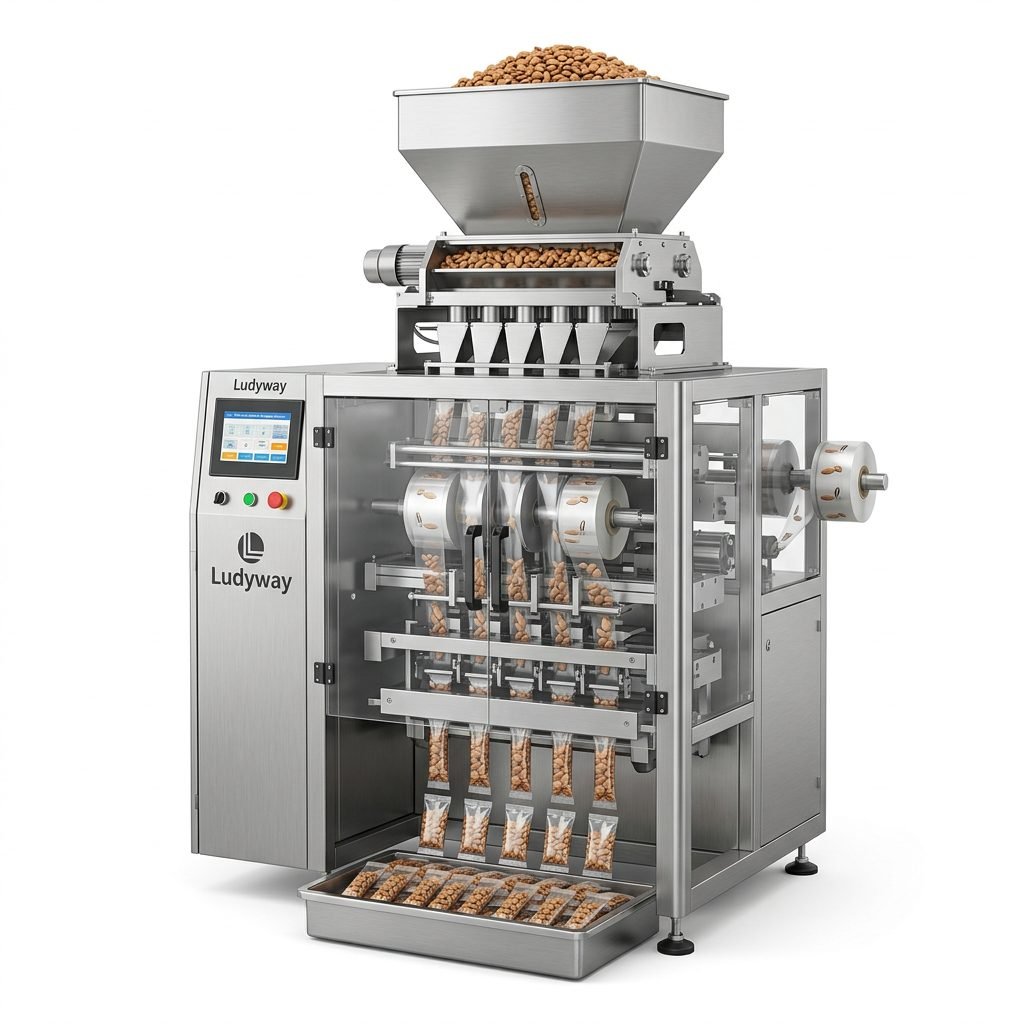
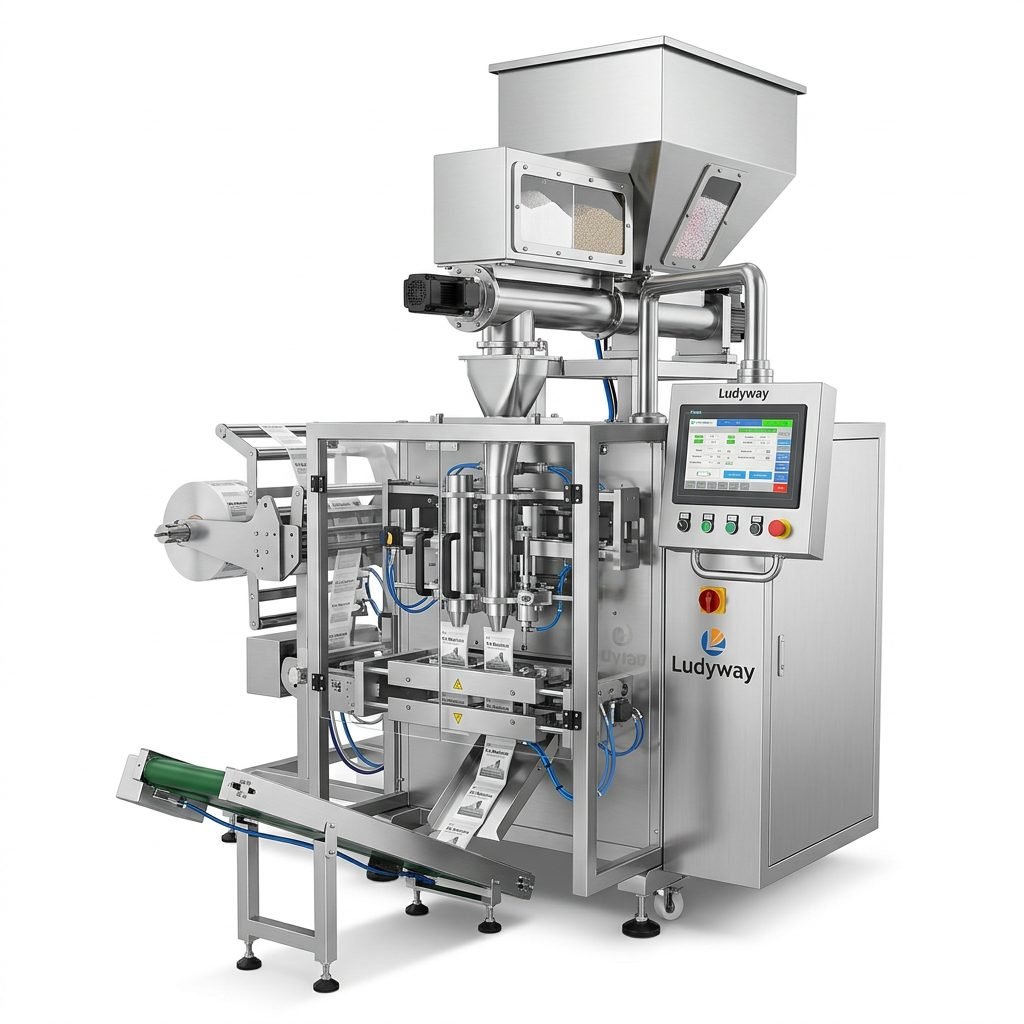
These are among the most versatile and common machines, ideal for granules, powders, seeds, and small solid items. They form a bag from a roll of film, fill it with the product, and then seal it—all in a continuous vertical motion. VFFS machines are renowned for their high speed and efficiency in producing pillow bags, gusseted bags, or block-bottom bags.
2. Horizontal Form-Fill-Seal (HFFS) Machines
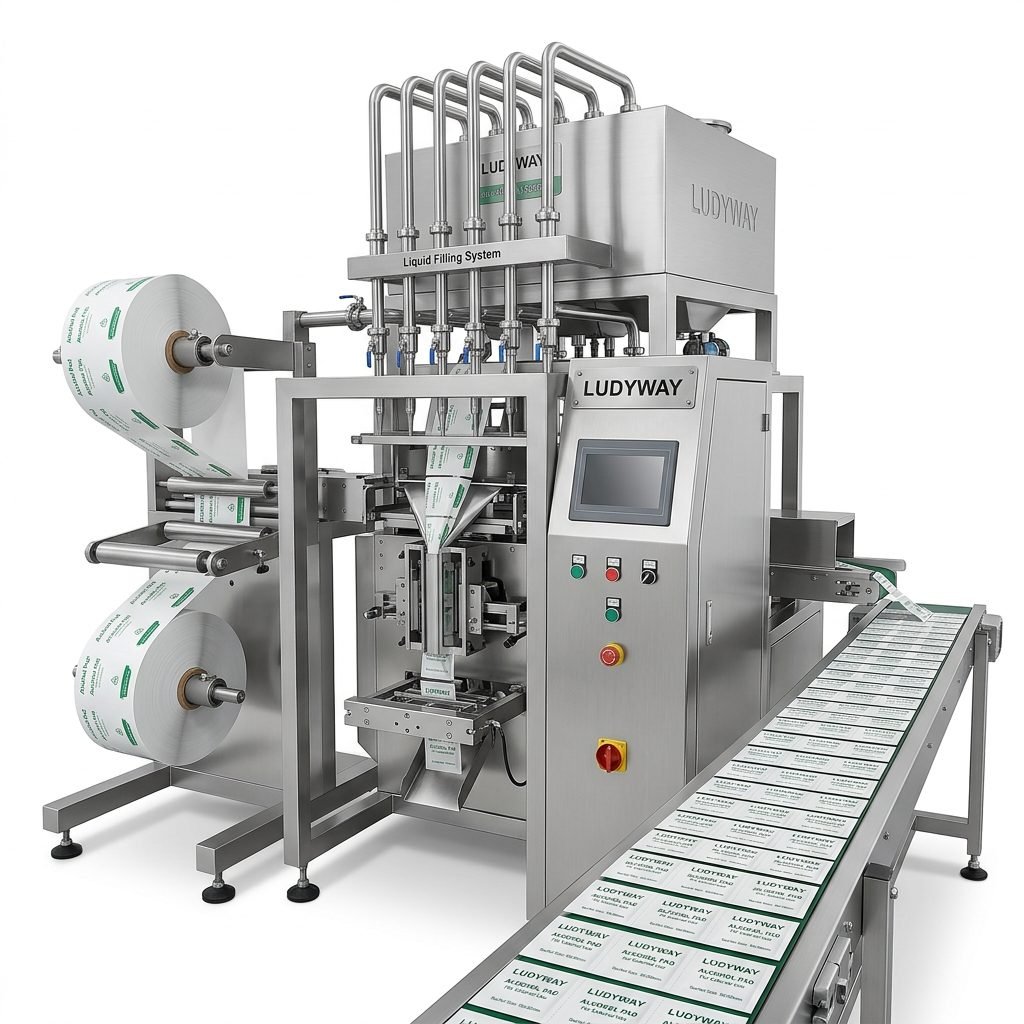
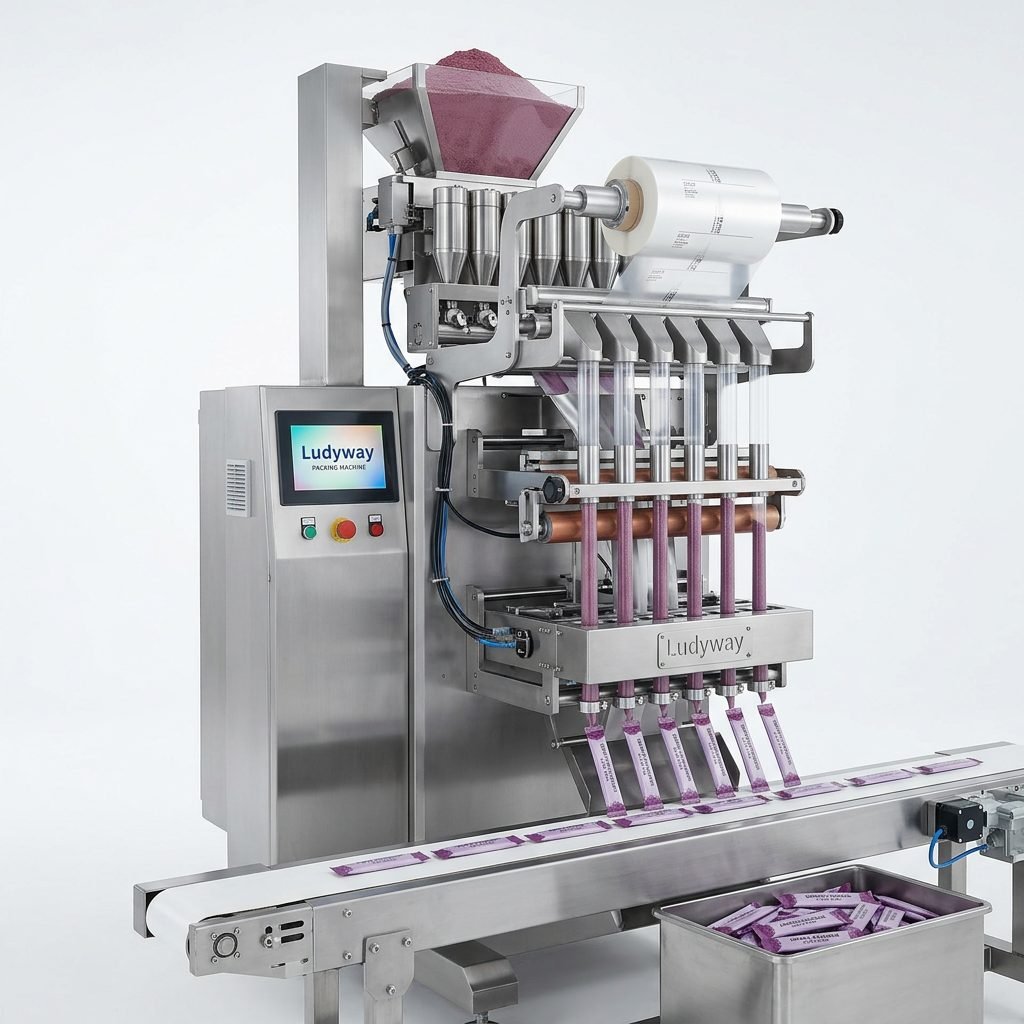
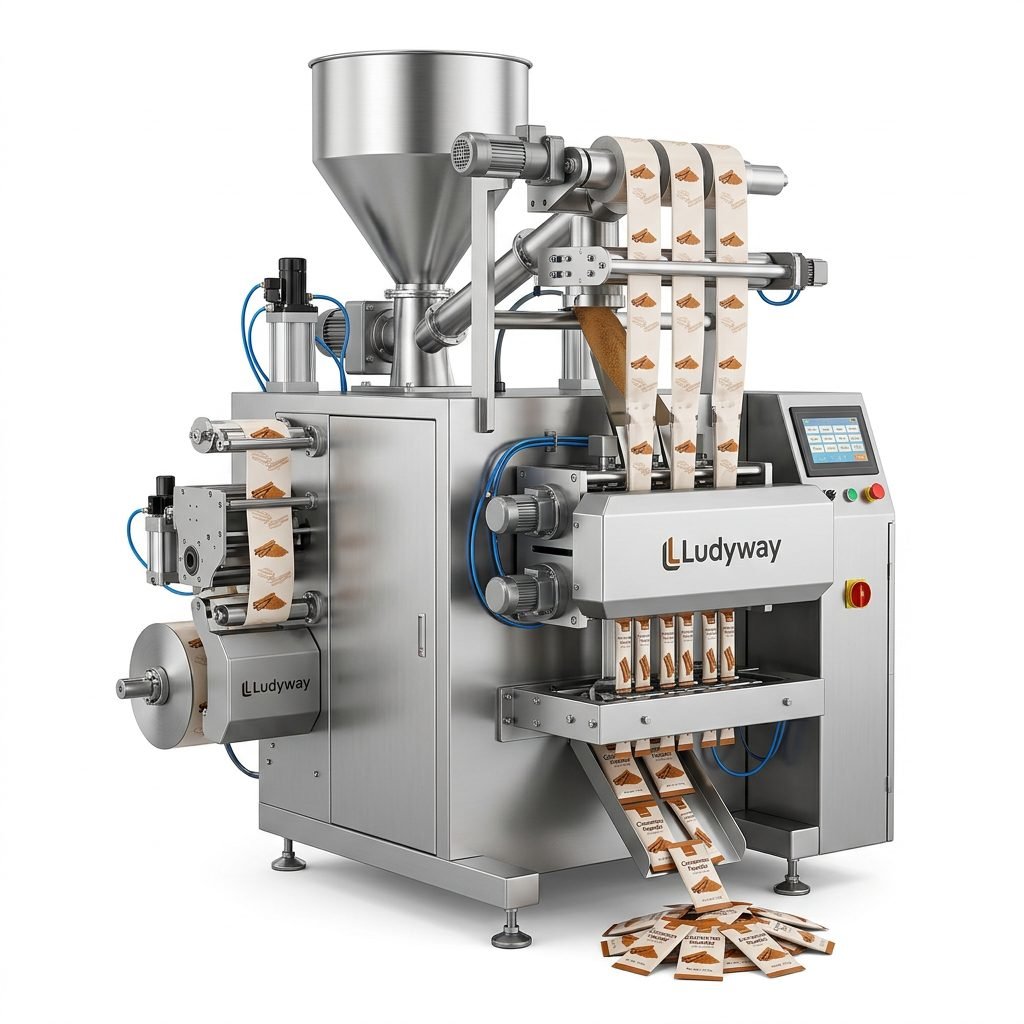
Perfect for biscuits, candy bars, medical devices, and single-serve portions. HFFS machines form the package horizontally, allowing for more complex multi-lane layouts. They are typically used to create sachets, stick packs, and flow-wrap packages, offering excellent presentation and product protection.
3. Liquid & Paste Filling Machines
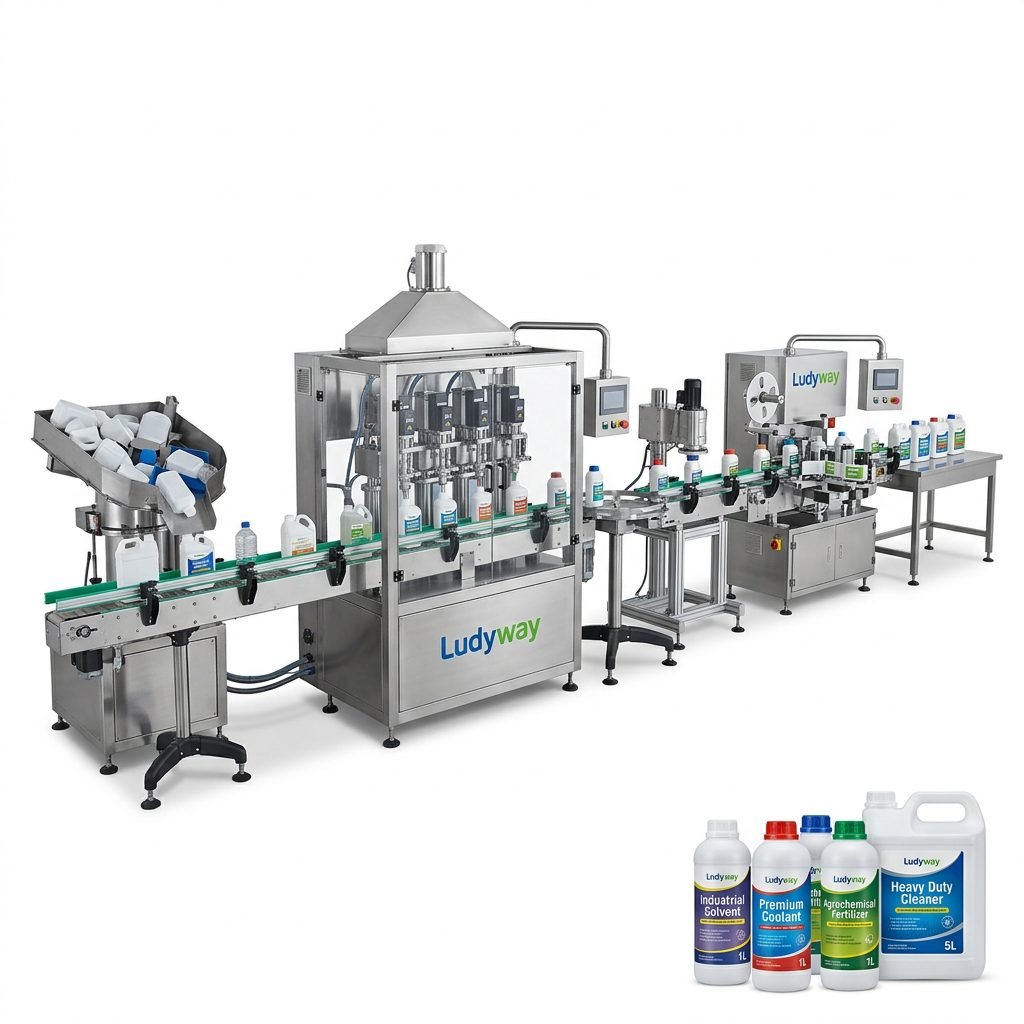
Designed specifically for viscous products like sauces, creams, oils, and shampoos. These systems range from simple piston fillers to sophisticated rotary volumetric fillers. Accuracy and cleanliness are paramount, with features like drip-free nozzles and CIP (Clean-in-Place) systems being crucial for food and pharmaceutical applications.
4. Capping, Sealing & Labeling Machines
This category includes equipment that completes the packaging process. Cappers apply screw caps, snap-on lids, or pump dispensers. Sealers induce heat tunnels for shrink sleeves or induction liners. Labelers accurately apply product labels, either front/back or wraparound, ensuring brand consistency and regulatory compliance.
⚙️ Automation Level Spectrum
Machines can be classified by their degree of automation:
- Semi-Automatic: Requires an operator for loading product or packages. Lower initial cost, suitable for low to medium output.
- Fully Automatic: Integrated systems that run with minimal human intervention. Higher output, consistent quality, and better ROI for high-volume production.
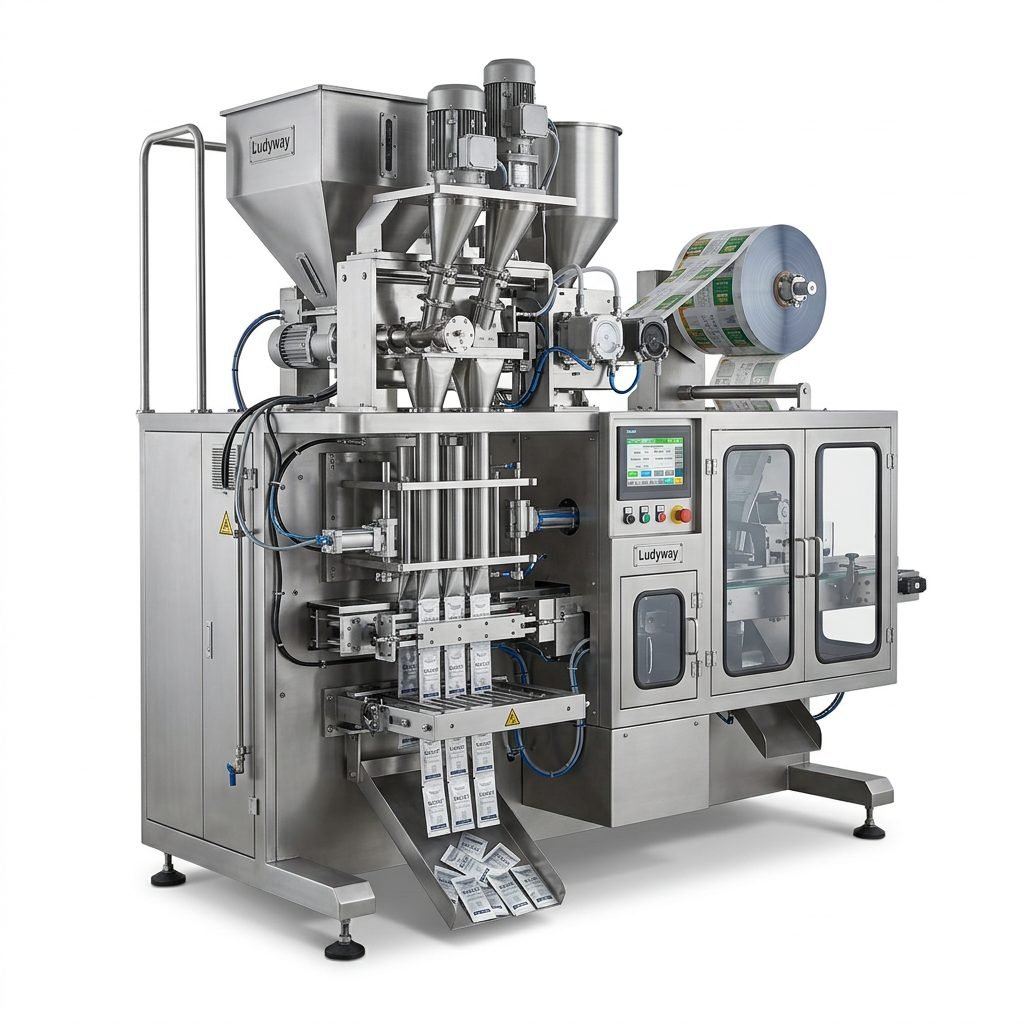
- Turnkey Lines: Complete, synchronized systems combining multiple machines (e.g., filler, capper, labeler, case packer) into one seamless production line.
Essential Features & Technological Considerations
Beyond the basic type, several features define a machine’s capability, reliability, and suitability for your operation.
Production Speed & Capacity
Measured in packages per minute (PPM) or cycles per minute. Your required output directly dictates the machine’s size and sophistication. Always plan for future growth and consider a machine that can handle a 20-30% increase in capacity.
Accuracy & Precision
Critical for cost control and consumer trust. Look for machines with high-precision weighing systems (like multi-head weighers), servo-driven fillers, or volumetric pumps to minimize product giveaway and ensure every package meets declared weight or volume.
Flexibility & Changeover
How quickly can the machine switch between different package sizes or products? Machines with tool-less changeover, digital recipe storage, and servo motor adjustments significantly reduce downtime and are vital for manufacturers with diverse SKUs.
Hygiene & Construction
The machine’s build must suit your industry. Food and pharmaceutical applications demand stainless steel (304 or 316 grade) contact parts, smooth surfaces, and easy access for cleaning. IP ratings for electrical components may also be necessary for wet environments.
Control System & Connectivity
Modern machines feature user-friendly touchscreen HMIs (Human-Machine Interfaces) with intuitive controls. Advanced models offer connectivity for data logging, OEE (Overall Equipment Effectiveness) tracking, and integration into Industry 4.0 smart factory networks.
How to Choose the Right Packaging Solution: A Step-by-Step Guide
Step 1: Conduct a Detailed Product & Process Audit
Define every parameter: Product physical state (powder, liquid, solid), abrasiveness, hygroscopicity, density, and temperature. Specify the packaging material (film type, thickness, laminate structure), package size range, and required sealing method.
Step 2: Quantify Your Production Requirements
Determine your current and projected output volumes (shifts per day, days per week). Calculate the required machine speed. Assess your available factory space, utilities (air supply, power), and operator skill level.
Step 3: Evaluate Total Cost of Ownership (TCO)
Look beyond the initial purchase price. Factor in installation costs, anticipated maintenance, spare parts pricing, energy consumption, and potential costs of downtime. A slightly more expensive but more reliable machine often has a lower TCO.
Step 4: Research and Shortlist Suppliers
Seek reputable manufacturers with a proven track record in your specific industry. For instance, a company like Ludyway Machinery, with over 30 years of industry experience, specializes in solutions for food, pharmaceutical, and health products. Examine their portfolio, client testimonials, and after-sales service structure.
Step 5: Request a Product Test & Analyze Support
Always test your actual product on the shortlisted machine. This validates performance, accuracy, and package quality. Scrutinize the supplier’s warranty, availability of technical support, training programs, and spare parts delivery timelines. A partner like Ludyway emphasizes long-term cooperation and provides professional service, which is crucial for operational continuity.
The Importance of a Reliable Partner
Your packaging machine supplier should be a strategic partner, not just a vendor. A partner with deep application knowledge can help you avoid costly mistakes and optimize your packaging line. They offer more than just equipment; they provide customized production solutions, ongoing technical support, and innovation to help your business grow. Companies that invest in a modern production facility and strong engineering capabilities are better positioned to deliver reliable, high-quality automated solutions tailored to global production needs.
Frequently Asked Questions (FAQs)
Q1: What is the most important factor when choosing a packaging machine?
A: While all factors are interconnected, achieving a perfect match between the machine’s functional capabilities and the specific physical characteristics of your product is the non-negotiable foundation. A machine that works perfectly for coffee beans may fail miserably with flour.
Q2: Should I choose a semi-automatic or fully automatic machine?
A: This decision hinges on your production volume and labor costs. Semi-automatic machines have a lower upfront cost and are suitable for lower outputs or pilot projects. Fully automatic machines require a higher investment but deliver higher speed, consistency, and lower per-unit cost at scale, offering a better return on investment for high-volume production.
Q3: How can I ensure the machine will be easy to maintain and clean?
A: During the evaluation, request a detailed maintenance schedule and ask for a cleaning demonstration. Look for design features like quick-release parts, easy access panels, and CIP capabilities. A supplier with a strong inventory of common spare parts and responsive support is essential for minimizing downtime.
Q4: What does “turnkey solution” mean in packaging?
A: A turnkey solution is a complete, ready-to-operate production line supplied by a single vendor. It includes all necessary machines (e.g., filler, capper, labeler, conveyor), integrated controls, installation, commissioning, and operator training. This approach reduces project complexity and ensures all components work harmoniously.
Q5: How do I future-proof my packaging equipment investment?
A: Select a machine with modular design and scalability. Choose a model that can handle a range of package sizes beyond your current needs. Opt for a control system with upgradeable software and ensure the supplier has a roadmap for technological updates and offers long-term support for their equipment.