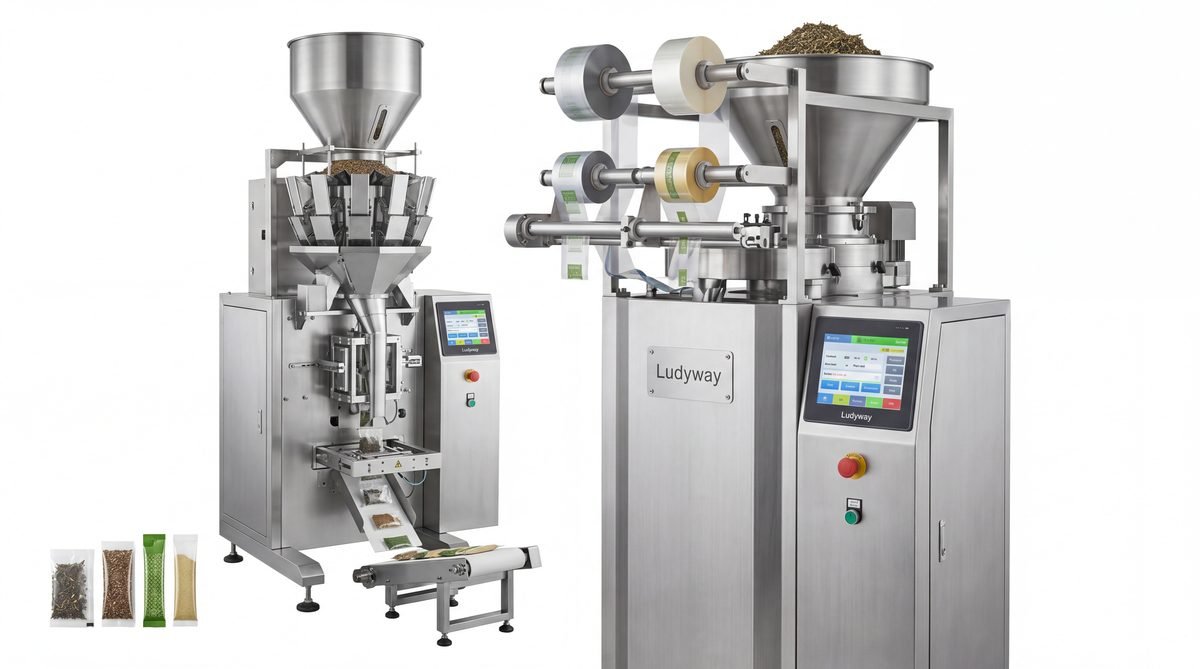
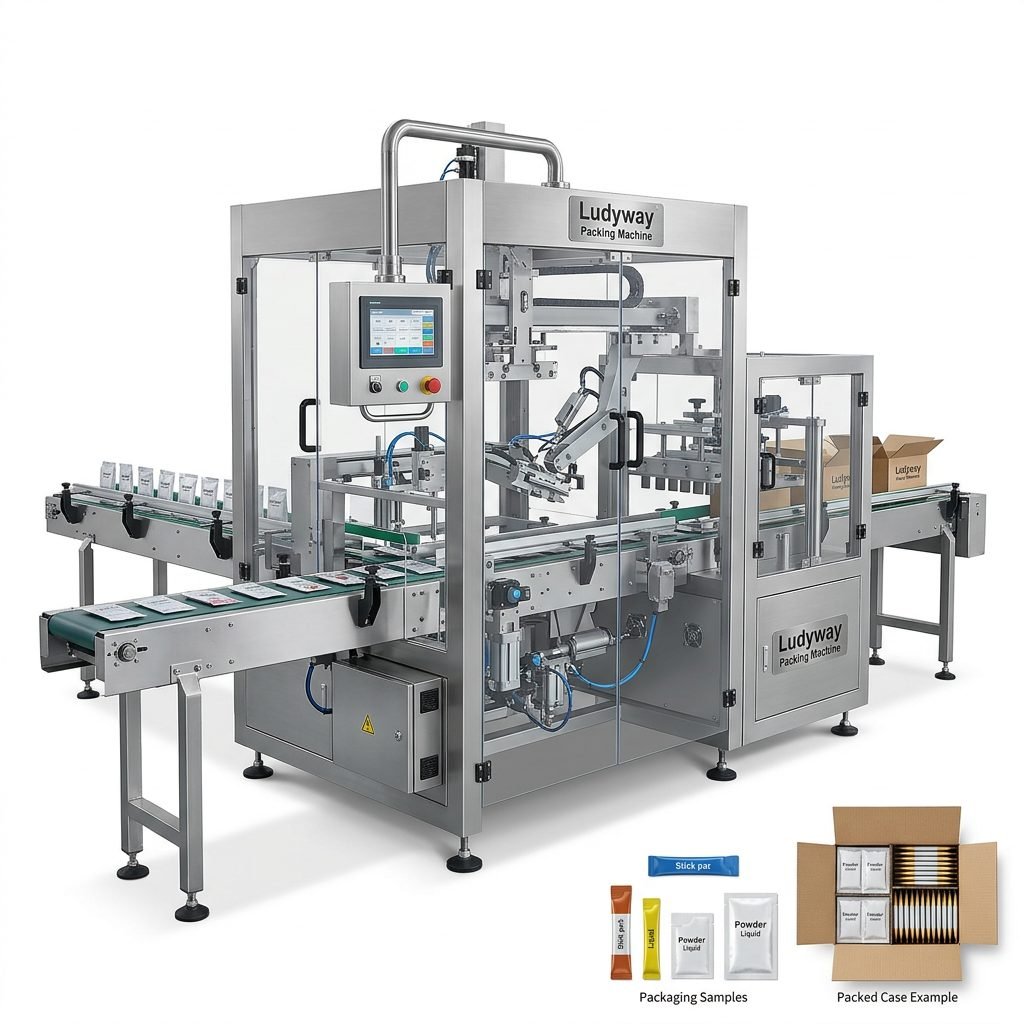
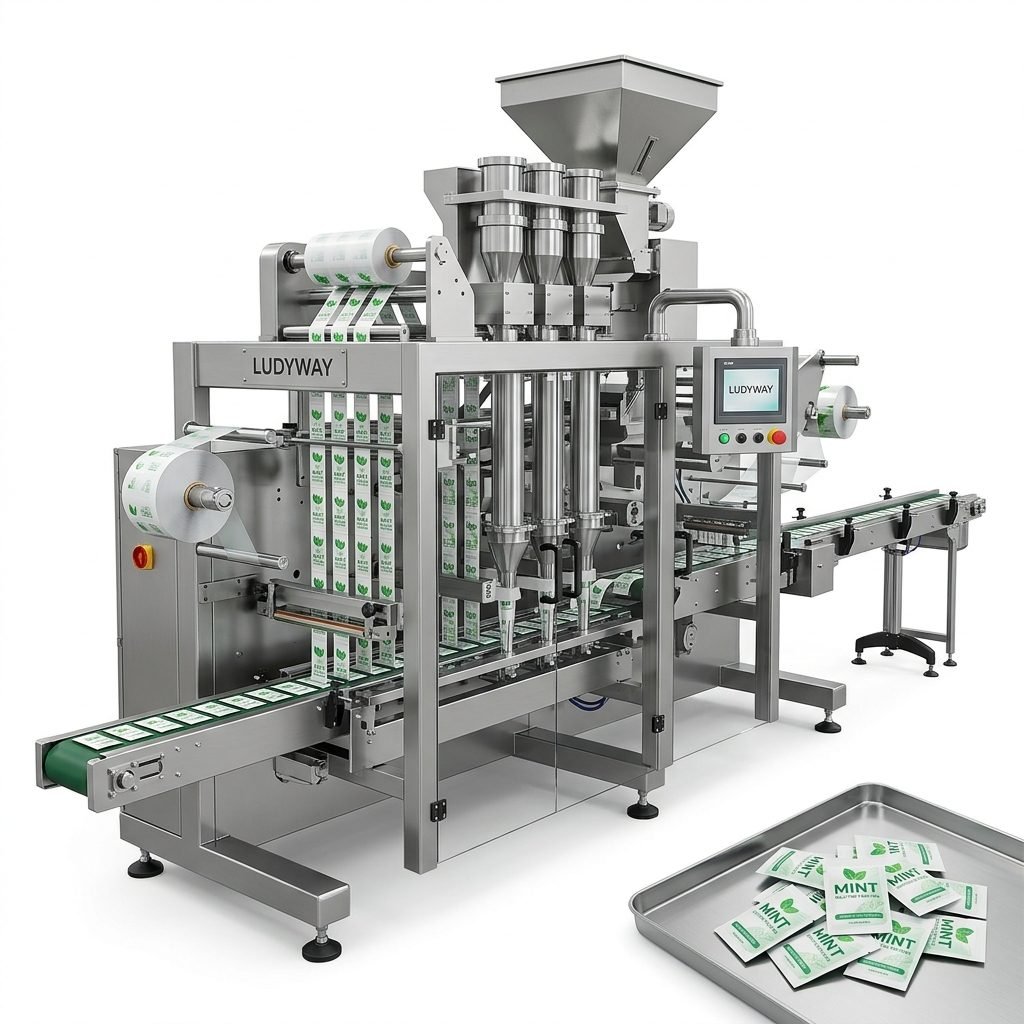
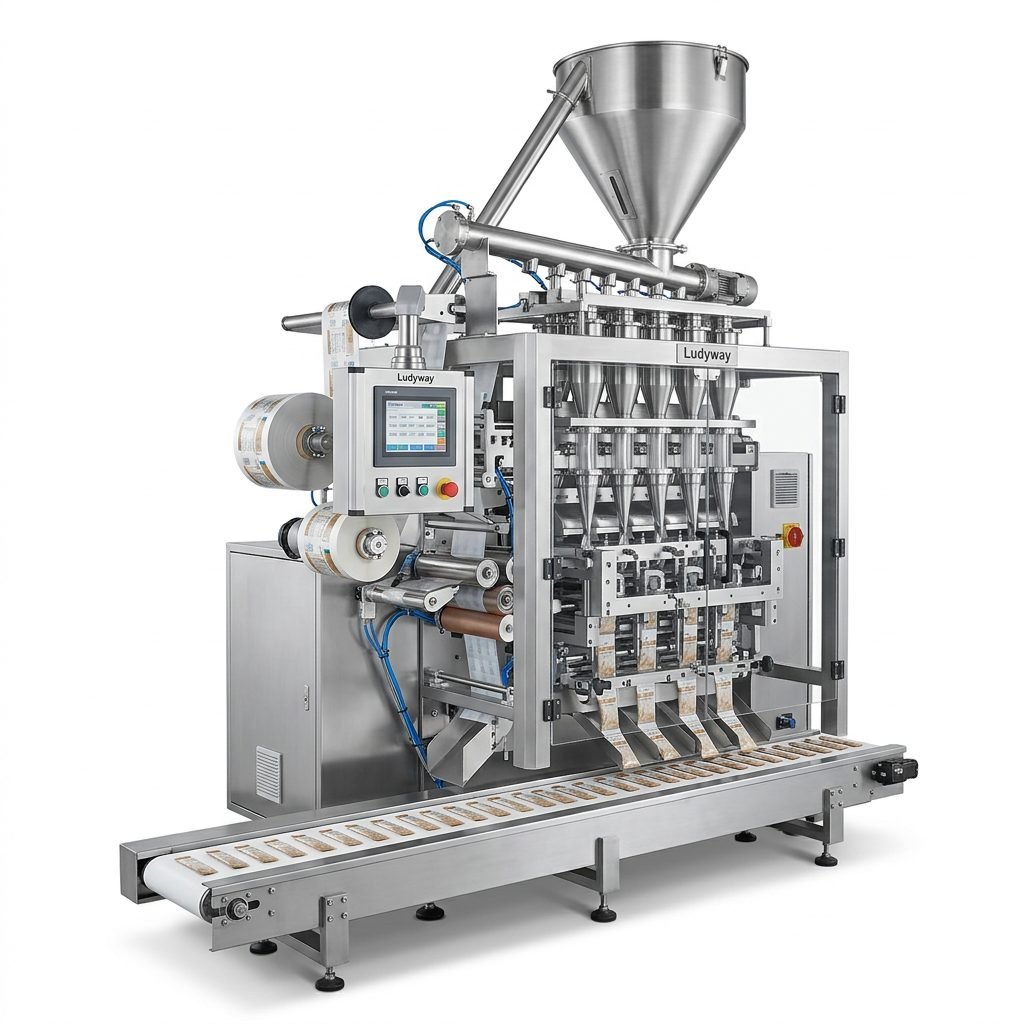
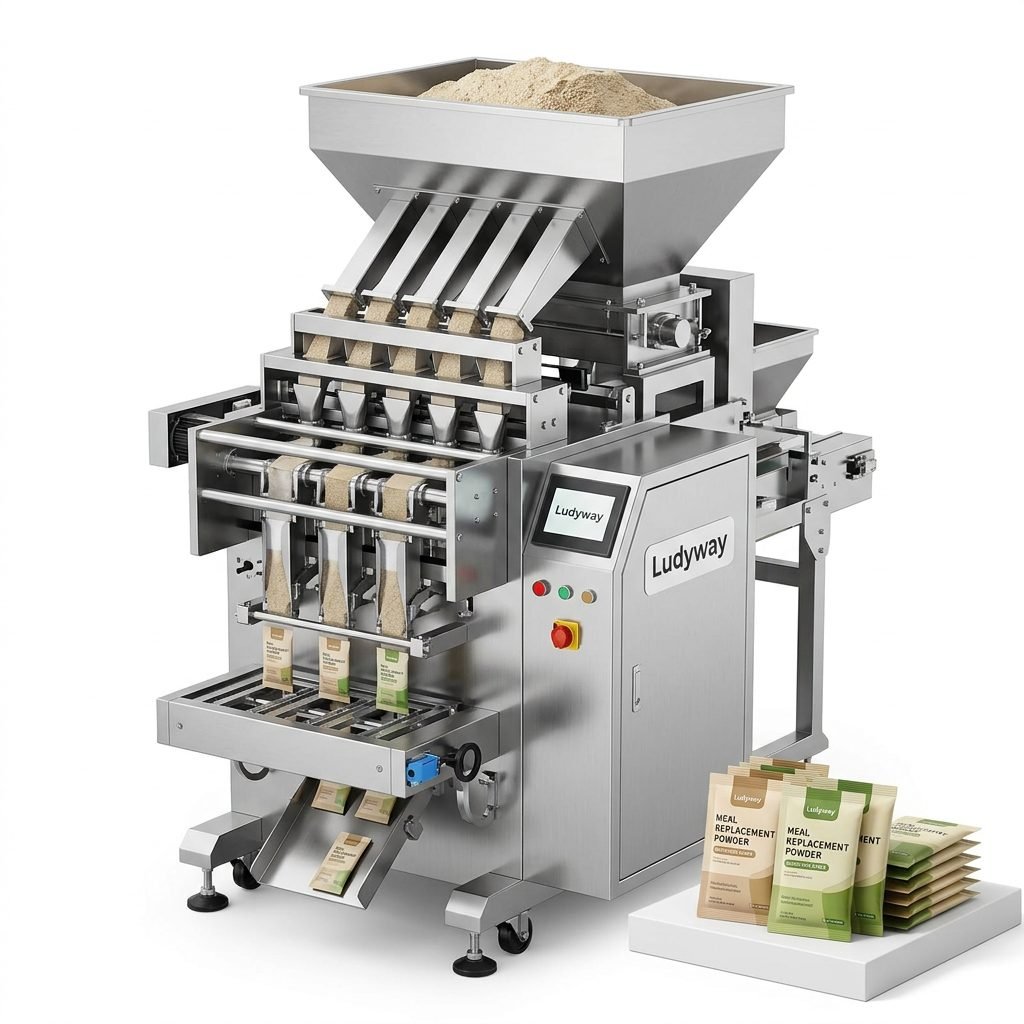
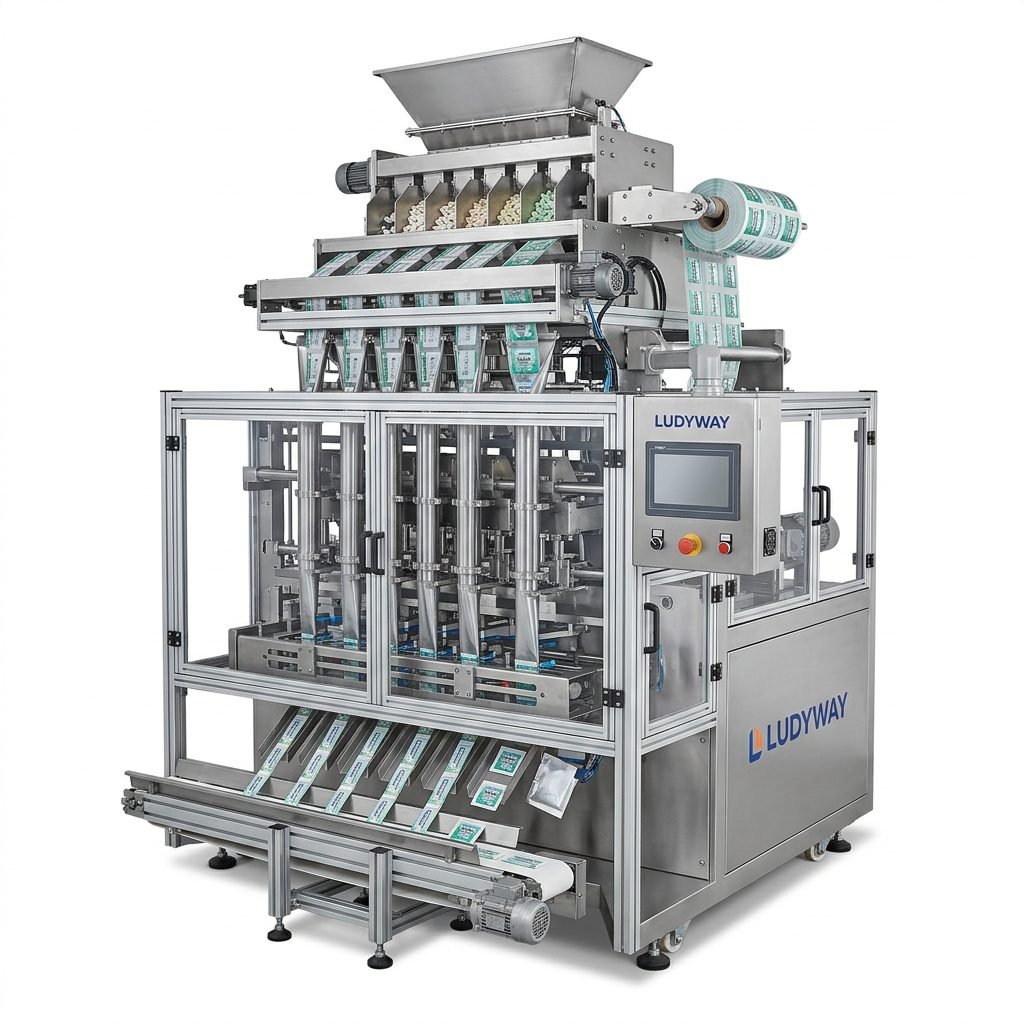
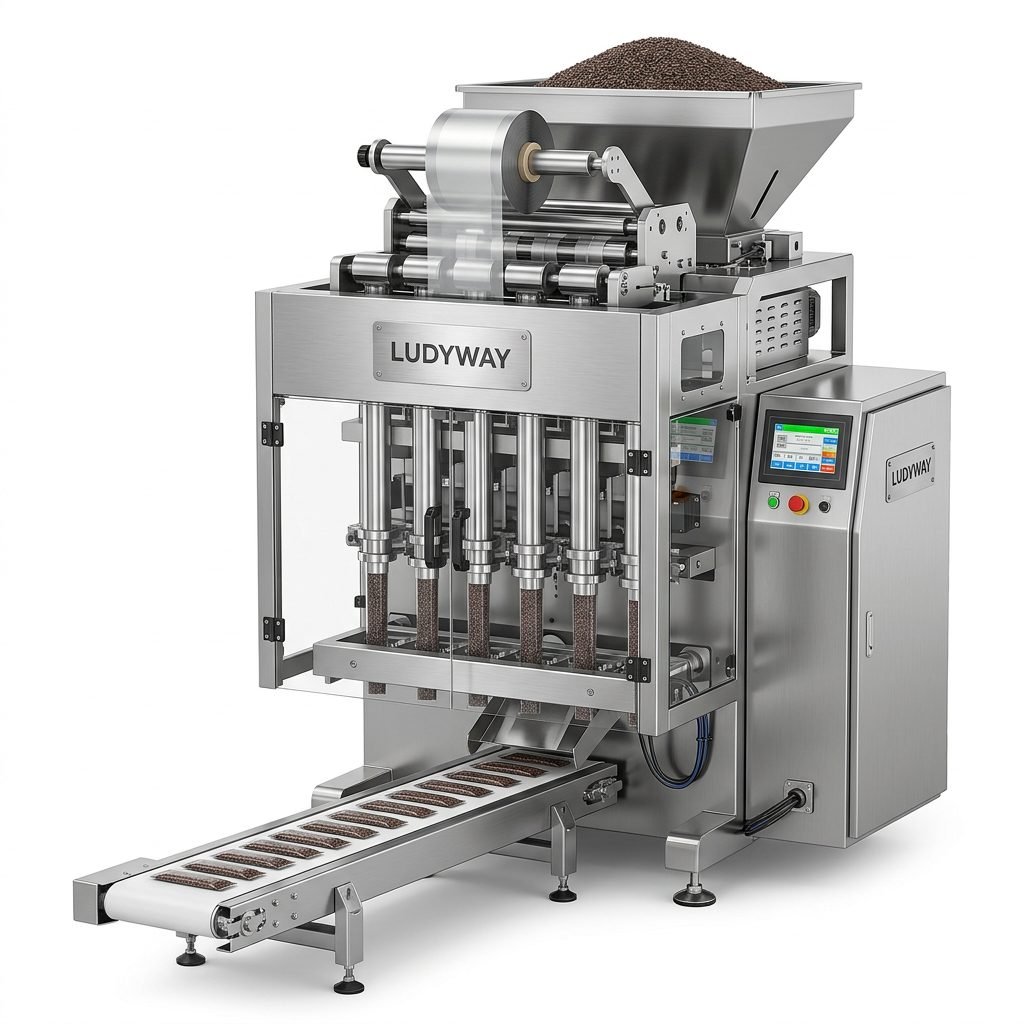
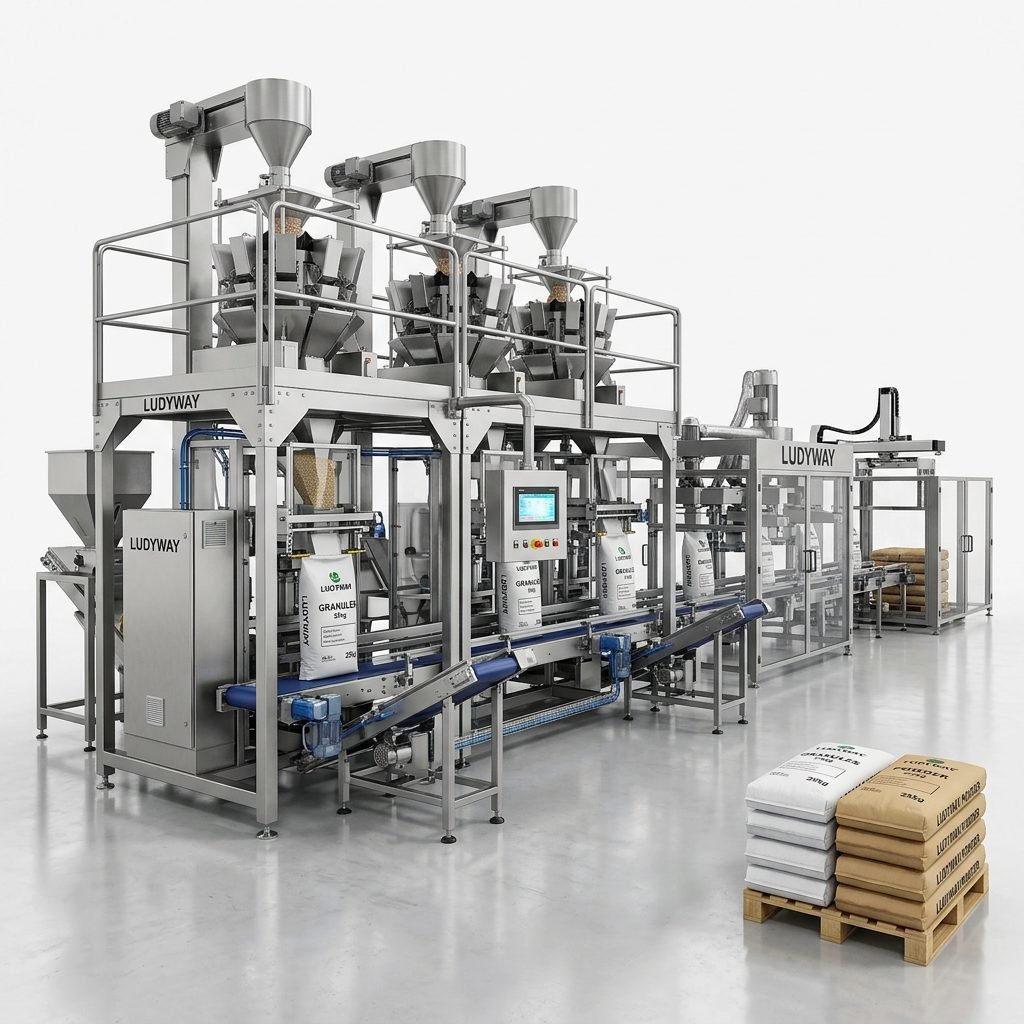
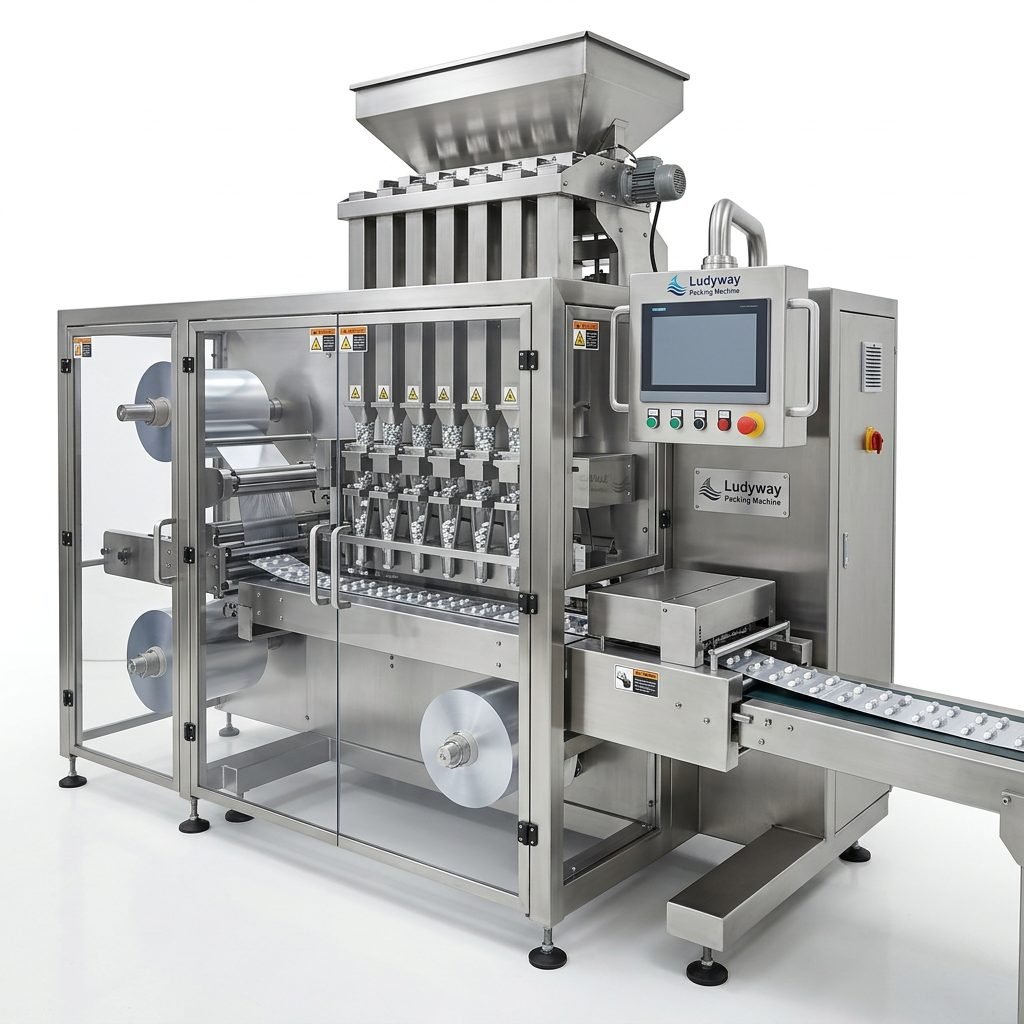
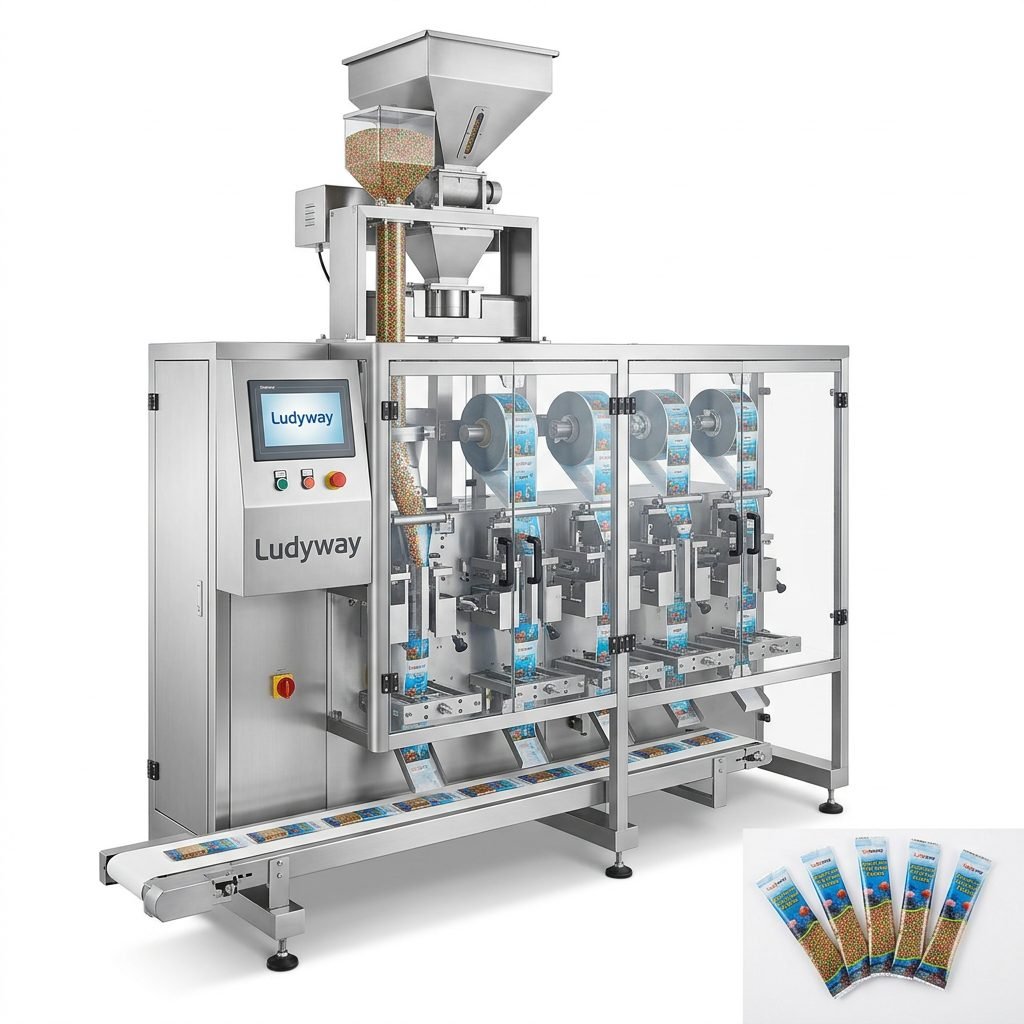
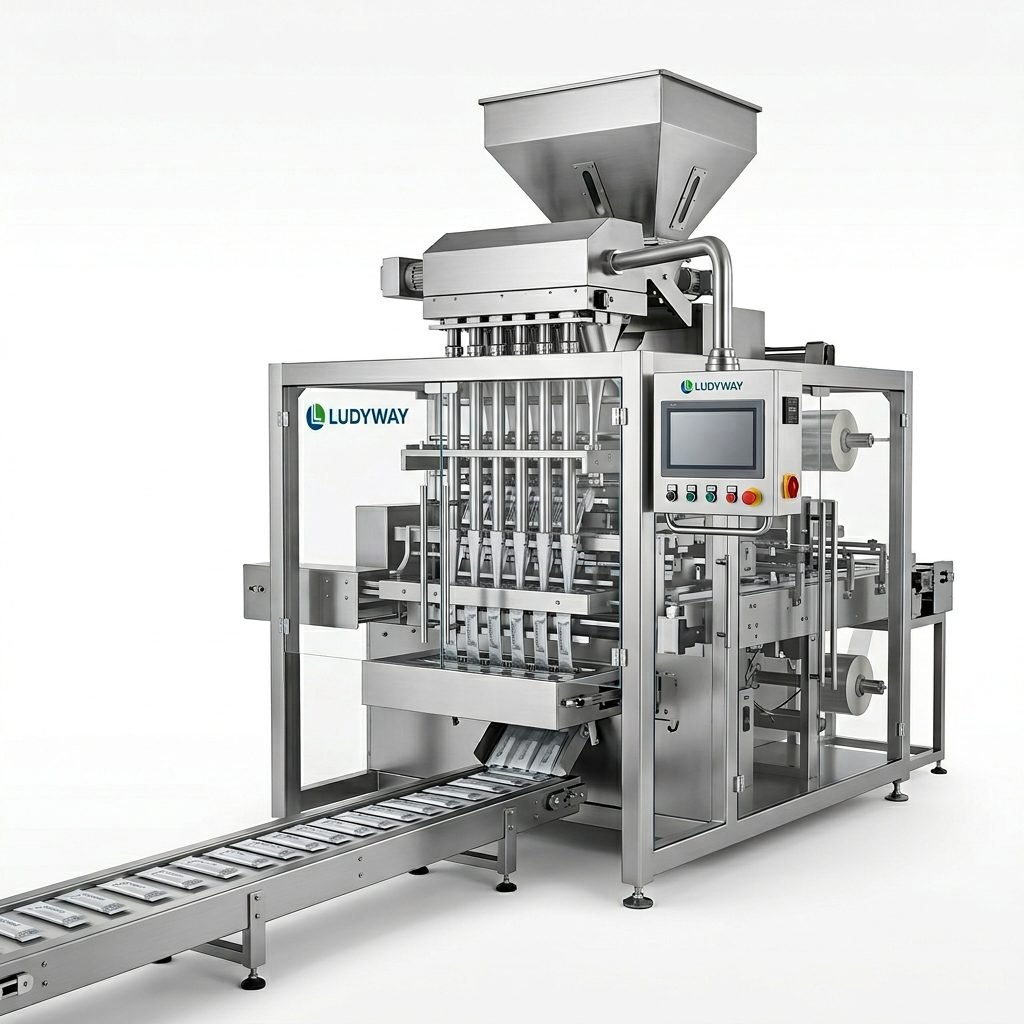
For North American tea brands and co-packers, selecting the right packaging equipment directly impacts product consistency, shelf appeal, and operational profitability. The small tea packaging machine segment has become increasingly competitive, yet one solution consistently stands out for its balance of precision, compact footprint, and regulatory compliance.
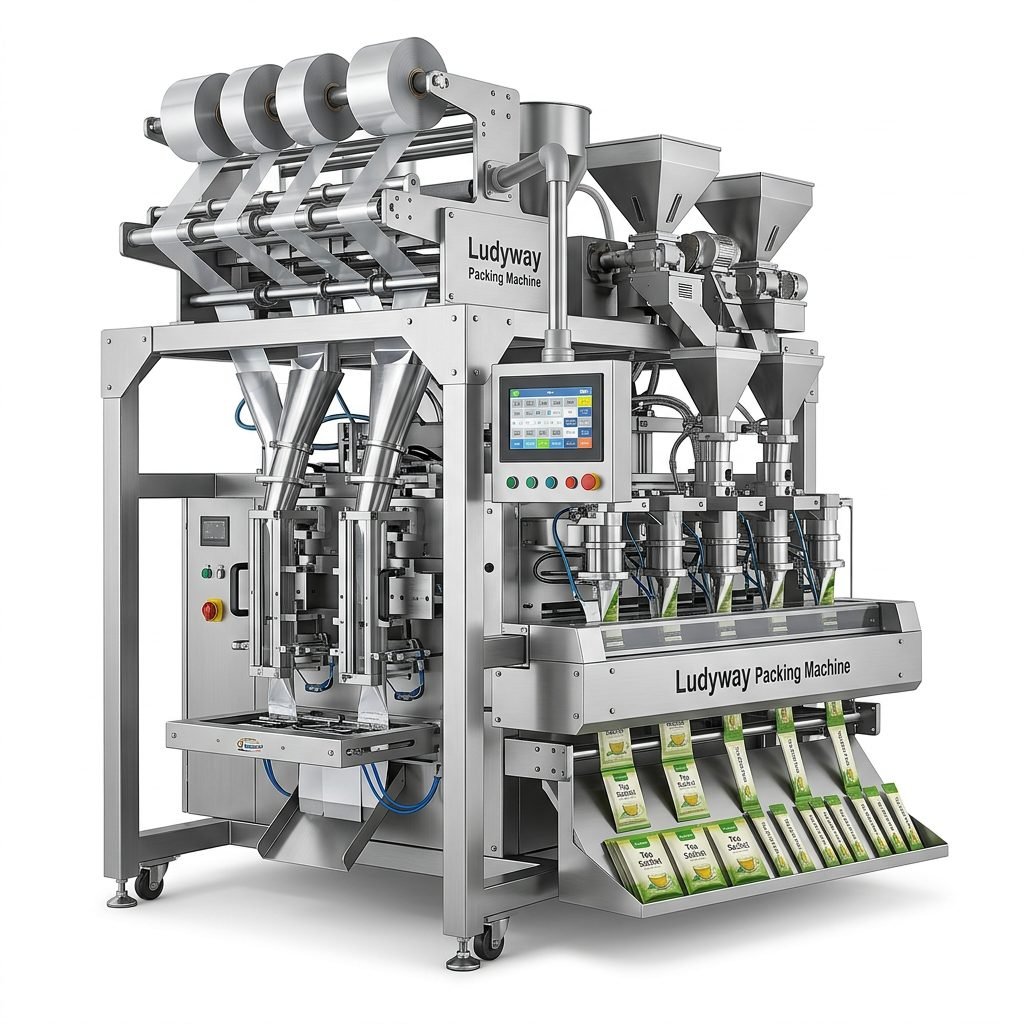
Understanding North American Tea Packaging Requirements
Tea producers across the United States and Canada face unique challenges. From loose leaf herbal blends to fine matcha powder, each product requires specific handling to preserve aroma, prevent moisture ingress, and maintain accurate portion control. Small tea packaging machines designed for this market must meet FDA food contact substance regulations while delivering the throughput that growing brands demand. Unlike large-scale industrial lines, compact systems allow mid-sized businesses to scale production without massive capital investment or facility modifications.
Compact Design That Maximizes Production Floor Efficiency
Space is at a premium in North American manufacturing facilities. A small tea packaging machine with a compact footprint enables producers to optimize their layout without sacrificing output. These machines integrate multiple functions—filling, sealing, cutting, and coding—into a single streamlined unit. The result is a significant reduction in floor space requirements compared to traditional rotary or inline systems that sprawl across the production area.
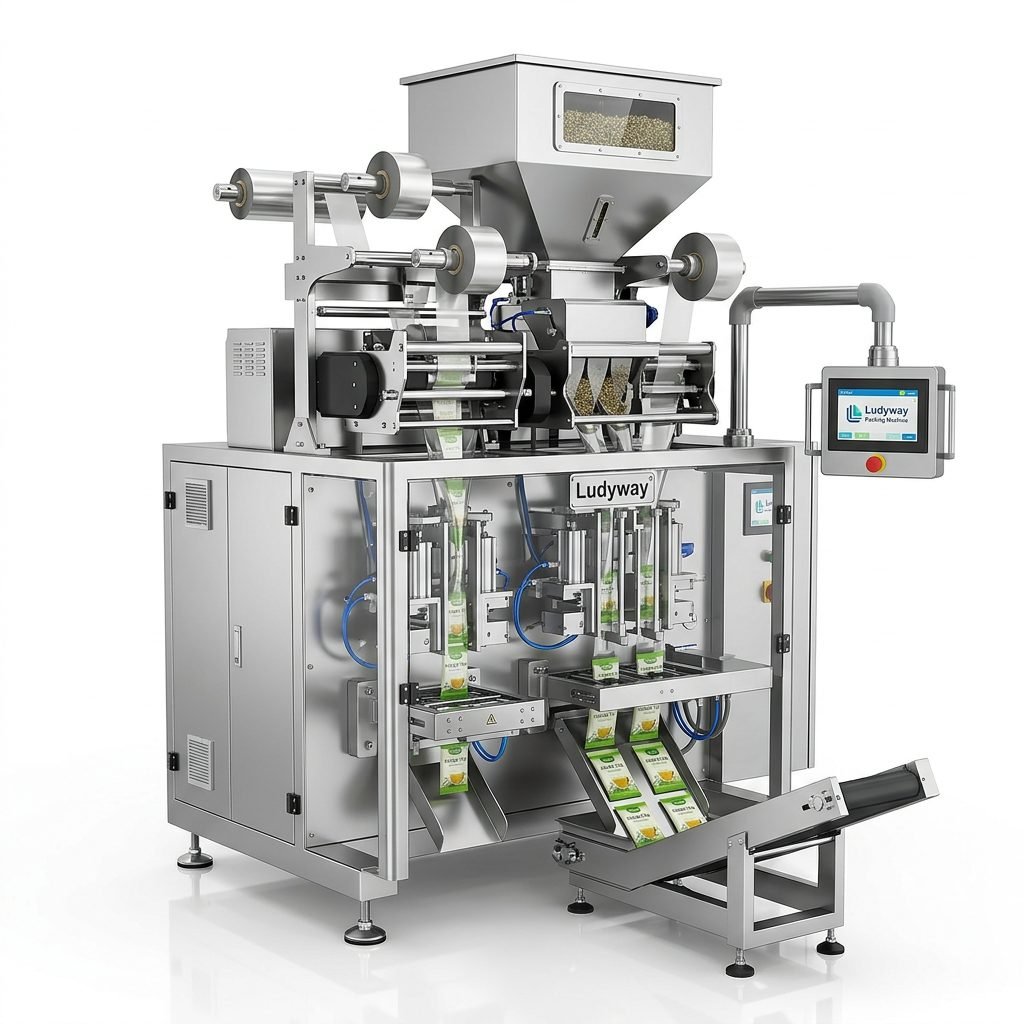
Key Features North American Buyers Should Prioritize
When evaluating a small tea packaging machine, several critical specifications determine long-term success. The table below outlines the essential features and their operational impact for tea businesses.
| Feature | Operational Benefit | North American Relevance |
|---|---|---|
| Multi-lane configuration | Simultaneous filling across 4-12 lanes | Increases throughput without larger machine footprint |
| Servo-driven dosing | ±0.1g accuracy for premium teas | Reduces product giveaway on high-cost organic blends |
| Stainless steel construction | Full washdown capability | Meets FDA hygiene standards for food contact |
| Quick-change tooling | Format switch in under 15 minutes | Supports diverse SKU portfolios common in specialty tea market |
| Integrated nitrogen flushing | Oxygen residual below 1% | Extends shelf life for premium loose leaf and matcha products |
Why Multi-Lane Stick Pack Technology Excels for Tea
Flexible packaging formats continue to gain market share across North America, and stick packs represent one of the fastest-growing segments. Small tea packaging machines utilizing multi-lane stick pack technology deliver superior portion control and barrier protection compared to traditional pillow bags. Each stick pack seals individually, minimizing product exposure and preserving volatile aromatic compounds that define premium tea experiences.

Regulatory Compliance and Safety Standards
North American food packaging equipment must adhere to stringent safety and quality standards. A compliant small tea packaging machine incorporates:
- 304 or 316L stainless steel product contact surfaces that resist corrosion and prevent contamination
- CE, UL, and CSA certifications ensuring electrical safety for North American voltage requirements
- HACCP-compatible design with tool-free disassembly for sanitation verification
- ISO 11607 compliance guidance for packaging validation processes where applicable
Cost-Effectiveness and ROI Analysis
For North American businesses, the packaging machinery investment must demonstrate clear return. A small tea packaging machine from Ludyway offers a compelling value proposition through reduced labor requirements, minimal material waste, and energy-efficient operation. The combination of competitive upfront pricing and low total cost of ownership makes these systems particularly attractive for specialty tea brands scaling from manual to automated production.

Material Compatibility and Sustainable Packaging Trends
The flexible packaging industry continues shifting toward recyclable and compostable structures. Modern small tea packaging machines accommodate these evolving materials through precise temperature control and tension management that prevents film distortion or seal failure. This capability allows North American brands to meet consumer demand for eco-friendly packaging without compromising production efficiency.
Throughput Considerations for Growing Brands
Production volume requirements vary widely among tea businesses. An entry-level small tea packaging machine may produce 30-60 packs per minute per lane, while multi-lane configurations can exceed 400 packs per minute. This scalability enables brands to match equipment to current demand while retaining expansion capacity—a critical consideration for companies projecting double-digit annual growth in the North American specialty tea market.
Comparing Small Tea Packaging Machine Solutions
| Parameter | Standard Single-Lane | Advanced Multi-Lane System |
|---|---|---|
| Typical output | 40-60 packs/min | 200-400 packs/min |
| Floor space | 3-4 square meters | 5-8 square meters |
| Format flexibility | 1-2 bag styles | Stick pack, sachet, 3-side seal, 4-side seal |
| Changeover time | 20-30 minutes | 10-15 minutes with quick-change parts |
| Integration capability | Limited | Full line with weigher, cartoner, checkweigher connections |
Maintenance and Technical Support for North American Operations
Equipment uptime directly affects delivery commitments and customer satisfaction. Leading small tea packaging machine suppliers provide remote diagnostic capabilities, comprehensive spare parts inventories, and responsive technical support aligned with North American time zones. Preventative maintenance schedules, accessible component layout, and standardized parts simplify routine servicing for in-house maintenance teams.

Training and Installation Support
Successful deployment of a small tea packaging machine requires more than just equipment delivery. Comprehensive operator training, detailed documentation, and installation guidance ensure that production teams achieve rapid proficiency and consistent output quality from day one of operation.
Market Validation and Industry Recognition
The 2025 State of the Industry report from PMMI confirms that compact, flexible packaging machinery continues gaining preference among North American food manufacturers. This trend reflects the growing number of specialty tea brands that require small tea packaging machines capable of handling diverse product portfolios with minimal downtime between production runs.
For North American tea businesses evaluating packaging automation, the right small tea packaging machine combines precision engineering, regulatory compliance, and operational flexibility in a compact, cost-effective platform. By prioritizing the features outlined above, producers can select equipment that supports current production needs while positioning for future growth in the dynamic specialty tea market.