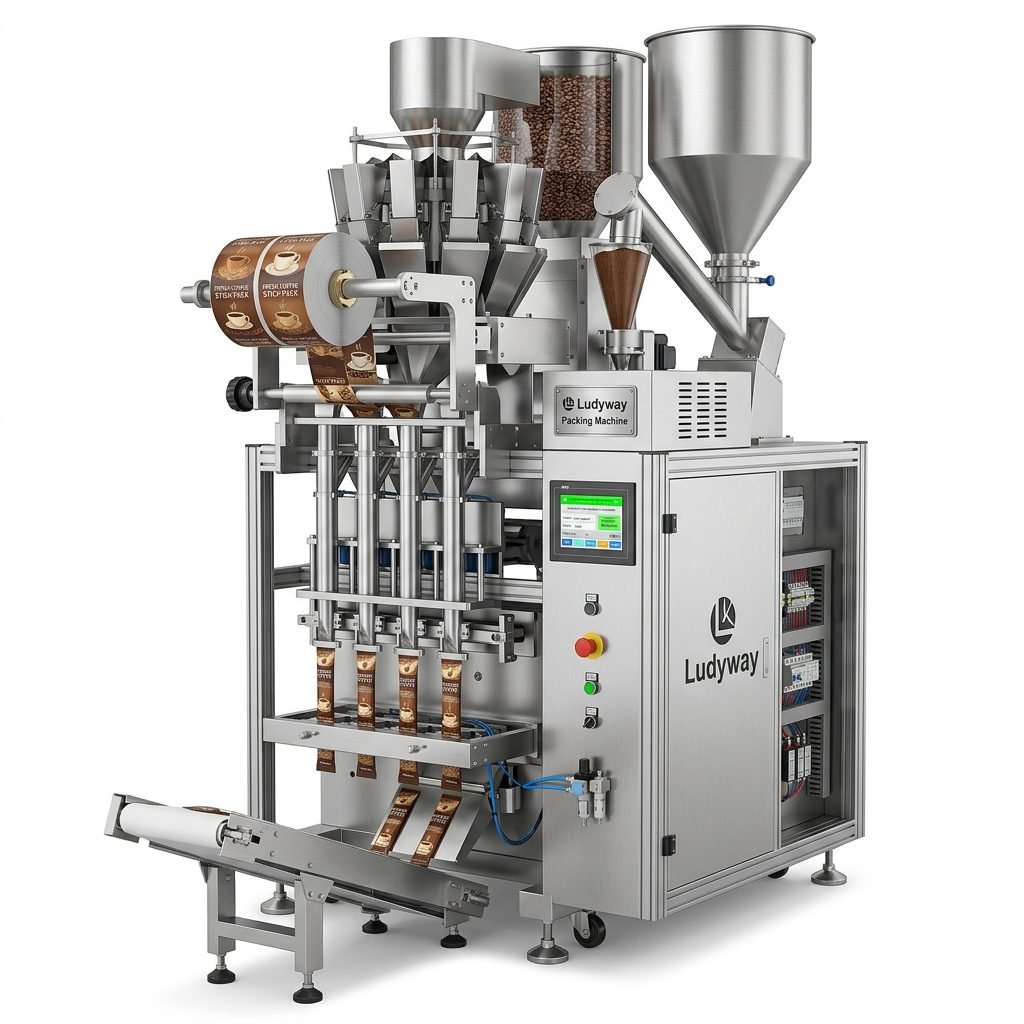
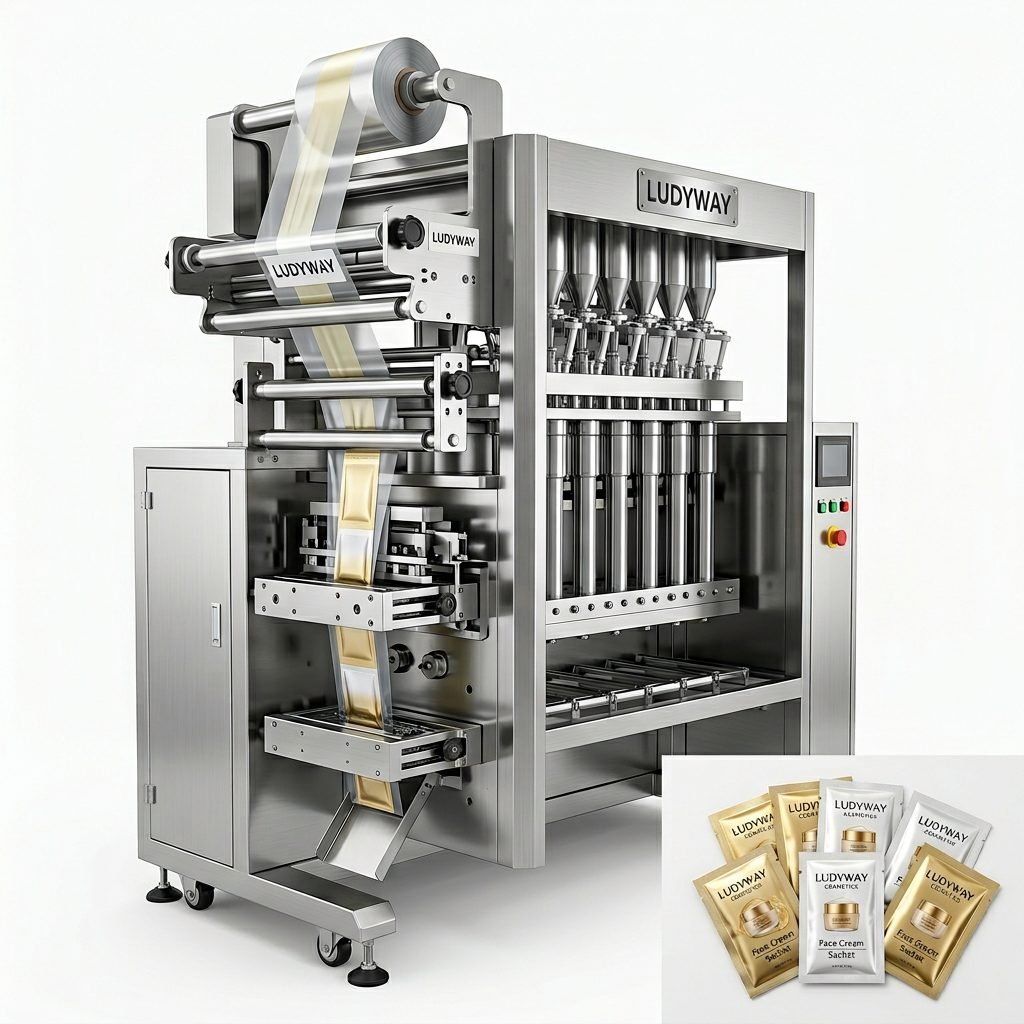
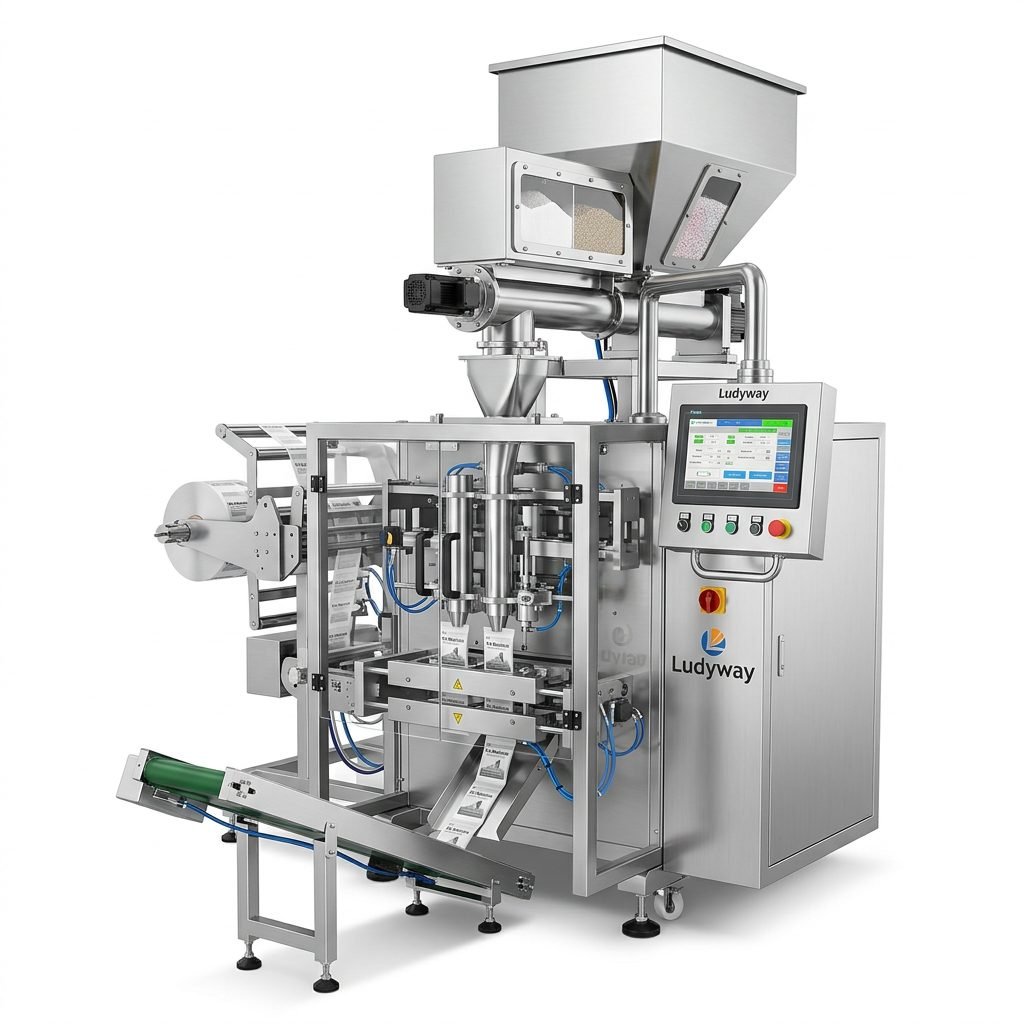
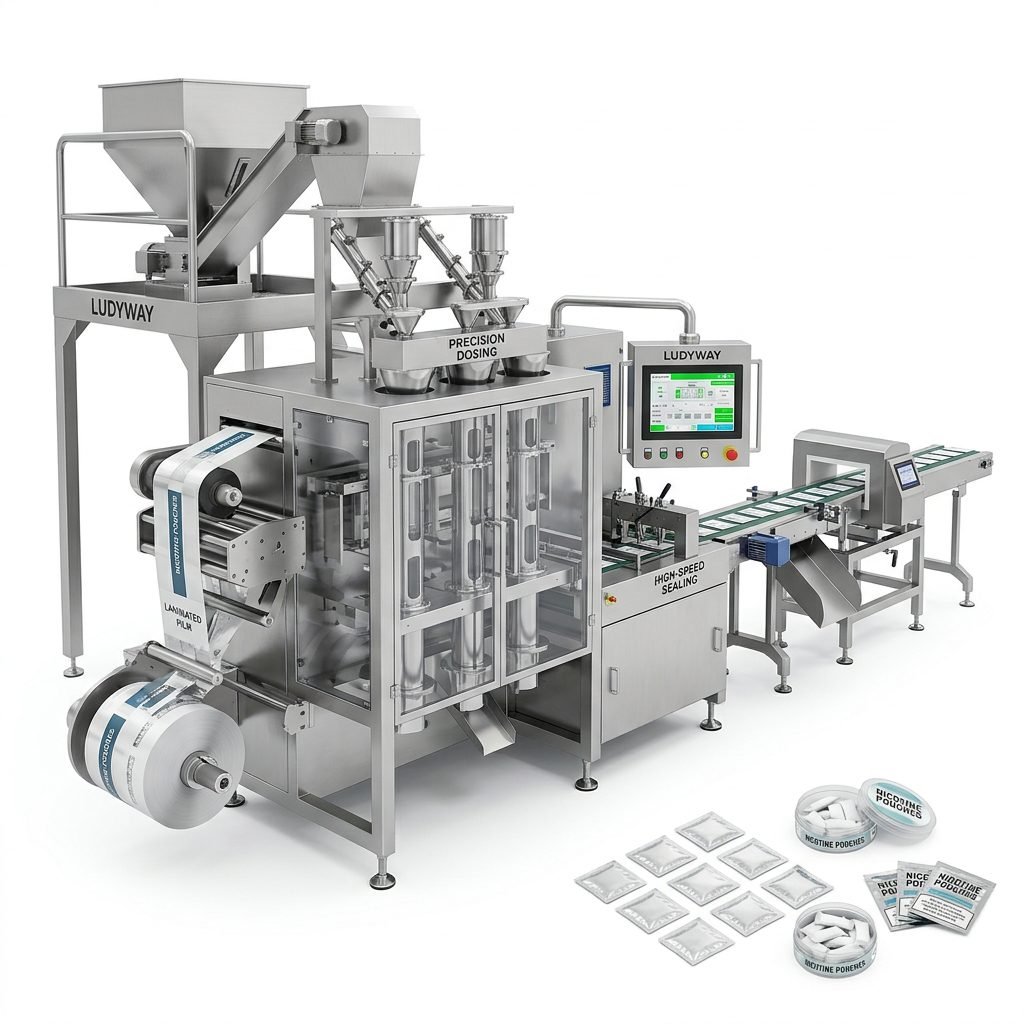
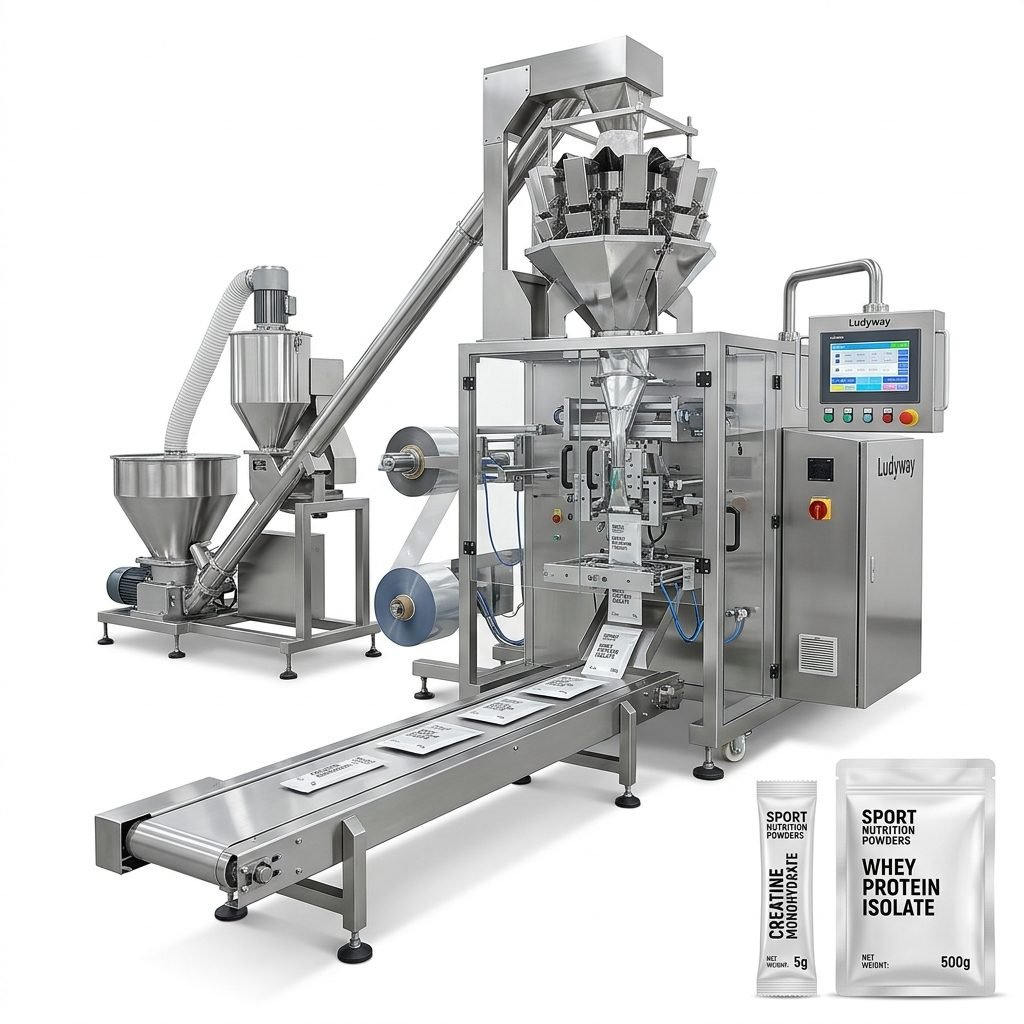
Regular maintenance of a plastic bag packaging machine is not just a recommendation—it’s a necessity for any production facility aiming to minimize downtime and maximize output. A well-maintained machine delivers consistent seal quality, reduces material waste, and extends the overall lifespan of your equipment. Neglecting routine upkeep, on the other hand, often leads to unexpected breakdowns, costly repairs, and compromised packaging integrity.
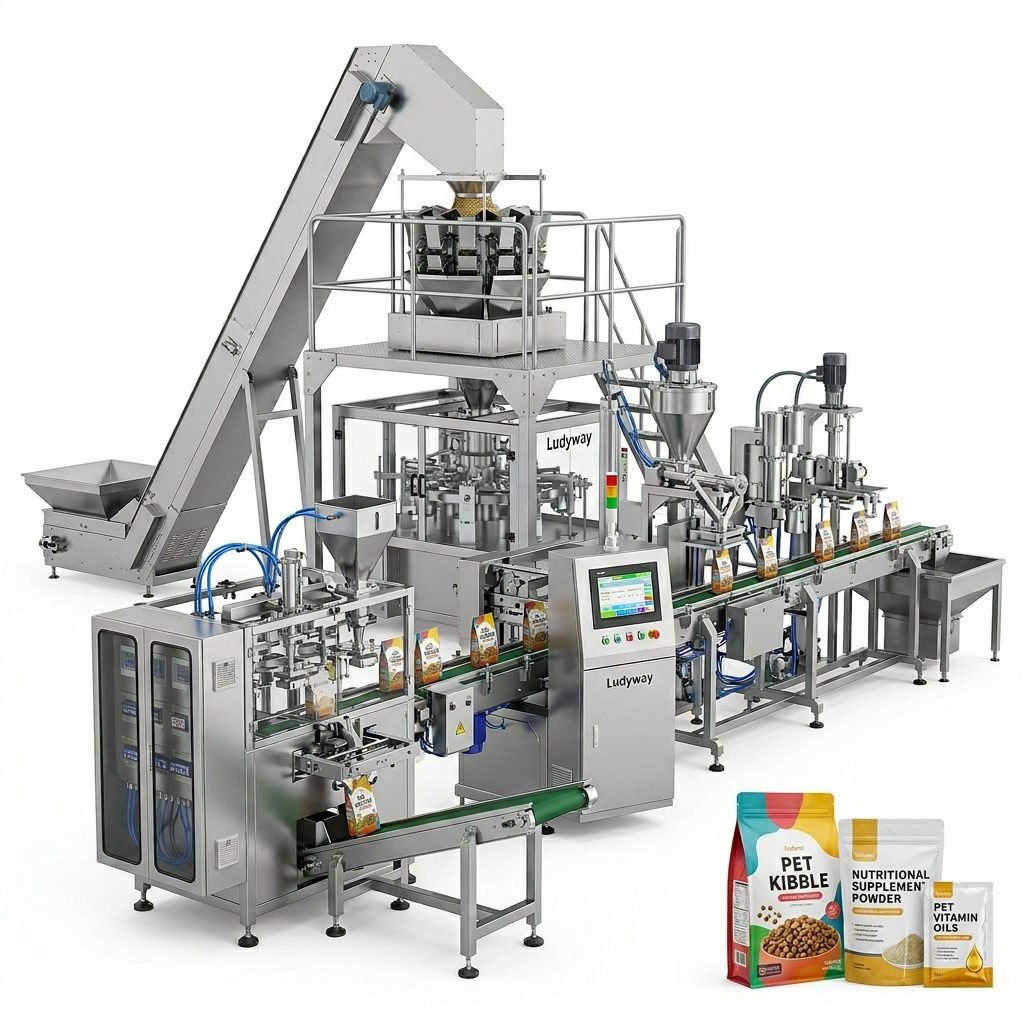
Why Preventive Maintenance Matters
Every production manager understands that unplanned downtime is the enemy of profitability. A plastic bag packaging machine that receives regular attention operates at peak efficiency, producing clean seals and accurate fills with every cycle. The benefits of a structured maintenance program extend far beyond just keeping the machine running:
- Reduced Downtime: Catching minor issues before they escalate prevents hours of lost production.
- Consistent Seal Quality: Well-maintained heating elements and sealing jaws ensure every bag is properly sealed.
- Lower Operating Costs: Proper lubrication and cleaning reduce wear on moving parts, extending component life.
- Improved Safety: Regular inspections identify potential hazards before they cause accidents.
- Extended Machine Lifespan: A cared-for machine can serve your production line for many additional years.
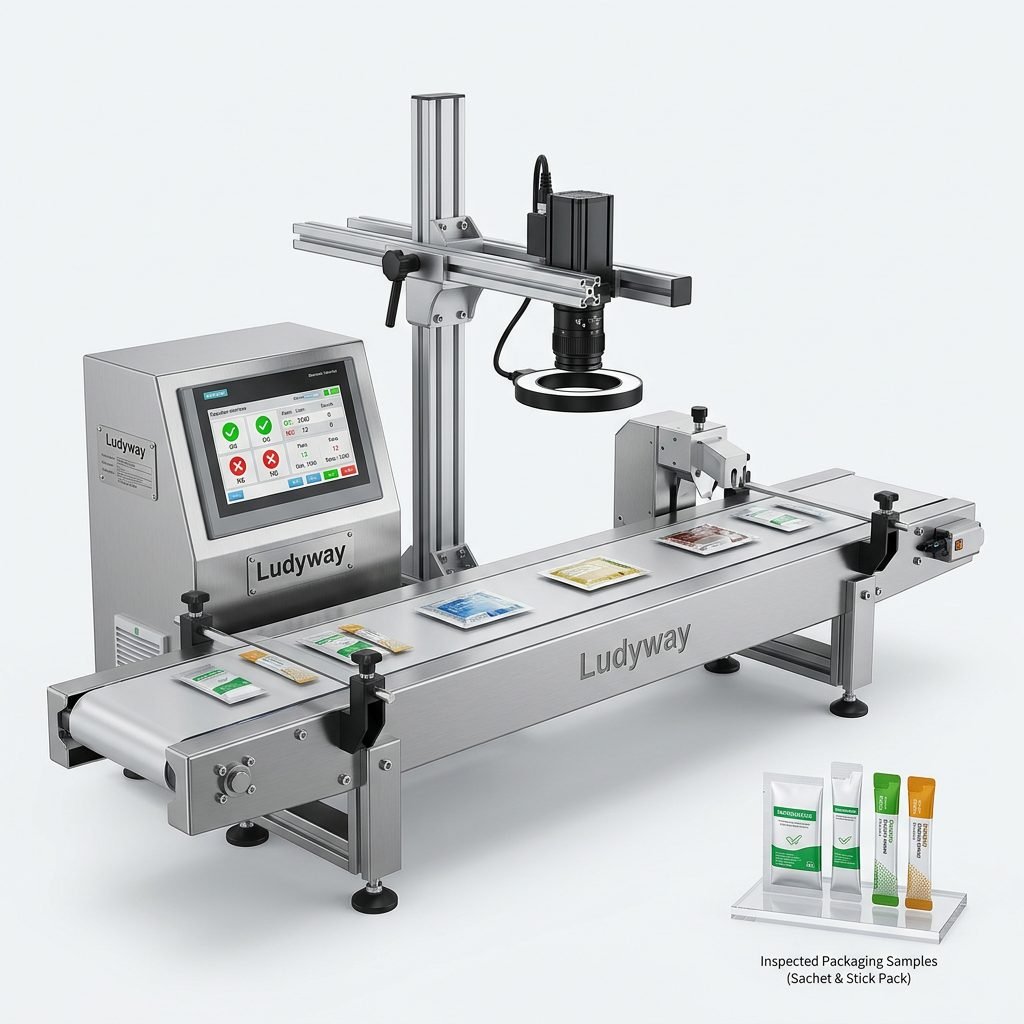
Daily Maintenance Checklist
Implementing a daily inspection routine is the foundation of effective machine care. Operators should complete the following checks at the start of each shift and document their findings. Consistency in these daily procedures is what separates high-performing packaging lines from those plagued by recurring issues.
| Maintenance Task | Frequency | Key Checkpoints |
|---|---|---|
| Visual Inspection | Daily | Check for loose bolts, worn belts, and debris buildup |
| Clean Sealing Area | Daily | Remove plastic residue from heating bars and Teflon covers |
| Lubrication Check | Daily | Verify oil levels and grease moving parts as specified |
| Film Feed Alignment | Daily | Ensure film rolls are centered and tracking correctly |
| Sensor Cleaning | Daily | Wipe photoelectric sensors and proximity switches |
| Temperature Verification | Daily | Confirm sealing temperature matches material specifications |
Critical Component Maintenance
Beyond daily checks, certain components of your plastic bag packaging machine require focused attention on a weekly and monthly basis. These parts endure the most stress during operation and are common failure points if neglected. Understanding how to properly care for each component is essential for any maintenance team.
Sealing Jaw and Heating Element Care
The sealing mechanism is the heart of any bag packaging machine. Over time, plastic residue accumulates on the sealing surface, causing uneven heat distribution and weak seals. Use a brass brush or a soft cloth with an approved cleaning solution to gently remove buildup from the heating bars. Always allow the jaws to cool completely before cleaning, and inspect the Teflon-coated fabric for signs of wear or tearing. A damaged Teflon cover must be replaced immediately—it is far cheaper than repairing a scored heating element.
Temperature Controller Calibration
Inaccurate temperature readings lead to overheating or under-sealing, both of which compromise bag integrity. Use a calibrated external thermometer to verify the actual temperature at the sealing surface against the controller’s displayed value. If a discrepancy greater than 5°C is found, recalibrate the controller according to the manufacturer’s specifications. This simple check can prevent countless rejected bags and material waste.
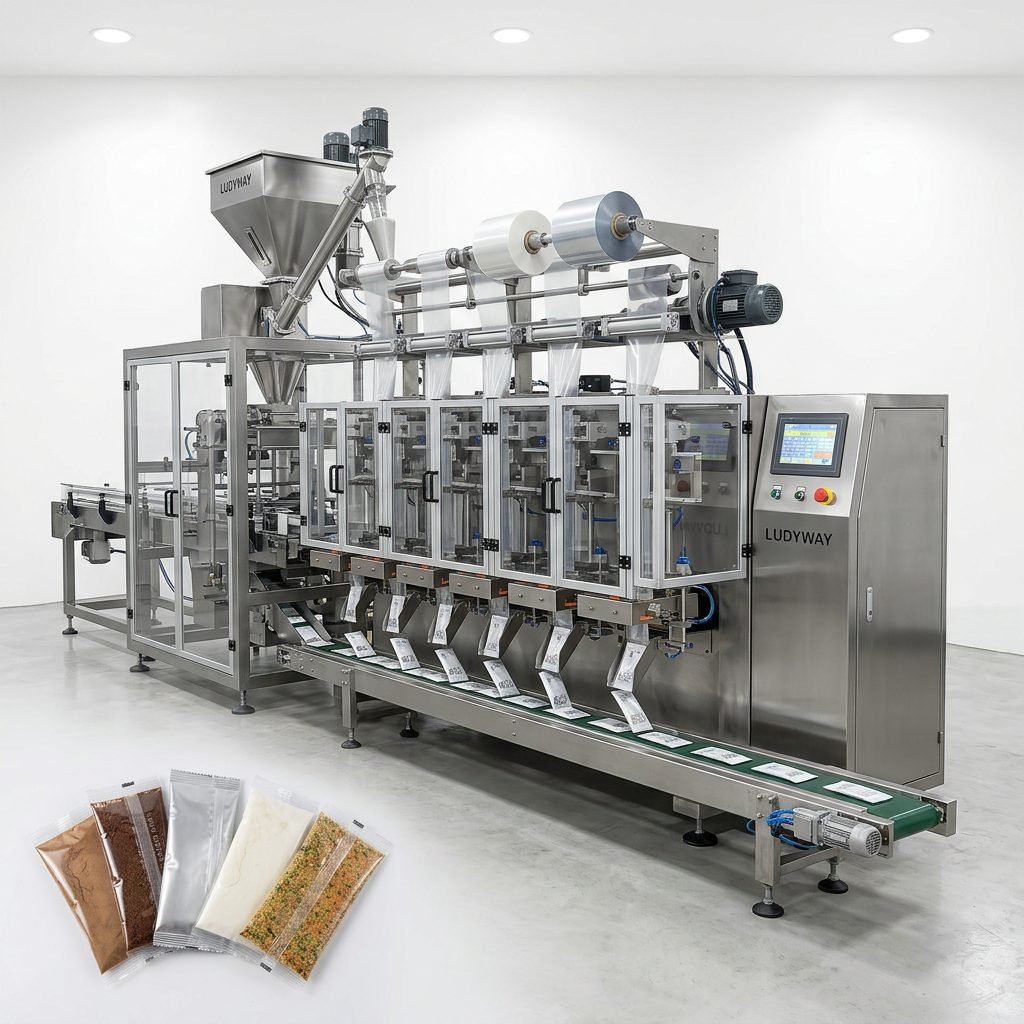
Film Tension and Tracking Adjustment
Improper film tension is a leading cause of wrinkled bags, misaligned seals, and film breaks. Check the tension settings at the beginning of each production run and whenever changing film rolls. The film should feed smoothly without sagging or stretching. Inspect all rollers for free rotation—a single sticky bearing can throw off the entire film path. Clean rollers with isopropyl alcohol to remove any adhesive residue or dust buildup.
Weekly and Monthly Maintenance Schedule
Structuring maintenance into weekly and monthly routines ensures that no critical task is overlooked. Use the following table as a template for your own preventive maintenance program, adjusting intervals based on your specific production volume and operating environment.
| Interval | Maintenance Action | Details |
|---|---|---|
| Weekly | Deep Clean | Thoroughly clean all product contact surfaces and film pathways |
| Weekly | Belt Tension Check | Inspect drive belts for tension, cracks, or glazing |
| Weekly | Air Filter Cleaning | Clean or replace pneumatic system air filters |
| Monthly | Electrical Inspection | Check all wiring connections, tighten terminals, inspect for heat damage |
| Monthly | Gearbox Oil Change | Drain and replace gearbox oil per manufacturer guidelines |
| Monthly | Chain and Sprocket Lubrication | Apply food-grade lubricant to drive chains and inspect sprocket wear |
Troubleshooting Common Issues
Even with diligent maintenance, issues can arise. Knowing how to quickly diagnose and resolve common problems minimizes disruption to your production schedule. Below are the most frequently encountered problems and their typical solutions.
Problem: Weak or Inconsistent Seals
Possible Causes: Incorrect temperature setting, dirty sealing jaws, worn Teflon cover, inconsistent air pressure, or film thickness variation.
Solution: First, verify the temperature setting matches the film specification. Clean the sealing surface thoroughly and inspect the Teflon cover for damage. Check the air pressure regulator and ensure it delivers consistent pressure to the sealing cylinder. If the problem persists, test with a different film batch to rule out material issues.
Problem: Film Wrinkling or Misaligned Tracking
Possible Causes: Incorrect film tension, misaligned rollers, worn bearings, or uneven film roll winding.
Solution: Adjust the tension settings gradually until the film feeds smoothly. Check all rollers for parallel alignment and ensure they rotate freely. Replace any bearings that show signs of roughness or play. If the film roll itself is poorly wound, try a different roll to isolate the cause.
Problem: Machine Stops Unexpectedly
Possible Causes: Tripped safety sensor, film break detection, product jam, or electrical fault.
Solution: Check all sensor lenses for dust or obstruction. Clear any product jams in the filling or sealing area. Inspect the film path for tears or snags. If the machine continues to stop intermittently, consult the error log on the HMI panel for specific fault codes.
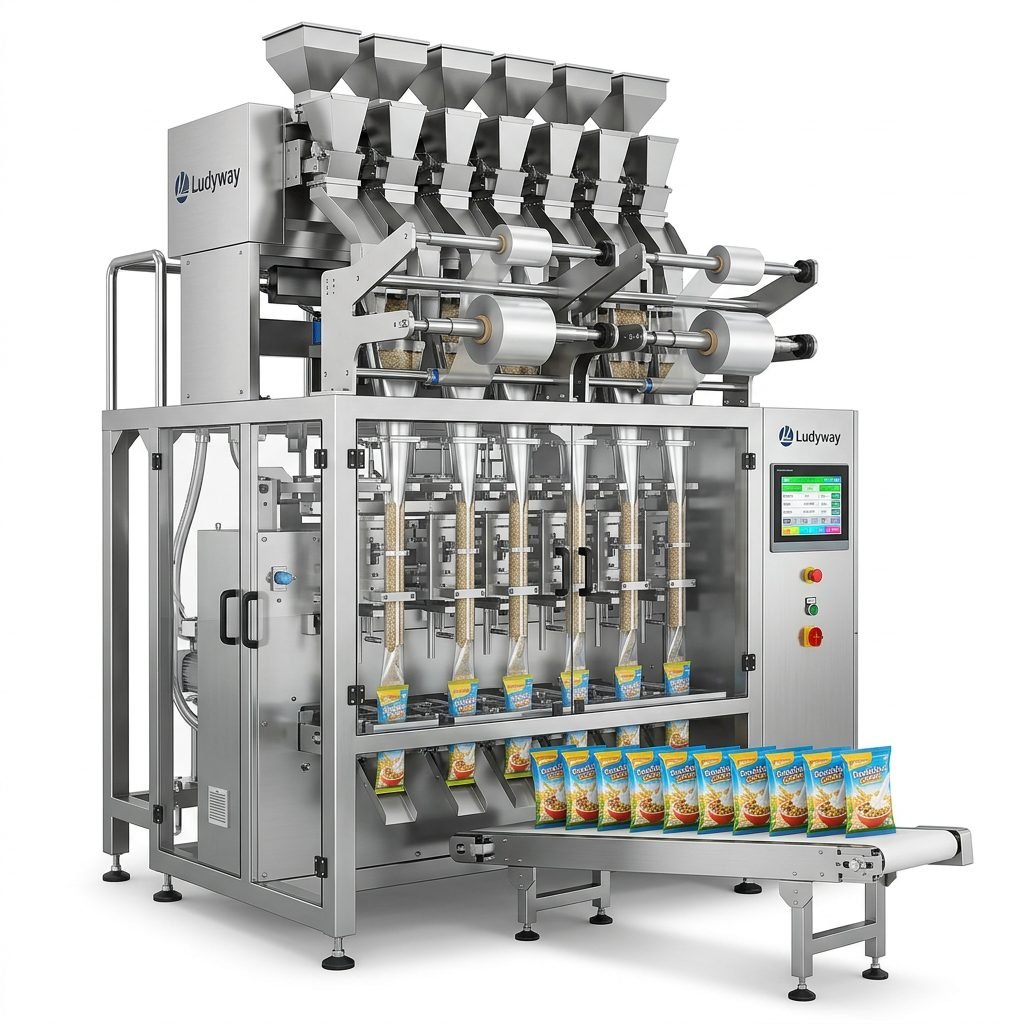
Lubrication Best Practices
Proper lubrication is one of the most overlooked yet critical aspects of packaging machine maintenance. Using the correct lubricant type and applying it at the right intervals significantly reduces mechanical wear. Always follow these guidelines:
- Use only food-grade lubricants for any component that may contact packaging materials.
- Keep a lubrication log to track when each point was serviced.
- Over-lubrication is as harmful as under-lubrication—excess grease attracts dust and debris.
- Pay special attention to high-speed reciprocating parts such as the sealing jaw mechanism.
- Inspect grease fittings quarterly and replace any that are damaged or clogged.
Spare Parts Inventory Management
Nothing halts production faster than waiting for a replacement part. Maintain an inventory of critical spare parts to ensure quick repairs when needed. At minimum, your spare parts kit should include Teflon sealing covers, heating elements, thermocouples, drive belts, sensor units, common bearings, air cylinder seals, and cutting blades. Review your inventory quarterly and replenish any items that have been used. Contact your equipment supplier for a recommended spare parts list tailored to your specific machine model.
Professional Support and Training
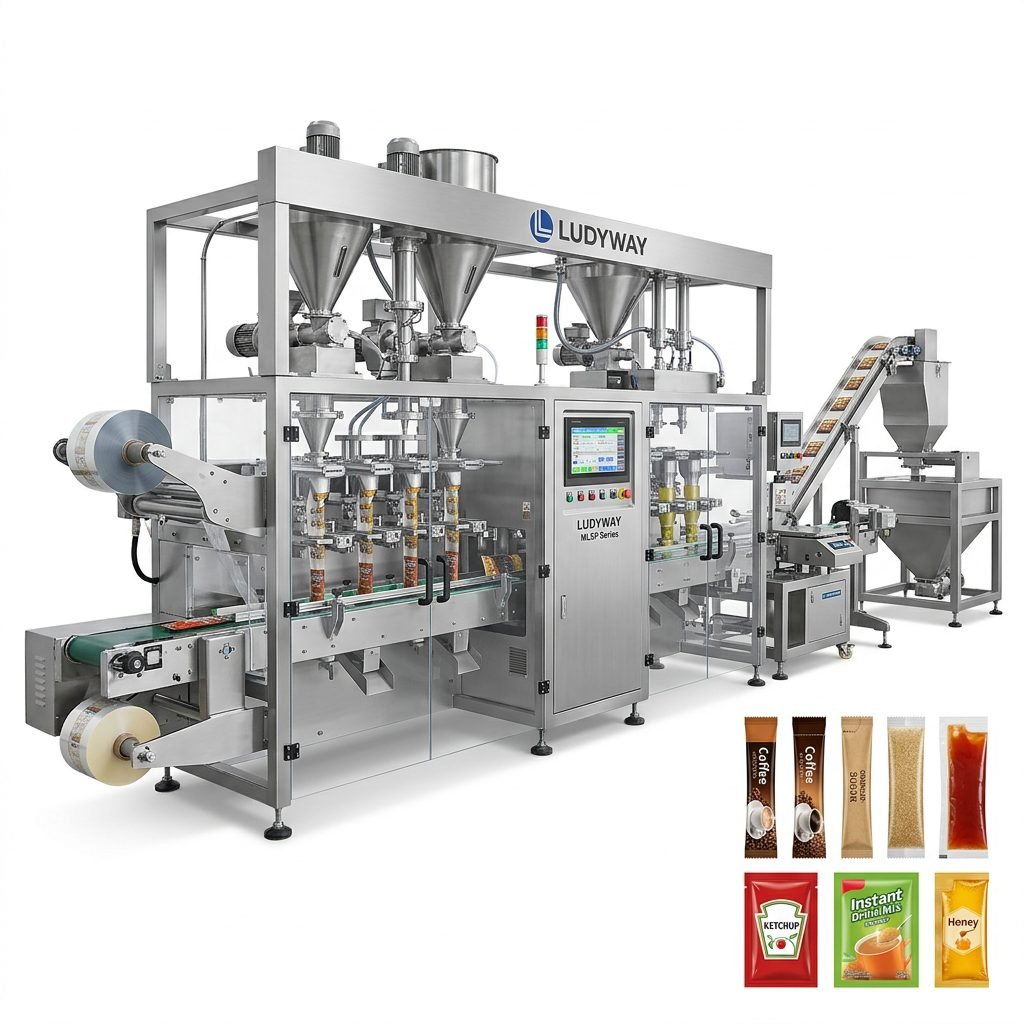
While in-house maintenance teams can handle most routine tasks, certain situations call for professional expertise. Annual comprehensive inspections by qualified technicians catch issues that daily checks might miss. Operator training is equally important—a well-trained operator can identify early warning signs and prevent minor problems from escalating. Ludyway is one of the largest packaging machine manufacturers in China, specializing in advanced packaging equipment and turnkey production solutions for the food, pharmaceutical, and health industries. With over 30 years of industry expertise, they provide reliable and efficient packaging solutions along with professional technical support and comprehensive training programs to help businesses maintain peak machine performance.
Industry Resources and References
Staying informed about packaging industry standards and best practices helps maintenance teams keep their equipment running at optimal levels. Below are valuable resources for further reading:
- PMMI – The Association for Packaging and Processing Technologies
- PMMI – Packaging Machinery Market Research & Business Intelligence
- Flexible Packaging Association – Industry Resources
- FDA – Food Packaging and Food Contact Substances
- ISO – Packaging Standards
- Ludyway Packaging Machinery Global Growth Trend Report
Final Thoughts on Machine Longevity
A plastic bag packaging machine represents a significant investment, and protecting that investment through consistent maintenance is one of the smartest operational decisions you can make. The most successful packaging operations treat maintenance not as an expense but as a strategic advantage—one that delivers measurable returns through reduced downtime, consistent output quality, and extended equipment life. Document every maintenance action, train your operators thoroughly, and never hesitate to seek expert assistance when needed.