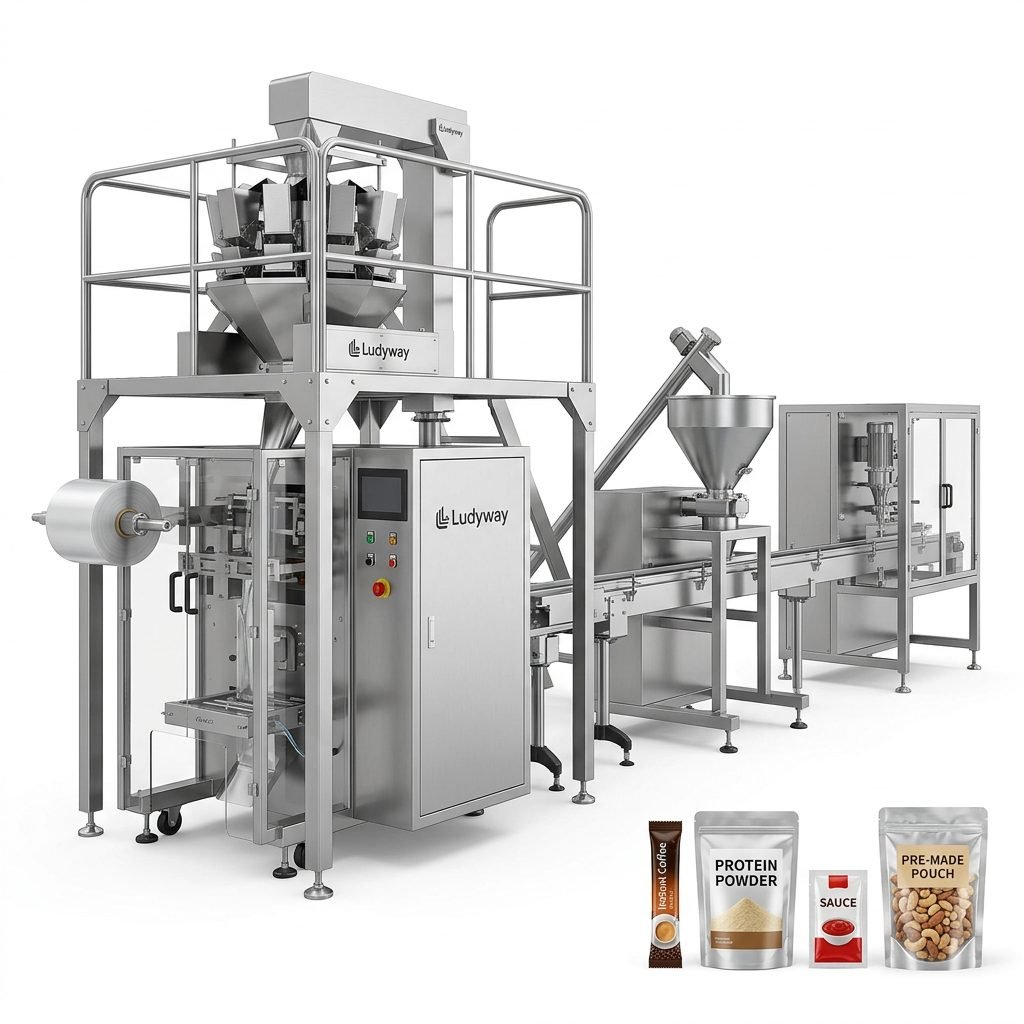
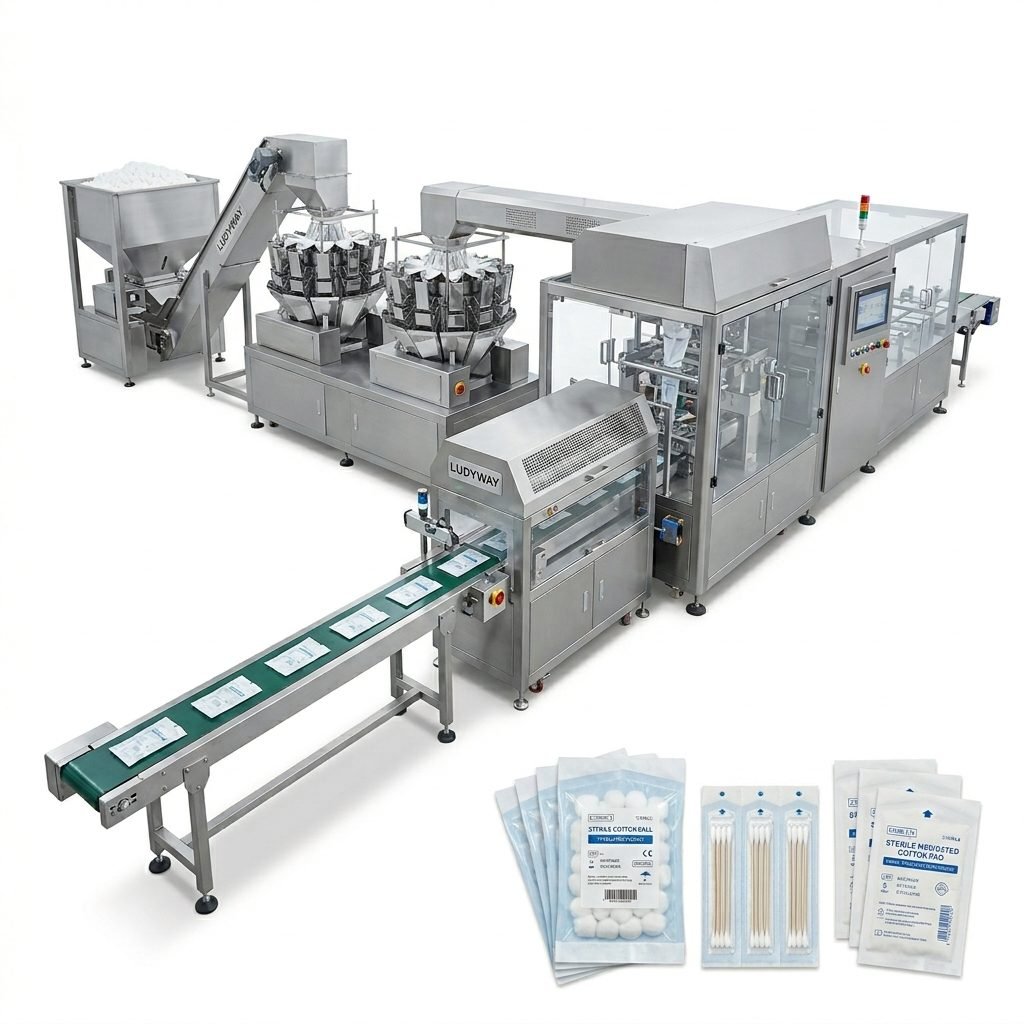
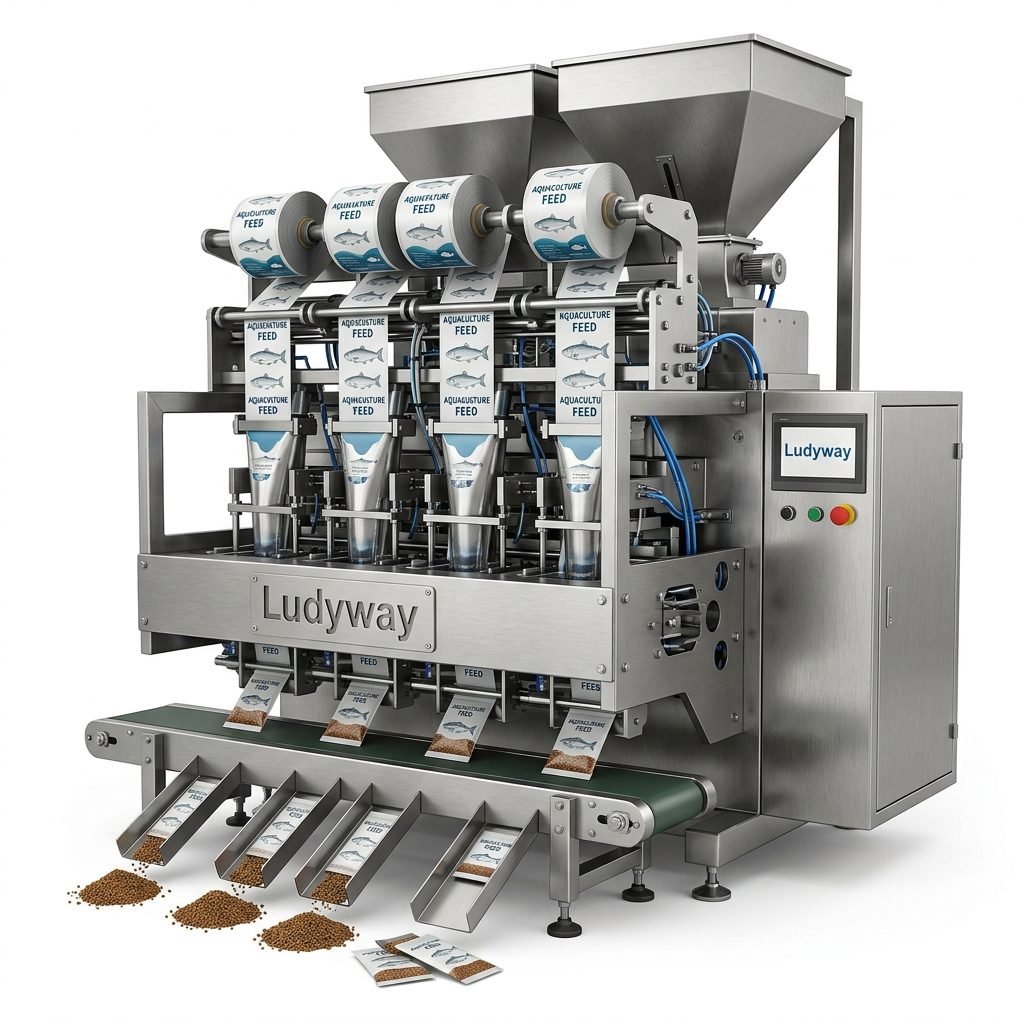
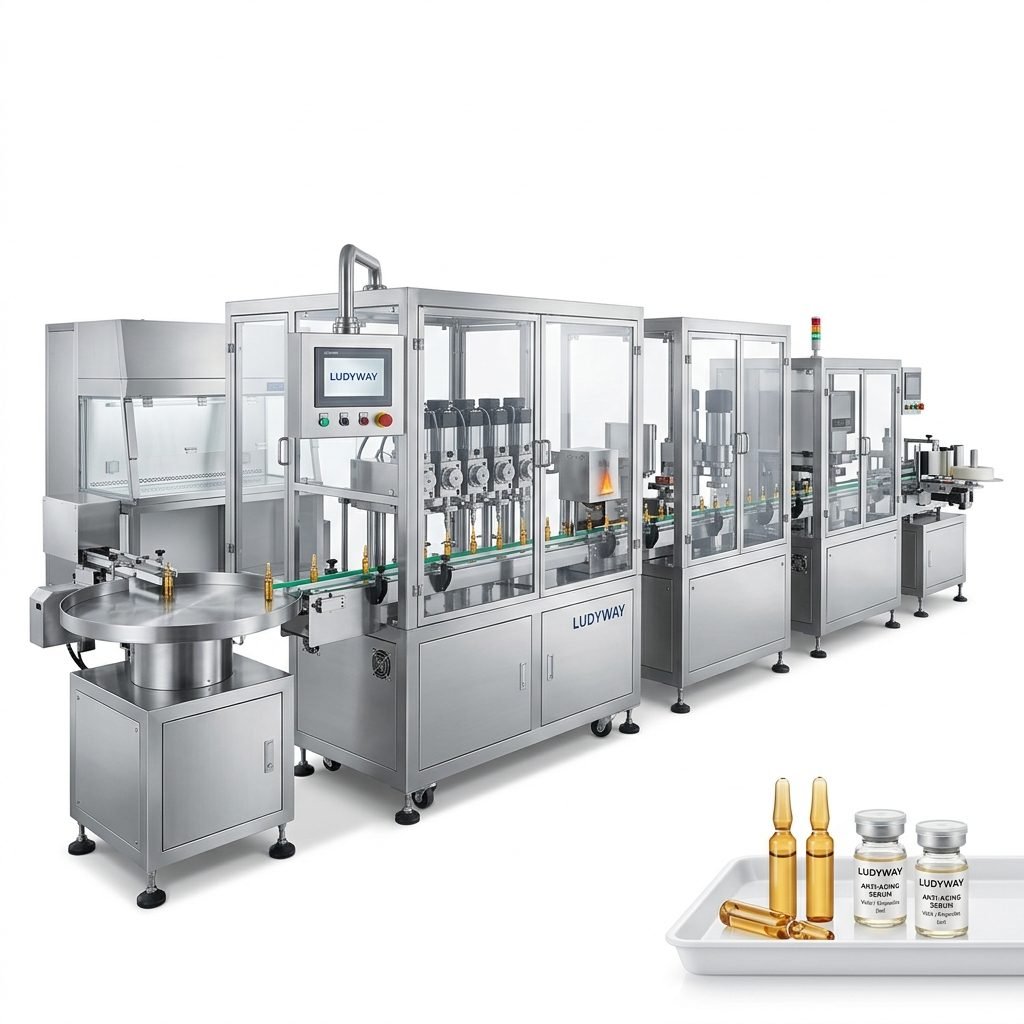
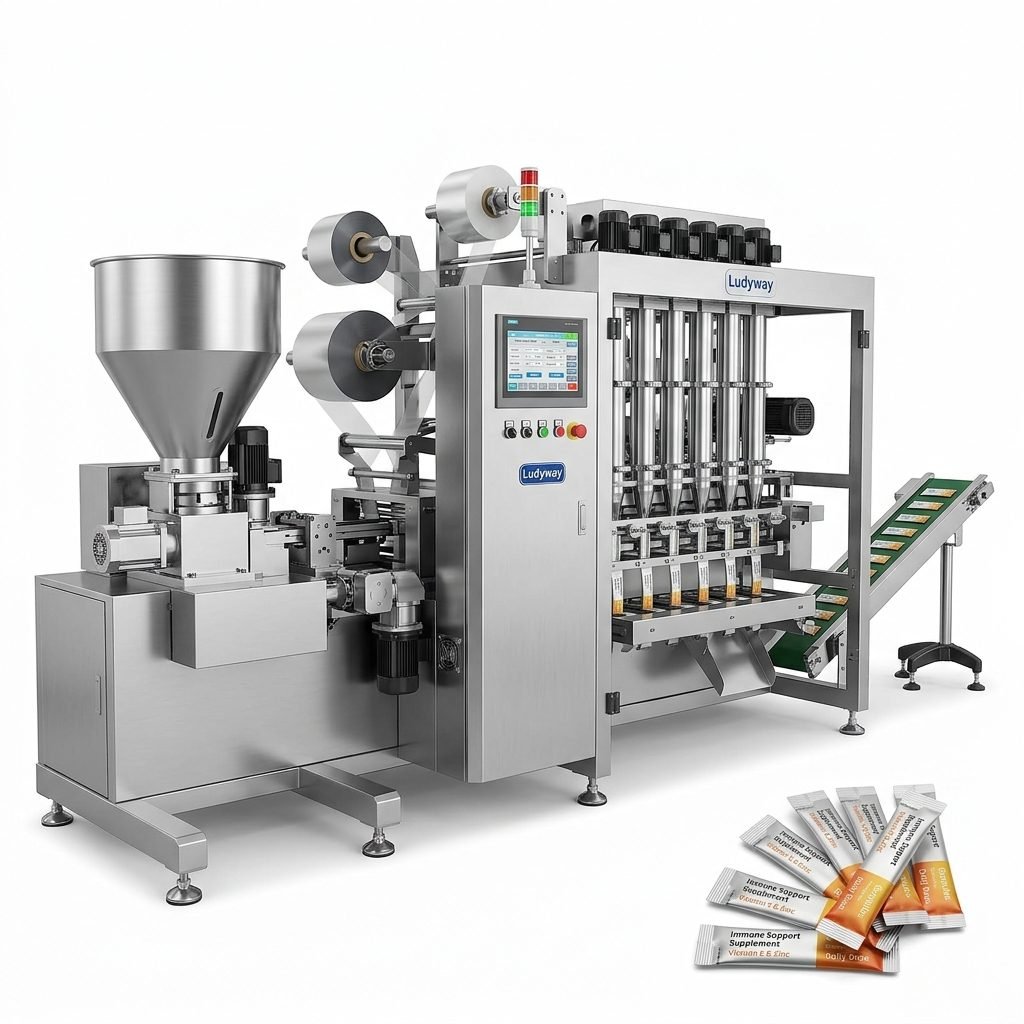
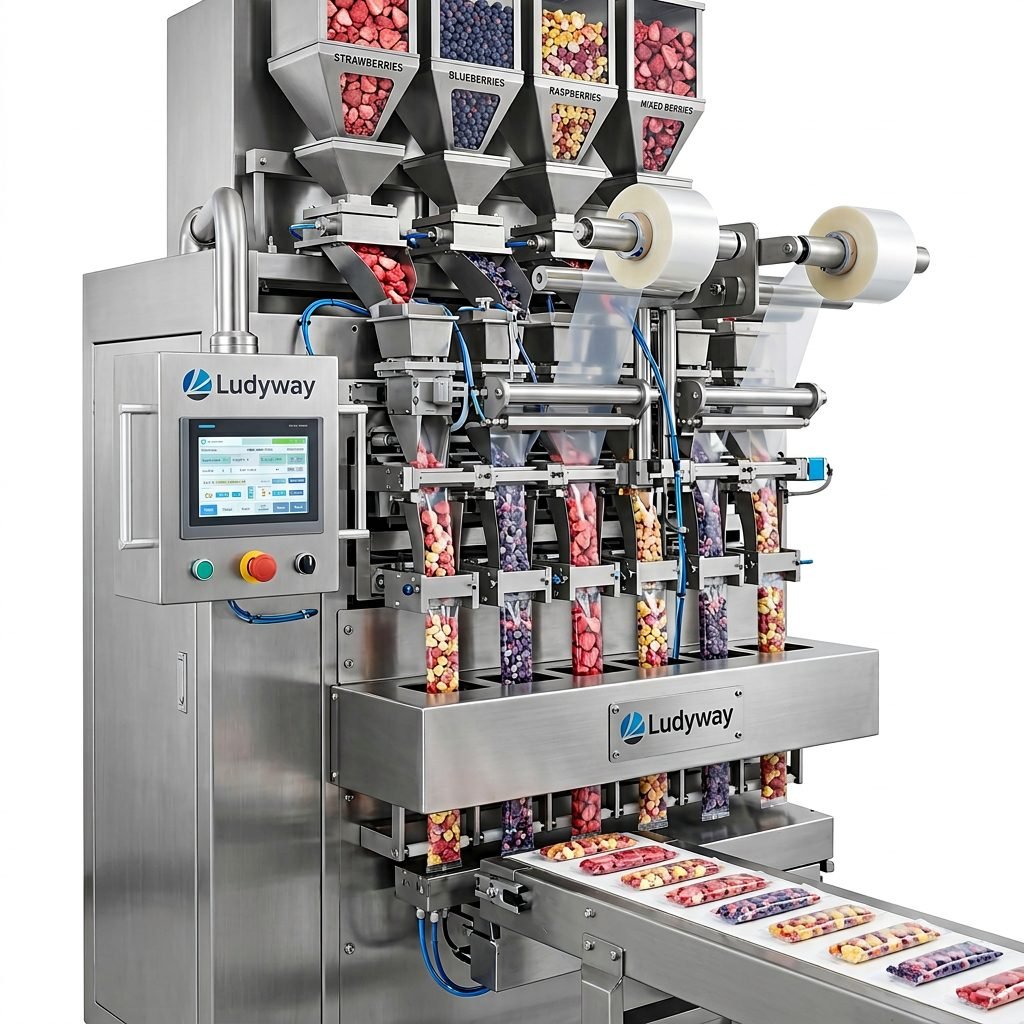
Choosing the right zipper pouch packing machine is not only about speed. It is about matching the machine to your product, pouch style, production target, hygiene standard, and future expansion plan. When the right solution is selected, manufacturers can improve output, reduce waste, maintain seal quality, and strengthen overall packaging consistency.
For food, pharmaceutical, nutraceutical, cosmetic, and chemical manufacturers, zipper pouch packaging has become increasingly popular because it offers resealability, shelf appeal, and user convenience. However, these same benefits also make machine selection more technical, especially when products differ in flowability, pouch dimensions, dosing precision, and sealing requirements.
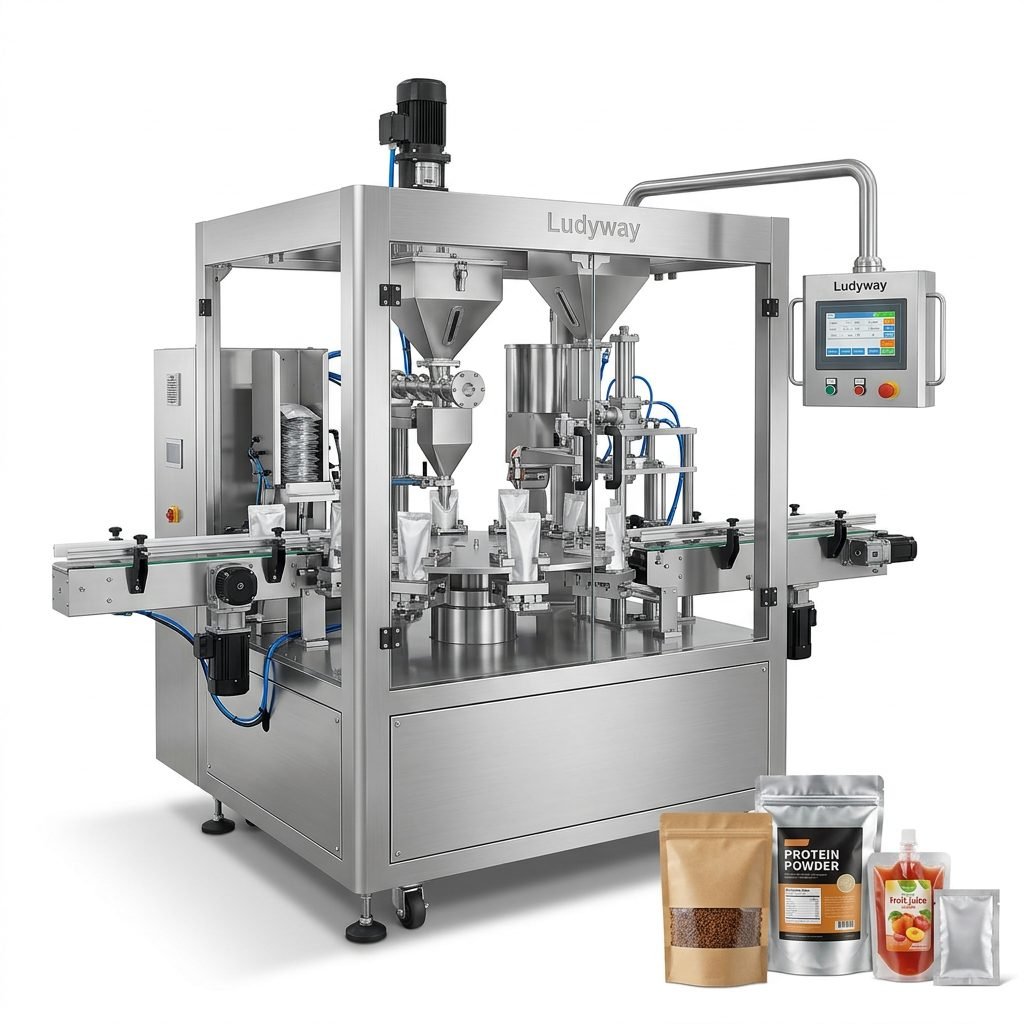
Why Zipper Pouches Are in High Demand
Zipper pouches are widely used for snacks, coffee, supplements, pet treats, powders, sauces, detergents, and many other products. Their popularity comes from both consumer and operational advantages.
- Convenient reclosure for repeated use
- Improved product freshness compared with standard open pouches
- Strong shelf presentation for retail environments
- Flexible material options, including multi-layer barrier films
- Compatibility with automation for filling, sealing, coding, inspection, and cartoning
Because zipper pouches often target higher-value products, packaging quality expectations are also higher. This means machine stability, filling accuracy, and seal integrity become central purchasing criteria.
Understand the Two Main Equipment Approaches
Most buyers evaluating zipper pouch solutions will compare two main machine paths: premade pouch packing machines and form-fill-seal based pouch systems. For zipper applications, premade pouch machines are usually the more common choice, especially for stand-up pouches with pre-applied zippers.
| Machine Type | Best For | Advantages | Considerations |
|---|---|---|---|
| Premade zipper pouch packing machine | Stand-up pouches, flat pouches, shaped pouches with zipper | High packaging quality, pouch versatility, premium presentation | Pouch cost is higher than roll film |
| Form-fill-seal pouch system | High-volume standardized formats | Lower film cost, continuous production | More limited for complex zipper pouch formats |
If your brand depends on polished retail packaging, multiple SKUs, and frequent changeovers, a premade zipper pouch machine is often the most efficient long-term investment.
Start with Product Characteristics, Not Just Machine Speed
A common buying mistake is focusing on output first. In reality, the correct starting point is the product itself. Different materials behave very differently inside a zipper pouch packing line.
1. Granules and solids
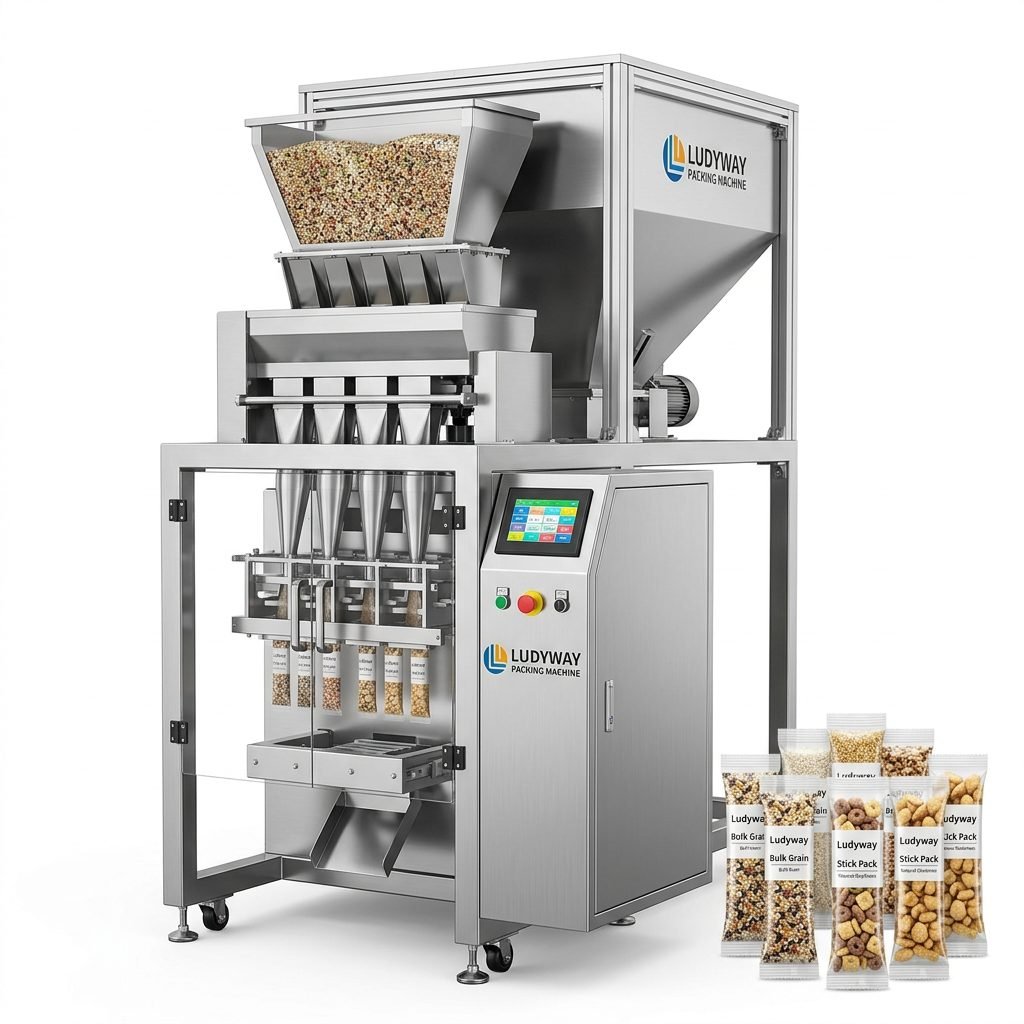
Products such as nuts, seeds, coffee beans, candy, pet treats, and tablets often require weighing systems such as multihead weighers, linear weighers, or counting devices. Fragile products also need controlled drop height and smooth discharge to reduce breakage.
2. Powders
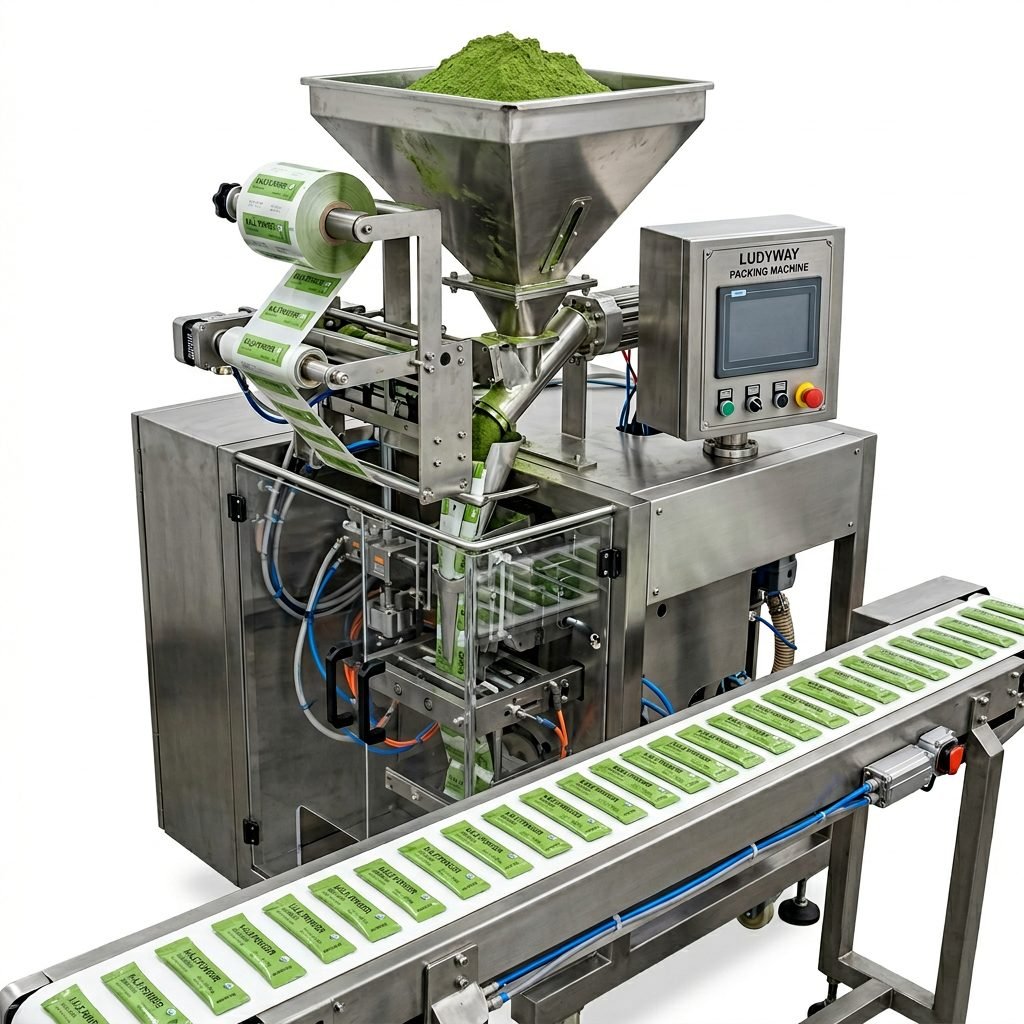
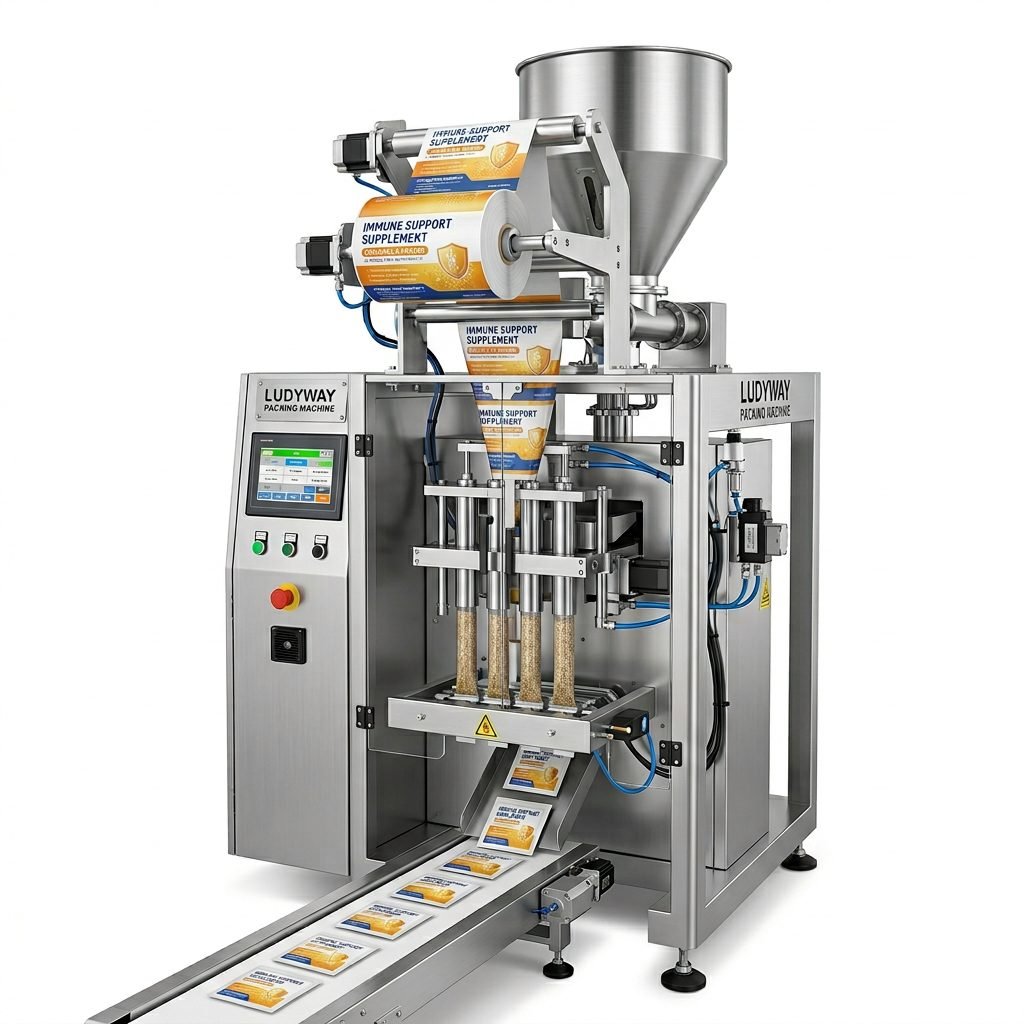
Protein powder, spices, milk powder, health supplements, and chemical powders usually need auger filling systems with dust control. Fine powders can affect sealing performance if contamination enters the seal area, so machine design should include efficient dust extraction and pouch mouth cleaning.
3. Liquids and pastes
Sauces, shampoos, lotions, and gels require piston fillers, pump filling systems, or servo-driven liquid dosing units. For zipper pouches, precise filling position matters because overflow near the zipper can damage seal quality and package appearance.
Key principle: the filling system should be selected after reviewing product density, viscosity, particle size, dust level, and flow consistency.
Critical Machine Features to Evaluate
Not all zipper pouch packing machines deliver the same production stability. Buyers should review the following factors carefully before making a decision.
Pouch opening reliability
Zipper pouches can be harder to open than standard premade pouches. A stable system should include mechanical opening, vacuum suction, air blowing, or combined opening verification to reduce failed pouch picks.
Zipper handling and top sealing accuracy
The machine should fill beneath the zipper line without contaminating the sealing area. Top seal pressure, temperature, and dwell time must be controlled precisely to maintain pouch integrity and professional appearance.
Filling accuracy
Accuracy directly affects cost control and compliance. Underfill creates complaints, while overfill increases giveaway. This is especially important in nutraceutical, pharmaceutical, and high-value food applications.
Changeover efficiency
If your factory runs multiple pouch sizes or different products, quick changeovers are essential. Tool-free adjustment, recipe memory, and user-friendly HMI controls can significantly reduce downtime.
Sanitation and cleaning convenience
Hygienic structure, accessible contact parts, and easy cleaning procedures matter for food and pharma operations. Stainless steel construction and contamination-resistant design are especially valuable for sticky or dusty products.
Automation compatibility
A modern zipper pouch line should integrate smoothly with upstream and downstream equipment, such as feeders, elevators, checkweighers, metal detectors, coding systems, labelers, case packers, and palletizers.
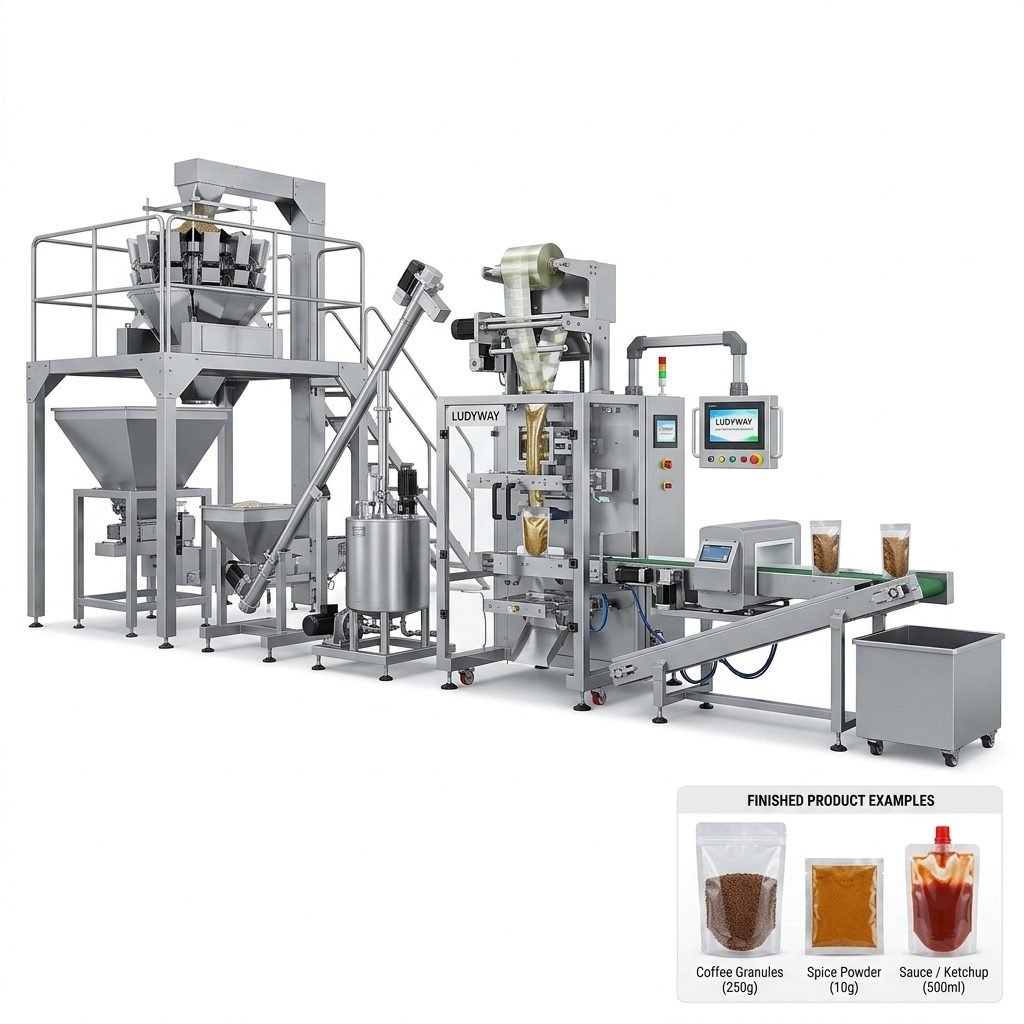
How to Match the Machine to Your Production Scale
The best solution depends heavily on your current output and growth expectations. A machine that is too small creates bottlenecks, while an oversized machine may increase unnecessary capital cost and operating complexity.
| Production Scenario | Recommended Direction | Why It Fits |
|---|---|---|
| New product launch or pilot line | Flexible semi-automatic or compact automatic premade pouch solution | Lower initial risk, easier validation, supports SKU testing |
| Growing mid-volume brand | Rotary automatic zipper pouch packing machine | Balanced speed, quality, and changeover flexibility |
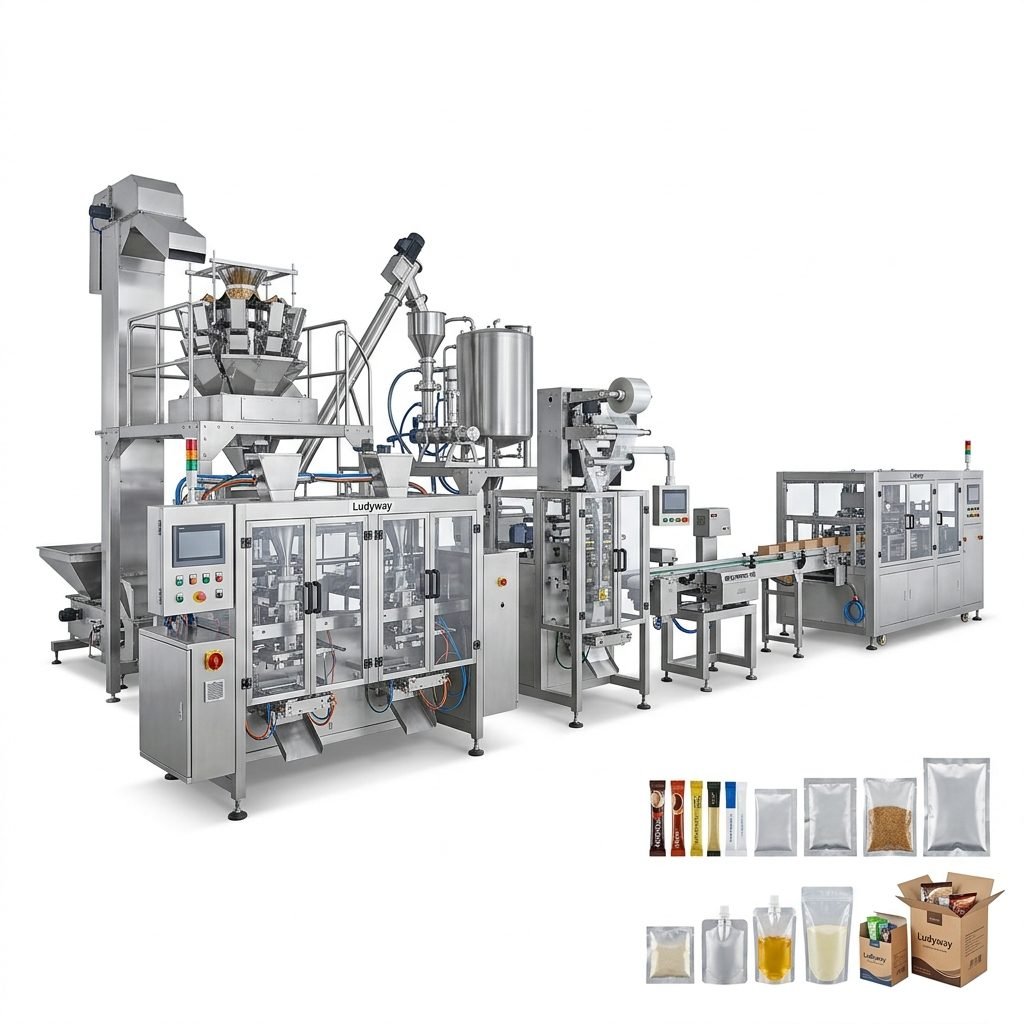
| Large-scale factory | Integrated turnkey pouch line with conveying, inspection, cartoning, and end-of-line automation | Higher throughput, lower labor dependency, stronger consistency |
Questions Buyers Should Ask Before Purchasing
The quality of your supplier evaluation often determines the success of the project. Before selecting a zipper pouch machine, ask these practical questions:
- What pouch materials and zipper formats has the machine already run successfully?
- What product range can the filling system handle without major modification?
- What is the real production speed under my actual product and pouch conditions?
- How much time is needed for size changeover and cleaning?
- What are the expected filling accuracy and sealing rejection rates?
- Can the supplier provide sample testing with my pouches and product?
- What spare parts, training, and after-sales support are available for export customers?
- Can the line be expanded later with coding, inspection, cartoning, or palletizing modules?
These questions help buyers move beyond brochure specifications and assess actual line performance in real production conditions.
Why Turnkey Integration Often Delivers Better Efficiency
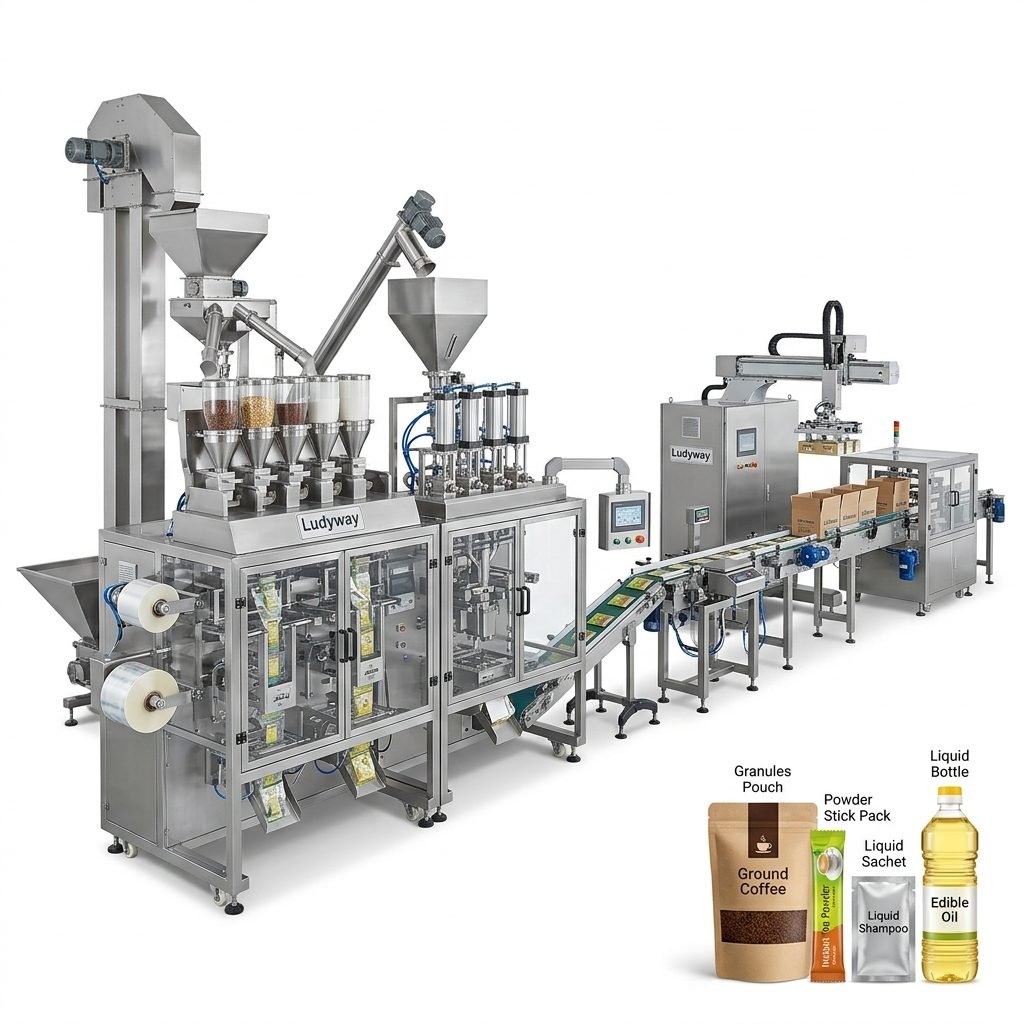
Many factories initially purchase a single machine, only to discover later that upstream feeding and downstream handling limit overall efficiency. In zipper pouch projects, the machine performs best when it is part of a coordinated system rather than an isolated unit.
A complete line may include:
- Automatic feeding or product conveying
- Weighing, counting, auger, or liquid dosing modules
- Premade zipper pouch loading and opening
- Filling, sealing, and coding
- Checkweighing and metal detection
- Vision inspection or rejection systems
- Cartoning, case packing, and palletizing
This kind of integrated layout reduces manual intervention, lowers handling errors, and makes production scheduling more predictable.
Common Mistakes That Reduce Packaging Efficiency
Even a high-quality machine can underperform if the project is not specified correctly. The following issues are common in zipper pouch automation projects:
- Choosing by maximum speed only instead of stable working speed
- Ignoring pouch quality variation from different pouch suppliers
- Underestimating powder dust or liquid splashing in the seal area
- Not planning for changeovers across SKUs and pouch sizes
- Overlooking downstream bottlenecks such as coding, inspection, and packing-out
- Buying without sample testing using real product and real pouches
Avoiding these mistakes can significantly shorten commissioning time and improve return on investment.
Industries That Benefit Most from Zipper Pouch Machines
Zipper pouch packaging is especially effective in sectors where freshness, dosing control, appearance, and convenience are important.
| Industry | Typical Products | Key Requirement |
|---|---|---|
| Food | Snacks, coffee, spices, nuts, dried fruit, sauces | Freshness, appearance, high seal quality |
| Pharmaceutical & nutraceutical | Powders, granules, supplements, tablets | Precision, hygiene, batch traceability |
| Cosmetics & personal care | Creams, masks, salts, beauty powders | Leak-free filling, clean sealing, attractive presentation |
| Pet products | Treats, pet supplements, dry snacks | Durable packs, controlled weights, convenience |
| Chemicals & household products | Detergents, cleaners, additives | Material compatibility, accurate dosing, safe sealing |
How to Evaluate a Packaging Machine Manufacturer
The machine itself is only part of the investment. The supplier’s engineering strength, export experience, and service capability are equally important. Buyers should look for a manufacturer with proven technical depth, production capacity, and application knowledge across multiple industries.
For companies seeking scalable packaging automation, Ludyway zipper pouch packing machine solutions are backed by more than 30 years of packaging industry experience, a manufacturing base of over 20,000 square meters, and broad turnkey line capabilities for food, pharmaceutical, health supplement, cosmetic, and related sectors.
A strong supplier should offer:
- Machine selection based on actual application testing
- Customization for pouch size, filling method, and output target
- Stable export support and technical documentation
- Commissioning, training, and after-sales service
- Ability to integrate complete packaging lines, not just standalone machines
Practical Buying Checklist
Before placing an order, confirm the following project details internally:
- Product type: granule, powder, liquid, paste, tablet, mixed product
- Pouch style: stand-up, flat, gusseted, shaped, with zipper position details
- Output target: hourly and daily production expectations
- Accuracy requirement: allowable weight deviation
- Material specs: pouch dimensions, laminate structure, barrier needs
- Plant conditions: power supply, compressed air, floor space, hygiene standards
- Future growth plan: additional SKUs, coding, cartoning, or palletizing
A clear technical brief makes it much easier to receive an accurate quotation and a more suitable machine proposal.
Final Thought for Efficient Packaging Decisions
The right zipper pouch packing machine should do more than fill and seal. It should support stable output, consistent quality, low waste, smooth changeovers, and future automation upgrades. The most efficient solution is the one that fits your product characteristics, pouch structure, plant layout, and long-term business goals.
When evaluating options, focus on real application performance, line integration, and supplier capability. That approach will help you choose a zipper pouch packing solution that improves packaging efficiency today while supporting scalable growth tomorrow.