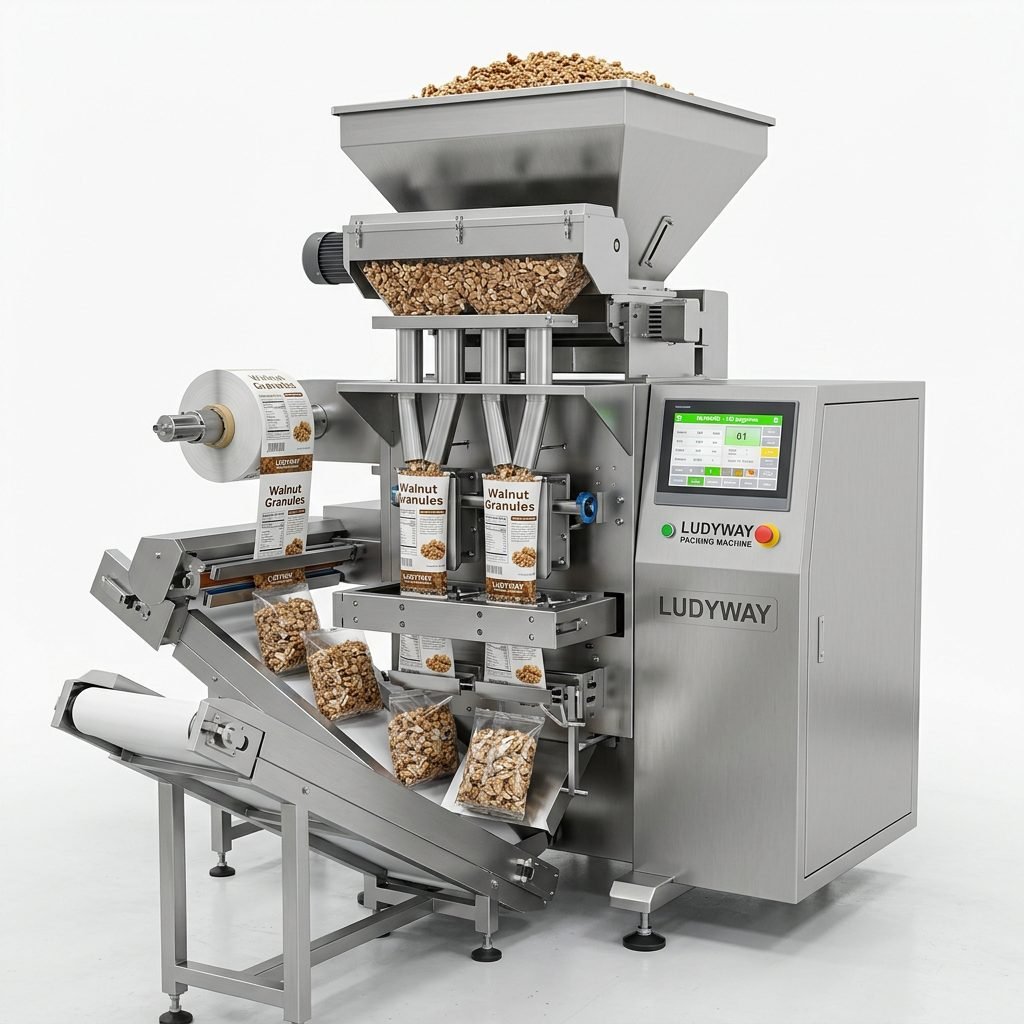
Setting up a salsa packaging machine production line in France requires careful planning, adherence to strict European regulations, and selecting equipment that can handle the unique viscosity and particulate nature of salsa products. Whether you are packaging fresh salsa, cooked salsa, or shelf-stable varieties, the right approach can significantly impact your operational efficiency and product quality. This guide walks you through every critical step—from understanding French market regulations to choosing the ideal machinery and optimizing your entire packaging workflow.
Understanding the French Salsa and Sauce Market Landscape
France represents one of Europe’s most dynamic markets for packaged sauces and condiments. The demand for salsa products—including traditional tomato-based salsas, fruit salsas, and gourmet varieties—has grown steadily, driven by changing consumer preferences toward international cuisines and convenient meal solutions. Before investing in a salsa packaging production line, understanding the market demand, distribution channels, and competitive landscape is essential. French retailers and consumers expect high-quality packaging standards that preserve freshness while meeting sustainability goals.
Key Market Insights for Salsa Packaging in France
- Growing demand for ethnic and Mexican-inspired foods across French supermarket chains
- Increasing preference for single-serve sachet and stick pack formats in retail and food service
- Rising importance of sustainable packaging materials aligned with EU environmental directives
- Strong presence of private-label salsa brands requiring flexible co-packing solutions
French and EU Regulatory Requirements for Salsa Packaging
Compliance with French and European Union regulations is non-negotiable when establishing a salsa packaging operation. The European Commission’s Packaging and Packaging Waste Regulation sets strict guidelines on packaging materials, recyclability, and waste reduction targets. Additionally, food contact materials must comply with EU framework regulations to ensure consumer safety.
Critical Regulatory Areas to Address
| Regulatory Area | Key Requirements | Applicable Standards |
|---|---|---|
| Food Contact Materials | All packaging that touches salsa must be food-grade and migration-tested | EU Regulation (EC) No 1935/2004 |
| Packaging Waste | Producers must register with French EPR schemes and meet recycling targets | EU Packaging Directive 94/62/EC |
| Hygiene & Safety | Machinery must meet CE certification and food hygiene standards | EN 1672-2, ISO 14159 |
| Labeling | Mandatory allergen, nutritional, and origin labeling in French | EU Regulation 1169/2011 |
For detailed guidance on food packaging safety standards, referencing international best practices alongside EU-specific requirements ensures comprehensive compliance. The Flexible Packaging Association’s regulatory resources also provide valuable insights into evolving packaging legislation that affects salsa producers exporting to or within Europe.
Choosing the Right Salsa Packaging Machine Configuration
Selecting the appropriate salsa packaging equipment depends on your production volume, packaging format, and product characteristics. Salsa presents unique challenges due to its particulate content—containing chunks of tomatoes, onions, and peppers—which requires specialized filling systems that prevent clogging while maintaining portion accuracy. Modern packaging machinery innovations offer versatile solutions for handling these complexities.
Recommended Packaging Machine Types for Salsa
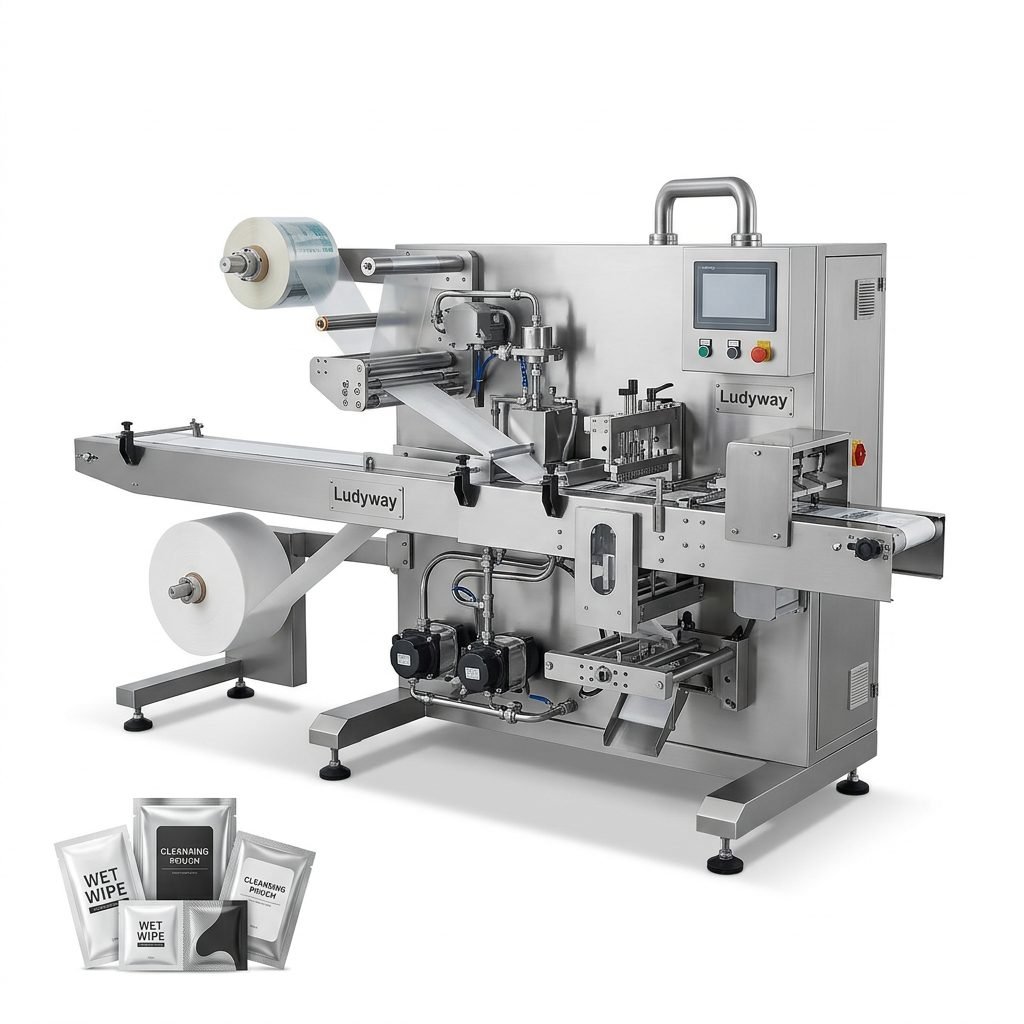
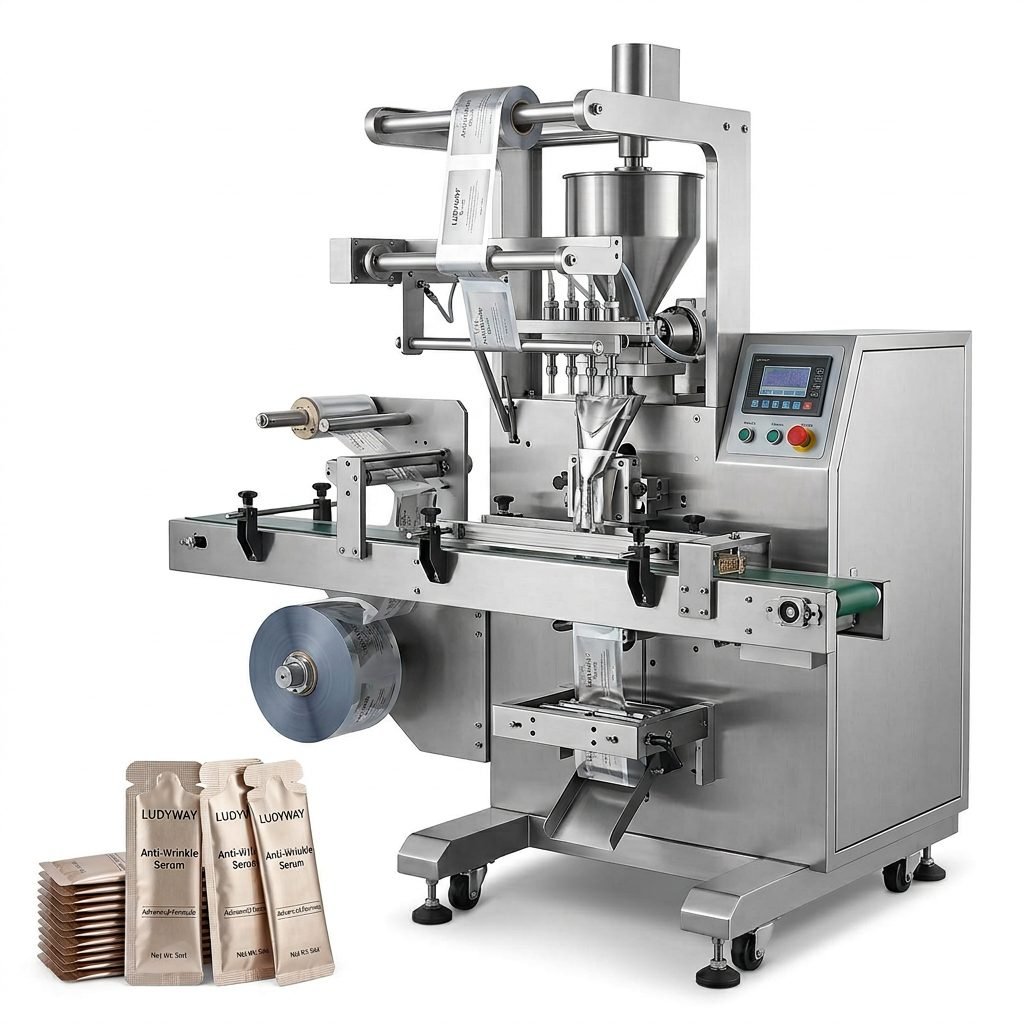
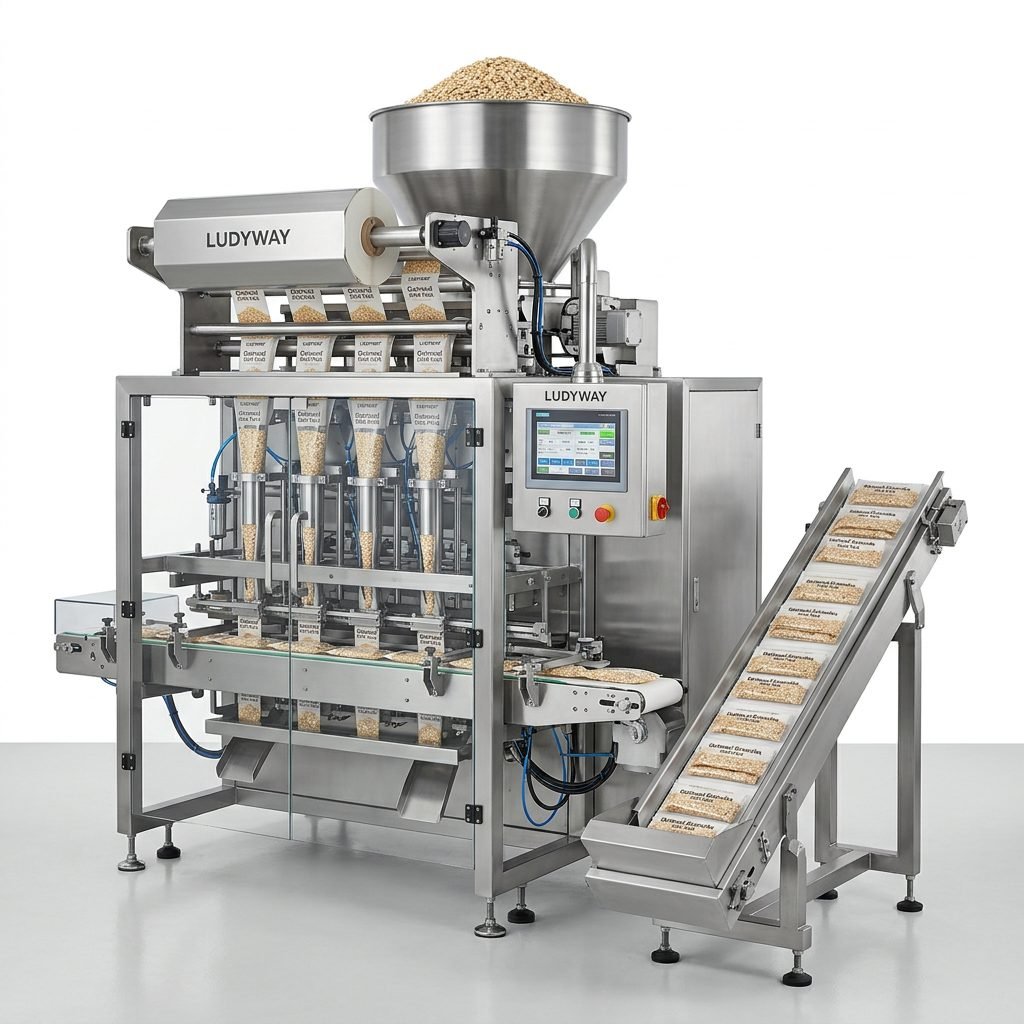
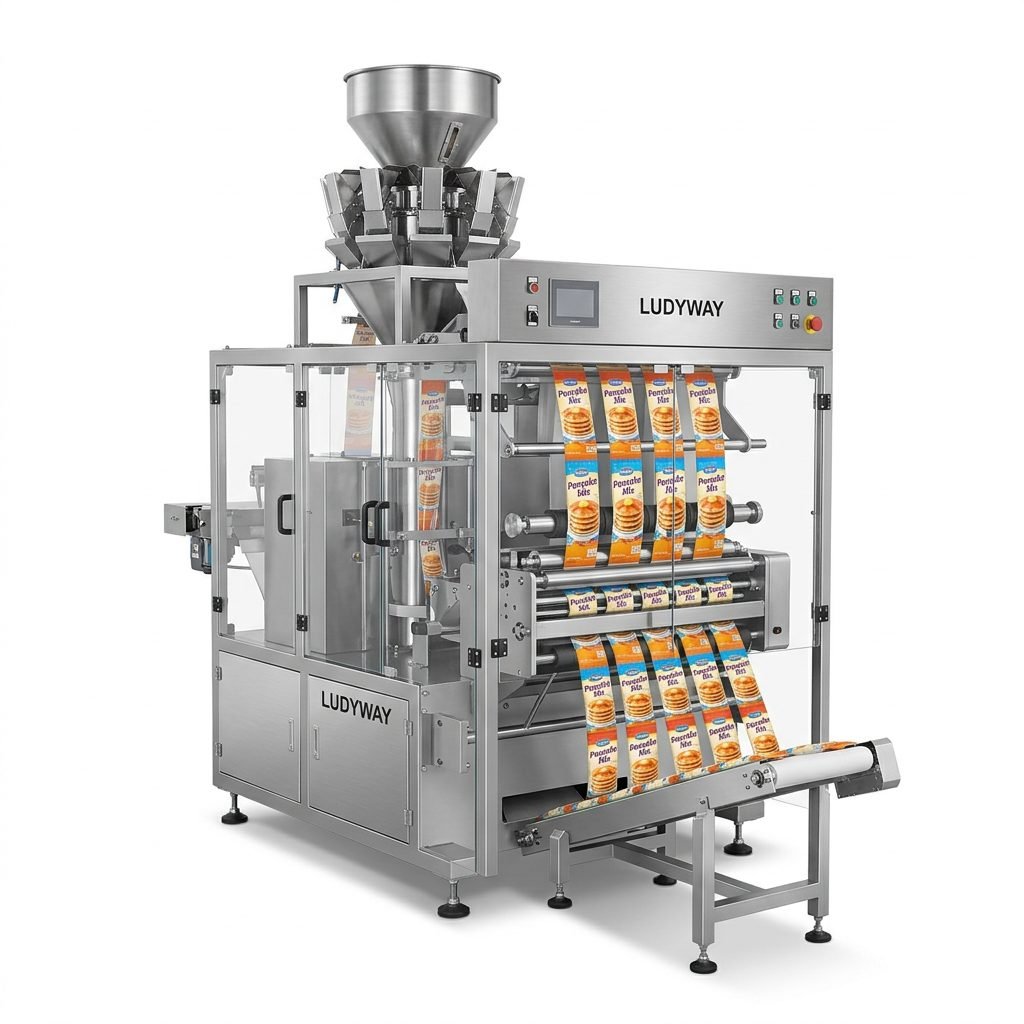
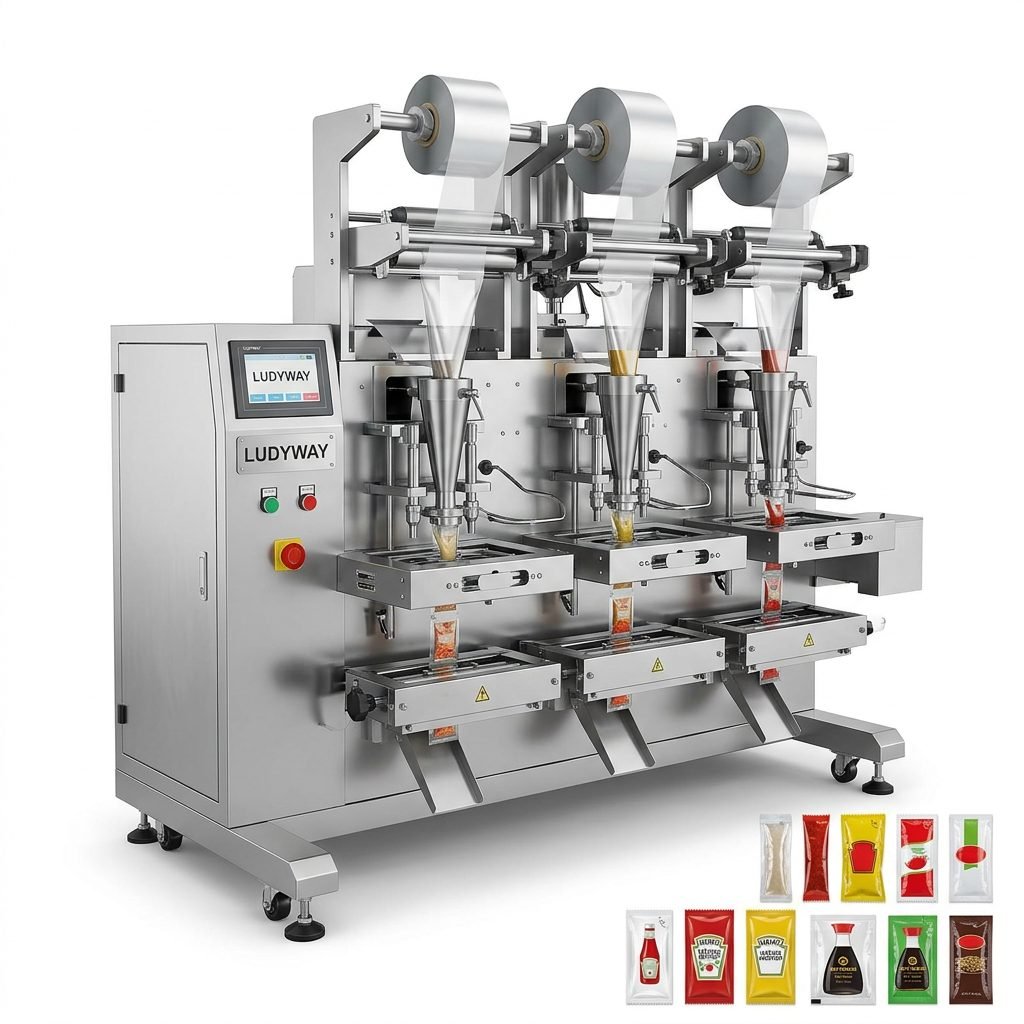
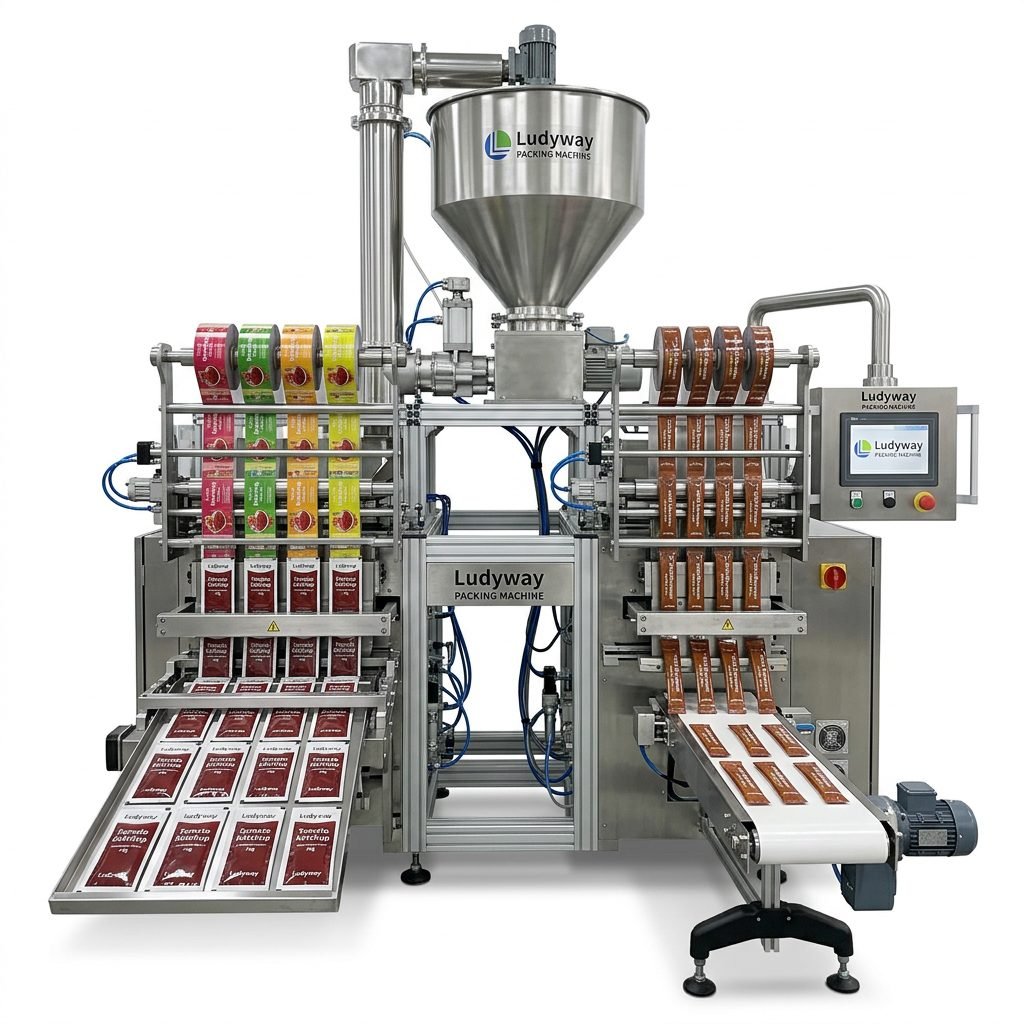
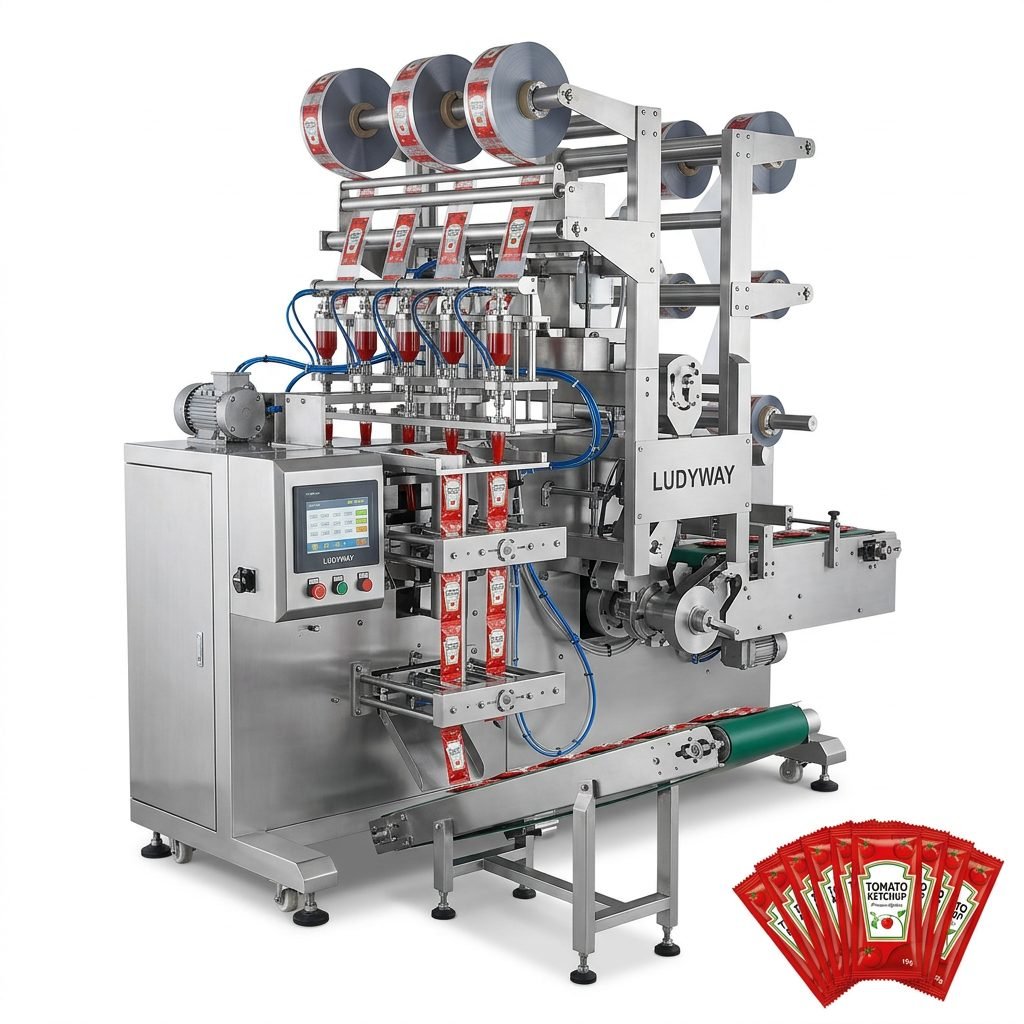
- Multi-lane sachet machines – Ideal for single-serve salsa portions used in food service and retail sample packs
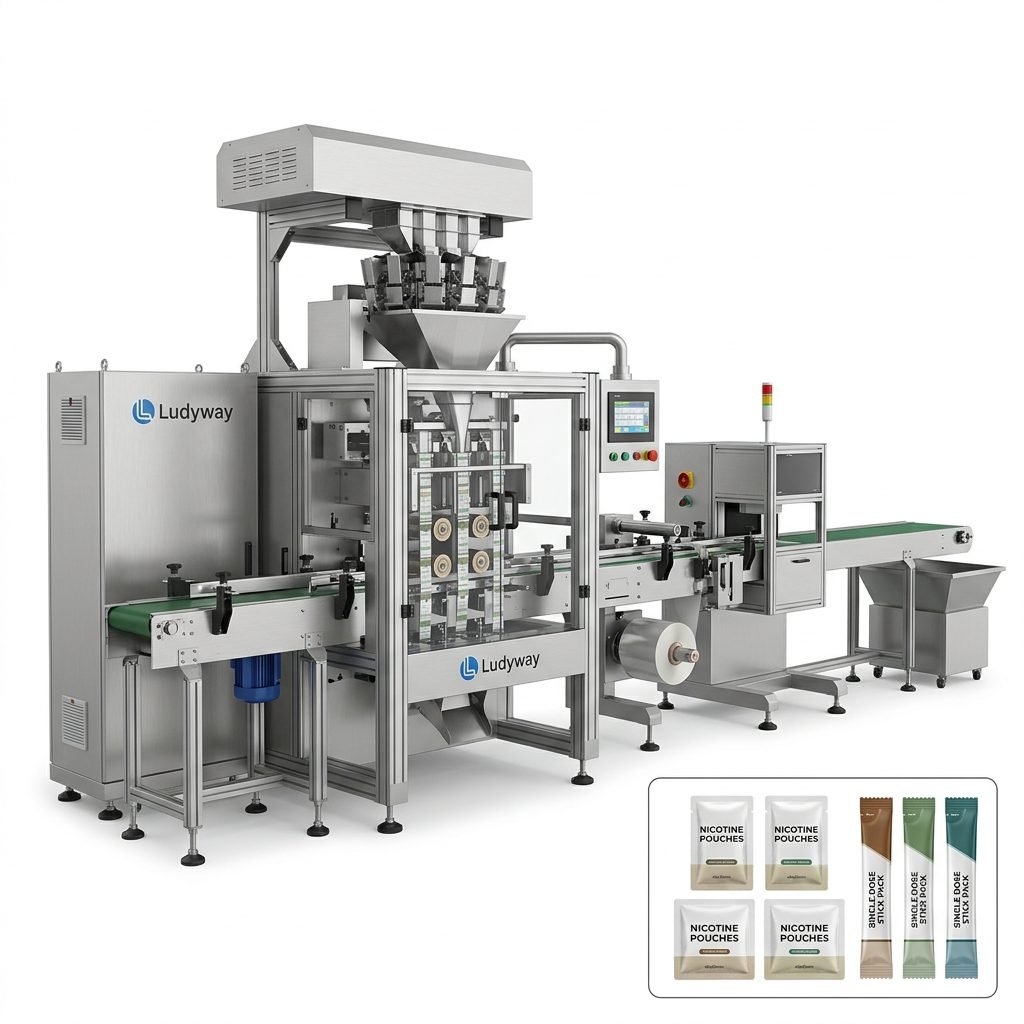
- Stick pack packaging systems – Perfect for narrow, elongated salsa portions popular in French convenience stores
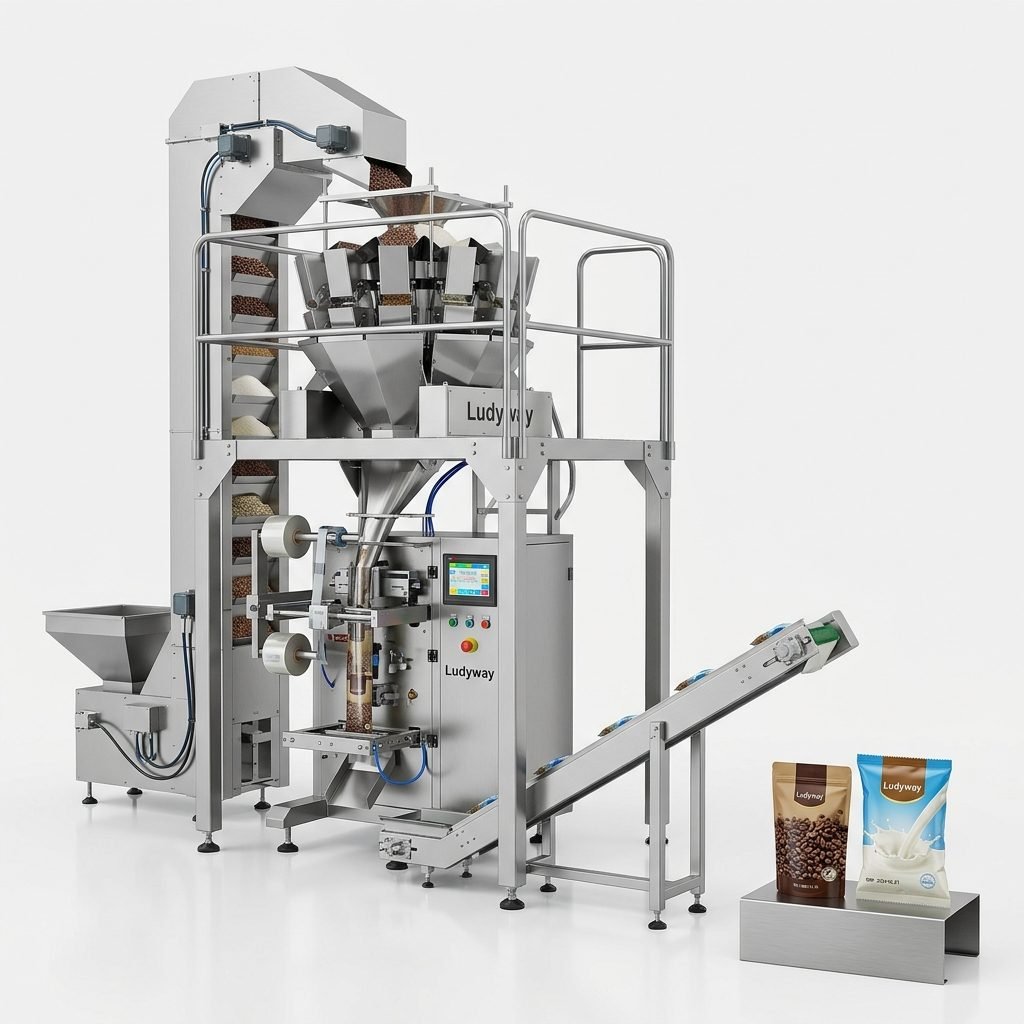
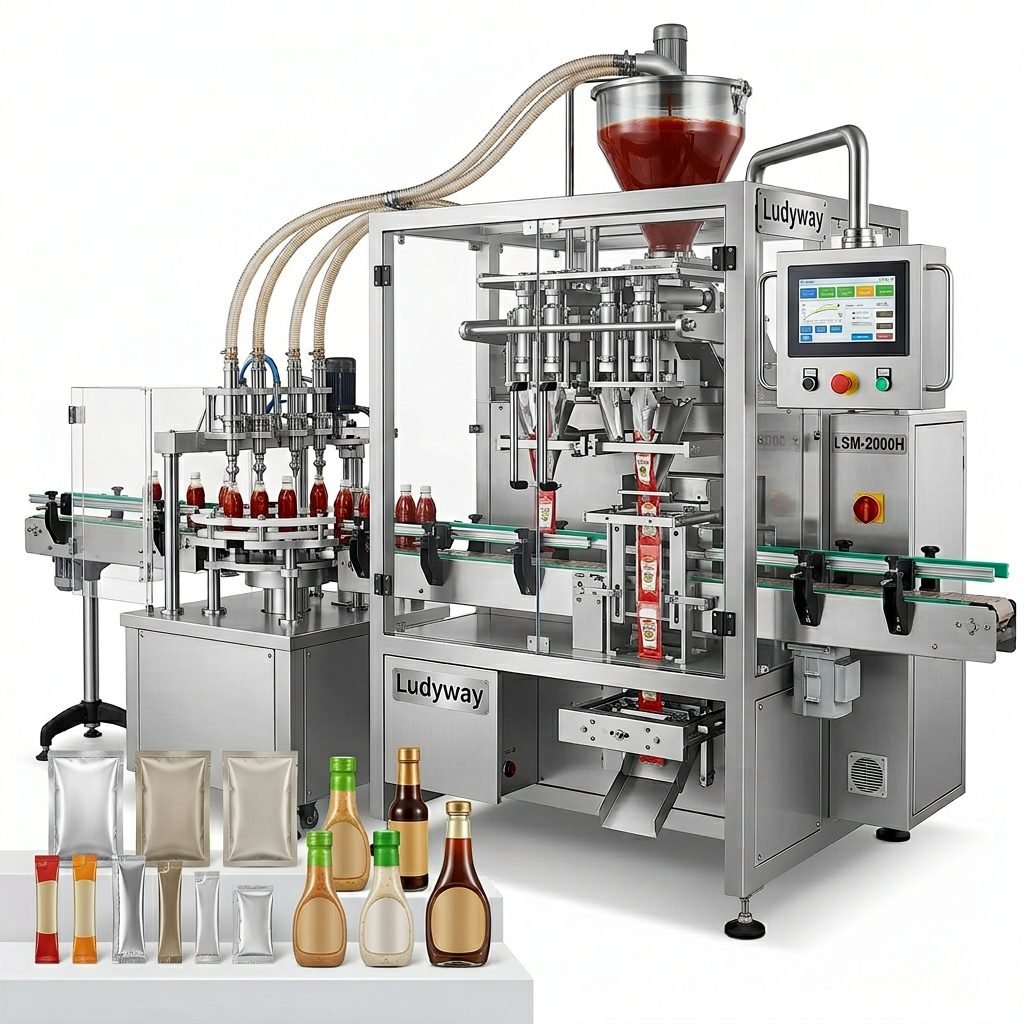
- Pouch filling and sealing lines – Suitable for larger family-sized salsa formats with resealable features
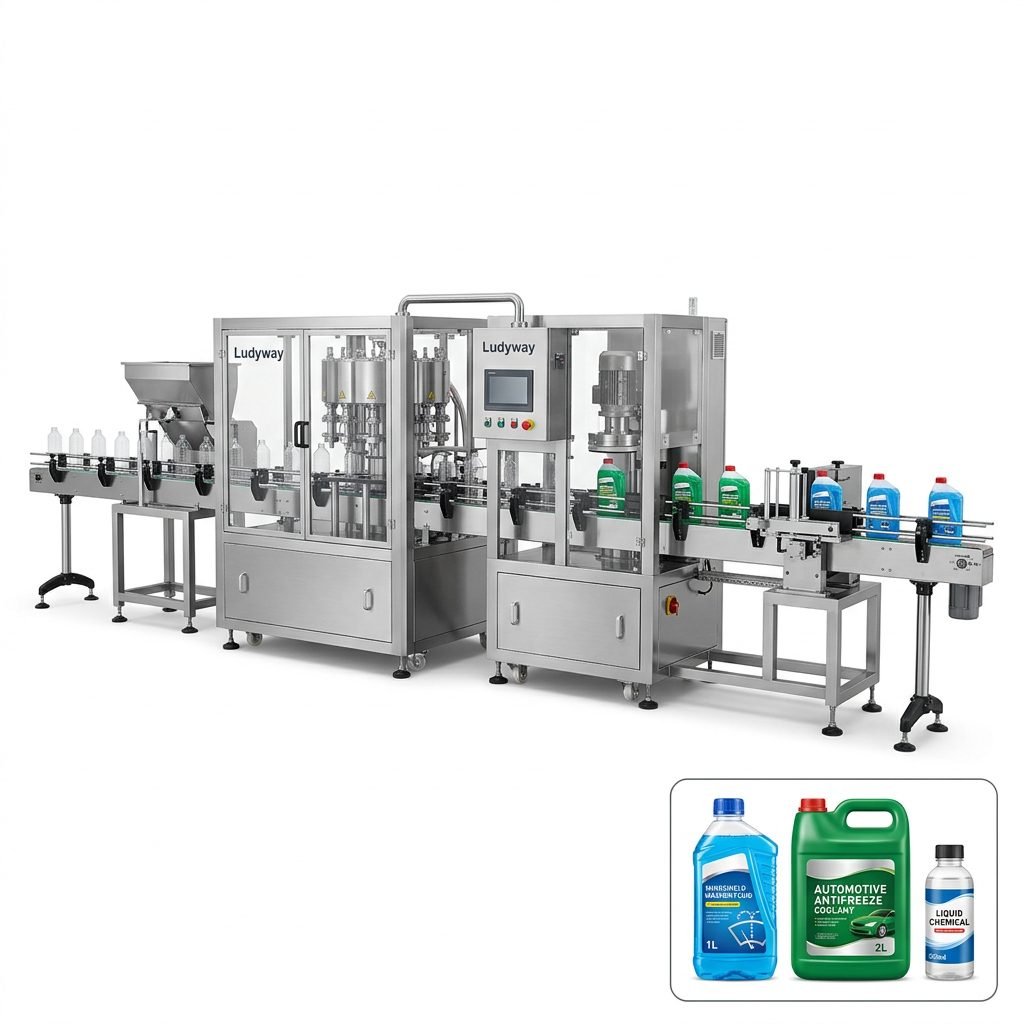
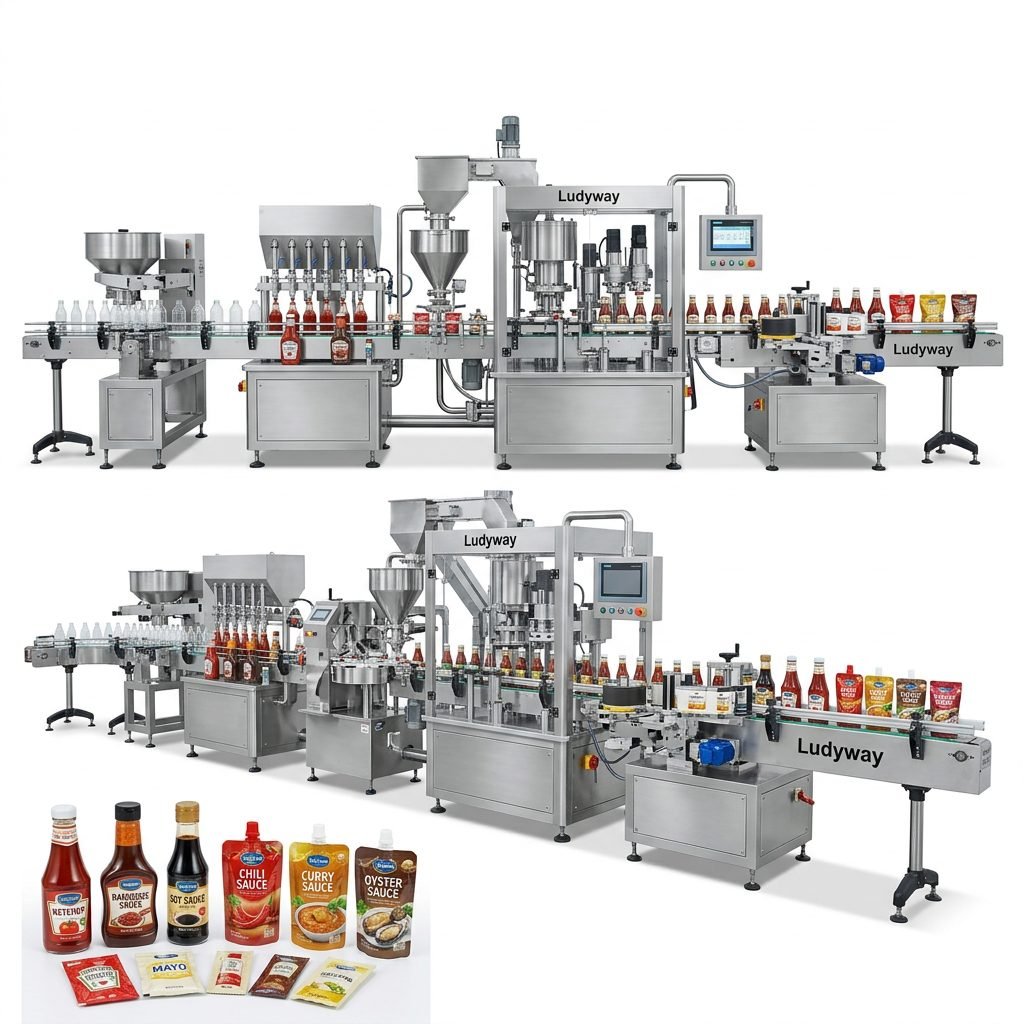
- Bottle and jar filling systems – Traditional format for premium salsa products sold in glass or PET containers
Key Features to Look for in Salsa Packaging Equipment
| Feature | Why It Matters for Salsa |
|---|---|
| Particle-tolerant filling nozzles | Prevents clogging from tomato chunks, onion pieces, and pepper bits |
| Precision volumetric dosing | Ensures consistent portion control despite varying salsa viscosity |
| Stainless steel construction | Resists acidic tomato corrosion and meets food-grade hygiene standards |
| CIP/SIP compatibility | Enables efficient cleaning between production batches to prevent cross-contamination |
| Modified atmosphere packaging | Extends shelf life for fresh salsa products distributed across French retail chains |
Production Line Layout and Facility Planning in France
Designing an efficient salsa packaging production line layout requires balancing throughput goals with available floor space while adhering to French workplace safety standards. The layout should facilitate a logical flow from raw salsa receiving through filling, sealing, coding, inspection, and secondary packaging. ISO packaging standards provide internationally recognized guidelines for designing safe and efficient packaging operations.
Essential Components of a Salsa Packaging Line
- Salsa holding and agitation tanks – Maintain product consistency and prevent particulate settling before filling
- Product transfer pumps – Gentle handling systems that preserve salsa texture and chunk integrity
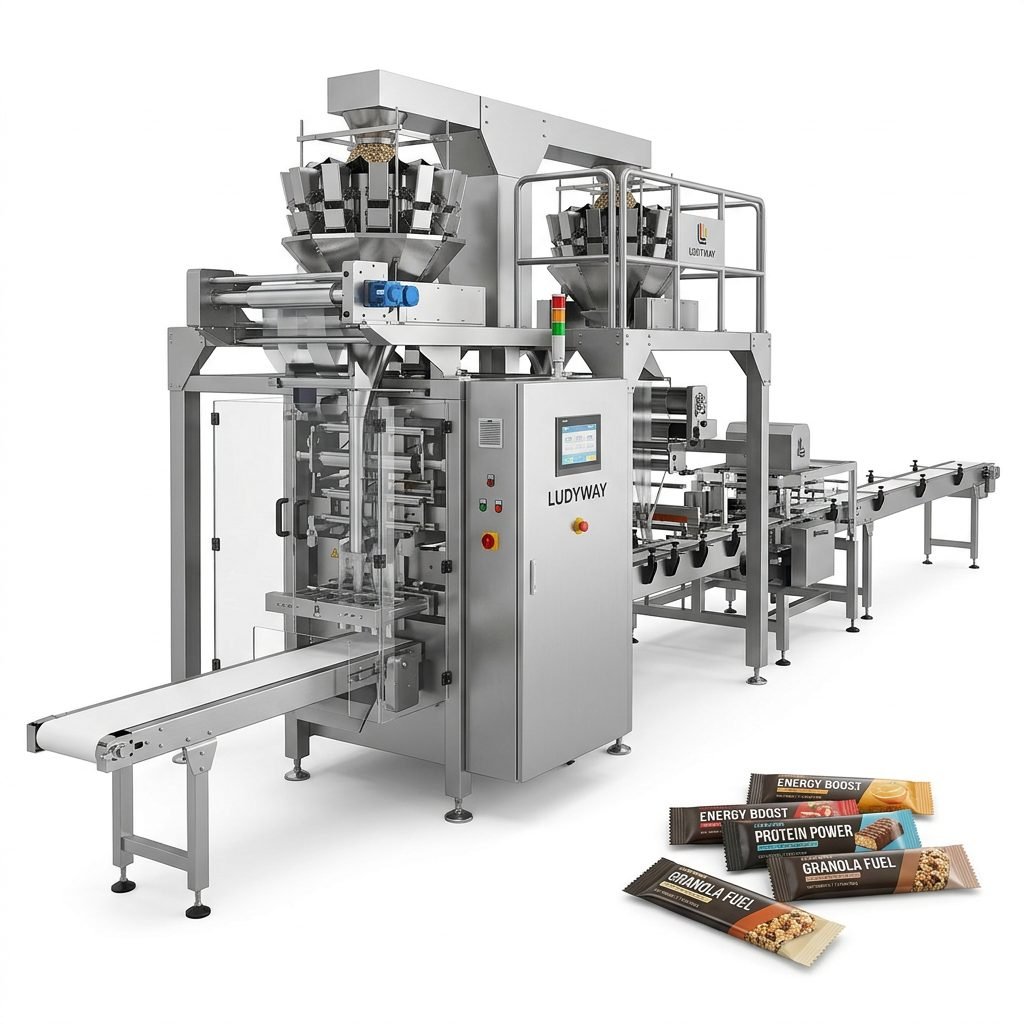
- Primary packaging machine – The core sachet, stick pack, pouch, or bottle filler-sealer unit
- Inline checkweigher – Ensures every salsa package meets net weight regulations
- Metal detector and X-ray inspection – Critical for food safety and French retailer compliance
- Date coding and labeling systems – Apply batch codes, expiry dates, and French-language labels
- Secondary cartoning or case packing – Prepares finished salsa packages for distribution
Installation, Commissioning, and Staff Training
Proper installation and commissioning are critical for ensuring your salsa packaging line operates at peak efficiency from day one. Working with experienced technicians who understand both the machinery and ISO 11607 packaging validation requirements helps avoid costly delays. French labor regulations also mandate comprehensive operator training on safety procedures and equipment operation.
Commissioning Checklist for Salsa Packaging Lines
| Phase | Key Activities | Timeline |
|---|---|---|
| Pre-installation | Site preparation, utility connections, floor leveling, and electrical setup | 1-3 weeks |
| Mechanical installation | Equipment positioning, conveyor integration, and subsystem connections | 1-2 weeks |
| Dry testing | Mechanical cycling without product to verify timing and sensor calibration | 3-5 days |
| Product testing | Running actual salsa through the line to adjust fill accuracy and seal integrity | 1-2 weeks |
| Operator training | Hands-on instruction covering operation, cleaning, troubleshooting, and safety | 5-7 days |
Maintenance Strategies for Long-Term Reliability
Implementing a proactive maintenance program ensures your salsa packaging production line maintains consistent output and minimizes unplanned downtime. Given the acidic nature of salsa products, corrosion prevention and regular seal integrity checks are particularly important. Referencing industry maintenance benchmarks can help establish realistic performance targets.
Recommended Maintenance Practices
- Daily cleaning protocols – Thorough washdown of all product-contact surfaces with food-grade cleaning agents
- Weekly seal integrity testing – Verify heat-seal strength and adjust temperature parameters as needed
- Monthly preventive maintenance – Inspect belts, bearings, sensors, and pneumatic components for wear
- Quarterly calibration – Verify weighing, temperature, and timing systems against certified standards
- Annual comprehensive overhaul – Full inspection, parts replacement, and performance optimization
Sustainability and Packaging Material Selection
French consumers and regulators increasingly prioritize environmentally responsible packaging. The EU Packaging and Packaging Waste Regulation mandates progressive recycling targets that directly impact salsa packaging choices. Selecting recyclable mono-material films, reducing packaging weight, and incorporating post-consumer recycled content are strategies that align with both regulatory requirements and consumer expectations. The Flexible Packaging Association offers extensive resources on sustainable flexible packaging innovations applicable to salsa products.
Partnering with the Right Equipment Supplier
Choosing a reliable packaging machinery partner is one of the most important decisions when establishing a salsa production line in France. Look for suppliers with proven experience in liquid and particulate food applications, comprehensive after-sales support, and familiarity with European regulatory requirements. Ludyway, one of the largest packaging machine manufacturers in China with over 30 years of industry experience and a 20,000㎡ modern production facility, offers advanced packaging solutions for granule, powder, liquid, and pouch applications, serving customers in over 100 countries with reliable turnkey production line solutions. When evaluating suppliers, consider factors such as packaging machinery standards, technical support availability in France, and the supplier’s track record with similar salsa or sauce applications.
Cost Considerations and ROI Analysis
Investing in a salsa packaging machine production line represents a significant capital expenditure, and understanding the total cost of ownership is essential for accurate ROI projections. Beyond the initial equipment purchase, factor in installation, training, maintenance, spare parts inventory, and ongoing material costs. The 2025 State of the Industry report provides valuable context on packaging machinery investment trends and benchmark performance metrics that can inform your financial planning.
Total Cost of Ownership Components
| Cost Category | Estimated Share of TCO | Optimization Strategies |
|---|---|---|
| Equipment purchase | 40-50% | Compare multiple suppliers and negotiate turnkey package pricing |
| Packaging materials | 25-30% | Optimize film thickness and reduce waste through precise machine settings |
| Maintenance & spares | 10-15% | Invest in preventive maintenance to avoid costly emergency repairs |
| Labor & training | 10-15% | Cross-train operators and implement efficient shift schedules |
Future-Proofing Your Salsa Packaging Operation
As the French food packaging landscape evolves, future-proofing your salsa production line ensures long-term competitiveness. Consider investing in modular equipment designs that allow for format changes and capacity upgrades without complete line replacement. Digital integration—including Industry 4.0 connectivity for real-time production monitoring, predictive maintenance alerts, and automated quality reporting—is becoming increasingly important for French food manufacturers seeking to optimize efficiency and traceability.
Emerging Trends Impacting Salsa Packaging in France
- Smart packaging with QR codes linking to product origin and recipe information
- Recyclable mono-material structures replacing multi-layer laminates
- Automation and robotics for end-of-line palletizing and warehouse integration
- Data-driven quality control using inline vision systems and statistical process control
Conclusion
Setting up a salsa packaging machine production line in France is a multifaceted project that demands careful attention to regulatory compliance, equipment selection, facility planning, and ongoing maintenance. By understanding French market dynamics, adhering to EU packaging directives, selecting particle-tolerant filling equipment, and partnering with experienced machinery suppliers, you can build a packaging operation that delivers consistent quality, operational efficiency, and long-term profitability. For additional guidance on packaging industry trends and forecasts, staying informed through industry associations and continuous benchmarking against flexible packaging industry data will help maintain your competitive edge in the dynamic French food market.