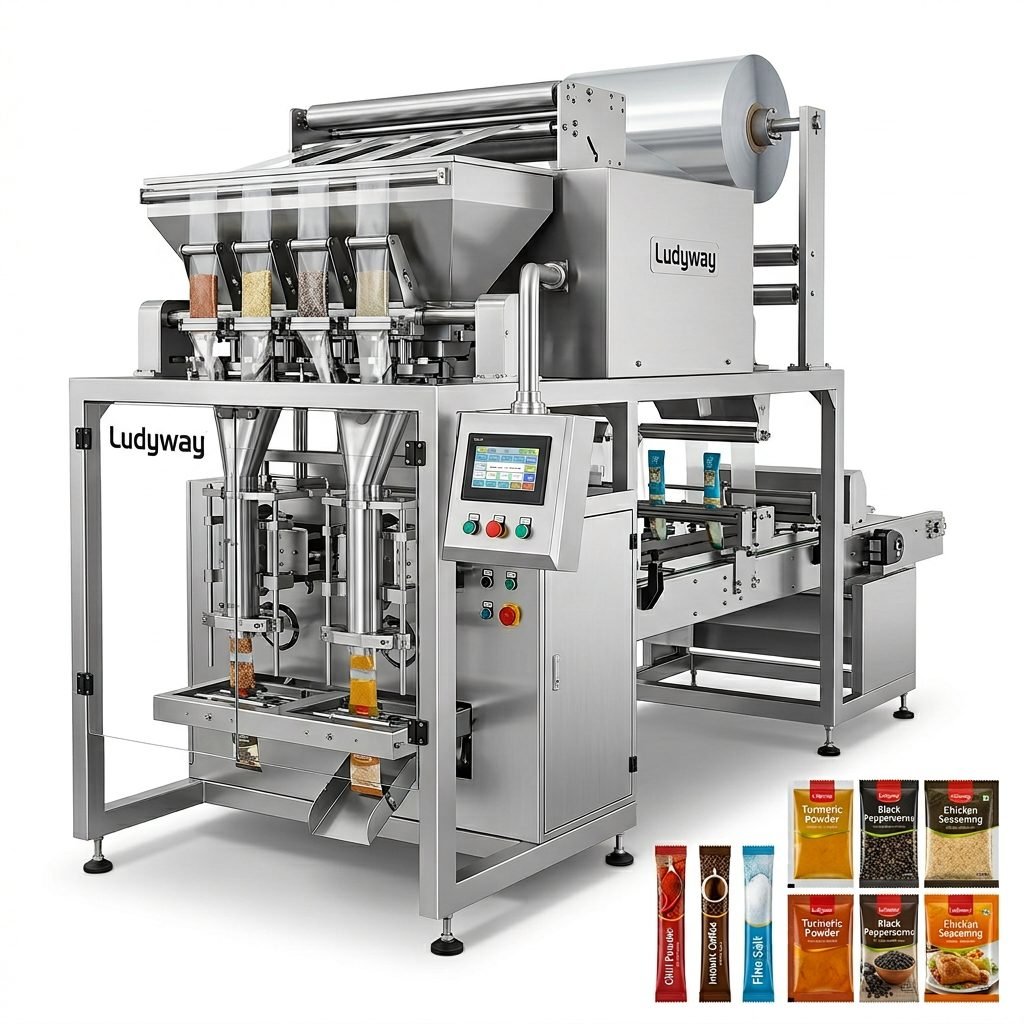
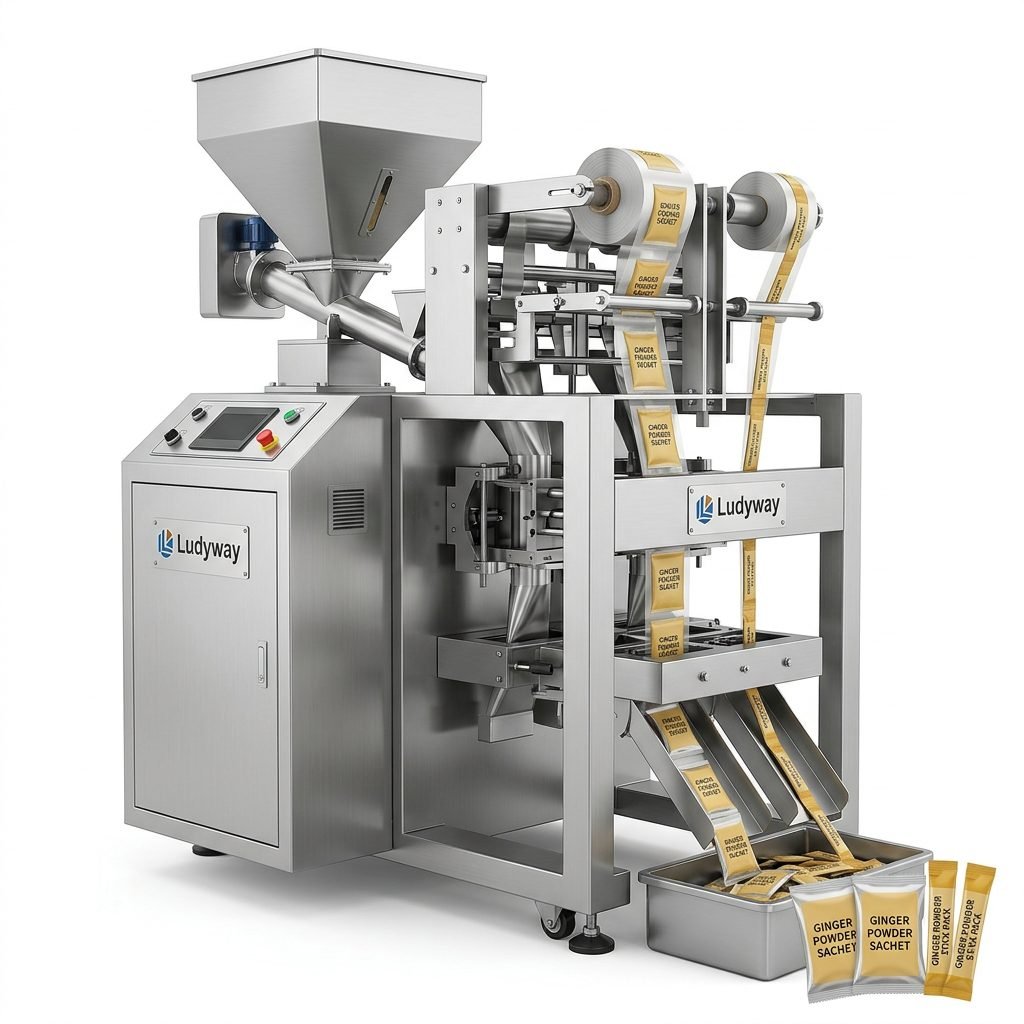
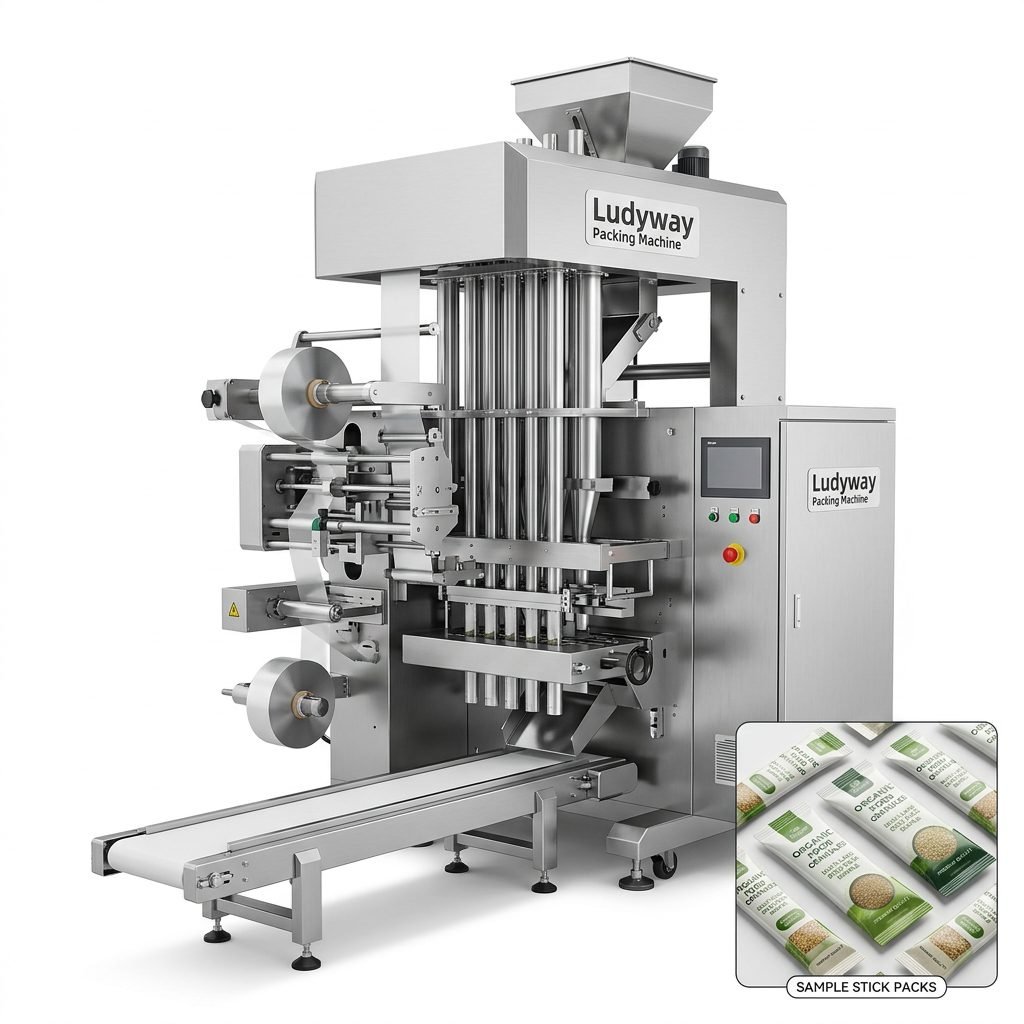
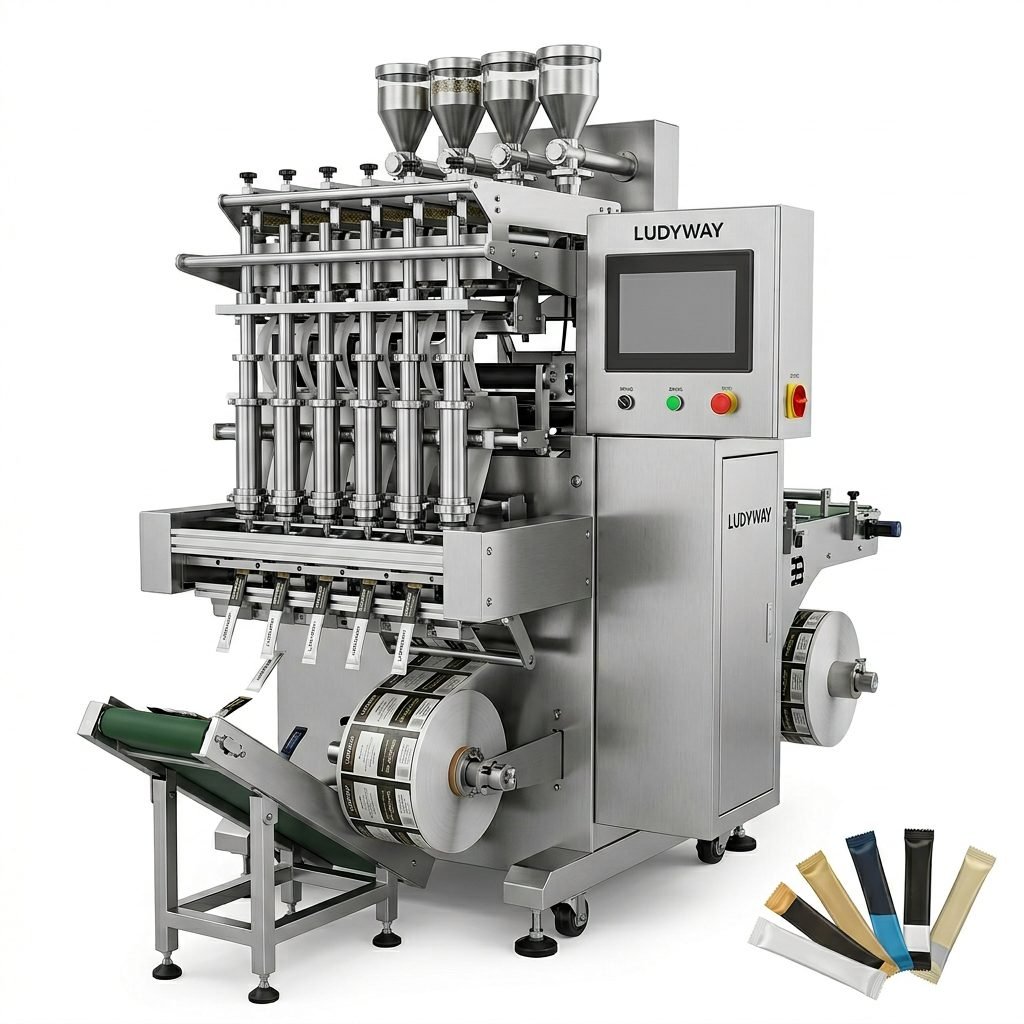
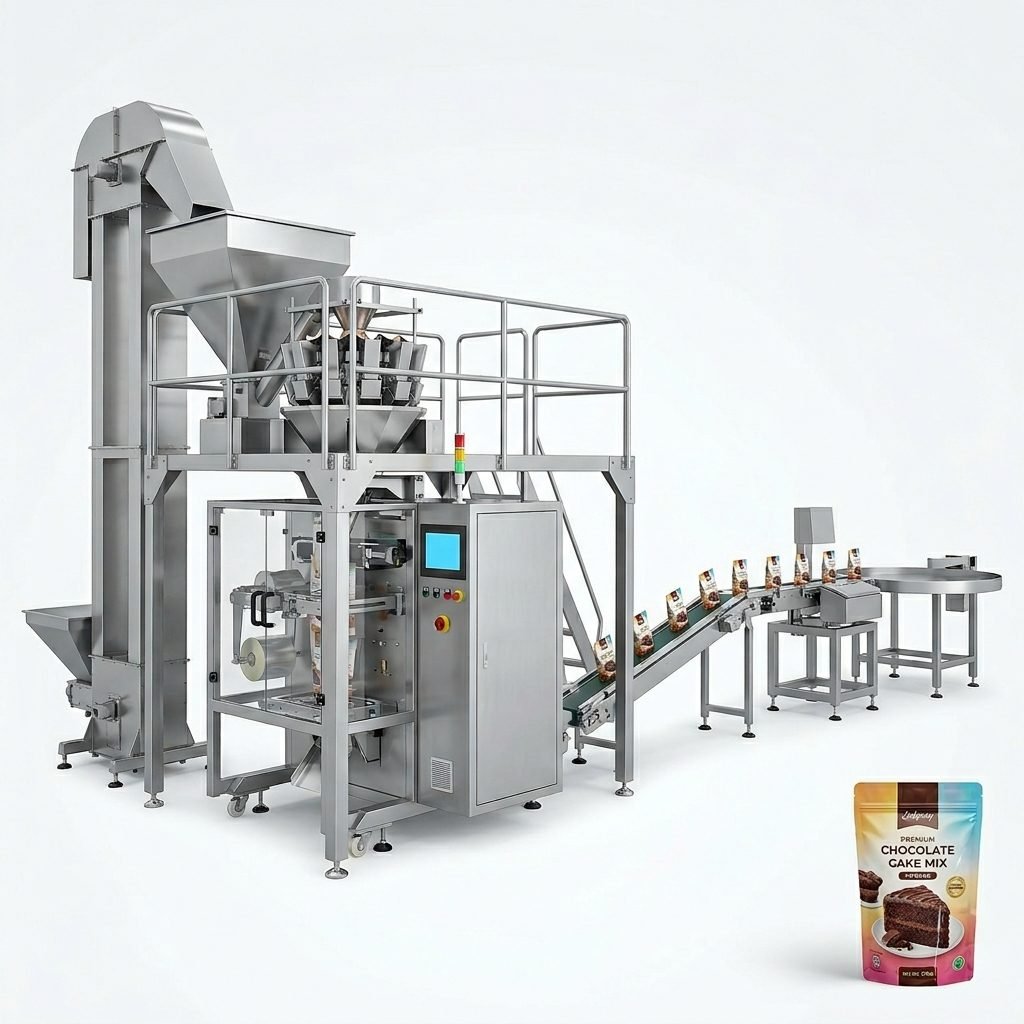
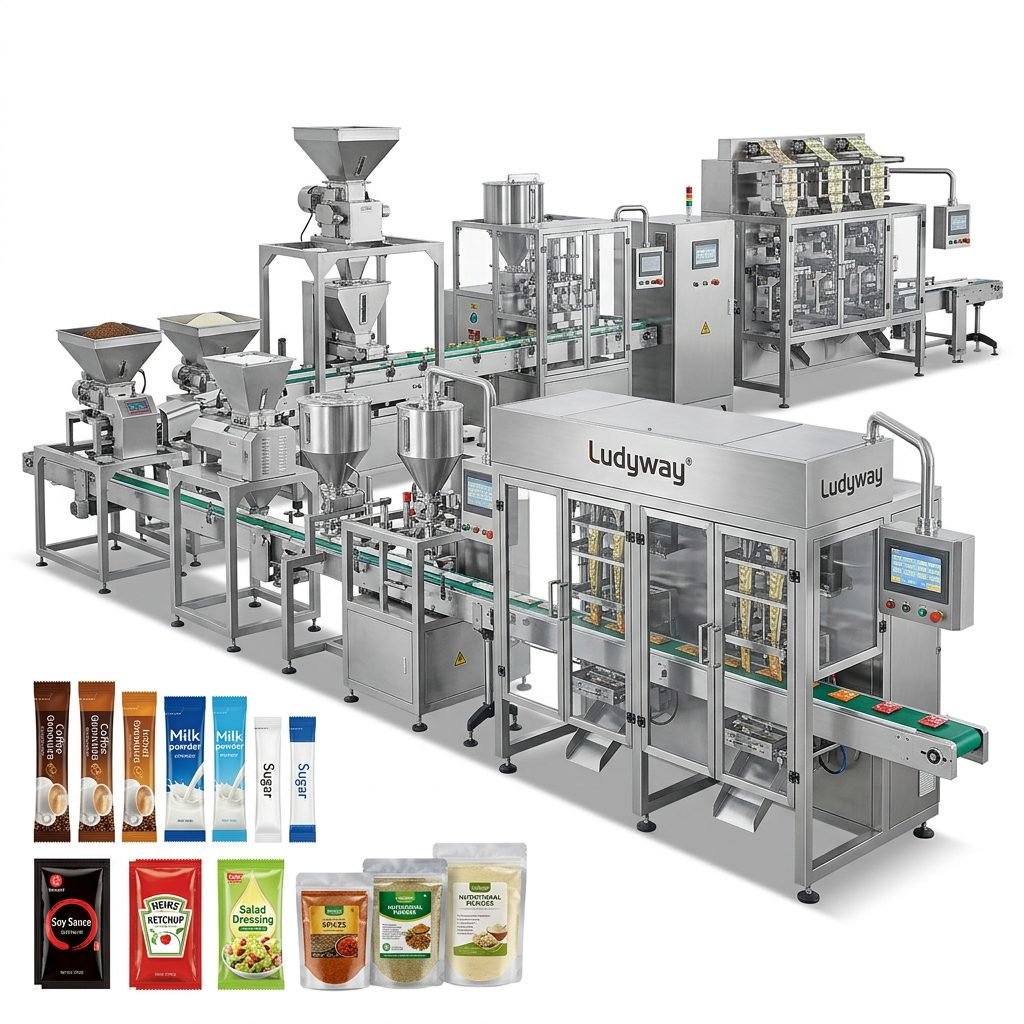
Selecting the right 3 side seal packaging machine is a critical decision that directly impacts your production efficiency, product quality, and overall operational costs. This versatile packaging format, creating a pouch sealed on three sides, is ubiquitous across industries like food, pharmaceuticals, health supplements, and chemicals. With numerous models and configurations available, navigating the options can be complex. This guide will walk you through the essential factors to consider, ensuring you choose a model that perfectly aligns with your specific production needs and business goals.
Understanding 3 Side Seal Packaging Technology
Before diving into selection criteria, it’s helpful to understand the core technology. A 3 side seal packaging machine forms pouches from a roll of packaging film. The film is drawn down, folded, and the two longitudinal edges are sealed together to form a tube. The product is then dispensed into this tube, after which the machine makes a horizontal seal (the third seal) below the product and simultaneously cuts the top of the filled pouch from the tube above. This creates a neat, finished pouch sealed on both sides and the bottom.
Key Advantage: This method is exceptionally efficient for high-speed production of individual unit-dose packets, samples, or retail-ready sachets. It minimizes material waste compared to a 4-side seal process and allows for rapid changeovers between different products.
Core Components and Their Impact on Performance
The performance and suitability of a machine are defined by its components. Pay close attention to:
- Film Feeding & Tension System: Ensures consistent, wrinkle-free film advance. A servo-driven system offers superior precision and control over traditional mechanical systems, crucial for high-quality printing registration.
- Sealing Jaws & Heating Elements: The heart of the machine. Material matters—ceramic or alloy-coated jaws provide even heat distribution and durability. Precise temperature control is vital for sealing diverse materials like laminates, PET, or aluminum foil.
- Dosing System: This is highly product-dependent. Options include volumetric cups for granules, auger fillers for powders, liquid pumps, or combination systems. Accuracy here directly affects product give-away and compliance.
- Control System (PLC & HMI): The machine’s brain. A modern, user-friendly touchscreen interface allows for easy parameter setting, recipe storage, and diagnostics. Look for brands with intuitive software.
How to Choose the Right Model: A Step-by-Step Evaluation
Step 1: Define Your Product Specifications
Your product dictates the machine’s core requirements. Create a detailed profile:
Physical Form: Granules, fine powder, viscous liquid, flakes?
Pack Size & Weight: Target pouch dimensions (length x width) and fill weight range.
Packaging Material: Type of film (e.g., PET/AL/PE, OPP/CPP), its thickness (gsm), and any special barrier properties required (e.g., moisture, oxygen).
Production Output: Required speed in pouches per minute (PPM). Be realistic about your current and near-future needs.
Step 2: Assess Required Production Capacity & Speed
Machines are rated by their maximum speed (e.g., 60-200+ pouches per minute). Don’t just opt for the fastest. Consider:
- Current Demand: Can a mid-speed model comfortably meet your daily output?
- Future Growth: Is there a projected increase that justifies investing in a higher-speed platform?
- Product Changeover Frequency: If you run many short batches, a machine designed for quick changeover (tool-less adjustments, recipe memory) is more valuable than raw speed.
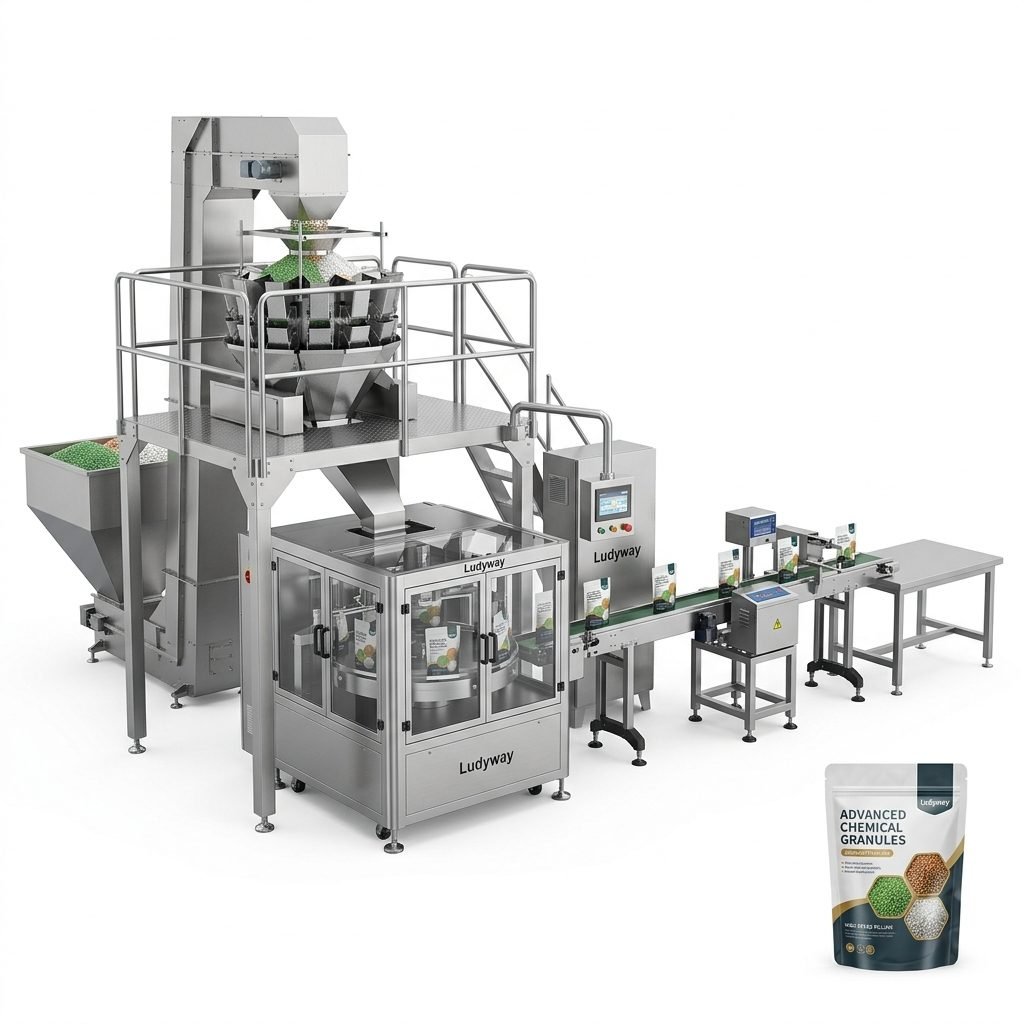
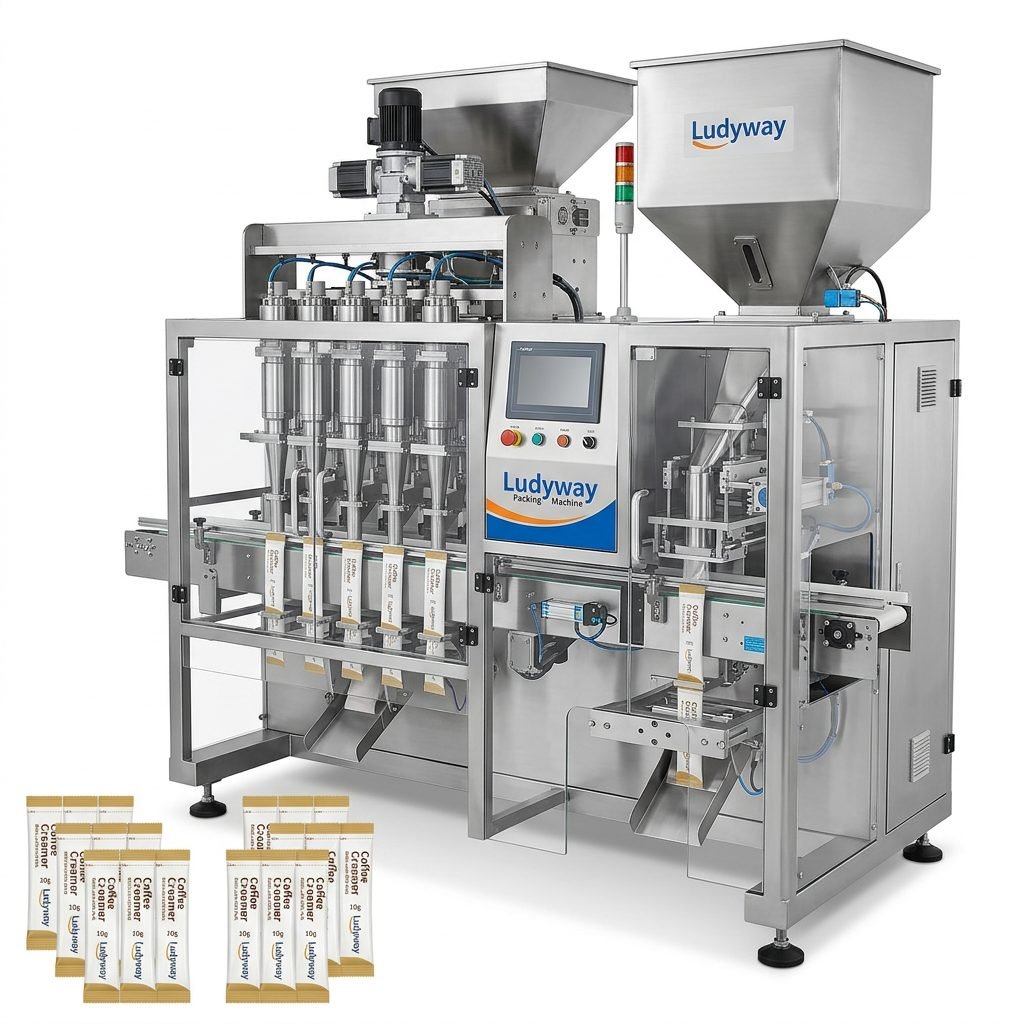
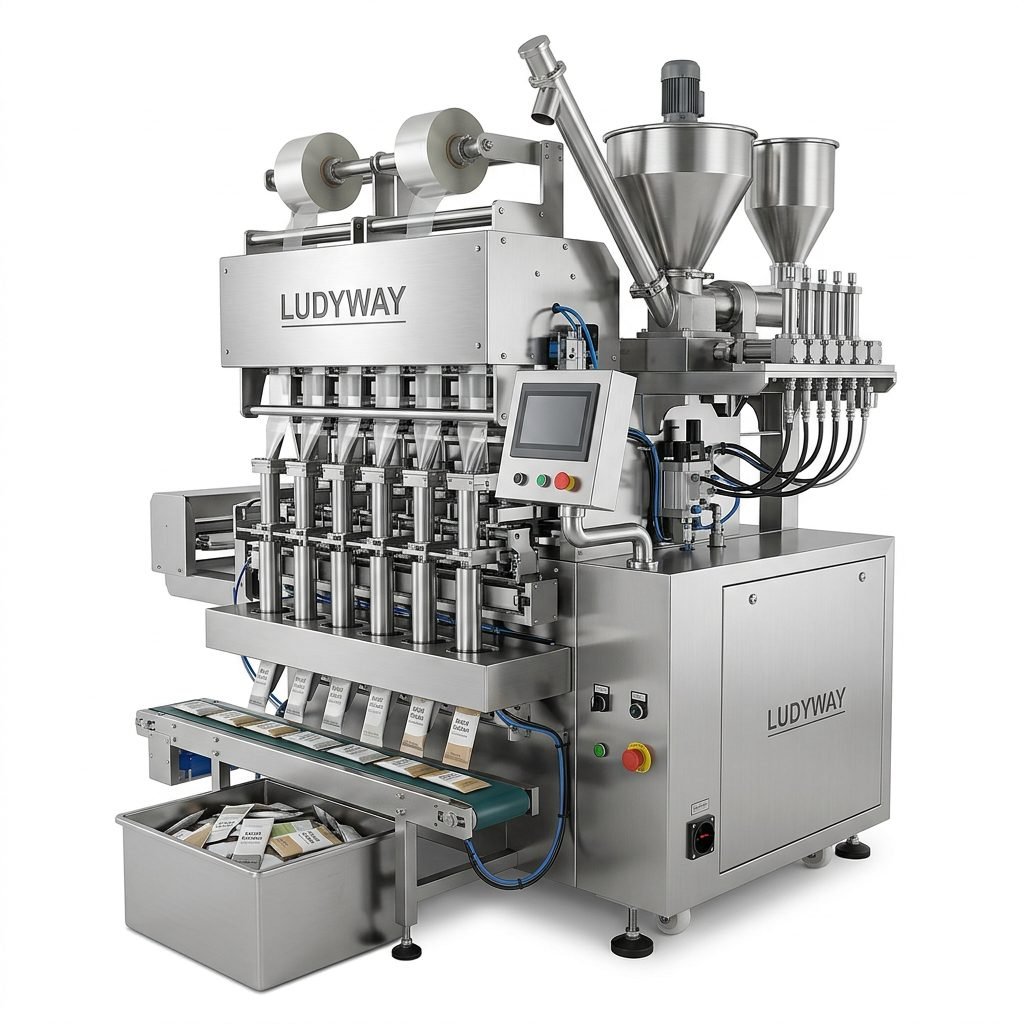
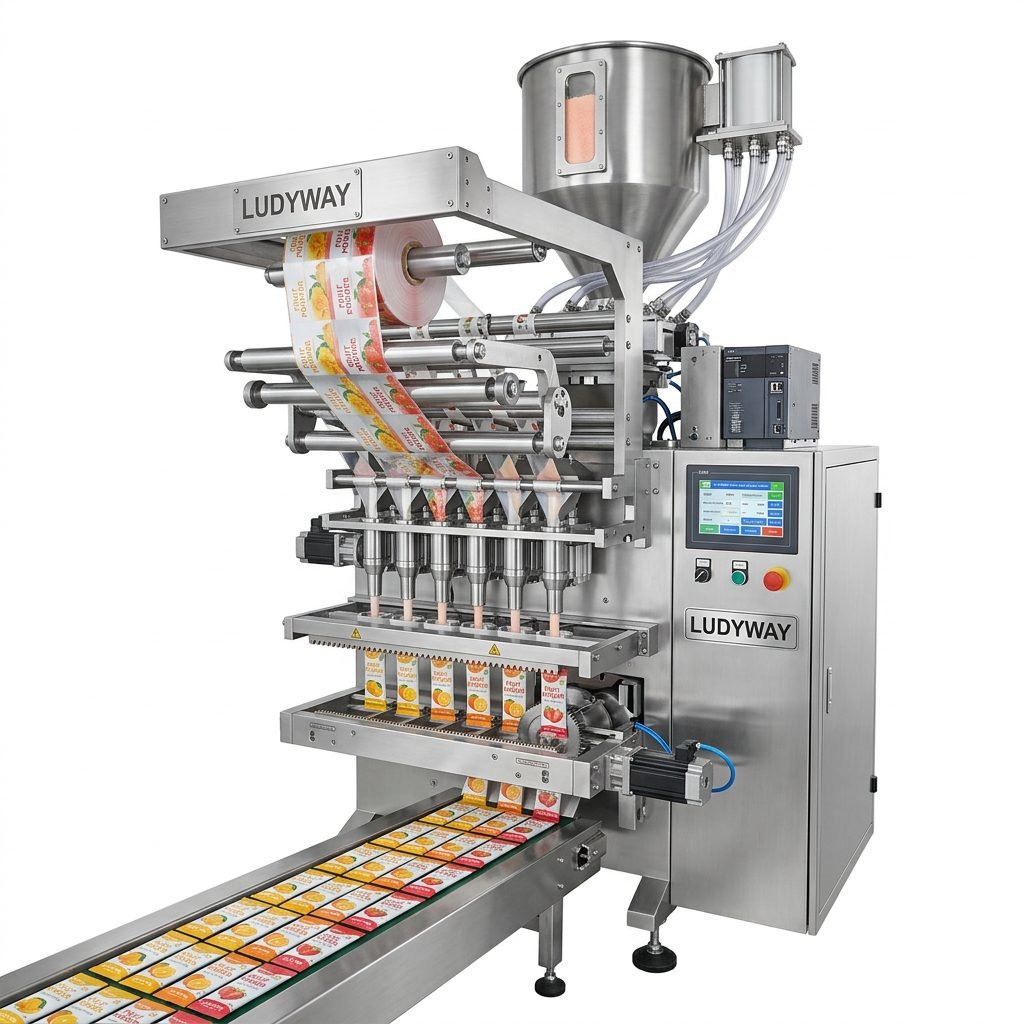
For businesses like Ludyway Packing Machine, which offers a range of models, understanding this balance helps them recommend equipment that optimizes your ROI, not just your peak output.
Step 3: Evaluate Automation and Integration Needs
Consider where the packaging machine fits in your line.
- Stand-alone vs. Integrated: Will it be a single machine or connected to upstream equipment (like mixers, conveyors) and downstream systems (cartoners, case packers)?
- Level of Automation: Do you need automatic film splicing for non-stop production? An integrated checkweigher for 100% weight verification? Vision inspection systems for print or seal quality?
Choosing a supplier with experience in turnkey production solutions ensures the machine can be seamlessly integrated into a broader automated system.
Step 4: Prioritize Ease of Use and Maintenance
A machine that is difficult to operate or maintain will cost you in downtime and training.
✔ Look for: Clear, graphical HMI; easy-access panels for cleaning; quick-release parts on sealing jaws and dosing units; comprehensive documentation and training from the supplier.
Step 5: Analyze Supplier Credentials and Support
The machine is only as good as the company behind it. This is a long-term partnership.
- Industry Experience: Does the supplier have a proven track record in your specific sector (e.g., food-grade vs. pharmaceutical standards)?
- Technical Support & Spare Parts: What is their response time? Is local technical support available? How readily available are spare parts?
- Testing & Customization: Can they run your product on their equipment before purchase? Will they customize features to suit your unique process?
Suppliers with deep engineering capabilities and industry experience are better equipped to provide reliable, tailored solutions and long-term support.
Common Machine Configurations and Their Best Uses
Single-Lane Machines: Ideal for low to medium output, R&D, pilot plants, or products with high value. Offers simplicity and lower initial investment.
Multi-Lane Machines (Dual, Quad, etc.): Designed for high-volume production. Multiple lanes run in parallel, dramatically increasing output without proportionally increasing floor space. Perfect for products like instant drink mixes, sugar, or seasoning packets.
Vertical Form Fill Seal (VFFS) with 3-Side Seal: A common configuration where the film runs vertically. It’s space-efficient and well-suited for automated feeding from above.
Conclusion: Making an Informed Investment
Choosing the right 3 side seal packaging machine requires a careful, holistic analysis of your product, output goals, operational environment, and growth plans. It’s not merely a purchase of equipment but an investment in your production capability. By systematically evaluating your needs against the machine’s specifications and the supplier’s expertise, you can select a model that delivers reliability, efficiency, and quality for years to come. Partnering with a knowledgeable provider ensures you get a solution that is not just a machine, but a key component of your production success.
Frequently Asked Questions (FAQs)
Q1: What is the main difference between a 3-side seal and a 4-side seal packaging machine?
A 3-side seal machine creates a pouch sealed on two sides and the bottom, forming a tube that is filled and then sealed/cut. A 4-side seal machine seals all four edges of two separate sheets of film together, typically used for premade pouches or different packaging styles. The 3-side seal is generally faster and more material-efficient for continuous production from a film roll.
Q2: Can one machine handle both powders and granules?
Yes, many machines can, but it depends on the dosing system. Machines often use interchangeable dosing units. A machine equipped with a versatile auger filler might handle both, but switching between extremely different products (e.g., fine powder to large granules) may require a change of the dosing assembly or tools.
Q3: How important is the brand of the PLC (Programmable Logic Controller) in the machine?
While a reputable PLC brand (like Siemens, Mitsubishi, or Allen-Bradley) often indicates reliability and ease of finding programmers, the more critical factor is the machine builder’s software programming and the quality of the human-machine interface (HMI). A well-designed, intuitive control system is more valuable than the PLC brand alone.
Q4: What are the key maintenance routines for a 3-side seal machine?
Daily: Cleaning of product contact parts, sealing jaws, and dust removal.
Weekly: Checking and lubricating moving parts as per manual, inspecting seals and wear parts.
Periodically: Calibrating the dosing system and verifying seal temperature accuracy. Following the manufacturer’s schedule is crucial.
Q5: Is it possible to get a machine that can run different pouch sizes without lengthy changeovers?
Yes. Look for machines with “quick changeover” features. These may include digital input for pouch dimensions on the HMI with servo-driven adjustments, interchangeable forming collars and sealing jaws that use a tool-less clamping system, and recipe memory to save settings for different products.