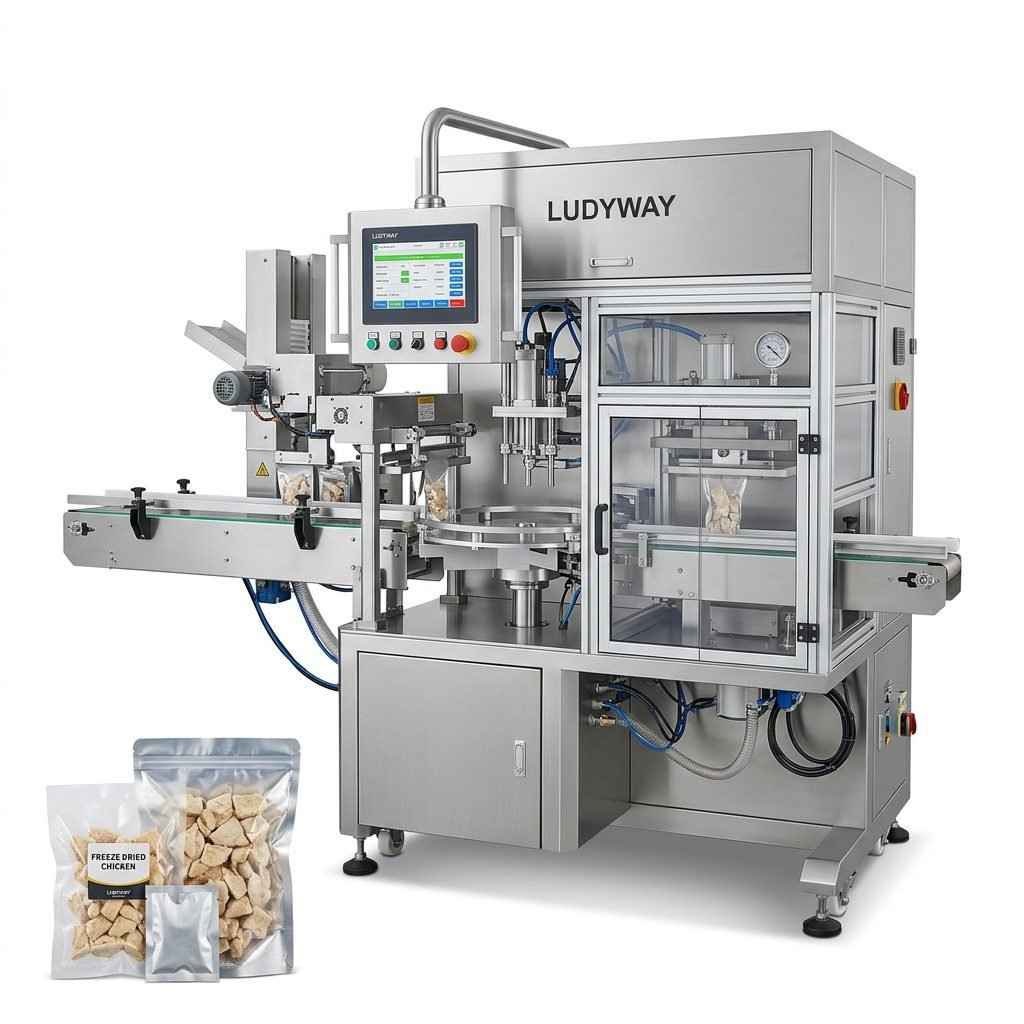
In the fast-paced world of food and beverage production, efficiency is not just a goal—it’s a necessity for survival and growth. The journey from raw ingredients to the finished product on a store shelf involves numerous critical steps, each demanding precision, speed, and unwavering hygiene. At the heart of this journey lies processing and packaging equipment, the unsung heroes that transform production lines into models of productivity. Selecting the right solutions can mean the difference between meeting market demand and falling behind competitors.
The Core of Modern Production: Integrated Processing Lines
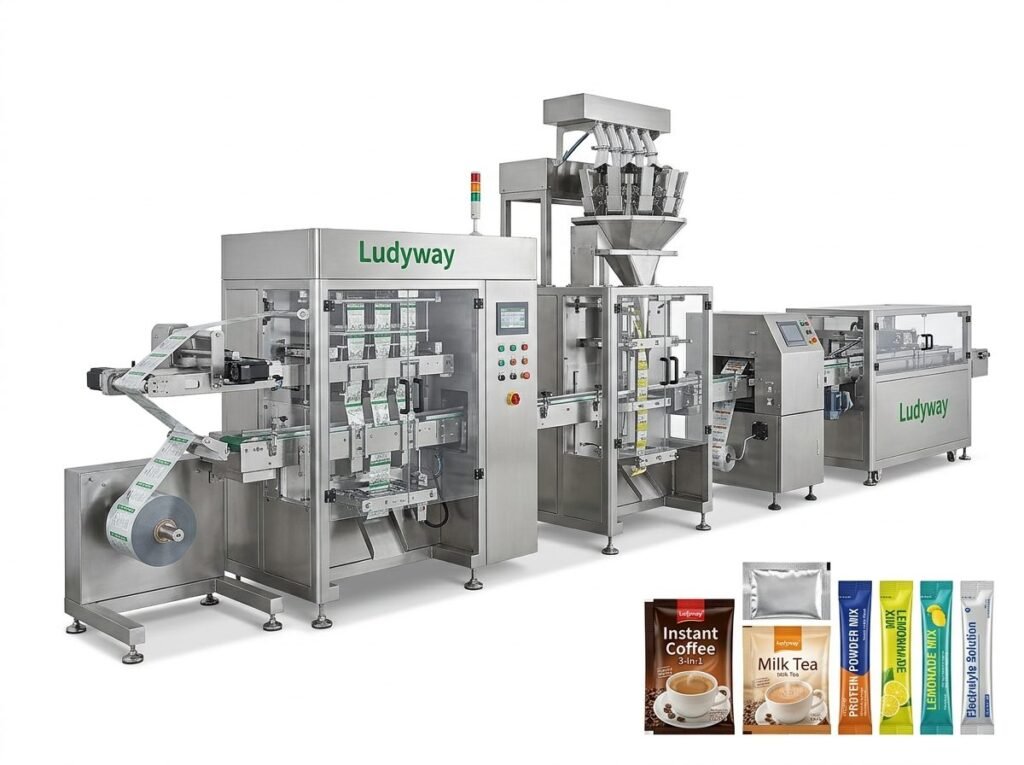
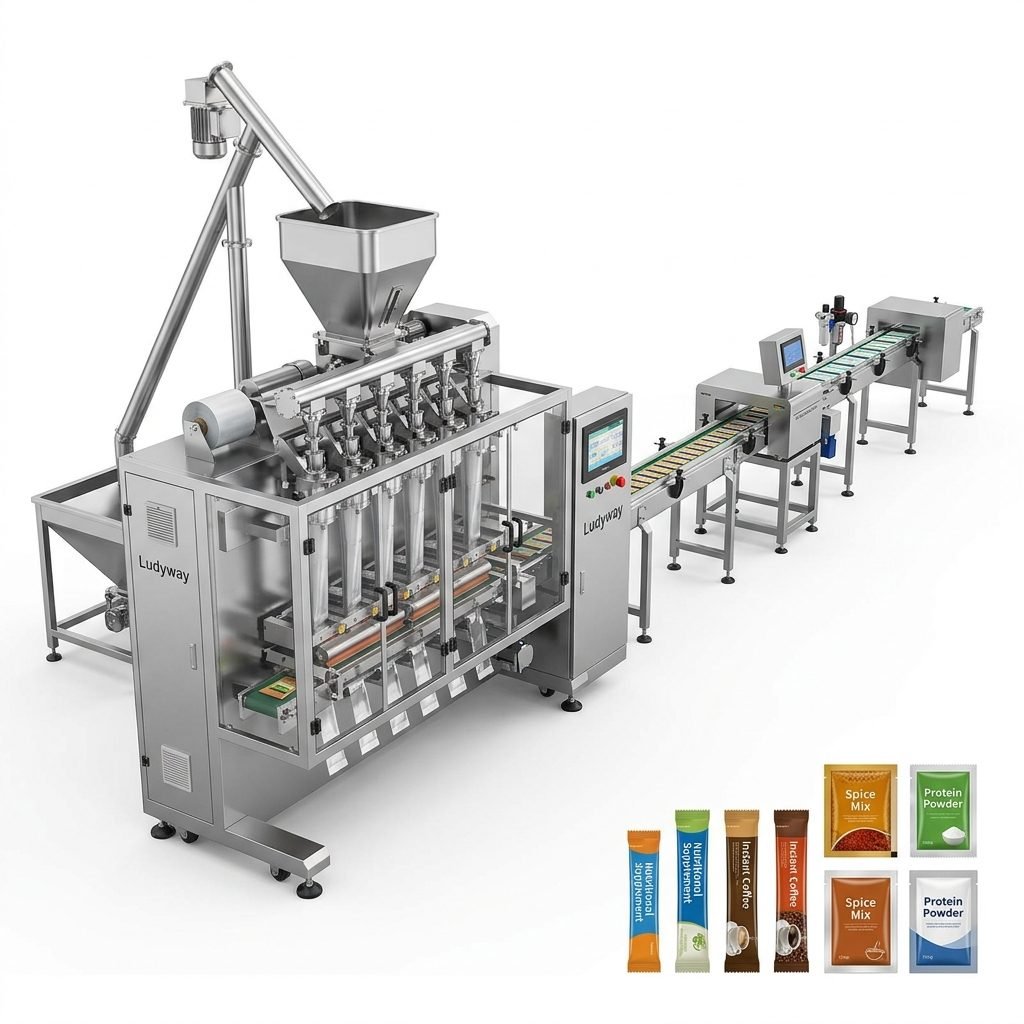
Modern food and beverage facilities are moving away from standalone machines toward fully integrated processing lines. This holistic approach ensures a seamless flow from initial preparation to final packaging, minimizing bottlenecks and manual handling. Key components often include advanced washing and sorting systems, precision cutters and slicers, sophisticated cooking or pasteurization tunnels, and rapid cooling units. The synergy between these machines, controlled by centralized automation software, maximizes throughput and maintains consistent product quality batch after batch.
Optimization Tip: A well-integrated line reduces energy consumption and floor space requirements while improving overall equipment effectiveness (OEE), a key metric for production managers.
Packaging Machinery: The Final Guard of Quality and Safety
Once processing is complete, packaging takes center stage. This stage is crucial for product protection, shelf life extension, brand presentation, and compliance with stringent global safety regulations. Today’s leading solutions go far beyond simply putting products in bags or boxes.
Primary Packaging Solutions
This involves the first layer of material that directly contacts the product. Innovations here are driven by consumer convenience and sustainability.
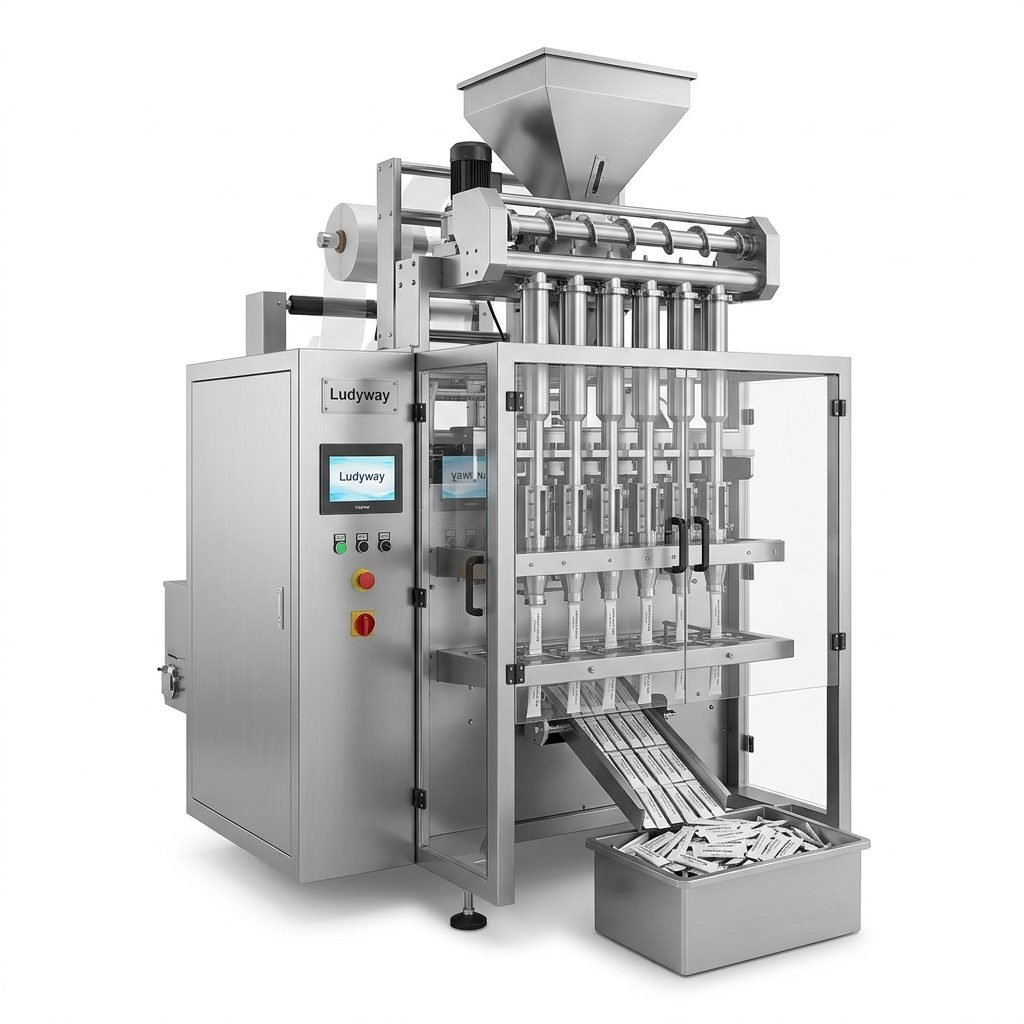
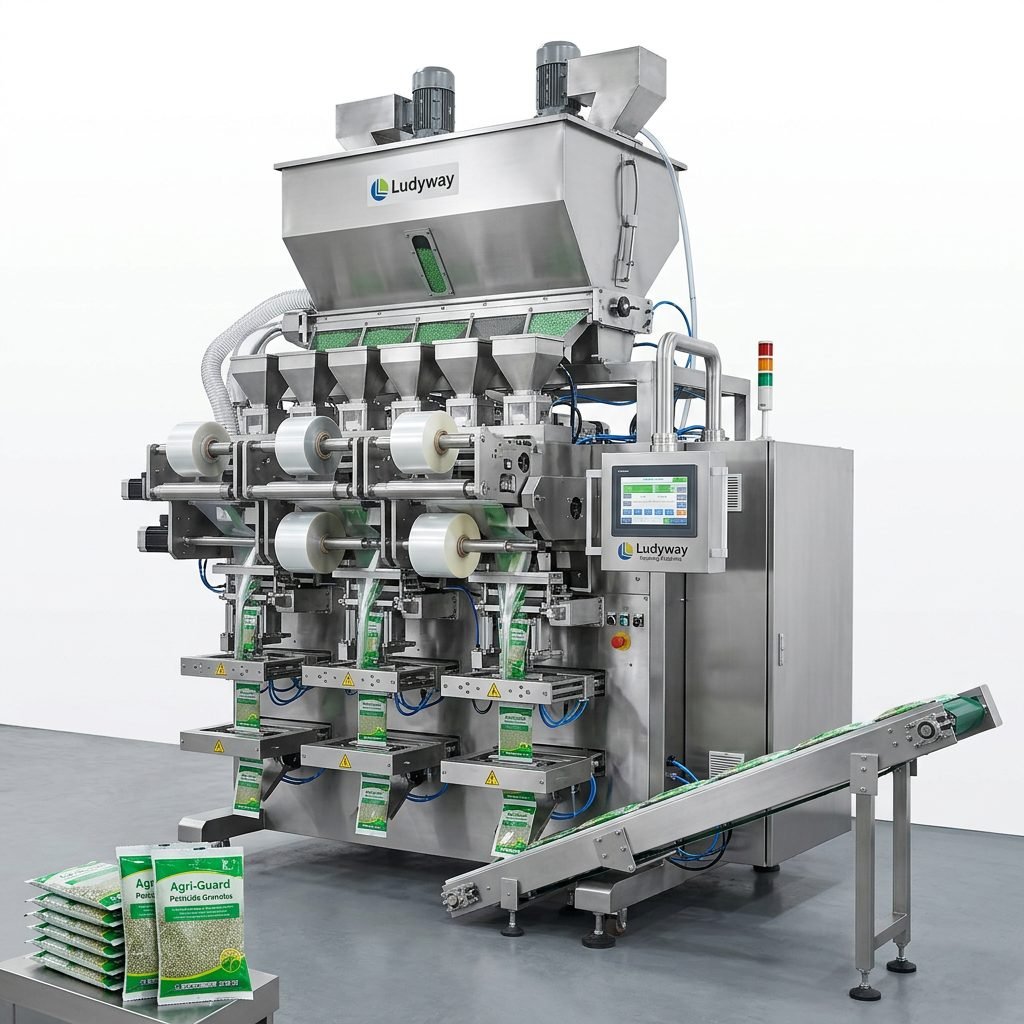
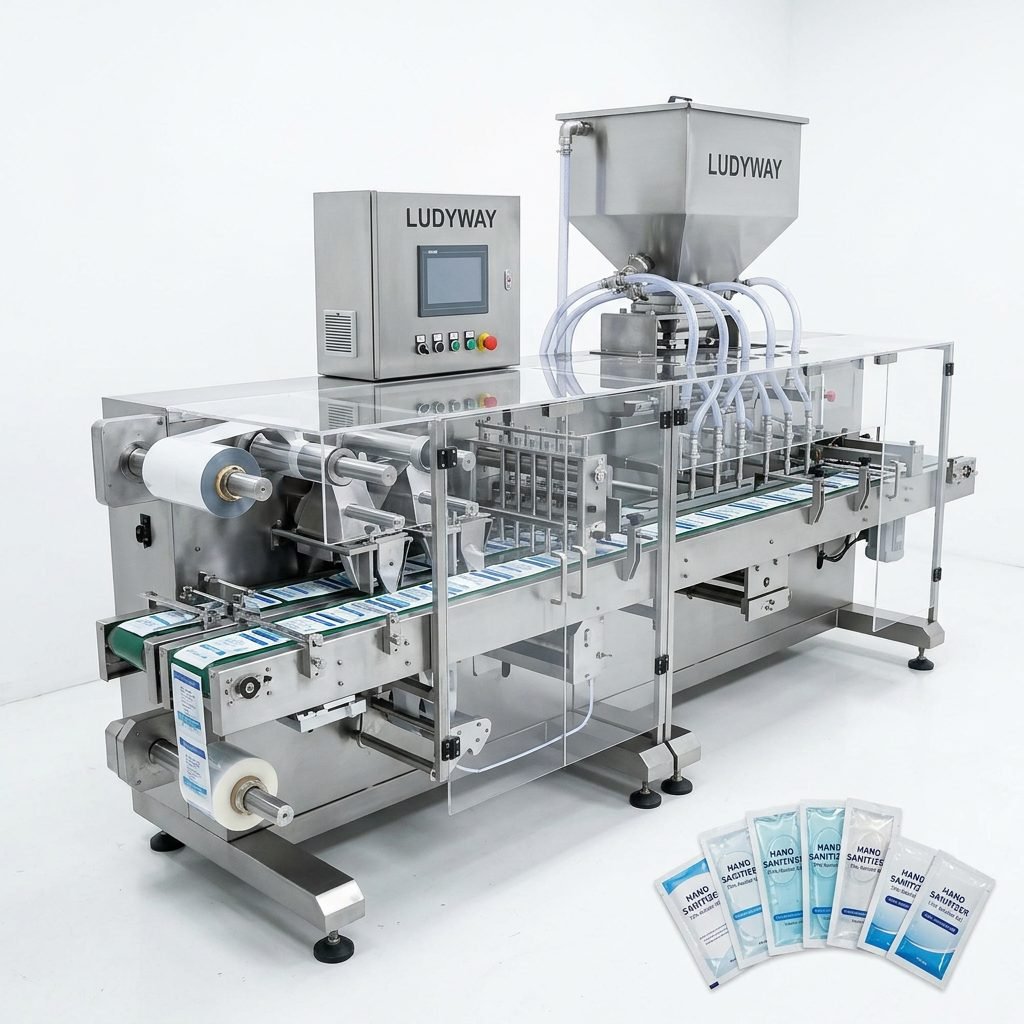
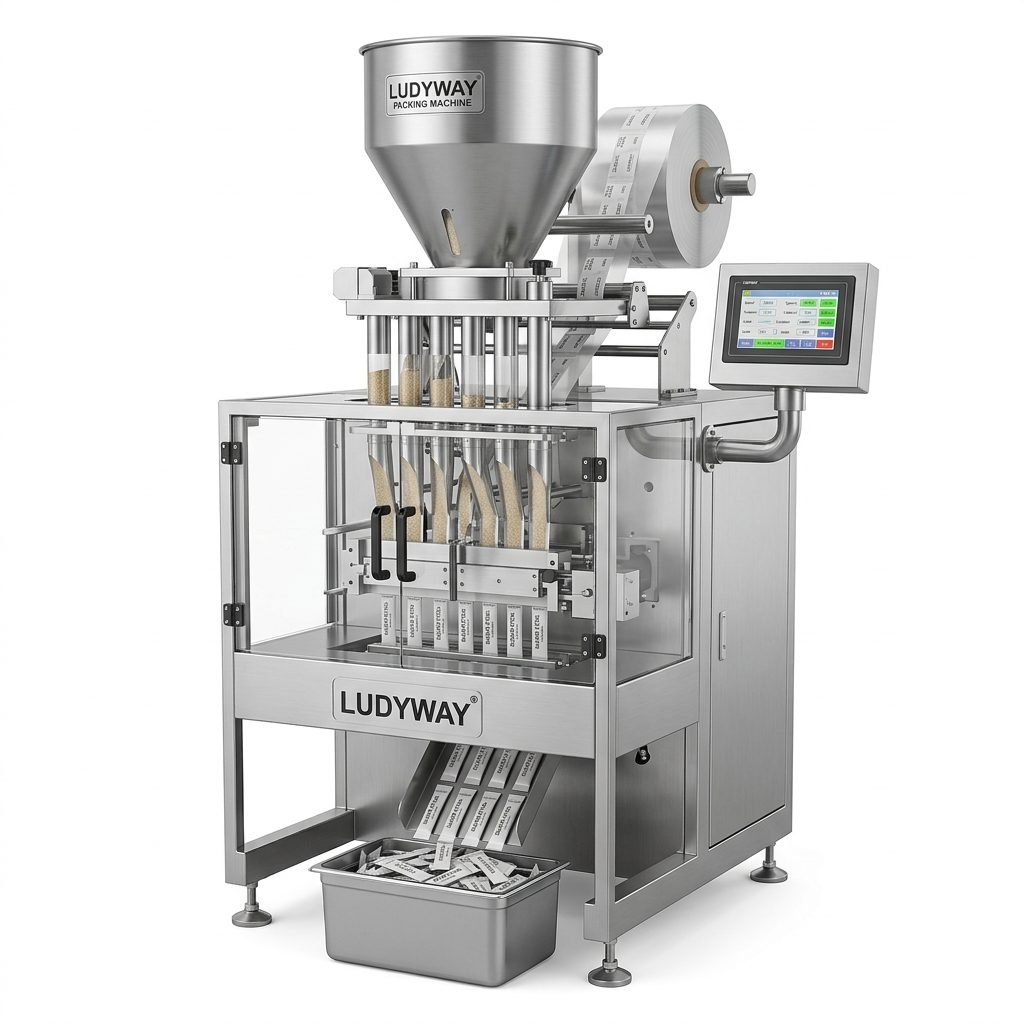
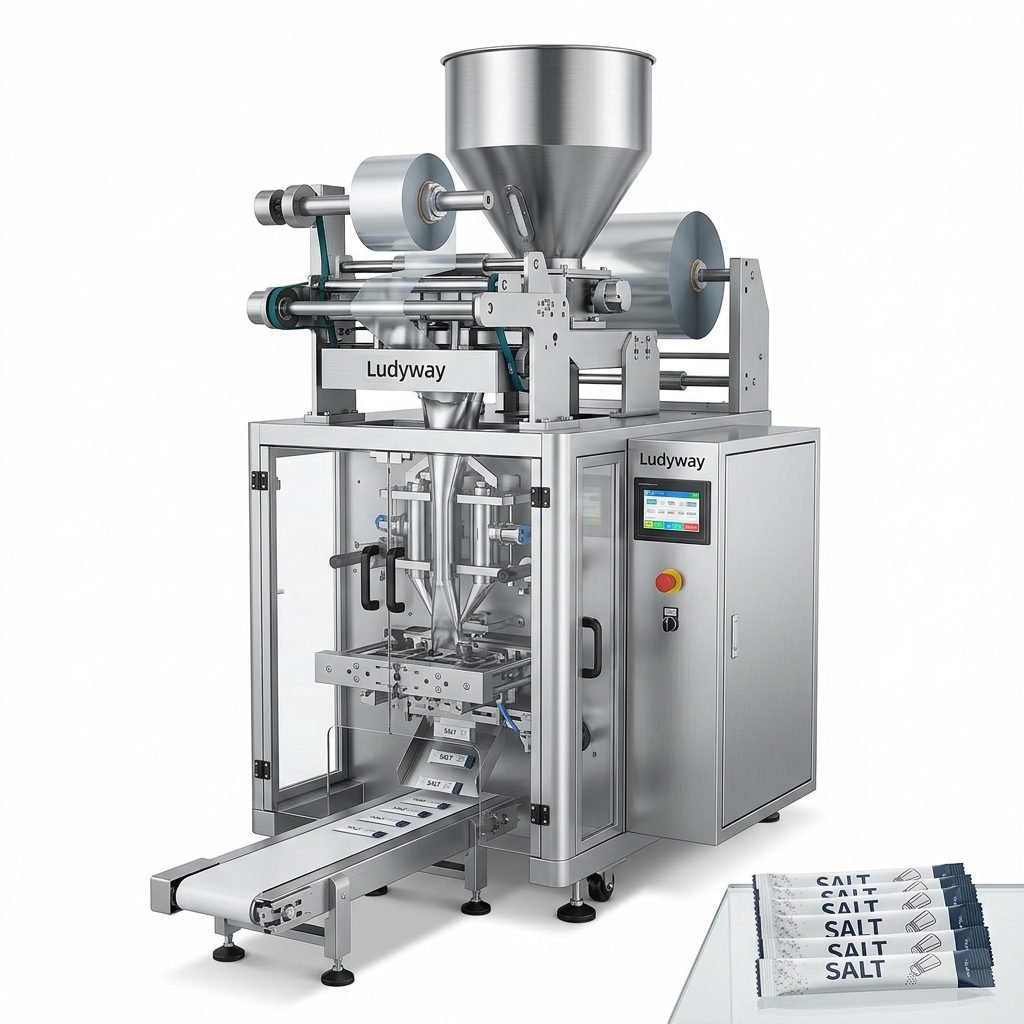
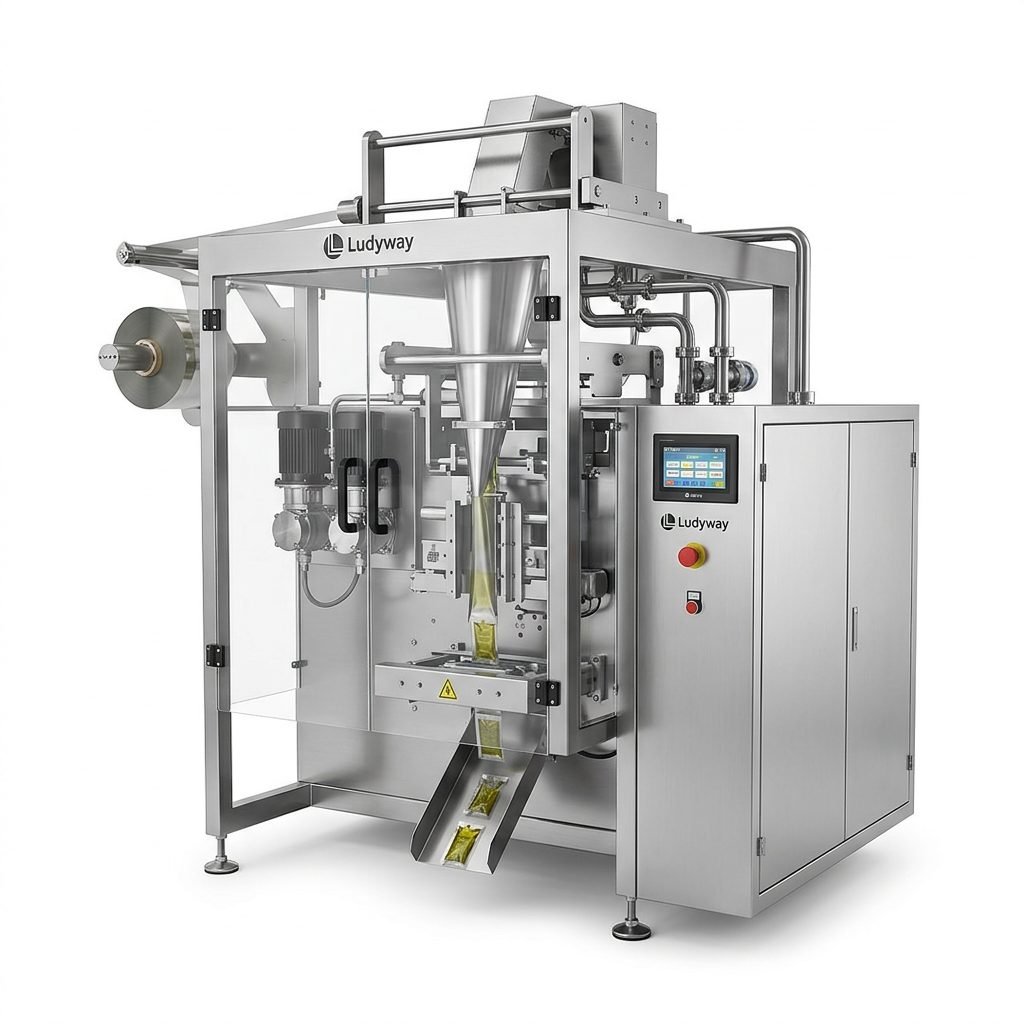
- → Vertical Form-Fill-Seal (VFFS) Machines: The workhorses for packaging powders, granules, and liquids into pouches or sachets with exceptional speed and accuracy.
- → Stick Pack Machines: Ideal for single-serve portions of beverages, supplements, or condiments, offering high visibility and easy tear-open features.
- → Aseptic Filling Systems: Essential for dairy, juices, and soups, these systems sterilize both product and packaging separately, enabling shelf-stable products without refrigeration.
Secondary & Tertiary Packaging
After primary packaging, products are grouped (secondary) and prepared for shipping (tertiary). This includes cartoning machines, case packers, and palletizing robots. Automation in this area drastically reduces labor costs and physical strain on workers while ensuring secure, stable loads for transportation.
Driving Forces Behind Equipment Innovation
The evolution of processing and packaging equipment is fueled by several key industry demands.
1. Automation and Industry 4.0 Integration
The shift towards smart factories is undeniable. Modern equipment features IoT sensors that collect real-time data on machine performance, production rates, and maintenance needs. This data feeds into Manufacturing Execution Systems (MES), allowing for predictive maintenance, remote monitoring, and dynamic production scheduling. The result is less unplanned downtime and more informed decision-making.
2. Sustainability and Material Reduction
Consumer and regulatory pressure for eco-friendly practices is immense. Equipment manufacturers are responding with machines designed for mono-material films (easier to recycle), precision dosing to reduce product giveaway, and systems that can handle recycled content in packaging materials. Reducing waste isn’t just good for the planet—it directly improves the bottom line.
3. Flexibility and Quick Changeover
With product lifecycles shortening and the demand for limited editions rising, production lines must be agile. Equipment with quick-change parts, recipe-driven controls, and modular designs allows manufacturers to switch between product formats, sizes, or materials in minutes instead of hours, enabling efficient small-batch production.
Choosing the Right Partner for Your Solution
Investing in new processing and packaging lines is a significant decision. The right equipment partner should offer more than just machinery—they should provide a comprehensive solution.
Look for a provider with deep application expertise in your specific sector, whether it’s bakery, snacks, beverages, or dairy. They should have a proven track record of successful installations and offer robust after-sales support, including readily available spare parts and technician training. A partner like Ludyway Machinery, with over a decade of experience in delivering turnkey packaging solutions, understands that reliable equipment and ongoing support are critical to a production line’s long-term success. Their focus on building customized automation solutions ensures that the equipment fits the unique needs of your operation, rather than forcing your process to fit a standard machine.
Ultimately, the goal is to build a production ecosystem that is efficient, resilient, and adaptable. By leveraging the latest in processing and packaging technology, food and beverage producers can ensure product safety, meet evolving consumer expectations, and secure a competitive advantage in a global marketplace. The future belongs to those who can produce smarter, not just harder.
Frequently Asked Questions (FAQs)
What are the main benefits of an integrated processing and packaging line?
Integrated lines offer superior efficiency by reducing manual transfer points, ensuring consistent product flow, and allowing for centralized control and monitoring. This leads to higher throughput, better hygiene control, reduced labor costs, and more consistent final product quality compared to using disconnected standalone machines.
How important is flexibility in modern packaging equipment?
Extremely important. Market trends change rapidly, and the ability to run different package sizes, shapes, or materials on the same line with minimal downtime for changeover is a major competitive advantage. It allows producers to respond quickly to new opportunities without investing in entirely new machinery.
What should I prioritize: speed or precision?
While both are crucial, precision should never be sacrificed for speed. Inaccurate filling, sealing, or labeling leads to product waste, customer complaints, and potential regulatory issues. The best equipment solutions deliver high speed without compromising on the accuracy of dosing, sealing integrity, or placement.
Can new equipment help with sustainability goals?
Absolutely. Modern machines are designed for material efficiency, using precise controls to minimize film waste and product giveaway. Many are also engineered to work with newer, thinner, or recyclable mono-material films, directly supporting corporate sustainability and material reduction targets.
What is the value of after-sales support from the equipment supplier?
Strong after-sales support is invaluable. It ensures maximum uptime through readily available technical assistance, spare parts, and preventive maintenance programs. A supplier committed to long-term partnership will help you optimize your line over time and adapt to future needs, protecting your investment.