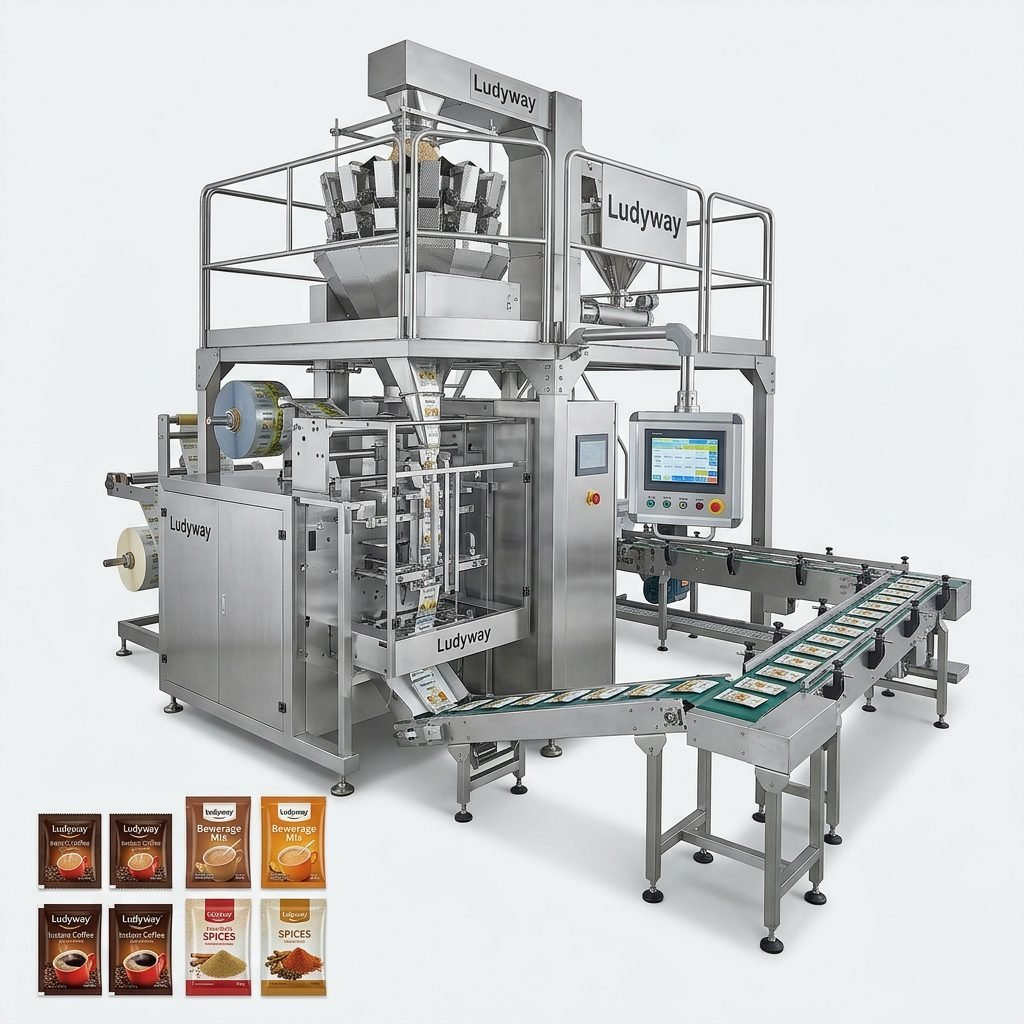
In today’s fast-paced and quality-conscious manufacturing landscape, efficient and reliable packaging is not just a final step—it’s a critical component of product integrity, brand reputation, and operational success. For industries where purity, safety, and precision are paramount, such as food, pharmaceuticals, and health products, the choice of packaging equipment becomes even more decisive. Automated packing machines have emerged as the cornerstone of modern production, offering solutions that enhance speed, ensure consistency, and maintain the highest standards of hygiene.
The Critical Role of Specialized Packaging
Packaging serves multiple vital functions: it protects the product from contamination and environmental factors, provides essential information to consumers, and ensures accurate dosing, especially for pharmaceuticals and dietary supplements. Manual packaging processes, while sometimes suitable for small batches, are prone to human error, inconsistencies, and potential contamination risks. This is where automated packaging equipment provides a transformative advantage, delivering the precision and reliability that these sensitive industries demand.
Why Automation is Non-Negotiable
Automated systems minimize human contact with the product, a key factor in maintaining sterility for pharmaceuticals and freshness for food. They provide unparalleled consistency in fill weight, seal integrity, and package appearance. Furthermore, automation scales with your business, allowing for increased output without a linear increase in labor costs or error rates, making it a sustainable long-term investment for growth.
Tailored Solutions for Core Industries
The packaging needs of food, pharmaceuticals, and health products, while sharing a need for precision, have distinct requirements. A one-size-fits-all approach does not work.
Food Industry Packaging
From spices and instant beverages to snacks and condiments, food packaging must ensure product freshness, prevent spoilage, and often be suitable for direct consumption. Equipment for this sector often handles granules, powders, and liquids. Key features include:
- Hygienic Design: Easy-to-clean surfaces and components that meet food safety standards.
- Gas Flushing Capabilities: For modified atmosphere packaging to extend shelf life.
- Versatility: Quick changeover between different product types and package sizes, such as switching from stick packs for instant coffee to sachets for sauce portions.
Pharmaceutical & Health Product Packaging
This sector operates under the strictest regulations. Packaging equipment must guarantee dosage accuracy, tamper evidence, and lot traceability. Solutions often focus on powders (like protein supplements), granules (herbal remedies), and liquids (syrups, tonics). Critical considerations are:
- Regulatory Compliance: Machines designed to meet cGMP (Current Good Manufacturing Practice) and other regional standards.
- High-Precision Dosing: Microprocessor-controlled fill systems that ensure every unit contains the exact specified amount.
- Data Integrity: Integration with systems for recording batch numbers, production dates, and quality check data.
Exploring Automated Packaging Machine Types
Modern facilities utilize a range of automated machines, each suited to specific product forms and output goals.
Vertical Form-Fill-Seal (VFFS) Machines
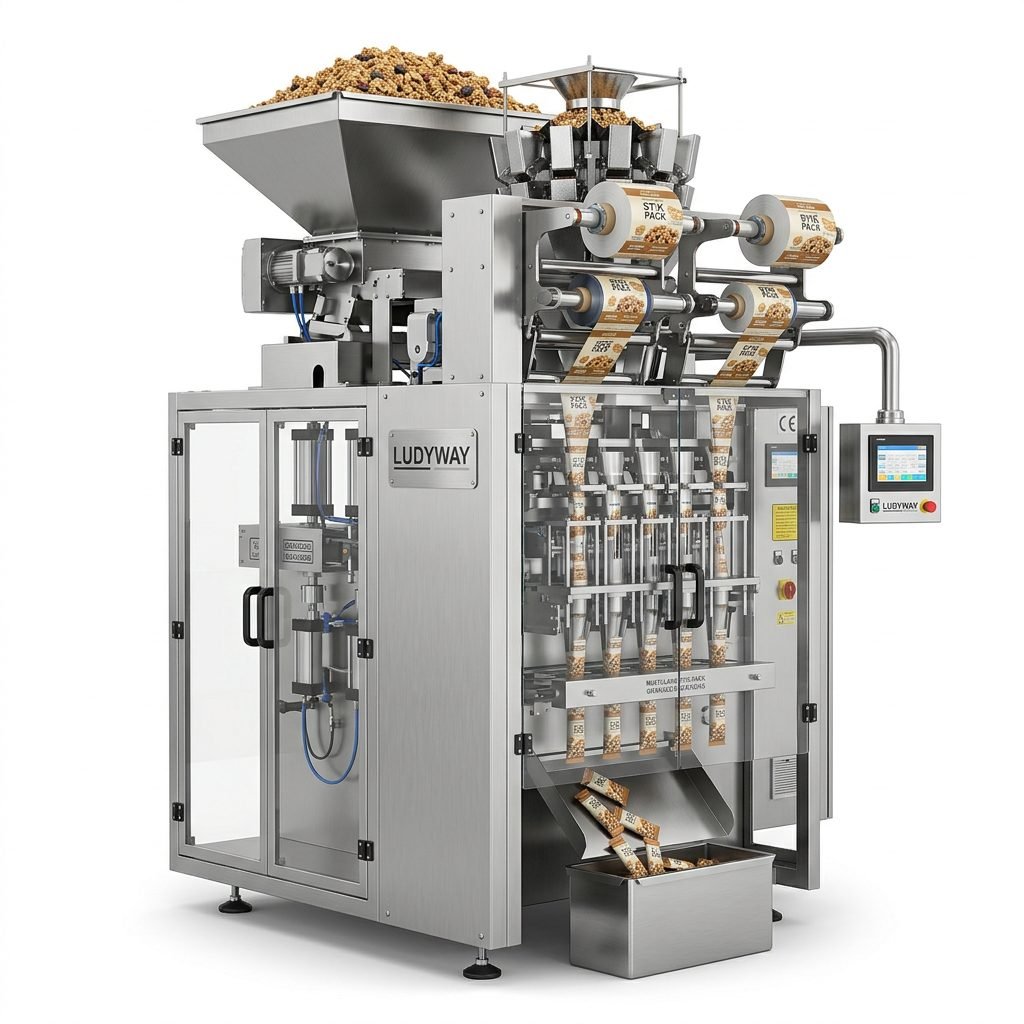
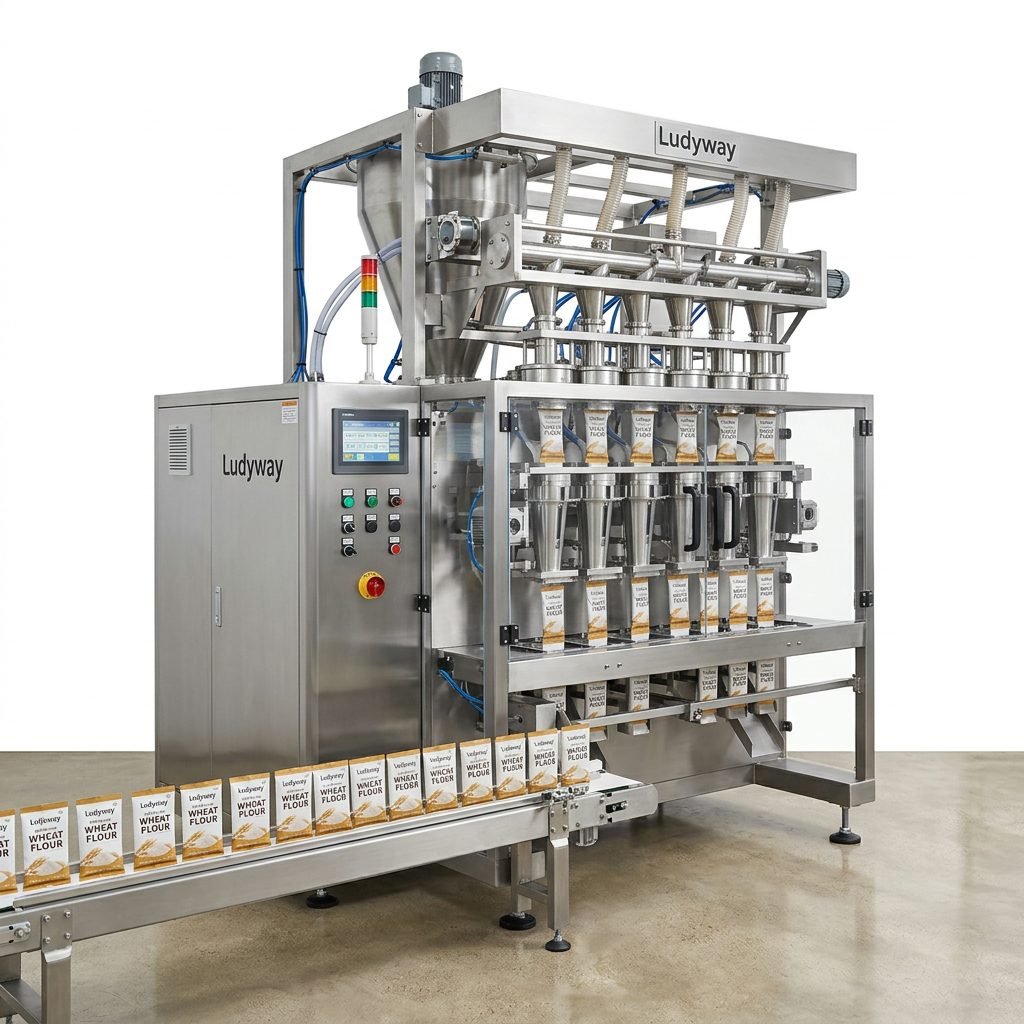
The workhorse of the industry. These machines form a roll of packaging film into a bag, fill it with product, and seal it—all in one continuous, vertical operation. Ideal for a vast array of free-flowing granules, powders, and small solid pieces. They are highly efficient and perfect for creating pillow packs, gusseted bags, or stand-up pouches.
Stick Pack & Sachet Packaging Machines
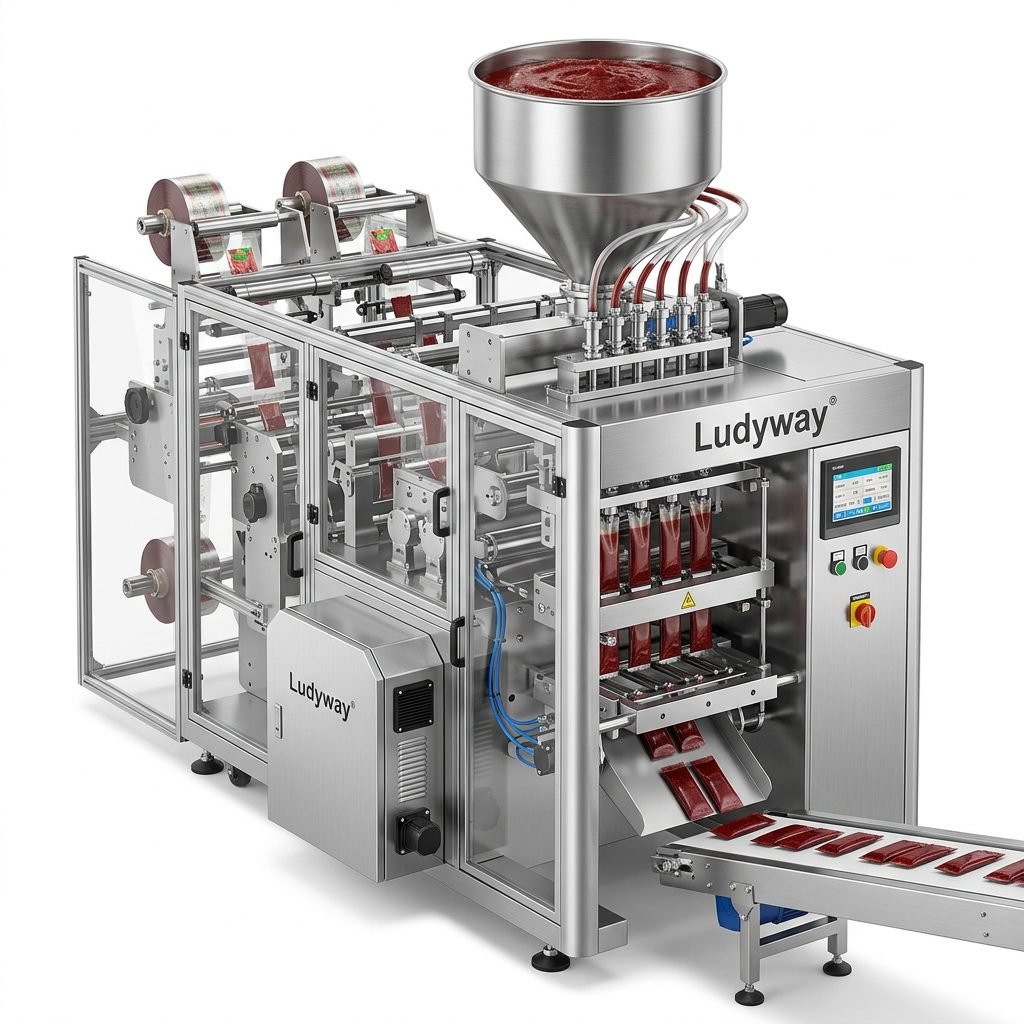
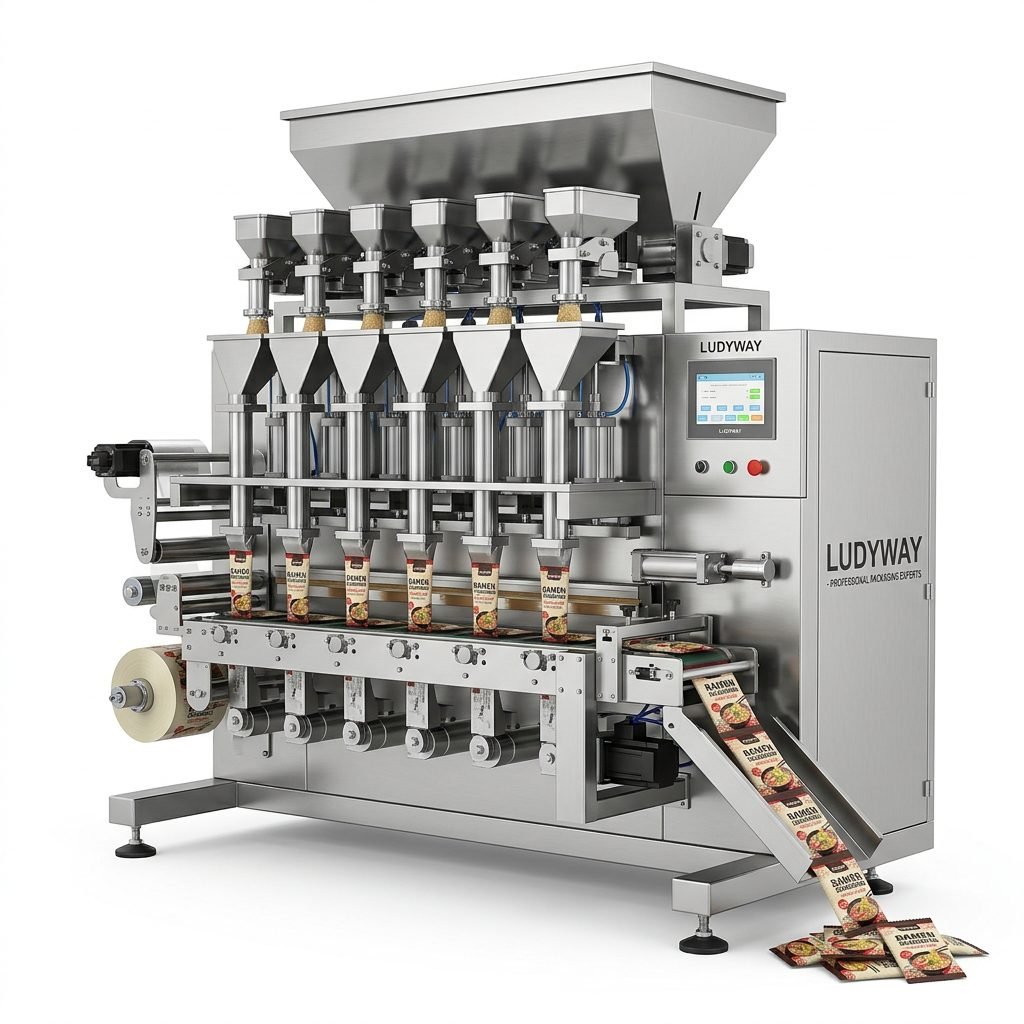
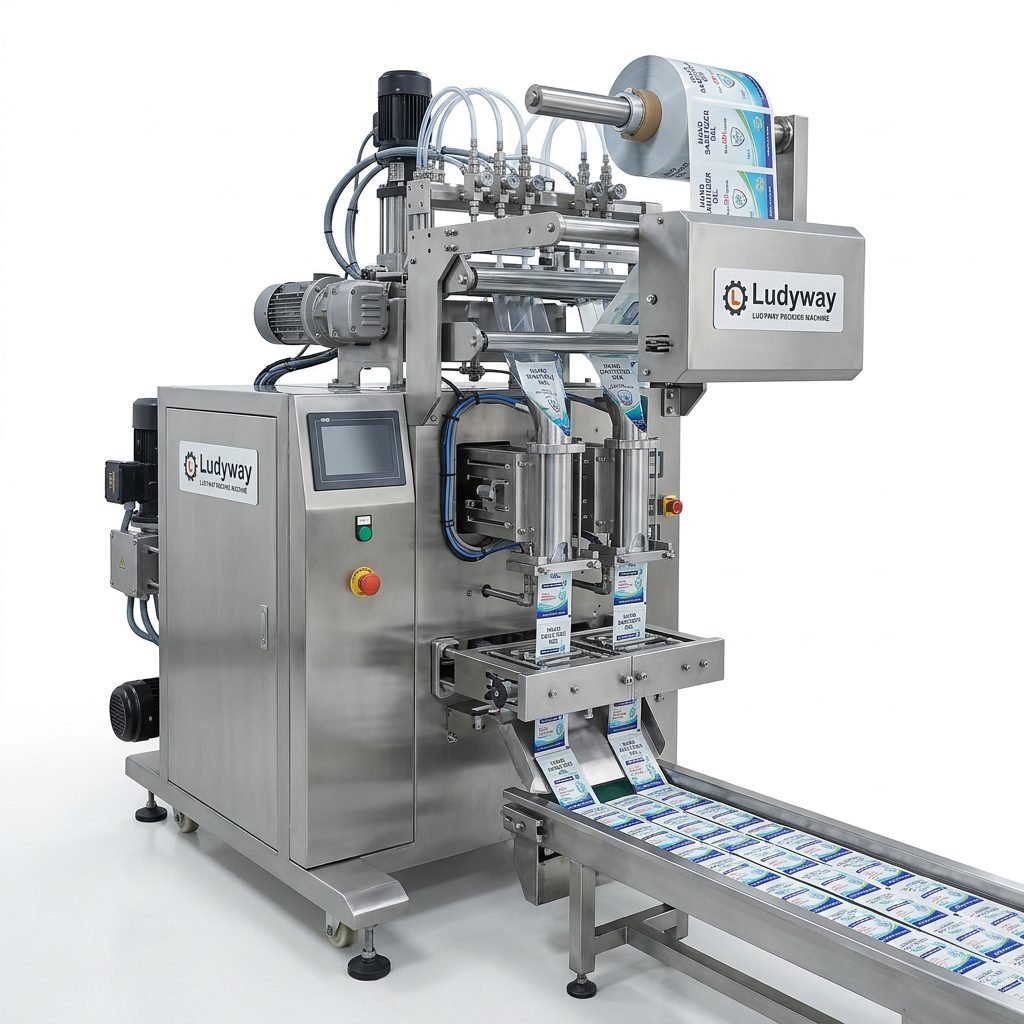
Designed for single-serve or small-quantity packaging. Stick pack machines create long, slender packs ideal for powders (electrolyte drinks, instant tea) that are easily torn and poured. Sachet machines produce small, rectangular pouches perfect for sauces, shampoo samples, or medicinal powders. Multi-lane versions of these machines dramatically increase output by producing several packs simultaneously.
Liquid & Pasty Filling Machines
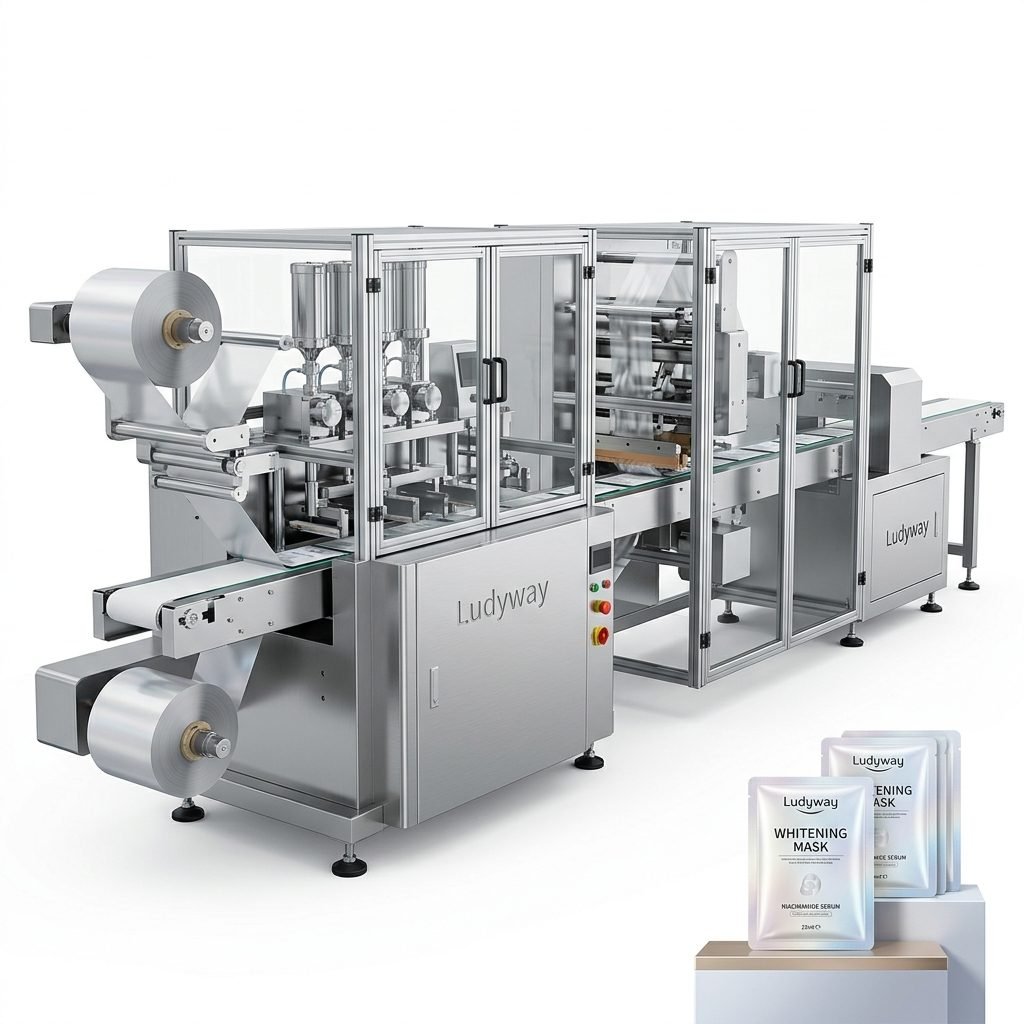
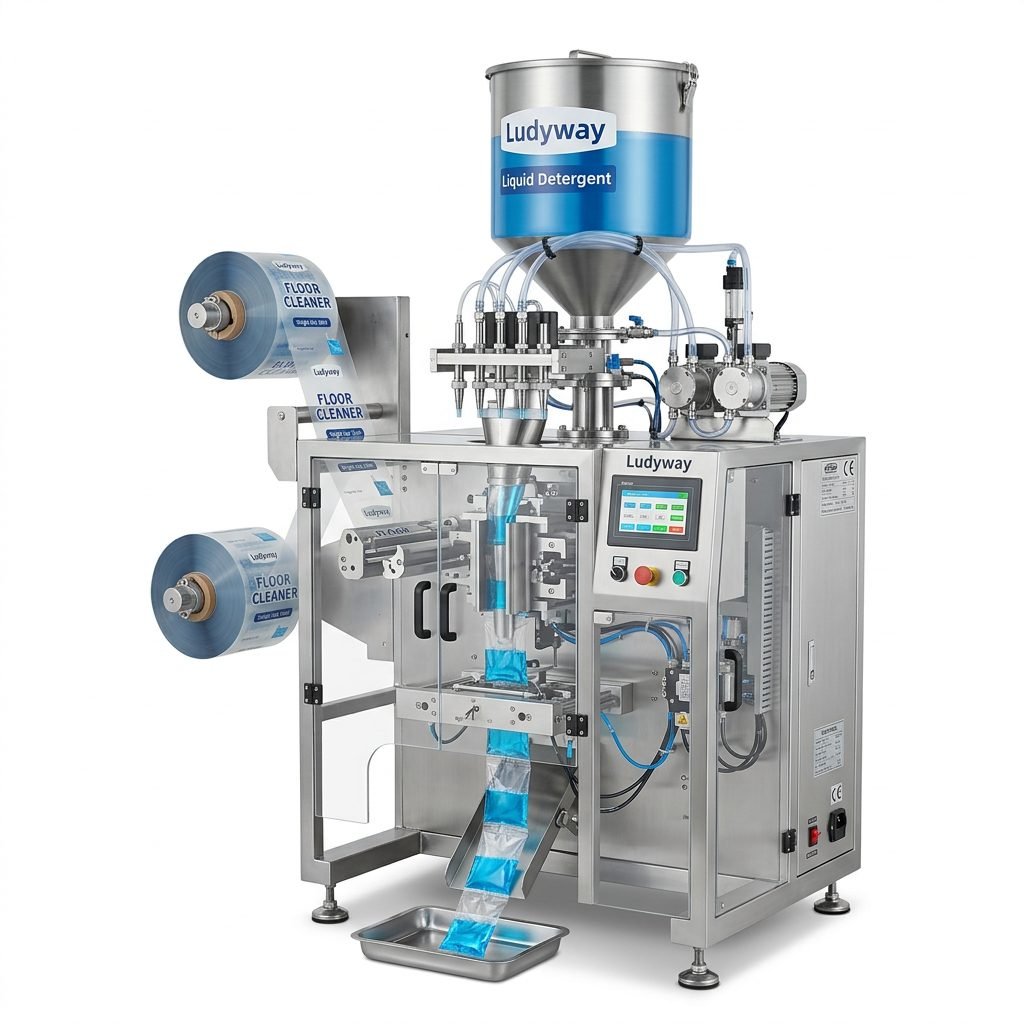
These systems use precise pumps, piston fillers, or volumetric fillers to handle liquids, creams, and pastes. They are often integrated with capping, lidding, or labeling systems to create a complete line. Crucial for pharmaceuticals (syrups), health products (oil supplements), and food (yogurt, sauces).
Beyond the Machine: The Value of a Trusted Partner
Selecting the right equipment is only the first step. The true value lies in partnering with a provider who offers comprehensive support. Ludyway Packing Machine, with over 30 years of collective industry experience, embodies this partner approach. It’s not just about selling a machine; it’s about delivering a tailored packaging solution.
This involves understanding the client’s specific product characteristics, desired output, factory layout, and future growth plans. A reliable partner provides:
- Customization: Modifying standard equipment to handle unique products or packaging materials.
- Turnkey Project Management: From initial design and factory layout planning to machine installation, commissioning, and operator training.
- Ongoing Technical Support & Spare Parts: Ensuring minimal downtime and long-term machine reliability, which is vital for continuous production schedules.
Driving Efficiency with Integrated Lines
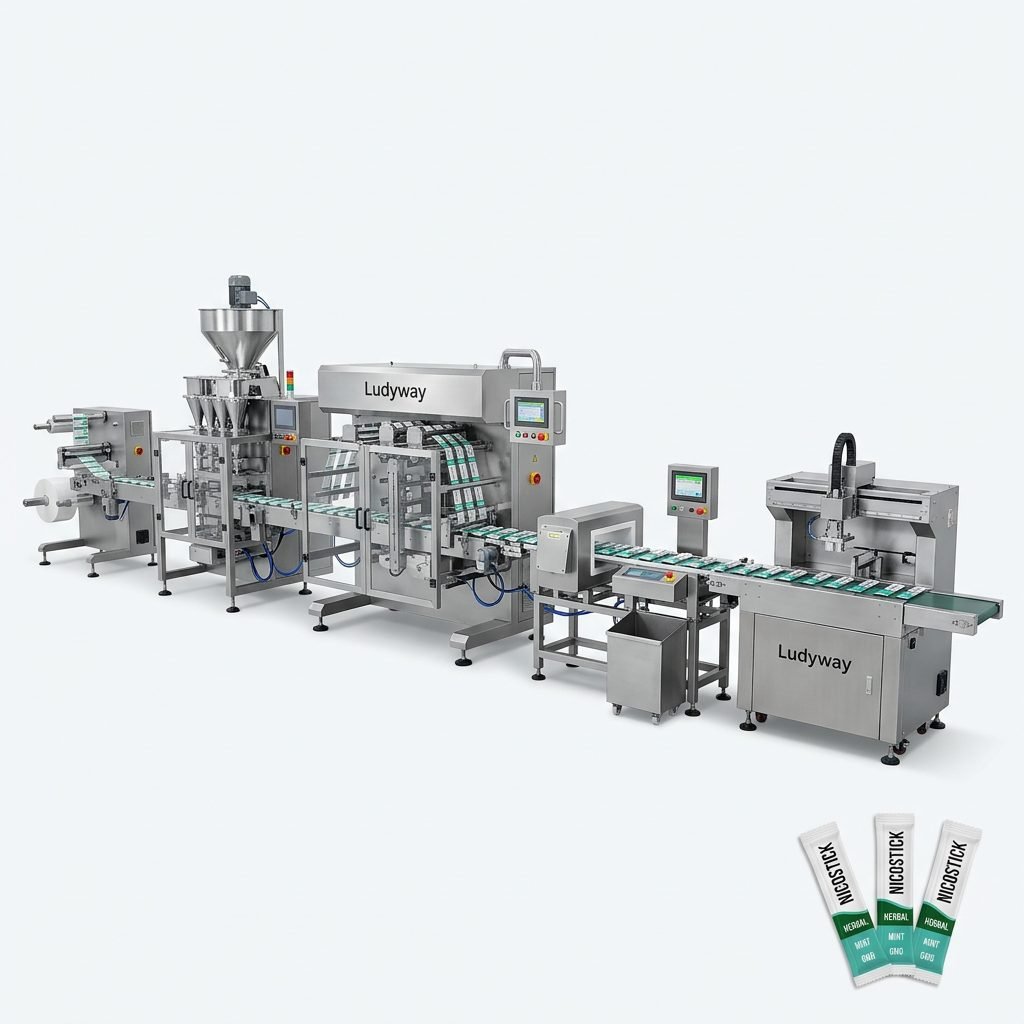
The highest level of automation is achieved by integrating individual machines into a synchronized production line. A typical turnkey line might include a feeding system (like a bulk bag discharger or silo), the primary packaging machine (e.g., a VFFS), a checkweigher to verify fill accuracy, a metal detector for safety, and a cartoning or case-packing system. This seamless flow, often managed by a central control panel, maximizes throughput and minimizes manual handling from raw material to shipping pallet.
Looking Ahead: Sustainability and Smart Packaging
The future of packaging equipment is intertwined with global trends. There is a growing demand for machines that can handle eco-friendly, recyclable, or biodegradable materials without compromising speed or seal quality. Furthermore, Industry 4.0 is making its mark. The next generation of automated packing machines will feature enhanced connectivity for real-time monitoring, predictive maintenance alerts, and seamless data exchange with Manufacturing Execution Systems (MES), paving the way for the smart factory.
Investing in the right automated packaging solution is a strategic decision that pays dividends in product quality, brand protection, and operational efficiency. By focusing on the specific needs of the food, pharmaceutical, and health product sectors and partnering with an experienced solution provider, manufacturers can build a robust foundation for success in an increasingly competitive and regulated global market.
Frequently Asked Questions (FAQs)
1. What are the main benefits of switching from manual to automated packaging?
The primary benefits include massively increased production speed and output, consistent and precise packaging quality (eliminating human error), enhanced product hygiene and safety by reducing human contact, lower long-term labor costs per unit, and improved traceability and data recording for compliance purposes.
2. How do I choose between a stick pack machine and a sachet machine?
The choice depends on your product and market preference. Stick packs are ideal for dry, flowable powders meant to be poured (e.g., drink mixes, instant coffee). They are space-efficient and often considered modern. Sachets offer a wider surface area for branding and are better suited for thicker products, small solids, or liquids in small doses (e.g., ointments, sauce packets). A packaging partner can help you test both options.
3. Can one machine package different types of products?
Yes, many modern machines are designed for quick changeover. With interchangeable forming tubes, filling heads, and pre-programmed recipes, a single machine can often switch between different product forms (e.g., from fine powder to small granules) and different package sizes within a certain range. This flexibility is key for manufacturers with diverse product lines.
4. What should I look for in a packaging equipment supplier?
Look for proven industry experience, particularly with your specific product category. Evaluate their technical support and spare parts availability. Ask for client references and if possible, visit their facility or see the equipment running. A good supplier acts as a solutions partner, offering customization, training, and reliable after-sales service, not just a machine sale.
5. How important is after-sales service for packaging machinery?
Extremely important. Packaging machines are critical production assets. Reliable, prompt after-sales service—including access to technical support, readily available genuine spare parts, and preventive maintenance programs—is essential to minimize costly downtime and ensure the long-term productivity and return on investment of your equipment.