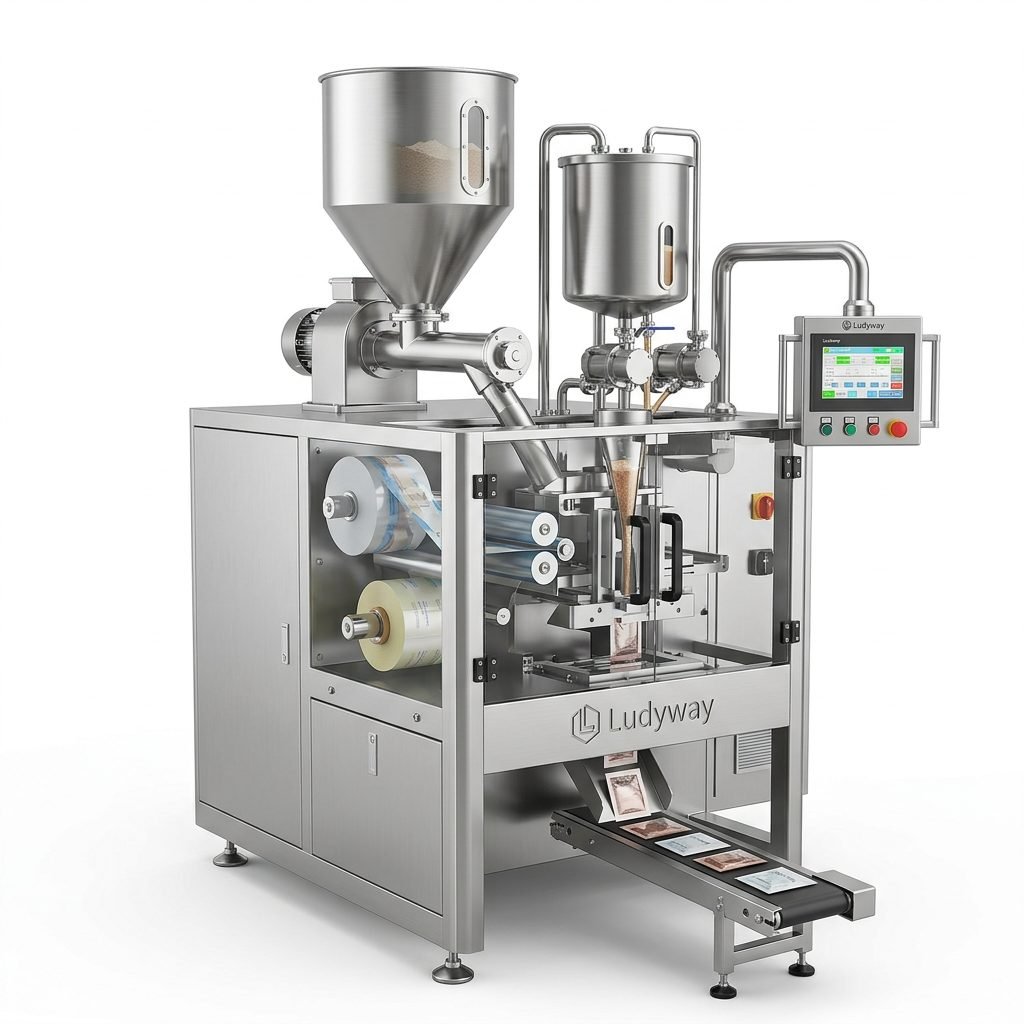
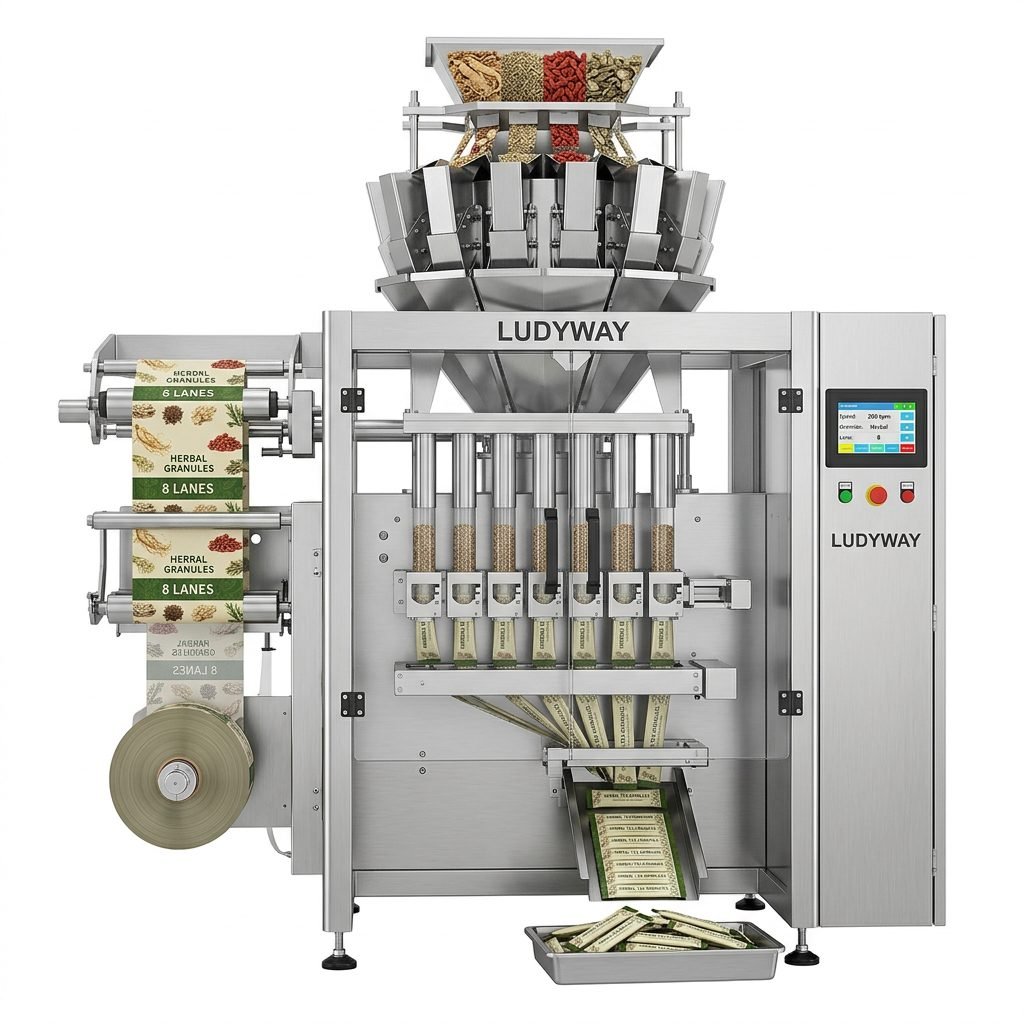
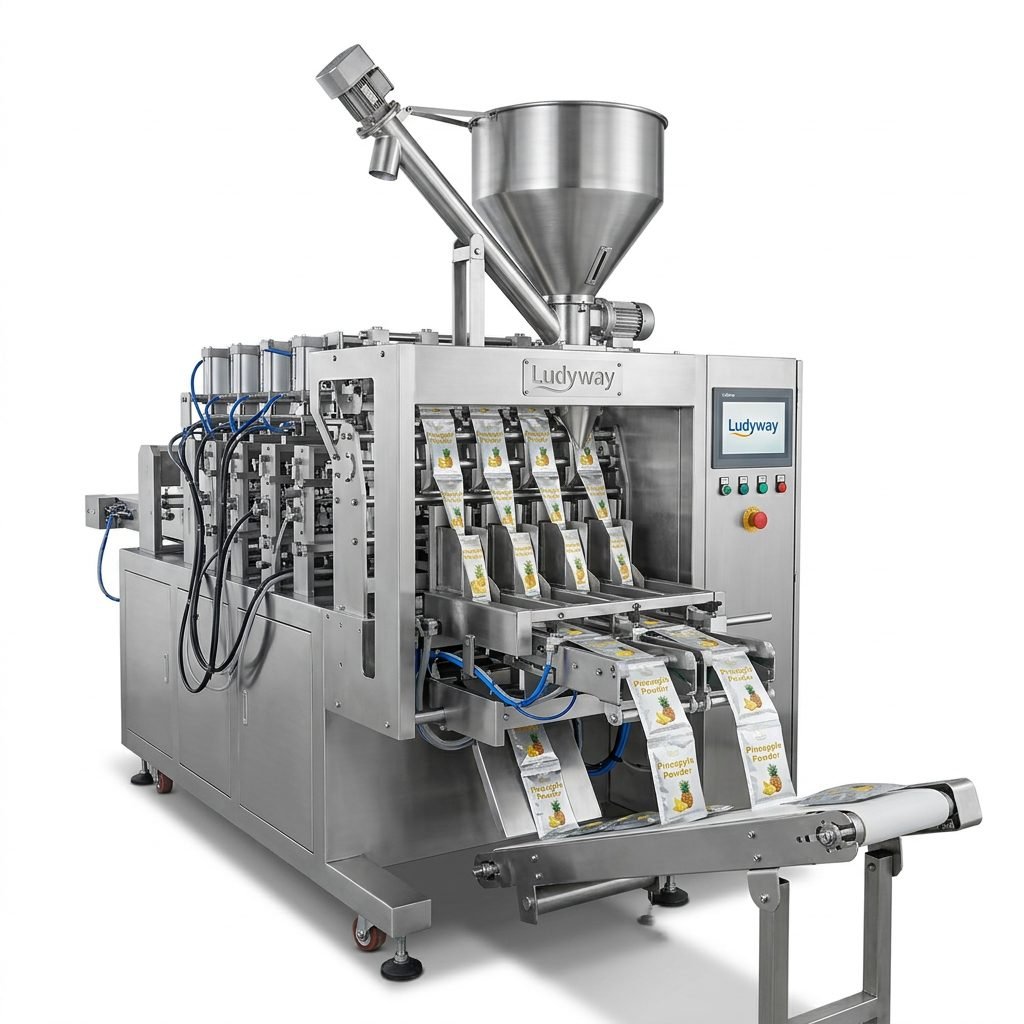
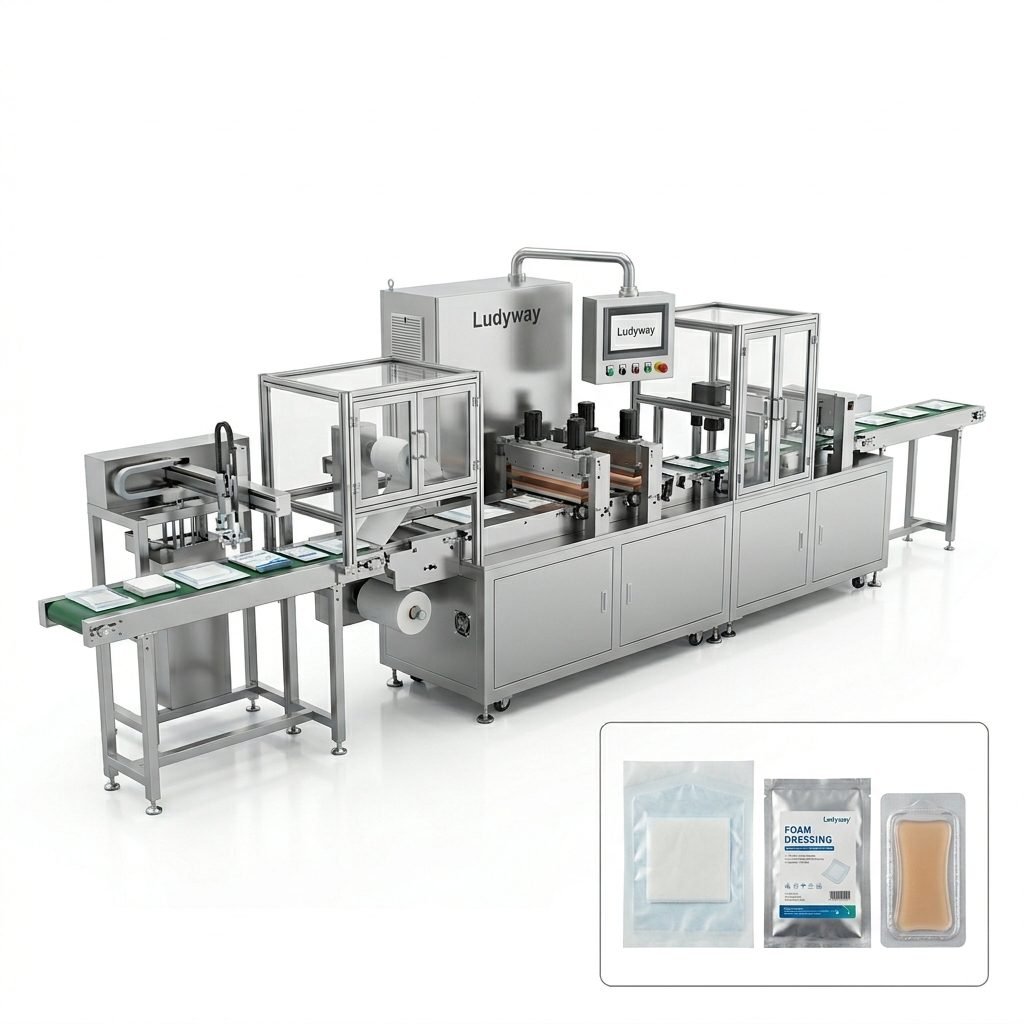
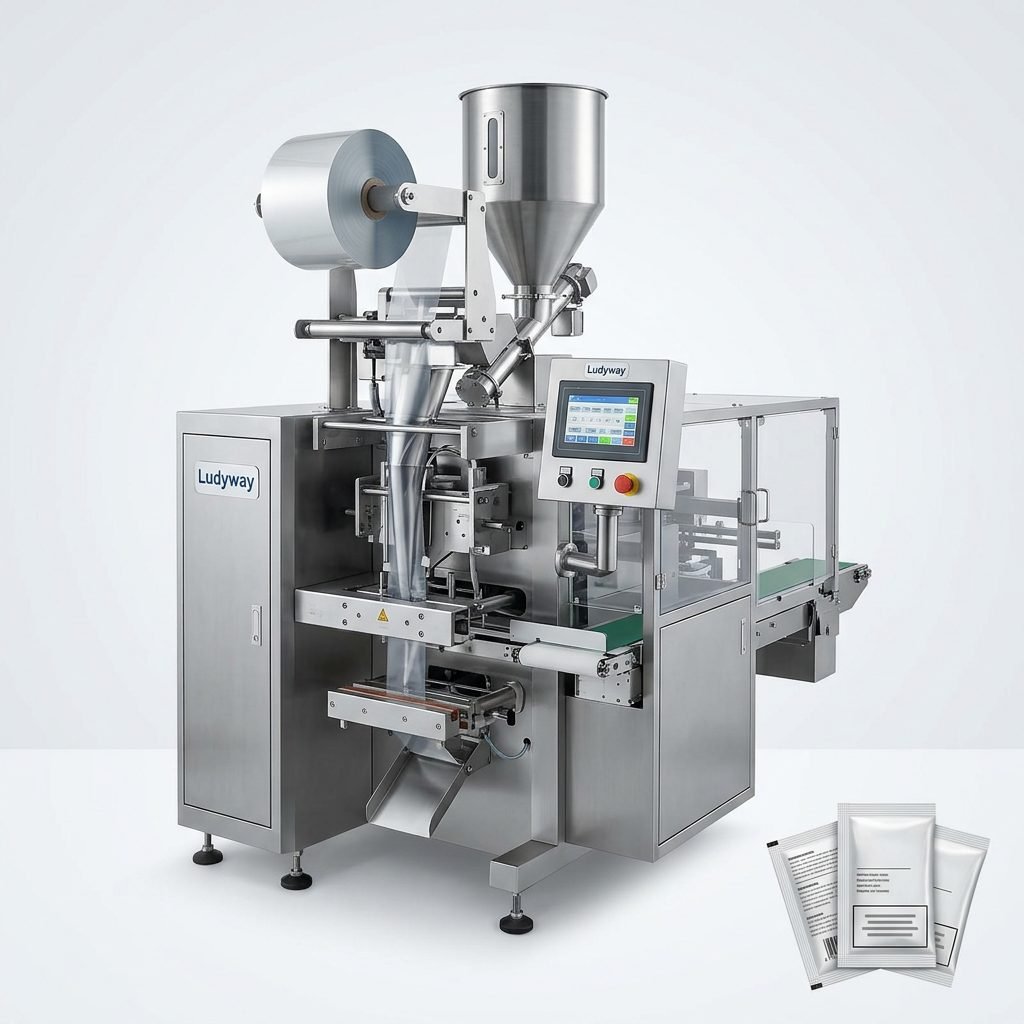
Establishing a dry food packaging machine production line in France presents a significant opportunity for manufacturers looking to tap into one of Europe’s most robust food processing markets. France is the second-largest food market in the EU, with a deeply integrated agricultural sector and a growing demand for packaging solutions that balance speed, hygiene, and sustainability. Whether you are launching a new facility or upgrading an existing operation, a methodical approach to planning, compliance, and equipment integration is essential to long-term success.
Understanding the French Dry Food Packaging Market
France’s processed dry food sector encompasses a wide range of products including cereals, flours, spices, coffee powders, dehydrated soups, protein supplements, and pet food granules. Each of these product categories demands specific packaging formats such as sachets, stick packs, pouches, and bulk bags. The French market is characterized by strict quality expectations from both consumers and retailers, which means your turnkey packaging production lines must deliver consistent fill accuracy, reliable sealing integrity, and attractive shelf presentation.
The competitive landscape favors facilities that can demonstrate operational efficiency through reduced downtime, rapid format changeovers, and integrated quality control systems. According to industry reports from PMMI – The Association for Packaging and Processing Technologies, European packaging machinery demand continues to rise, driven by automation trends and labor optimization strategies.
Regulatory Compliance and French Standards
Before installing any equipment, you must navigate the regulatory framework governing food packaging in France and the broader European Union. Key compliance areas include:
- EU Regulation (EC) No 1935/2004 on materials and articles intended to come into contact with food
- EU Regulation (EC) No 2023/2006 on good manufacturing practice for food contact materials
- French DGCCRF guidelines for food safety and consumer protection
- CE marking requirements for all machinery placed on the EU market
- ATEX directives if your dry food powders present dust explosion risks
Refer to the FDA Food Packaging regulations for additional guidance on international compliance standards, and consult the European Commission Packaging and Packaging Waste Regulation for sustainability requirements that increasingly impact packaging material choices in France.
Selecting the Right Dry Food Packaging Equipment
Choosing the appropriate machinery is the cornerstone of your production line setup. The following table outlines the primary equipment categories and their applications for dry food products in the French market:
| Equipment Type | Ideal Applications | Key Advantage |
|---|---|---|
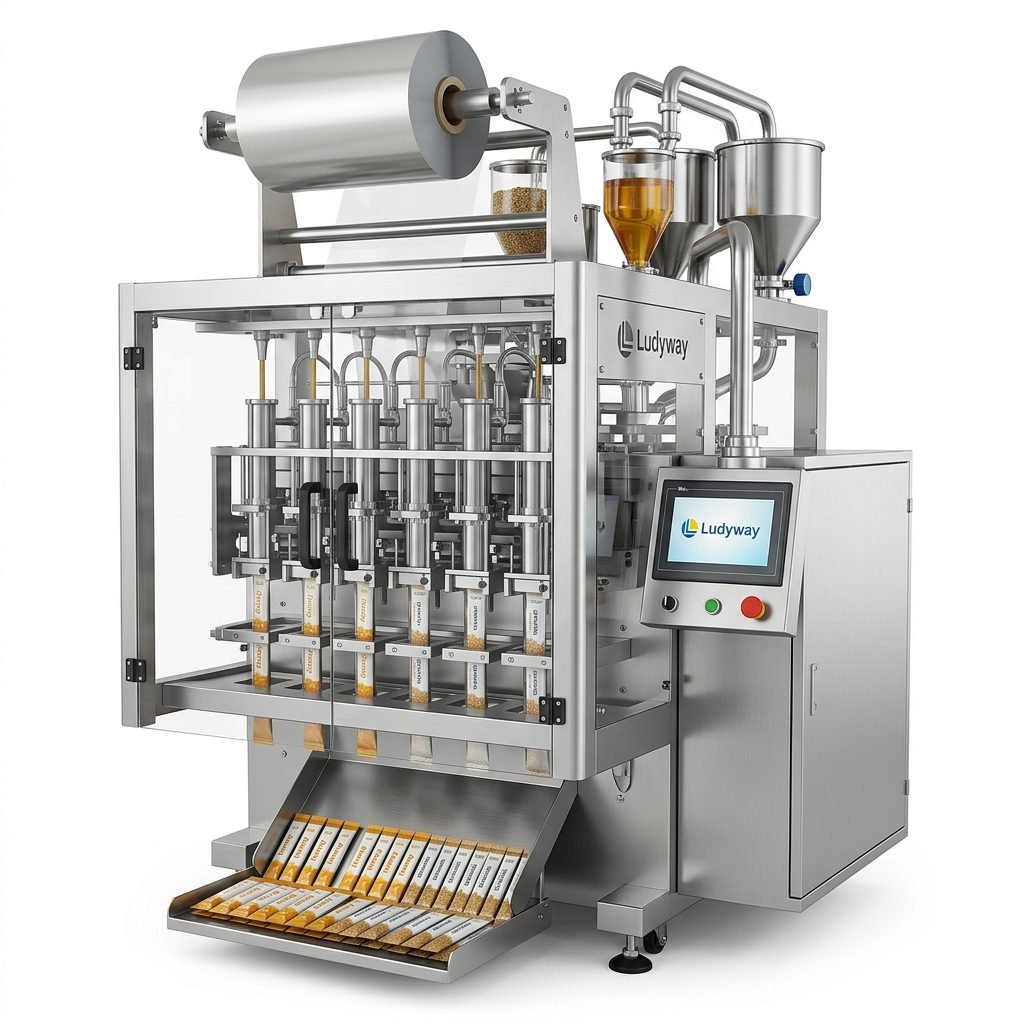
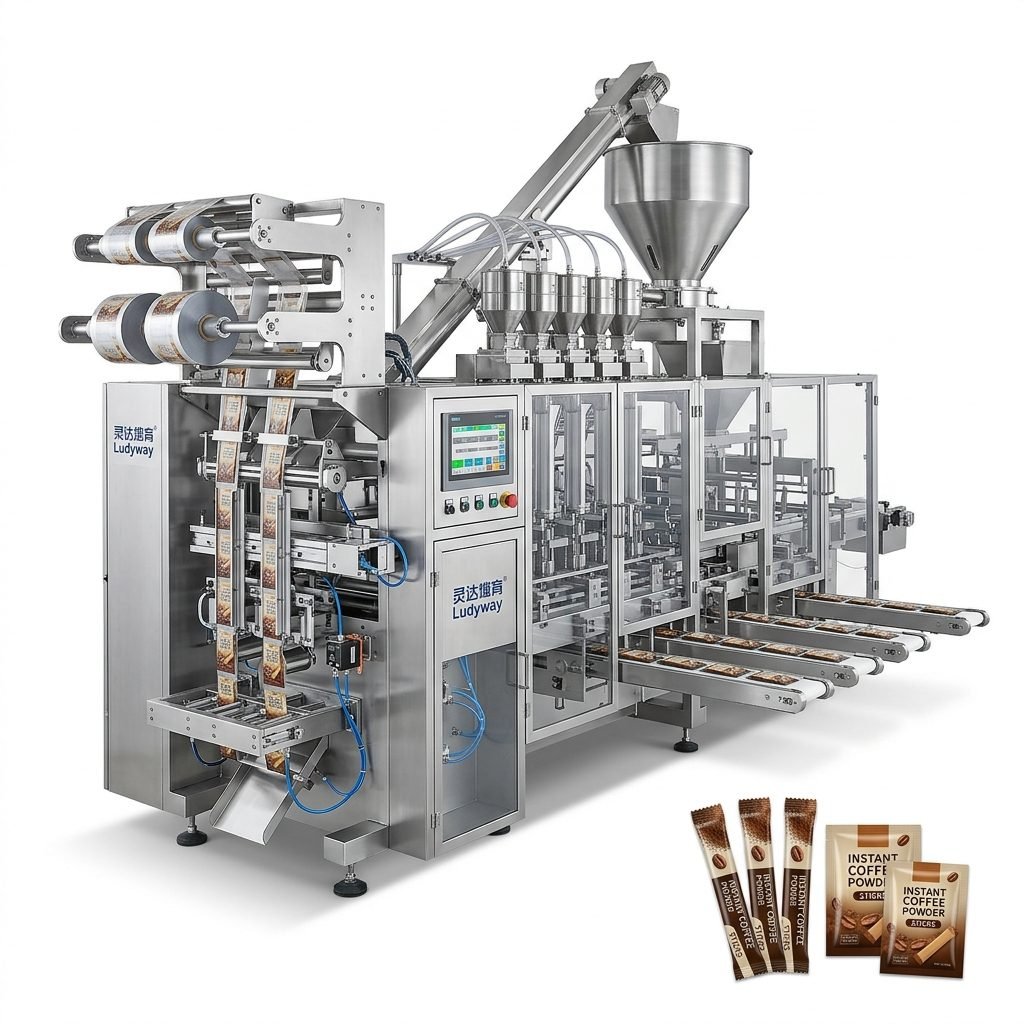
| Multi-Lane Stick Pack Machines | Coffee powder, sugar, protein supplements, spices | High output with minimal floor space |
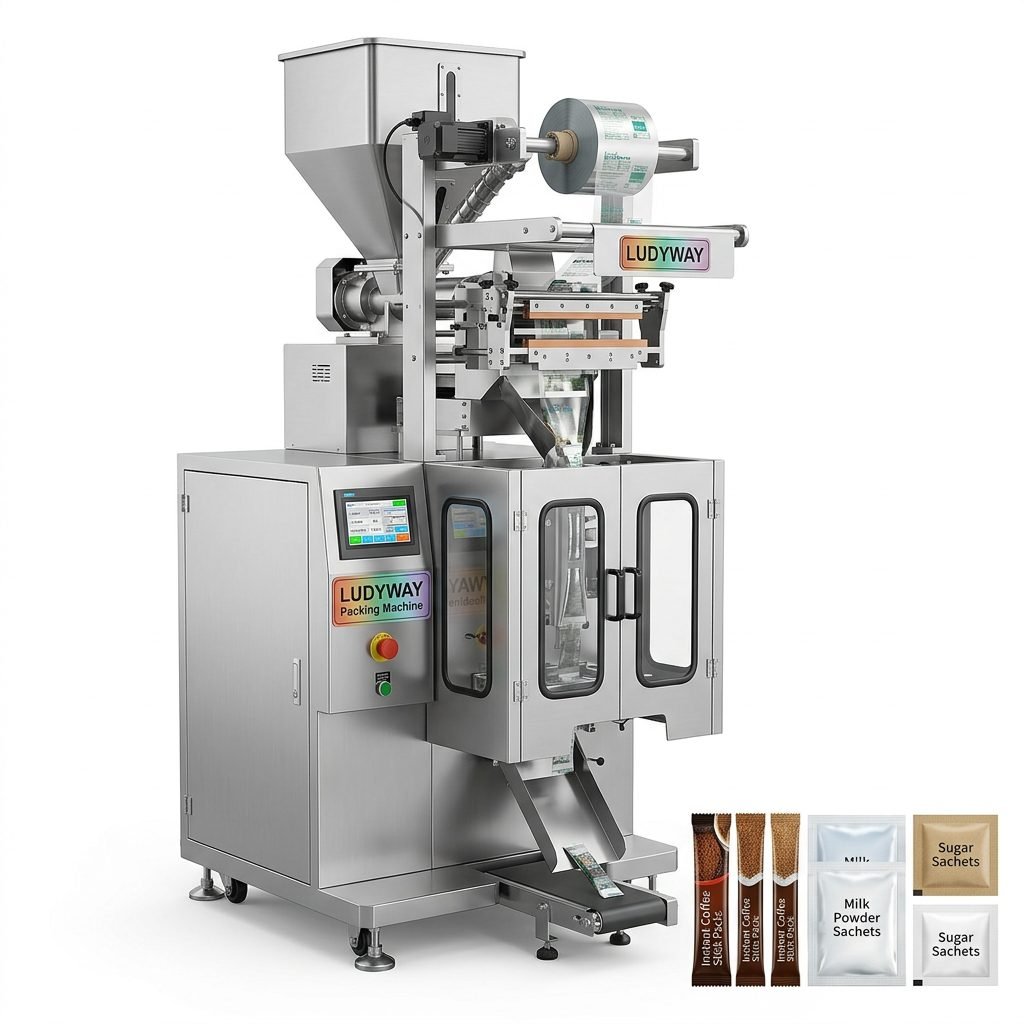
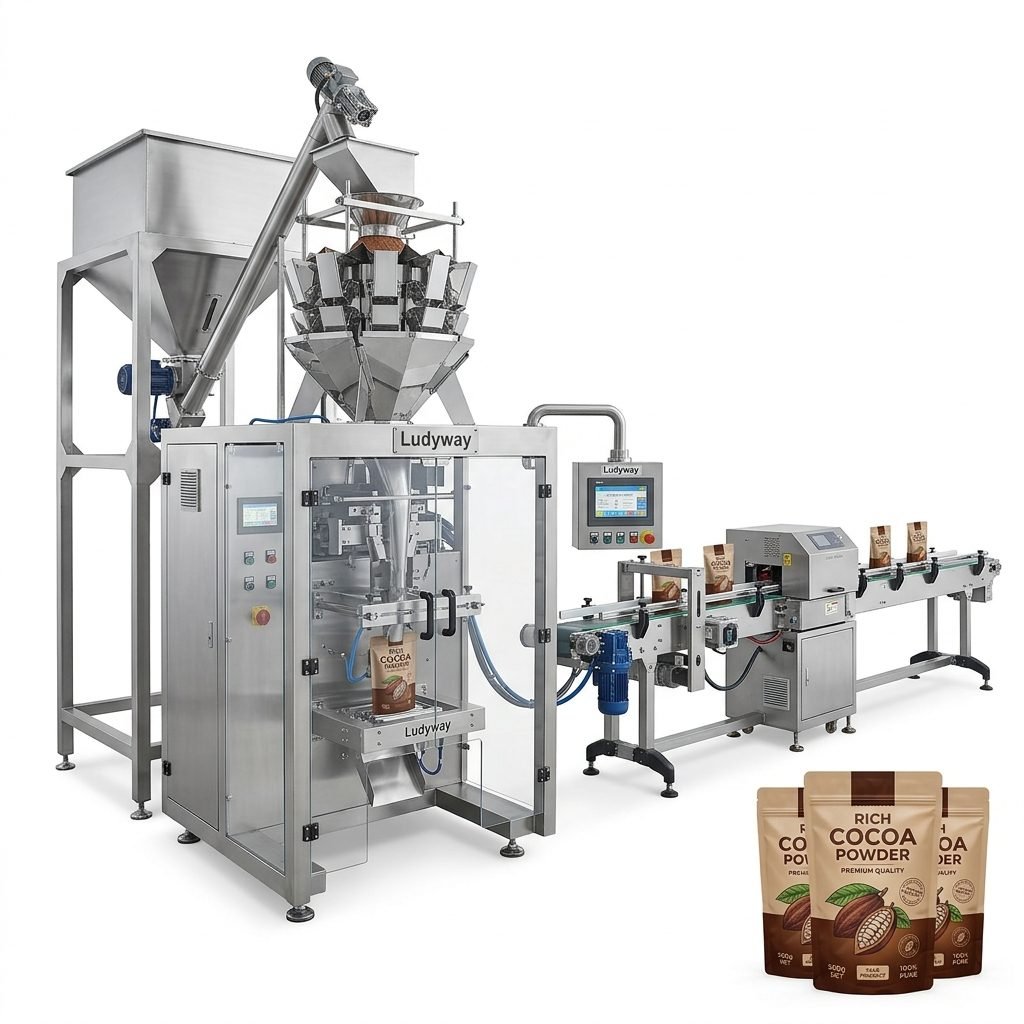
| Vertical Form Fill Seal (VFFS) Systems | Cereals, grains, flour, pet food granules | Versatile for multiple bag formats |
| Premade Pouch Fill & Seal Machines | Premium dried fruits, nuts, specialty teas | Excellent visual presentation for retail |
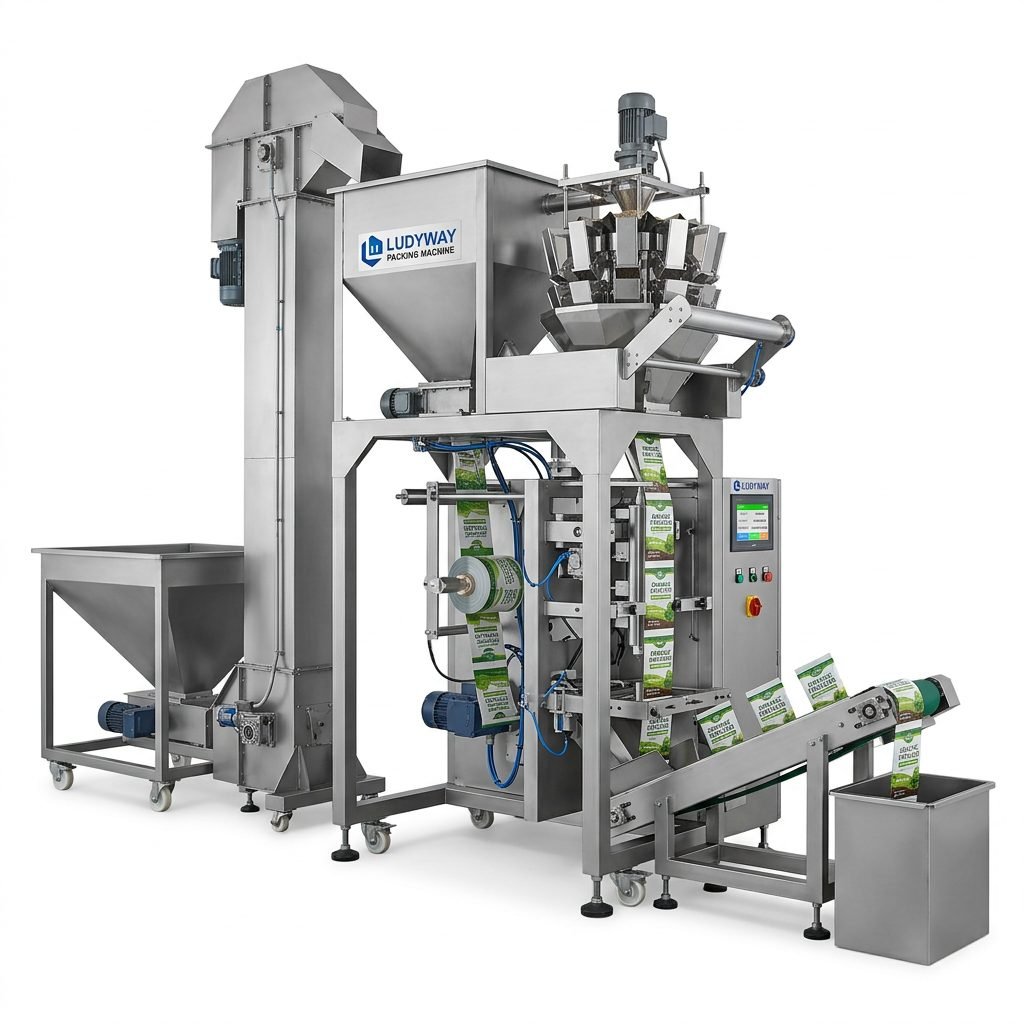
| Bulk Bagging Systems | Industrial flour, starch, bulk ingredients | Heavy-duty throughput for wholesale |
| Automated Weighing & Dosing Units | All dry food applications requiring precision | Minimizes product giveaway |
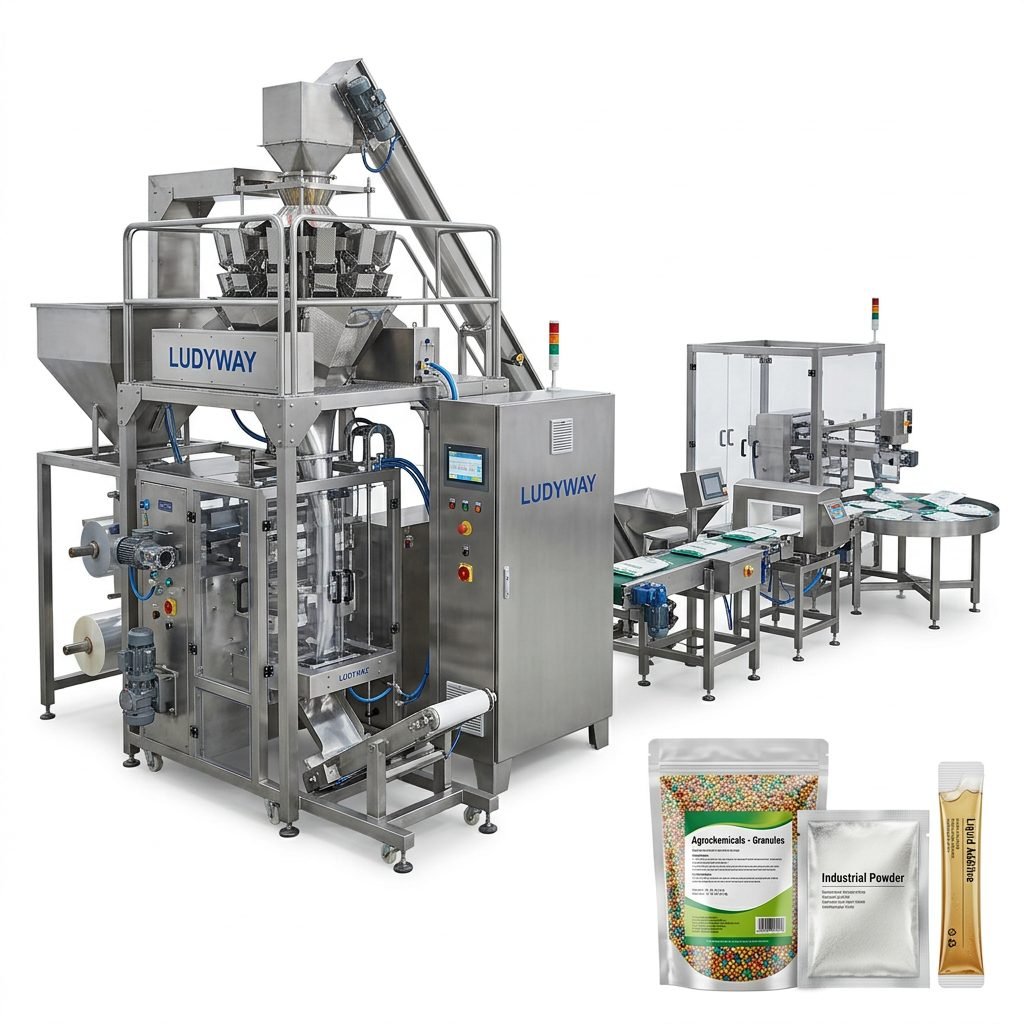
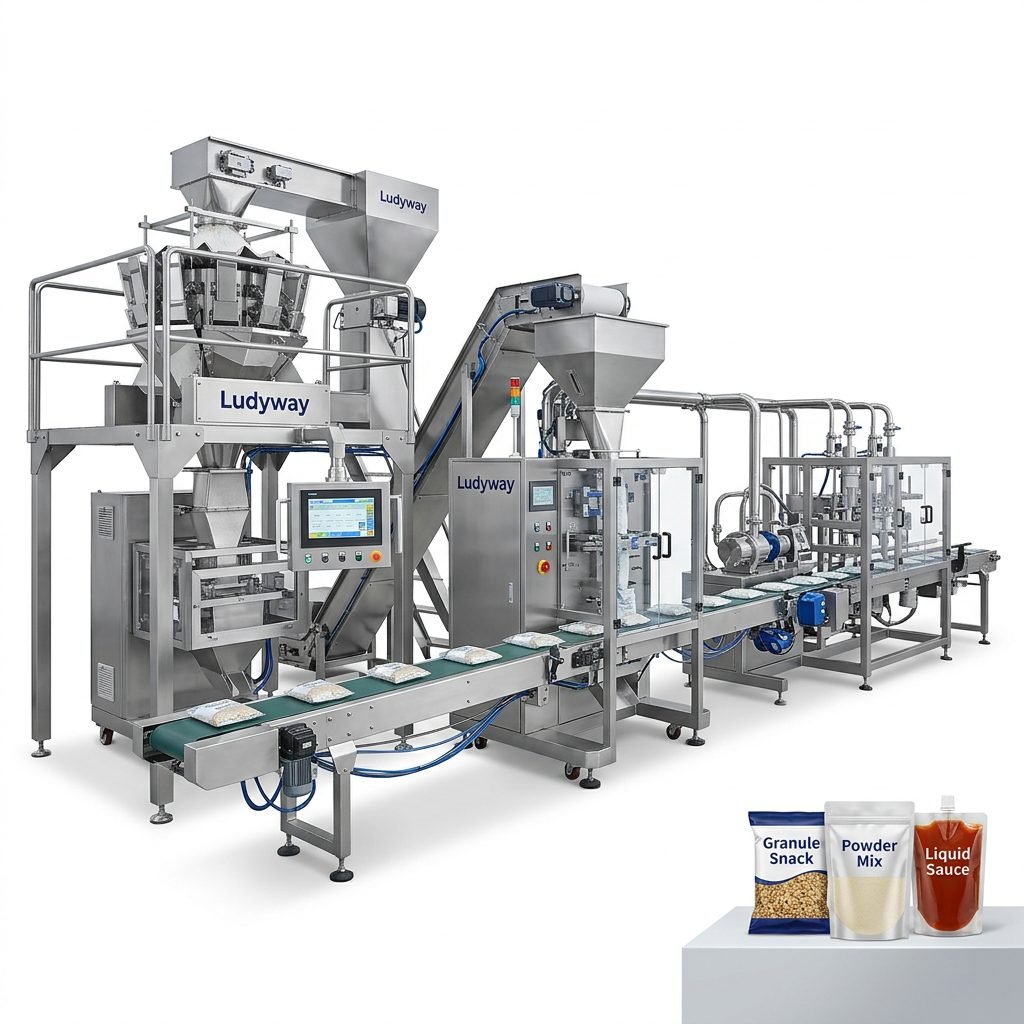
When evaluating suppliers, prioritize manufacturers that offer integrated packaging lines rather than standalone machines. This approach simplifies installation, reduces compatibility issues, and ensures a single point of accountability for after-sales support. Ludyway, for example, is one of the largest packaging machine manufacturers in China with over 30 years of industry expertise, providing turnkey production solutions for food, pharmaceutical, and health industries across more than 100 countries. Their integrated approach to multi-lane packaging systems demonstrates how cohesive engineering can streamline French market entry.
Production Line Layout and Facility Planning
A well-designed layout maximizes throughput and minimizes cross-contamination risks – a critical factor for dry food operations in France where allergen management is strictly regulated. Consider the following layout principles:
- Linear flow design: Raw material intake, processing, packaging, and finished goods storage should follow a unidirectional path to prevent backtracking.
- Dedicated zones: Separate areas for different allergen classes or product categories, with clear physical demarcation.
- Dust control infrastructure: Install dust extraction systems near filling and mixing stations to comply with ATEX requirements and maintain cleanroom standards.
- Utility accessibility: Ensure compressed air, electrical supply, and data connections are strategically placed for all packaging machinery.
- Operator ergonomics: Design workstations that allow comfortable access for monitoring, maintenance, and cleaning procedures.
French labor regulations emphasize worker safety and ergonomic design, so factor in adequate clearance zones and safety guarding from the initial planning phase. ISO packaging standards available at ISO Packaging Standards provide additional guidance on equipment safety and performance benchmarks.
Space Requirements Estimation
As a general guideline, a mid-capacity dry food packaging line processing 50-100 units per minute typically requires between 150 to 300 square meters of production floor space. This includes room for raw material staging, primary packaging machinery, secondary cartoning or case packing, and temporary finished goods storage. High-speed multi-lane operations with high-speed packaging lines may require upwards of 500 square meters to accommodate bulk feeding systems and automated palletizing.
Installation and Commissioning Process
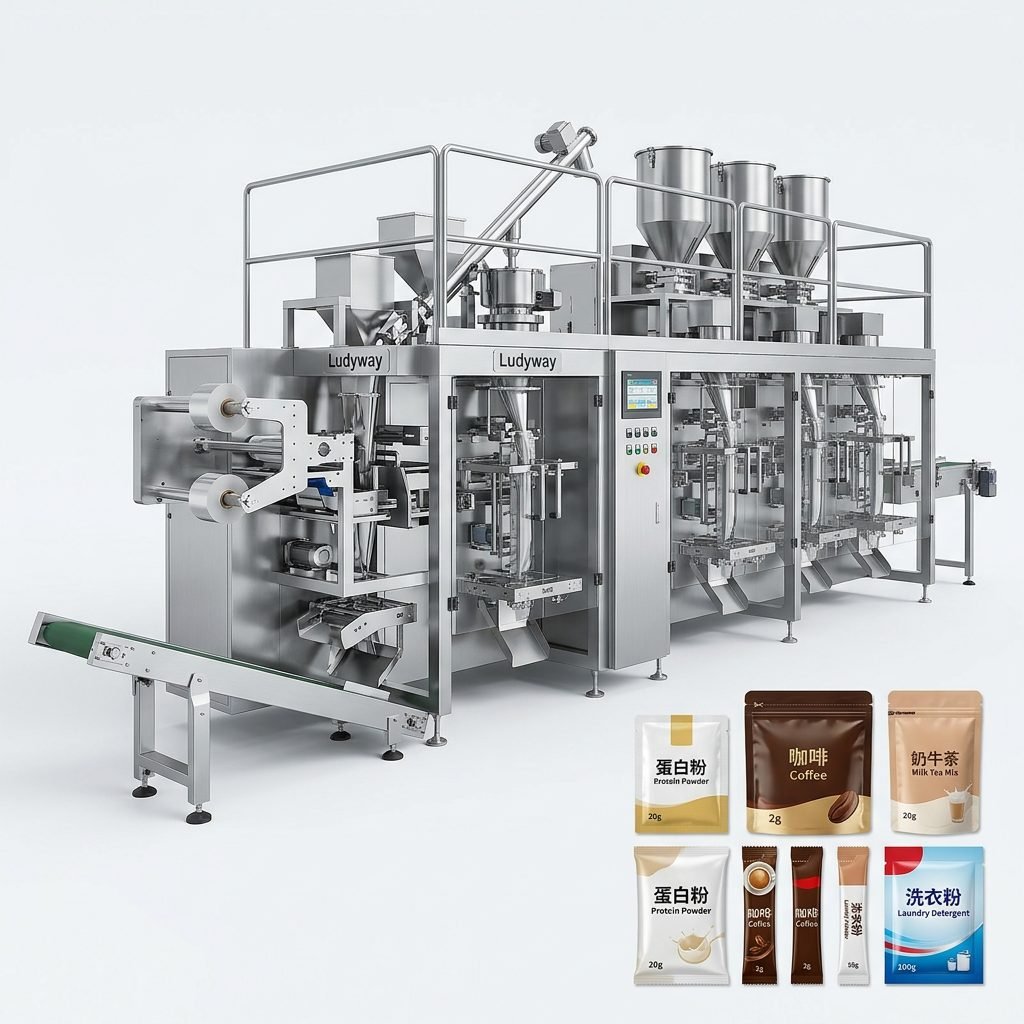
Proper installation is the bridge between equipment procurement and operational excellence. In France, installation timelines are often influenced by building permit requirements, utility connection schedules, and inspection protocols. A structured installation process includes the following phases:
- Site Preparation: Verify floor load capacity, prepare anchor points, and confirm that all utility connections meet the specifications of your dry food packaging equipment.
- Equipment Delivery & Positioning: Coordinate with logistics providers experienced in handling industrial machinery. French customs procedures for non-EU imports require complete documentation including certificates of origin and CE declarations.
- Mechanical & Electrical Integration: Connect power supplies, compressed air lines, and data networks. All electrical work must comply with French NFC 15-100 standards.
- Dry Run Testing: Operate the line without product to verify mechanical alignment, sensor functionality, and software logic.
- Product Trials: Run test batches with actual dry food products to validate fill accuracy, seal integrity, and packaging appearance.
- Performance Qualification: Document production speed, waste rates, and downtime metrics to confirm the line meets contractual specifications.
Staff Training and Knowledge Transfer
French labor law requires employers to provide adequate training for operators of industrial machinery. Plan for a minimum of 40-80 hours of hands-on training per shift team, covering normal operation, troubleshooting, cleaning procedures, and safety protocols. Maintain detailed training logs as these may be requested during labor inspections or quality audits by French authorities.
Maintenance Strategies for Long-Term Performance
A proactive maintenance program ensures consistent output and extends equipment lifespan. For dry food operations in France, where production schedules often run on tight margins, unplanned downtime can be particularly costly. Implement the following maintenance tiers:
- Daily: Clean product contact surfaces, inspect sealing jaws for wear, verify date code legibility.
- Weekly: Check belt tensions, lubricate moving parts, calibrate weighing systems, inspect pneumatic connections for leaks.
- Monthly: Replace worn gripping elements, test emergency stop circuits, review software logs for anomaly patterns.
- Quarterly: Comprehensive inspection of drive motors, gearboxes, and electrical cabinets; deep cleaning of dust-prone areas.
- Annually: Full preventive overhaul including replacement of critical wear components, software updates, and safety system recertification.
Maintain a well-stocked inventory of critical spare parts locally in France to avoid extended lead times for imported components. Common spares include sealing elements, cutting blades, sensors, belts, and pneumatic cylinders specific to your packaging machine spare parts catalog.
Addressing Common Challenges in France
Setting up a production line in France comes with specific challenges that require advance planning. Below are the most frequently encountered issues and practical solutions:
Language and Documentation Requirements
All equipment documentation, including user manuals, safety instructions, and maintenance guides, must be available in French to comply with regulatory requirements. Similarly, operator interfaces and software menus should be fully translated. Plan for this localization effort during the procurement phase to avoid delays during commissioning.
Energy Efficiency Standards
France has ambitious energy transition goals, and industrial facilities are increasingly expected to demonstrate energy-efficient operations. Select packaging machinery with variable frequency drives, energy recovery systems, and standby modes that reduce power consumption during idle periods. These features not only support environmental compliance but also reduce operating costs over the equipment lifecycle.
Supply Chain Coordination
Coordinate early with French packaging material suppliers for films, laminates, and cartons that are compatible with your machinery. Test these materials during the commissioning phase to validate sealing performance and shelf-life characteristics. French suppliers often have strong expertise in sustainable packaging materials, which aligns with growing consumer and regulatory demand for eco-friendly packaging solutions.
Conclusion
Establishing a dry food packaging machine production line in France is a multifaceted project that demands careful attention to regulatory compliance, equipment selection, facility design, and ongoing maintenance. By investing in integrated, high-quality packaging systems and partnering with experienced suppliers, you position your operation to meet the rigorous standards of the French market while achieving efficient, profitable production. The combination of strategic planning, skilled workforce training, and robust maintenance practices creates a foundation for sustainable growth in one of Europe’s most dynamic food packaging sectors.
For further industry insights, explore the PMMI Business Intelligence Library and stay updated on evolving packaging standards through the Flexible Packaging Association Industry Resources.