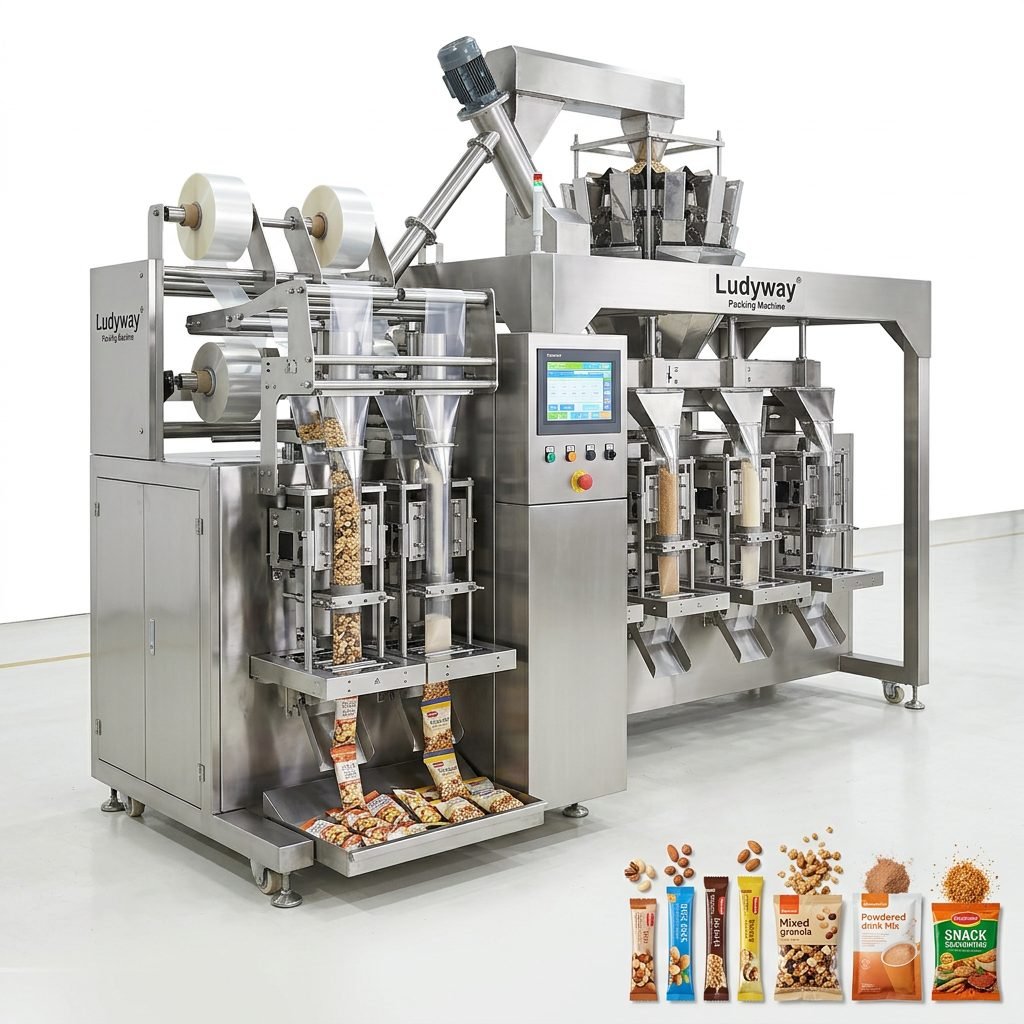
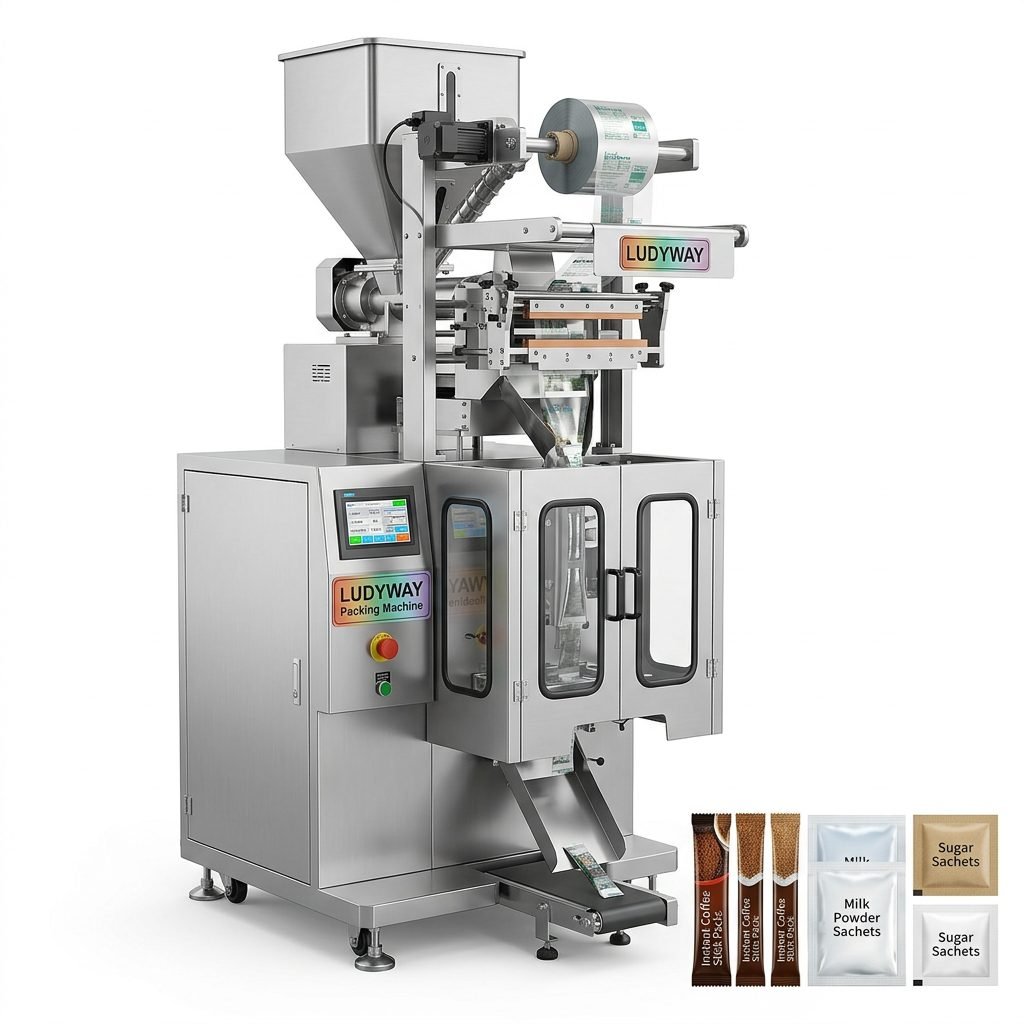
In today’s fast-paced manufacturing world, efficiency, hygiene, and product integrity are non-negotiable, especially for sensitive sectors like food, pharmaceuticals, and health products. The right packaging is the final, critical step that protects the product, preserves its quality, and communicates brand value to the consumer. This is where advanced shrink packaging machines and automatic wrapping & sealing systems become indispensable assets for modern production lines.
The Critical Role of Packaging in Key Industries
Packaging is far more than just a container; it’s a multi-functional shield. For the food industry, it ensures freshness, prevents contamination, and extends shelf life. In the pharmaceutical sector, packaging is a matter of safety—it must provide tamper evidence, maintain sterility, and ensure precise dosing. For health and nutraceutical products, packaging protects delicate ingredients from moisture and light while often serving as a key marketing tool on retail shelves.
Key Takeaway: A one-size-fits-all approach does not work. The packaging machinery must be specifically engineered to handle the unique physical properties (powder, granule, liquid, tablet) and regulatory requirements of each product category.
Exploring Shrink Packaging & Automatic Sealing Technologies
Modern packaging solutions encompass a range of technologies designed for speed and precision.
Shrink Packaging Machines
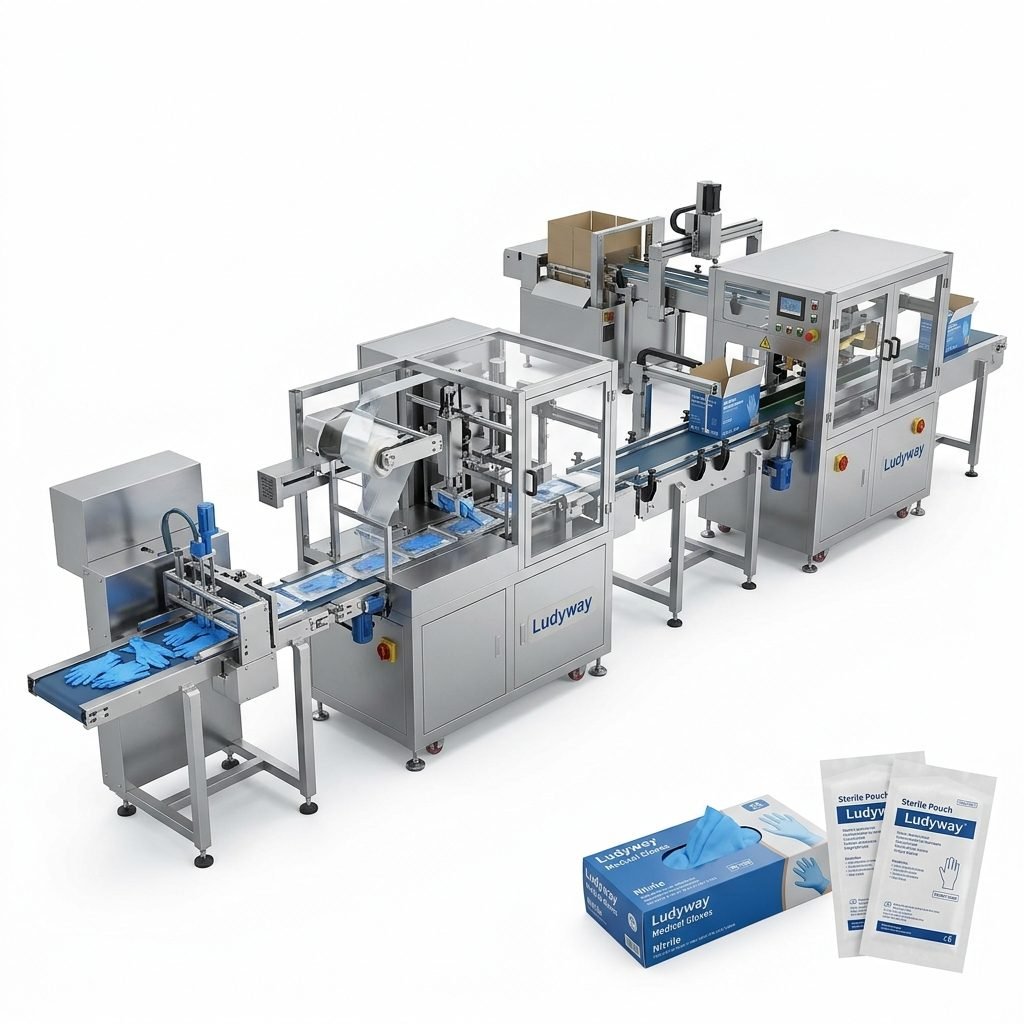
These systems use heat to apply a loose plastic film around a product or a group of products (multi-packs). The film then shrinks tightly to form a smooth, rigid, and protective casing. This method is excellent for bundling items, creating tamper-evident seals, and producing a high-gloss, attractive finish that enhances shelf appeal.
Automatic Wrapping and Sealing Systems
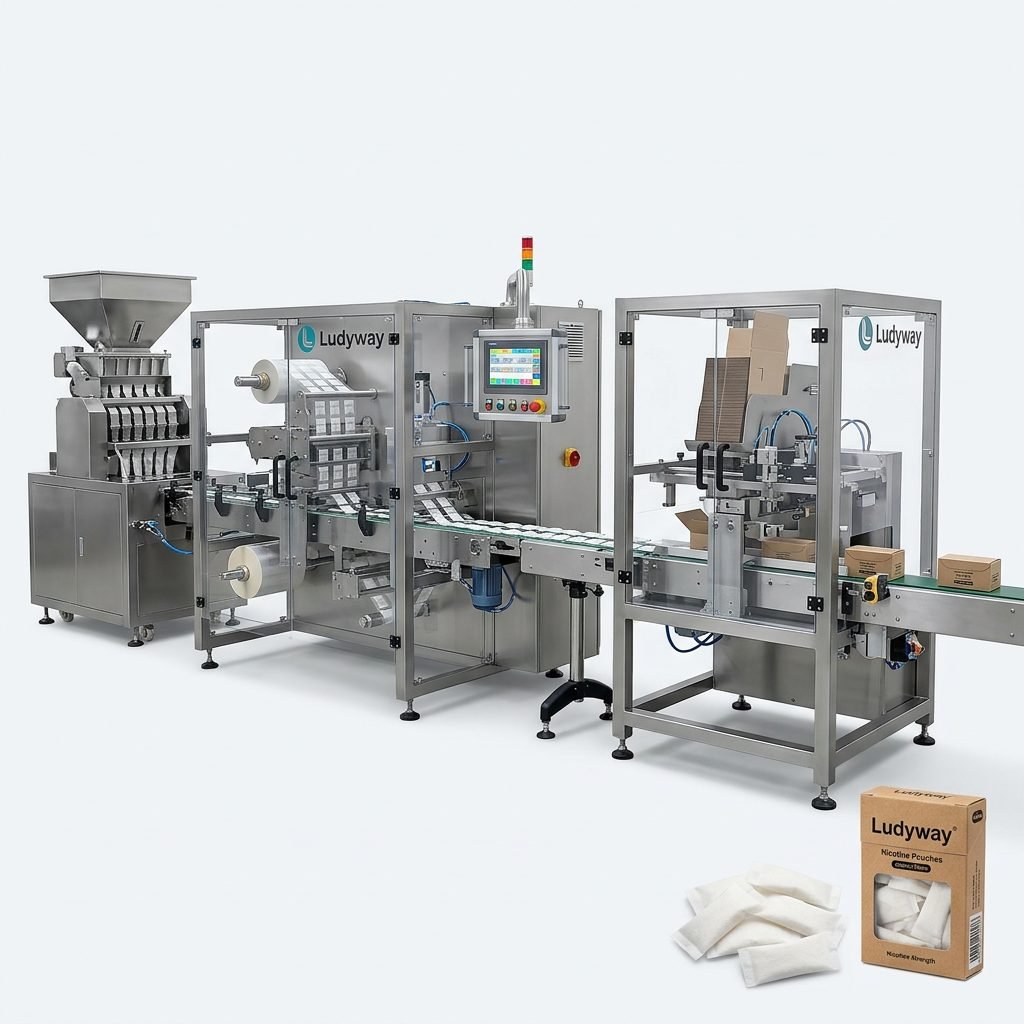
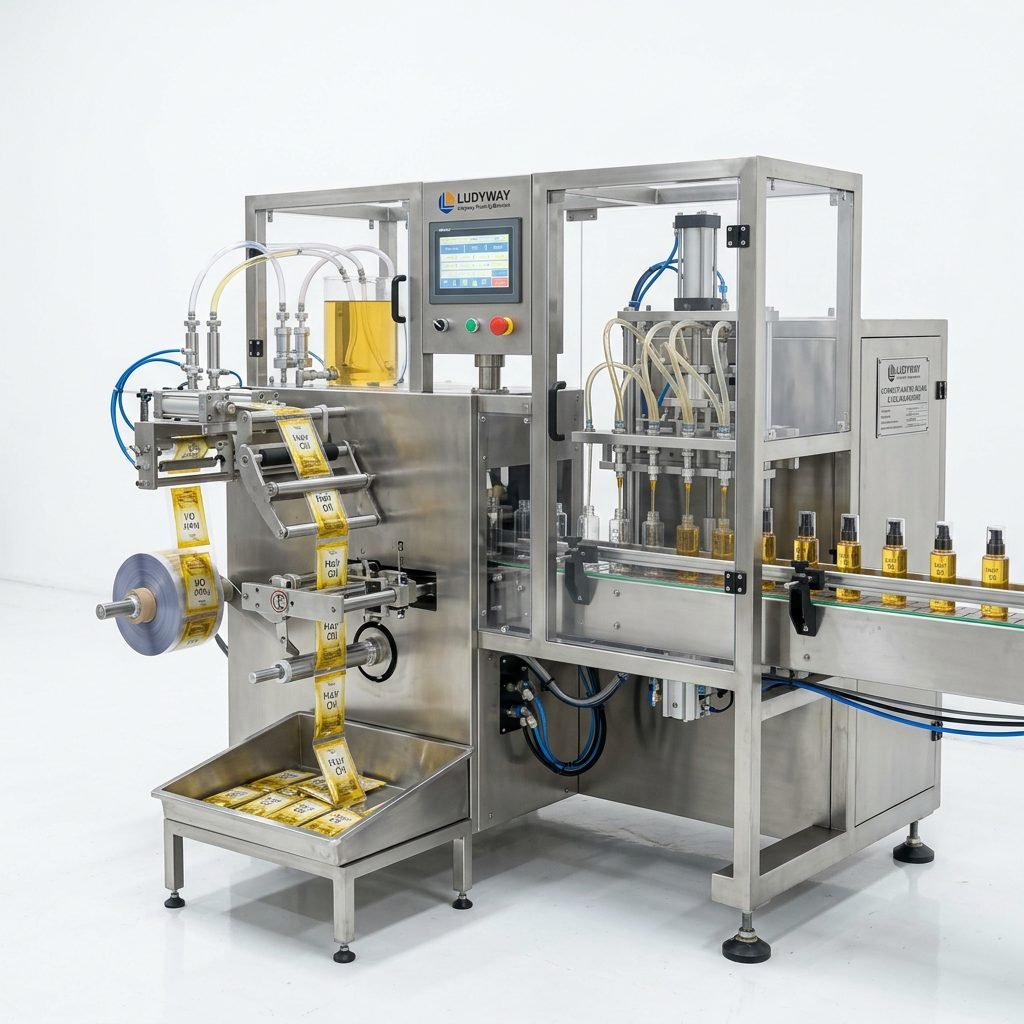
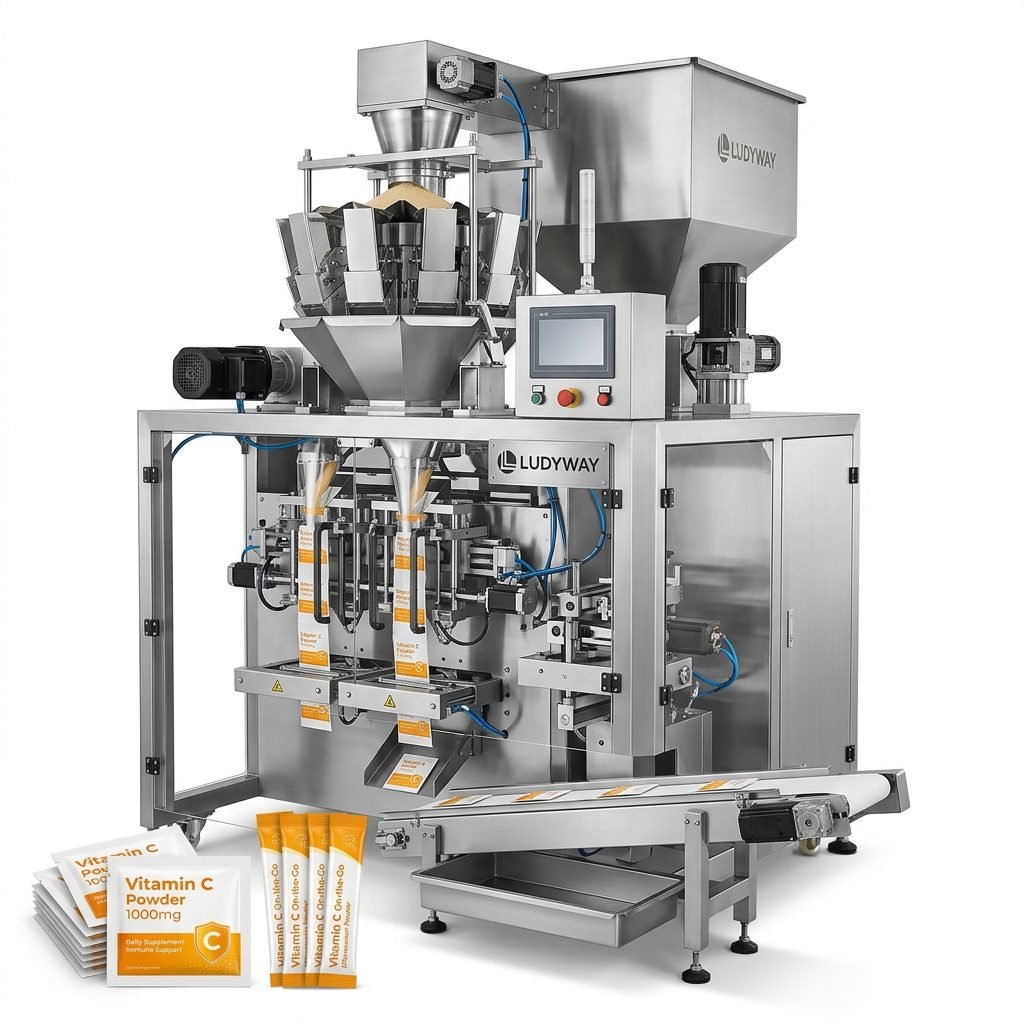
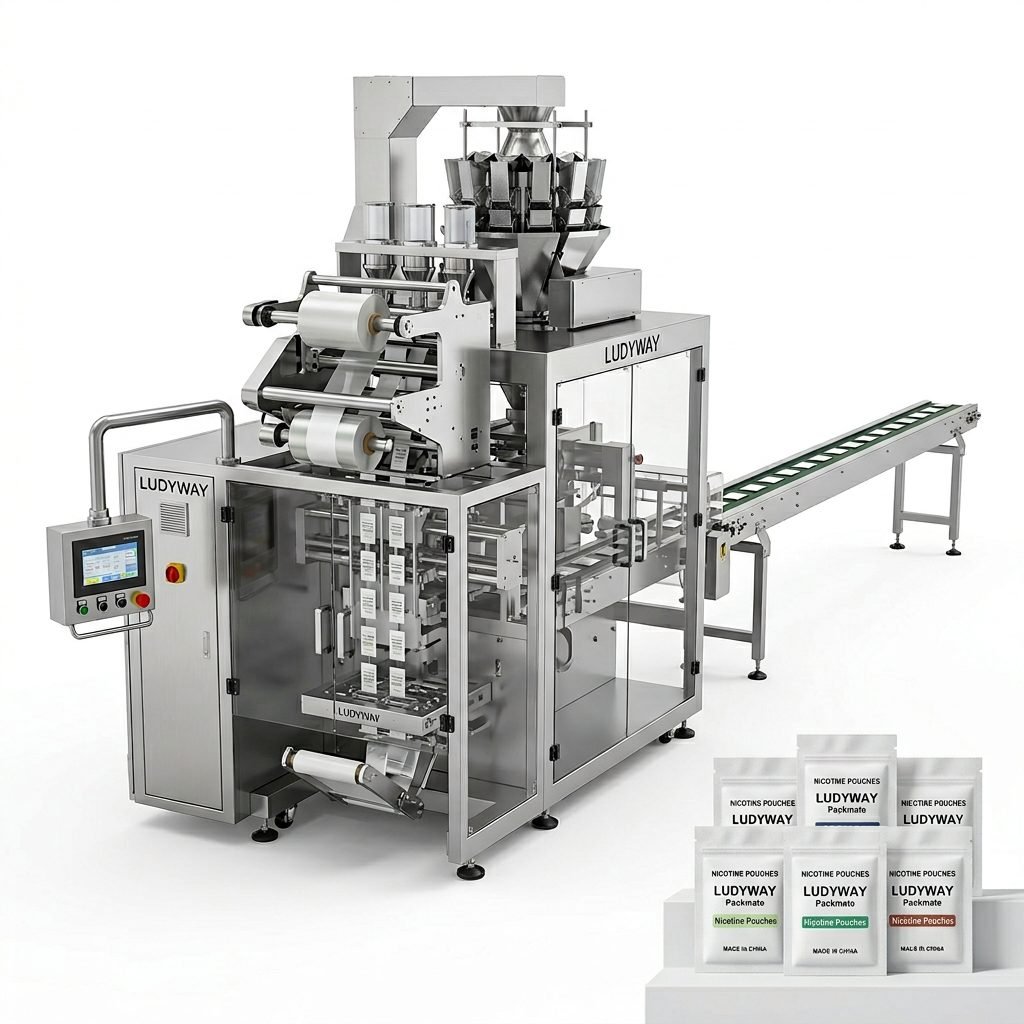
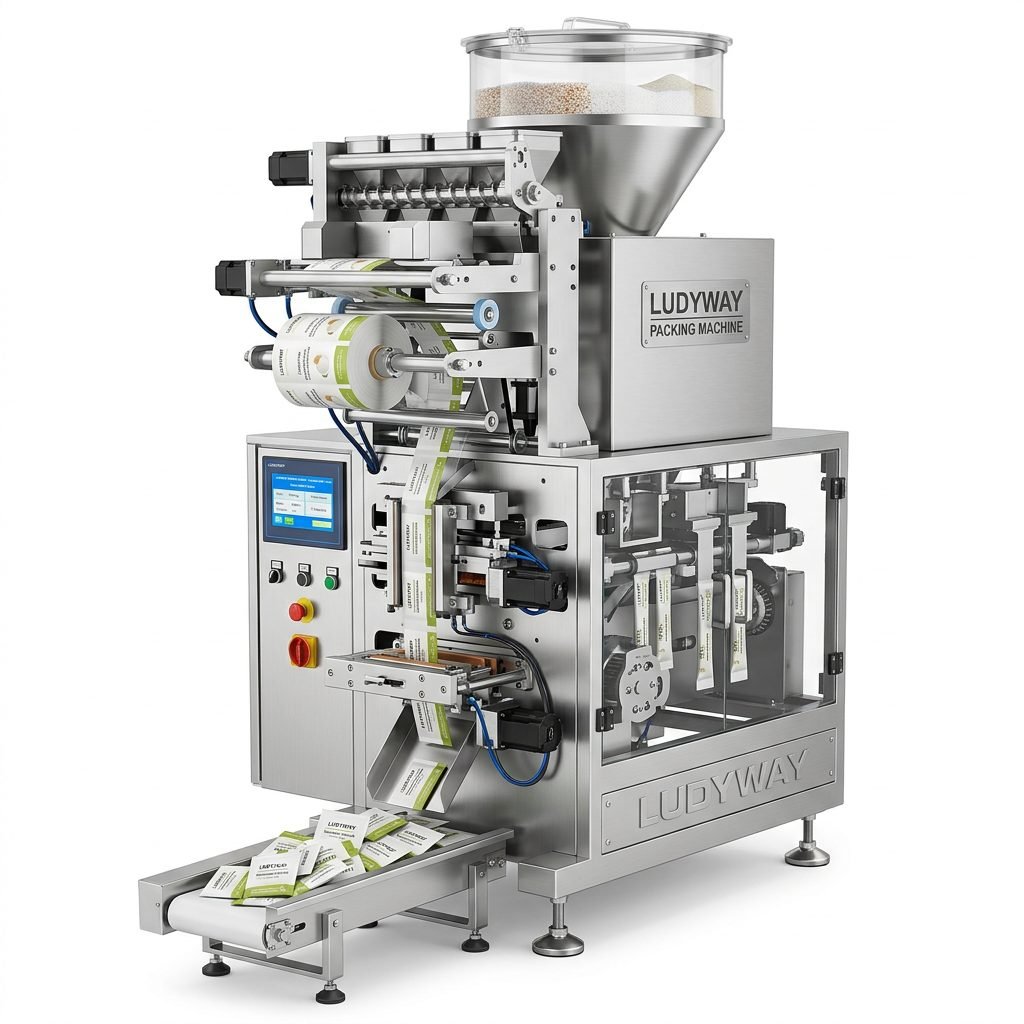
This broader category includes machines that form, fill, and seal (FFS) packages from a roll of film. This can create various package types like stick packs and sachets. The process is fully automated: the film is formed into a pouch, precisely filled with the product, and then hermetically sealed. This technology is ideal for single-serve portions and offers excellent barrier properties.
Benefits of Automation in Packaging
- Unmatched Consistency: Every package is identical in seal quality and fill weight, eliminating human error.
- High-Speed Production: Automated systems can dramatically increase output, meeting large-scale demand.
- Reduced Operational Costs: Saves on labor and minimizes material waste through precise control.
- Enhanced Hygiene: Closed, automated processes limit product exposure to the environment, crucial for pharma and food safety.
- Improved Traceability: Modern machines can integrate with data systems for lot tracking and quality control.
Choosing the Right Machine for Your Product Line
Selecting equipment is a strategic decision. Key considerations include:
Product Form: Is it a powder, granule, liquid, or tablet? Each requires different feeding and filling mechanisms.
Production Speed (Output): Determine your required packages per minute (PPM) to match machine capability with your volume needs.
Packaging Material: The machine must be compatible with the specific laminate or film that provides the necessary barrier (e.g., against moisture, oxygen, light).
Floor Space & Integration: Assess the available space in your facility and how the new machine will integrate with existing conveyors or production lines.
Ludyway Machinery: Your Partner in Packaging Innovation
With over 30 years of industry experience, Ludyway Machinery has established itself as a trusted provider of intelligent packaging solutions. Founded in 2010 with a vision for global efficiency, the company specializes in turnkey systems for the food, pharma, and health sectors.
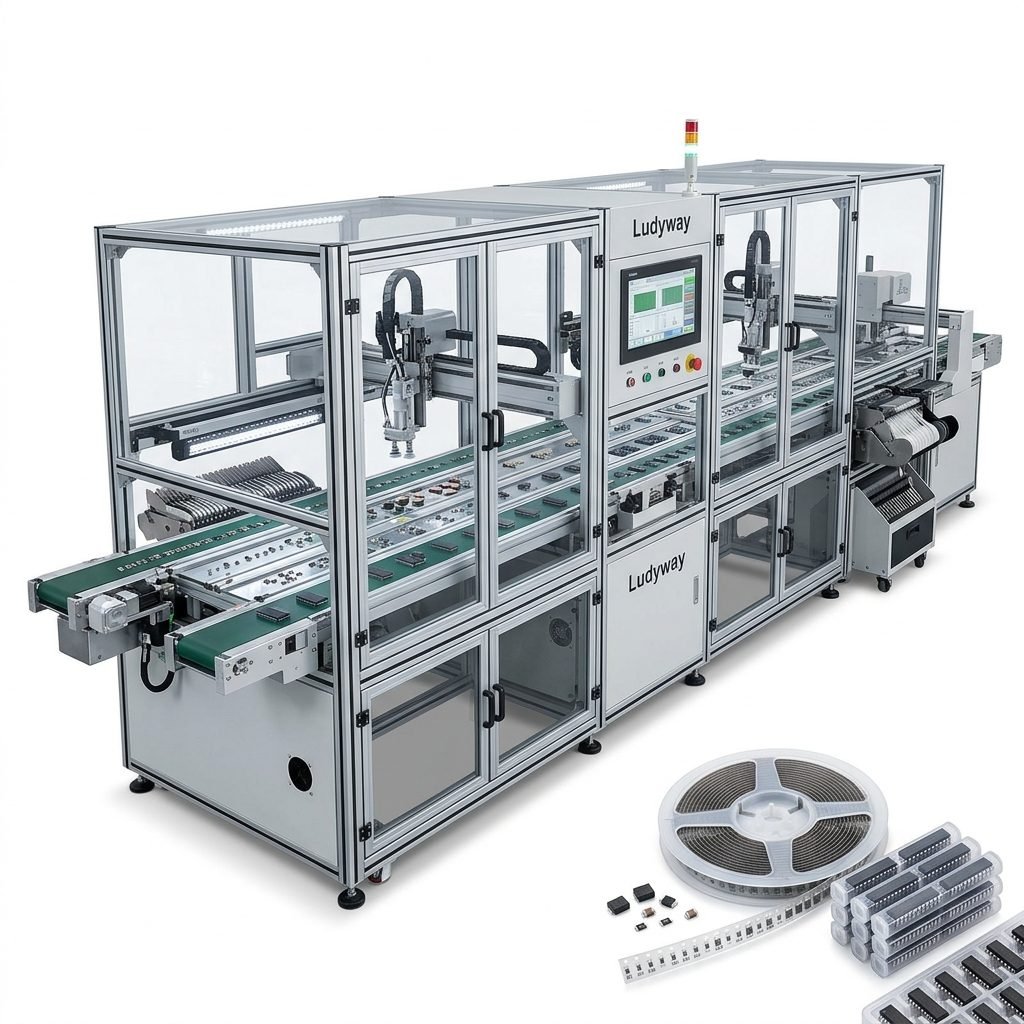
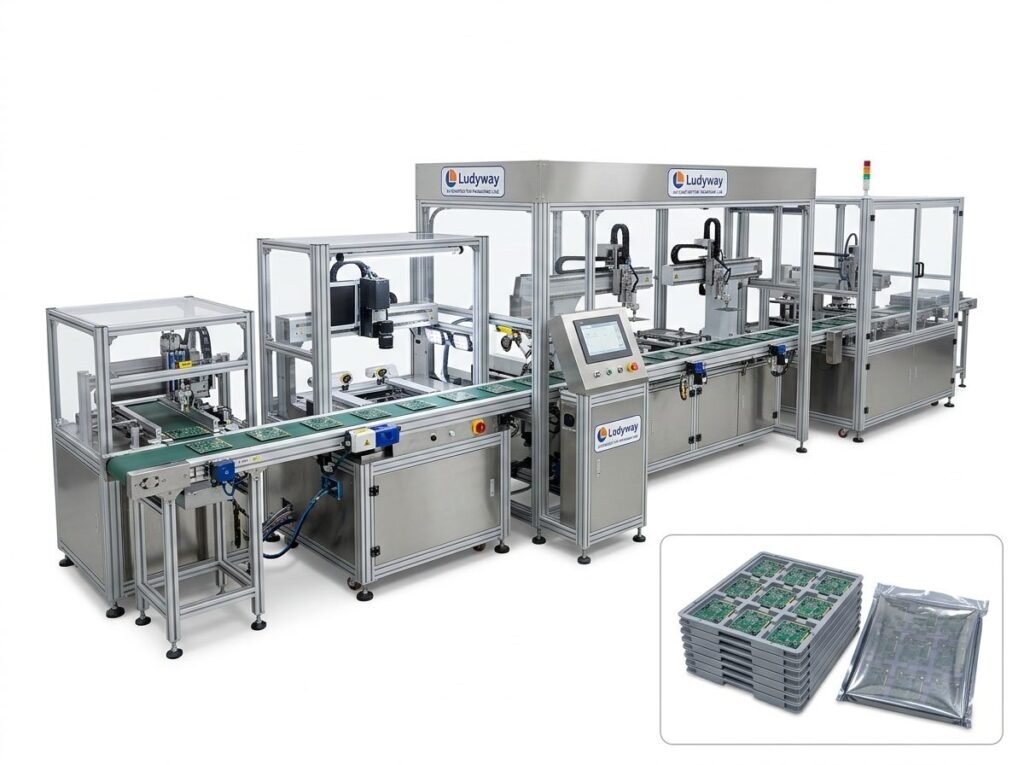
Operating from a modern 20,000㎡ production facility, Ludyway offers a portfolio of more than 50 equipment models, including advanced multi-lane stick pack and sachet packaging systems. Their expertise lies in understanding complex production challenges and delivering reliable, customized packaging solutions that enhance operational productivity and product safety for clients worldwide.
Frequently Asked Questions (FAQs)
1. What is the main difference between a shrink wrapper and a form-fill-seal machine?
A shrink wrapper typically applies a pre-made bag or loose film around an existing product or bundle, then uses heat to shrink it tight. A Form-Fill-Seal (FFS) machine creates the package from a roll of film—it forms the pouch, fills it, and seals it—all in one continuous, in-line process. FFS is often used for primary packaging of granular or powdered products.
2. Can the same machine package different types of products (e.g., food and pharmaceuticals)?
While the core mechanical principles might be similar, machines for pharmaceuticals typically require higher-grade, easy-to-clean materials (like stainless steel), more stringent validation protocols, and features to ensure absolute cleanliness and traceability. It is crucial to select a machine designed and built for the specific regulatory environment of your industry.
3. How important is after-sales service and technical support when investing in packaging machinery?
It is critically important. Complex automated machinery requires reliable access to spare parts, preventive maintenance, and expert troubleshooting. A supplier like Ludyway Machinery, with deep engineering expertise and a commitment to long-term partnership, ensures your production line maintains high uptime and efficiency over the entire lifecycle of the equipment.
4. What are the key trends driving innovation in packaging machinery today?
Major trends include the integration of Industry 4.0 and IoT for predictive maintenance and data analytics, increased demand for sustainable packaging materials that work on high-speed equipment, and machines designed for greater flexibility to handle smaller batch sizes and rapid product changeovers.
5. How do I determine the right packaging speed for my business?
Calculate your current and projected future daily/weekly output. Consider peak seasons and growth plans. A good rule is to choose a machine that can meet your peak demand with about 80-85% utilization, allowing time for changeovers and maintenance without becoming a bottleneck. An experienced supplier can help you model this accurately.