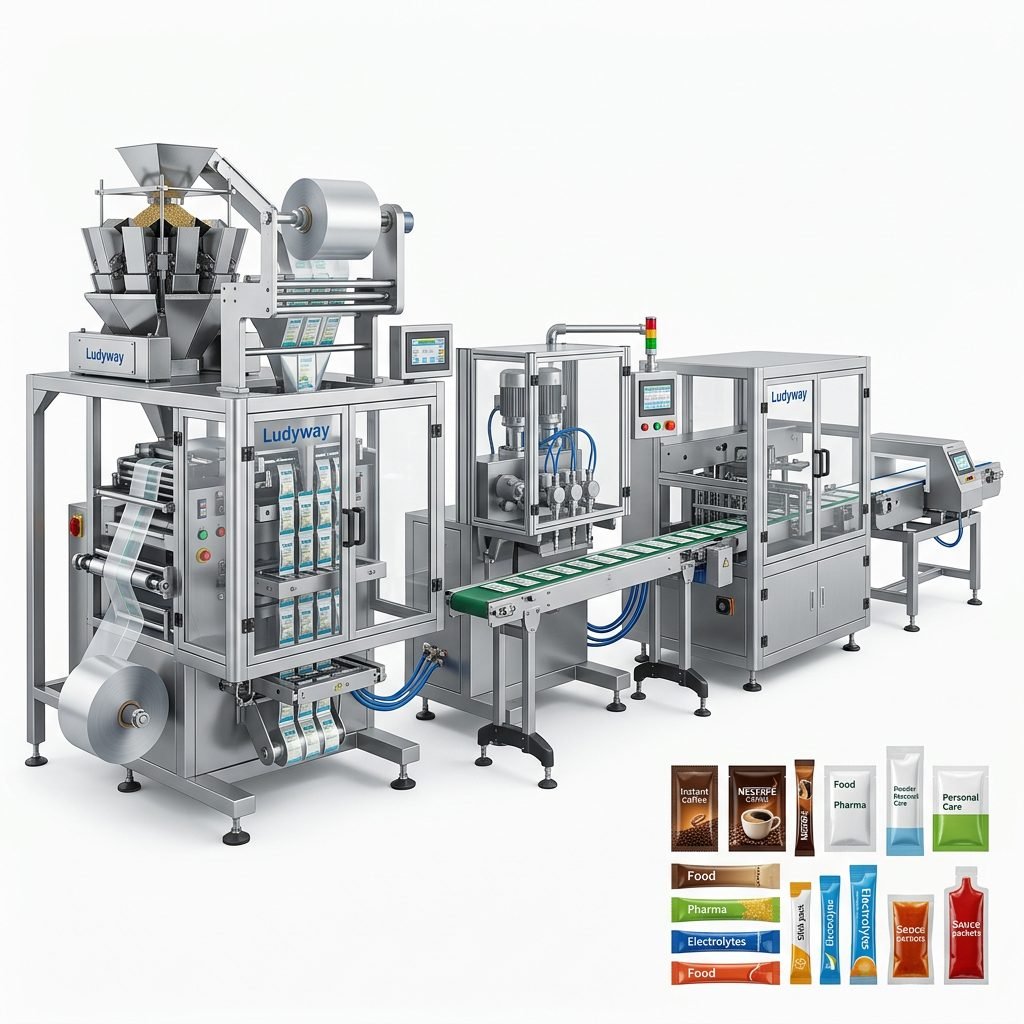
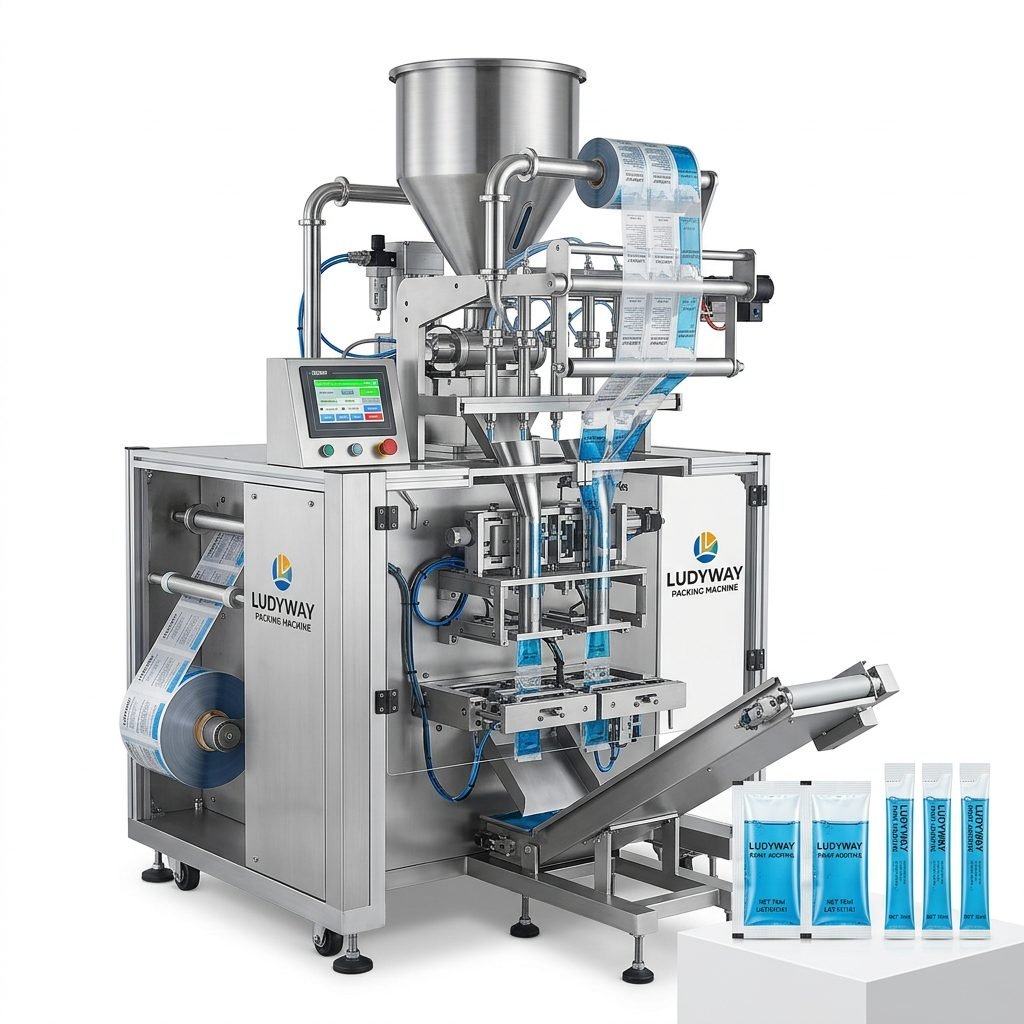
Investing in the right packaging equipment is a critical decision for food manufacturers. Whether you are packing leaf tea into pyramid bags or sealing crispy french fries into pillow pouches, understanding the tea and french fries packaging machine price landscape can save you thousands of dollars and prevent costly downtime. This guide breaks down the cost drivers, machine types, and essential features you need to evaluate before making a purchase.
Key Factors Influencing Packaging Machine Costs
The final price tag of a packaging system is rarely a fixed number. It fluctuates based on several variables that directly impact performance and output. It is essential to look beyond the base price and evaluate the total cost of ownership.
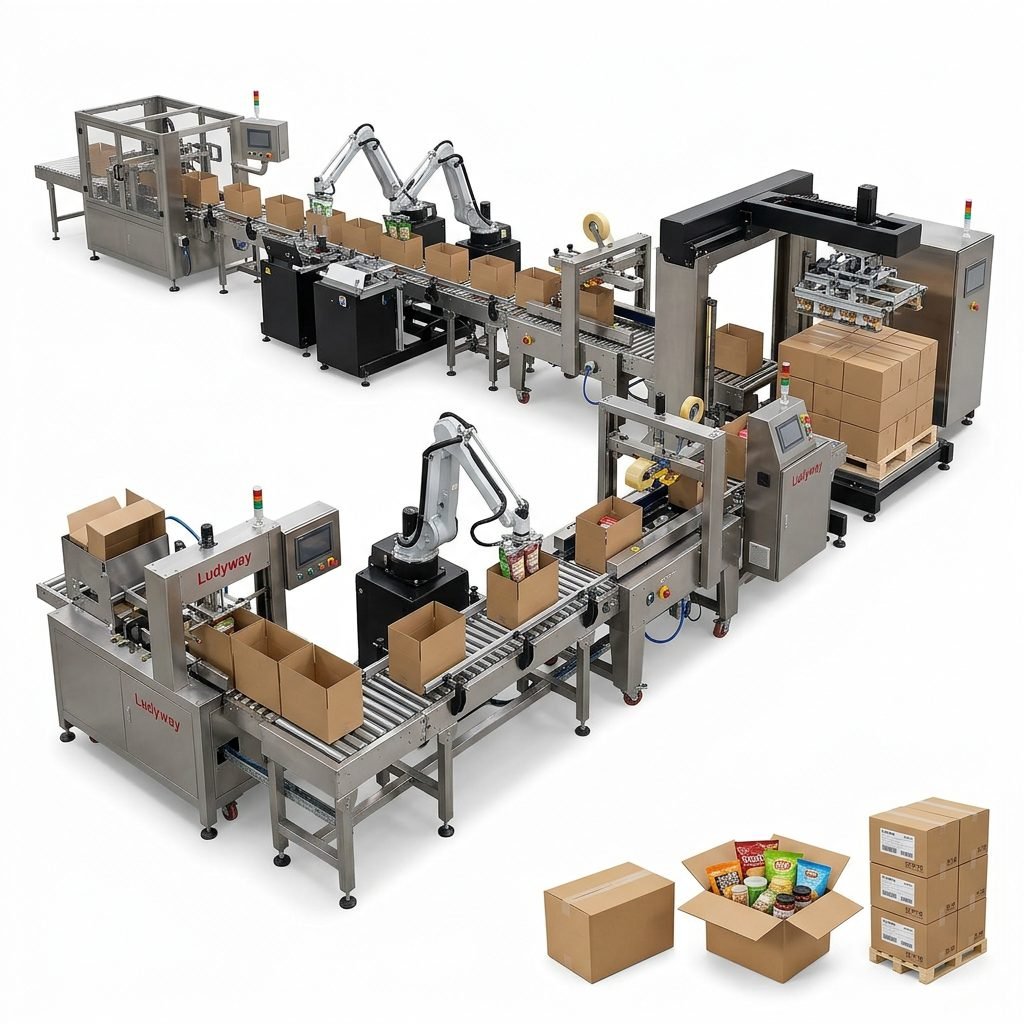
- Level of Automation: Manual, semi-automatic, and fully automatic lines vary drastically in price. A fully integrated packaging machine line with robotic palletizing costs significantly more than a standalone manual sealer.
- Speed and Output: A machine packing 30 bags per minute is fundamentally different in engineering and cost compared to a high-speed multi-lane model running 400+ packs per minute.
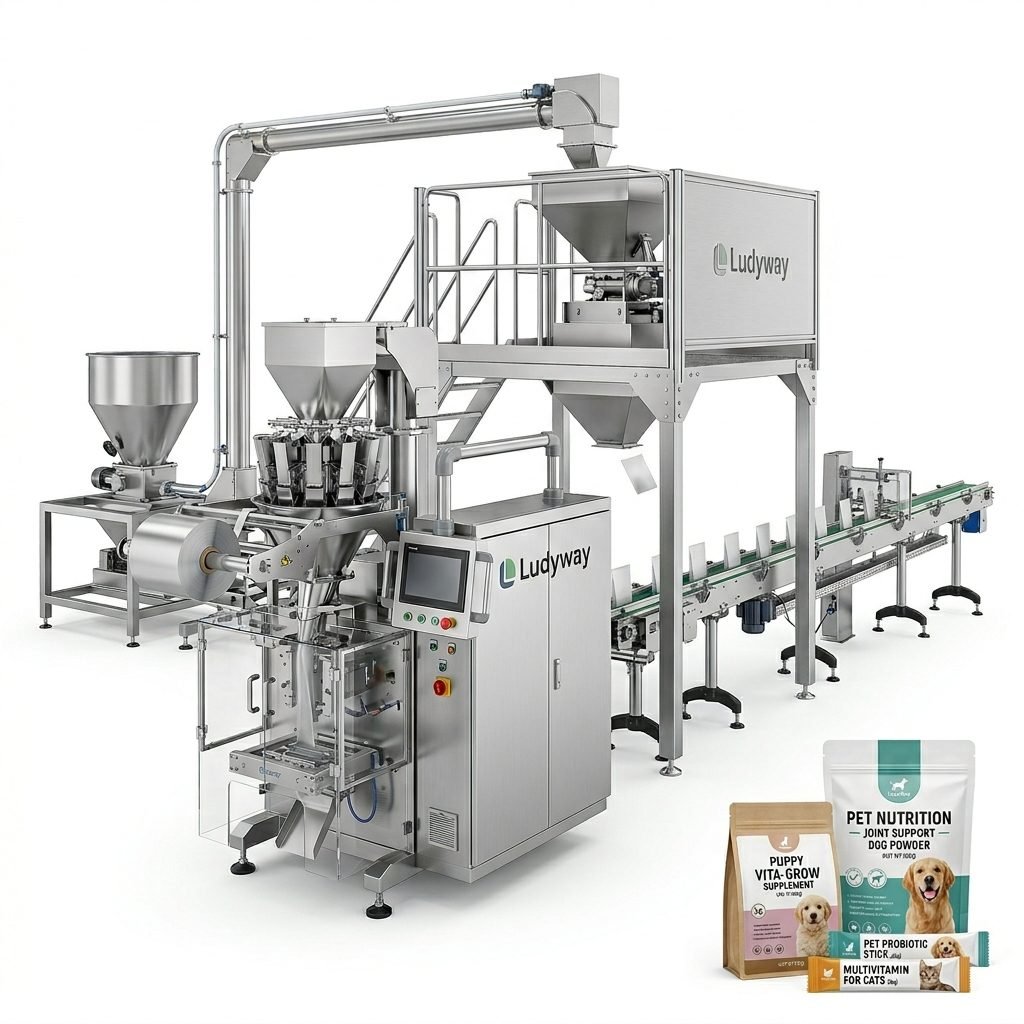
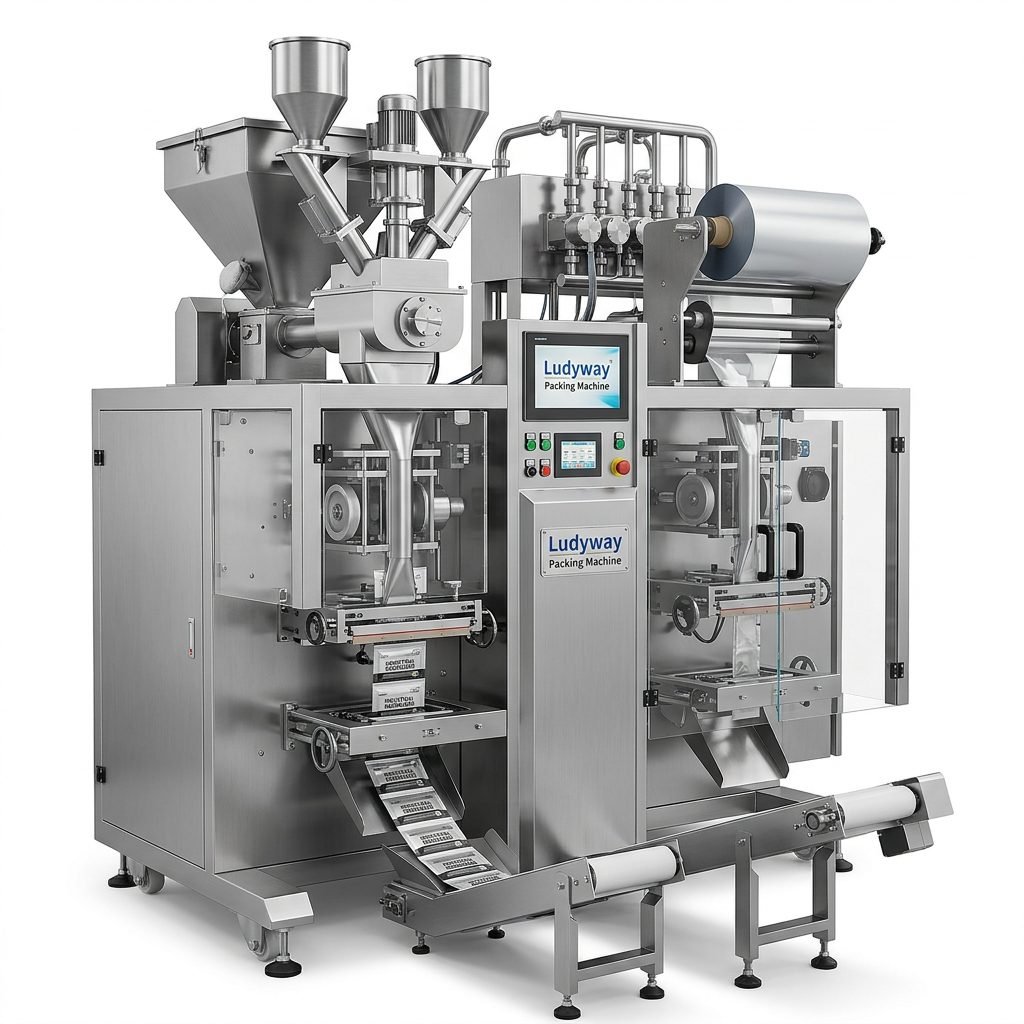
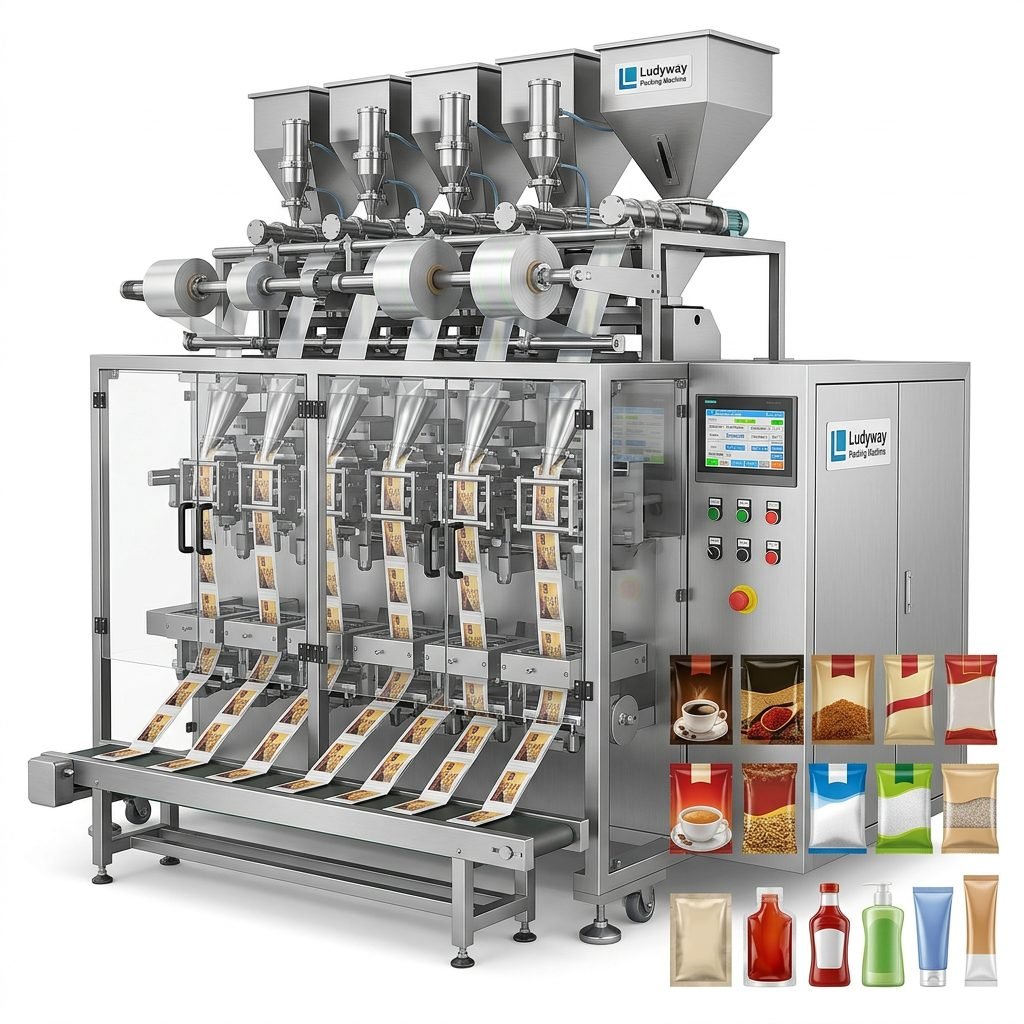
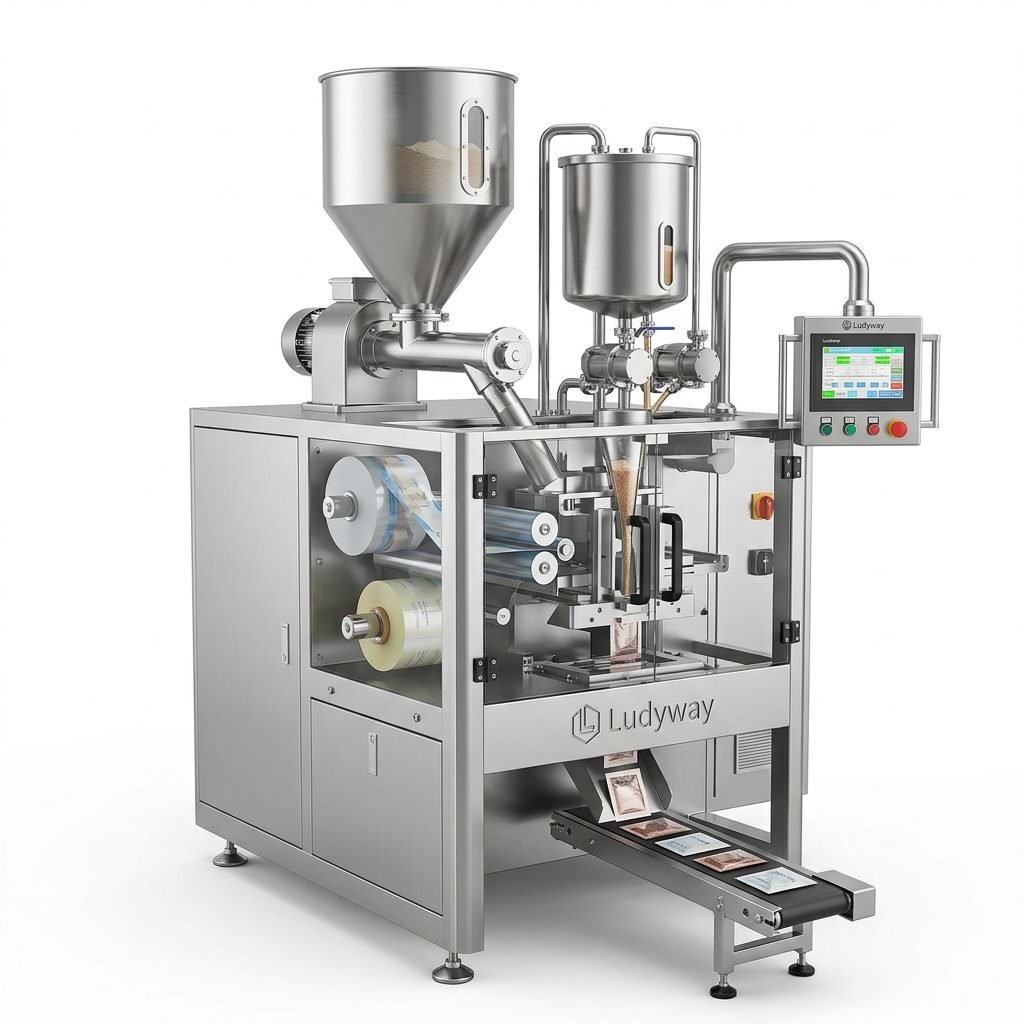
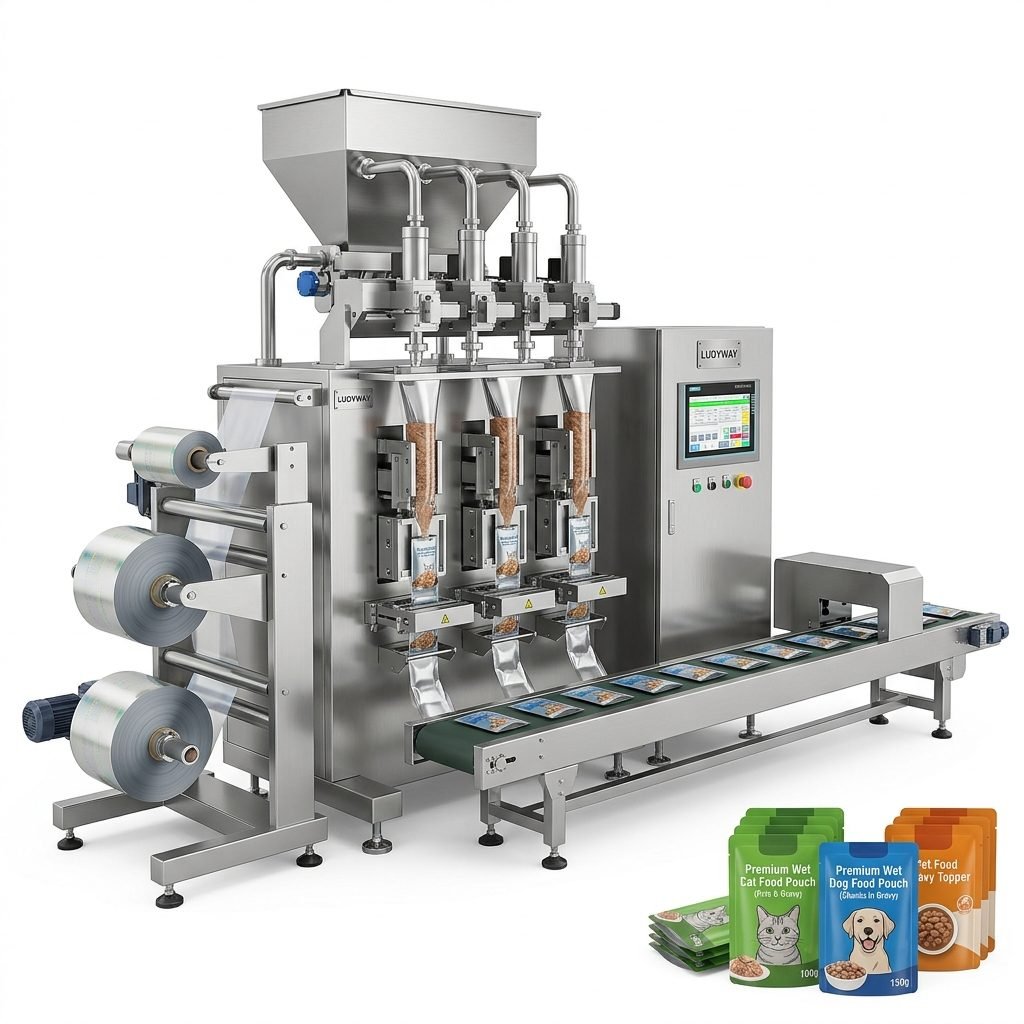
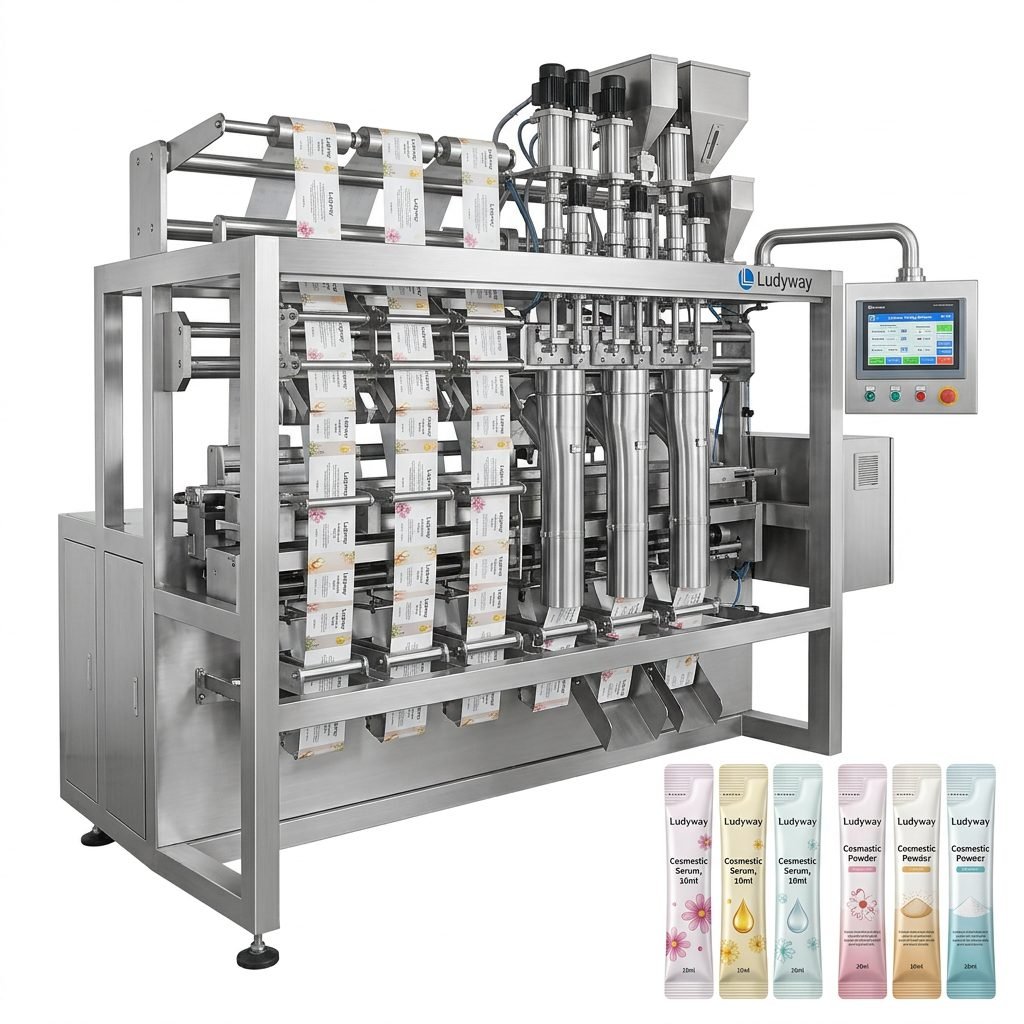
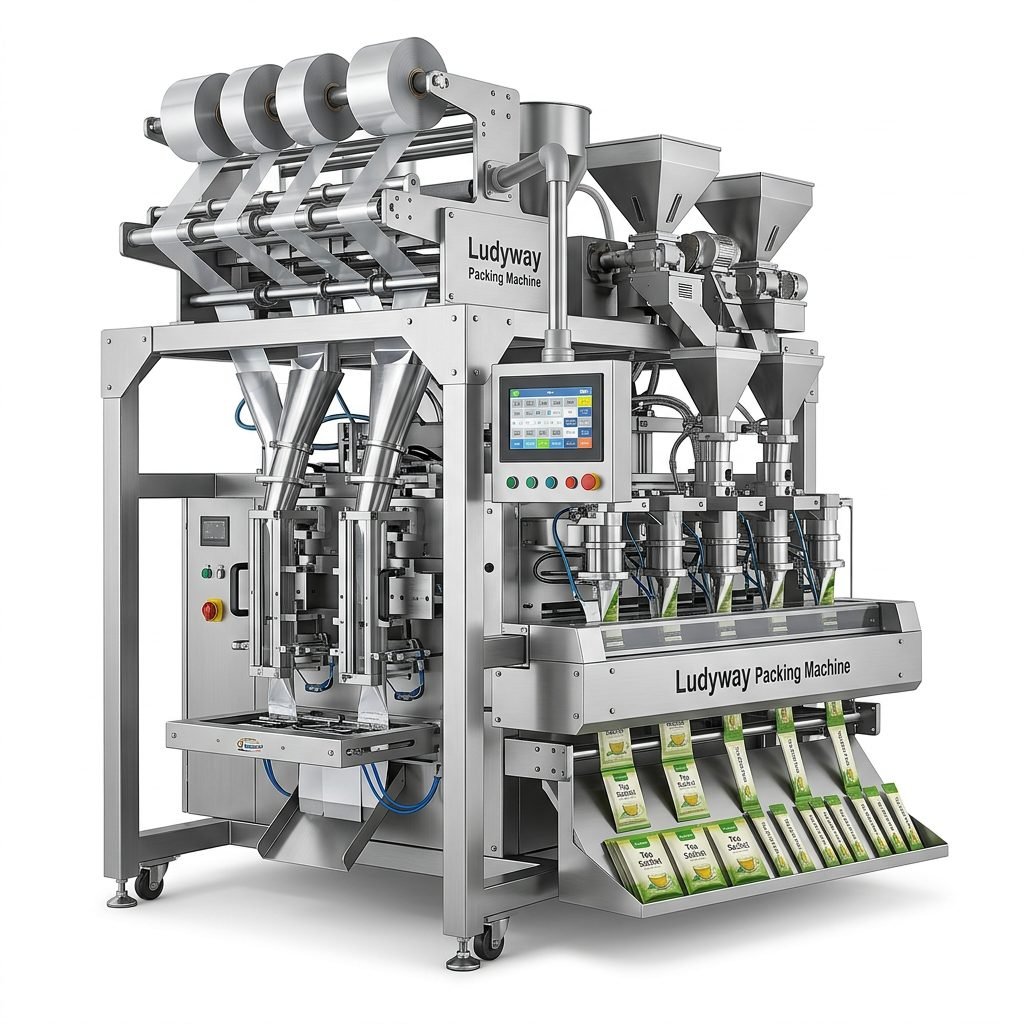
- Machine Configuration: Vertical form fill seal (VFFS) machines, premade pouch fillers, and multi-lane stick pack machines each utilize distinct technologies with varying price points.
- Construction Material: Full stainless steel 304 or 316 construction for food-grade or sanitary environments (typical for tea and exposed fries) increases the capital cost compared to mild steel frames.
- Multihead Weigher Precision: The number of weigh heads and accuracy of the load cells directly correlate with the price.

Tea Packaging Machine Price: Cost Breakdown by Machine Type
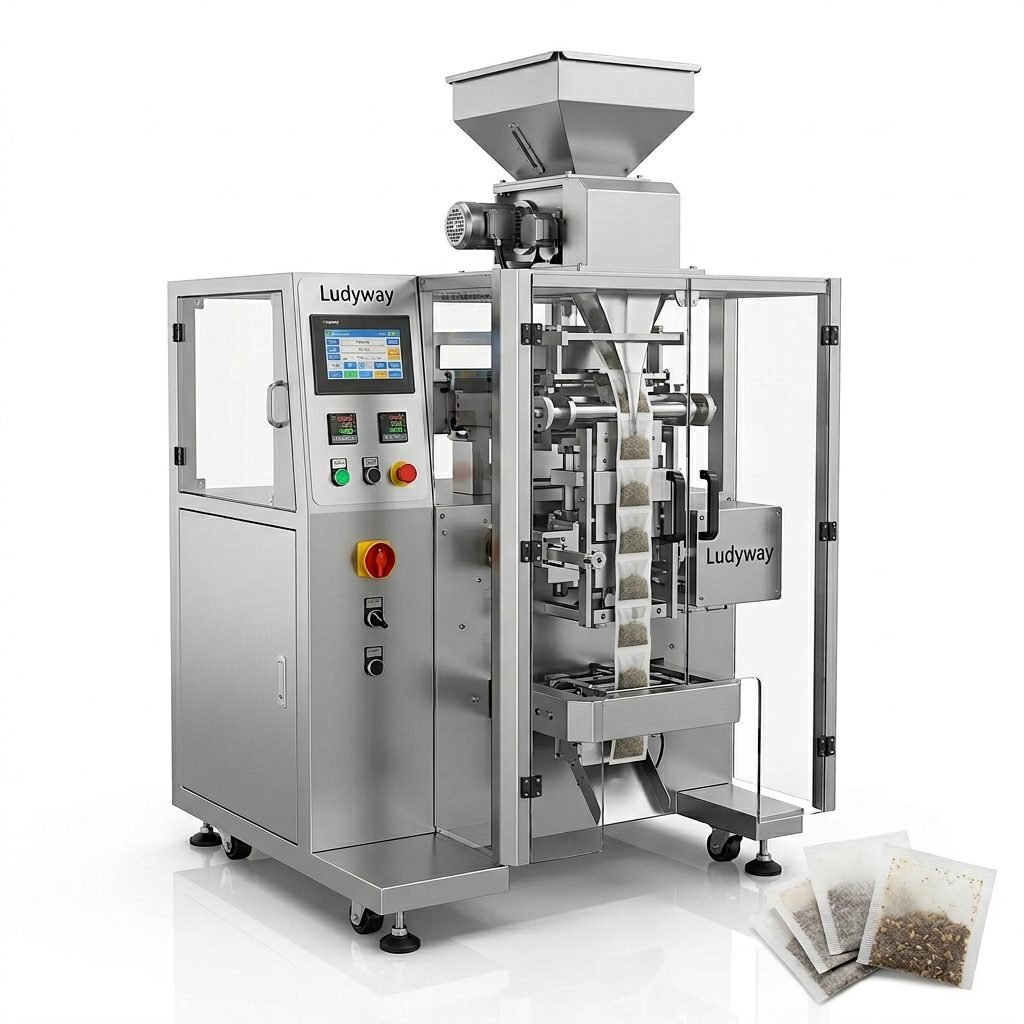
Tea packaging requires gentle handling to prevent leaf breakage, along with specific sealing technologies to preserve aroma. Here is a general pricing structure for tea packing machinery:
| Machine Type | Best For | Estimated Price Range (USD) |
|---|---|---|
| Small Ultrasonic Pillow Packer | Loose leaf tea, basic sachets | $5,000 – $15,000 |
| Single Lane VFFS with Auger Filler | Powder tea, matcha, dust tea | $15,000 – $40,000 |
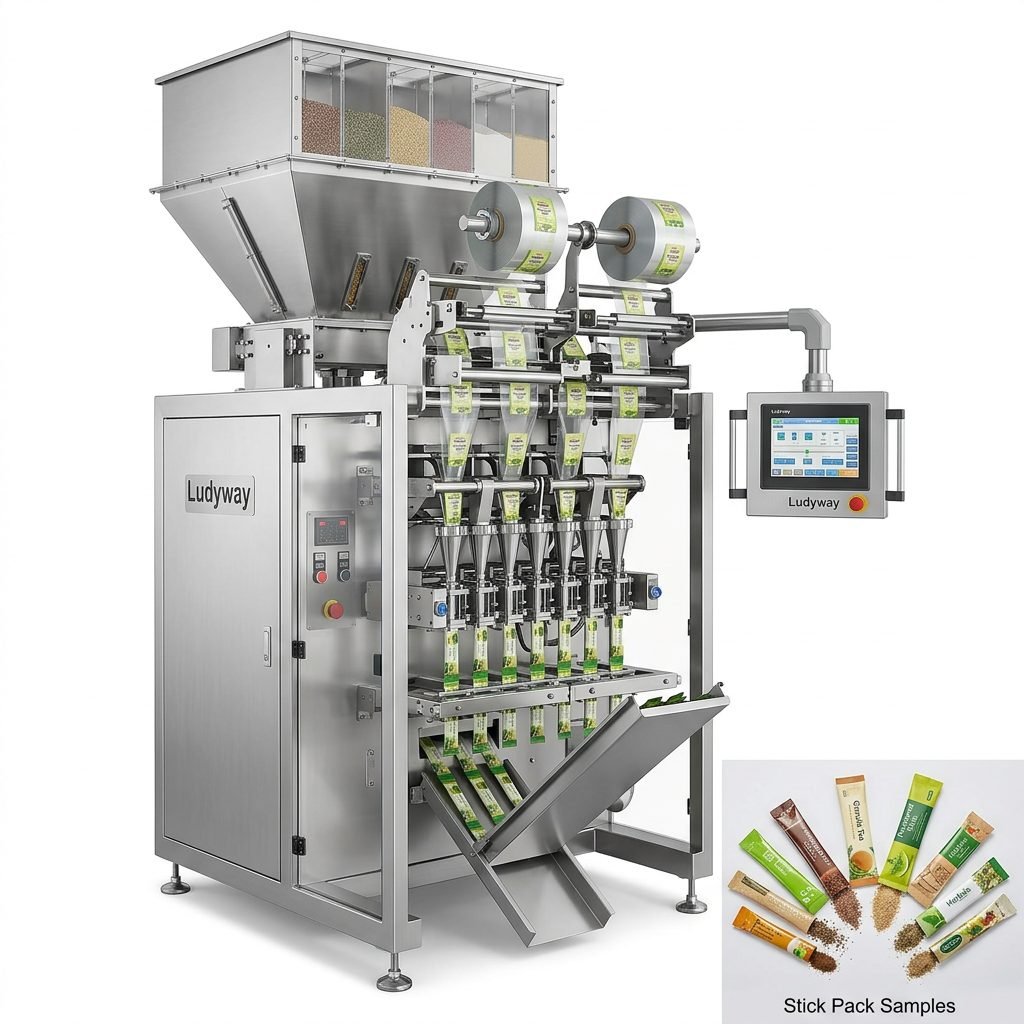
| Multi-Lane Stick Pack Machine | Instant tea mix, granule tea sticks | $35,000 – $120,000 |
| Rotary Premade Pouch Machine | Premium stand-up pouches with zippers | $45,000 – $150,000 |
| Nitrogen Flushed Tea Packaging Line | Extended shelf-life tea packaging | $50,000 – $180,000 |
Nitrogen Flushing for Tea Freshness
To maintain the crisp flavor and aroma of tea, many producers require nitrogen flushing systems. This feature adds to the base cost but is crucial for preventing oxidation in premium tea products. The integration of inert gas technology ensures that the residual oxygen level inside the pack remains below 1%.
French Fries Packaging Machine Price: Speed and Durability
Packaging french fries—especially frozen or fresh-cut—introduces challenges like sharp product edges (potential bag punctures), oil residue, and the need for high-volume throughput. The french fries packaging machine price often reflects the heavy-duty construction required to handle these conditions.
| Machine Configuration | Application | Estimated Price Range (USD) |
|---|---|---|
| Inclined Belt Feeder + VFFS | Frozen straight-cut fries | $25,000 – $55,000 |
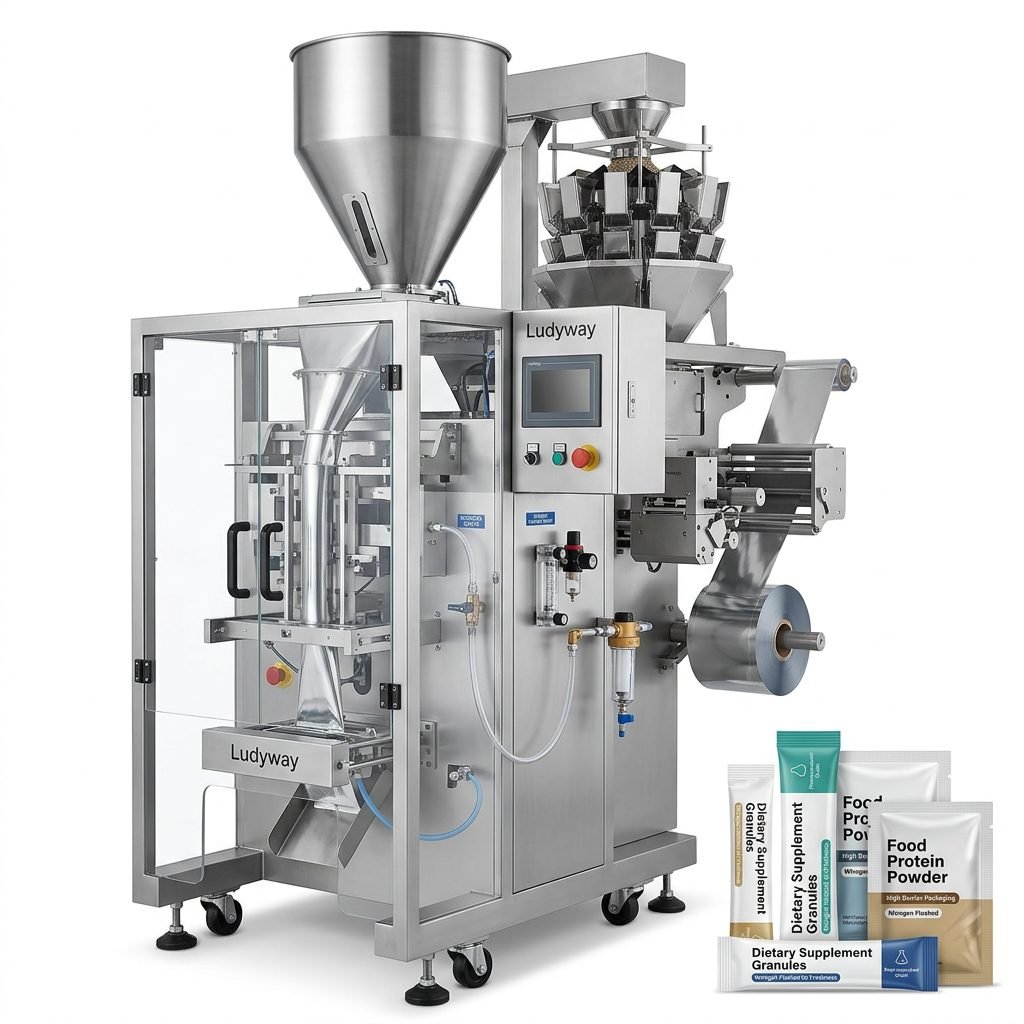
| Multihead Weigher (14-Head) + VFFS | Mixed irregular cuts, crinkle fries | $55,000 – $90,000 |
| Flow Wrapper with Shingle Packer | Aligned french fries in horizontal packs | $40,000 – $100,000 |
Handling Oil and Coarse Salt
Seasoned fries coated with oil and salt require wash-down ready machinery. The electrical components must be rated IP65 or higher to prevent corrosion. Additionally, the forming tube and sealing jaws must be treated with non-stick coatings to prevent build-up that causes seal failures.
Key Technical Specifications to Justify the Investment
When comparing quotes for a dual-purpose or dedicated line, do not just look at the dollar sign. Assess these critical parameters to ensure the tea and french fries packaging machine price aligns with the value delivered:
- Sealing Temperature Stability: Fluctuation should be within ±1°C. Flimsy temperature control results in leakers and short shelf life.
- Film Pull Accuracy: Look for servo-driven film transport rather than clutch-based systems for precise bag length, critical for retail display units.
- Easy Cleanup: Tool-less disassembly of the conveyor and forming tube reduces downtime between product changeovers.
Integration with Auxiliary Equipment
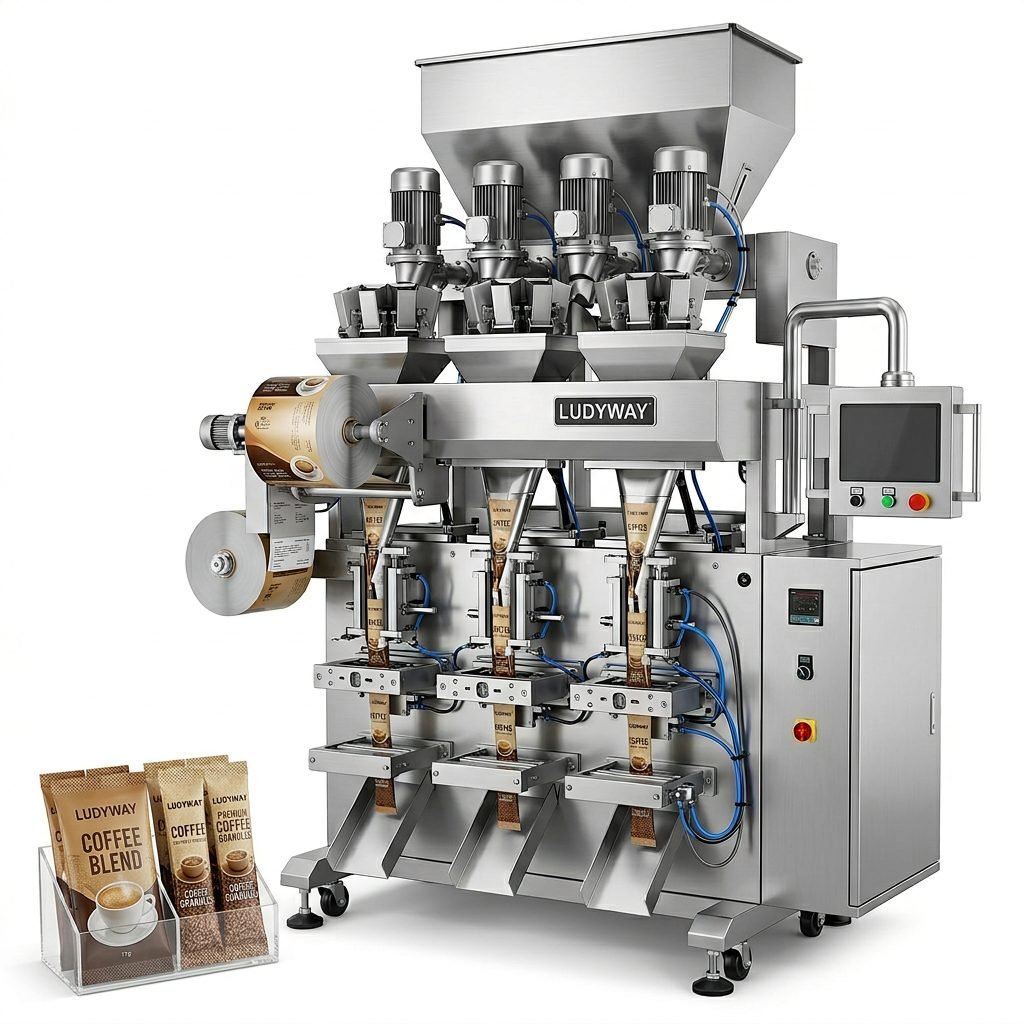
The base machine is just one part of the line. A true production-ready setup often includes a multihead weigher, a checkweigher, and a carton packing system. For instance, a high-speed multi-lane stick pack machine for tea might cost more if you integrate a synchronized cartoner that collates sticks automatically.
New vs. Used Machinery: A Quick Profitability Analysis
For startups, a used machine priced at 40-60% of a new unit might seem attractive. However, for food items like tea (which absorbs odors) and fries (which leave oil residue), reconditioned equipment carries significant risk. Cross-contamination from previous uses in chemical plants or spice factories can render a batch unsellable. If you choose a used machine, insist on a documented hygiene validation report.
The Hidden Costs of Downtime
A lower upfront tea and french fries packaging machine price might mean higher long-term expenses. Frequent breakdowns in a food processing line are devastating. Ask potential suppliers about the availability of spare parts for wear items like sealing bands, pull belts, and jaw sets. A manufacturer with a robust global supply chain can ship critical parts in days rather than weeks. For instance, Ludyway, a seasoned packaging machine manufacturer, emphasizes robust engineering in its 20,000㎡ facility to minimize these risks.
Selecting the Best Packaging Partner
Finding the right price means finding the right partner. Request video inspections of machines running your specific product. Tea leaves have a low bulk density and tend to bridge in hoppers, while frozen fries are prone to sticking together. A standard machine from a general supplier might fail with these products. Always request a factory acceptance test (FAT) with your actual product before shipping to avoid expensive retrofittings later.
Global Support and Standards
Ensure the equipment meets international electrical and safety standards relevant to your region (e.g., CE, UL). The cost of a machine should include clear documentation and remote diagnostic capabilities. Video-guided troubleshooting has become an industry standard to cut down on technician travel costs.
Relevant Industry Resources
To deepen your understanding of packaging standards and industry trends, consult these authoritative sources:
- PMMI Business Intelligence Reports – State of the industry analysis for packaging machinery costs.
- Flexible Packaging Association (FPA) – Material and machinery data for flexible film applications.
- FDA Food Packaging Regulations – Compliance requirements for food contact surfaces.