Finding the right packaging machinery dealer is a critical decision for any manufacturing business. The right supplier doesn’t just sell you a machine; they provide a solution that impacts your production efficiency, product quality, and ultimately, your bottom line. Whether you’re in the food, pharmaceutical, or health industry, the choice of a reliable dealer can make or break your packaging operations.
Key Takeaway: A reliable dealer offers more than equipment. They provide expertise, after-sales support, and solutions tailored to your specific production challenges.
What to Look for in a Top Packaging Machinery Dealer
Not all dealers are created equal. Distinguishing a true industry partner from a simple equipment reseller requires careful evaluation of several key factors.
1. Proven Industry Experience and Expertise
Look for dealers with a solid track record. A company like Ludyway Machinery, with over 30 years of collective industry experience, brings invaluable practical knowledge. This depth of experience means they understand not just the machines, but the real-world challenges of packaging granules, powders, and liquids. They can anticipate problems before they occur and recommend the most effective setup for your line.
2. Range of Product Offerings and Customization
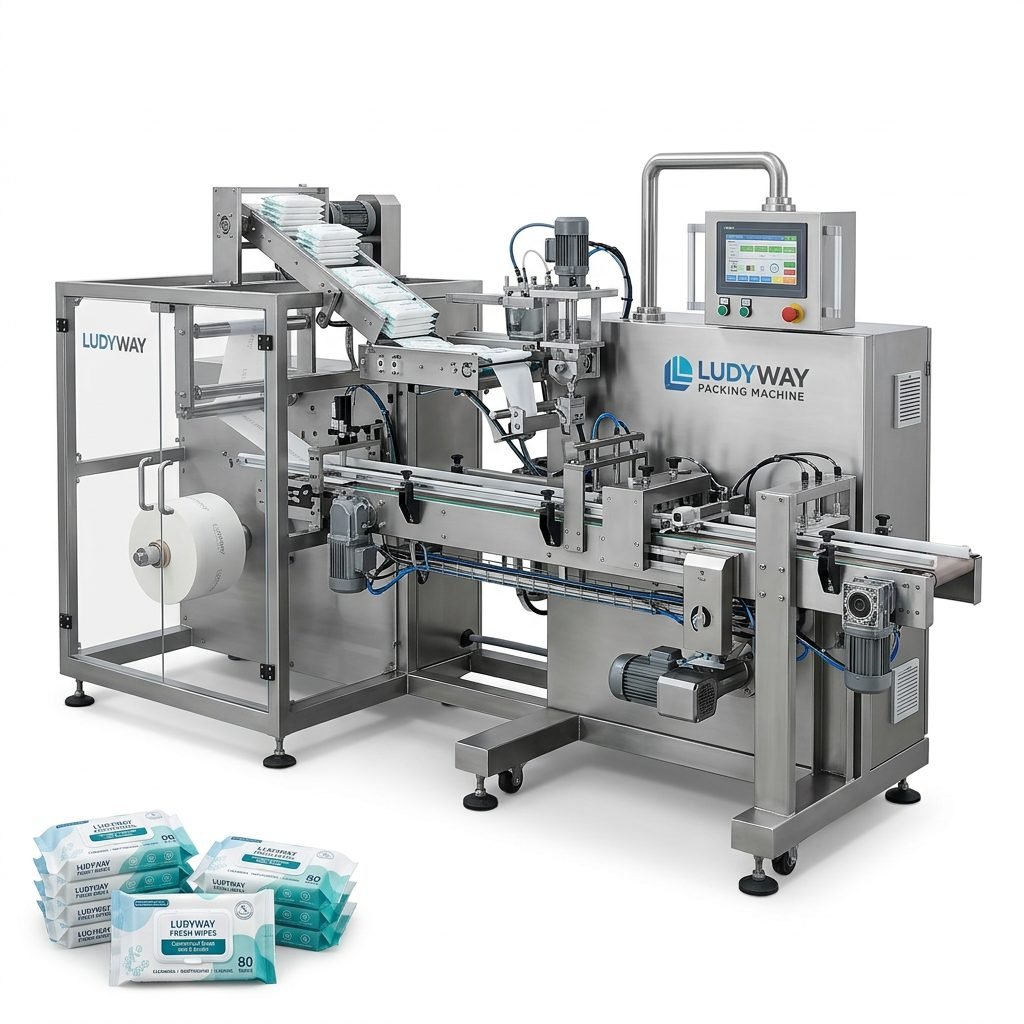
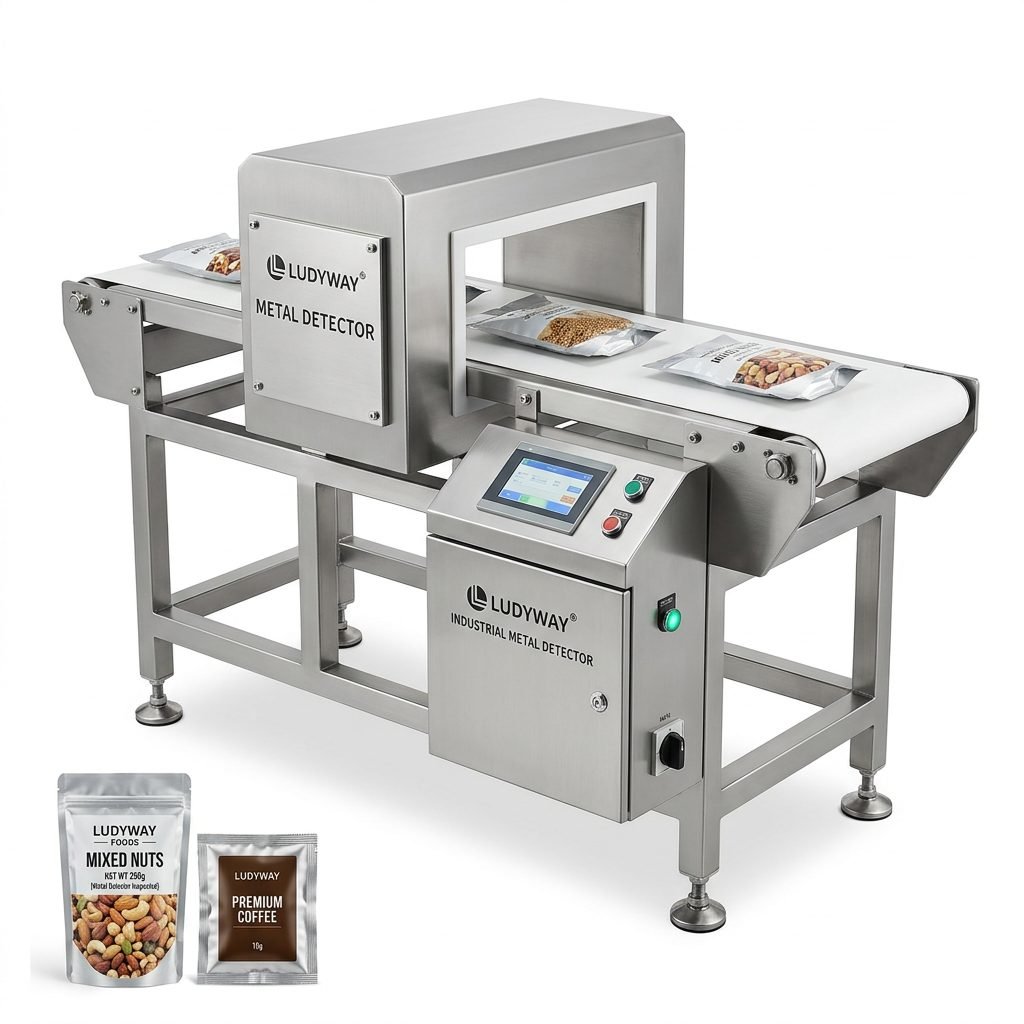
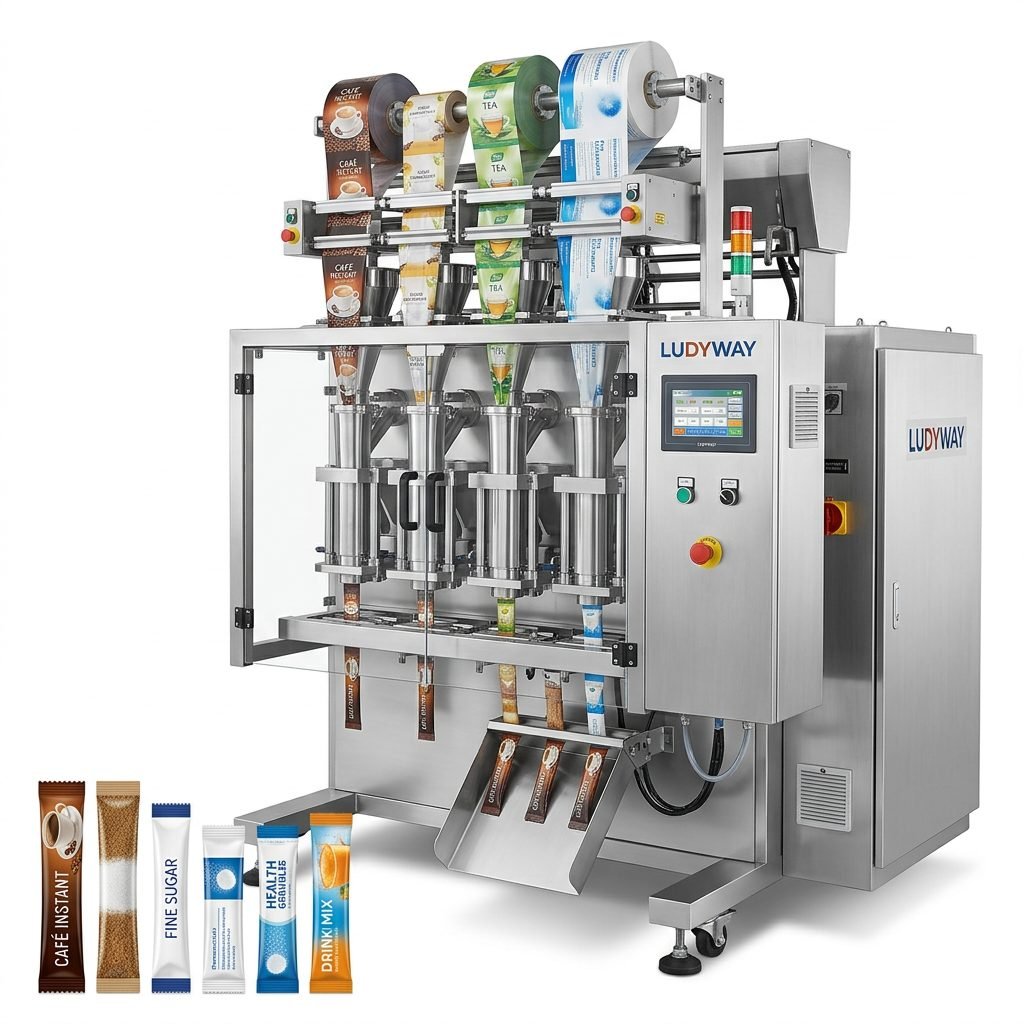
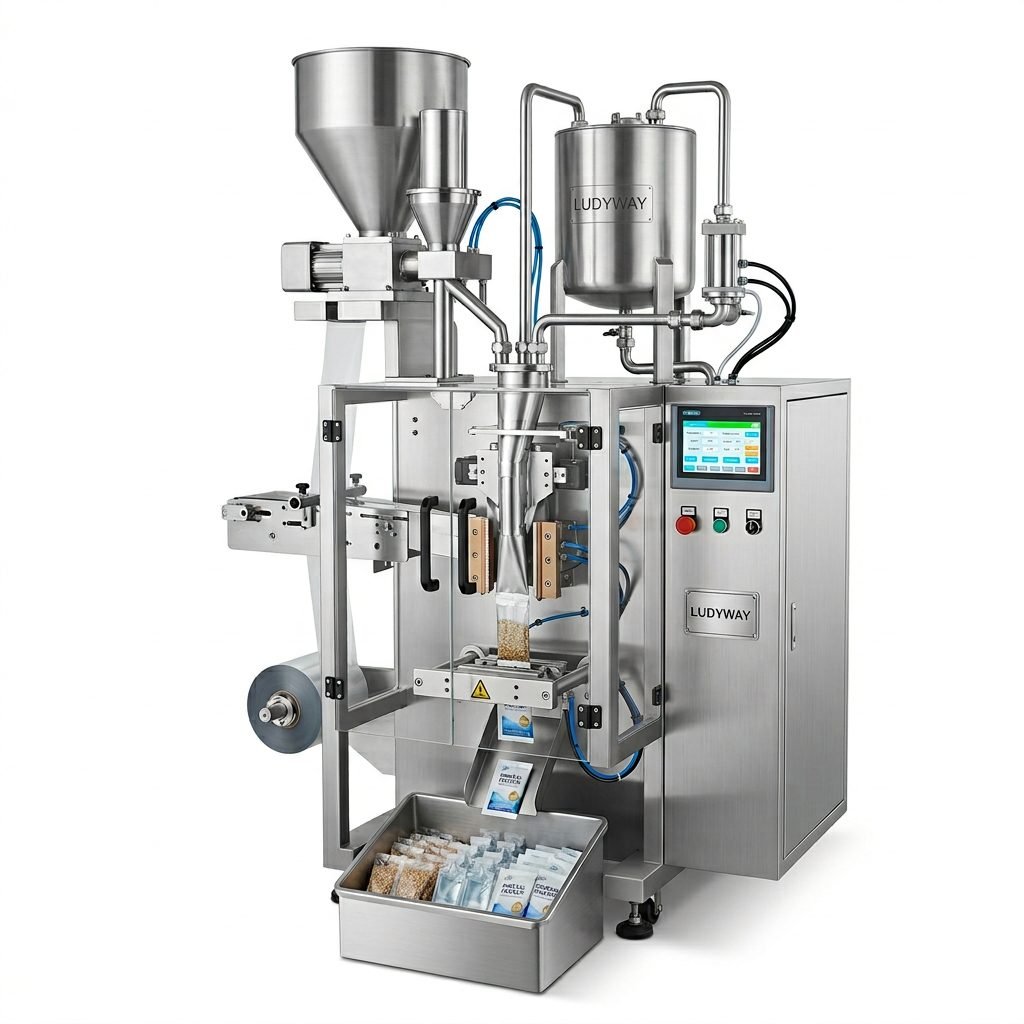
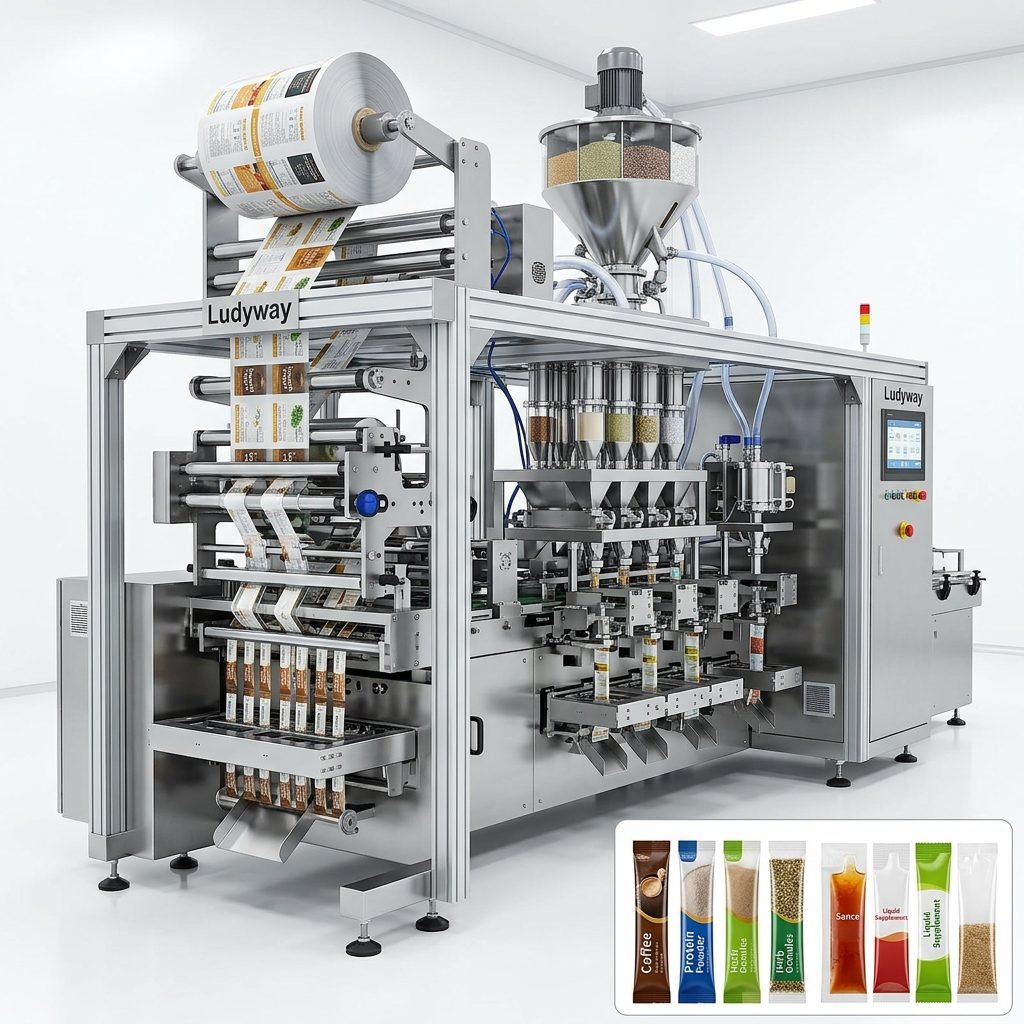
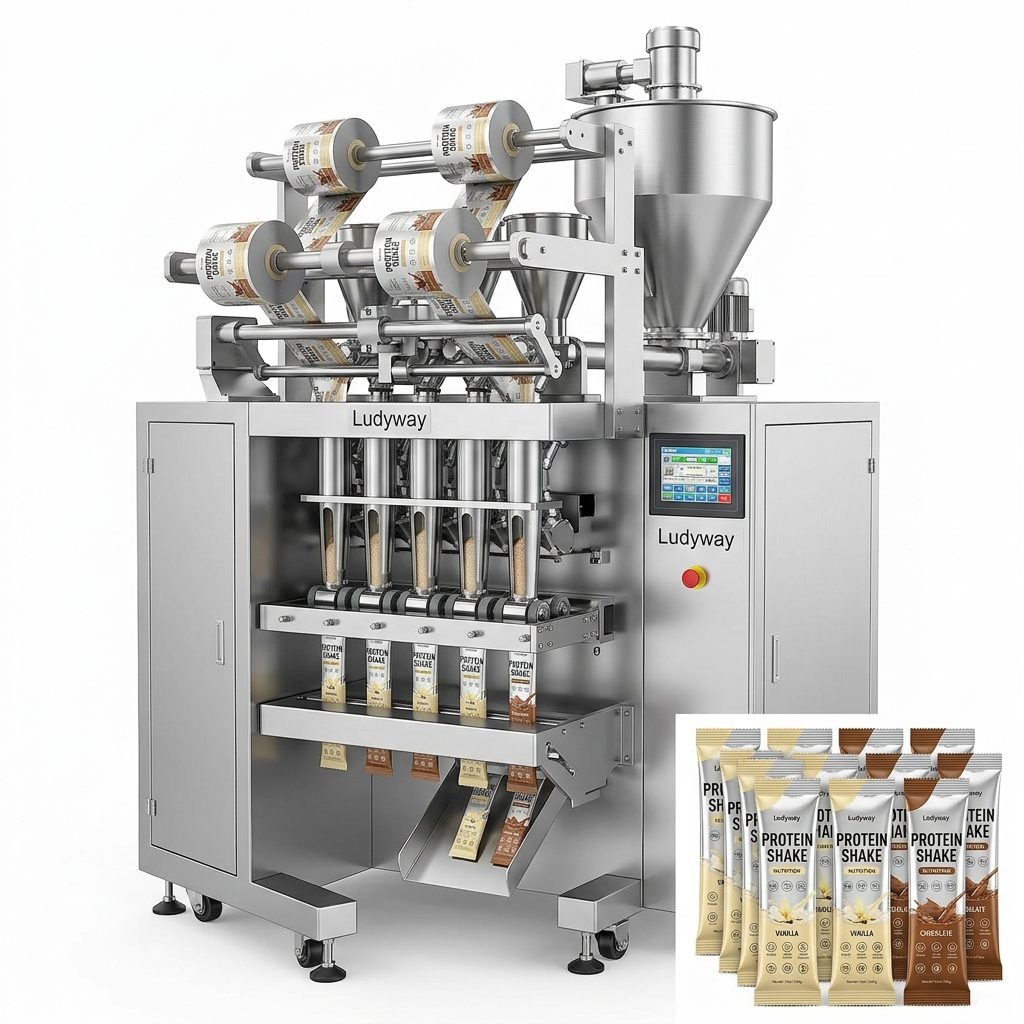
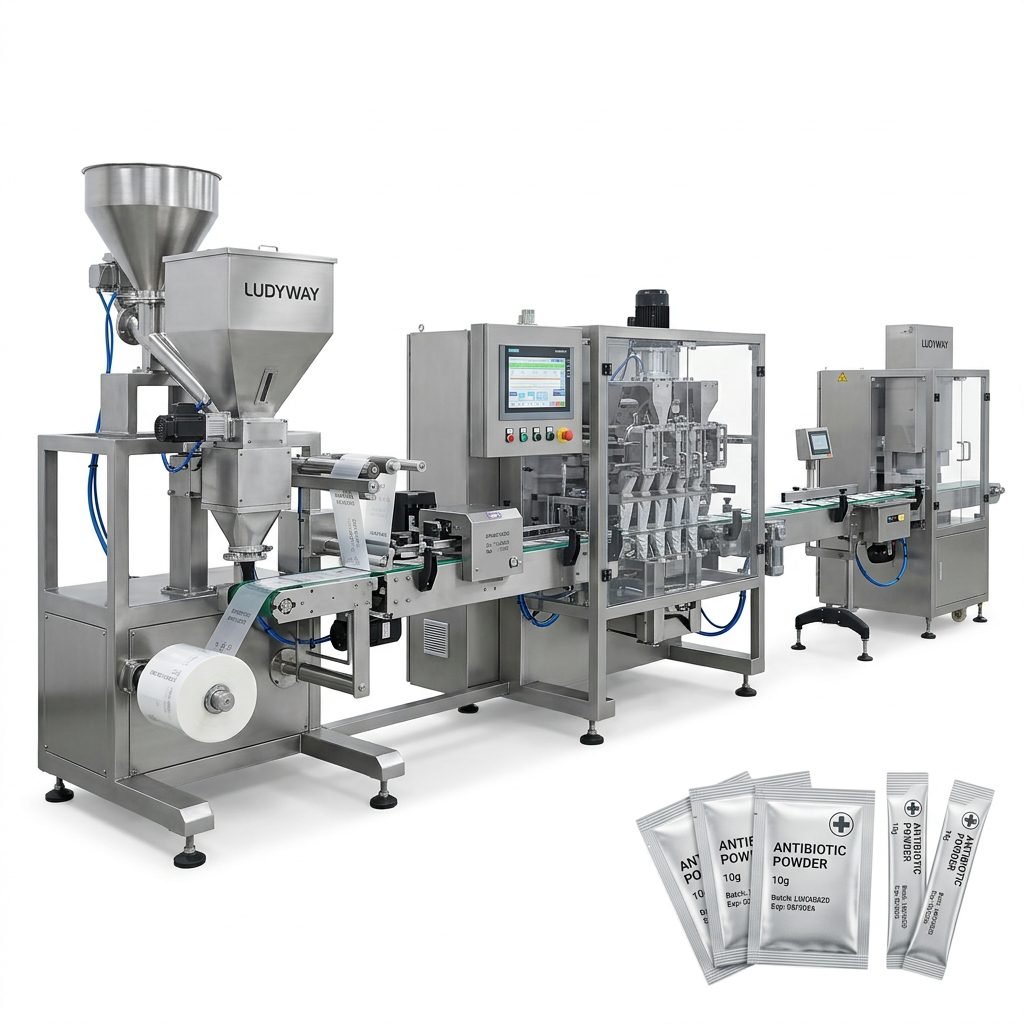
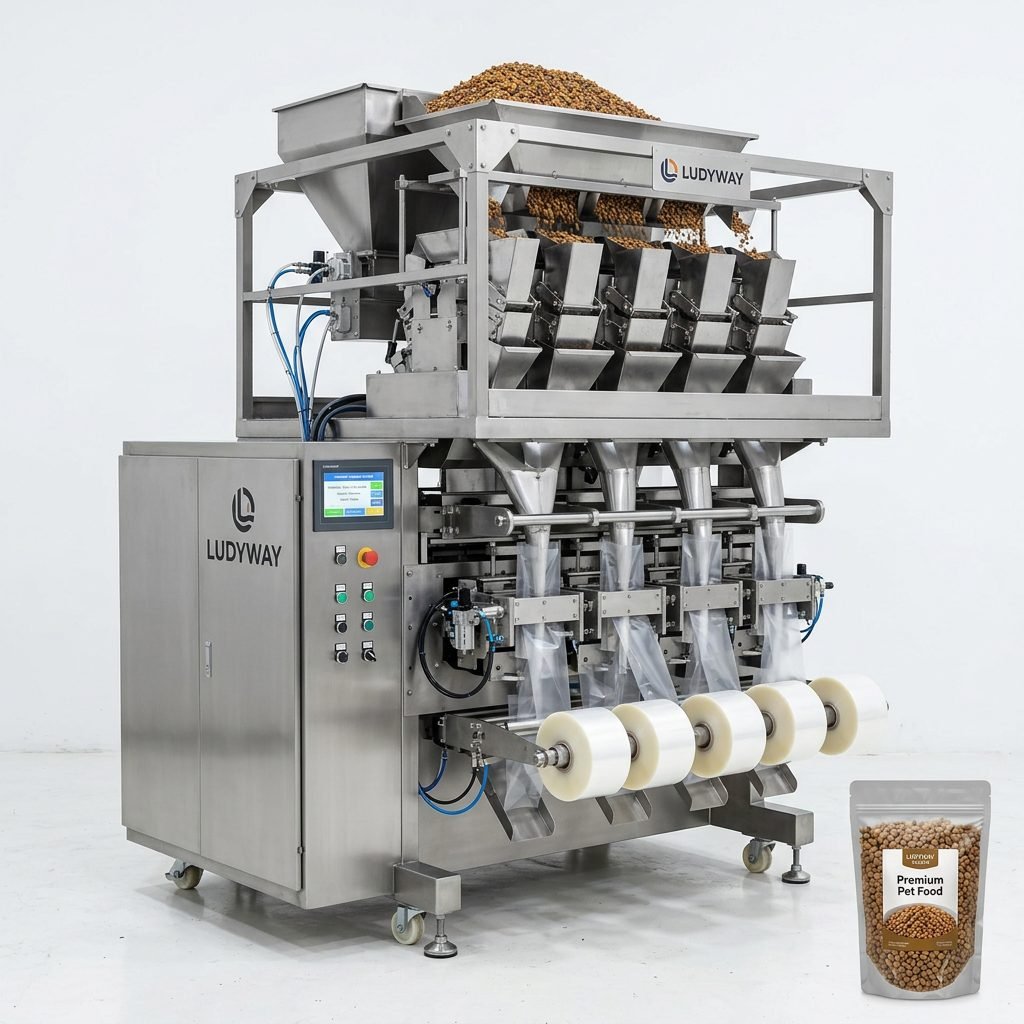
A top-tier dealer should offer a comprehensive portfolio. This indicates their ability to serve diverse needs. For instance, a supplier providing over 50 intelligent packaging machine models, from multi-lane stick pack machines to sachet packaging systems, demonstrates scale and technical capability. More importantly, they should offer customized turnkey solutions, tailoring the equipment to fit your unique product specifications and production volume, rather than offering a one-size-fits-all approach.
3. Manufacturing and Technical Support Capabilities
The dealer’s backend strength is crucial. Inquire about their manufacturing facilities and engineering support. Strong in-house capabilities, such as a 20,000㎡ modern production facility and a team of over 130 professional experts, ensure better quality control, faster spare parts availability, and more responsive technical support. This infrastructure is your guarantee against prolonged downtime.
Dealer Evaluation Checklist:
✔ Experience: Minimum 10-15 years in your specific industry (food, pharma, etc.).
✔ Product Range: Offers machines relevant to your format (sachet, stick pack, liquid fill).
✔ Support: Provides clear warranty, training, and local/remote service plans.
✔ References: Can supply case studies or client contacts for verification.
✔ Financial Stability: A financially sound company is a reliable long-term partner.
How to Negotiate and Secure the Best Deal
Getting the best value involves more than just haggling on price. It’s about structuring an agreement that maximizes your return on investment over the machine’s entire lifecycle.
Focus on Total Cost of Ownership (TCO)
Shift the conversation from the initial purchase price to the Total Cost of Ownership. This includes energy consumption, maintenance costs, expected packaging machine lifespan, and ease of operation. A slightly more expensive machine with higher efficiency and lower maintenance can be far cheaper in the long run. Ask the dealer for estimated efficiency rates and maintenance schedules.
Clarify Warranty and After-Sales Service Terms
The warranty is your first line of defense. Ensure it covers parts and labor for a reasonable period. Crucially, understand the after-sales service structure. Does the dealer have qualified technicians available for on-site support? What is their average response time? Is remote diagnostics support available? A comprehensive service agreement is often more valuable than a price discount.
Request a Live Demonstration or Pilot Test
Always test the machine with your actual product. A reputable dealer like Ludyway will often provide a sample run or a visit to a demonstration facility. This “try before you buy” step is non-negotiable. It validates speed, accuracy, changeover ease, and material compatibility, preventing costly mismatches.
Consider the Value of Training and Documentation
Proper training for your operators and maintenance staff is essential for smooth operation. Negotiate this into the deal. Ensure the machine comes with clear, comprehensive documentation in your required language. Good training reduces waste, prevents misuse, and extends equipment life.
Building a Long-Term Partnership with Your Supplier
Your relationship with the dealer should not end at the point of sale. The best deals are forged through ongoing partnerships that yield continuous improvement.
Choose a dealer invested in long-term cooperation and innovation. A partner who views your success as their own will proactively inform you about upgrades, new technologies, or efficiency tips. They become an extension of your engineering team, helping you adapt to market changes and scale your operations. This collaborative approach, focused on shared growth, is the hallmark of a world-class supplier.
Frequently Asked Questions (FAQs)
1. What is the most important factor when choosing a packaging machinery dealer?
The most critical factor is a combination of proven expertise in your specific industry and robust after-sales support capabilities. The machine itself is only part of the solution; reliable, long-term technical support is what ensures continuous production.
2. How can I verify a dealer’s claims about their experience and machine quality?
Always ask for and contact client references, preferably those with similar products or production scales. Request to see case studies or visit their manufacturing facility if possible. A reputable dealer will be transparent and willing to provide this evidence.
3. Should I prioritize a lower initial price or a higher-quality machine with better support?
Almost always, prioritize quality and support over the lowest price. Packaging machinery is a long-term capital investment. Downtime and inefficiency caused by a cheaper, less reliable machine will quickly erase any initial savings and cost you more in lost production and repairs.
4. What should be included in a standard warranty for packaging equipment?
A comprehensive warranty should cover defects in materials and workmanship for key components (often 12-24 months), include on-site labor for a specified period, and clearly state the terms for wear parts. Ensure you understand what is and isn’t covered before signing.
5. How do I prepare for the installation of new packaging machinery?
Work closely with your dealer during the planning phase. Prepare your site with the correct power supply, compressed air, and floor space. Schedule your operators for training. Have your packaging materials (film, spouts, etc.) ready and validated for compatibility to ensure a smooth commissioning process.