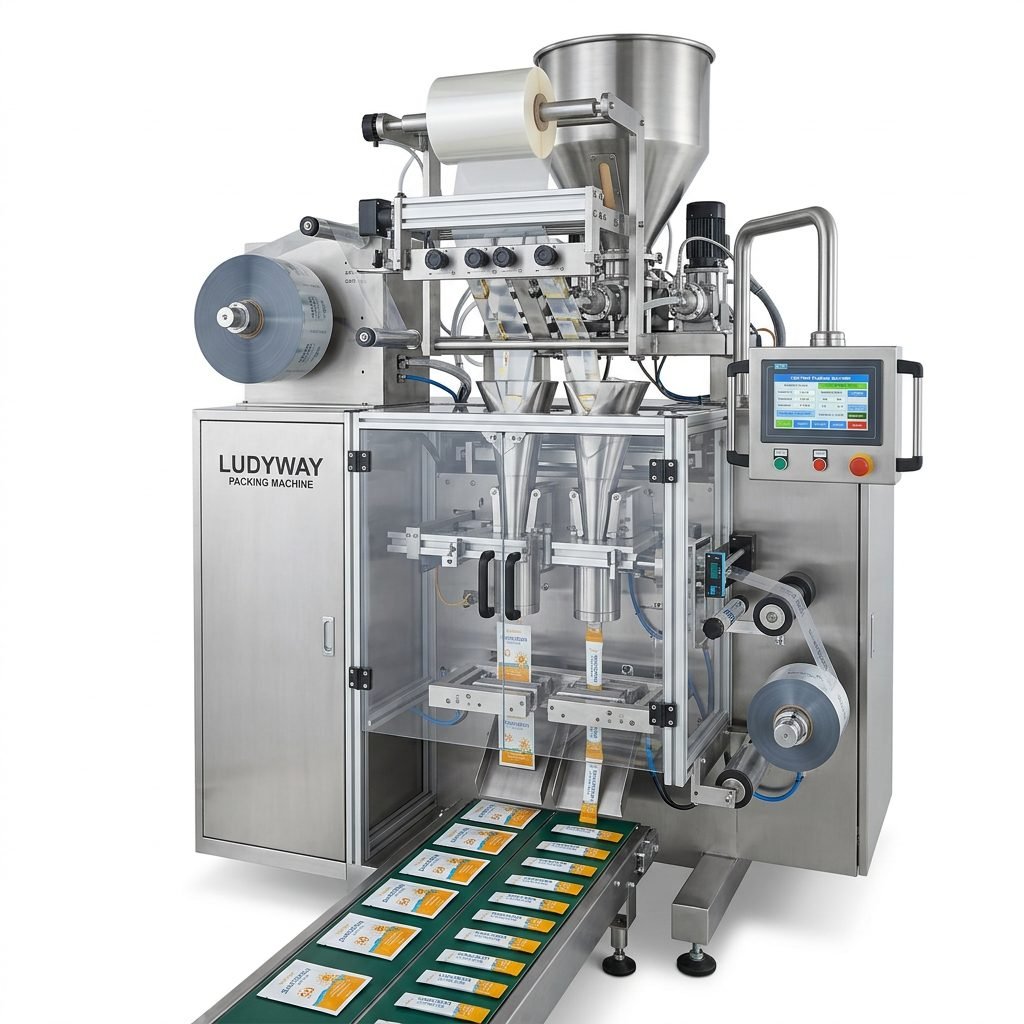
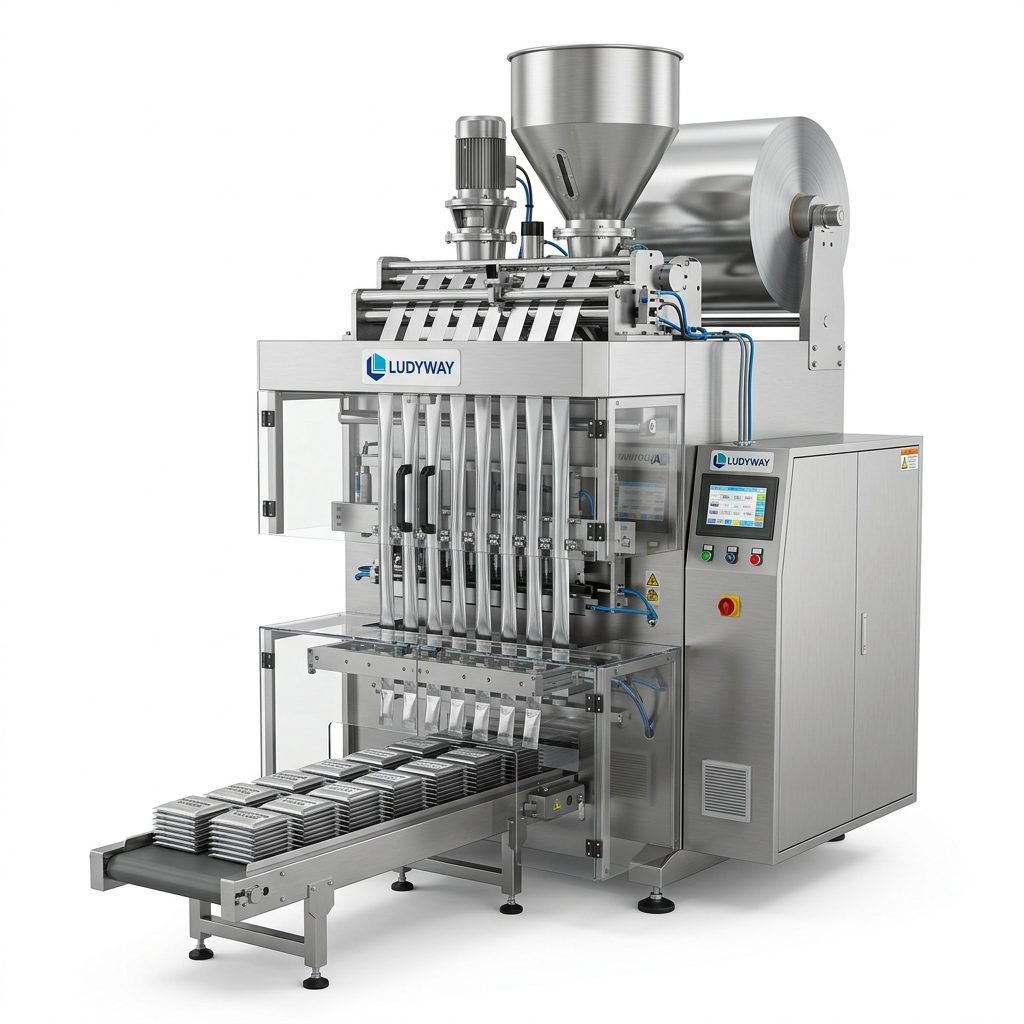
In today’s competitive manufacturing landscape, efficiency, hygiene, and precision are non-negotiable. For producers in the food, pharmaceutical, and health product sectors, packaging is far more than just a final step—it’s a critical component of product integrity, safety, and market appeal. Automated packaging machine solutions have emerged as the cornerstone of modern production, enabling manufacturers to meet stringent regulatory standards, ensure consumer safety, and achieve scalable growth. This article explores the transformative role of automated packaging systems tailored for these sensitive and high-stakes industries.
The Imperative for Automation in Sensitive Industries
The shift from manual or semi-automatic packaging to fully automated systems is driven by several compelling factors unique to food, pharmaceuticals, and health products.
Core Drivers for Adoption:
- Consistency & Precision: Automated machines dispense exact weights and volumes every time, crucial for dosage accuracy in pharmaceuticals and recipe consistency in food.
- Enhanced Hygiene & Contamination Control: Closed systems minimize human contact, reducing the risk of microbial or particulate contamination—a paramount concern in all three sectors.
- Regulatory Compliance: Automated systems provide traceable data logs and adhere to Good Manufacturing Practices (GMP) and food safety standards (like HACCP, FDA regulations) with greater reliability.
- Operational Efficiency & Cost Reduction: High-speed operation lowers labor costs per unit and increases overall output, directly impacting profitability.
Tailored Solutions for Diverse Product Forms
One size does not fit all. Effective packaging requires machinery specifically engineered for the product’s physical state.
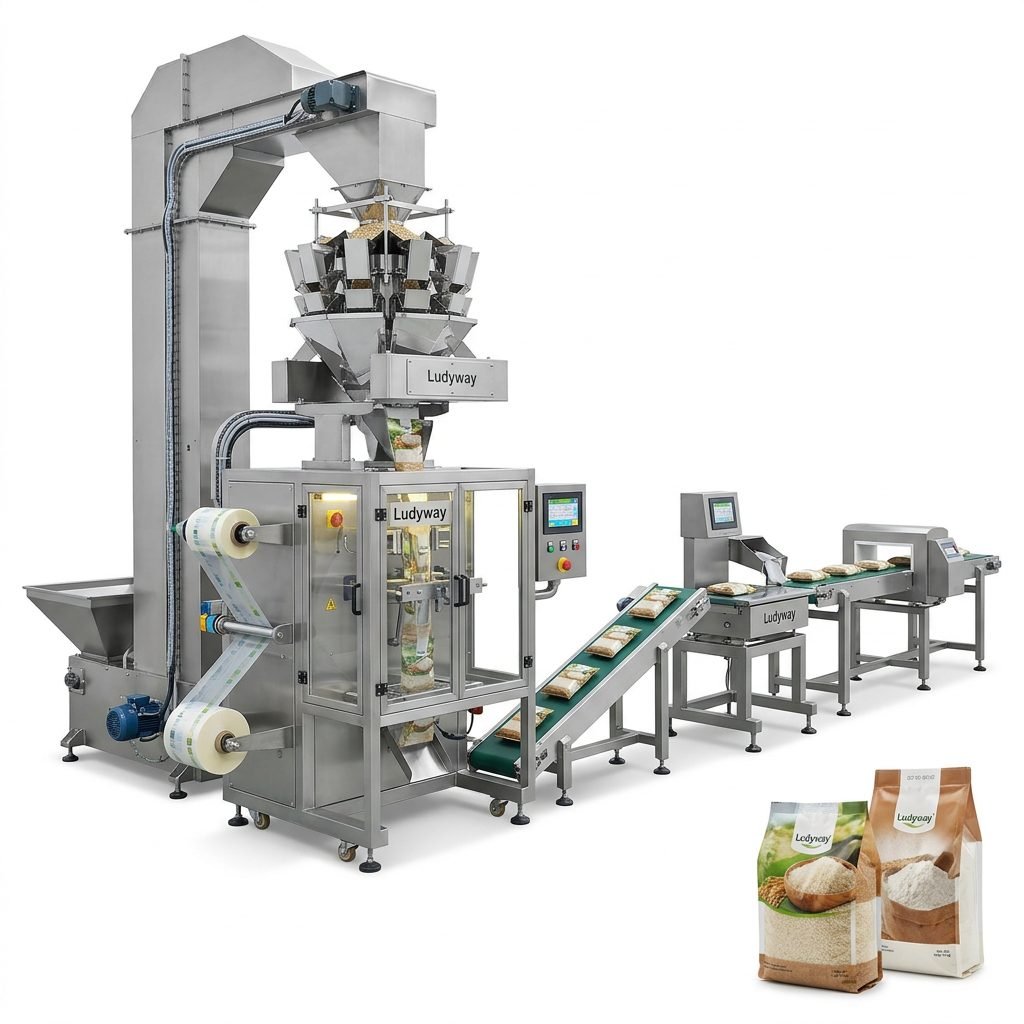
Granule & Powder Packaging Systems
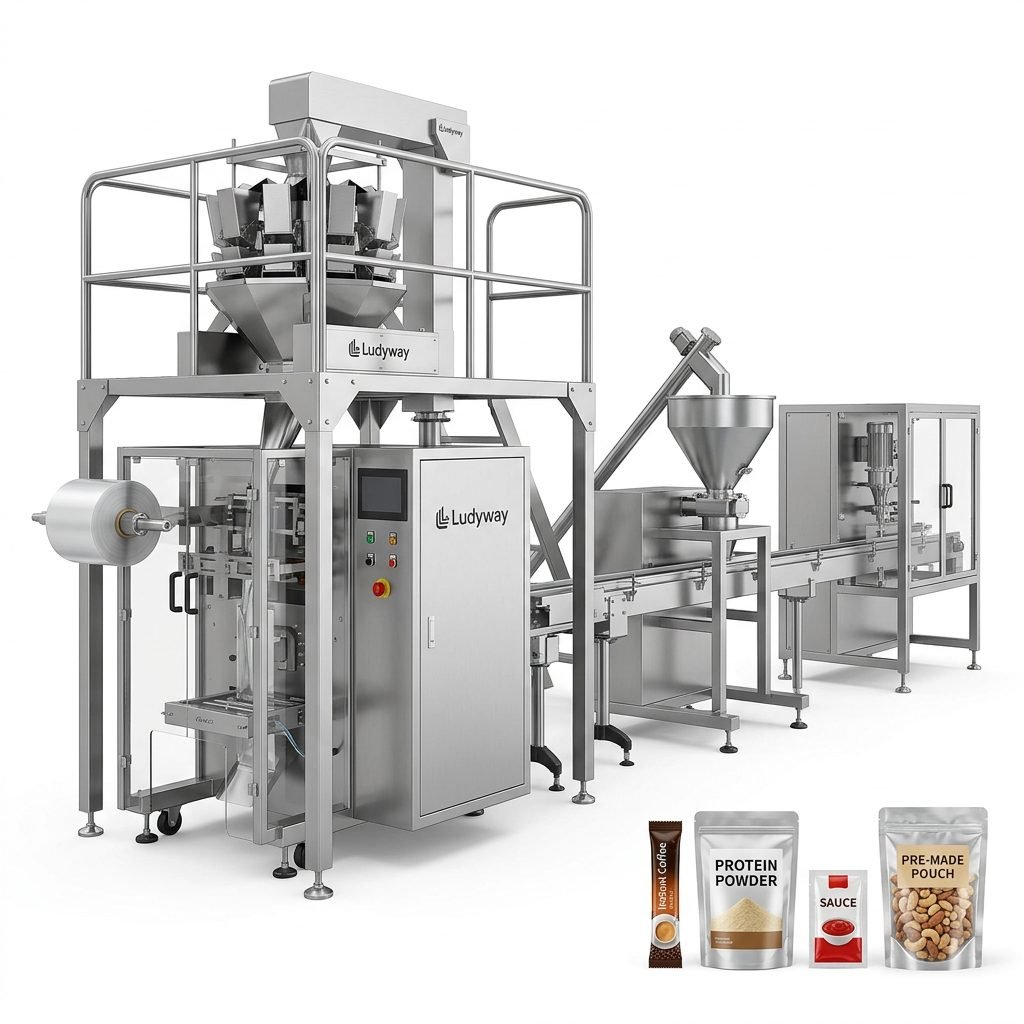
Commonly used for instant beverages, spices, protein powders, medicinal herbs, and effervescent tablets. These systems face challenges like dust generation, bridging, and accurate dosing of lightweight materials. Advanced auger filler technology with anti-bridging mechanisms and dust extraction ports is essential. For pharmaceutical powders, machines often feature clean-in-place (CIP) capabilities and are constructed from 316L stainless steel for superior sanitization.
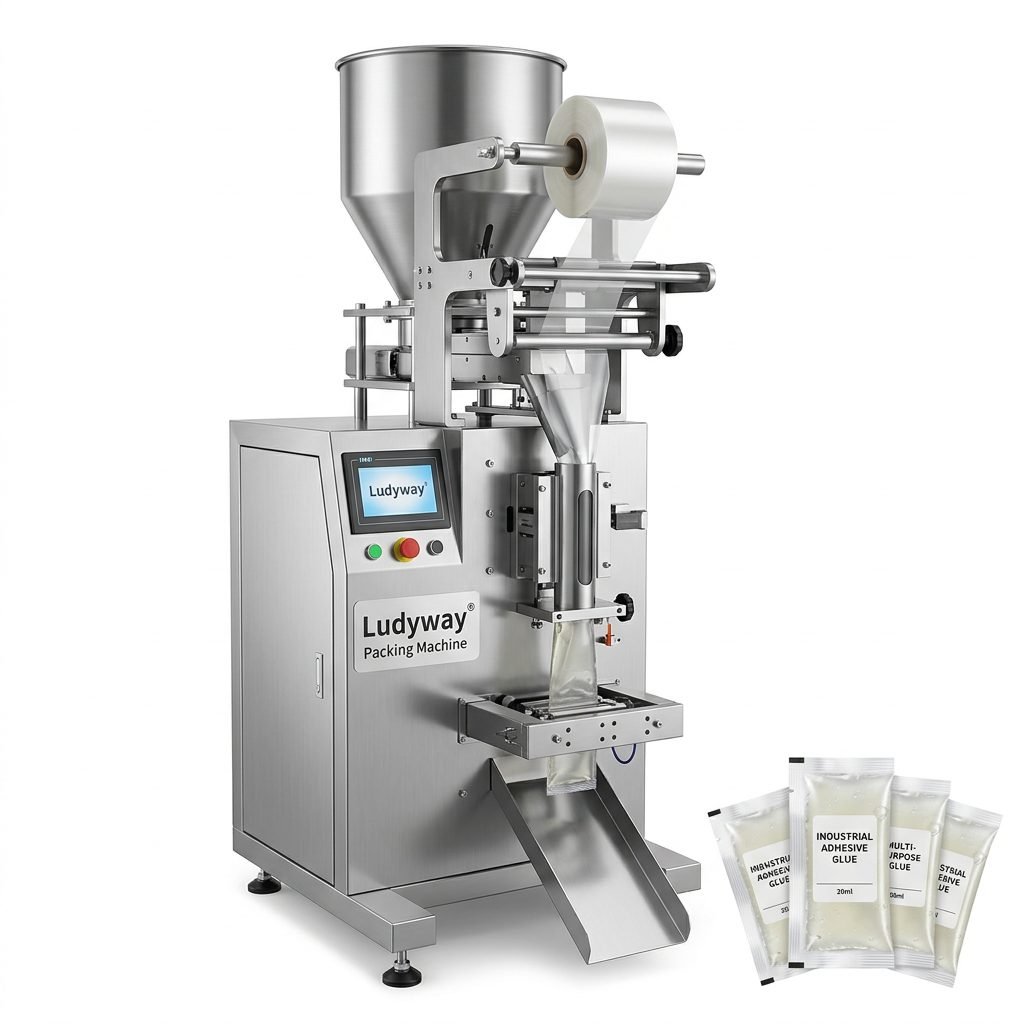
Liquid & Viscous Product Packaging
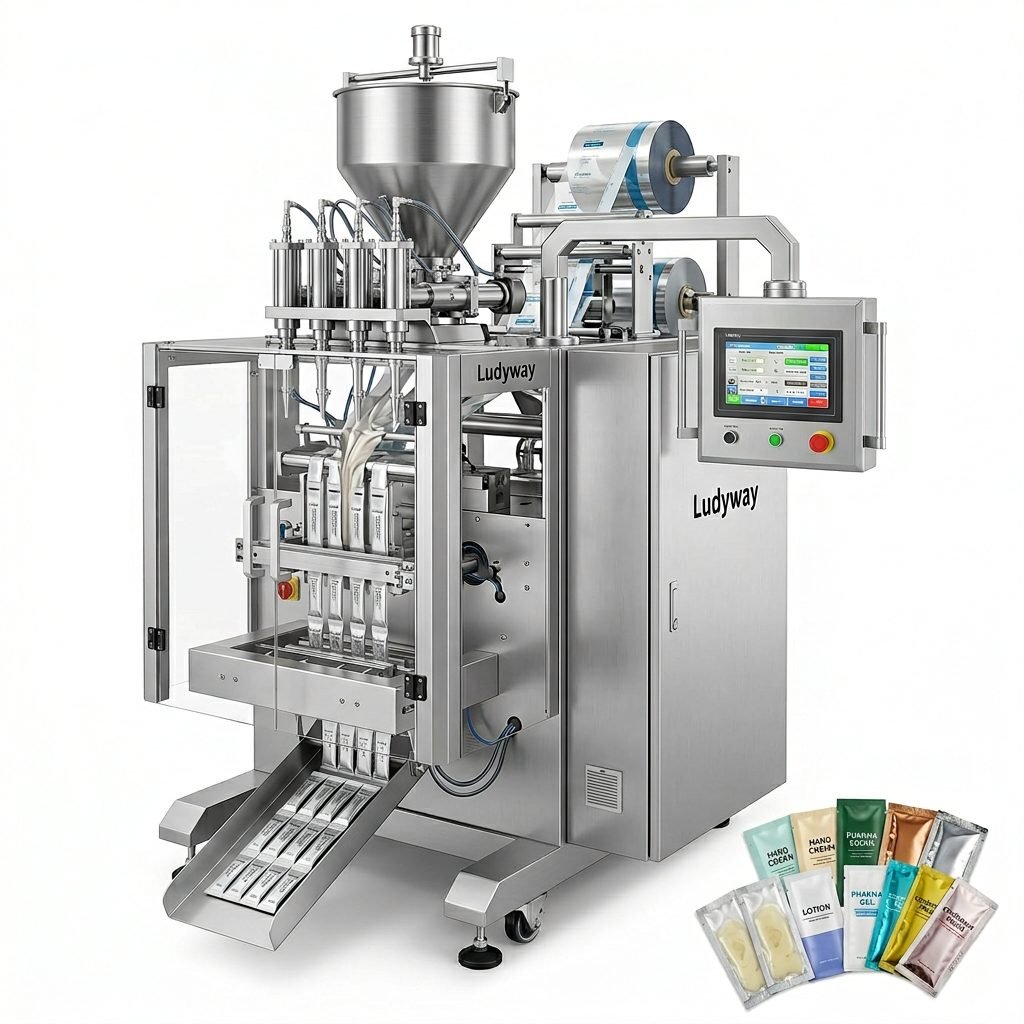
Essential for sauces, edible oils, syrups, herbal extracts, and topical ointments. Key considerations include preventing drip, managing foam, and ensuring hermetic seals to prevent leakage and oxidation. Piston filler and volumetric cup filler systems excel here, offering high accuracy even with products of varying viscosity. Integrated nitrogen flushing before sealing can extend shelf life by displacing oxygen.
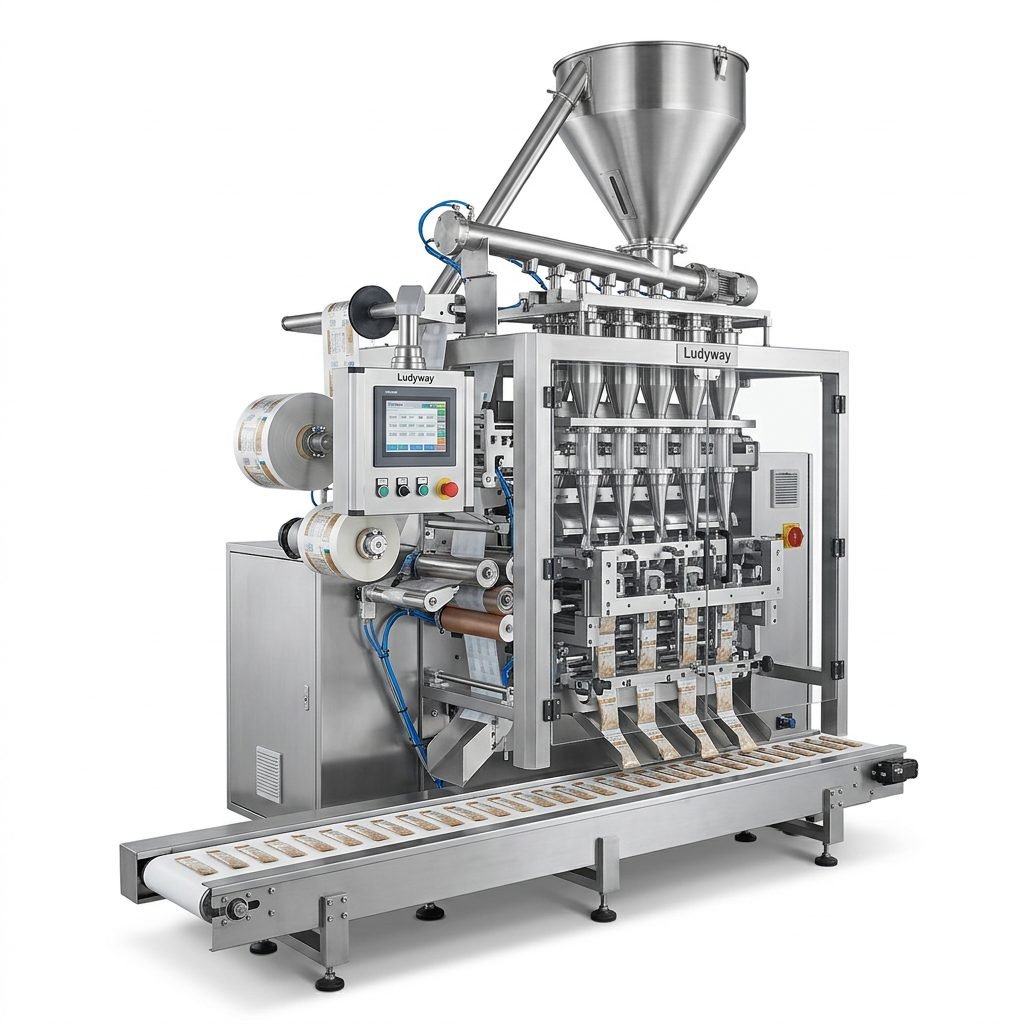
Stick Pack & Sachet Packaging Machines
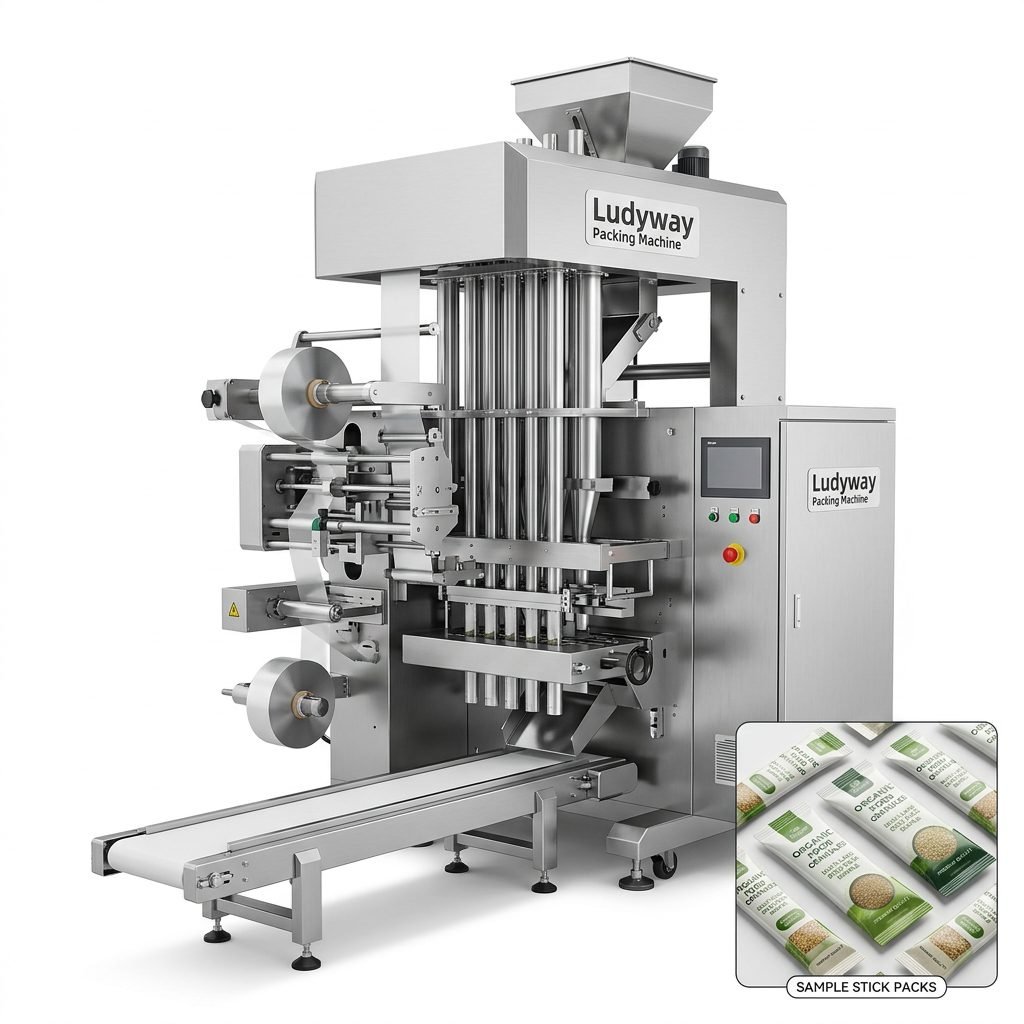
This format has exploded in popularity for single-serve portions of coffee, sugar, condiments, oral rehydration salts, and dietary supplements. Multi-lane vertical form-fill-seal (VFFS) machines are the workhorses for this format, capable of producing dozens of sticks or sachets per minute. The ability to handle multi-laminate films with high barrier properties is critical for product protection.
Critical Features for Industry-Specific Compliance
Beyond basic functionality, packaging machines for these sectors must incorporate design elements that address regulatory and safety mandates.
Food Industry Must-Haves:
Machines must use food-grade lubricants and materials (e.g., FDA-compliant belts, food-grade stainless steel). Smooth, crevice-free surfaces facilitate easy cleaning. Washdown-ready models with IP65 or higher ratings are vital for wet cleaning environments.
Pharmaceutical & Health Product Mandates:
Documentation and validation are key. Machines should support 21 CFR Part 11 compliance for electronic records. Isolated zones for product contact parts, integrated weight checkers with rejection systems, and the use of compliant sanitary pumps are standard. The design must prevent cross-contamination between batches.
Building a Future-Proof Packaging Line
Investing in automation is a strategic decision. A holistic approach ensures the solution grows with your business.
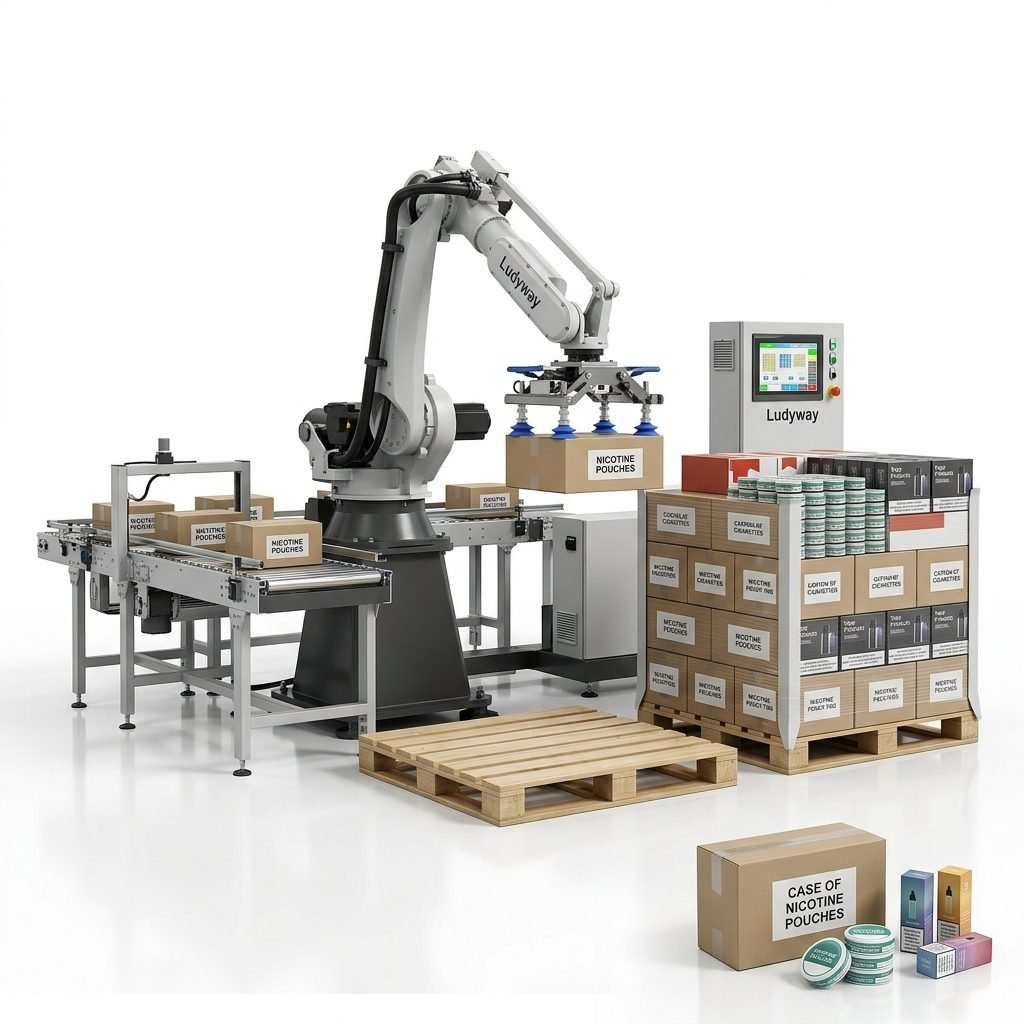
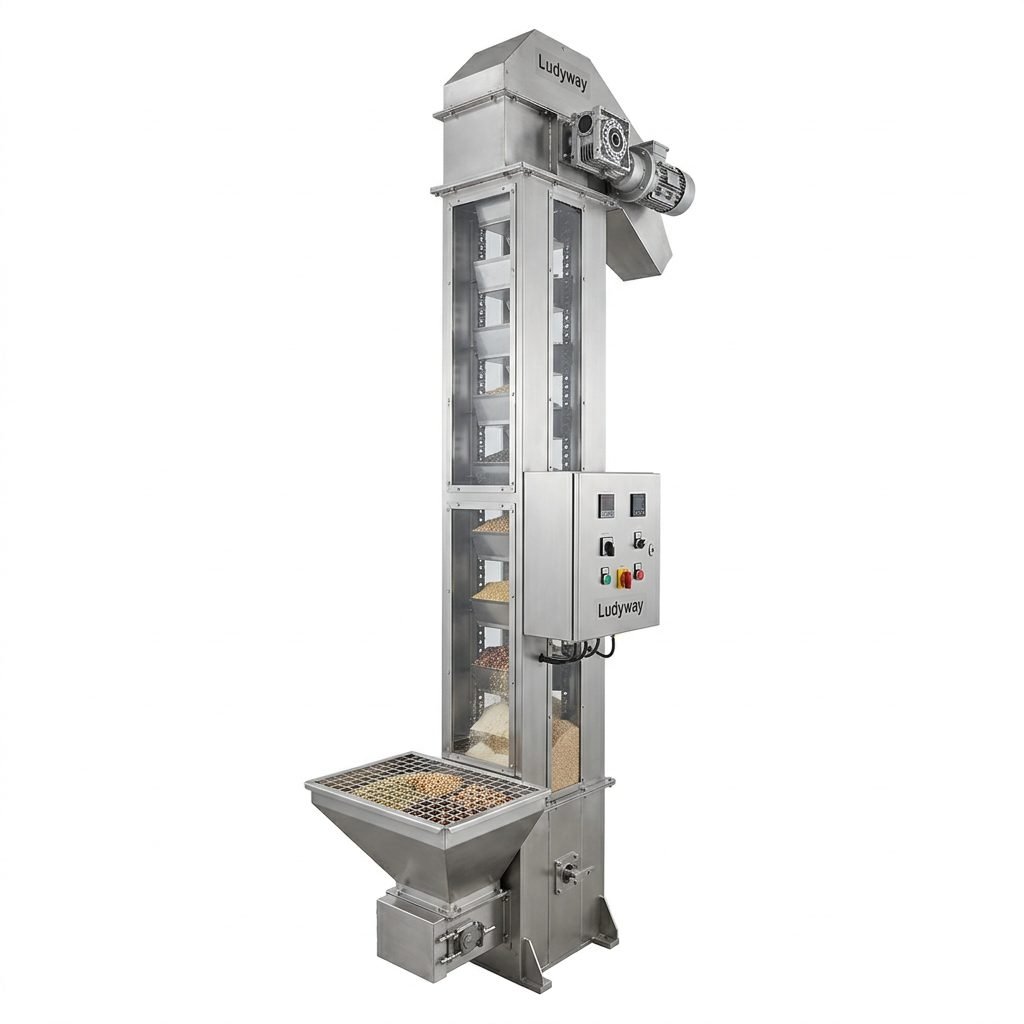
Integration with Upstream & Downstream Processes: The ideal packaging machine is not an island. It should seamlessly integrate with mixers, conveyors, cartoners, and case packers. Look for machines with standard communication protocols (e.g., OPC UA, Modbus TCP) for easy line integration.
Data Intelligence & Industry 4.0 Readiness: Modern machines are data hubs. Built-in sensors and PLCs monitor Overall Equipment Effectiveness (OEE), track production counts, and log maintenance alerts. This data, accessible via SCADA or MES systems, enables predictive maintenance and continuous process optimization.
Flexibility and Quick Changeover: Market demands change rapidly. Equipment that allows for quick size changeovers (via digital recipes) and can handle multiple package types (e.g., switching from sachets to stick packs) maximizes uptime and ROI.
The Role of a Trusted Partner
Success hinges not just on the machine, but on the supplier behind it. A partner like Ludyway Machinery brings invaluable assets to the table. With deep-rooted expertise spanning over a decade, such partners understand the nuanced challenges of packaging sensitive products. They offer more than just equipment; they provide turnkey solutions—from initial consultation and factory layout planning to installation, training, and ongoing technical support. Their portfolio of over 50 machine models, developed through strong engineering partnerships, ensures they can match the right technology to your specific product and output goals.
Furthermore, a global service network ensures that support is never far away, minimizing downtime. This partnership model transforms a capital equipment purchase into a long-term strategic advantage for your production facility.
Conclusion: Packaging as a Strategic Asset
For food, pharmaceutical, and health product manufacturers, automated packaging is a strategic investment that safeguards quality, ensures compliance, and drives efficiency. By selecting a solution engineered for your specific product form and industry regulations, and by partnering with an experienced provider, you can transform your packaging line from a cost center into a reliable, scalable, and intelligent asset that supports your brand’s reputation and growth for years to come.
Frequently Asked Questions (FAQs)
1. What is the primary benefit of automated packaging for pharmaceutical manufacturers?
The foremost benefit is enhanced product safety and regulatory compliance. Automation drastically reduces human intervention, minimizing contamination risks. It ensures precise, repeatable dosing critical for pharmaceuticals and provides auditable data trails for strict compliance with standards like GMP and FDA 21 CFR Part 11.
2. Can one machine handle both food powders and pharmaceutical granules?
While some base machine platforms might be similar, the specific construction and features will differ. Pharmaceutical-grade machines typically require higher-grade sanitary materials (e.g., 316L stainless steel), validated cleaning procedures (CIP/SIP), and more rigorous documentation. It’s crucial to specify your industry and product to the supplier for a compliant solution.
3. How do I choose between a stick pack machine and a sachet machine?
The choice depends on your product, market preference, and dosing. Stick packs are ideal for fine powders and granules for direct pouring or dissolving (e.g., instant coffee, sugar). Sachets offer a larger surface area, better for products that need to be torn and emptied completely (e.g., sauces, ointments). A knowledgeable partner like Ludyway can advise based on your specific needs.
4. What does “turnkey solution” mean in packaging automation?
A turnkey solution means the supplier manages the entire project from concept to production-ready operation. This includes machinery selection, factory layout design, installation, calibration, integration with other line equipment, operator training, and initial production support. It provides a single point of responsibility and ensures all components work harmoniously.
5. How important is after-sales service and support?
It is critical. Even the most reliable equipment requires maintenance, spare parts, and occasional troubleshooting. A supplier with a strong global service network, readily available spare parts, and remote diagnostic capabilities ensures maximum uptime and protects your investment over the machine’s entire lifecycle.