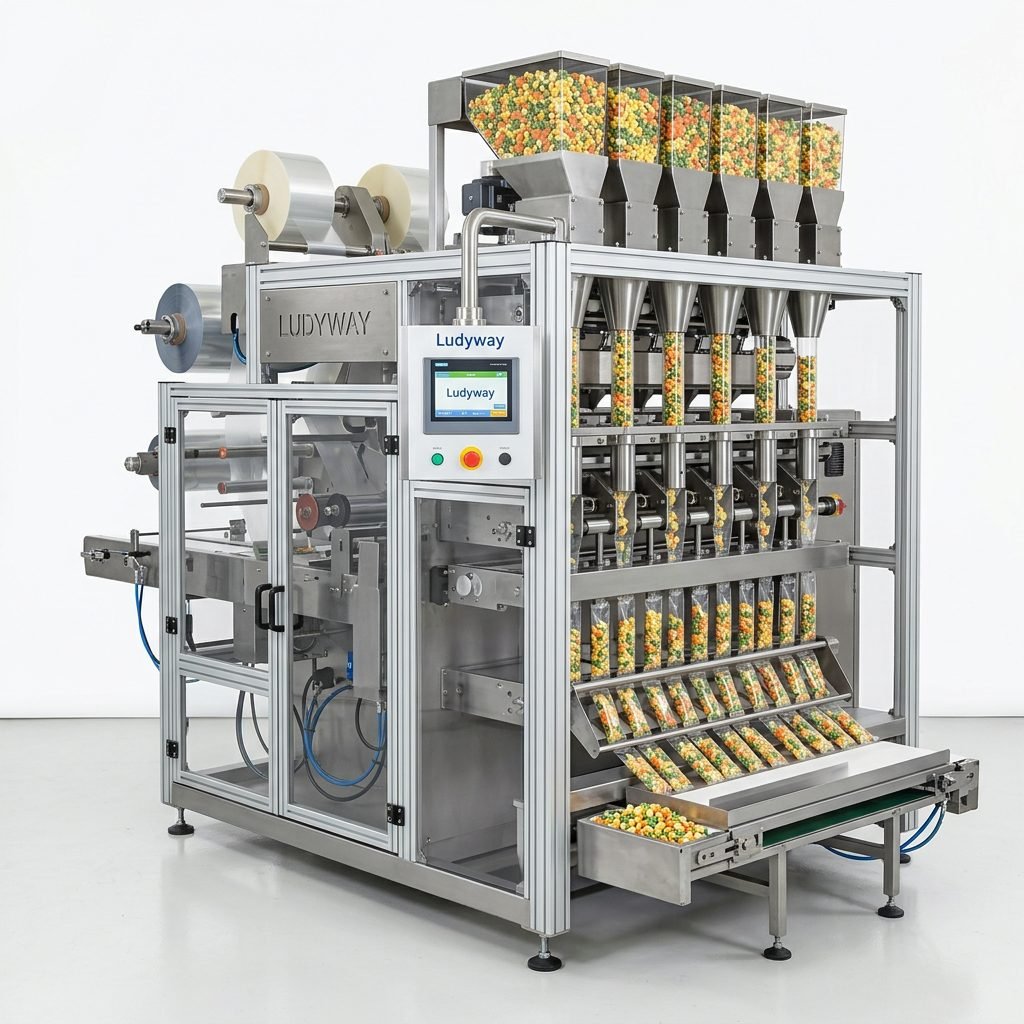
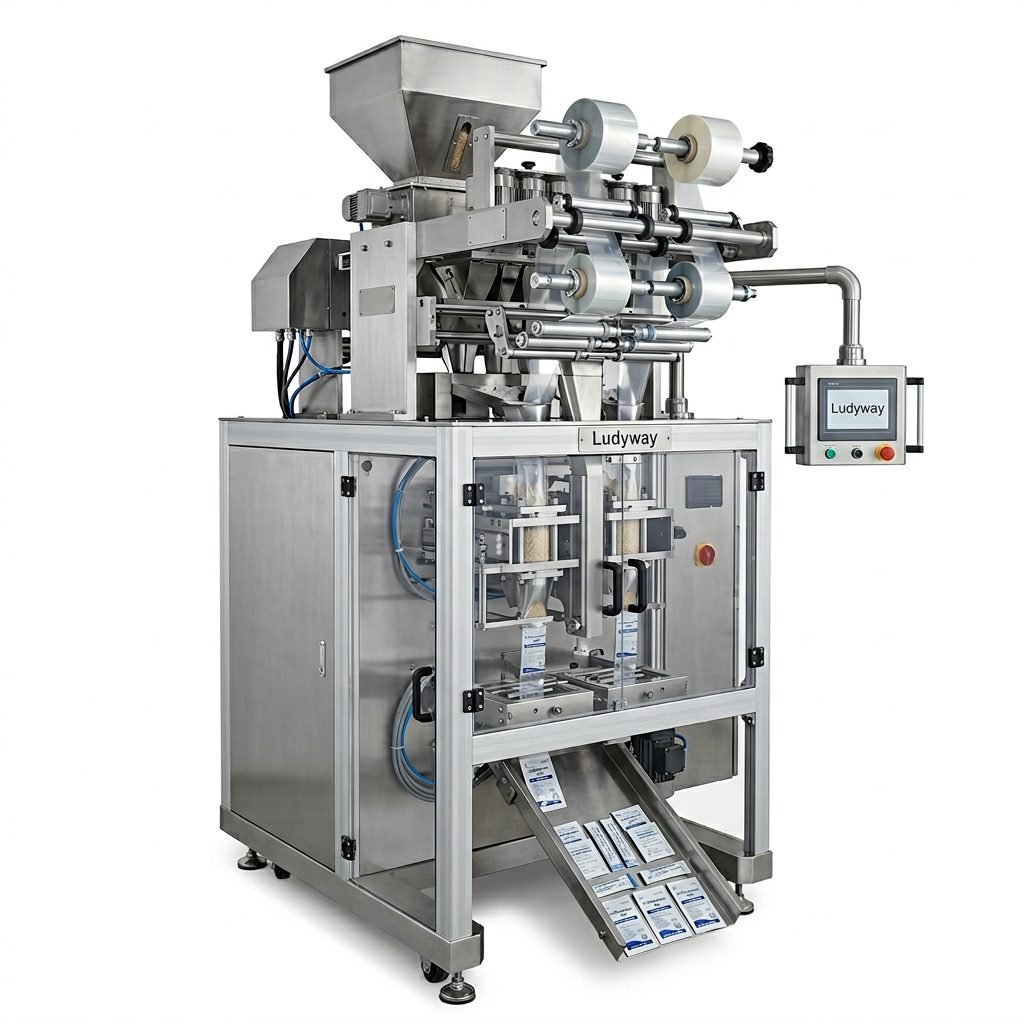
Choosing the right chicken packing machine is not only about comparing quotes. For poultry processors, frozen food brands, ready-meal manufacturers, and meat distributors, the real goal is to find equipment that matches product type, output target, packaging format, hygiene standards, and long-term operating cost. A low initial price can become expensive if the machine slows production, creates sealing defects, or requires frequent maintenance.
In this guide, we break down the key factors that influence chicken packing machine price and explain how to select a machine that fits your business stage and growth plan.
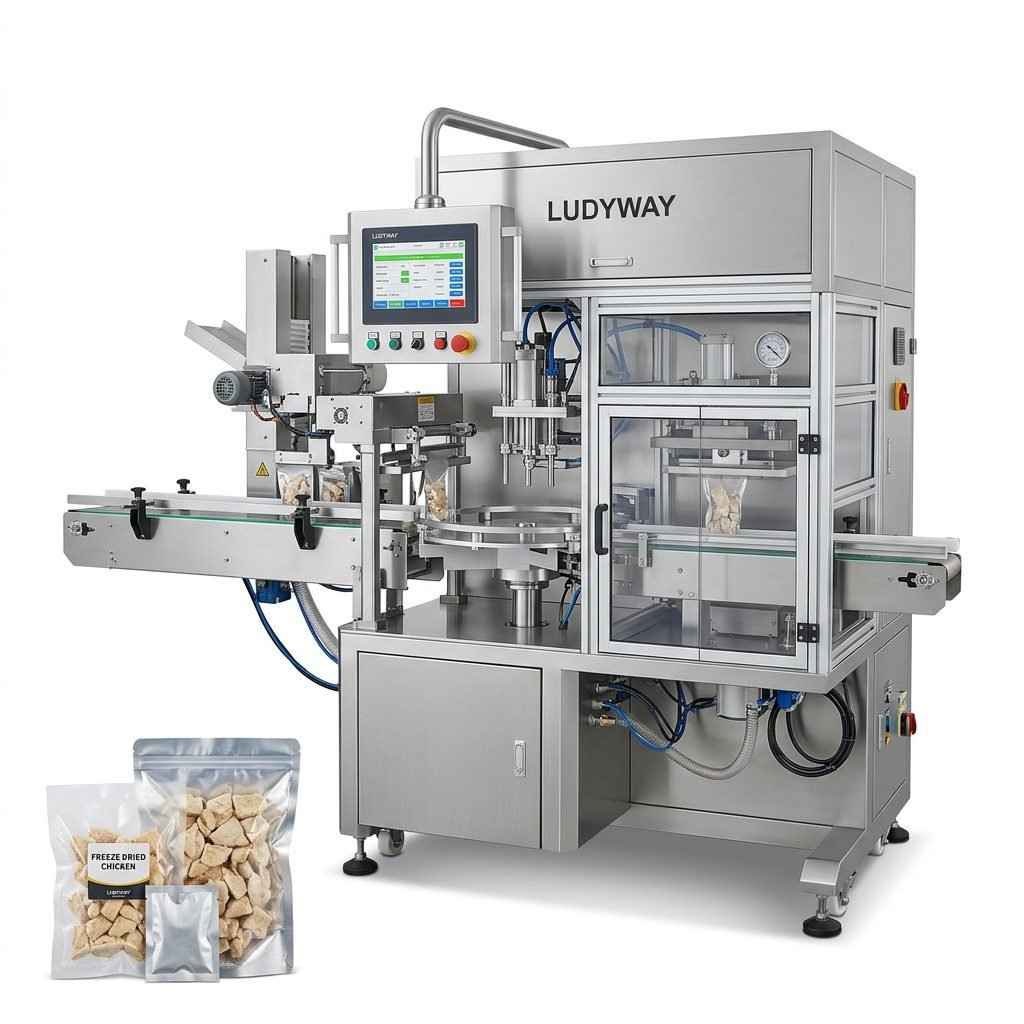
What Affects Chicken Packing Machine Price?
The price of a chicken packaging machine can vary significantly depending on the machine structure, automation level, packaging material compatibility, and production speed. In most cases, buyers are not just purchasing a standalone machine—they are investing in production reliability.
1. Type of Chicken Product
Different chicken products require different feeding, weighing, filling, and sealing systems. For example:
- Fresh chicken cuts
- Frozen chicken portions
- Chicken nuggets or marinated pieces
- Cooked or ready-to-eat chicken meals
- Freeze-dried chicken snacks for pets
Products with oil, moisture, irregular shapes, or fragile texture usually need more specialized handling, which increases machine complexity and cost.
2. Packaging Format
The final bag or pouch style has a direct impact on machine price. Common options include:
- Pillow bags
- Premade pouches
- Vacuum bags
- Stand-up pouches
- Zip pouches
- Tray sealing packs
- Thermoformed packs
Simple bagging systems are usually more affordable, while vacuum packaging, modified atmosphere packaging, and premium retail pouch formats cost more.
3. Output Capacity
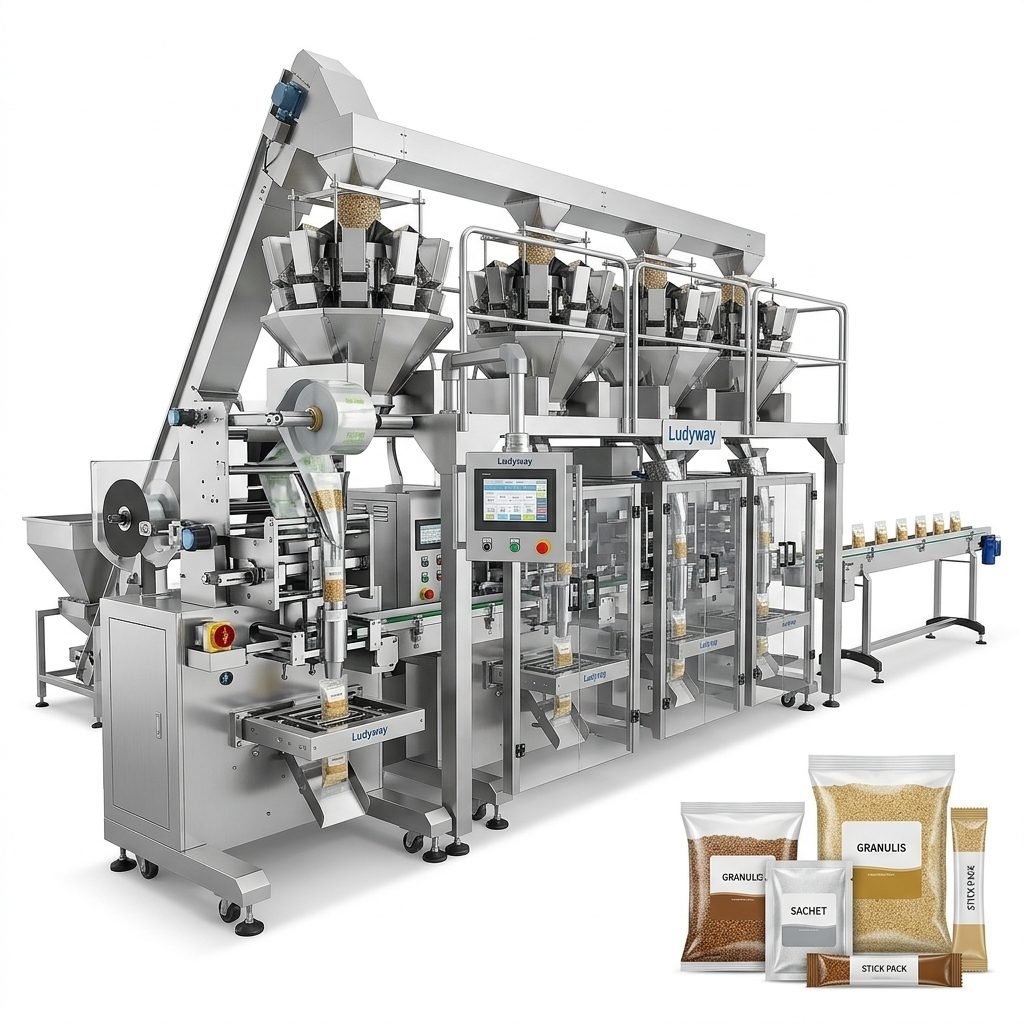
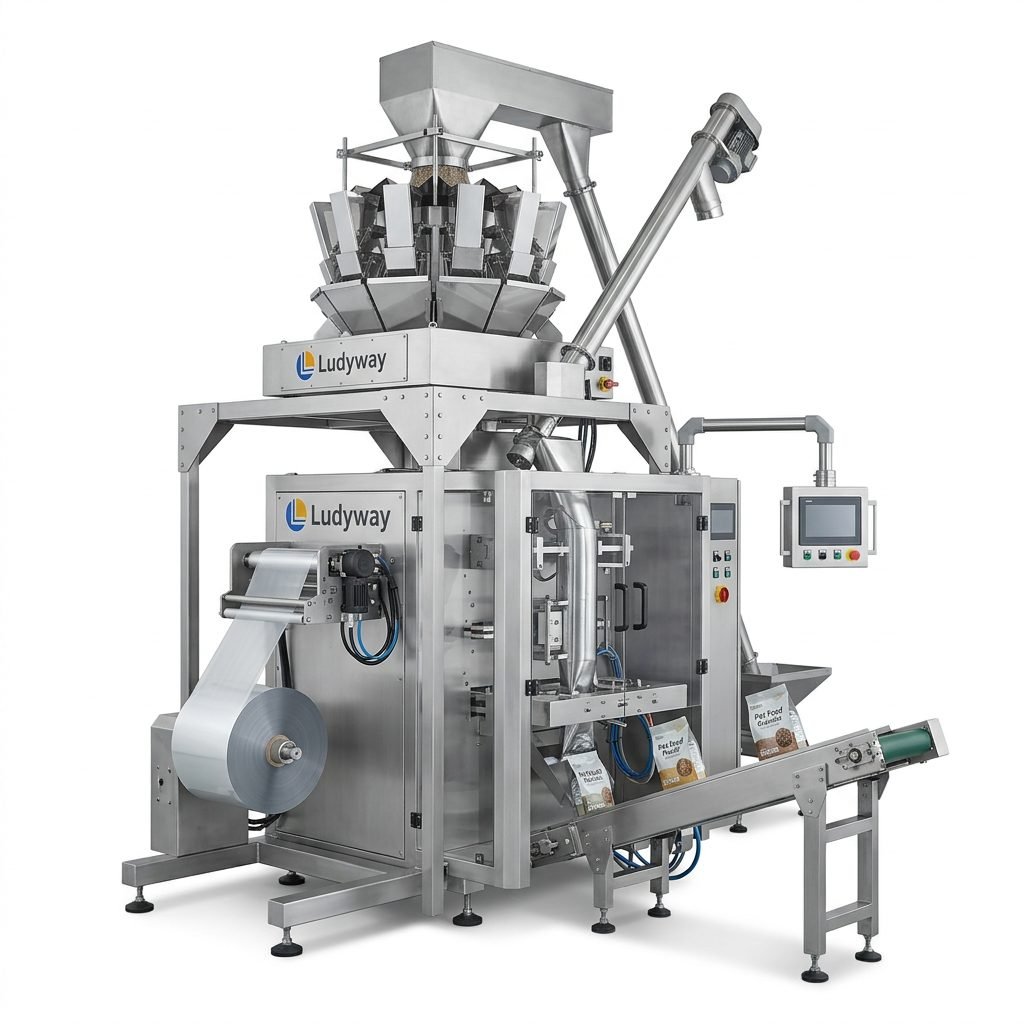
A small workshop may only need a semi-automatic solution, while a large poultry plant may require a fully automated line integrated with multihead weighers, conveyors, metal detectors, checkweighers, labeling, and cartoning equipment.
As a rule, higher speed means higher price, but also better labor efficiency and lower unit packaging cost over time.
4. Automation Level
Machine pricing usually rises with automation:
- Semi-automatic packing machines
- Automatic weighing and filling machines
- Fully automatic packaging lines
- Turnkey systems with end-of-line integration
For growing businesses, it is often smarter to choose a scalable machine rather than the cheapest entry-level unit.
5. Material and Hygiene Design
Chicken packaging requires excellent sanitation performance. Machines built with food-grade stainless steel, washable structures, hygienic contact parts, and easy-clean designs may cost more upfront, but they are far better for food safety compliance.
Typical Chicken Packing Machine Price Range
The following table gives a general market reference. Actual prices vary by configuration, speed, and customization.
| Machine Type | Typical Use | Estimated Price Range |
|---|---|---|
| Semi-automatic bagging machine | Small-scale chicken packing | US$3,000–US$10,000 |
| Vertical form fill seal machine | Frozen chicken pieces, nuggets, diced portions | US$10,000–US$35,000 |
| Premade pouch packing machine | Retail-ready pouches | US$18,000–US$60,000 |
| Vacuum packaging machine | Fresh or marinated chicken | US$8,000–US$50,000+ |
| Tray sealing or thermoforming line | Fresh chicken retail packs | US$30,000–US$150,000+ |
| Fully automatic turnkey packaging line | Large poultry processing plants | US$80,000–US$300,000+ |
Important: the cheapest machine is rarely the most economical option. Downtime, film waste, inaccurate filling, and short service life can quickly erase the initial savings.
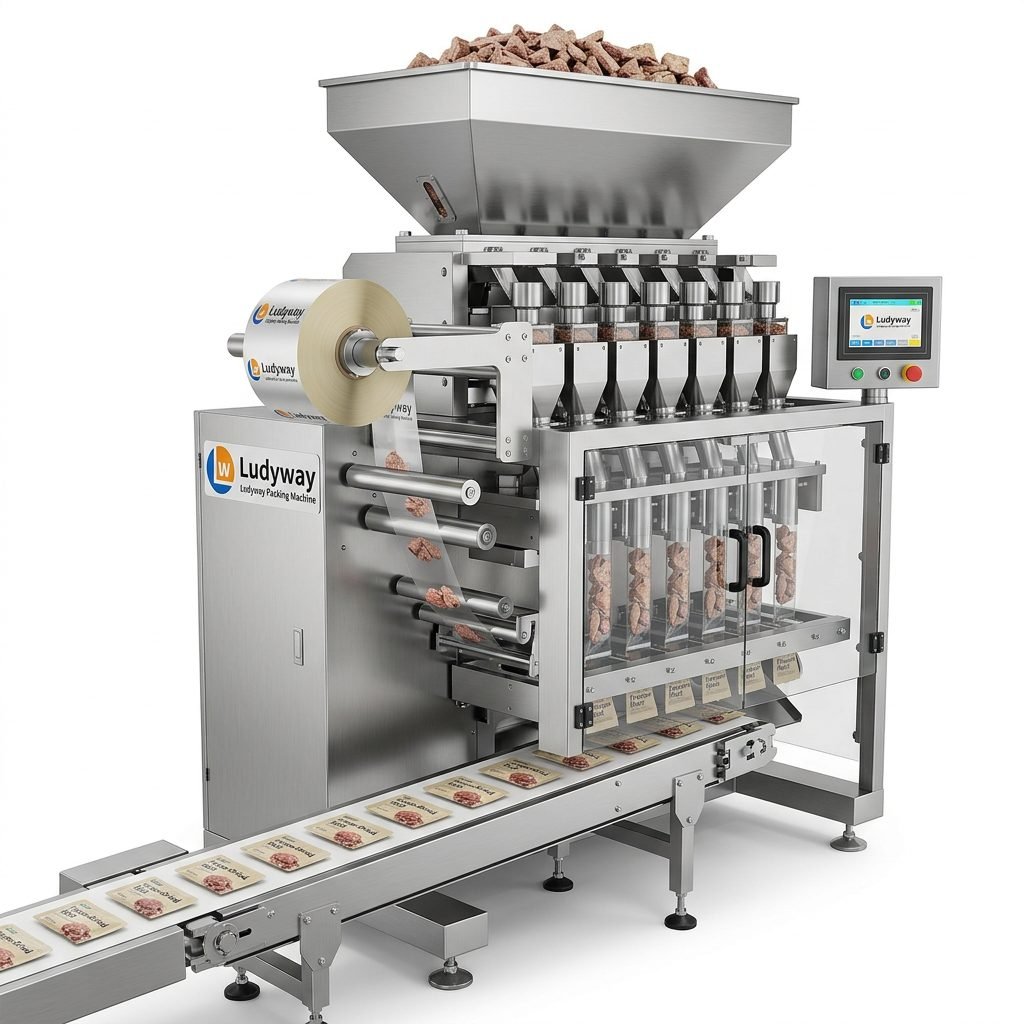
How to Choose the Right Machine for Your Business
Match the Machine to Your Product Form
Before asking for a quotation, define your product clearly:
- Fresh, chilled, or frozen?
- Bone-in or boneless?
- Whole cuts, strips, cubes, or minced?
- Dry, wet, oily, or marinated?
- Bulk foodservice pack or retail-ready pouch?
Machine suppliers need this information to recommend the correct feeding and sealing solution. A machine designed for powder or dry granules will not suit sticky or irregular chicken pieces.
Calculate Real Production Needs
Many buyers either overbuy or underbuy. To avoid this, estimate:
- Target packs per minute
- Operating hours per day
- Seasonal demand peaks
- Expected expansion in the next 2–3 years
If your order volume is increasing, a machine with upgrade potential may be more cost-effective than replacing equipment within a year.
Evaluate Packaging Material Compatibility
Chicken products are often packed in laminated films, vacuum pouches, or barrier materials to improve shelf life. Your machine should support the film structure, thickness, sealing temperature, and pouch dimensions required by your packaging design.
Focus on Hygiene and Easy Cleaning
In meat processing, sanitation is not optional. Ask whether the machine offers:
- Food-contact stainless steel parts
- Open-frame hygienic structure
- Quick disassembly for cleaning
- Water-resistant or washdown-friendly design
- Reduced dead corners for residue build-up
These features may raise the machine price, but they support safer production and easier compliance with factory audits.
Check Accuracy and Seal Quality
For chicken packing, poor sealing can cause leakage, contamination, freezer burn, or product rejection. A good machine should provide stable filling accuracy and consistent sealing performance, even under continuous operation.
Look Beyond the Machine Itself
The true value of a packaging system includes service support, spare parts availability, training, commissioning, and technical guidance. A lower-priced machine without dependable support can create major losses later.
When Should You Choose a Standalone Machine vs. a Full Packaging Line?
| Business Situation | Recommended Option | Why |
|---|---|---|
| Start-up or pilot production | Standalone or semi-automatic machine | Lower investment, easier testing |
| Mid-sized factory with stable demand | Automatic packing machine | Better speed and labor savings |
| Large poultry processor | Integrated packaging line | Higher efficiency, quality control, scalability |
| Export-oriented retail brand | Customized turnkey solution | Supports premium packaging and compliance needs |
Questions to Ask Before Requesting a Quote
To get an accurate chicken packing machine quotation, prepare answers to these questions:
- What chicken product are you packing?
- What is the weight range per pack?
- What bag or pouch style do you want?
- What speed do you need per minute or per hour?
- Do you need vacuum, gas flushing, or standard sealing?
- What level of automation do you expect?
- Do you need additional equipment such as conveyors, weighers, printers, or carton packing?
- What are your local power standards and factory conditions?
The more detailed your requirements, the more precise and useful the quotation will be.
Common Mistakes Buyers Make
- Choosing based only on price and ignoring reliability
- Buying a machine with insufficient capacity
- Selecting a machine not designed for wet or irregular chicken products
- Ignoring cleaning and sanitation requirements
- Overlooking after-sales service and spare parts support
- Failing to consider future packaging upgrades
A packaging machine should support your business for years, not just solve today’s production problem.
Why Supplier Experience Matters
In food packaging projects, supplier experience can make a major difference in machine stability, customization quality, and line integration. An experienced manufacturer can help you avoid costly mismatches between product characteristics and machine design.
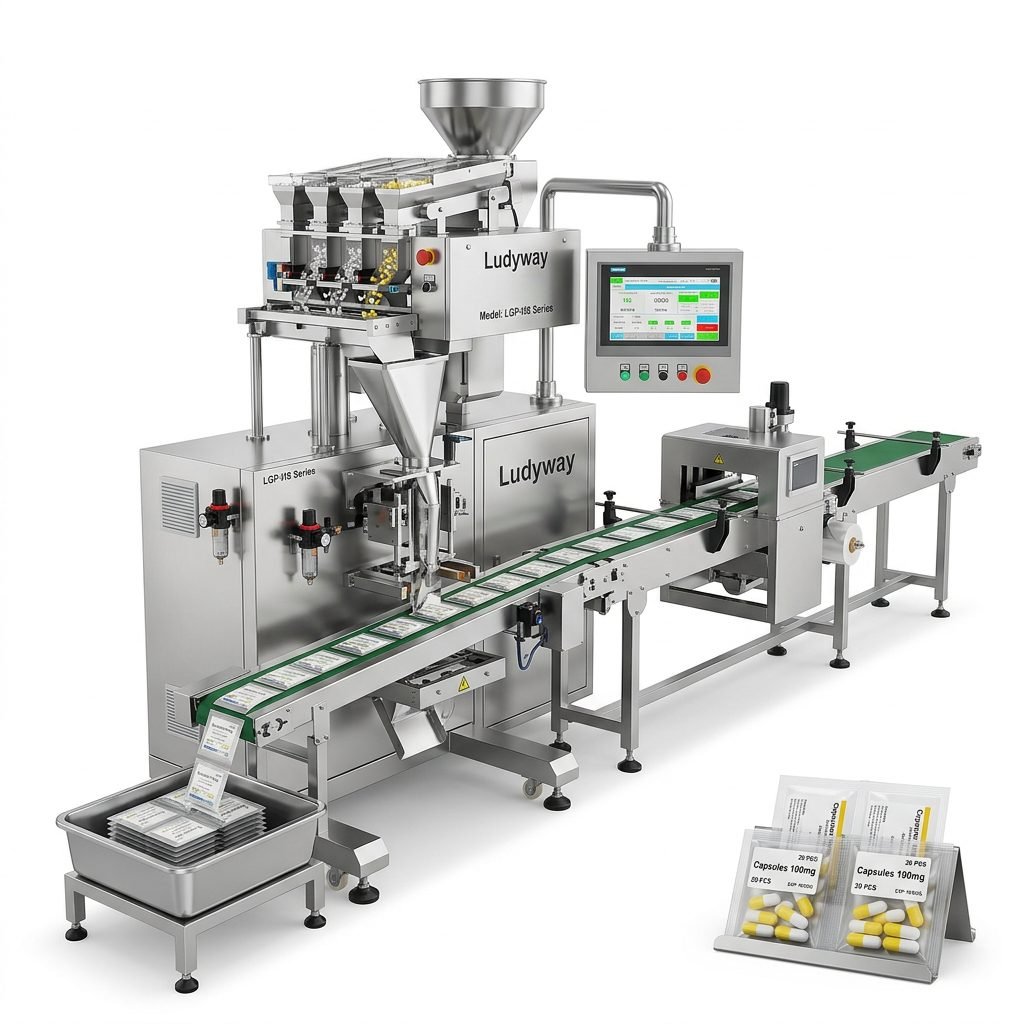
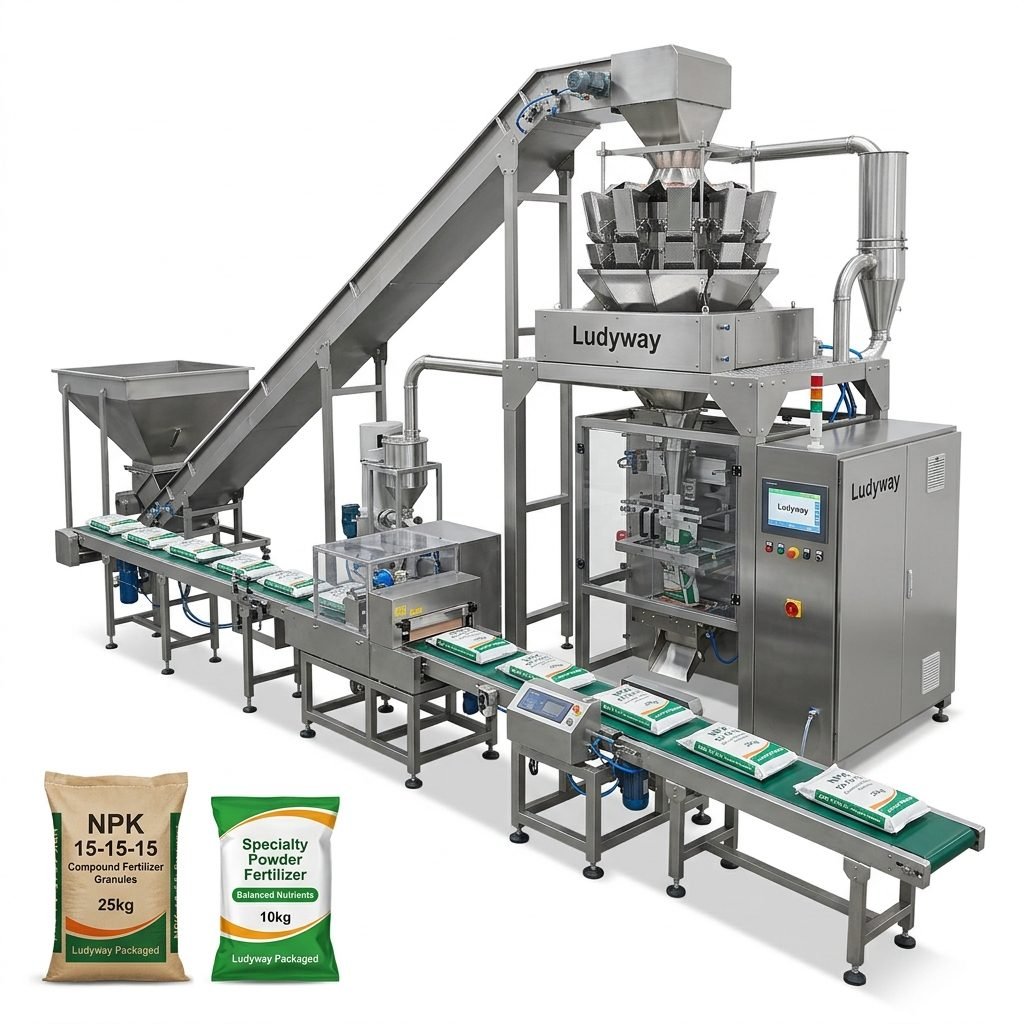
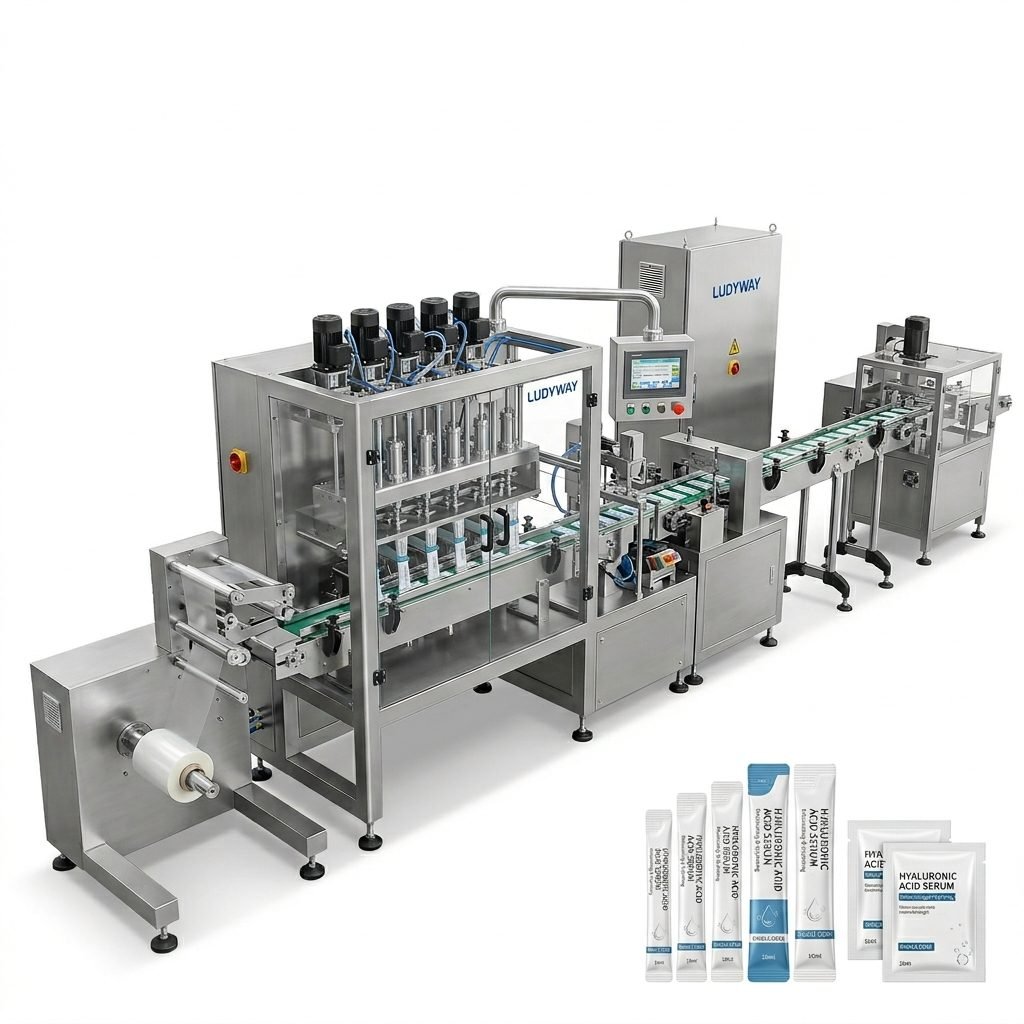
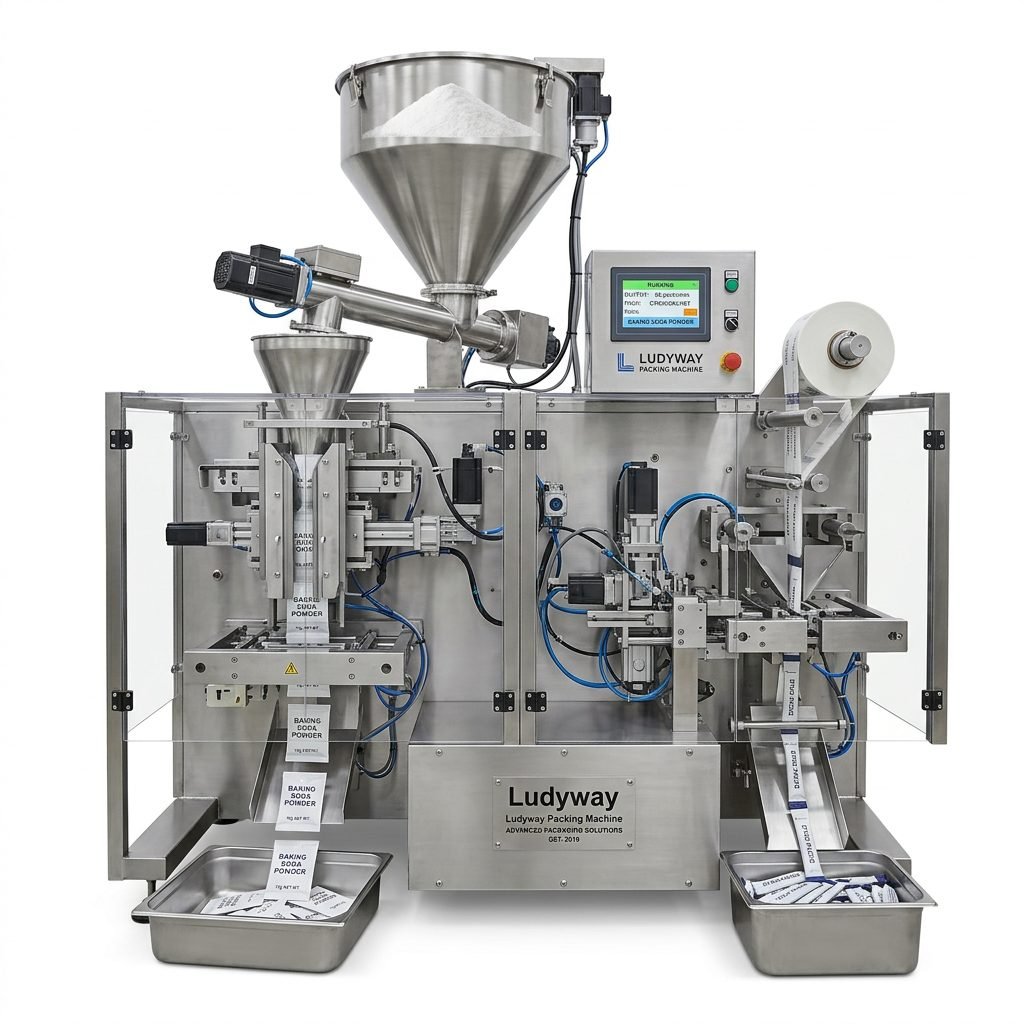
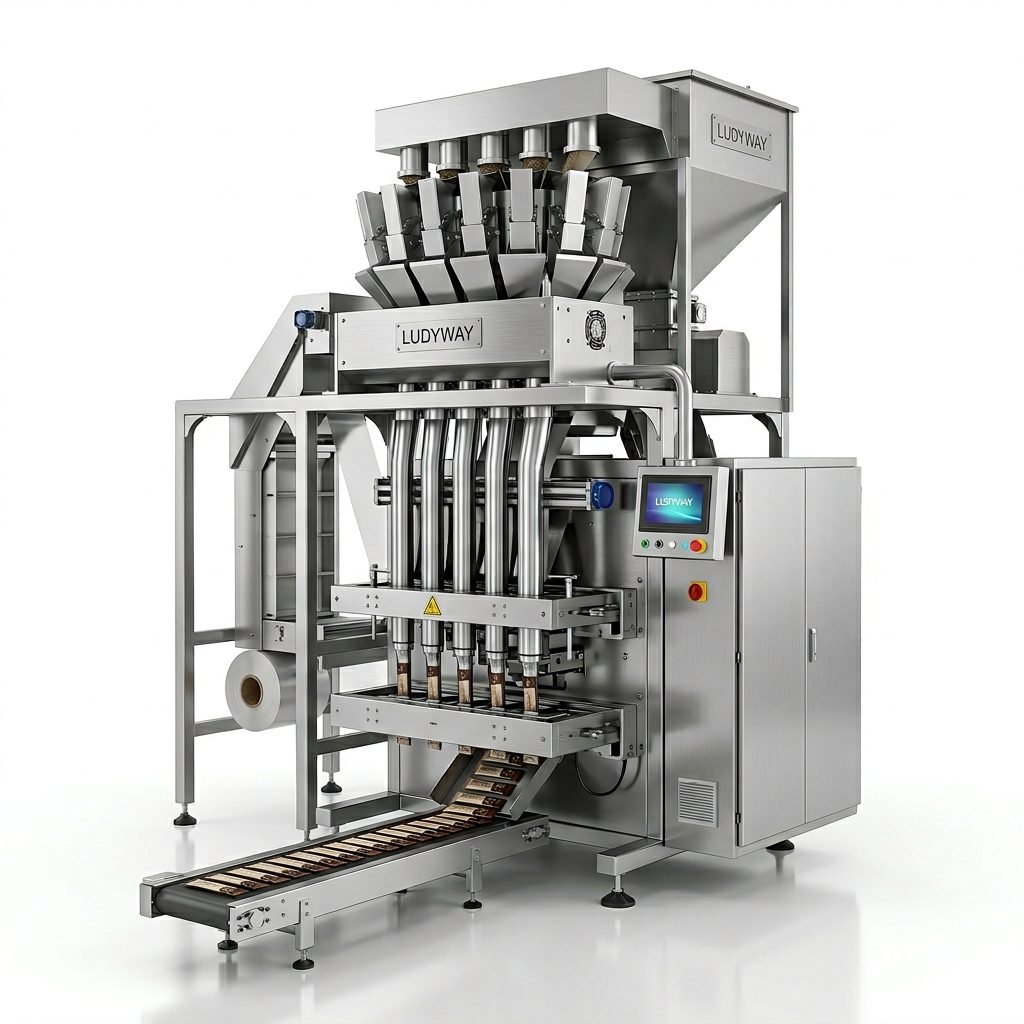
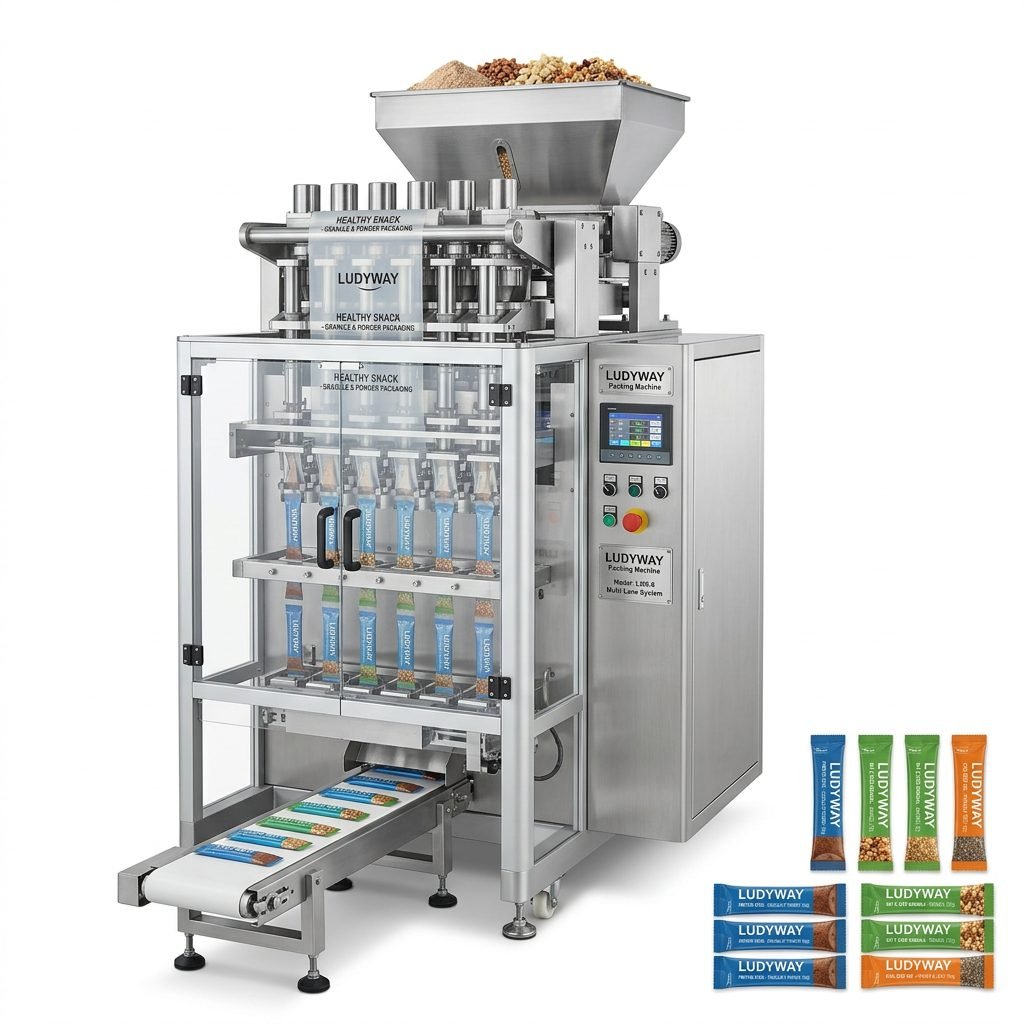
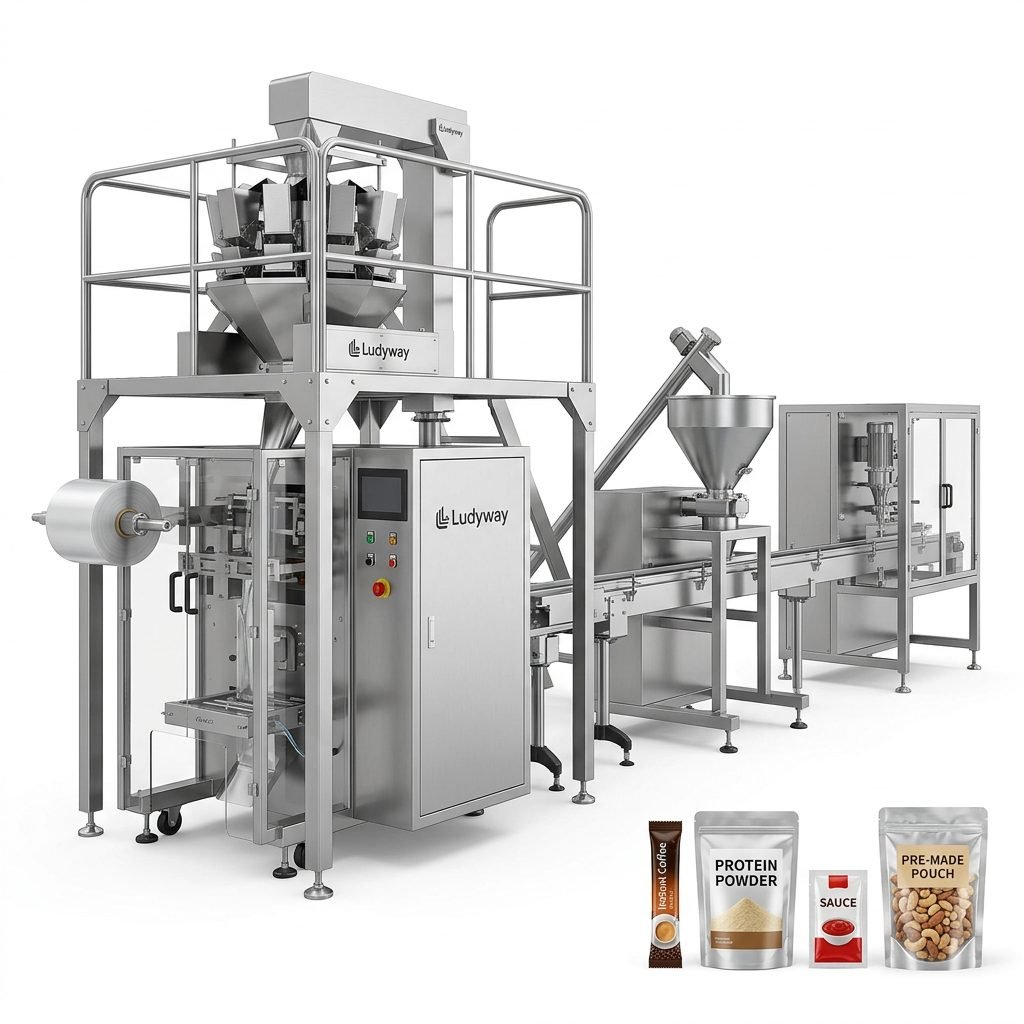
If you are comparing suppliers, it is worth considering a company with strong export experience, broad packaging application knowledge, and the ability to deliver both standalone machines and complete lines. Ludyway packaging machine solutions are often considered by international buyers looking for scalable automation, customized configurations, and turnkey packaging line support.
Final Buying Advice
The right chicken packing machine price is not necessarily the lowest one—it is the one that gives your business the best balance of performance, hygiene, flexibility, and return on investment.
Before making a decision, compare machines based on:
- Product compatibility
- Packaging style support
- Speed and accuracy
- Cleaning convenience
- Machine durability
- Service and spare parts
- Upgrade potential
When these factors are aligned, your packaging investment can reduce labor costs, improve output consistency, protect product quality, and strengthen your brand in a competitive poultry market.