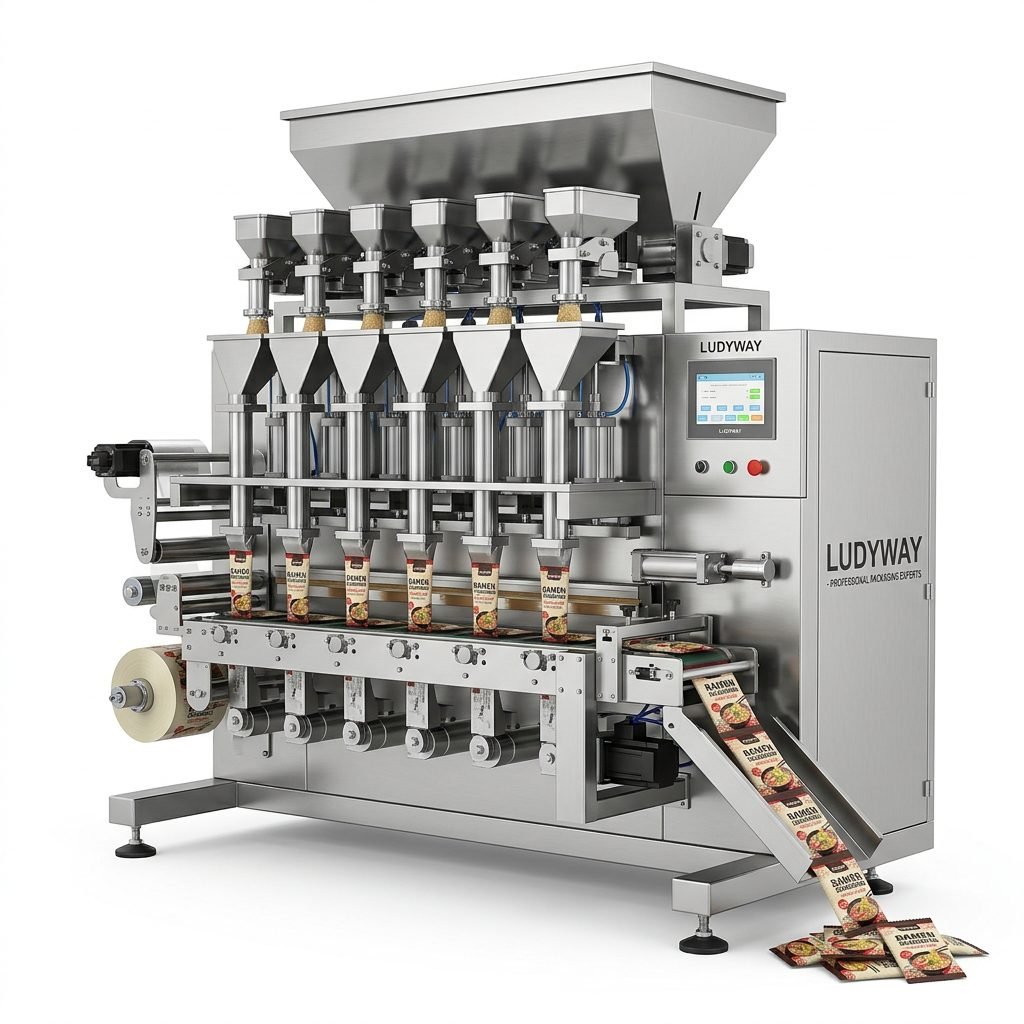
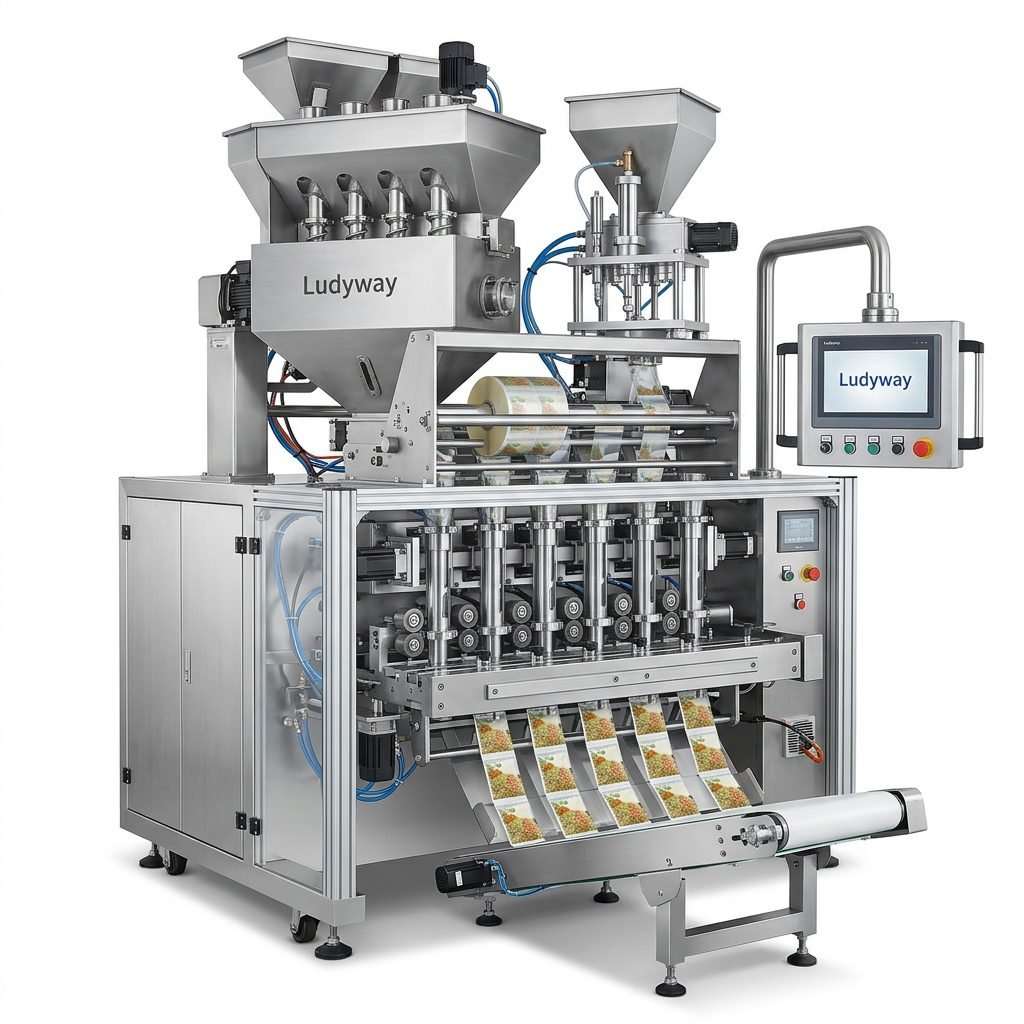
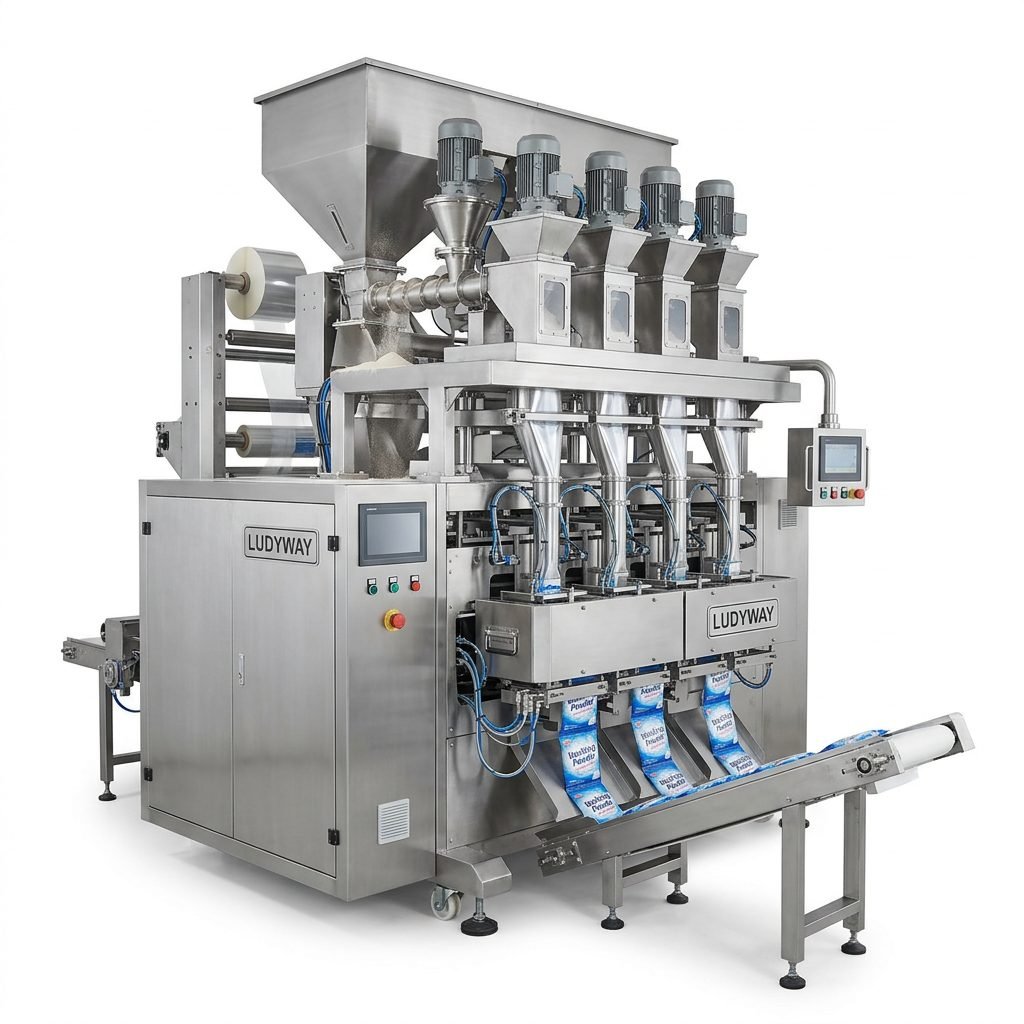
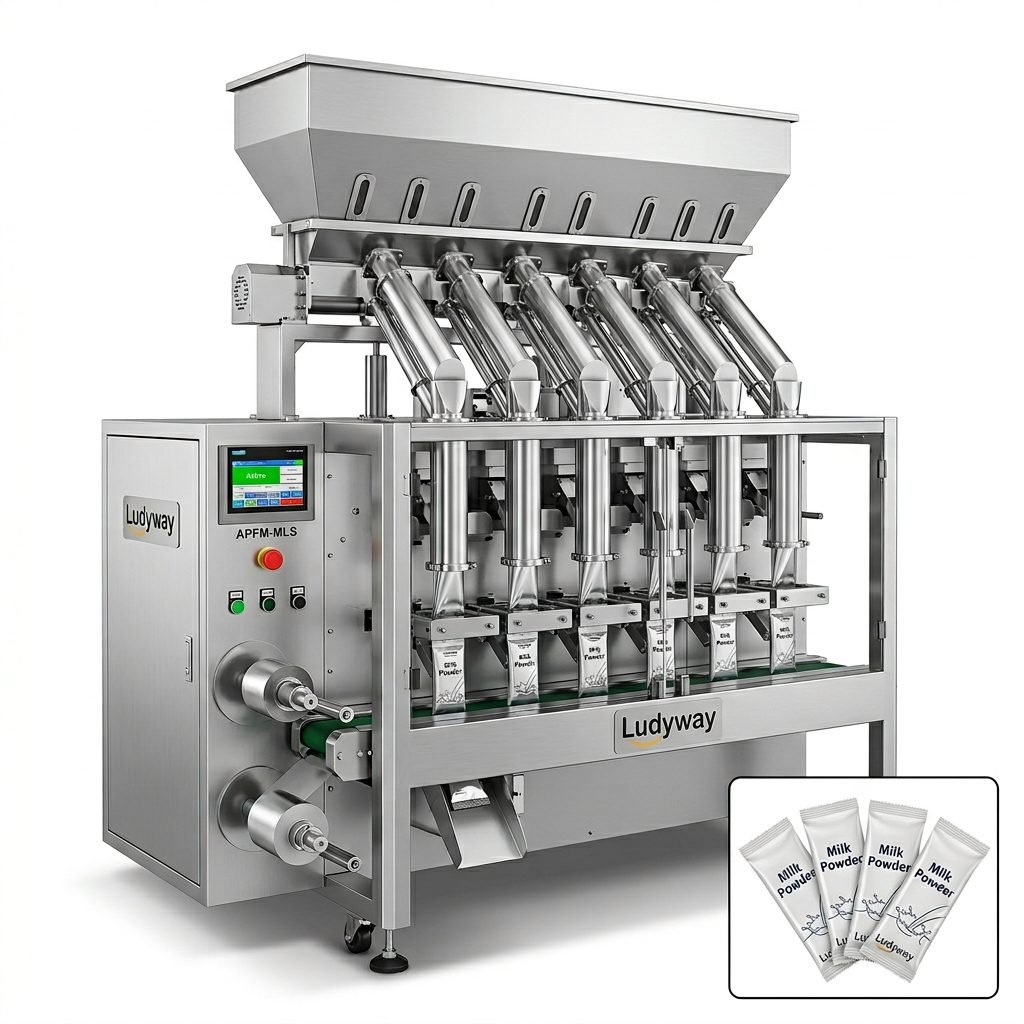
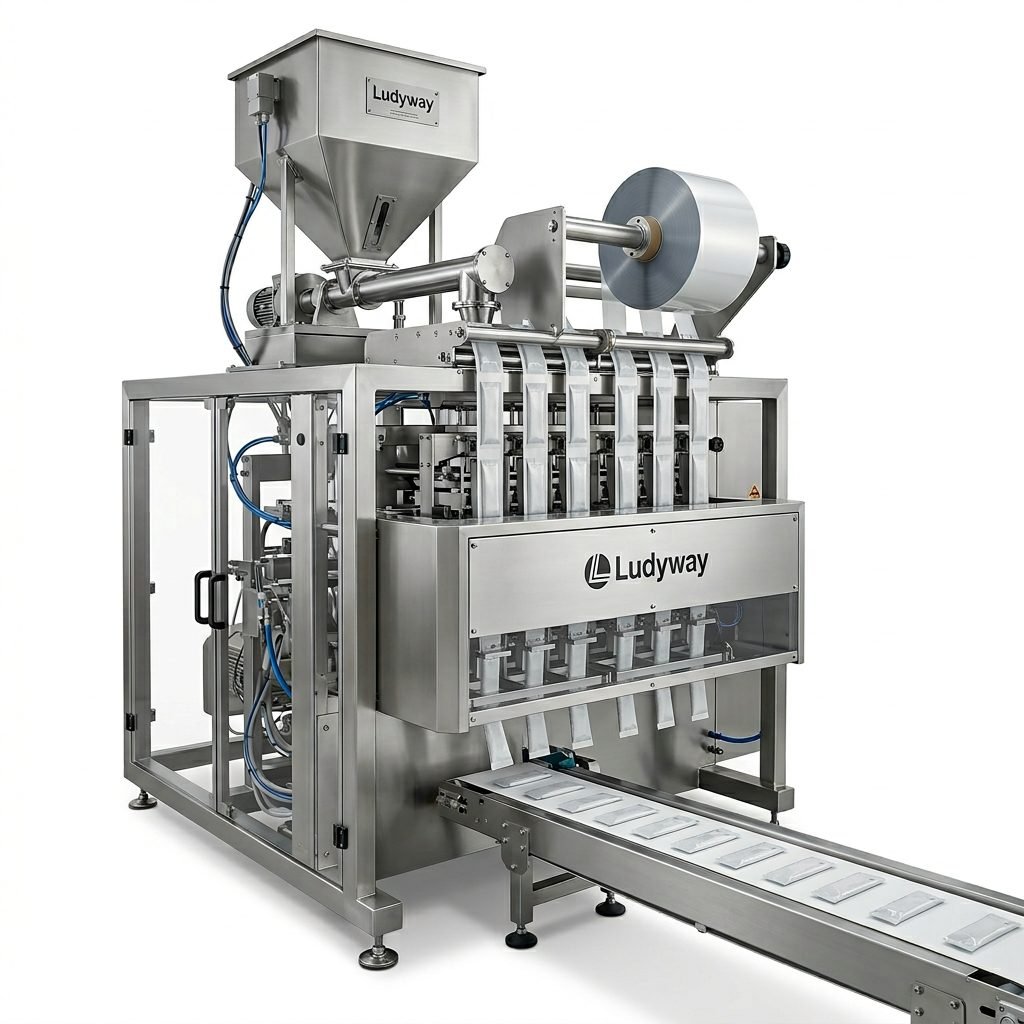
In the fast-paced world of manufacturing, the packaging of liquids presents unique challenges that demand precision, hygiene, and unwavering reliability. Whether it’s a delicate pharmaceutical syrup, a viscous food condiment, or a potent industrial chemical, the right packaging machinery is not just an asset—it’s a critical component of product integrity, brand reputation, and operational efficiency. This article delves into the specialized world of liquid packaging machine solutions, exploring their vital role across the food, pharmaceutical, and chemical sectors and highlighting the key considerations for selecting the optimal system.
The Critical Role of Precision in Liquid Packaging
The journey of a liquid product from production line to end-user is safeguarded by its packaging. For industries where product consistency and safety are non-negotiable, the packaging process must be flawless. A high-performance liquid packaging machine ensures accurate fill volumes, maintains sterility where required, and provides a secure, leak-proof seal. This precision directly impacts shelf life, minimizes waste from overfilling or underfilling, and protects the product from contamination—a paramount concern in all three industries.
Food Industry: Preserving Freshness and Flavor
In the food and beverage sector, liquid packaging encompasses a vast array of products: cooking oils, sauces, dairy products, juices, and liquid sweeteners, to name a few. The machinery used must handle different viscosities and often comply with stringent food safety standards. Key features for food-grade liquid fillers include:
- Sanitary Design: Constructed with food-grade stainless steel and designed for easy cleaning (CIP/SIP systems) to prevent bacterial growth.
- Versatility: Ability to switch between different products and container types (bottles, pouches, cups) with quick changeover.
- Gentle Handling: For sensitive products like yogurt or fresh juice, pumps and filling nozzles that prevent product degradation or aeration.
Modern solutions often integrate filling, capping, and labeling into a seamless automated line, dramatically boosting throughput for high-volume producers.
Pharmaceutical & Health Industry: Ensuring Sterility and Compliance
This is arguably the most regulated environment for packaging. Liquid pharmaceuticals, nutraceuticals, disinfectants, and medical solutions demand an aseptic or clean-room capable process. Machinery for this sector must be validated to meet Good Manufacturing Practice (GMP) guidelines and often requires documentation for every batch. Critical considerations include:
- Aseptic Filling Technology: Creates a sterile environment to fill pre-sterilized containers, essential for injectables, eye drops, and vaccines.
- Ultra-High Accuracy: Micro-dosing precision is crucial for potent active pharmaceutical ingredients (APIs).
- Traceability: Integrated systems that support serialization and track-and-trace requirements for global supply chains.
Reliability here is measured not just in uptime, but in consistent, error-free operation that safeguards patient health.
Chemical Industry: Managing Corrosion and Hazard
Packaging aggressive solvents, concentrated cleaners, adhesives, or agricultural chemicals requires robust equipment built for durability and safety. The primary challenges are material compatibility and operator protection.
- Corrosion-Resistant Materials: Use of specialized alloys, coatings, or plastics for parts in contact with corrosive liquids.
- Explosion-Proof & Vapor-Tight Designs: For volatile organic compounds (VOCs) or flammable liquids, machinery must meet ATEX or similar safety standards.
- Leak Prevention: Advanced sealing technologies and drip-free nozzles to protect the workplace and environment.
These systems are engineered for resilience, often featuring heavy-duty construction to withstand harsh industrial environments.
Choosing the Right Liquid Packaging Solution
Selecting a machine is a strategic investment. Beyond the core industry requirements, several factors guide the decision:
- Production Volume & Speed: Determine if you need a semi-automatic, linear, or rotary filler to meet your output targets.
- Liquid Characteristics: Viscosity, particulate content, foaming tendency, and sensitivity dictate the filling technology (e.g., piston, peristaltic, gravity, vacuum).
- Container Type: The machine must be adaptable to your packaging format—glass bottles, plastic containers, flexible pouches, or sachets.
- Integration & Automation: Consider future growth. Can the filler be easily integrated with upstream (washing, depalletizing) and downstream (capping, labeling, cartoning) equipment?
- Supplier Expertise & Support: Partner with a provider who understands your industry’s nuances and offers comprehensive after-sales service, spare parts, and technical support.
Innovations Driving the Future
The landscape of liquid packaging is continuously evolving. Smart factories are adopting Industry 4.0 principles, where packaging machines are equipped with IoT sensors for predictive maintenance and real-time production data analytics. Sustainability is another powerful driver, leading to innovations in machinery that can handle mono-material or recyclable flexible pouches, reduce water and energy consumption during cleaning, and minimize material waste through enhanced precision.
FAQs: Common Questions About Liquid Packaging Machines
1. What is the most accurate type of liquid filling machine?
For high-precision applications, especially in pharmaceuticals, piston fillers and peristaltic pump fillers are renowned for their accuracy. They provide volumetric filling that is largely unaffected by changes in product viscosity or line pressure, ensuring consistent fill volumes every time.
2. Can one machine handle both thin (like water) and thick (like paste) liquids?
Yes, but with configuration changes. Some advanced piston fillers are highly versatile and can handle a wide viscosity range by changing the cylinder and piston assembly. It is crucial to discuss your full product portfolio with the machine supplier to ensure the selected model can be properly adapted.
3. How important is “changeover time” between different products or container sizes?
Extremely important for manufacturers running multiple SKUs. Long changeovers mean costly downtime. Look for machines with tool-less changeover features, quick-release parts, and digital recipe storage. This allows operators to switch production lines in minutes rather than hours, maximizing flexibility and efficiency.
4. What are the key maintenance requirements for a liquid filler?
Routine maintenance is vital for longevity and accuracy. Daily cleaning (following strict protocols in food/pharma), weekly checks of seals and O-rings, and regular lubrication of moving parts as per the manufacturer’s manual are standard. Choosing a machine with easy access for cleaning and maintenance significantly reduces downtime.
5. How do I ensure the machine meets my industry’s regulatory standards?
Always work with a reputable and experienced supplier. Provide them with full details of your application and ask for explicit documentation. For food, request 3-A or EHEDG certification details. For pharmaceuticals, inquire about GMP design principles and validation support. For chemicals, confirm safety certifications (e.g., ATEX) for hazardous environments.