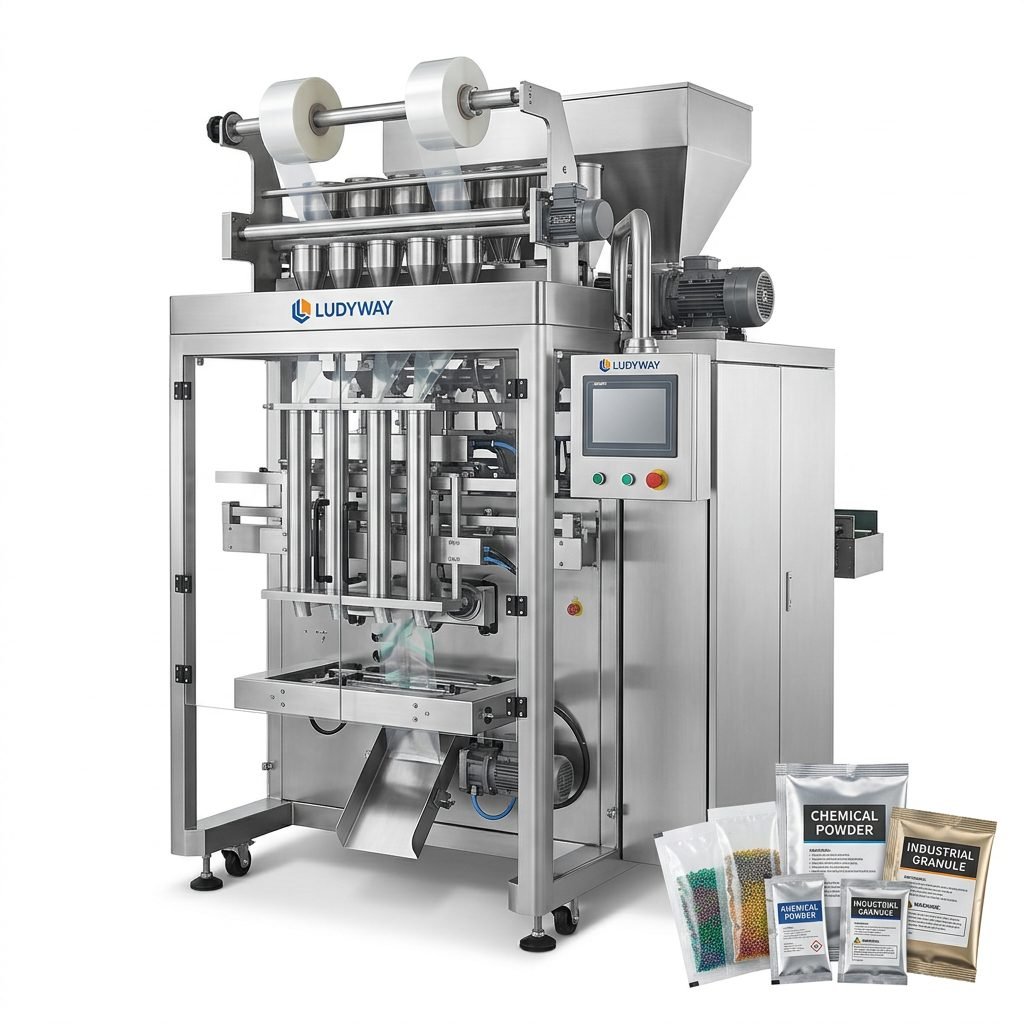
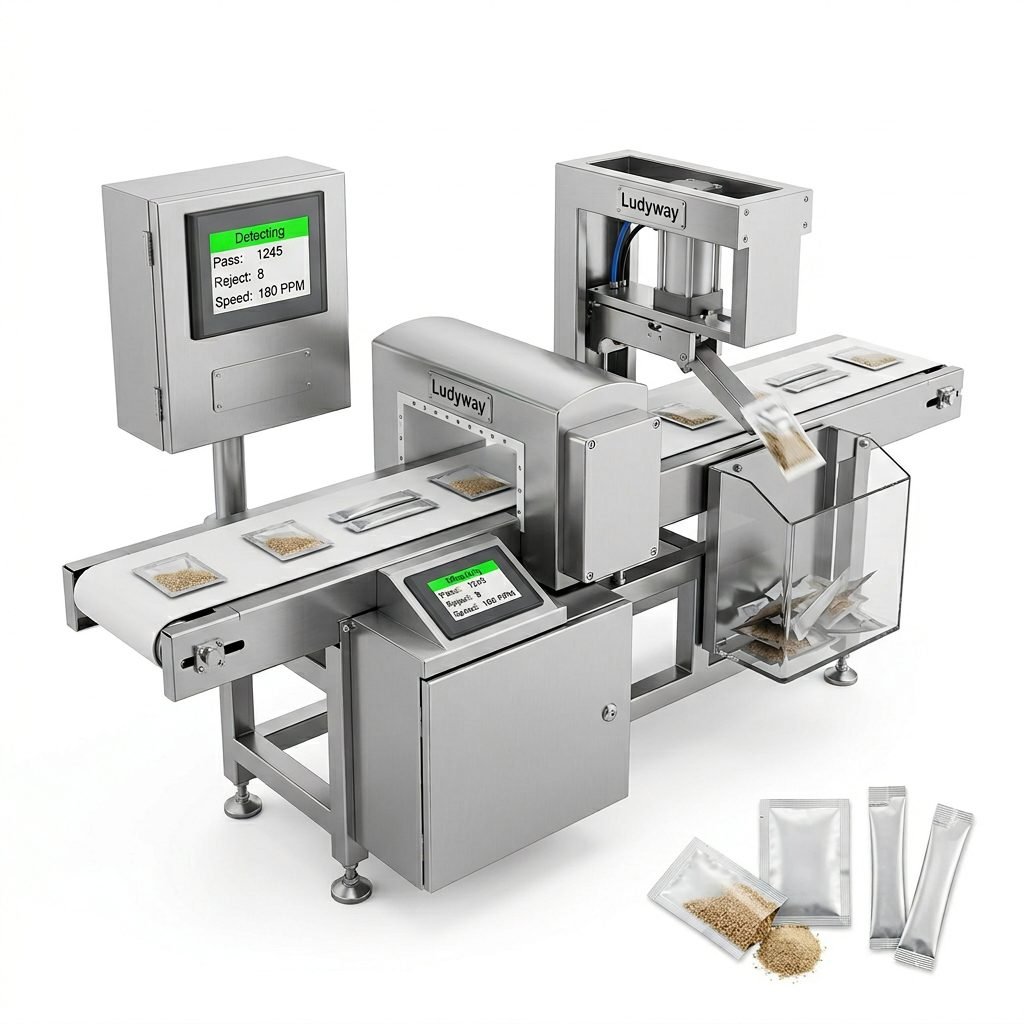
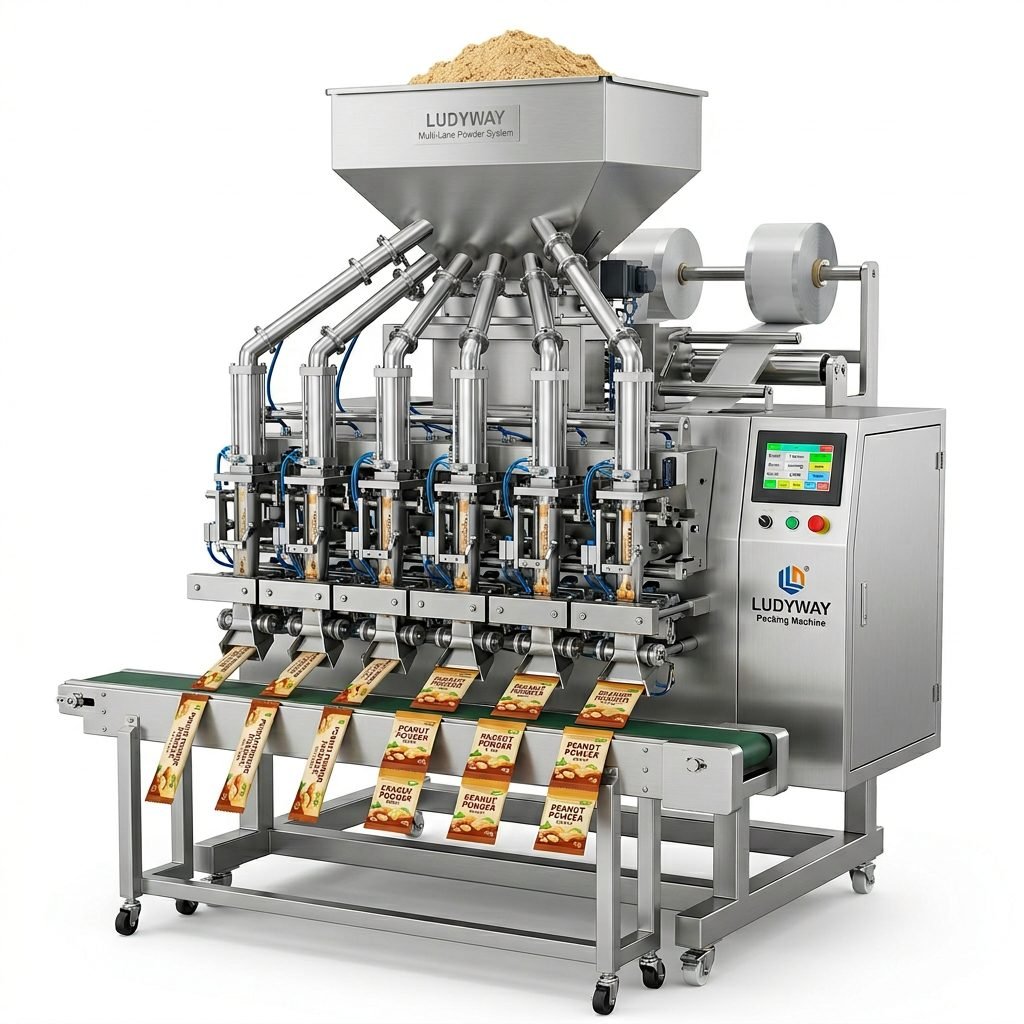
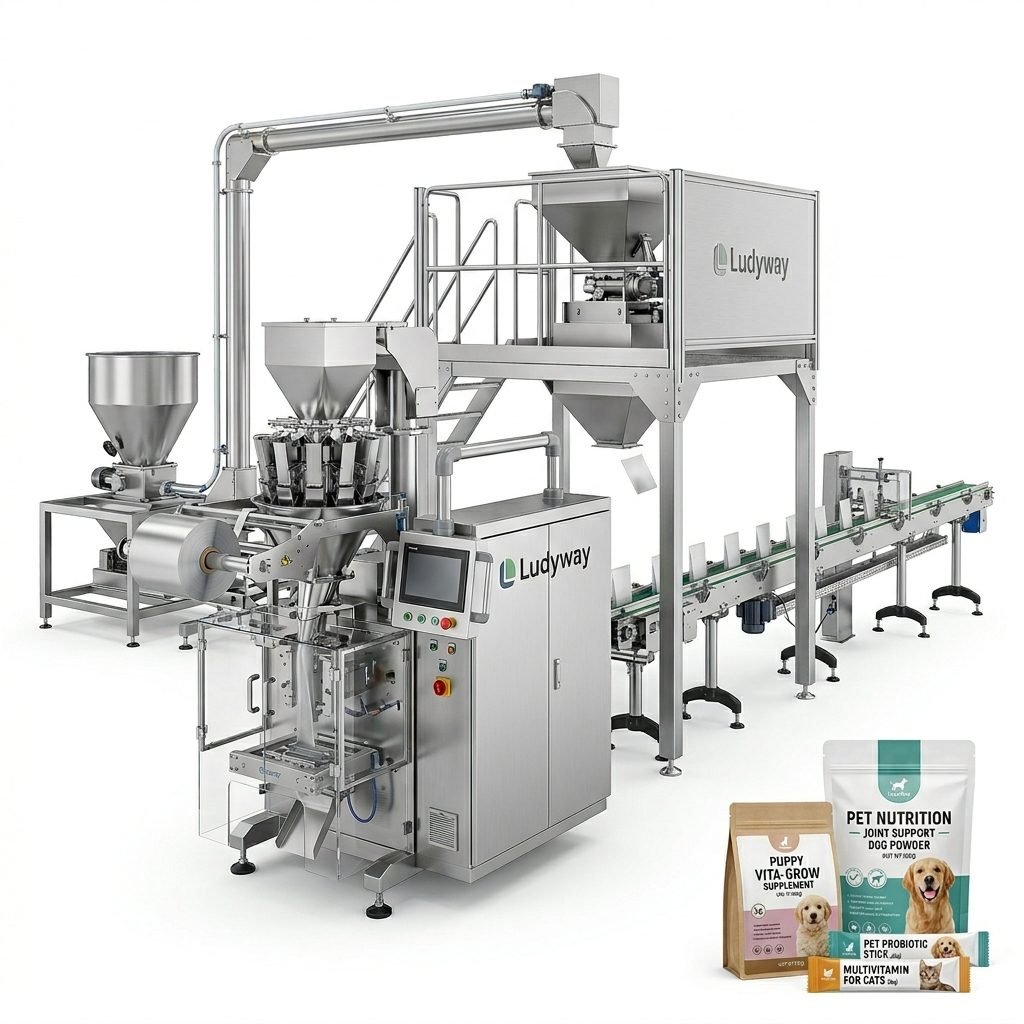
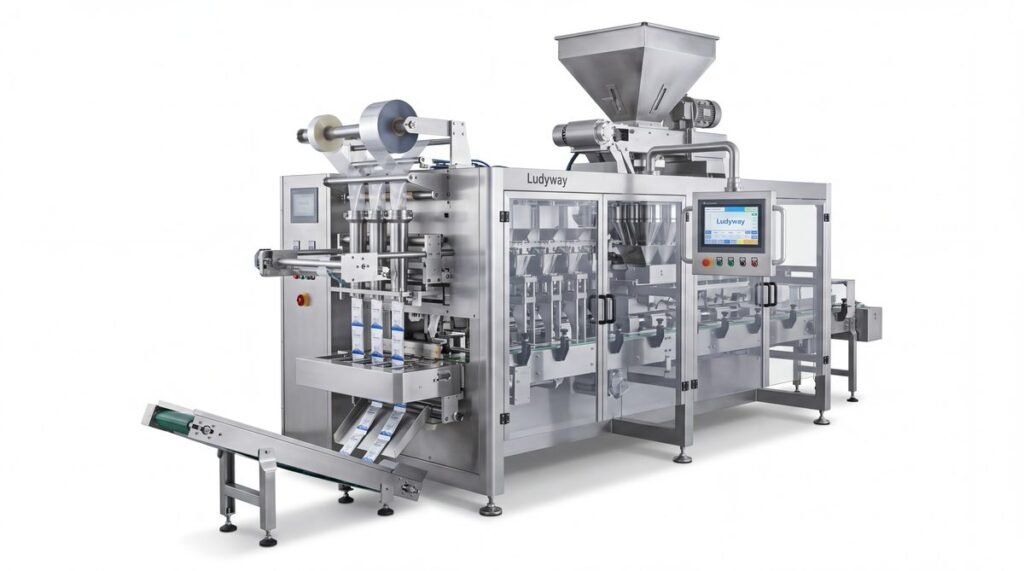
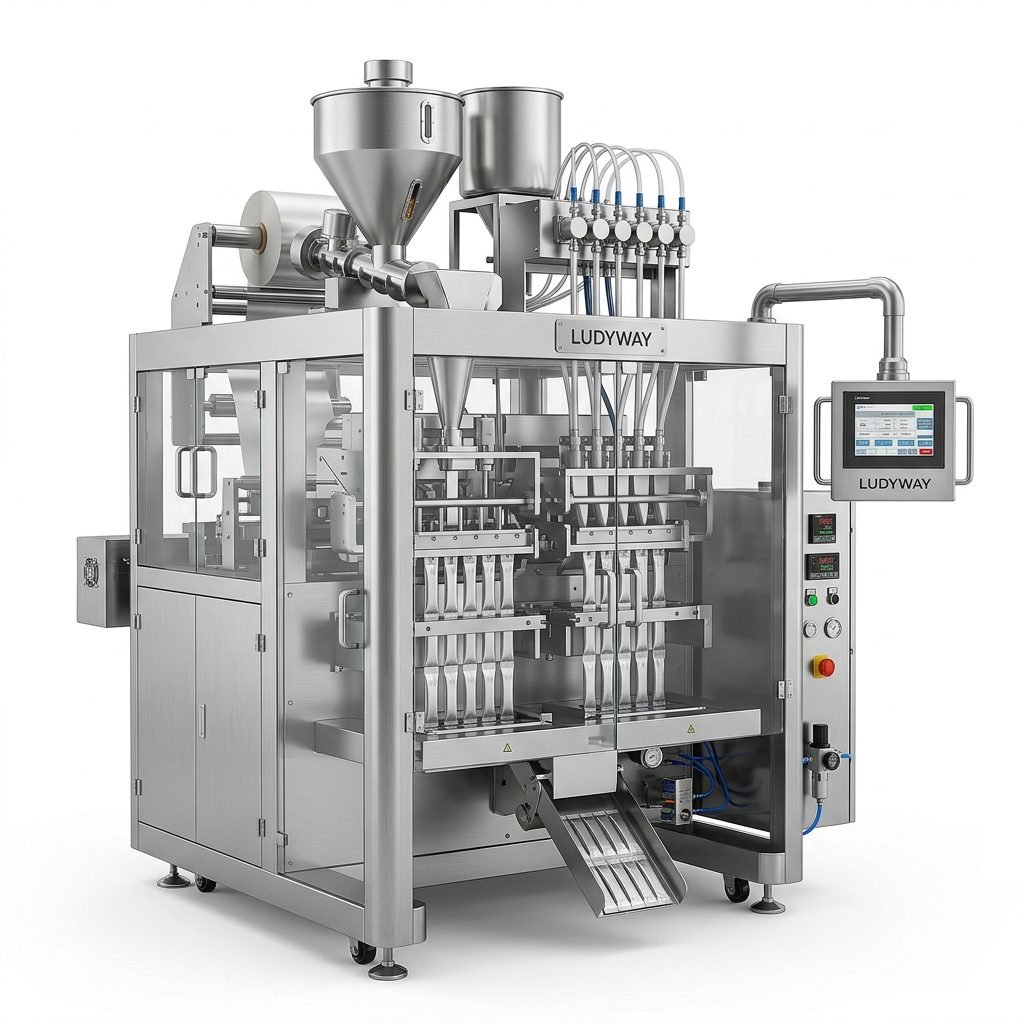
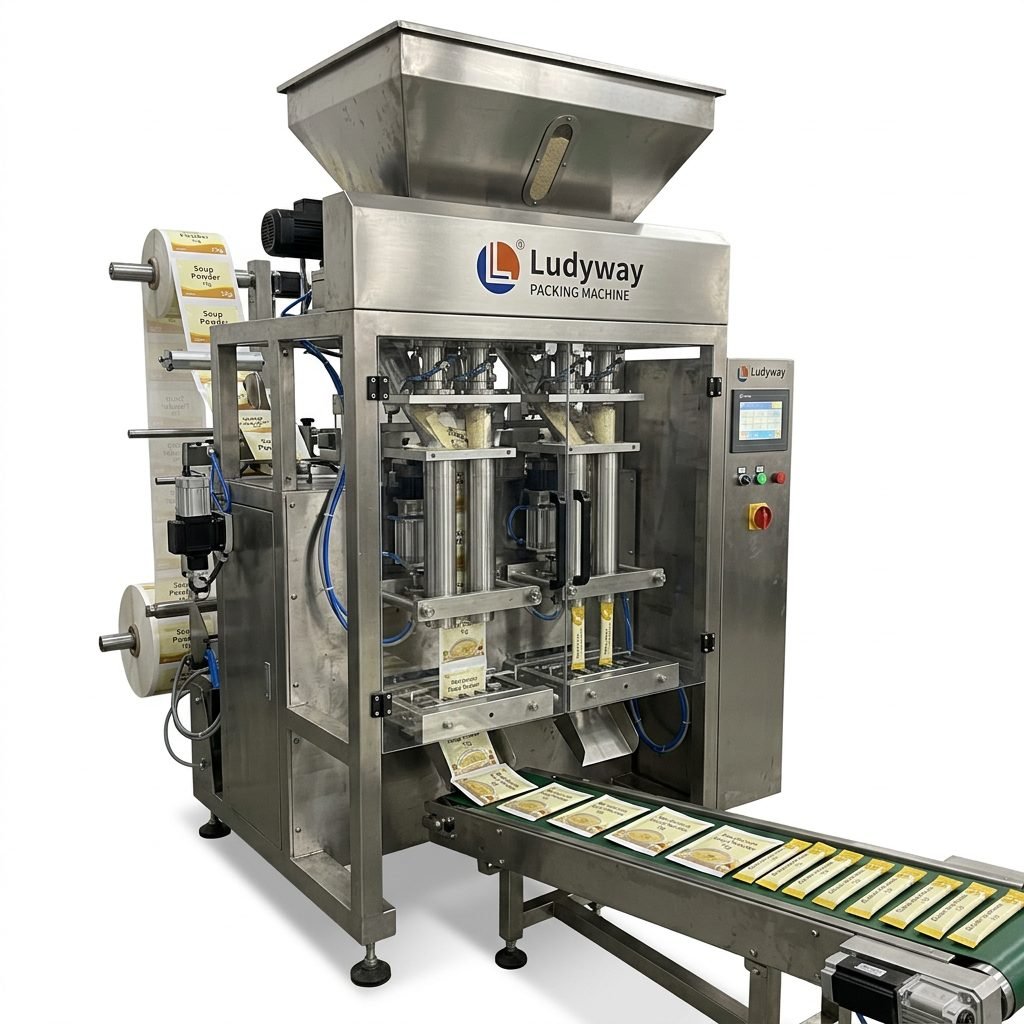
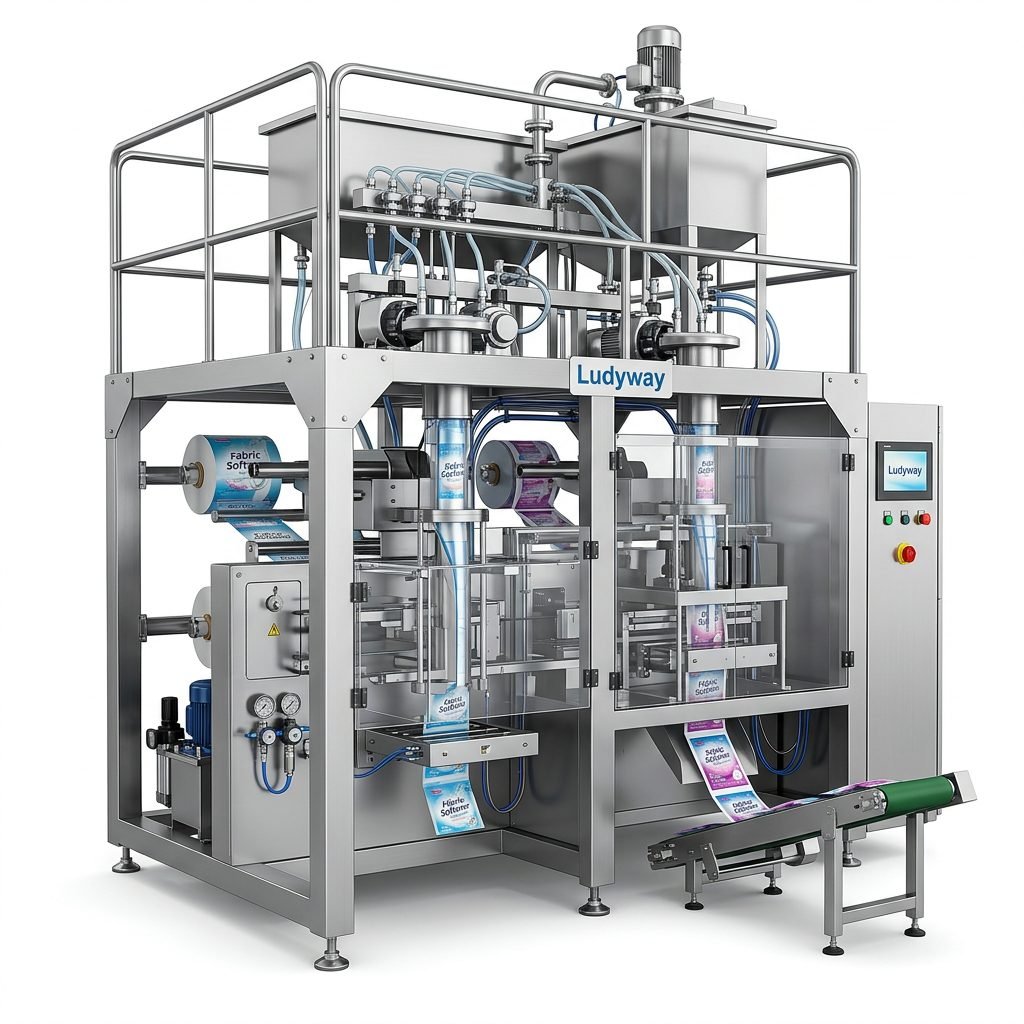
The K Cup packaging machine is a specialized piece of equipment designed for the high-speed, precise filling and sealing of single-serve coffee pods, commonly known as K Cups. As the demand for convenient, premium coffee experiences continues to grow globally, the efficiency and reliability of the packaging process become critical for producers. This guide provides a comprehensive overview of the types of machines available, their pricing structures, key specifications, and a detailed framework for selecting the right equipment for your production needs.
Understanding the Different Types of K Cup Packaging Machines
K Cup packaging machines can be broadly categorized based on their automation level, configuration, and specific function within the production line.
1. Manual & Semi-Automatic Machines
These are entry-level options ideal for small-scale production, startups, or pilot testing. Operators manually load cups, filters, and coffee, while the machine handles the sealing process. They offer lower initial investment but limited output.
2. Fully Automatic Single-Lane Machines
A fully automatic, single-lane machine integrates cup feeding, filter insertion, coffee dosing, and sealing into one continuous process. It is suitable for medium-volume production and offers a good balance of speed, accuracy, and cost.
3. High-Speed Multi-Lane Machines
For large-scale commercial production, multi-lane machines are the standard. They feature multiple parallel filling lanes, dramatically increasing output. These systems often include integrated weighing systems, nitrogen flushing for freshness, and advanced PLC controls for precision and data tracking.
4. Complete Turnkey Production Lines
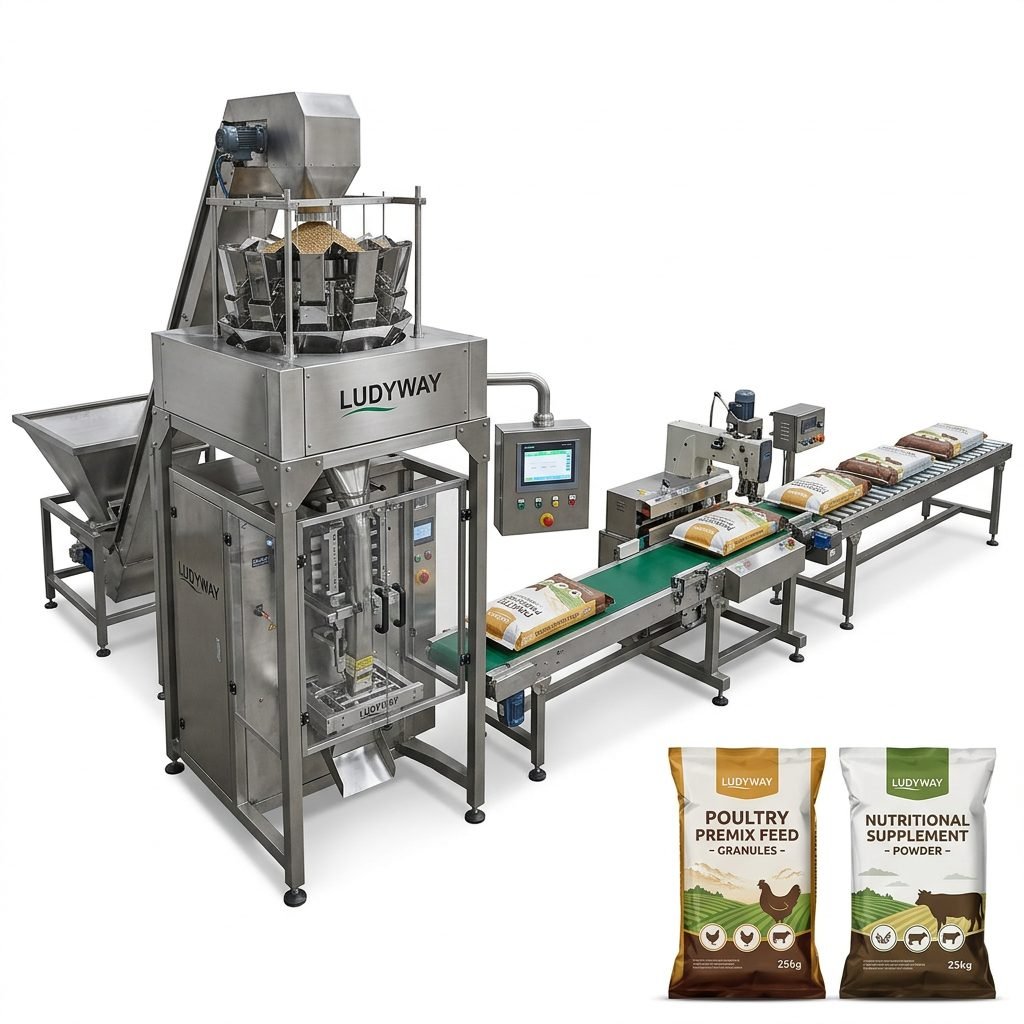
Beyond a standalone packaging machine, a turnkey line includes all ancillary equipment: cup unscramblers, filter placers, grinders, conveyors, and final cartoning or case-packing systems. This provides a fully integrated, end-to-end solution for maximum efficiency.
Analyzing Price Factors and Investment Range
The price of a K Cup packaging machine varies widely, from tens of thousands to several hundred thousand dollars, influenced by several key factors.
Primary Cost Determinants:
- Automation Level: Fully automatic machines command a higher price than semi-automatic models.
- Production Speed (Output): Machines with higher cups-per-minute (CPM) ratings are more expensive.
- Machine Configuration & Features: Multi-lane designs, nitrogen flushing, servo-driven components, and touch-screen HMI panels add cost.
- Brand & Origin: Established brands with proven reliability and comprehensive service networks often have higher price points.
- Customization Requirements: Modifications for unique cup sizes, special sealing methods, or integration with existing lines increase costs.
Key Specifications to Evaluate
When comparing machines, closely examine these technical specifications to ensure they match your operational requirements.
Output Speed (Cups/Minute)
This is the most critical specification. Semi-automatic machines may produce 30-60 CPM, while high-speed multi-lane systems can exceed 600 CPM. Match the speed to your current and forecasted demand.
Filling Accuracy & Weight Range
Precision dosing is vital for product consistency and cost control. Look for machines with high-precision weigh scales or volumetric fillers that can handle your specific coffee grind and target fill weight (e.g., 9-12 grams).
Machine Dimensions & Power Requirements
Ensure the machine’s footprint fits your factory layout. Also, verify the power supply needs (voltage, phase) to avoid costly electrical upgrades.
Compatibility & Flexibility
Check compatibility with your specific K Cup brand (or pod type), filter paper style, and lid material. Some machines offer quick-change tooling for different cup sizes, providing valuable future flexibility.
Control System & Data Integration
Modern machines use PLC (Programmable Logic Controller) systems with user-friendly touchscreen interfaces. Advanced models offer data logging for production counts, efficiency reports, and integration with factory MES systems.
A Strategic Framework for Choosing Your Machine
Selecting the right machine is a strategic decision. Follow this step-by-step framework to make an informed choice.
Step 1: Conduct a Thorough Needs Assessment
Define your current and projected annual production volume. Determine your required output speed (CPM). List all physical constraints like factory space and utilities. Identify any special requirements, such as organic certification compliance or need for nitrogen flushing.
Step 2: Research and Compare Suppliers
Look for suppliers with proven expertise in coffee pod packaging. Evaluate their company history and industry experience. Review their portfolio of successful installations, preferably in your region or for similar products. Consider their after-sales support, spare parts availability, and training offerings.
Step 3: Request Detailed Proposals & Arrange Factory Trials
Request formal quotations from shortlisted suppliers, ensuring all specifications and optional features are clearly listed. Whenever possible, arrange a factory trial or test run using your actual coffee and cups. This is the best way to verify performance, filling accuracy, and seal quality.
Step 4: Evaluate the Total Cost of Ownership (TCO)
Beyond the purchase price, calculate the TCO. Include estimated costs for installation, maintenance, spare parts, energy consumption, and potential operator training. A slightly more expensive but more reliable and efficient machine can have a lower TCO over 5 years.
Step 5: Finalize Contract with Clear Terms
Ensure the contract includes clear performance guarantees (output speed, accuracy), warranty terms (duration, coverage), delivery timeline, and details of installation & commissioning support. Clarify responsibilities for each project phase.
Partnering with an Experienced Supplier
The choice of supplier is as important as the choice of machine. A partner like Ludyway Machinery, with deep experience in food and granular packaging, brings invaluable benefits. Their understanding of turnkey production line integration ensures not just a machine purchase, but a solution that enhances your overall production workflow. Their commitment to innovation and long-term support provides peace of mind and a foundation for future growth.
Conclusion
Investing in a K Cup packaging machine is a significant step towards scaling production, ensuring product quality, and improving operational efficiency. By systematically understanding the types of machines, analyzing costs based on key drivers, scrutinizing technical specifications, and following a strategic selection process, you can make a decision that aligns perfectly with your business goals. Partnering with a knowledgeable and reliable equipment provider will safeguard your investment and contribute to the long-term success of your single-serve coffee business.
Frequently Asked Questions (FAQs)
What is the typical production speed range for a commercial K Cup machine?
Commercial machines range from about 120 CPM for robust single-lane systems to over 600 CPM for high-end multi-lane systems. Your required speed depends entirely on your annual production volume.
Can one machine package different sizes or brands of coffee pods?
Many modern machines offer flexibility through interchangeable tooling (cup holders, sealing heads). However, significant changes may require mechanical adjustments or even new components. Discuss your specific needs with the supplier during the selection process.
How important is nitrogen flushing, and do I need it?
Nitrogen flushing replaces oxygen inside the pod with inert nitrogen gas, significantly extending shelf life and preserving aroma. It is highly recommended for premium products and is essential if you aim for a long shelf life (e.g., over 12 months).
What is the average payback period for such an investment?
The payback period varies based on machine cost, increased output, labor savings, and reduced waste. For a medium-scale operation replacing manual packing, it can often be between 1 to 3 years. A detailed ROI analysis based on your specific numbers is crucial.
What kind of ongoing maintenance is required?
Regular daily cleaning is essential. Periodic maintenance includes lubrication, inspection of seals and sensors, and calibration of weighing systems. A good supplier will provide a maintenance schedule and training for your operators.