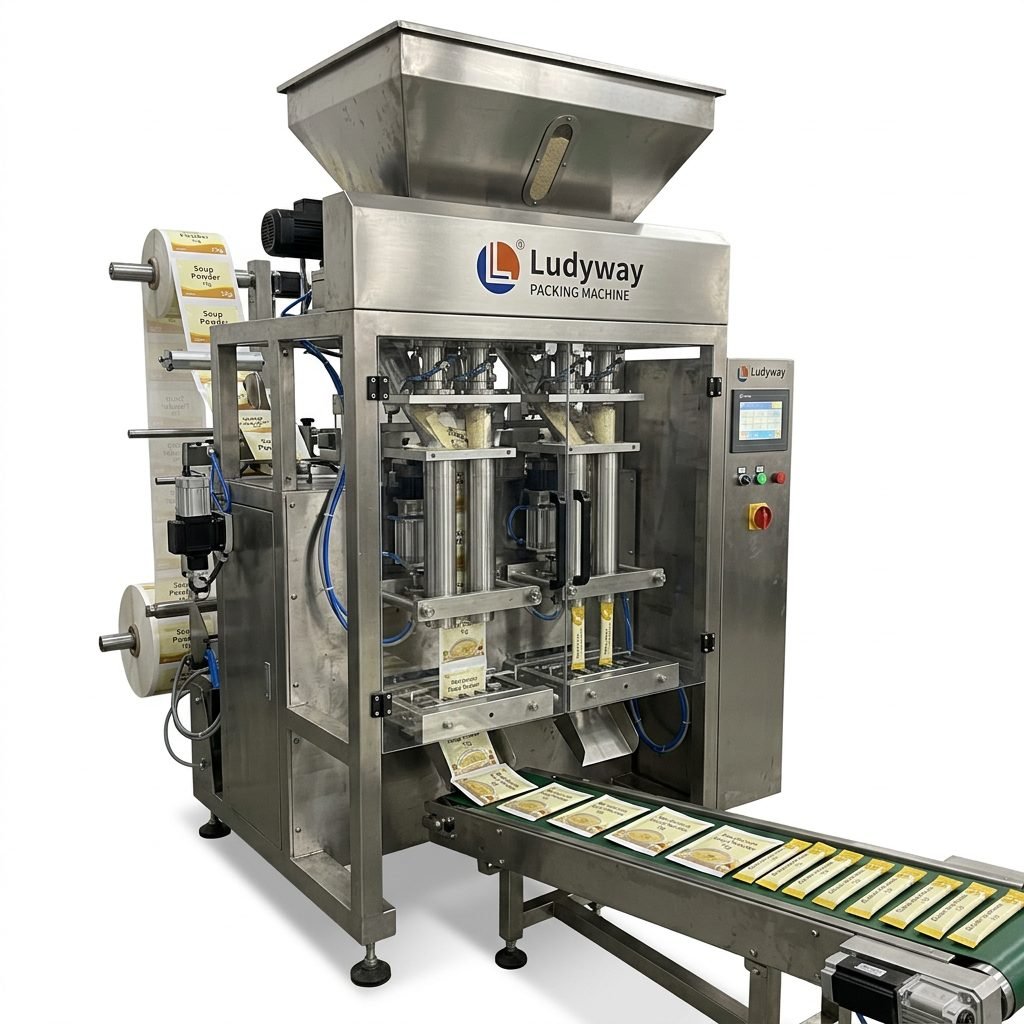
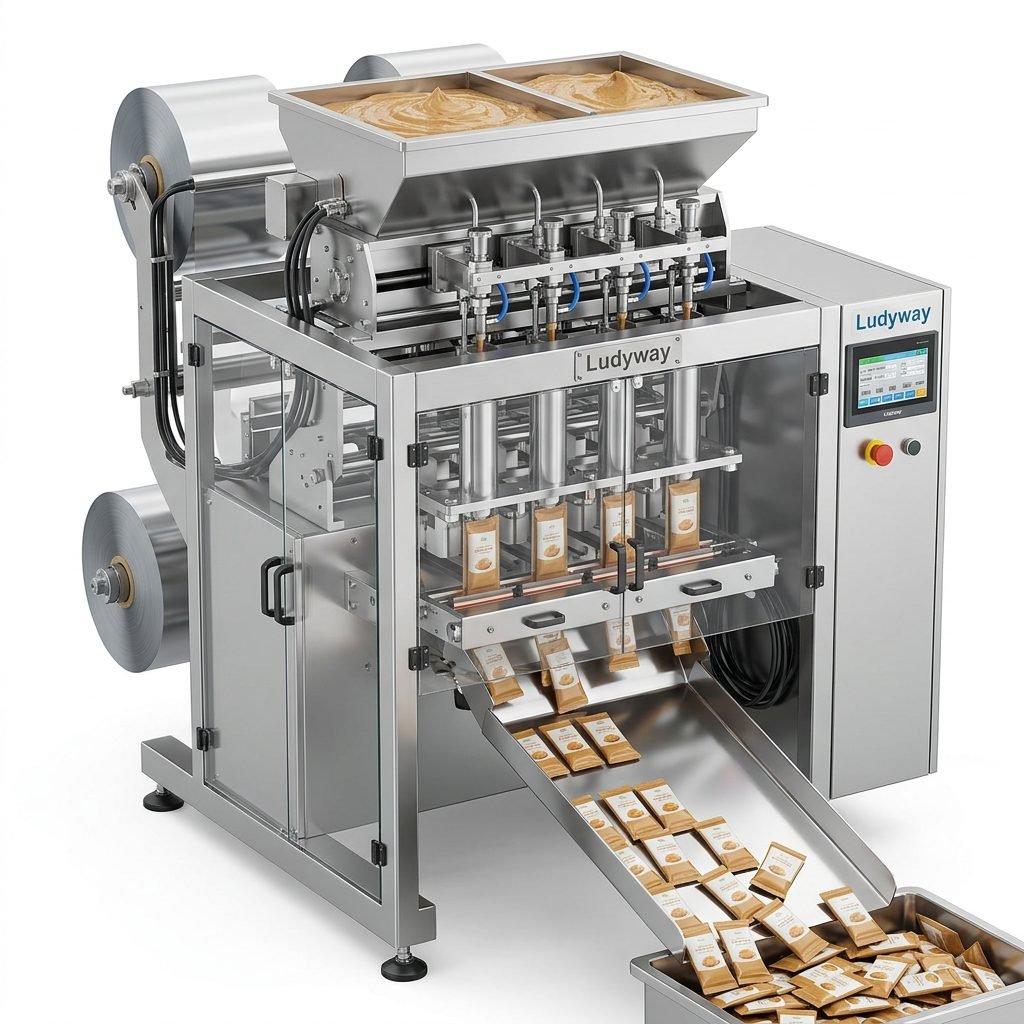
For Romanian manufacturers and importers in the food, pharmaceutical, and health industries, selecting the right packaging machine manufacturer is a critical business decision. The choice directly impacts production efficiency, product quality, and long-term operational costs. With Romania’s growing manufacturing sector and its strategic position in the European Union, businesses need reliable, high-performance equipment to stay competitive. This guide outlines the key factors you should consider when choosing a packaging machine manufacturer, with a focus on sourcing from experienced international suppliers like Ludyway and other leading Chinese manufacturers.
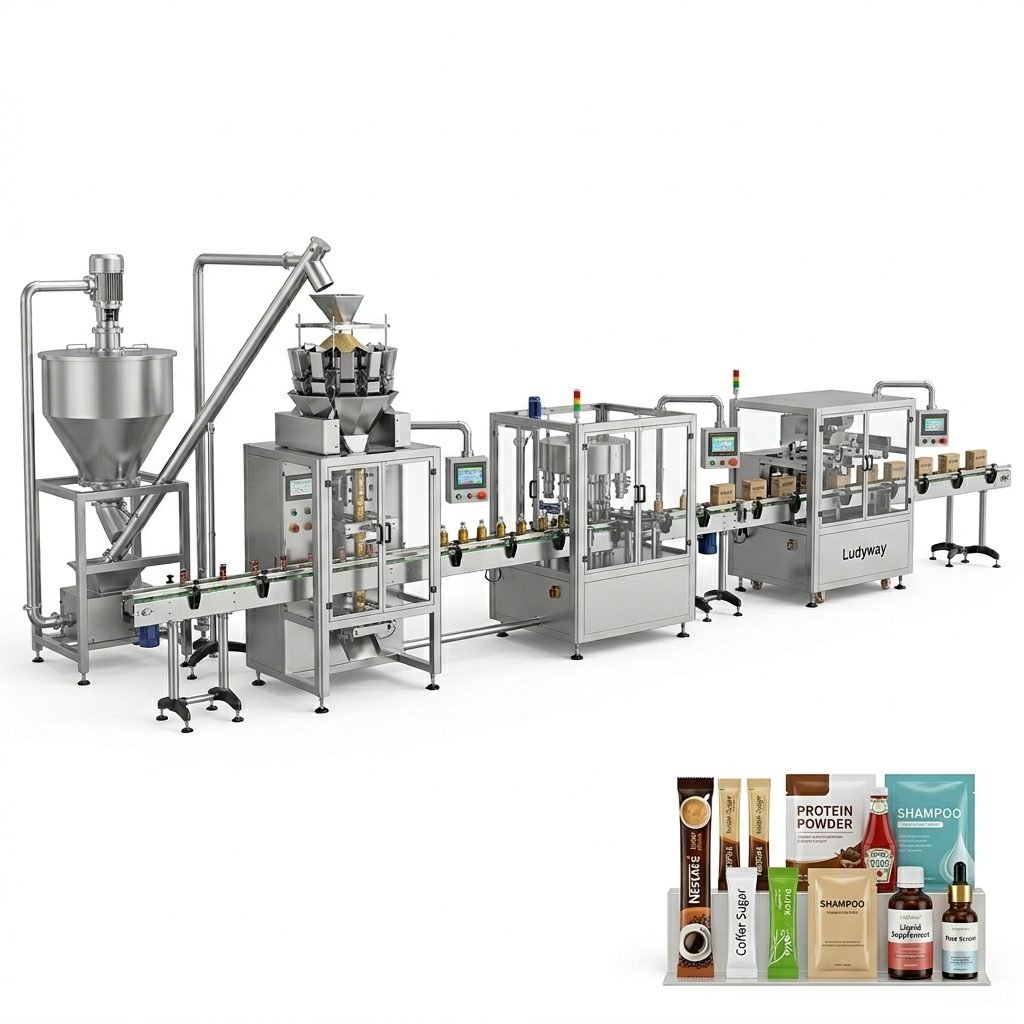
Understanding Your Production Needs in the Romanian Market
Before evaluating manufacturers, clearly define your specific requirements. Romanian businesses often deal with a diverse range of products, from local food specialties and pharmaceuticals to exported goods. Consider your product type (granule, powder, liquid, pouch), required output speed, level of automation, and future scalability. A manufacturer that understands the nuances of your product and local market demands, such as compliance with EU regulations, will provide a more tailored solution.
Key Question: Does the manufacturer have proven experience with products similar to yours? For instance, a Romanian spice company would benefit from a supplier experienced in granule and powder packaging, while a local pharmaceutical startup needs expertise in high-precision, sanitary sachet filling.
1. Technical Expertise and Product Range
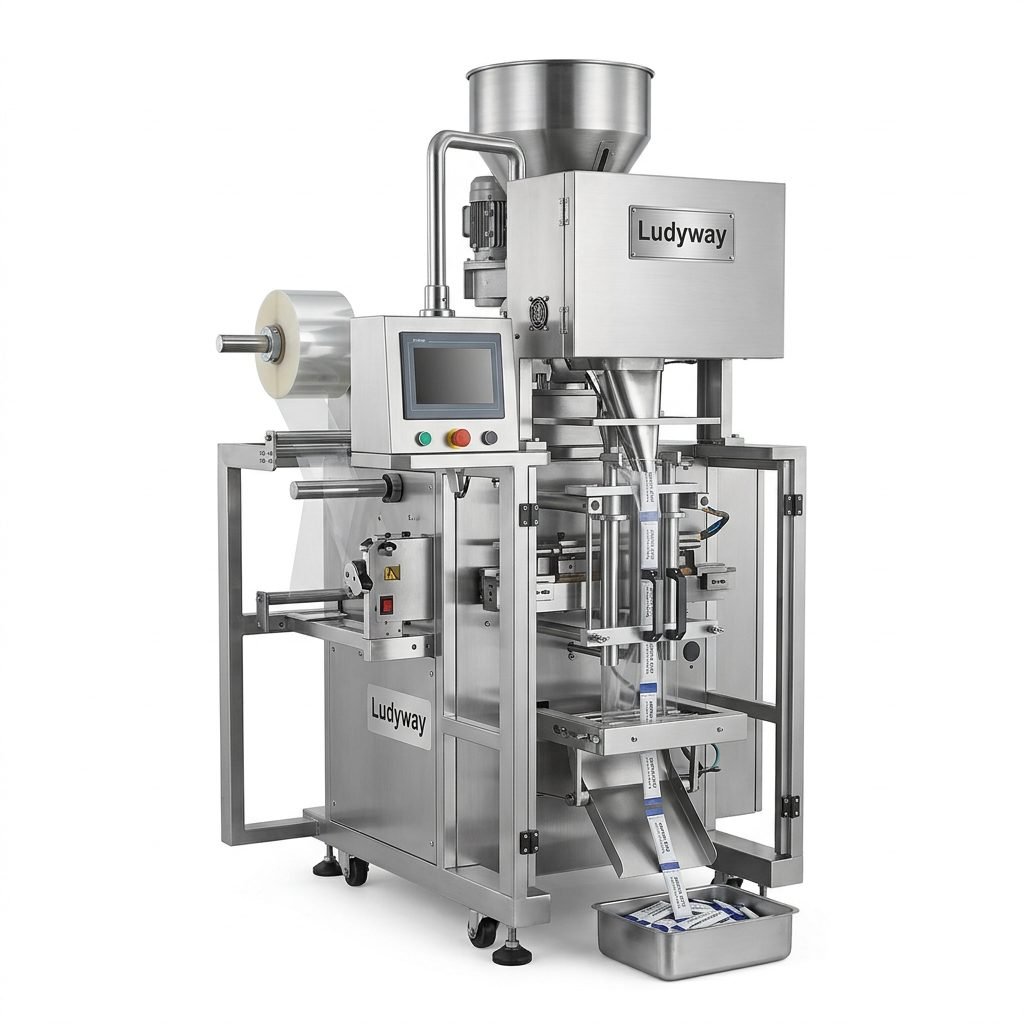
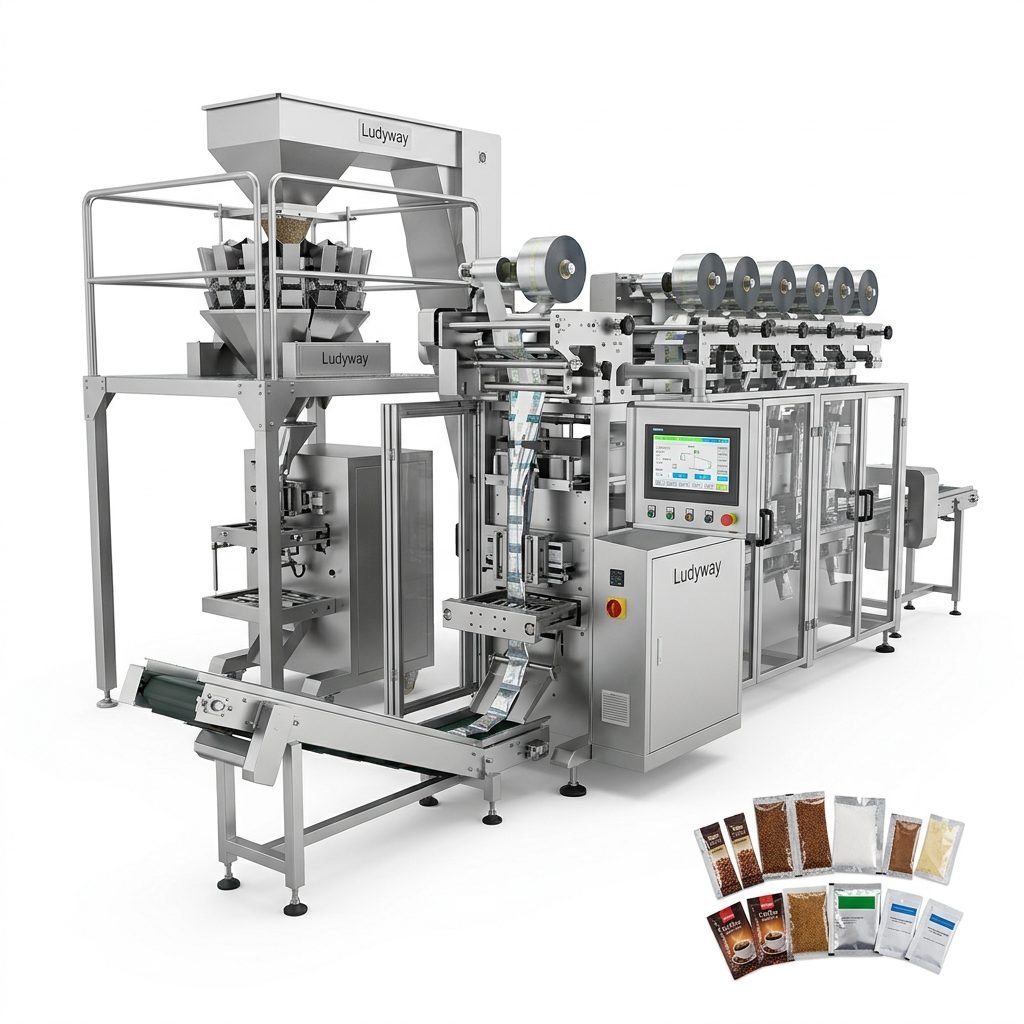
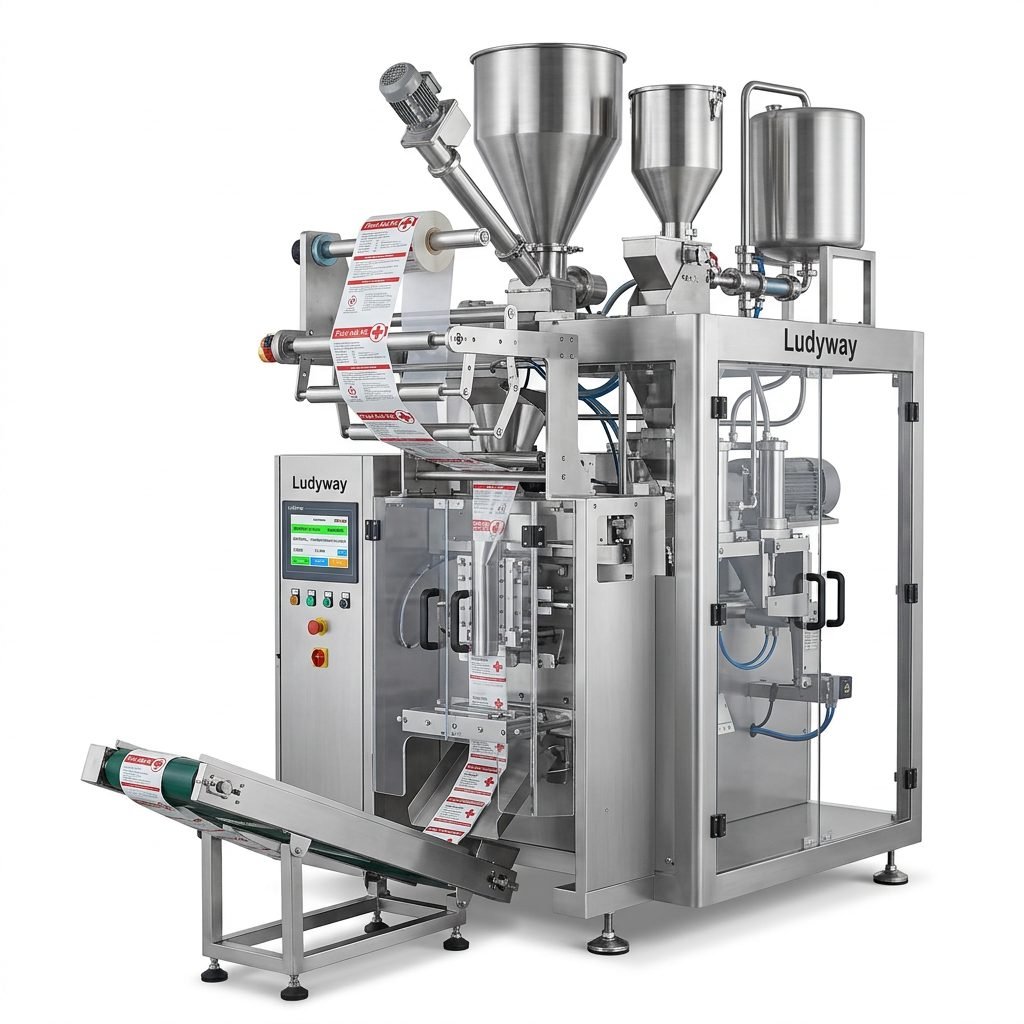
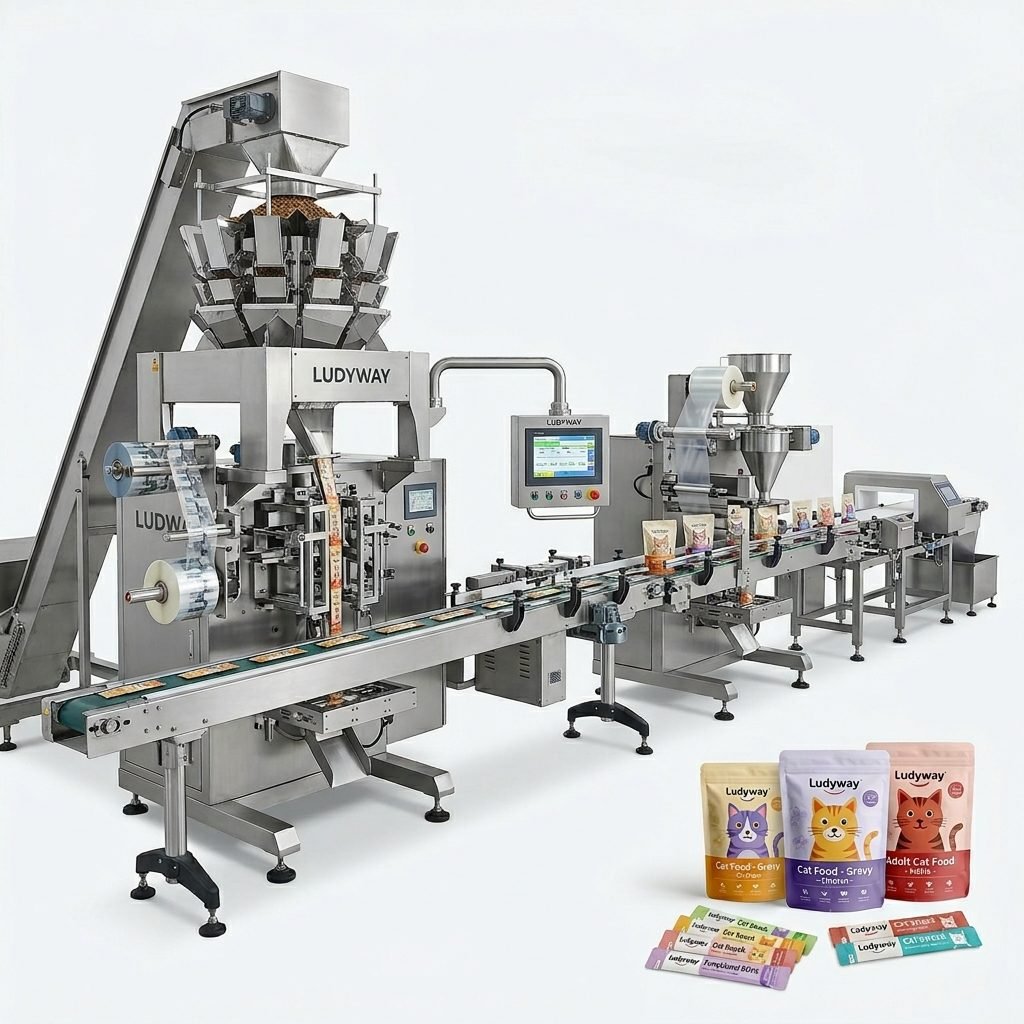
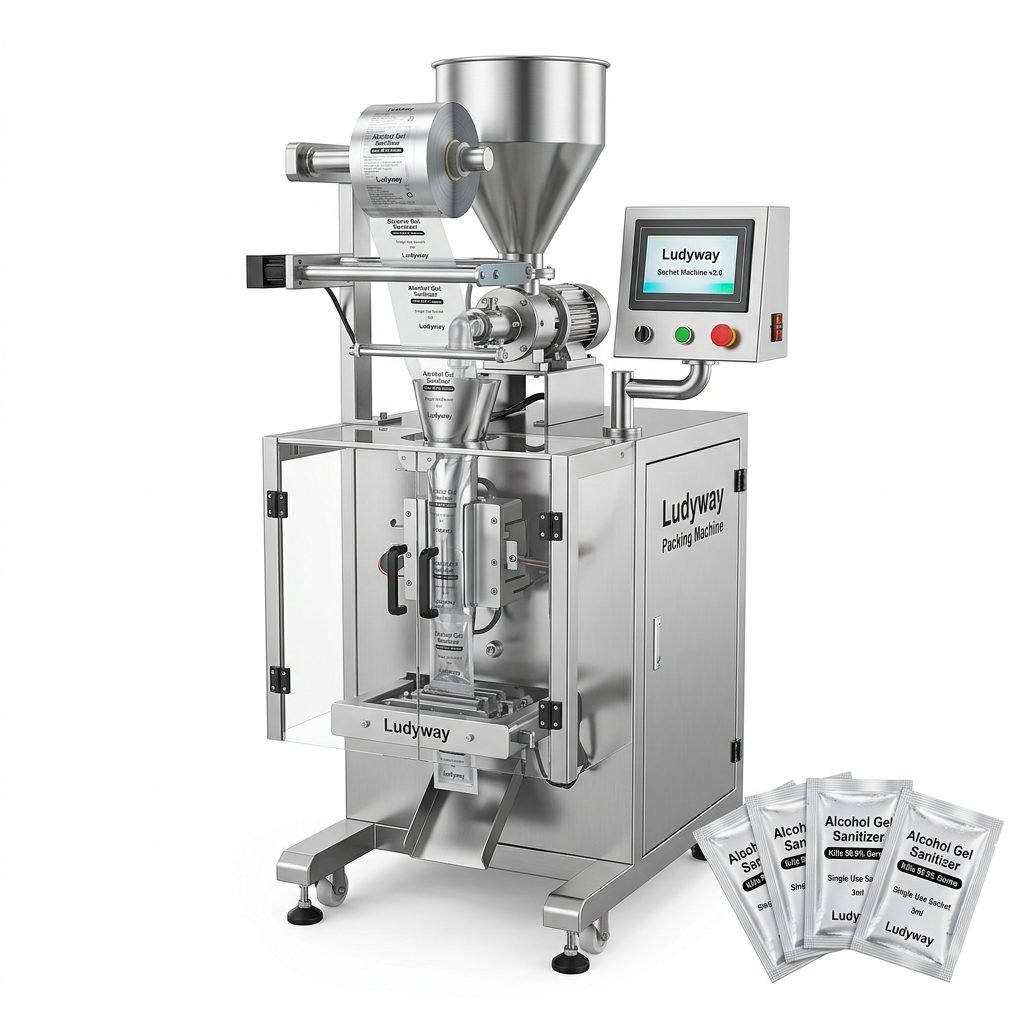
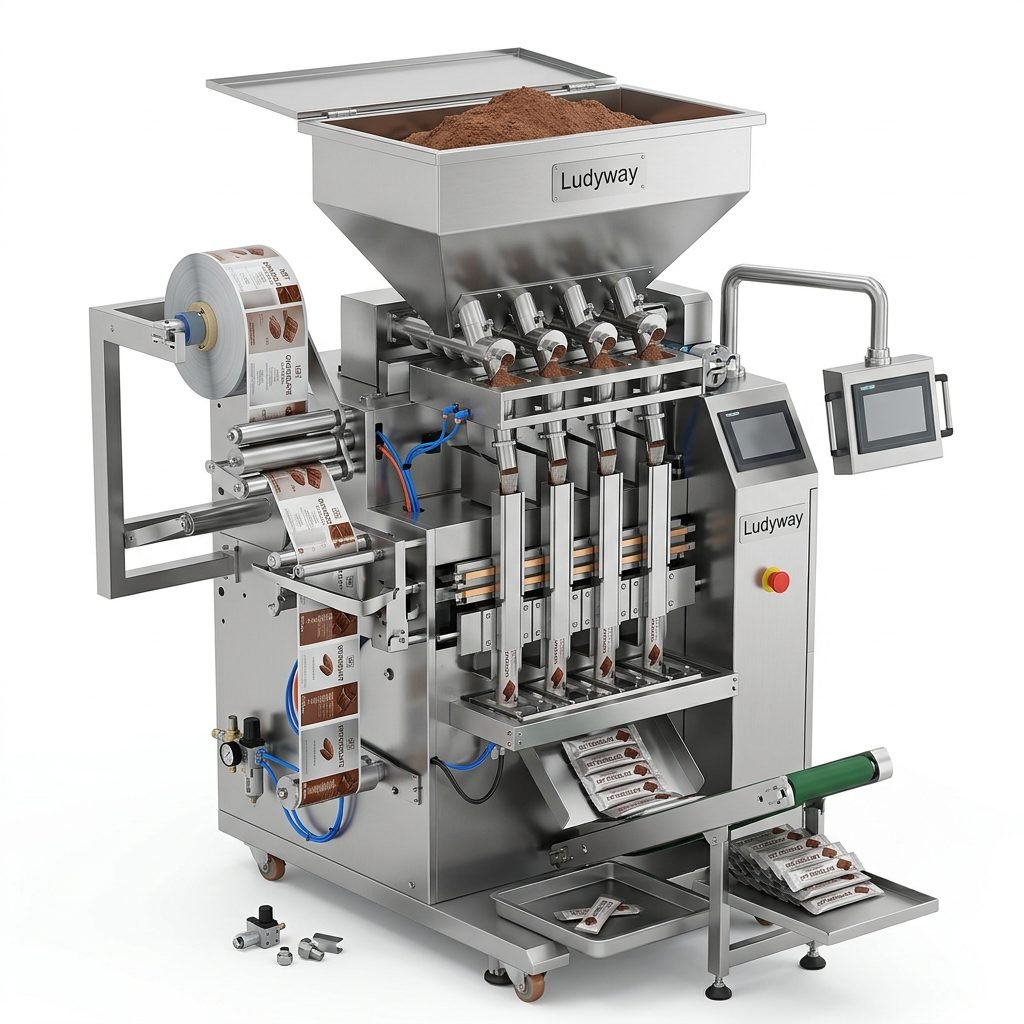
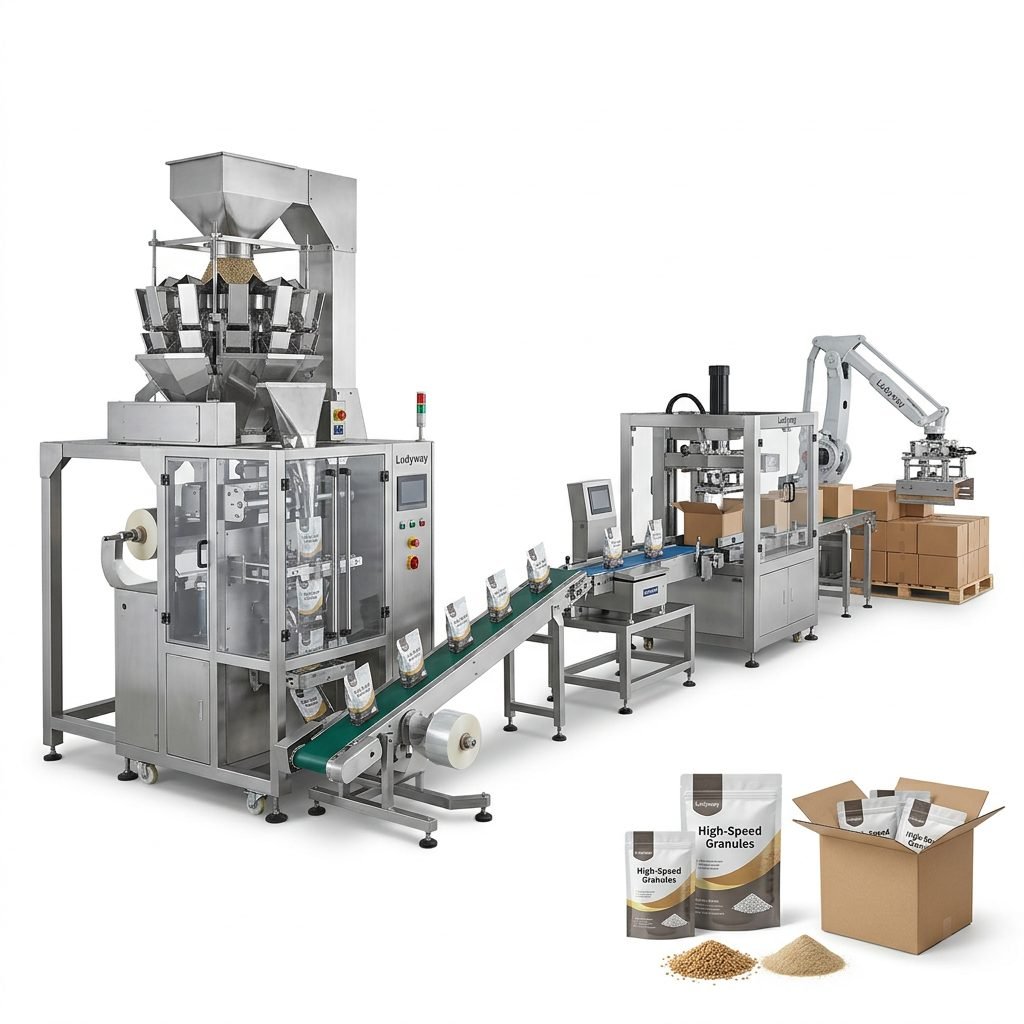
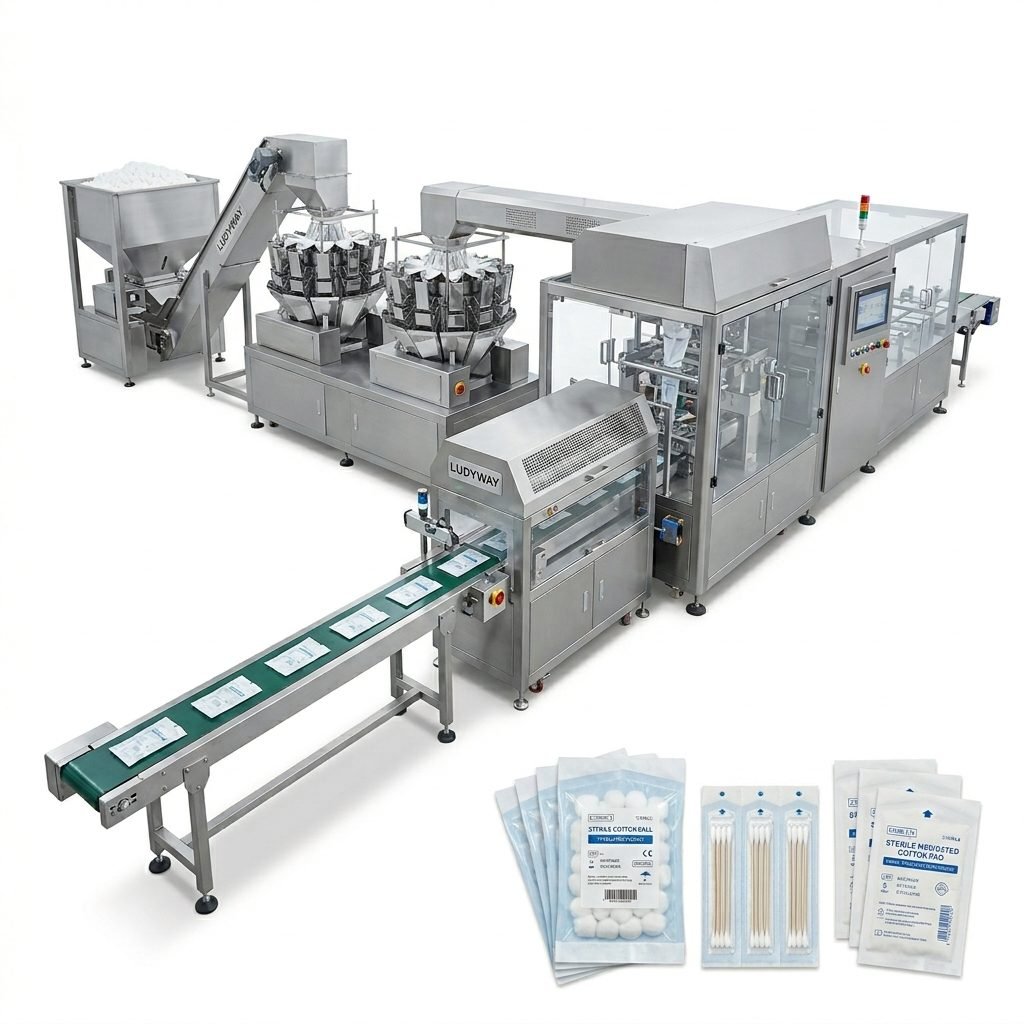
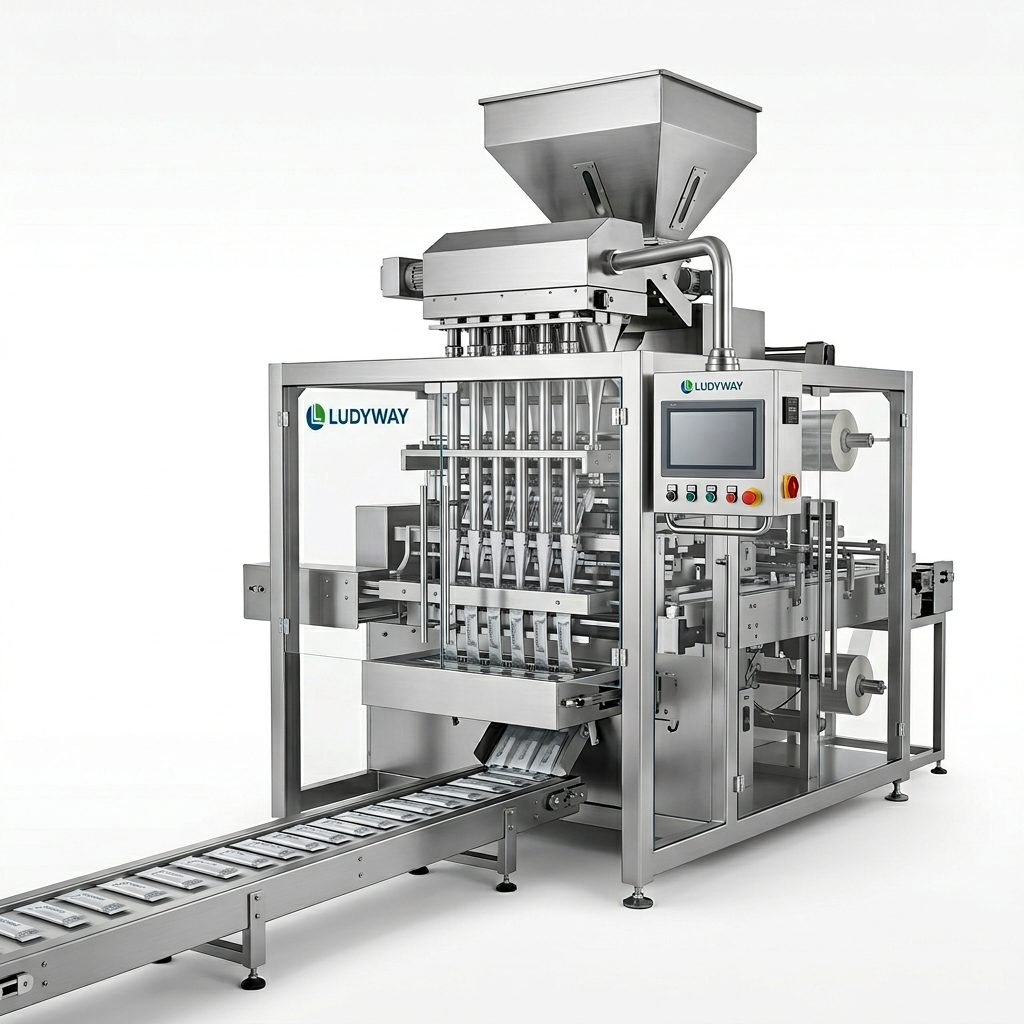
Evaluate the manufacturer’s core competence and machinery portfolio. A supplier with a broad range, from single machines to complete turnkey lines, offers more flexibility. For example, Ludyway provides over 50 intelligent packaging machine models, including multi-lane stick pack, sachet, and fully automated systems. This extensive range ensures they can handle complex projects for Romanian clients in various sectors.
Look for manufacturers specializing in your industry’s challenges. Other notable suppliers include Packmate Machinery and PacklineOEM, both recognized for comprehensive packaging line solutions. For non-standard or highly customized needs, PackingMachineOEM is a key player. If your business is in the growing oral nicotine pouch sector, a specialist like SnusMachinery offers targeted expertise.
2. Manufacturing Capability and Quality Assurance
The scale and modernity of a manufacturer’s production facility are strong indicators of reliability and quality consistency. A large, modern plant (like Ludyway’s 20,000㎡ facility) typically signifies advanced production processes, stringent quality control, and the capacity to handle large orders or custom engineering. Inquire about their quality management systems, component sourcing, and testing protocols. Machines built for the Romanian market must be robust, precise, and durable to ensure minimal downtime.
Checklist for Manufacturing Due Diligence:
- Factory audit reports or virtual tours.
- Quality certifications (e.g., CE, ISO).
- In-house R&D and engineering team strength.
- Standard warranty terms and conditions.
3. After-Sales Support and Local Service Network
This is arguably the most critical factor for Romanian buyers. The geographical distance to China makes responsive, reliable after-sales support essential. Assess the manufacturer’s service structure:
- Technical Support: Availability of remote assistance and English-speaking engineers.
- Spare Parts: Guaranteed stock of critical spare parts and logistics for delivery to Romania.
- Installation & Training: Provision for on-site installation, commissioning, and operator training by experienced technicians.
- Service Partnerships: Whether they have established service partners or agents within the EU or Romania for quicker response times.
4. Cost-Effectiveness and Total Value
While initial price is important, the total cost of ownership (TCO) is a more accurate measure. Consider energy efficiency, maintenance costs, expected lifespan, and the machine’s impact on reducing material waste and labor. Chinese manufacturers like Ludyway often provide a compelling value proposition by combining advanced technology with cost-effective manufacturing. Request detailed quotations that break down costs and compare the technology level and specifications offered at different price points.
Tip: Be wary of prices that seem too good to be true. They may indicate compromises on component quality, manufacturing standards, or after-sales service, which can lead to higher long-term costs and production disruptions in Romania.
5. Reputation and Proven Track Record
Research the manufacturer’s global footprint and client testimonials. A supplier with a history of successful projects in over 100 countries, like Ludyway, demonstrates adaptability and reliability. Look for case studies or references from clients in Europe or with similar product profiles. Positive feedback from other international buyers increases confidence in their ability to deliver and support a project for your Romanian facility.
Action Step: Ask potential suppliers for contact information of 2-3 clients in similar industries. A reputable manufacturer will be happy to provide references.
6. Customization and Flexibility
Standard machines may not always fit unique production lines or novel product formats. The ability to customize is crucial. Discuss your specific layout, integration needs (with existing conveyors, cartoners, etc.), and any special features required (like nitrogen flushing for snack freshness or clean-in-place systems for pharmaceuticals). Manufacturers with strong engineering teams, such as Ludyway’s, are better equipped to develop customized solutions that integrate seamlessly into your Romanian plant.
Navigating Logistics and Import to Romania
Partner with a manufacturer experienced in exporting to the EU. They should handle professional packing, provide clear shipping documentation (commercial invoice, packing list, CE certificates), and assist with Incoterms (like FOB or CIF). Understand the import duties, VAT (19% in Romania), and customs clearance process for machinery. A reliable supplier will guide you through these logistics to ensure smooth delivery to your factory.
Frequently Asked Questions (FAQs) for Romanian Buyers
Q1: Why source packaging machinery from China instead of European suppliers?
A: Chinese manufacturers offer a competitive balance of advanced technology, customization capability, and cost-effectiveness. Leading suppliers like Ludyway invest heavily in R&D and operate large-scale modern facilities, producing equipment that meets international standards (CE) at a lower total cost of ownership, making it an attractive option for cost-conscious Romanian businesses seeking high performance.
Q2: How can I ensure the machine meets EU safety and quality standards?
A: Insist on CE certification for the machinery. Reputable manufacturers design and build their equipment to comply with EU machinery directives. Request to see the CE certificate and declaration of conformity. Additionally, ask about the specific safety features integrated into the machine’s design.
Q3: What is the typical lead time for a machine from China to Romania?
A: Lead times vary based on machine complexity and customization. For standard models, it can range from 30 to 60 days after order confirmation. For fully customized or turnkey lines, it may take 90 to 120 days. Always confirm the detailed production and shipping schedule with your supplier.
Q4: How is technical training and machine installation handled?
A: Professional manufacturers include detailed operation manuals (in English) and video guides. They typically offer on-site installation and commissioning services performed by their engineers. Comprehensive training for your operators and maintenance staff is conducted during this period to ensure a smooth start-up.
Q5: What happens if we need spare parts urgently?
A: Reliable suppliers maintain a stock of commonly used spare parts. They use international couriers (DHL, FedEx) for urgent shipments to Romania, with delivery usually within 3-7 days. Discuss the spare parts policy, warranty coverage for parts, and the process for ordering during your initial negotiations.