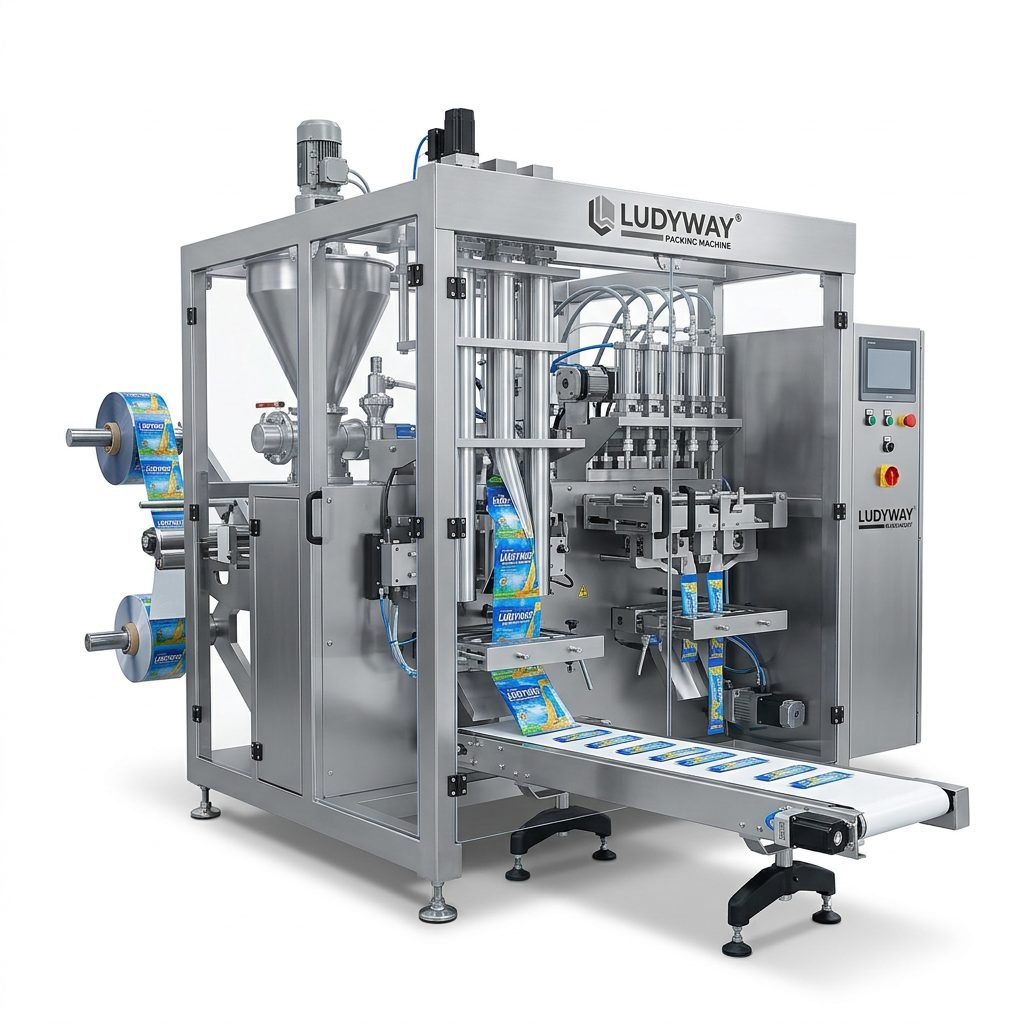
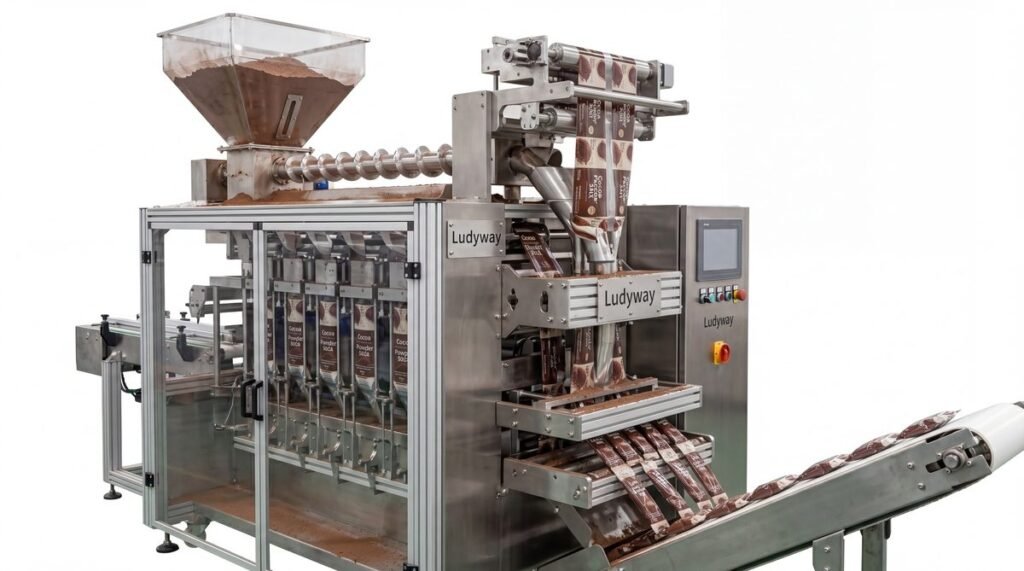
In today’s fast-paced manufacturing landscape, efficiency and consistency are paramount. This is where automatic packaging machines become indispensable assets. These sophisticated systems streamline the process of placing products into containers, wrapping them, sealing, and labeling—all with minimal human intervention. From food and pharmaceuticals to chemicals and consumer goods, automated packaging ensures speed, hygiene, and precision that manual methods simply cannot match.
Common Types of Automatic Packaging Machines
The world of automatic packaging is diverse, with machines designed for specific product forms and packaging styles. Understanding the main categories is the first step in selecting the right equipment for your operation.
Vertical Form-Fill-Seal (VFFS) Machines
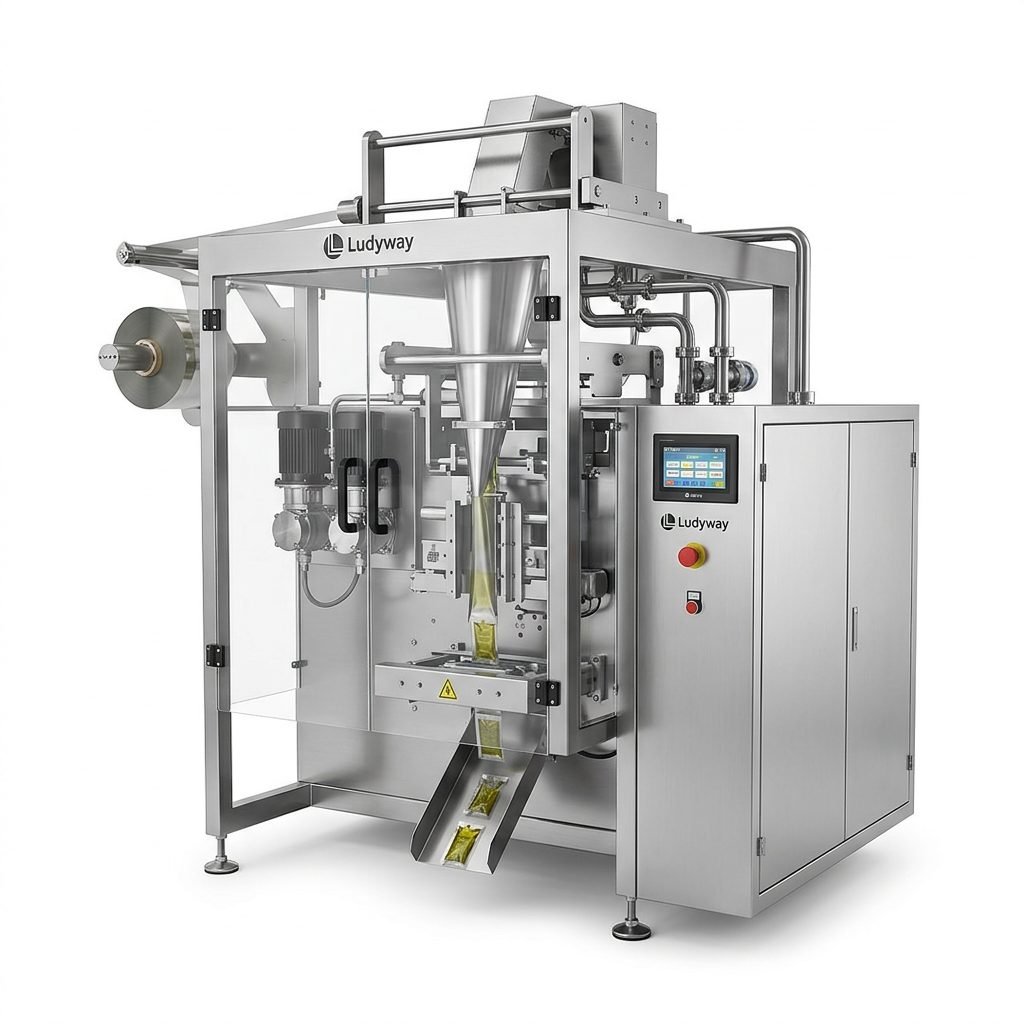
These are among the most versatile and widely used machines. A VFFS machine forms a bag from a roll of film, fills it with the product (like granules, powders, or liquids), and then seals it—all in a continuous vertical motion. They are ideal for high-speed packaging of free-flowing products and can produce various bag styles, including pillow bags, gusseted bags, and stand-up pouches.
Horizontal Form-Fill-Seal (HFFS) Machines
HFFS machines are typically used for wrapping solid products like candy bars, biscuits, or multiple items together. The film is formed horizontally around the product before sealing. This method is excellent for creating attractive retail-ready packaging with high-quality printed films and is often used for flow-wrapping applications.
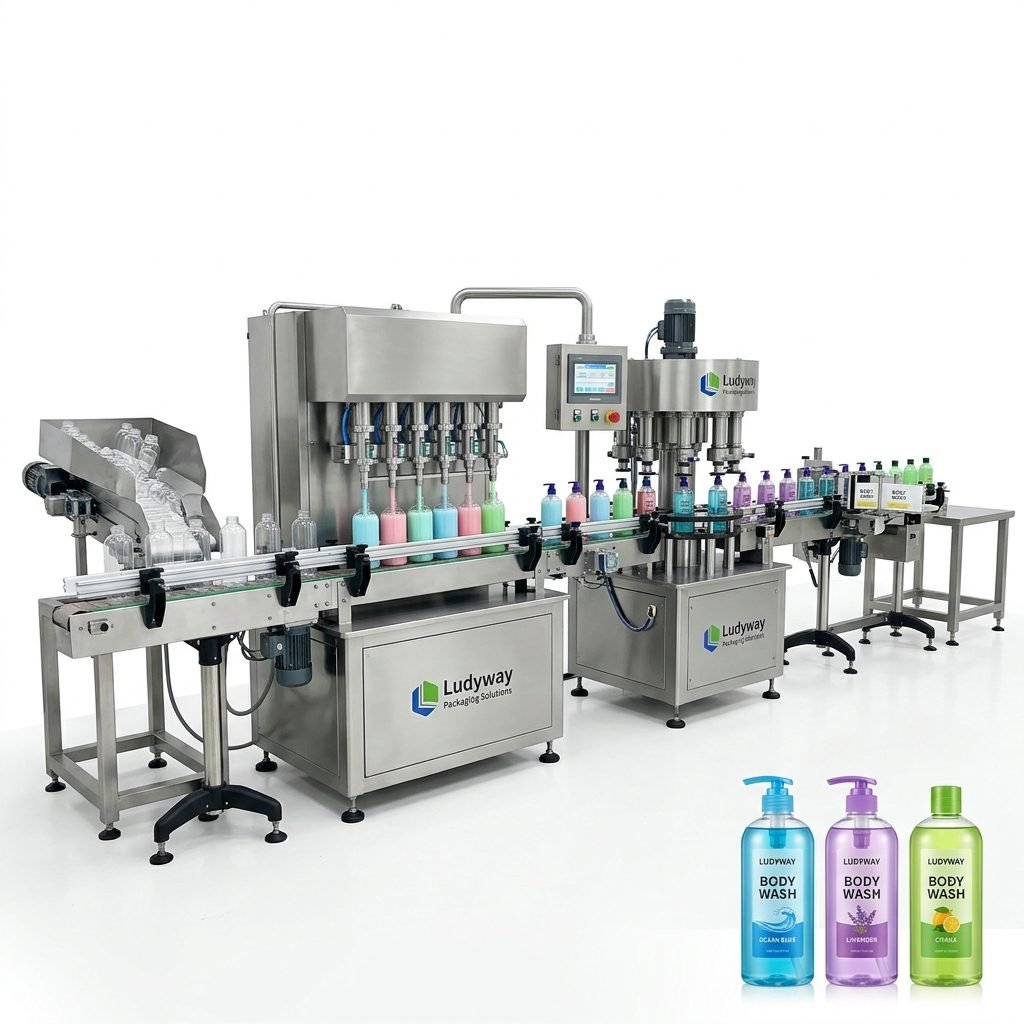
Liquid & Paste Filling Machines
Designed specifically for viscous products, these machines accurately fill bottles, tubes, or sachets with liquids, creams, gels, or pastes. They often incorporate pumps (like piston or peristaltic) for precise volumetric dosing and can be integrated with capping and labeling systems for a complete line.
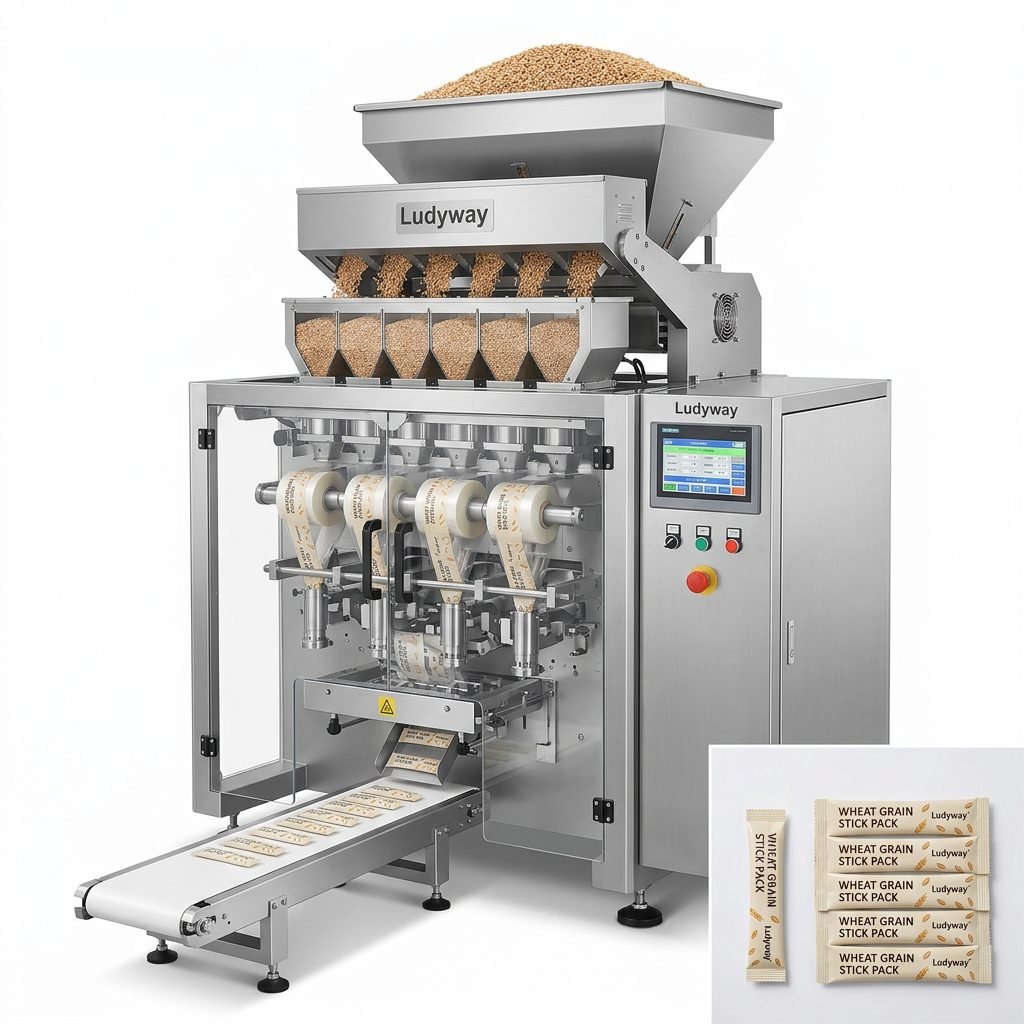
Granule & Powder Packaging Machines
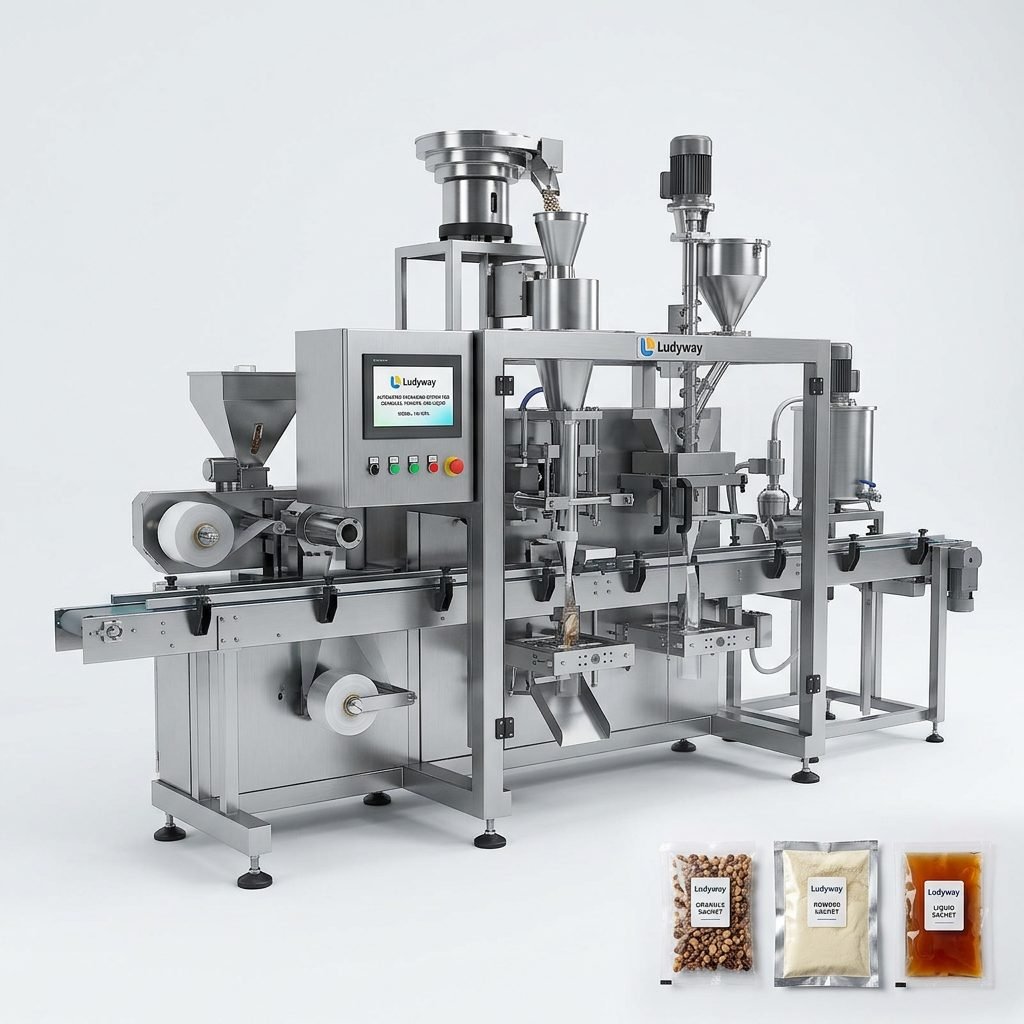
These systems are engineered to handle dry, granular, or powdered materials like coffee, spices, or pharmaceuticals. They use auger fillers or cup fillers for accurate measurement and are often paired with VFFS machines or pre-made bag systems to prevent product loss and ensure consistency.
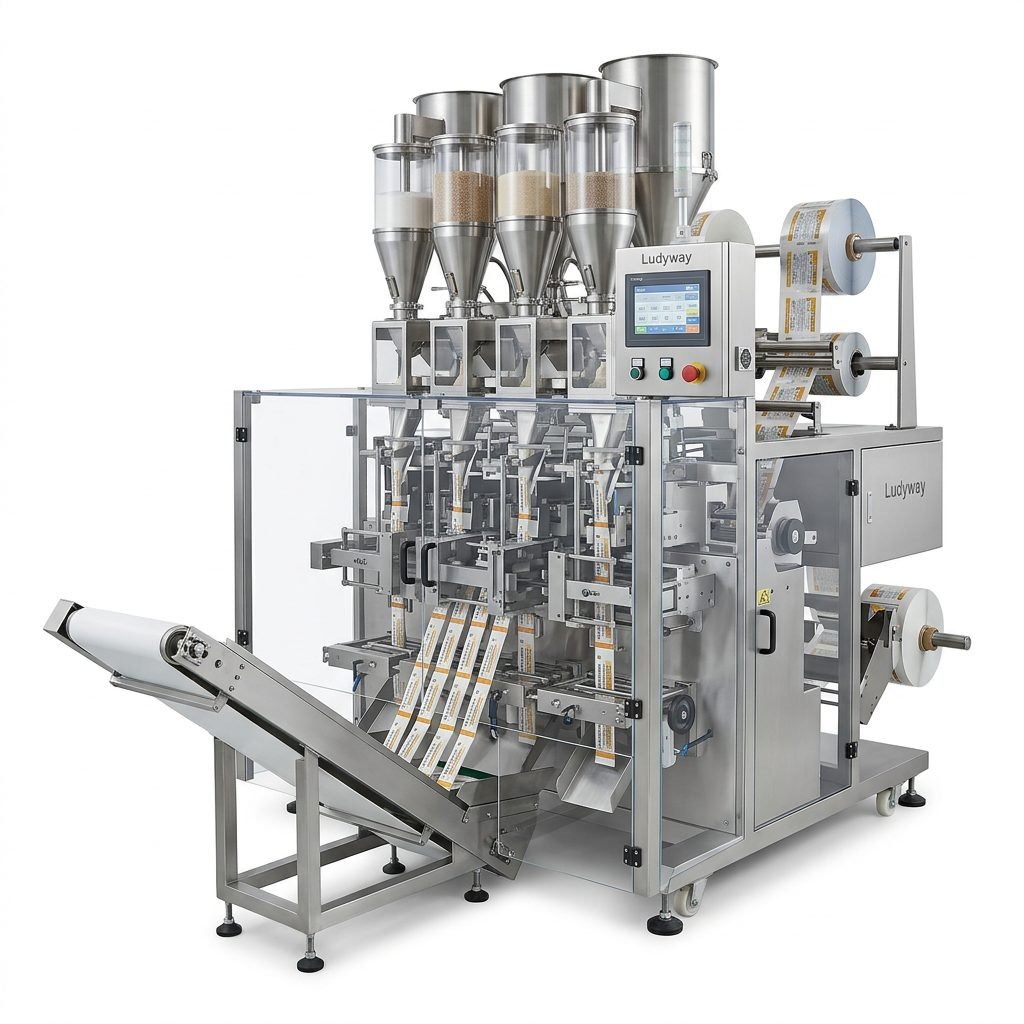
Sachet and Stick Pack Machines
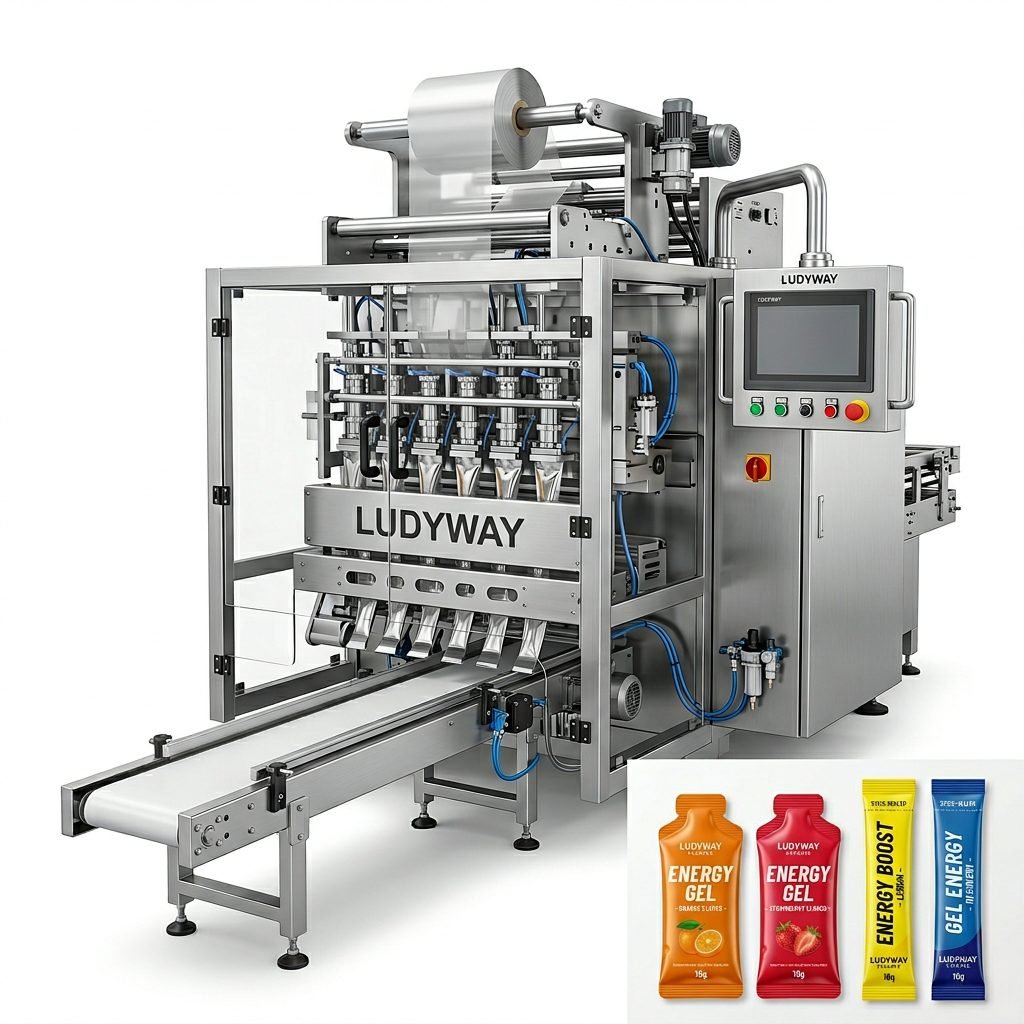
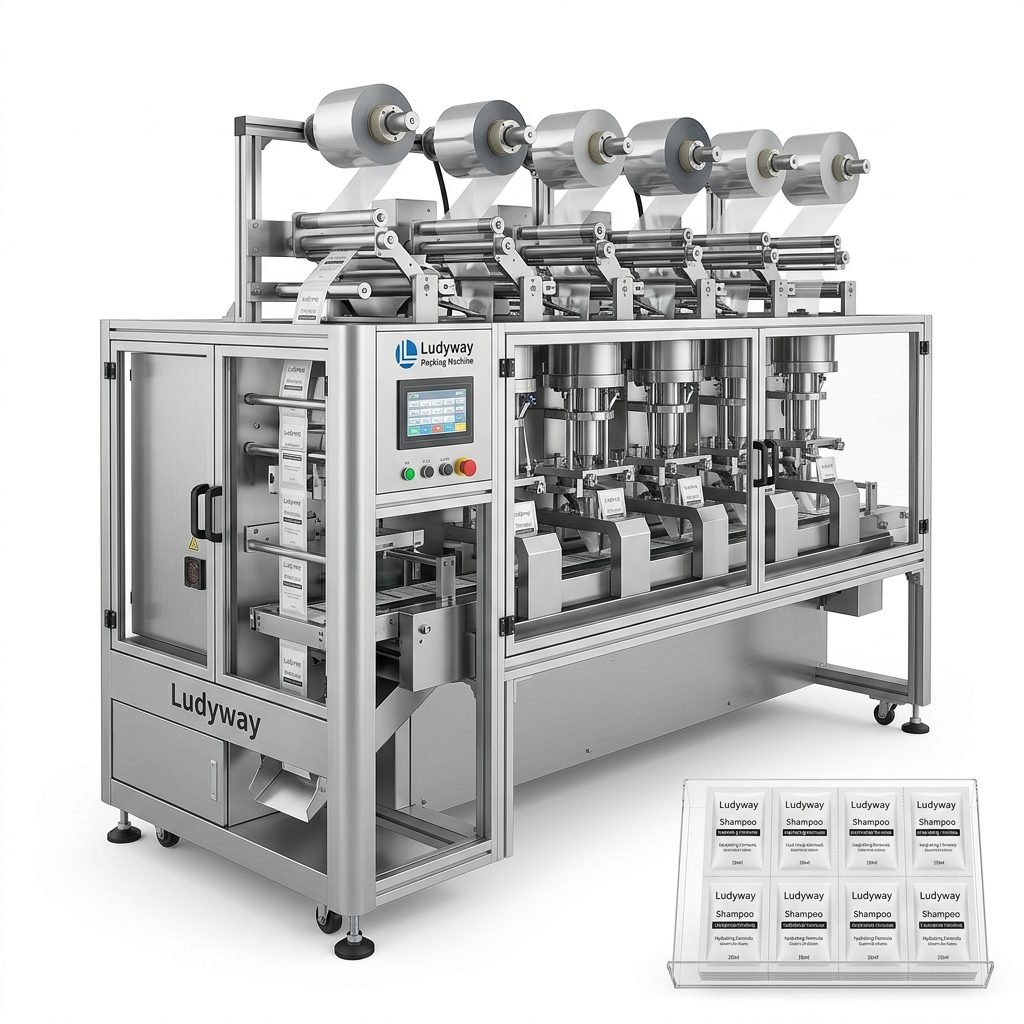
Perfect for single-serve portions of products like sugar, instant coffee, ketchup, or shampoo. These machines can be single-lane or multi-lane, producing small, sealed pouches at very high speeds. They are a cornerstone of the fast-moving consumer goods (FMCG) industry.
Core Working Principles of Automated Systems
While designs vary, most automatic packaging machines follow a fundamental sequence: Forming → Filling → Sealing.
1. Product Feeding and Metering
The product is conveyed to the machine via vibratory feeders, conveyor belts, or hoppers. A metering system (auger, scale, pump, or counter) then dispenses the exact predetermined amount. Accuracy here is critical for cost control and compliance.
2. Packaging Material Handling
The packaging material—whether film roll, pre-made pouch, or container—is fed into position. Systems precisely control the unwind tension and registration of printed film to ensure graphics align correctly on the final package.
3. Forming and Filling
In VFFS machines, the film is drawn over a forming tube and shaped into a bag. The product is dropped through the tube into the nascent bag. In HFFS or tray sealing systems, the product is placed into pre-formed containers or onto the web of film.
4. Sealing and Cutting
Heated jaws (for thermoplastic films) or crimpers press together the open ends of the package, creating a hermetic seal. A cutting mechanism then separates the individual package from the web or trims excess material. The integrity of the seal is paramount for product safety and shelf life.
5. Control and Integration
A Programmable Logic Controller (PLC) and Human-Machine Interface (HMI) panel orchestrate the entire process. Modern machines feature sensors for real-time monitoring of parameters like temperature, fill weight, and seal pressure, allowing for immediate adjustments and data logging.
Tangible Benefits for Modern Production
Investing in automation delivers a compelling return on investment through multiple channels.
➤ Dramatically Increased Output: Machines operate continuously at consistent speeds, far surpassing manual packaging rates. This directly boosts production capacity and throughput.
➤ Unmatched Consistency and Quality: Every package receives the same precise amount of product and an identical, secure seal. This eliminates human error and variation, enhancing brand reputation and reducing waste.
➤ Significant Labor and Cost Savings: Automation reduces the number of operators required for packaging tasks, allowing staff to be redeployed to higher-value roles. It also minimizes product giveaway and material waste.
➤ Enhanced Hygiene and Safety: For industries like food and pharmaceuticals, reducing direct human contact with the product is crucial. Closed automated systems improve hygiene standards and worker safety by minimizing exposure to repetitive strain or hazardous materials.
➤ Improved Flexibility: Many modern machines allow for quick changeovers between different products, package sizes, or film types. This enables producers to respond agilely to market demands for smaller batch runs or diversified SKUs.
How to Choose the Right Automatic Packaging Machine
Selecting the ideal machine requires a careful analysis of your specific needs. Here is a practical guide.
1. Analyze Your Product Characteristics
This is the most critical factor. Is your product a liquid, powder, granule, solid, or paste? Its flowability, abrasiveness, density, and sensitivity (to heat, moisture, light) will dictate the type of filling system and packaging material required.
2. Define Your Packaging Specifications
Determine the desired package type (bag, pouch, stick pack, bottle), size range, and material (laminate film, PET, PE). Also, consider any special features needed, such as zippers, spouts, or high-barrier properties for extended shelf life.
3. Evaluate Required Production Speed
Calculate your current and future required output in packages per minute (PPM). Choose a machine that can meet your peak demand with some overhead for growth, but avoid over-specifying, as higher speeds often come with a higher price tag.
4. Consider Integration and Footprint
Will the machine be a standalone unit or part of an integrated production line with upstream feeders and downstream labelers/cartooners? Ensure you have adequate floor space, utility connections (power, air), and that the machine’s controls can communicate with your other line equipment.
5. Prioritize Reliability and Support
The machine’s build quality and the manufacturer’s reputation are vital. Look for robust construction from reputable packaging machinery providers. Crucially, assess the availability of local technical support, spare parts, and training. Downtime is extremely costly.
6. Total Cost of Ownership (TCO) Analysis
Look beyond the initial purchase price. Factor in installation, ongoing maintenance, energy consumption, changeover times, and expected lifespan. A slightly more expensive but more reliable and efficient machine often has a lower TCO.
Frequently Asked Questions (FAQs)
Q1: What is the typical payback period for an automatic packaging machine?
The payback period varies greatly based on labor costs, production volume, and the machine’s price. For operations replacing several manual lines, it can often be between 12 to 24 months due to labor savings, increased output, and reduced material waste.
Q2: Can one machine handle multiple different products and package sizes?
Yes, many machines are designed for flexibility. Look for models with “quick-change” features for the forming assembly, filler, and film reel. The ability to store multiple recipes in the PLC allows operators to switch between jobs in minutes, which is ideal for contract packagers or producers with diverse SKUs.
Q3: How important is after-sales service when choosing a supplier?
It is critically important. Even the best machines require maintenance and occasional repairs. A supplier with a strong global service network, readily available spare parts, and responsive technical support is essential for minimizing downtime and protecting your investment over the long term.
Q4: What are the key maintenance requirements for these machines?
Regular daily and weekly cleaning is essential to prevent product buildup. Periodic lubrication of moving parts, inspection and replacement of wear items (like sealing jaws, cutting blades, and gaskets), and calibration of scales and sensors are standard procedures. Always follow the manufacturer’s maintenance schedule.
Q5: Are automated packaging machines suitable for small businesses or startups?
Absolutely. The market offers a range of semi-automatic and compact fully automatic machines designed for lower to medium volumes. These provide a significant upgrade from purely manual packing, improving speed and consistency without the large footprint and capital expenditure of high-speed industrial lines.