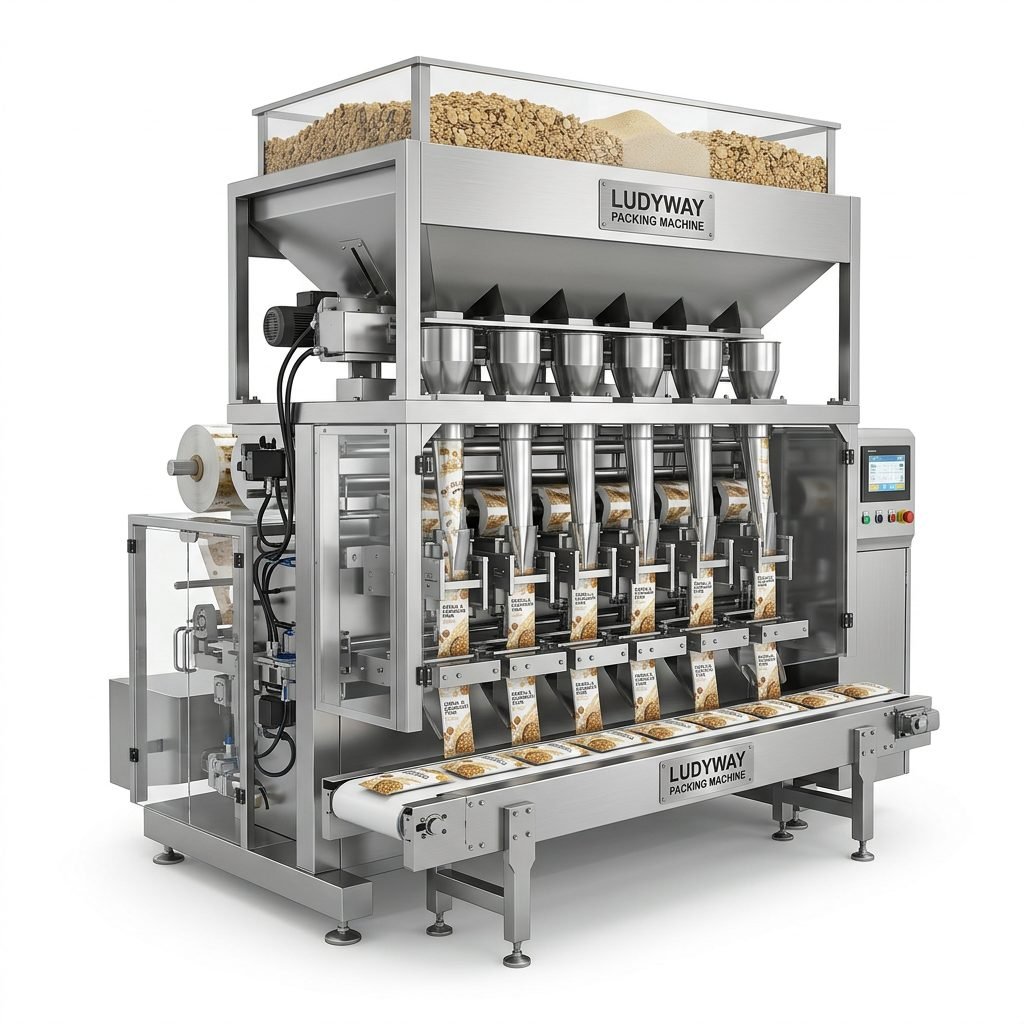
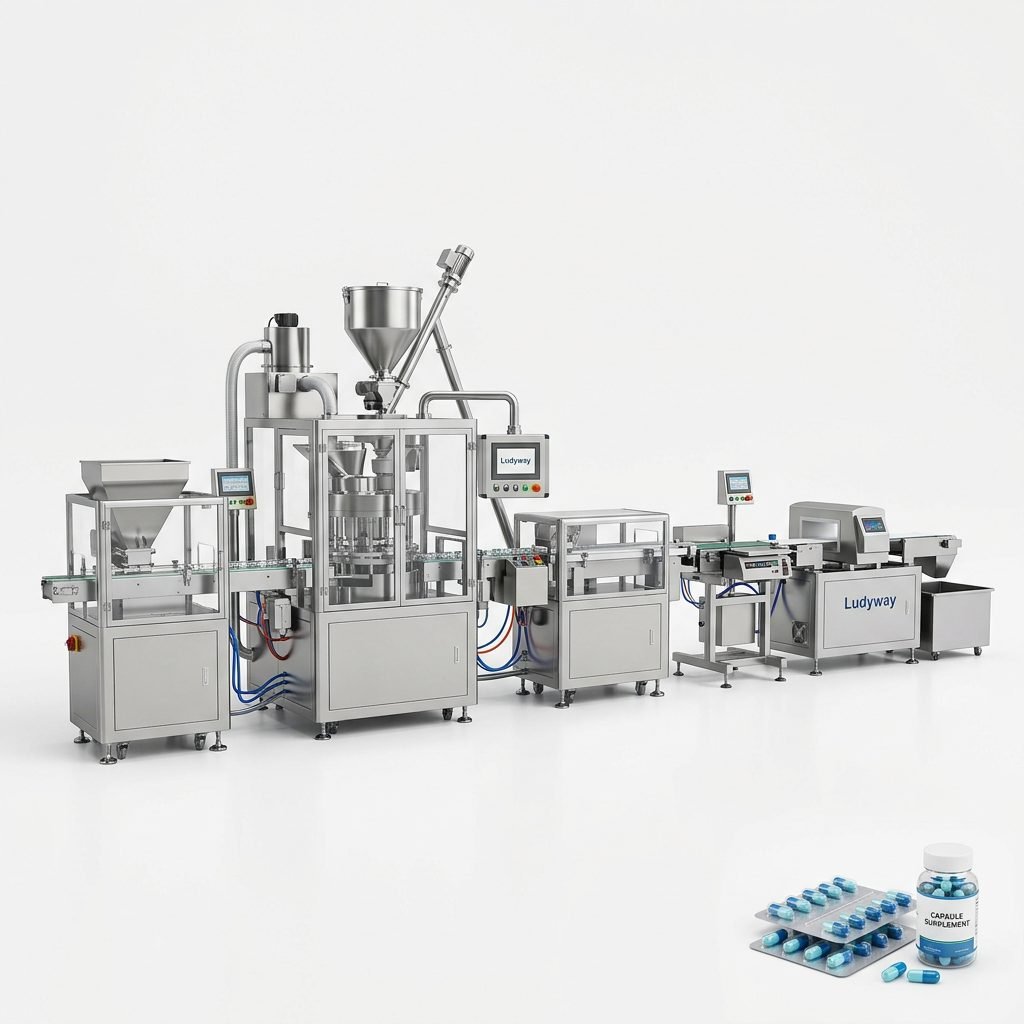
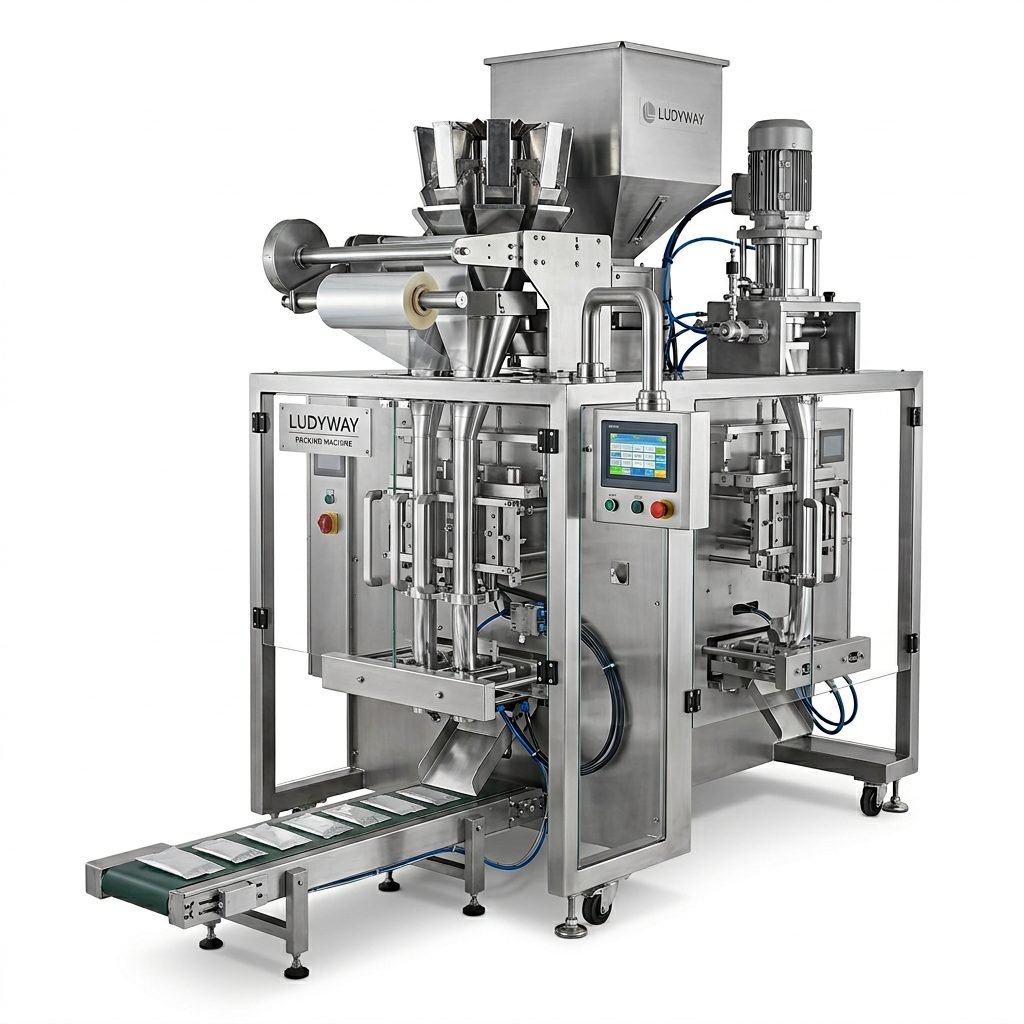
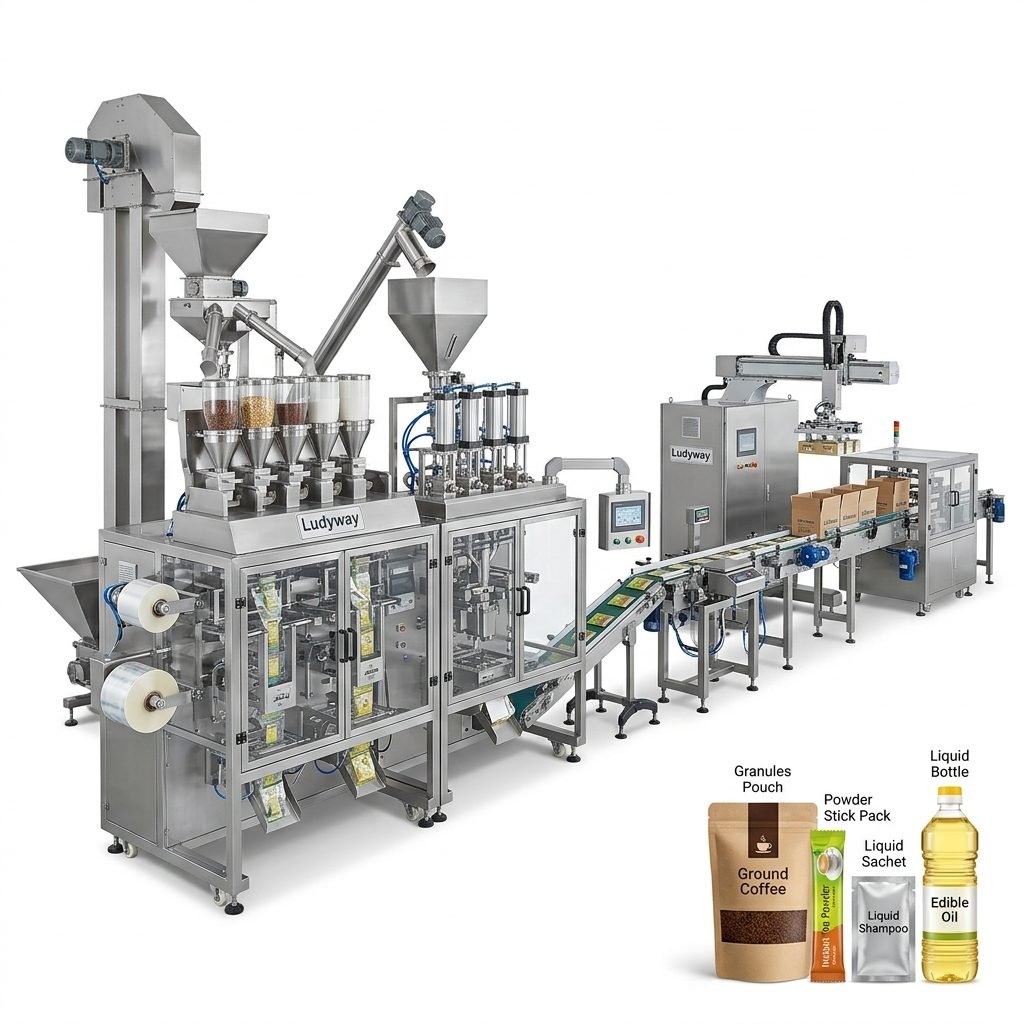
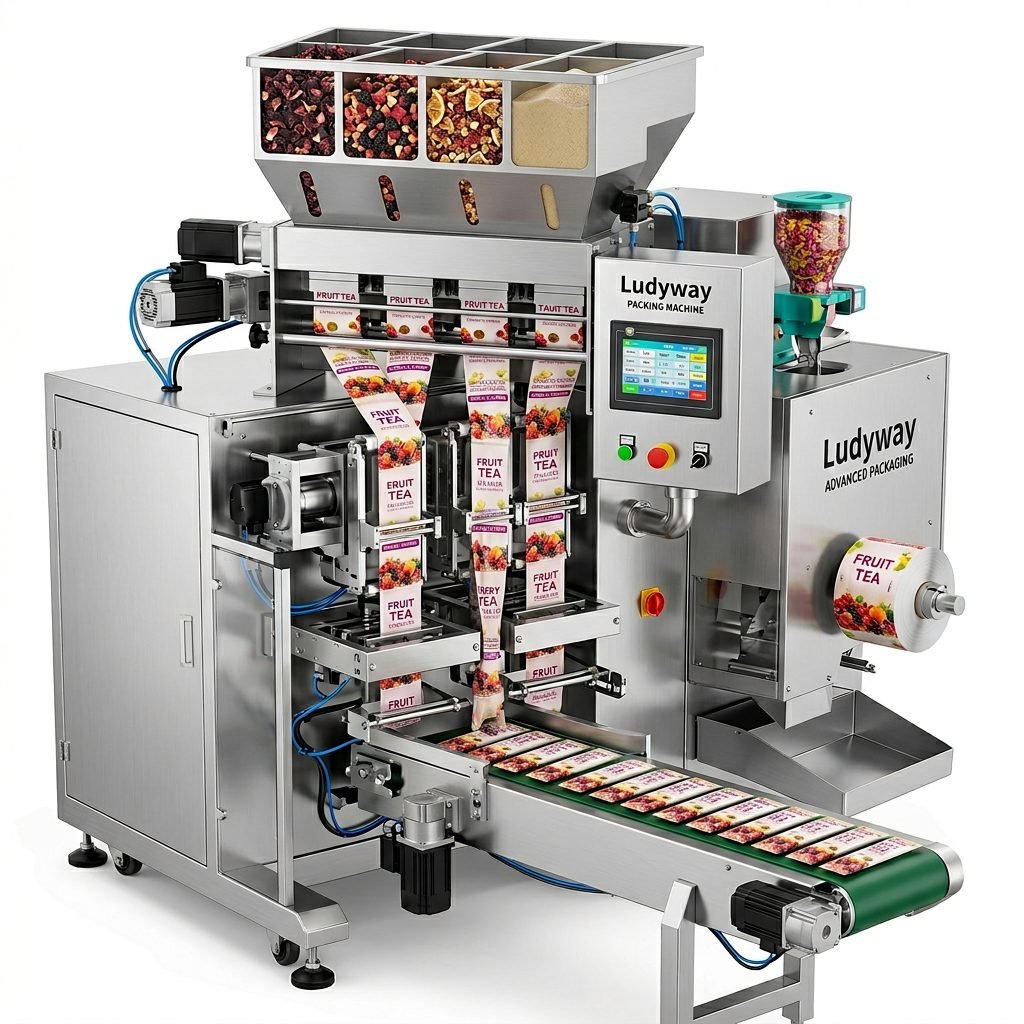
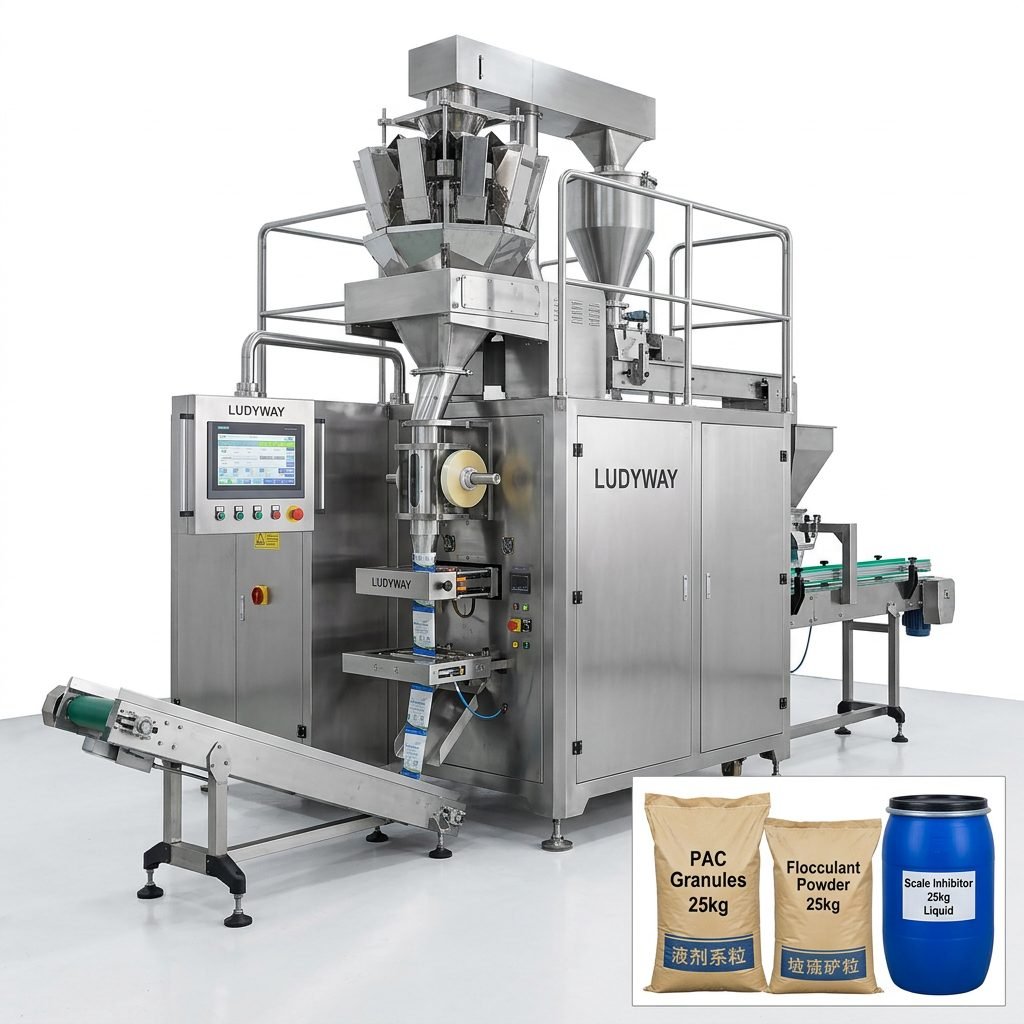
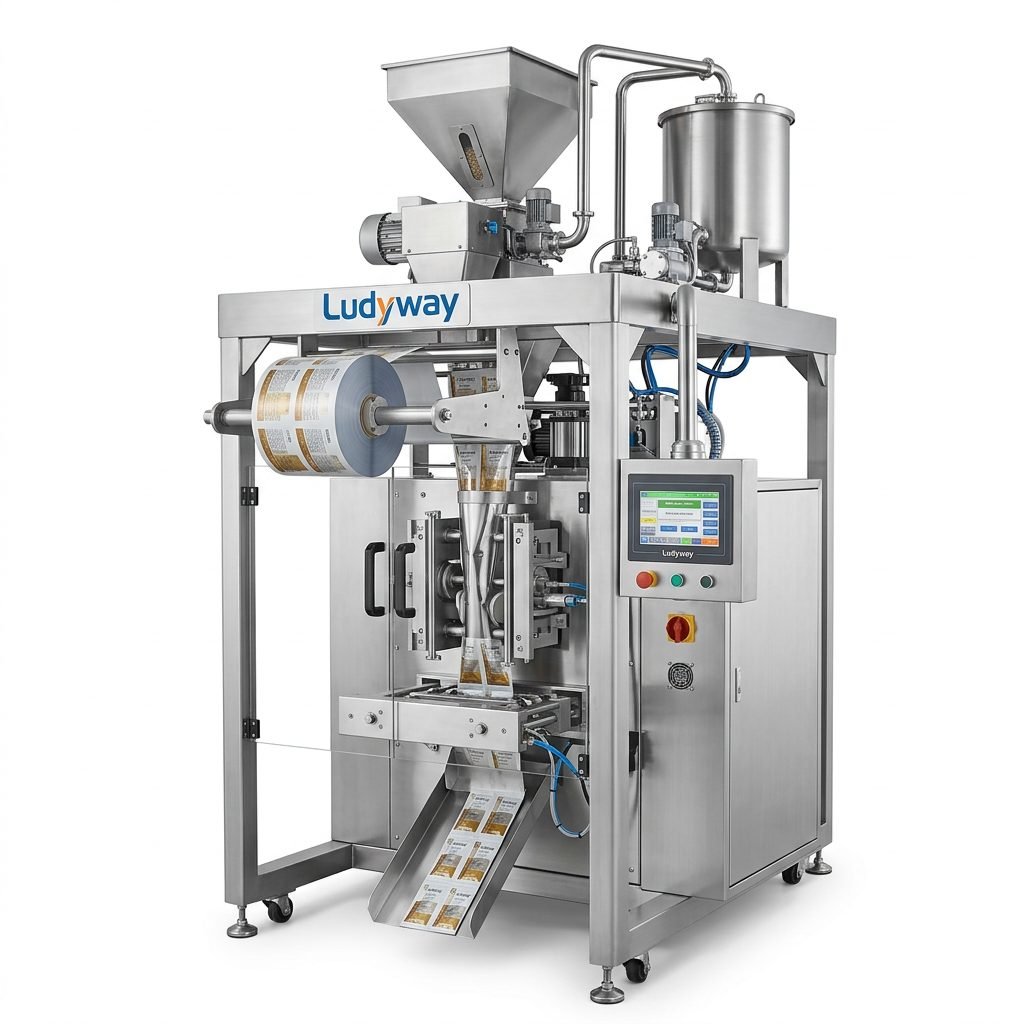
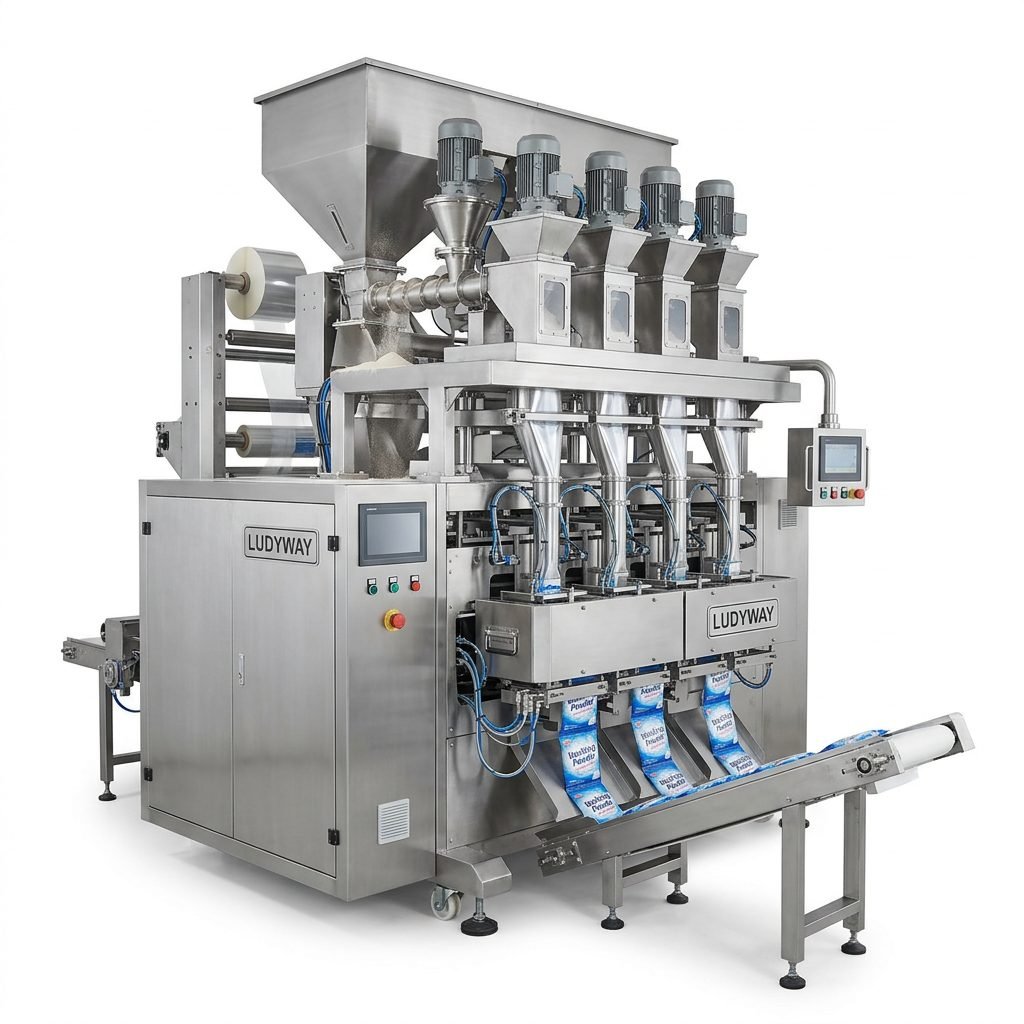
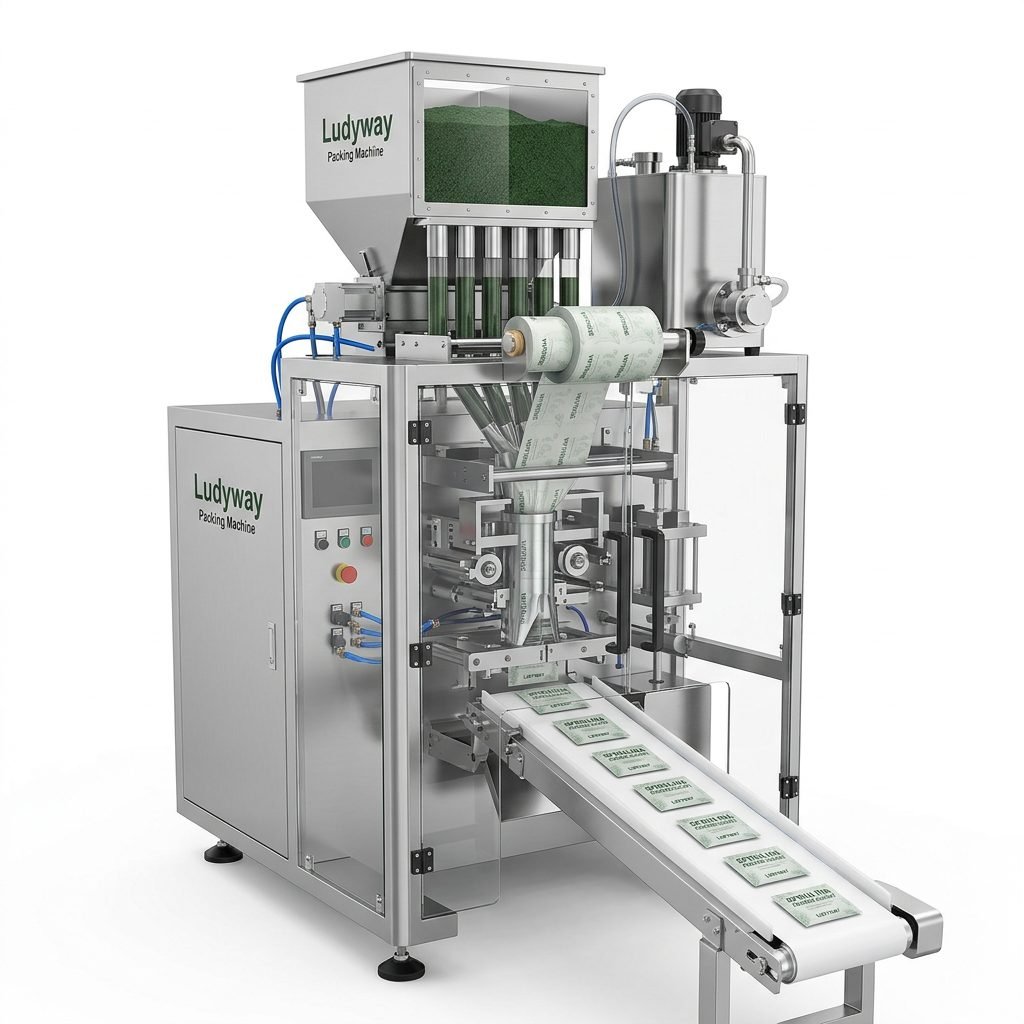
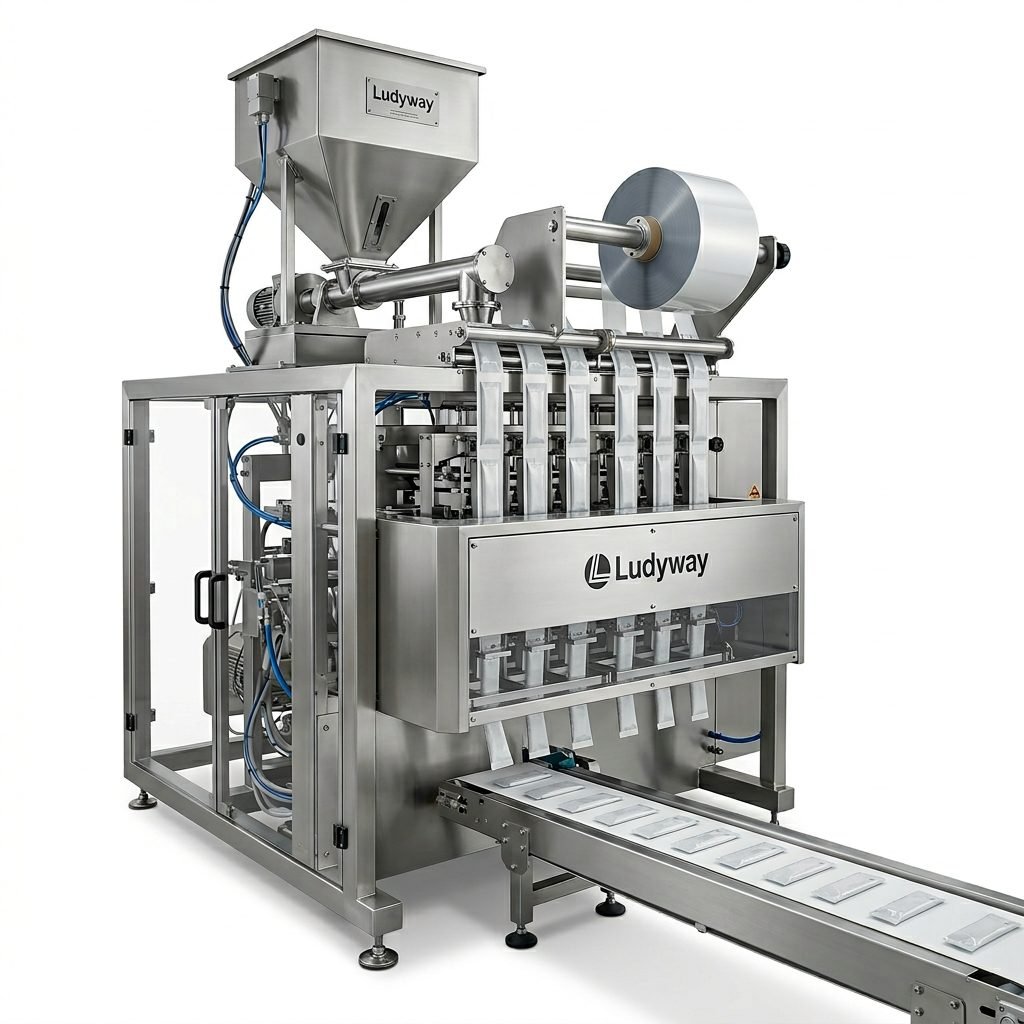
Selecting the right packaging machine for liquids is a critical decision that impacts your production efficiency, product quality, and bottom line. With numerous options available, from filling and sealing to complete turnkey lines, navigating the market can be complex. This guide provides a comprehensive framework to help you evaluate your needs and choose the best equipment for your specific liquid products and production goals.
Understanding Your Liquid Product & Production Requirements
Before comparing machines, a deep analysis of your product and operational needs is essential. This foundational step ensures the chosen technology is perfectly matched to your application.
Key Product Characteristics to Assess
Viscosity: Is your product thin like water, viscous like syrup, or contains particulates? This is the primary factor determining the filling technology (e.g., gravity, piston, pump).
Chemical Nature & Hygiene: Is the liquid corrosive, abrasive, sensitive to oxidation, or requires aseptic handling? This dictates material compatibility (e.g., stainless steel grades) and sanitary design requirements.
Packaging Format & Size: Determine your container type (bottles, pouches, sachets, stick packs) and the volume range you need to fill. Machine versatility in handling different sizes can be a key advantage.
Quantifying Your Production Goals
Define clear output targets. Required speed (containers per minute) directly influences machine type and cost. Consider both current needs and future scalability. Factor in changeover frequency between different products or container sizes; quick-change features can drastically reduce downtime.
Core Technologies in Liquid Packaging Machinery
Liquid packaging lines typically integrate several key machines. Understanding each component’s role is crucial.
Filling Machines: The Heart of the Line
Choosing the correct filling method is paramount for accuracy and speed.
- Gravity Fillers: Ideal for free-flowing, non-foaming liquids. Simple, cost-effective.
- Piston Fillers: Excellent for viscous products, sauces, and creams. Highly accurate and handles particulates well.
- Pump Fillers (Peristaltic/ Rotary): Great for corrosive or sensitive liquids, as the fluid only contacts the tubing. Easy to clean and maintain.
- Volumetric Cup Fillers: Suitable for a wide range of viscosities and foamy liquids. Simple adjustment via cup size.
Sealing, Capping & Labeling
The filling process is followed by sealing the container. For bottles, this involves capping (screw capping, snap capping, press-on). For flexible pouches or sachets, heat sealing is standard. Downstream, labeling equipment applies product identification. Modern lines often integrate all these functions seamlessly.
Evaluating Machine Features & Supplier Capabilities
Beyond core technology, several features differentiate a good machine from a great investment.
Critical Performance & Build Features
→ Accuracy & Repeatability: Look for machines with precision dosing systems and robust controls to minimize product giveaway.
→ Construction & Materials: Food-grade or pharmaceutical-grade stainless steel (e.g., 304, 316L) is essential for durability, cleanability, and compliance.
→ Control System & UI: A user-friendly PLC/HMI interface allows for easy recipe storage, speed adjustment, and diagnostics.
→ Changeover & Flexibility: Modular designs and tool-less adjustments significantly enhance operational efficiency for multi-product facilities.
Choosing the Right Partner: The Supplier
Your machinery supplier is a long-term partner. Assess their industry experience and track record. A provider with deep expertise in liquid packaging solutions will offer more valuable guidance. Evaluate their service network, availability of spare parts, and technical support. Request references and, if possible, visit a running installation. Companies like Ludyway Packing Machine, with decades of focused experience, often provide not just equipment but comprehensive production line consulting.
Financial Considerations & Total Cost of Ownership (TCO)
The purchase price is just one part of the financial equation. A thorough TCO analysis prevents future surprises.
Initial Investment: Includes machine cost, shipping, installation, and initial training.
Operational Costs: Energy consumption, required consumables (sealing jaws, gaskets, tubing), and labor costs per output unit.
Maintenance & Downtime Costs: Factor in preventive maintenance schedules, spare parts pricing, and the potential cost of production stoppages. Reliable machinery from reputable suppliers often has a lower TCO despite a higher initial price.
Implementation & Future-Proofing Your Investment
Plan for a smooth integration. Ensure your facility has the required utilities (power, air, water) and space. Work with the supplier on operator training programs. Consider future needs: Can the machine handle higher speeds? Is it compatible with upcoming packaging formats? Choosing a scalable and adaptable system protects your investment as your business grows.
Summary: A Step-by-Step Selection Checklist
- Profile your liquid product(s) in detail (viscosity, sensitivity, etc.).
- Define clear output speed, accuracy, and flexibility requirements.
- Research and shortlist appropriate filling and sealing technologies.
- Evaluate machine features, build quality, and control systems.
- Conduct thorough due diligence on potential suppliers.
- Perform a Total Cost of Ownership analysis, not just a price comparison.
- Plan for installation, training, and long-term maintenance.
Frequently Asked Questions (FAQs)
Q: What is the most accurate filling method for expensive liquids?
A: Piston fillers and advanced pump fillers (like peristaltic with servo control) typically offer the highest accuracy (±0.5% or better), minimizing product loss for high-value liquids like pharmaceuticals or essential oils.
Q: How do I choose between a semi-automatic and a fully automatic machine?
A: Semi-automatic machines are suitable for low to medium output, offering a lower initial cost and flexibility for small batches. Fully automatic lines are necessary for high-volume production, providing superior speed, consistency, and lower long-term labor costs.
Q: Can one machine handle different viscosities?
A: Some machines are designed for versatility. For example, a piston filler with interchangeable cylinders can often handle a range from thin to viscous. However, switching between extremes like water and paste may require significant changeover. Discuss your specific product range with the supplier.
Q: What certifications should I look for in a liquid packaging machine?
A: Key certifications depend on your industry. For food, look for machines built to EHEDG or 3-A sanitary standards. For pharmaceuticals, cGMP compliance is critical. Electrical safety certifications like CE or UL are also essential.
Q: How important is after-sales service when selecting a supplier?
A: It is critically important. Packaging machines are long-term assets. Ensure your supplier offers reliable technical support, readily available spare parts, and comprehensive training. A strong service agreement is key to maximizing uptime and the lifespan of your equipment.