Choosing the best vacuum packaging machine can transform your food preservation and sous vide cooking results. This comprehensive guide explores the key features, types, and considerations to help you select the perfect equipment for your needs, whether for home use or commercial applications.
Why Vacuum Packaging is Essential for Modern Food Handling
Vacuum packaging removes air from around a product before sealing it in a protective bag. This process significantly extends shelf life by inhibiting the growth of aerobic bacteria and fungi that cause spoilage. For sous vide cooking, it ensures even heat transfer and locks in moisture and flavor. The benefits are clear: reduced food waste, improved food safety, and enhanced culinary outcomes.
Key Benefit: Vacuum sealing is not just for long-term storage. It’s a critical tool for marinating foods faster, protecting important documents from moisture, and organizing small items in kits for travel or emergency preparedness.
Core Technologies in Vacuum Packaging Machines
Modern vacuum sealers primarily use one of two technologies: external suction or chamber vacuum. External suction machines are common for home use; they have a nozzle that draws air out through a channel in the bag. Chamber vacuum machines place the entire bag inside a sealed chamber, removing all air uniformly. This method is gentler on delicate foods and more effective for liquids, making it the preferred choice for professional kitchens and serious sous vide enthusiasts.
Features to Prioritize in Your Selection
When comparing models, focus on these critical attributes:
- ➤ Seal Bar Quality & Width: A robust, heated seal bar ensures a strong, airtight weld. Dual seals provide redundancy for critical applications.
- ➤ Vacuum Power & Speed: Measured in cubic feet per minute (CFM) or by ultimate vacuum level (e.g., 0.8 bar). Higher power removes air faster and more thoroughly.
- ➤ Bag Compatibility & Roll Storage: Can the machine use generic bags, or does it require proprietary ones? Built-in bag roll cutters and storage add convenience.
- ➤ Pulse & Moisture Settings: Pulse mode allows manual control of vacuum strength for delicate items. A moisture trap or setting prevents liquid from interfering with the seal.
- ➤ Build Quality & Duty Cycle: Metal construction and a powerful motor indicate a machine built for frequent use, not just occasional tasks.
Matching Machine Type to Your Application
The “best” machine depends entirely on your primary use case. Here’s a breakdown:
For Home Kitchens & Occasional Sous Vide
A quality external suction sealer is sufficient. Look for models with a moist/dry food setting, an accessory port for sealing jars or containers, and an easy-to-clean drip tray. These are compact, affordable, and perfect for portioning meats, sealing leftovers, and basic sous vide projects.
For Serious Home Cooks & Food Preservationists
Consider a compact chamber vacuum machine. While more expensive, it handles liquids (like soups or marinated fish) flawlessly, seals any bag material (including reusable silicone bags), and provides a perfect vacuum every time. It’s the ultimate tool for advanced sous vide and bulk food preservation.
For Commercial & Small Business Use
Industrial-grade chamber vacuum sealers are mandatory. Key features include a large chamber size, a high-duty cycle motor, programmable memory settings, gas flush capability for Modified Atmosphere Packaging (MAP), and robust stainless steel construction for easy sanitation. Reliability and speed are paramount.
Pro Tip: The Sous Vide Connection
For perfect sous vide results, a strong vacuum seal is non-negotiable. Air pockets cause the food to float, leading to uneven cooking. A chamber vacuum sealer is ideal because it removes air completely, even from liquid-rich or irregularly shaped items, ensuring the bag is fully submerged and in contact with the water bath for consistent, precise cooking.
Beyond the Machine: The Role of Quality Bags & Materials
The machine is only half the equation. Using the correct bag is vital. For external sealers, you need bags with a textured “channel” on one side to allow air escape. Chamber machines can use smooth, cheaper poly bags. Consider material thickness (measured in “mil”), which affects durability and puncture resistance. For long-term freezer storage or items with sharp bones, a 3-4 mil bag is recommended. For sous vide, ensure bags are BPA-free and rated for food-grade heat.
Maintenance and Operational Longevity
To ensure your investment lasts, regular maintenance is simple but essential. Always keep the seal bar clean of debris or liquid residues. For external sealers, check and clean the foam gasket around the sealing area. For chamber machines, periodically inspect the chamber lid seal. Allow the machine to cool between extended sealing sessions to prevent overheating. Using recommended bag types prevents premature wear on the heating element.
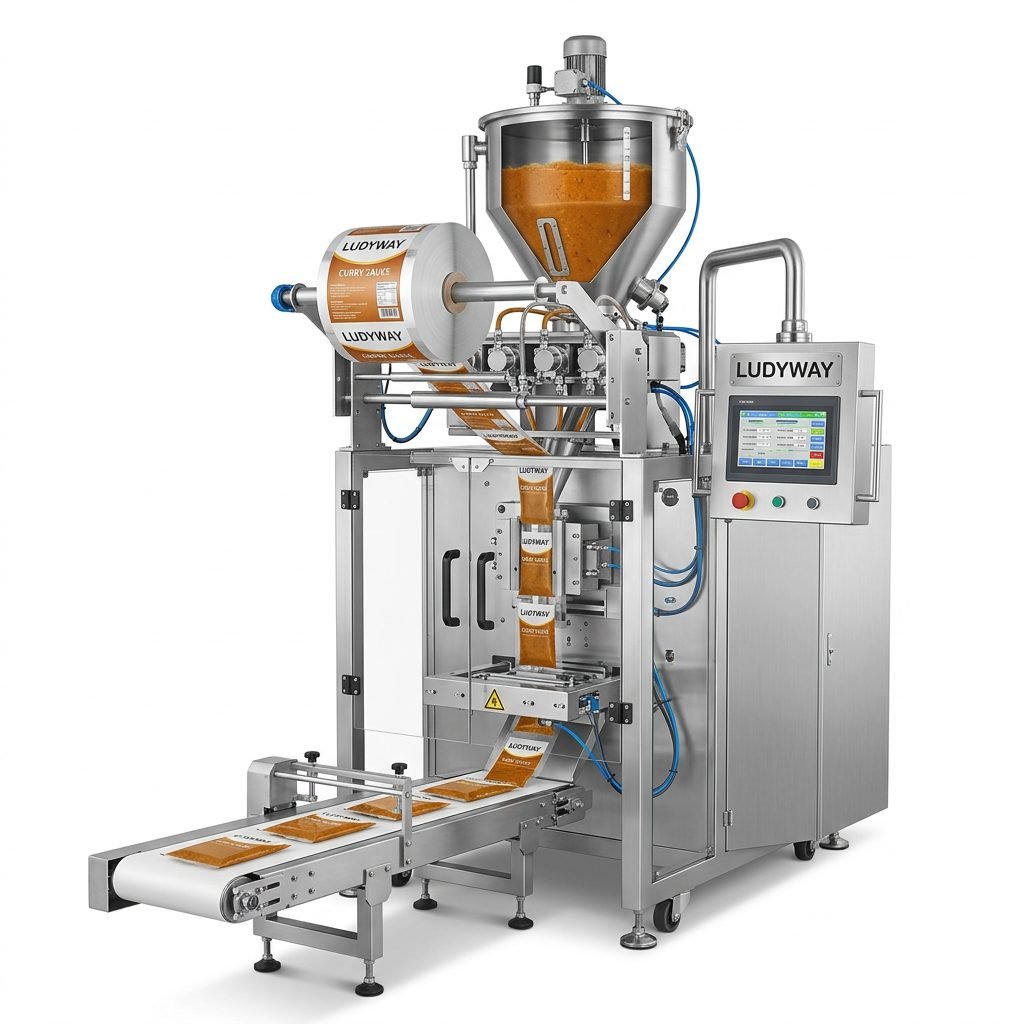
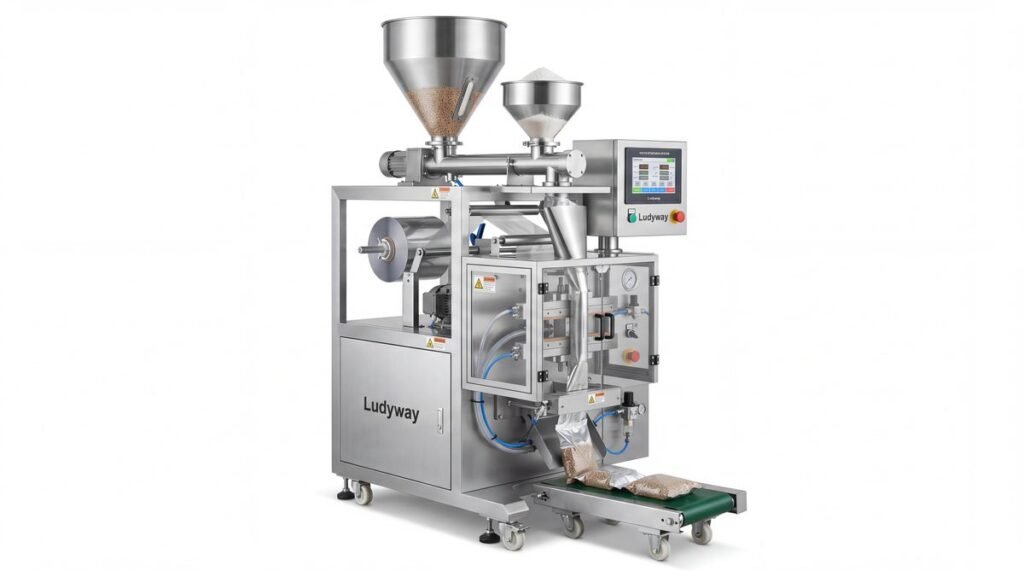
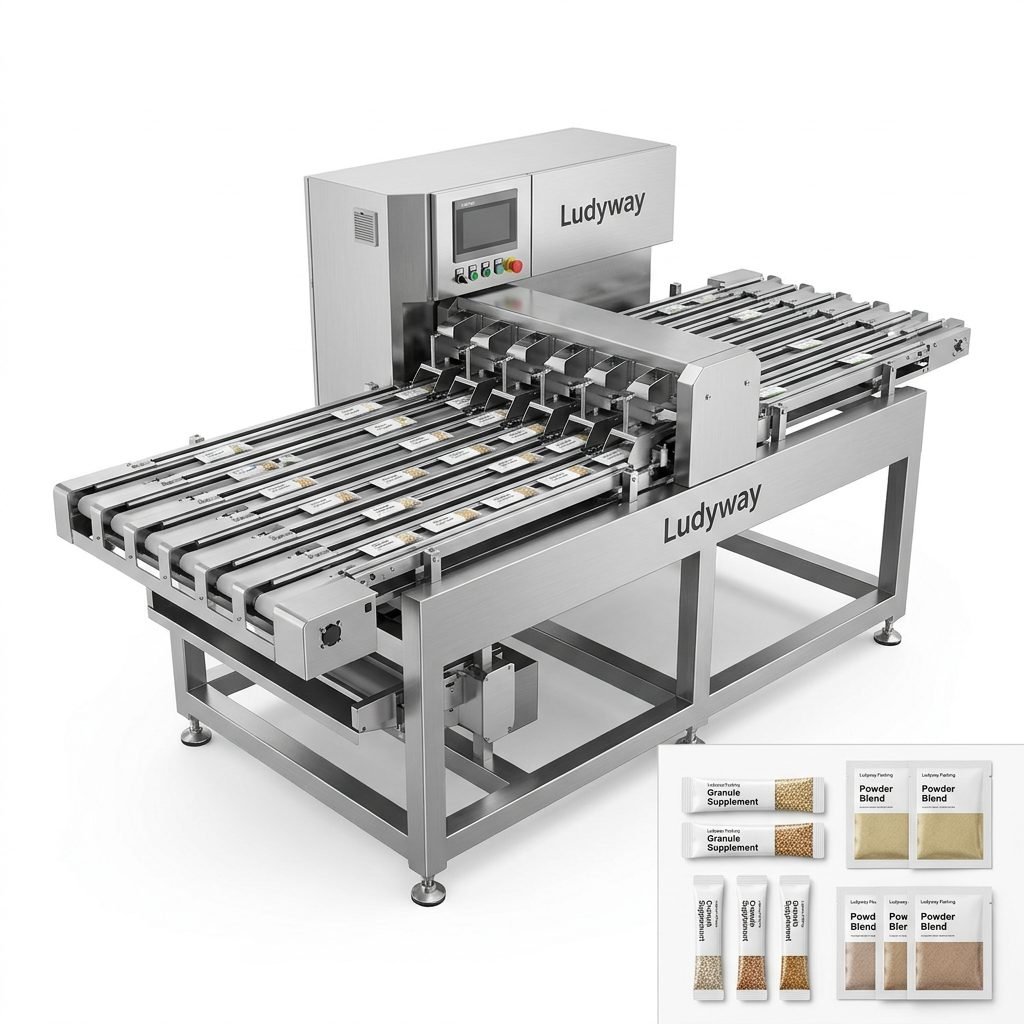
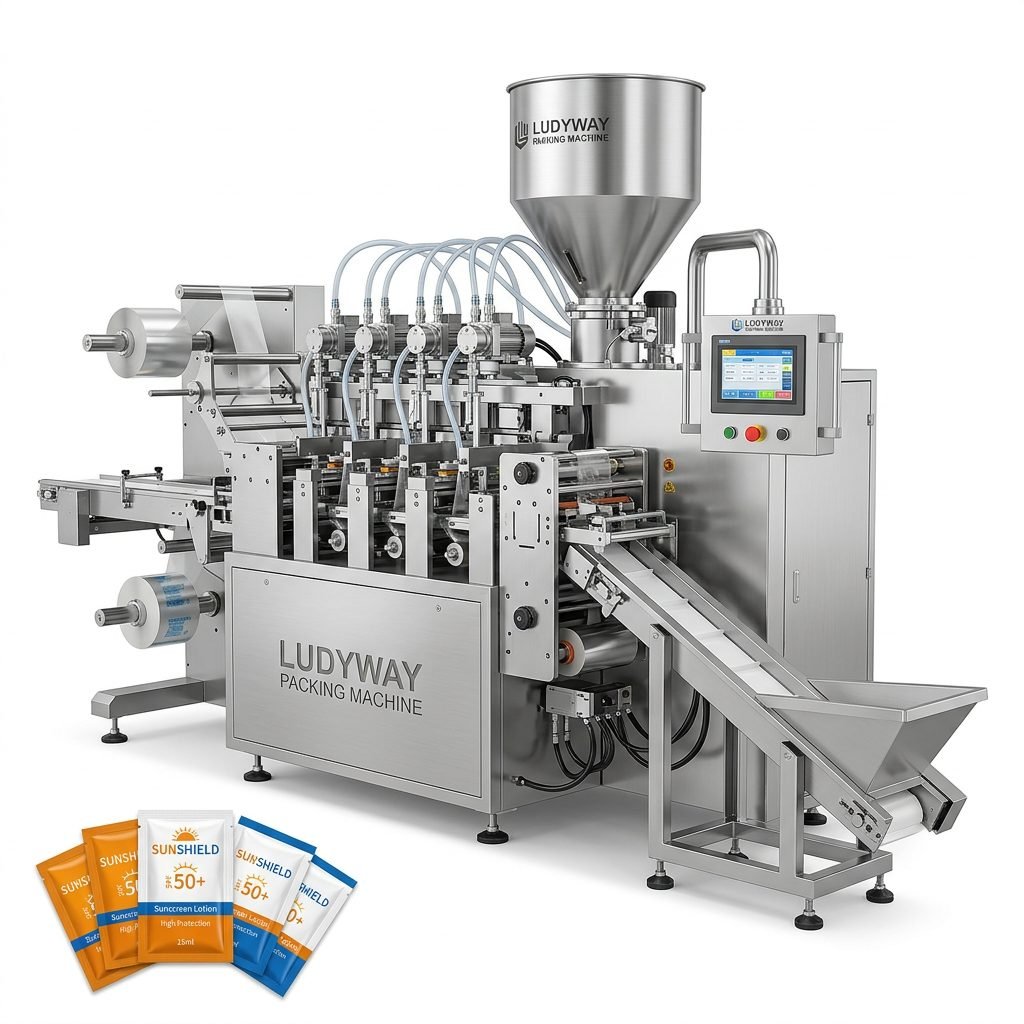
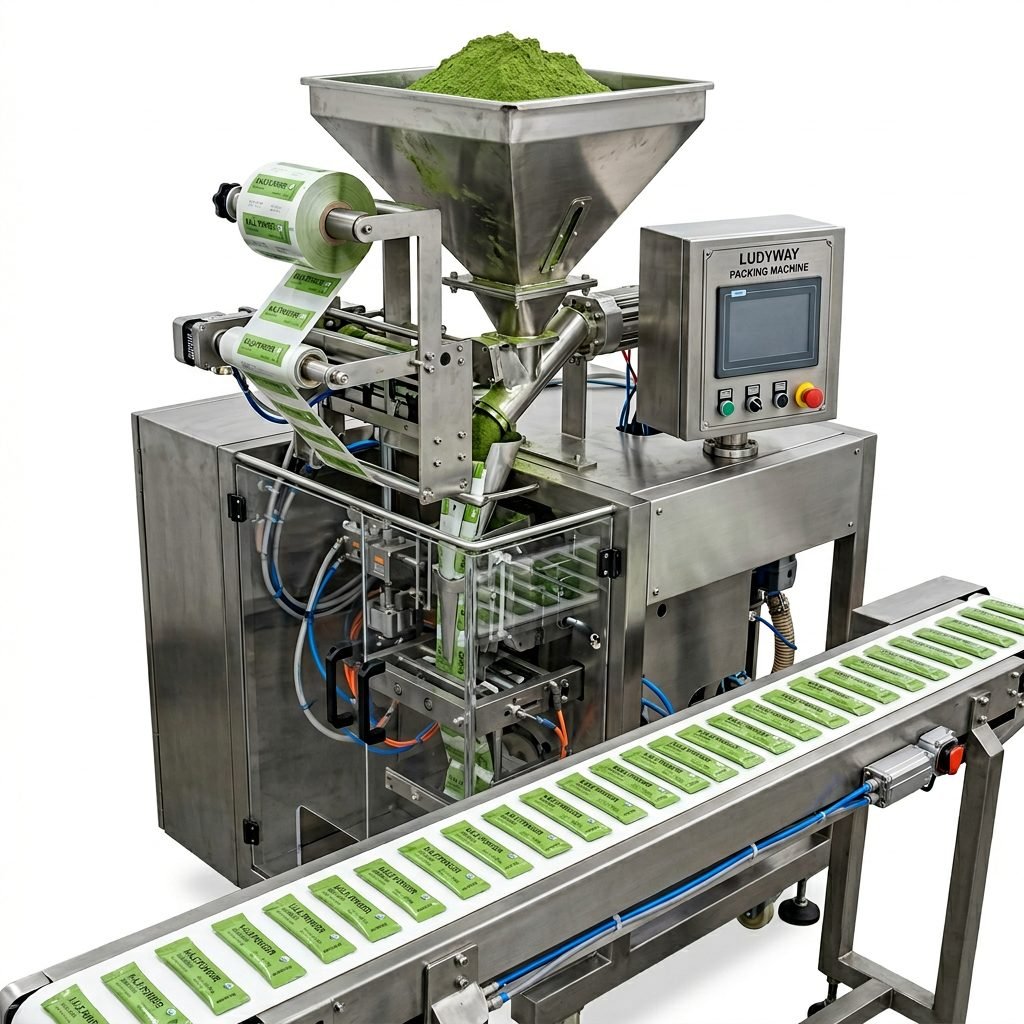
Partnering with an experienced equipment provider ensures you get not just a machine, but a solution. Companies with deep industry expertise, like Ludyway Packing Machine, understand that different products—from granules and powders to liquids—require tailored approaches. Their focus on intelligent packaging solutions and reliable engineering support can be crucial for businesses scaling their operations, ensuring the vacuum packaging system integrates seamlessly into a larger production workflow.
Final Checklist Before You Buy
- ✅ Define your primary use: Daily leftovers, bulk meat processing, sous vide, or commercial packaging?
- ✅ Set a realistic budget: Include the long-term cost of bags and accessories.
- ✅ Verify key features: Moisture settings, seal bar width, and duty cycle match your planned usage.
- ✅ Research the brand’s support: Look for strong warranties and accessible customer service.
- ✅ Consider future needs: Will you benefit from a machine that can grow with your requirements, such as those offering customized automation solutions?
Frequently Asked Questions (FAQs)
Can I use any plastic bags with a vacuum sealer?
No, you cannot. External suction sealers require specially designed bags with a textured surface to create an air channel. Chamber vacuum machines can use smooth, less expensive polyethylene bags, which is a significant long-term cost saving. Always use bags intended for food contact.
Is a chamber vacuum sealer worth the extra cost for home use?
For avid cooks who frequently practice sous vide, preserve garden harvests in liquid, or want the absolute best seal for long-term freezer storage, a chamber vacuum sealer is a worthwhile investment. Its superior performance with liquids and versatility with bag types justifies the higher upfront cost for serious users.
How does vacuum packaging extend the shelf life of food?
It removes oxygen, which is the primary element needed for the growth of spoilage-causing aerobic bacteria and molds. It also prevents freezer burn by inhibiting ice crystal formation and stops oxidation, which causes fats to go rancid and colors to fade.
What maintenance does a vacuum sealer require?
Basic maintenance involves keeping the sealing area clean and dry, wiping the seal bar after use, and ensuring no debris blocks the vacuum channel or chamber. For external sealers, periodically check the rubber gasket. Refer to your machine’s manual for specific lubrication or filter replacement guidelines.
Can I vacuum seal liquids for sous vide?
Yes, but it requires the right technique and often the right machine. With an external sealer, you must freeze the liquid first or use the “Pulse” function and stop the vacuum before liquid reaches the top. A chamber vacuum sealer handles liquids effortlessly, making it the preferred tool for sealing soups, stews, and marinates.