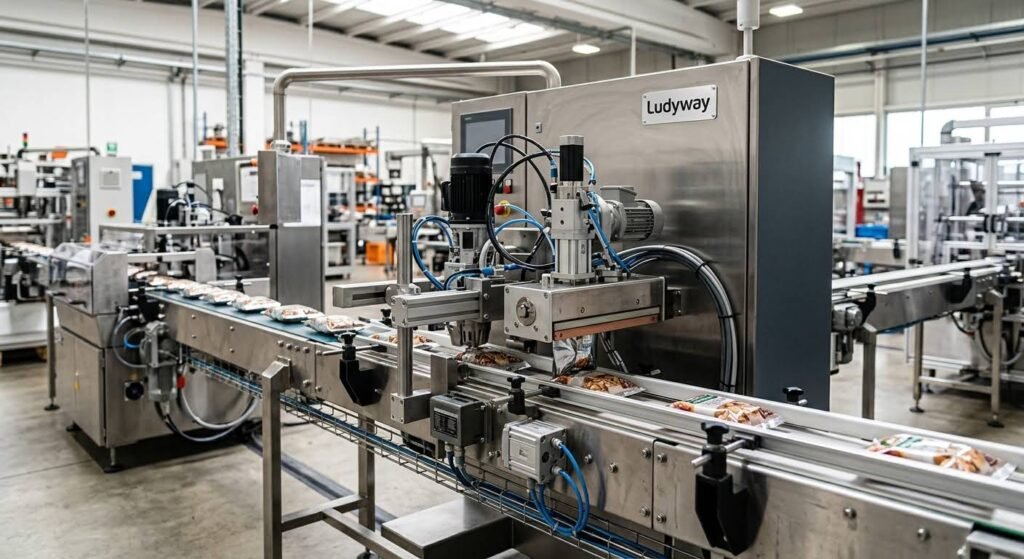
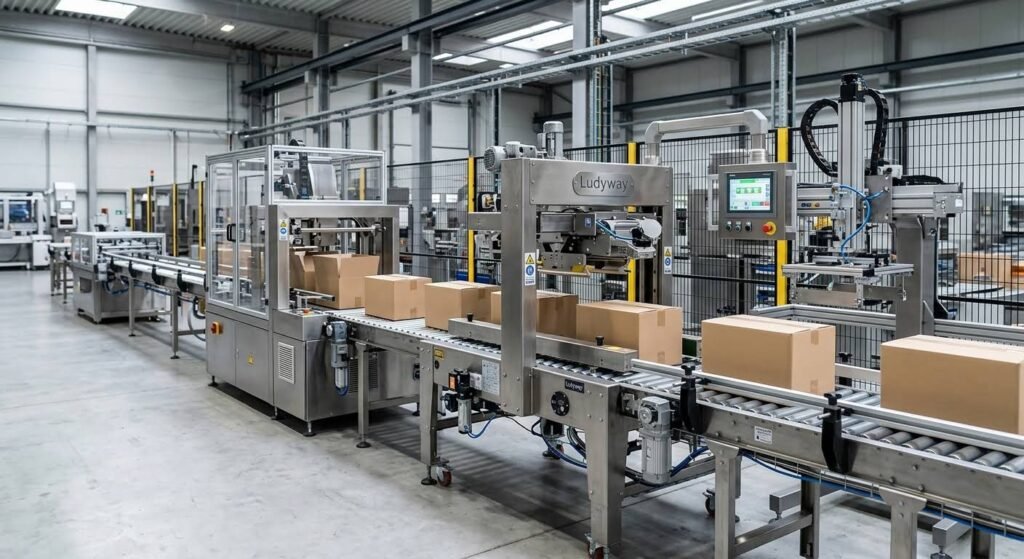
Selecting the right packaging machine manufacturer is a pivotal decision for any production operation. The global market is filled with numerous suppliers, each promising efficiency, reliability, and innovation. This guide will help you navigate this complex landscape and identify the best packaging machine manufacturer for your specific production line needs.
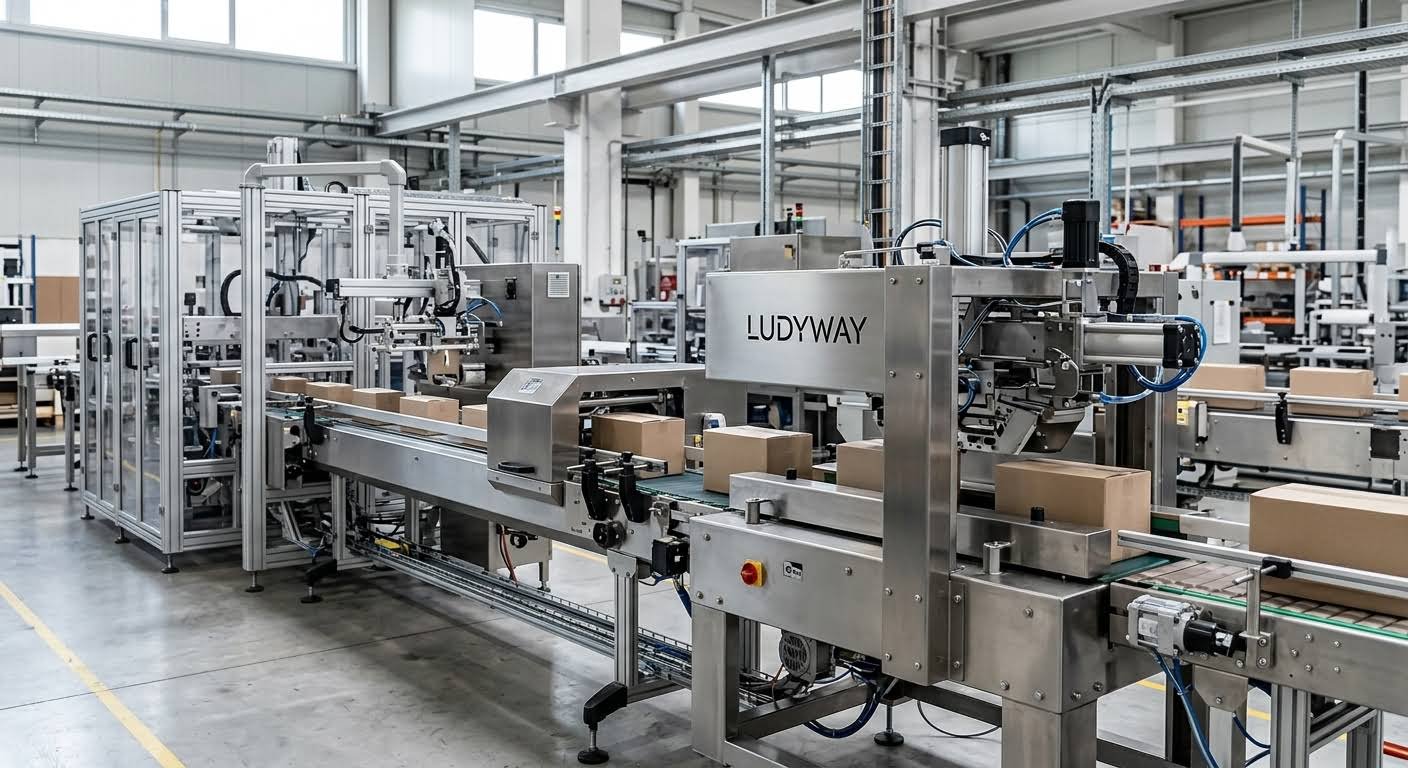
Key Factors in Choosing a Packaging Machine Manufacturer
Before diving into specific manufacturers, it’s crucial to understand the core criteria that separate industry leaders from the rest. A thorough evaluation based on these factors will safeguard your investment.
1. Technical Expertise and Machine Range
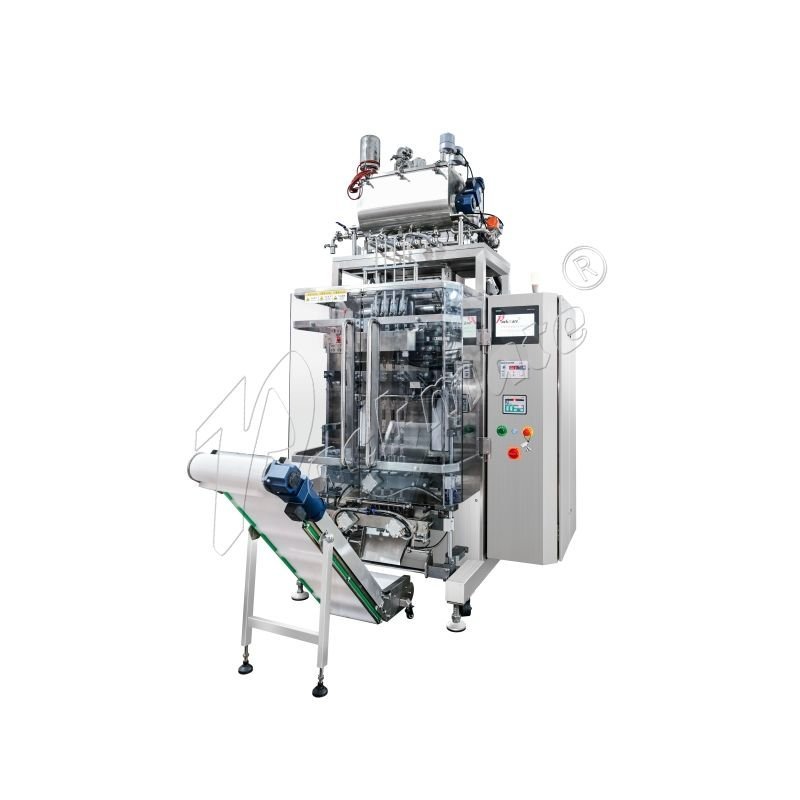
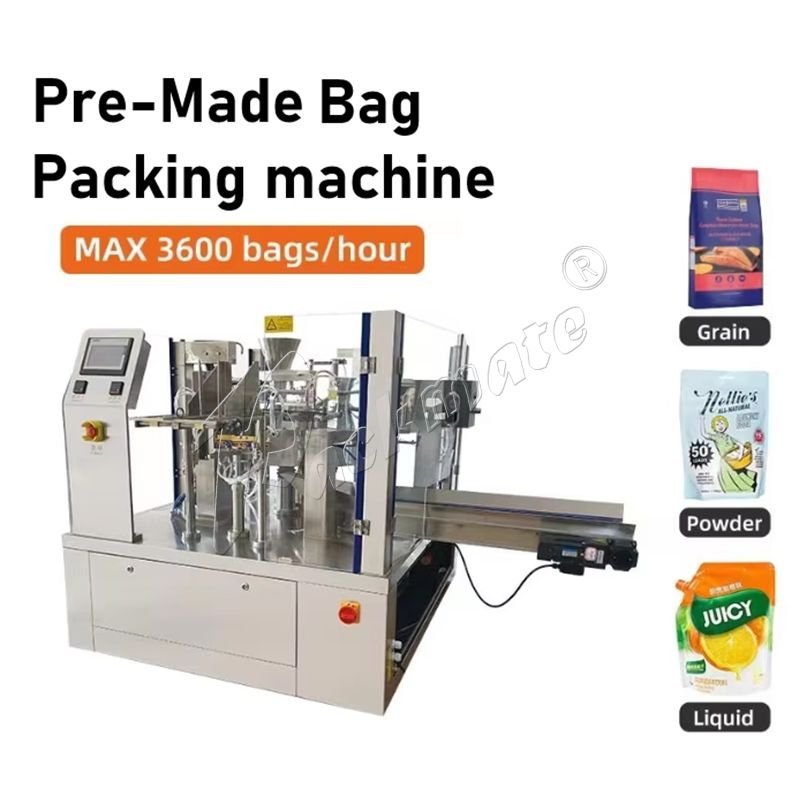
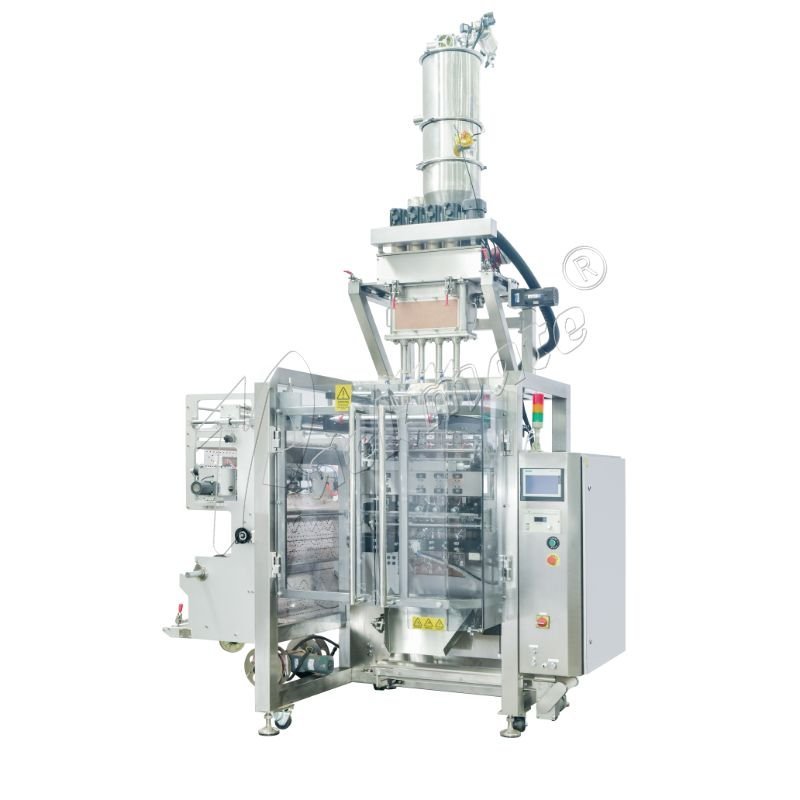
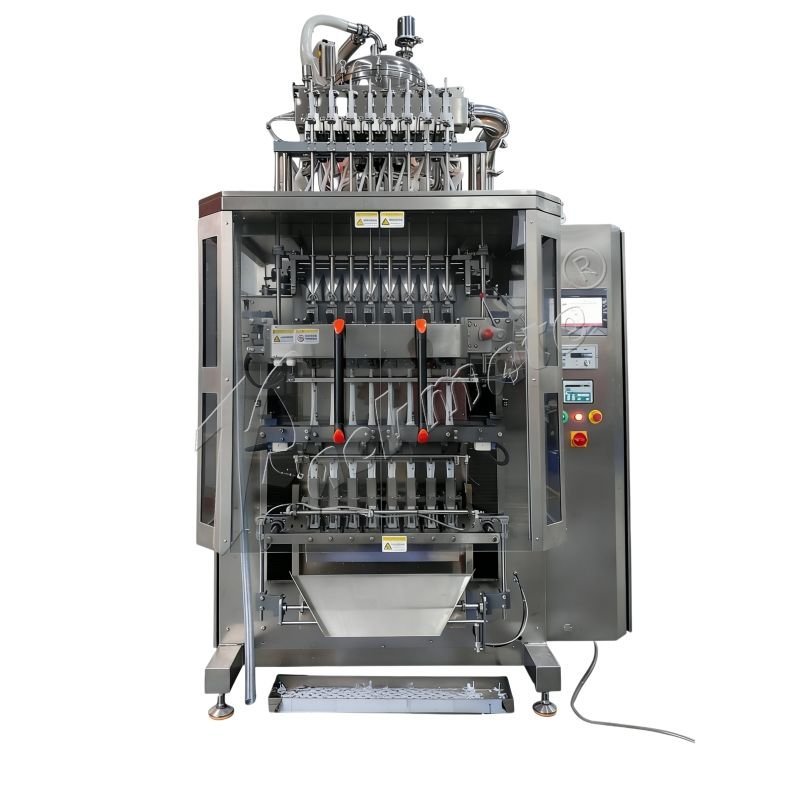
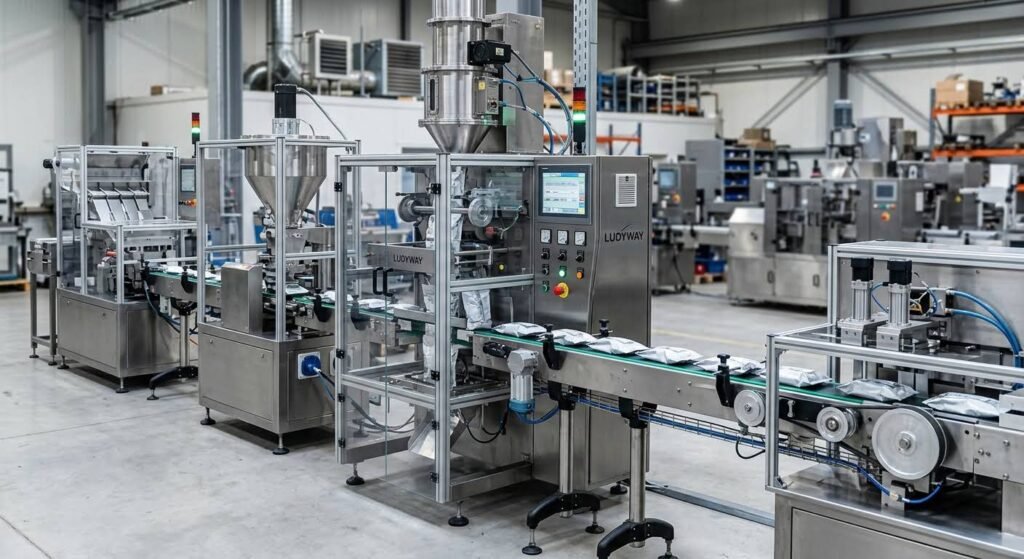
The manufacturer’s technical depth is paramount. Look for a company with a broad portfolio that covers various packaging types, such as granule, powder, liquid, sachet, and stick pack machines. A wide range indicates strong R&D capability and the ability to provide integrated solutions.
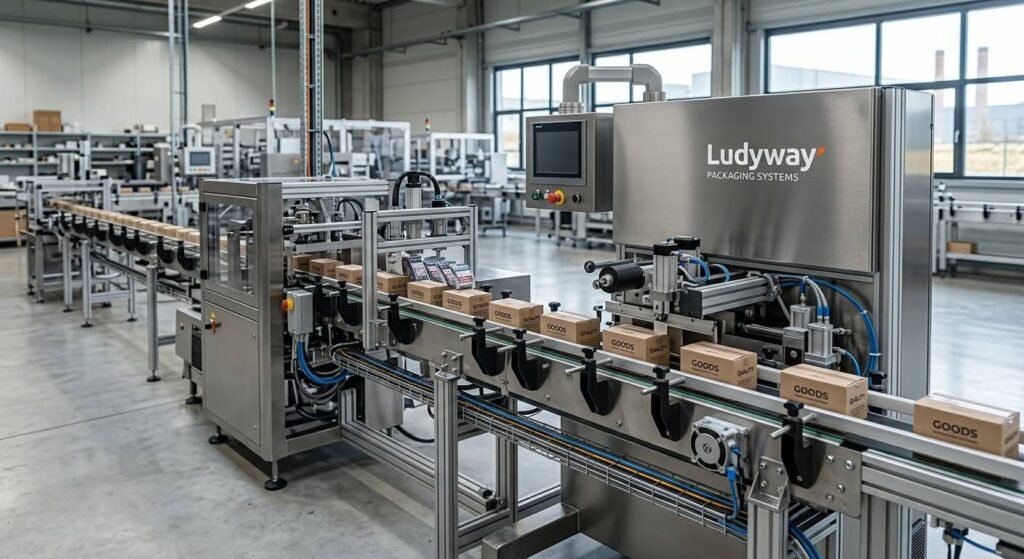
For instance, a supplier like Ludyway Machinery offers over 50 intelligent packaging machine models, demonstrating significant engineering capacity to handle diverse client requirements from food to pharmaceuticals.
2. Production Capacity and Manufacturing Quality
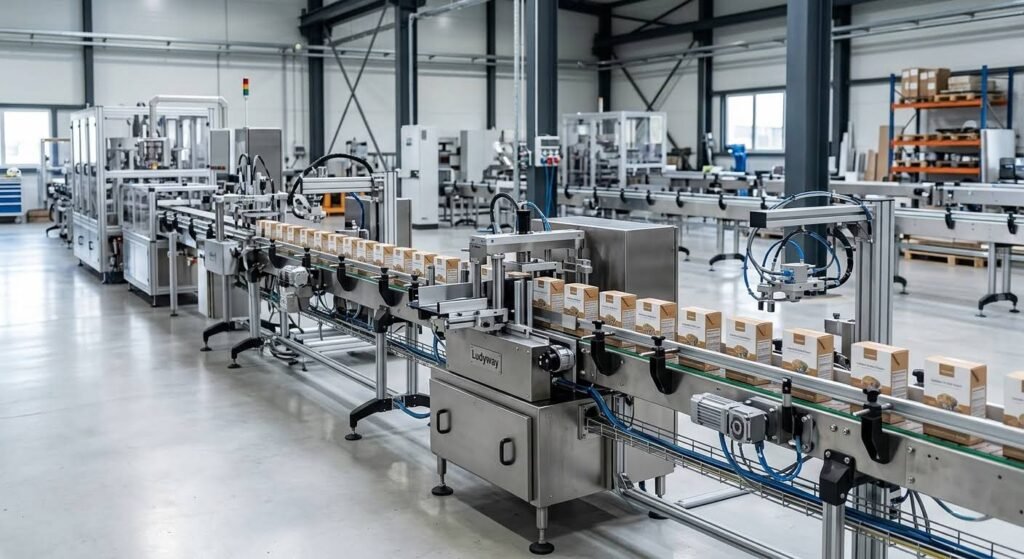
Never underestimate the importance of seeing where and how the machines are built. A manufacturer with a substantial, modern production facility (e.g., 20,000+ square meters) typically has better quality control, standardized processes, and the scalability to meet large orders and tight deadlines.
🔍 Inspection Tip:
Request a virtual or in-person factory tour. Assess the organization, cleanliness, and technology on the assembly floor. A reputable manufacturer will be transparent about their manufacturing environment.
3. Industry Experience and Reputation
Experience translates into practical knowledge of production challenges and regulatory requirements. A manufacturer with 30+ years in the industry has likely navigated countless scenarios, from material changes to speed optimization.
Check for case studies, long-term client partnerships, and testimonials. A history of serving global markets across different continents is a strong indicator of reliability and adaptability to various standards.
4. After-Sales Support and Service Network
The relationship begins after the machine is installed. Comprehensive after-sales support—including training, readily available spare parts, remote troubleshooting, and on-site technical service—is non-negotiable for minimizing downtime.
Ensure the manufacturer has a responsive, professional service team and, ideally, a network of service engineers in or near your region. This is especially critical for production lines where every hour of stoppage means significant financial loss.
5. Customization and Turnkey Solution Capability
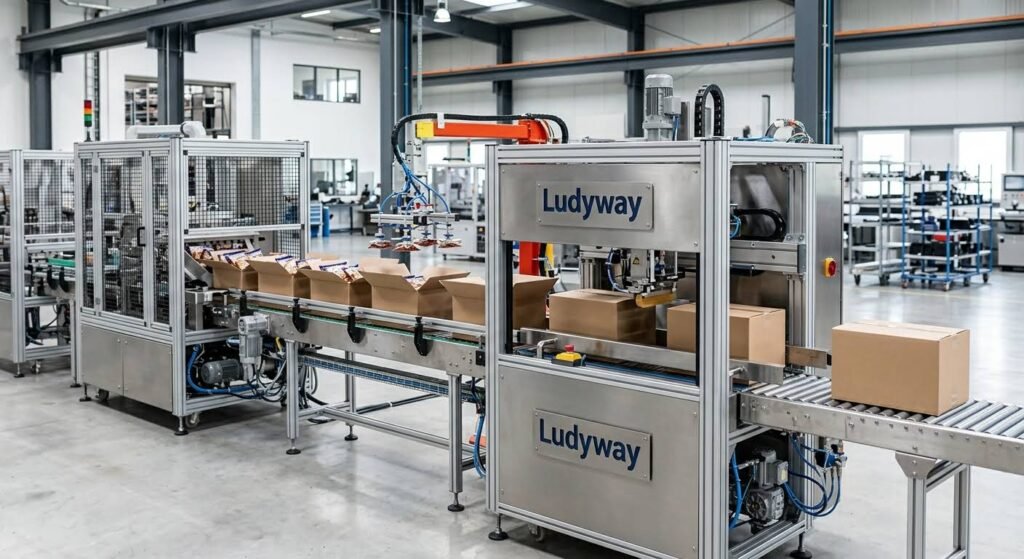
Off-the-shelf machines rarely fit perfectly. The best suppliers act as partners, offering customization for unique packaging formats, materials, or integration with existing line equipment. The ability to deliver a complete, turnkey production line—from design to commissioning—adds immense value.
This approach ensures all components work harmoniously, boosting overall line efficiency (OEE) and simplifying project management for you.
Evaluating Top Global Manufacturers
While many companies operate worldwide, the leaders distinguish themselves through innovation, quality consistency, and global reach. When evaluating, consider their specialization. Some excel in high-speed food packaging, while others lead in sterile pharmaceutical applications.
Partnering with a focused expert like Ludyway, which specializes in solutions for the food, pharmaceutical, and health industries, can provide more tailored expertise than a generalist supplier.
The Supplier Selection Process: A Step-by-Step Guide
Follow this structured process to make a confident, informed decision.
Step 1: Define Your Requirements Precisely
Detail your product type, required output speed (packs per minute), packaging materials, floor space, and desired level of automation. This clarity will help suppliers provide accurate proposals.
Step 2: Research and Create a Shortlist
Use industry directories, trade shows (like interpack), and peer recommendations to identify 3-5 potential manufacturers. Review their websites, technical documentation, and client lists.
Step 3: Request and Compare Proposals
Submit your detailed requirements for a formal quotation. Compare not just price, but the total value: machine specifications, warranty terms, delivery timeline, payment terms, and included services.
Step 4: Conduct Due Diligence
This is the most critical step. Ask for and contact client references. If possible, visit their facility or arrange a live video demo of a machine similar to your needs running with actual product.
Key Due Diligence Questions:
- What is your machine’s typical Mean Time Between Failures (MTBF)?
- What is the average lead time for critical spare parts?
- Can you provide a sample performance guarantee for the proposed line?
Step 5: Negotiate and Finalize the Contract
Ensure all agreements—performance criteria, service level agreements (SLAs), training scope, and intellectual property rights for custom designs—are clearly documented in the contract before signing.
Future Trends in Packaging Machinery
Choosing a supplier isn’t just about today’s needs. Partner with a forward-thinking manufacturer invested in the future. Key trends include:
Industry 4.0 & IIoT: Machines with built-in sensors for predictive maintenance, data collection for OEE analysis, and connectivity with factory MES/ERP systems.
Sustainability: Equipment designed to handle recycled or biodegradable materials and to minimize material waste (e.g., through precision dosing).
Flexibility & Quick Changeover: Modular designs that allow rapid switching between products or package sizes to meet the demand for smaller batch production.
Frequently Asked Questions (FAQs)
1. What is the most important factor when choosing a packaging machine manufacturer?
While all factors are important, proven reliability and after-sales support often outweigh initial cost savings. A slightly more expensive machine from a manufacturer with excellent global service support will typically have a lower total cost of ownership due to less downtime and longer operational life.
2. How can I verify a manufacturer’s claims about their experience and quality?
Always ask for specific, verifiable evidence. This includes:
• Client references you can contact directly.
• Video evidence of machines running at claimed speeds.
• Certifications (e.g., CE, ISO 9001) from accredited bodies.
• An invitation to visit their factory or see machines in operation at a client’s site (subject to confidentiality).
3. Is it better to buy a standard machine or a customized solution?
This depends entirely on your product and volume. For common applications, a well-configured standard machine is cost-effective and has faster delivery. For unique products, specialized materials, or high-speed integration into a complex line, a customized or semi-customized solution from a manufacturer with strong engineering prowess is essential for long-term success.
4. What should I expect during the machine installation and commissioning phase?
A professional manufacturer will provide a detailed project plan. This includes pre-delivery site preparation guidelines, supervised installation by their engineers, comprehensive operator and maintenance training, and a production run-off where the machine must meet agreed-upon performance parameters (speed, accuracy, efficiency) before final acceptance.
5. How do I plan for the long-term maintenance of the packaging line?
Discuss and plan this with your supplier before purchase. Key elements include: a recommended spare parts list, availability of spare parts (ask for guaranteed stock levels), access to machine manuals and electrical diagrams, availability of remote diagnostic support, and the terms for annual service contracts. A partner like Ludyway Machinery, which emphasizes long-term cooperation, will proactively help you build this plan.