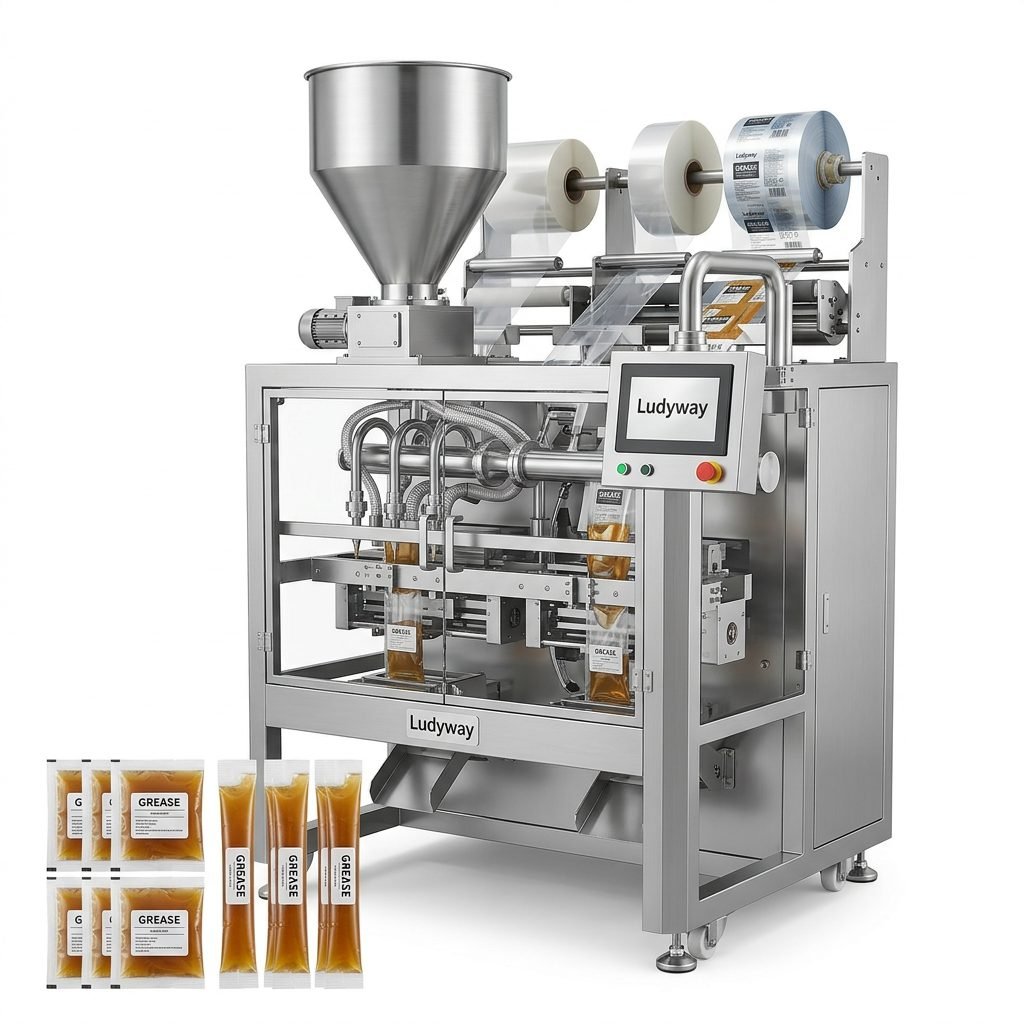
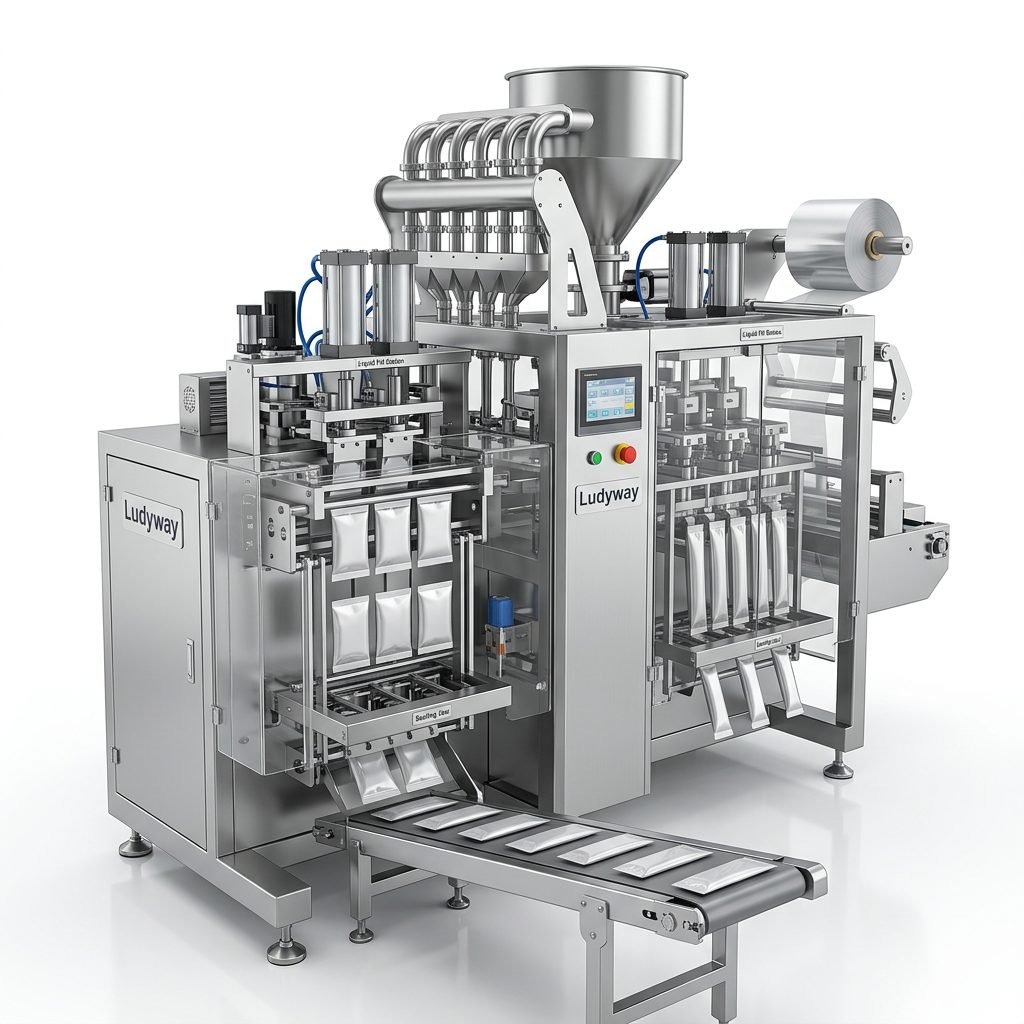
Selecting the right packaging machine supplier is a critical decision that directly impacts your production efficiency, product quality, and overall operational costs. The global market offers a vast array of manufacturers, making the choice challenging. This guide will walk you through the essential factors to consider when choosing the best packaging machine manufacturer for your production line, ensuring you make an informed investment that drives long-term success.
Understanding Your Production Needs
Before you begin evaluating suppliers, you must have a clear understanding of your specific requirements. This foundational step ensures you seek out manufacturers whose expertise aligns with your goals.
Key Questions to Define Your Needs:
→ Product Type: Are you packaging granules, powders, liquids, tablets, or pastes? The material’s characteristics dictate the machine type.
→ Packaging Format: Do you need sachets, stick packs, pouches, bottles, or blister packs?
→ Production Speed (Output): What is your required output in packs per minute or hour? This determines the machine’s capacity.
→ Level of Automation: Are you looking for a semi-automatic machine, a fully automatic single machine, or a complete turnkey production line?
→ Future Scalability: Do you anticipate needing to increase capacity or add new products in the future?
Core Criteria for Evaluating Suppliers
Once your needs are defined, you can assess potential suppliers against these critical criteria.
1. Technical Expertise and Industry Experience
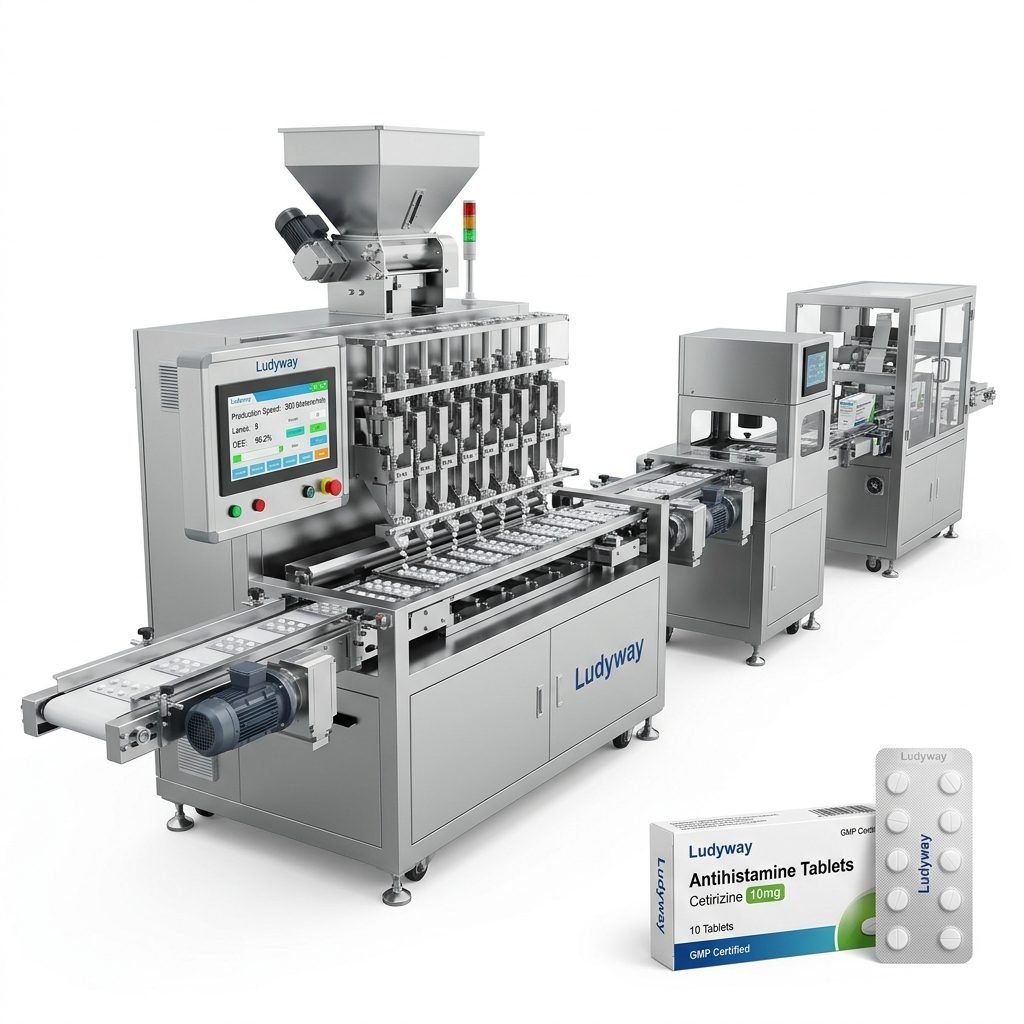
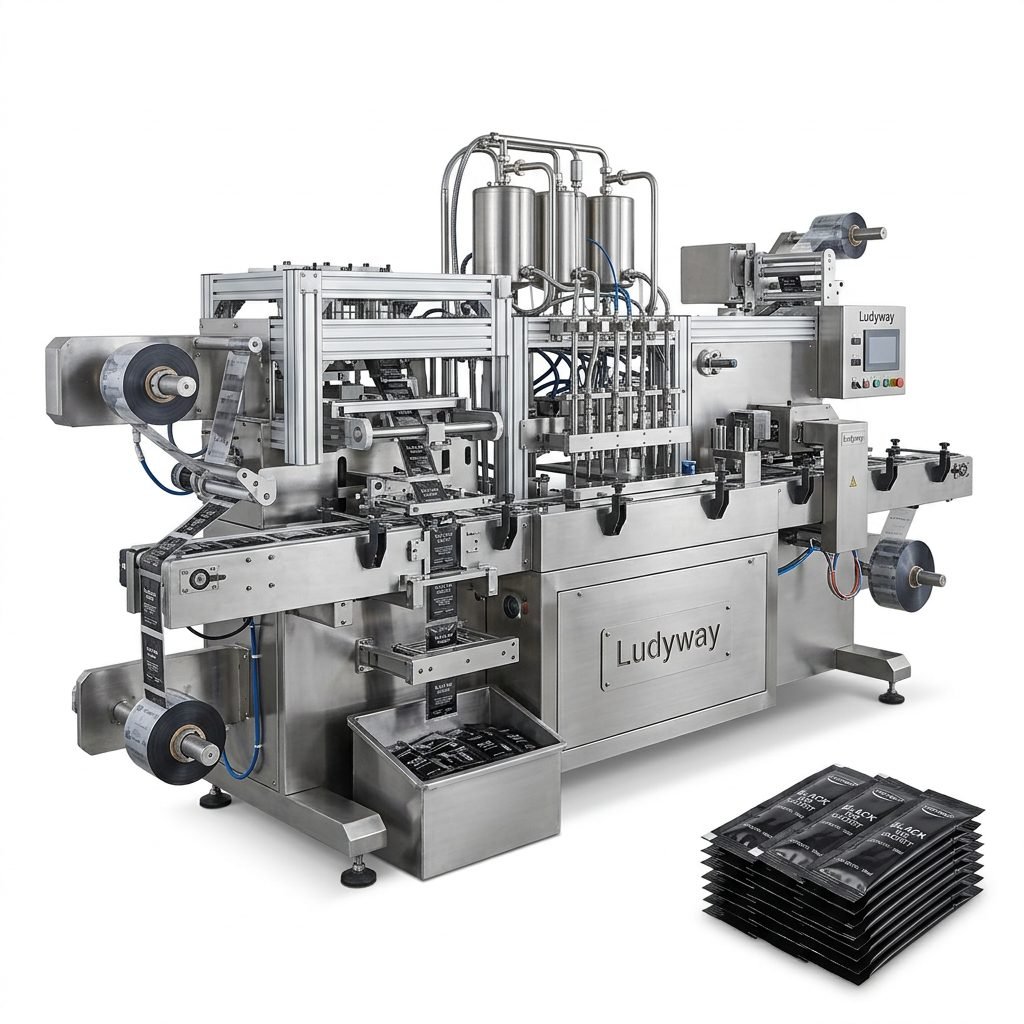
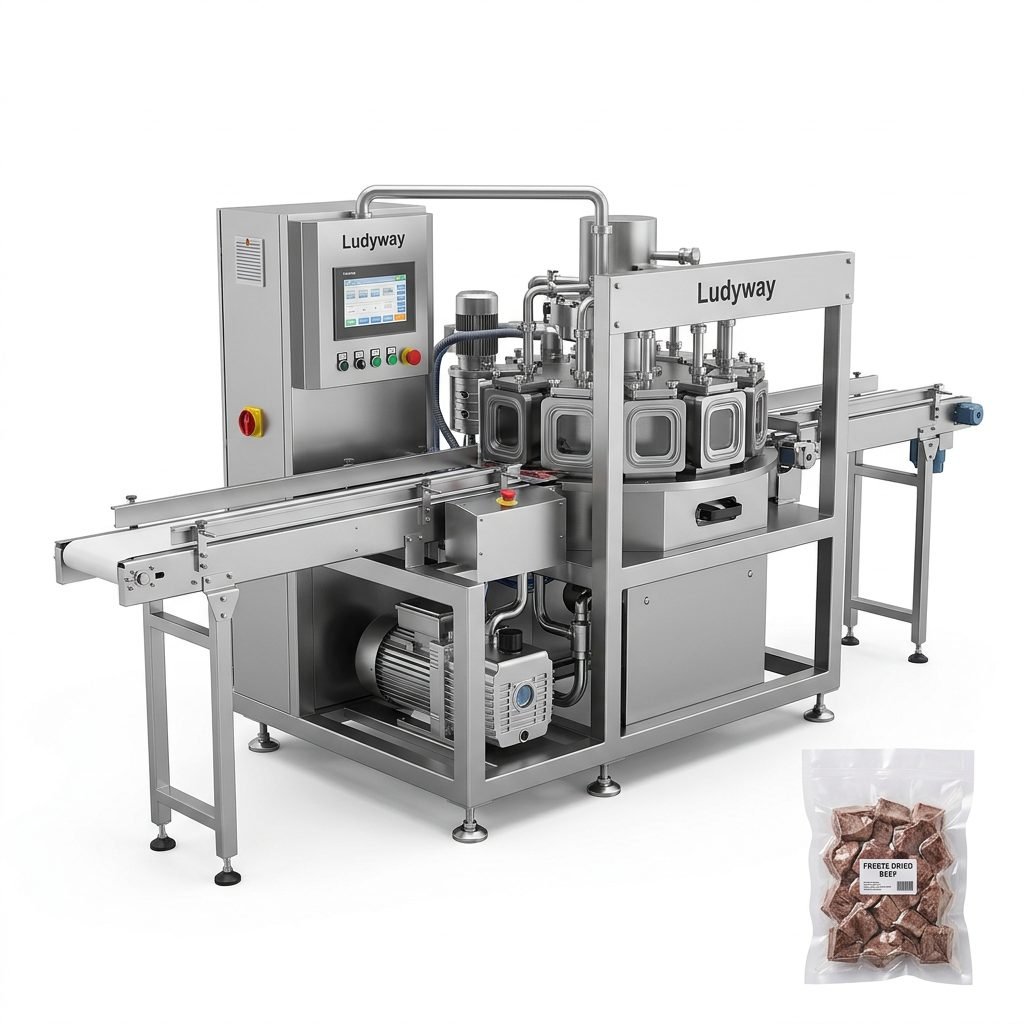
A supplier’s experience is a strong indicator of reliability. Look for a manufacturer with a proven track record in your specific industry, whether it’s food, pharmaceutical, cosmetics, or chemicals. For instance, Ludyway Packing Machine brings over 30 years of focused industry experience to the table, specializing in solutions for food, pharmaceutical, and health products. This deep sector knowledge means they understand unique challenges like hygiene standards, regulatory compliance, and product sensitivity.
2. Range of Machinery and Customization Capability
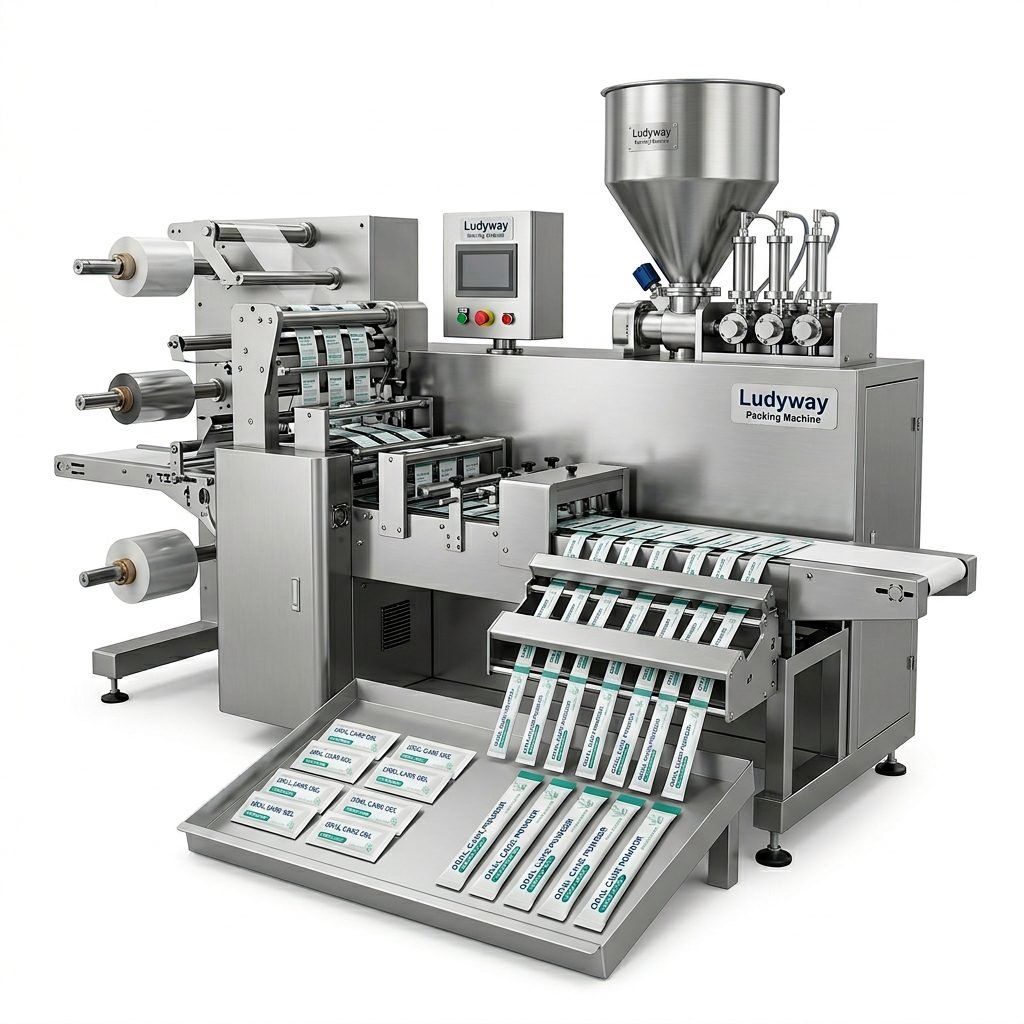
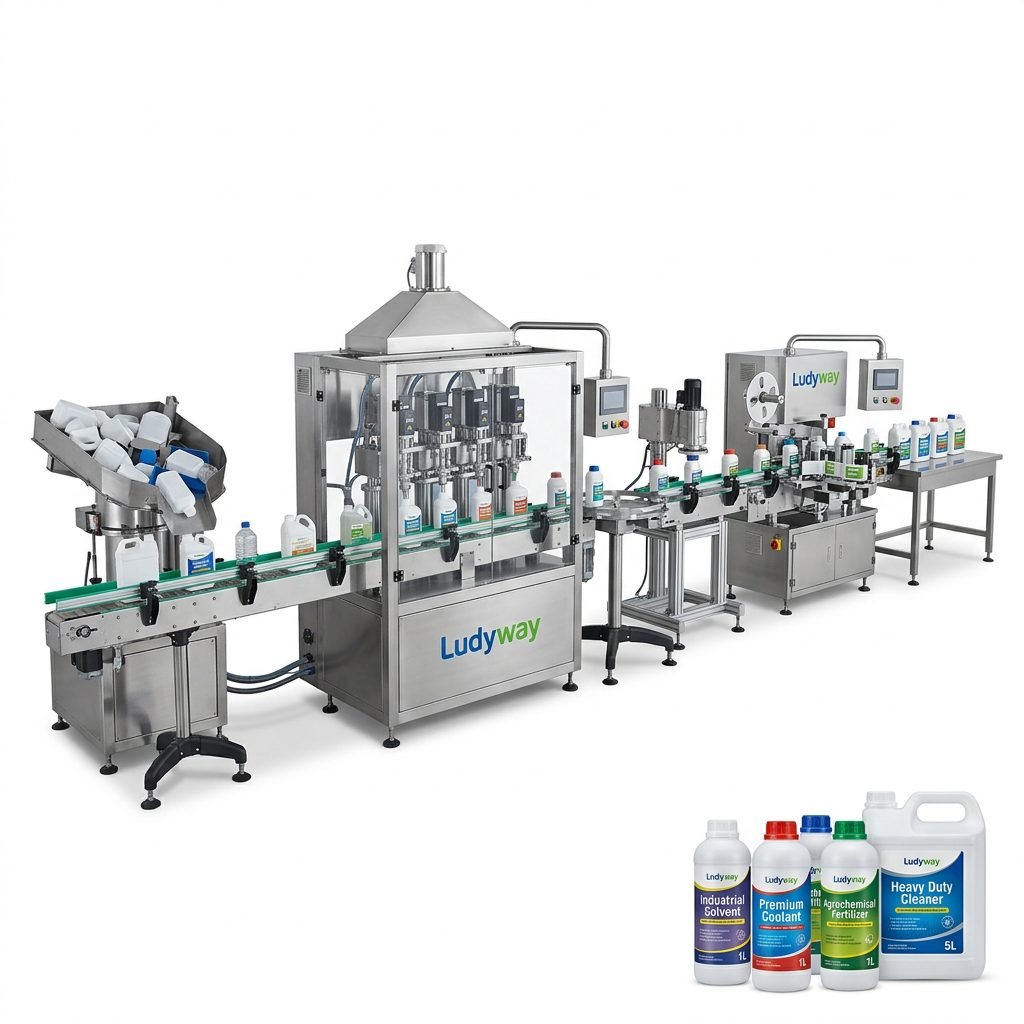
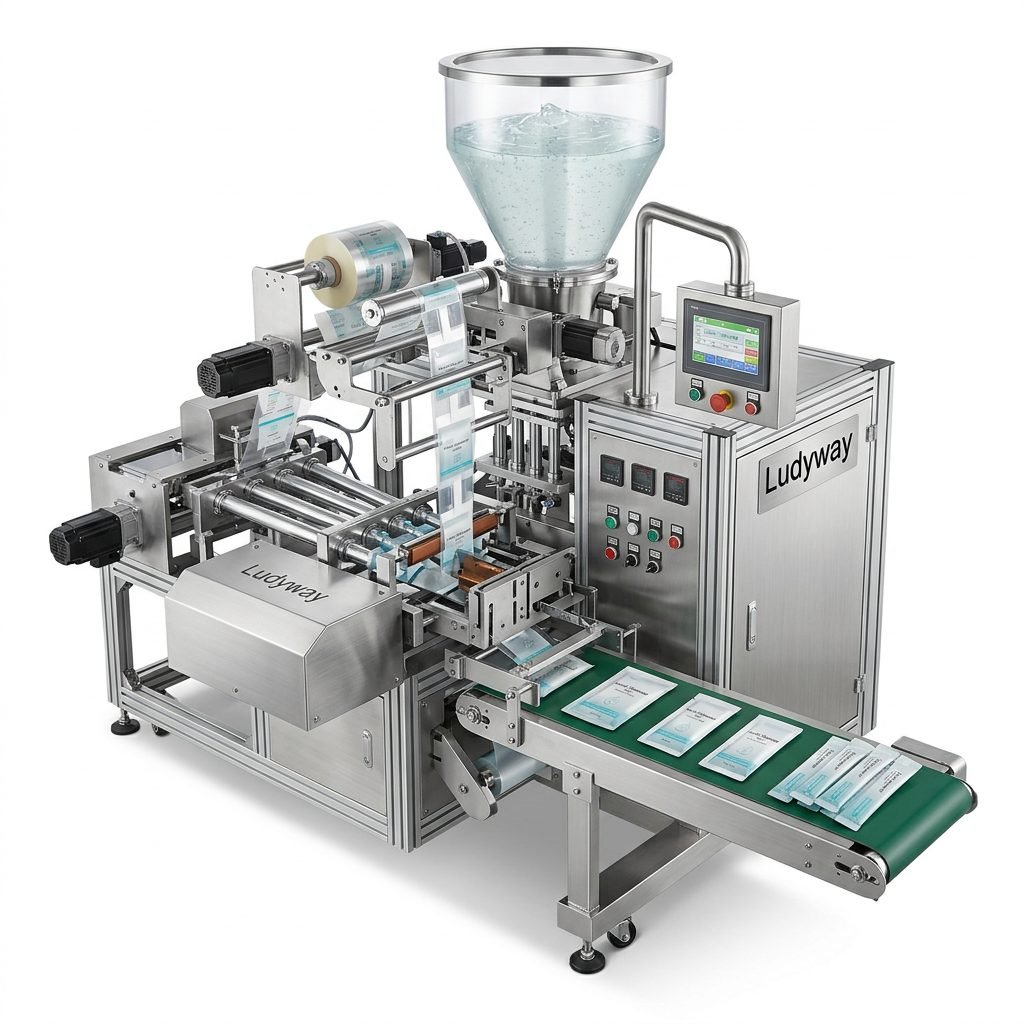
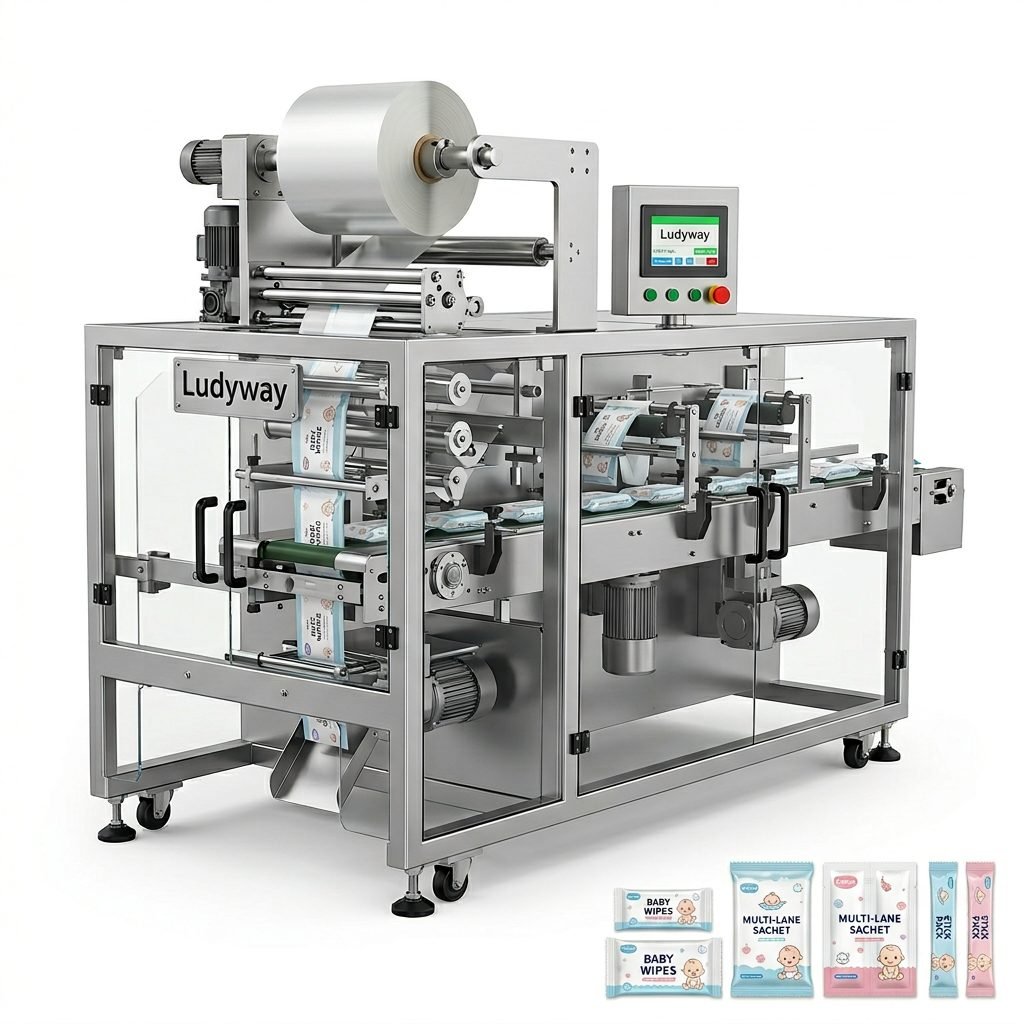
The best suppliers offer a comprehensive portfolio. A wide range of models—from multi-lane stick pack machines to liquid filling lines—suggests strong engineering prowess. More importantly, assess their ability to provide customized solutions. Your production line is unique; the equipment should adapt to your process, not the other way around. Can they modify machine parameters, integrate with existing equipment, or design a bespoke system?
3. Manufacturing Quality and Facility Standards
The quality of the manufacturing facility directly correlates with machine durability and performance. Inquire about the size of their production facility, the technology used in manufacturing, and their quality control processes. A supplier operating from a modern, sizable facility (e.g., a 20,000㎡ plant) typically has better control over supply chains, precision machining, and assembly quality, leading to more robust and reliable machines.
4. After-Sales Support and Service Network
This is often the most overlooked yet crucial factor. A machine is a long-term investment. Evaluate the supplier’s after-sales service structure:
- Do they offer comprehensive installation and commissioning?
- What is the availability of spare parts, and what are the delivery timelines?
- Do they provide operator training and detailed technical documentation?
- Is there a responsive technical support team available for troubleshooting?
A global service network or reliable local partners are vital for minimizing downtime.
5. Financial Stability and Company Reputation
Partnering with a financially stable company ensures they will be around to honor warranties and provide future support. Research their market reputation. Seek out customer testimonials, case studies, and reviews. A reputable supplier like Ludyway, which has served customers worldwide for over a decade, builds its reputation on consistent delivery of innovative and efficient solutions.
The Selection Process: A Step-by-Step Approach
Actionable Steps to Find Your Ideal Partner
Step 1: Longlist Creation. Compile a list of potential suppliers through industry directories, trade shows (like PACK EXPO), and professional referrals.
Step 2: Initial Screening. Review their websites, product catalogs, and company profiles. Filter out those who don’t match your core needs regarding product type and capability.
Step 3: Request for Information (RFI). Send a detailed RFI outlining your requirements. Analyze their responses for clarity, detail, and professionalism.
Step 4: Deep Dive & Quotation. For shortlisted candidates, request a formal quotation. Arrange virtual or in-person meetings to discuss your project in detail. Ask for client references.
Step 5: Factory Audit & Machine Testing. If possible, visit their manufacturing facility. Request a live or video test using a sample of your product. This is the best way to verify performance claims.
Step 6: Final Evaluation & Contract. Compare all factors: technical solution, price, payment terms, delivery time, and service package. Negotiate a clear contract that covers all aspects of supply, installation, and support.
Why Partner with a Specialist Manufacturer?
Choosing a specialist over a general equipment trader offers significant advantages. Specialists possess deeper application knowledge, leading to more optimal machine recommendations. They are more likely to invest in research and development, bringing you the benefits of the latest technology, such as enhanced precision, energy efficiency, and smart IoT connectivity for data monitoring. Their focus on a niche often translates to better overall product quality and more dedicated customer support.
Conclusion
Choosing the best packaging machine supplier is a strategic process that goes beyond comparing price tags. It involves a thorough evaluation of technical expertise, manufacturing quality, customization ability, and the strength of after-sales support. By clearly defining your needs and meticulously vetting potential partners against these criteria, you can establish a productive, long-term partnership that enhances your production line’s reliability, efficiency, and profitability for years to come.
Frequently Asked Questions (FAQs)
Q1: What is the typical lead time for receiving a packaging machine?
Lead times vary significantly based on machine complexity, customization level, and manufacturer backlog. For standard models, it can range from 8 to 16 weeks. Fully customized or turnkey lines may require 20 weeks or more. Always confirm the detailed production and delivery schedule during negotiations.
Q2: Should I choose a local supplier or an international manufacturer?
This depends on your priorities. Local suppliers may offer faster service response and easier communication. International manufacturers, especially those with a global service network, often provide more advanced technology and competitive pricing. The key is to verify the supplier’s ability to support you effectively in your location.
Q3: How important is it to test the machine with my own product before purchase?
It is highly recommended and often critical. A product test run validates the machine’s performance with your specific material characteristics (flowability, density, viscosity) and packaging film. It helps identify any potential issues with dosing accuracy, sealing integrity, or speed before the machine is installed in your factory.
Q4: What are the key components of a good after-sales service agreement?
A comprehensive agreement should include: a clear warranty period (typically 12-24 months), terms for spare parts supply and pricing, response time commitments for technical support, availability of preventive maintenance services, and provisions for operator training. Ensure all verbal promises are documented in the contract.
Q5: Can a single supplier provide the entire packaging line, including ancillary equipment?
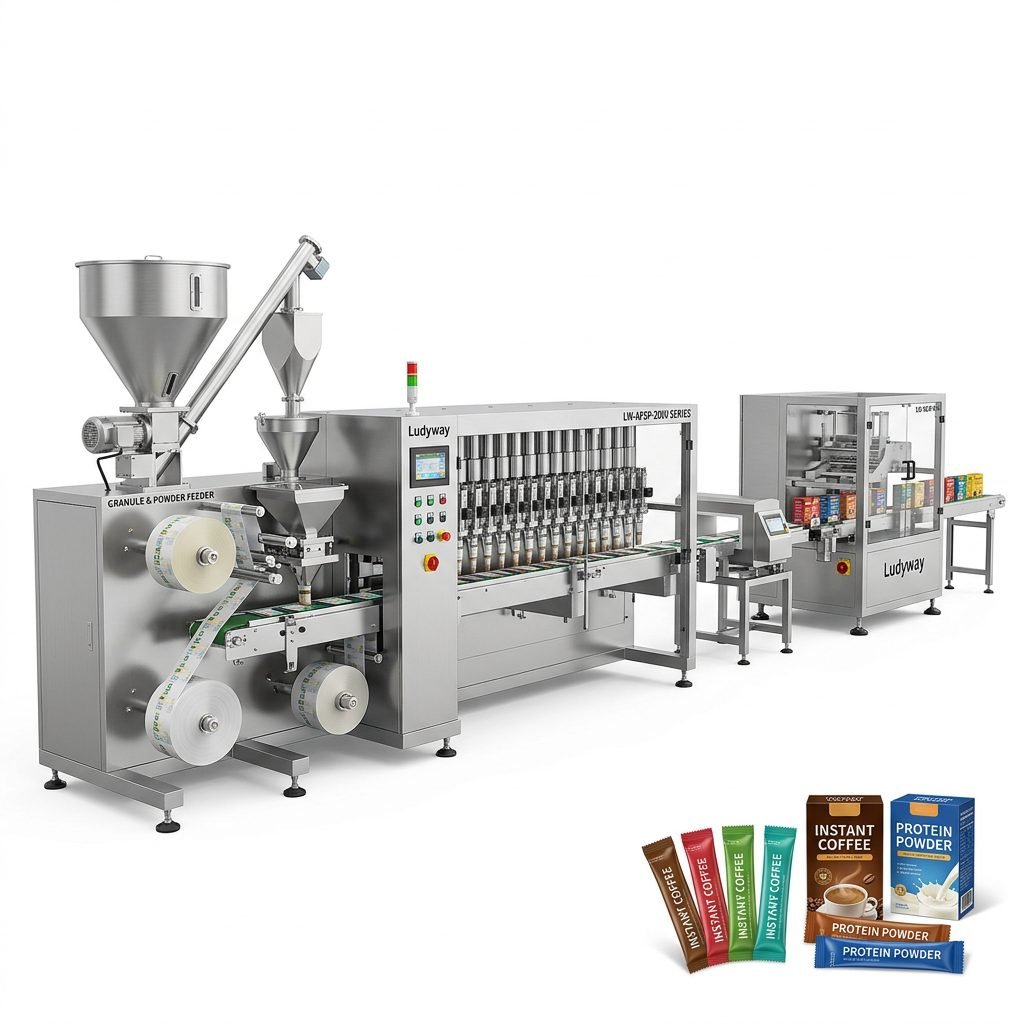
Many leading suppliers, known as turnkey solution providers, can integrate all line components—from the feeding system and packaging machine to checkweighers, labelers, and cartoners. Sourcing from a single provider simplifies project management, ensures compatibility between units, and creates a single point of accountability for service and support.