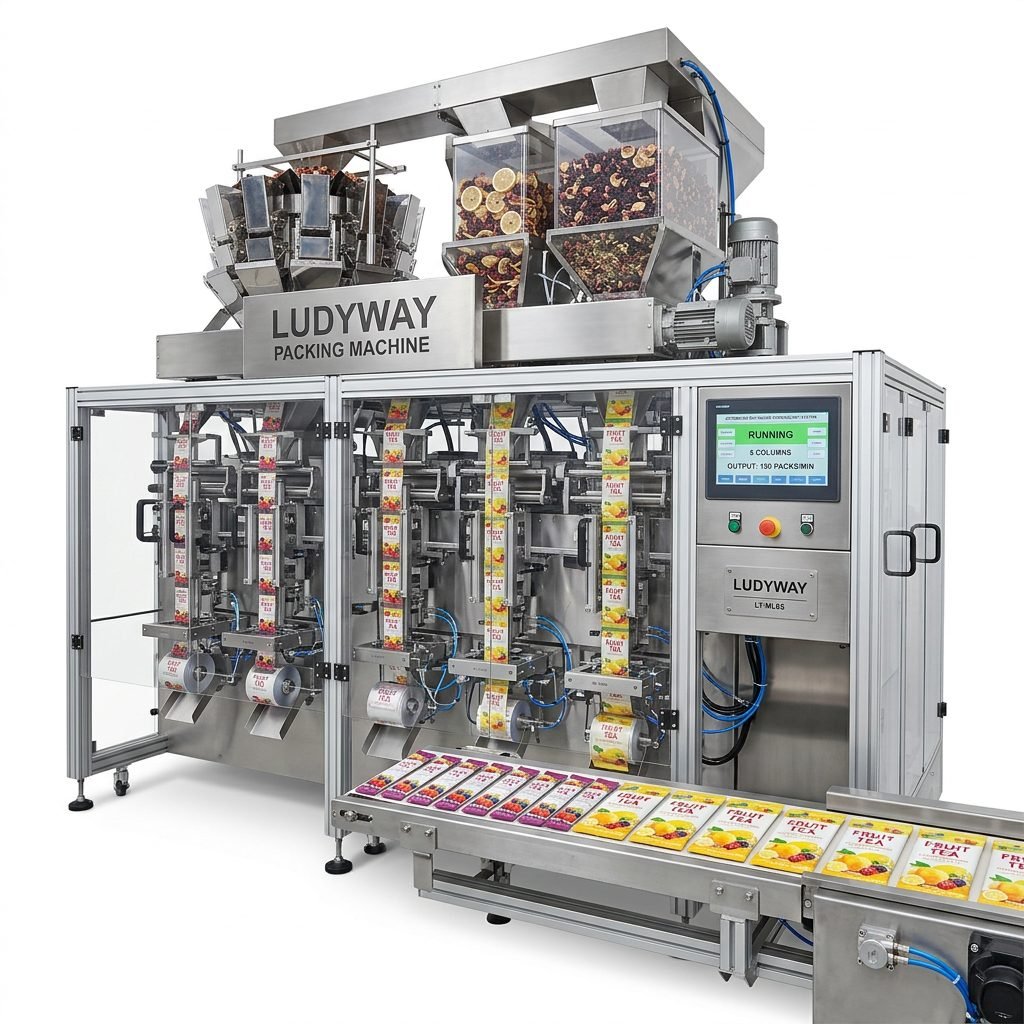
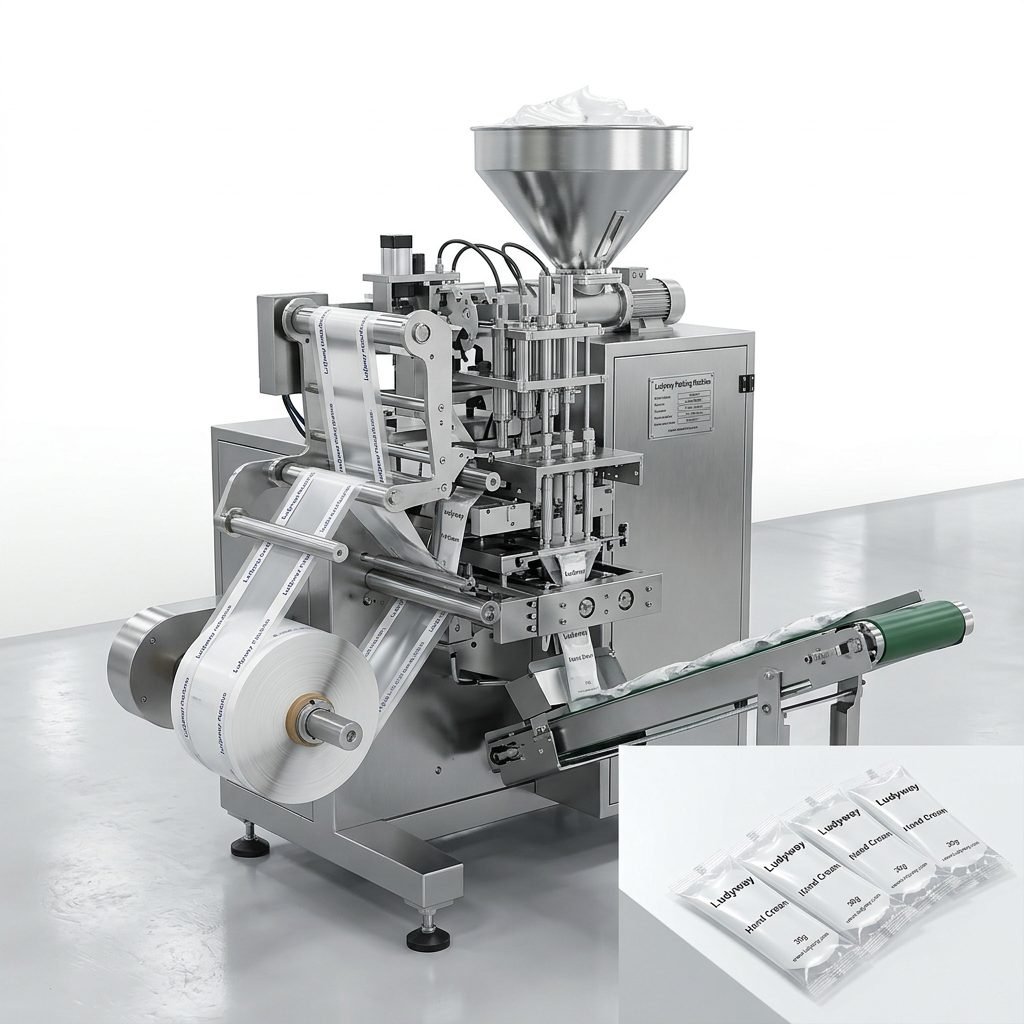
In today’s fast-paced food manufacturing landscape, efficiency, hygiene, and product integrity are paramount. The right food packaging machinery is not just a piece of equipment; it’s the backbone of your production line, directly impacting your operational speed, cost-effectiveness, and brand reputation. From preserving freshness to ensuring safety and enhancing shelf appeal, modern packaging systems are engineered to meet a wide array of demands. This guide delves into the core types of machinery, their significant benefits, and provides a structured framework to help you select the optimal equipment for your specific production needs.
Core Types of Food Packaging Machinery
The world of food packaging equipment is diverse, with machines designed for specific functions, product forms, and packaging styles. Understanding these categories is the first step toward making an informed investment.
1. Primary Packaging Systems
These machines handle the direct contact packaging that contains the food product itself.
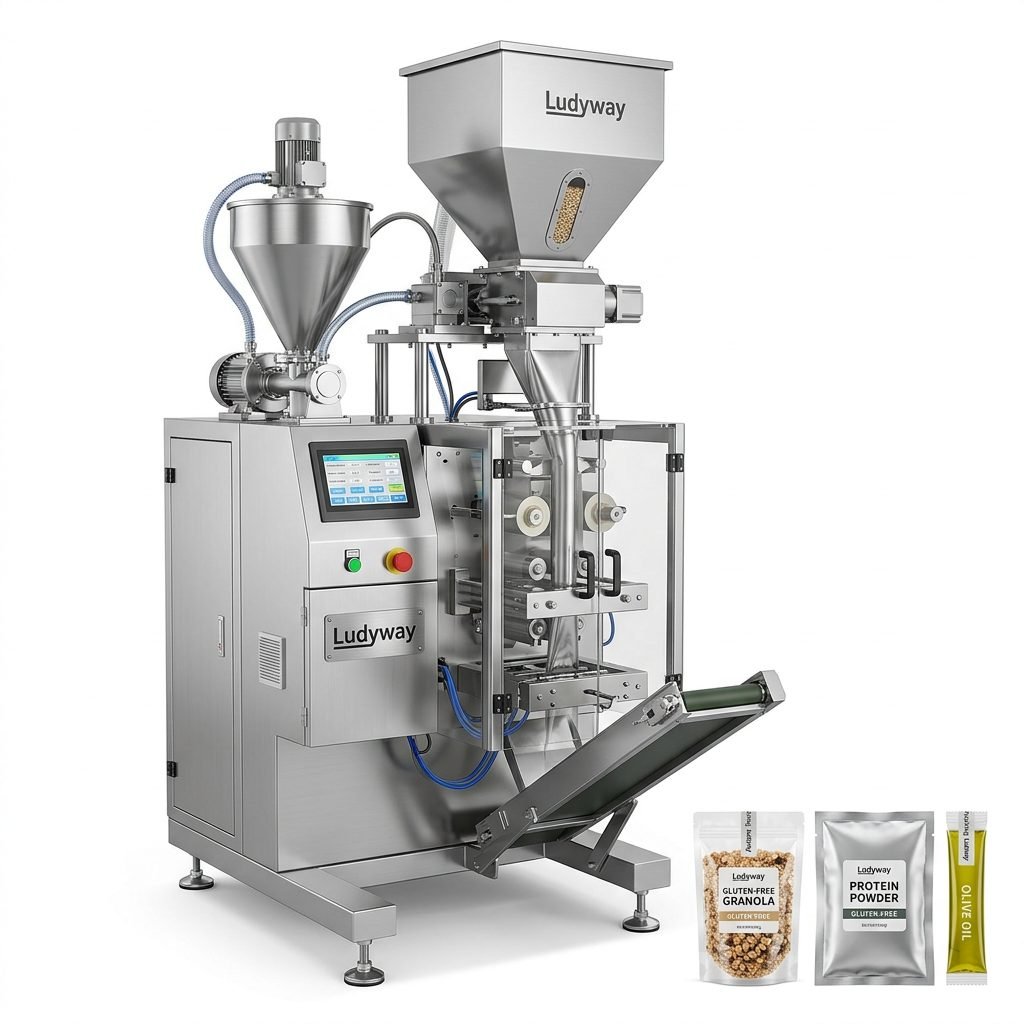
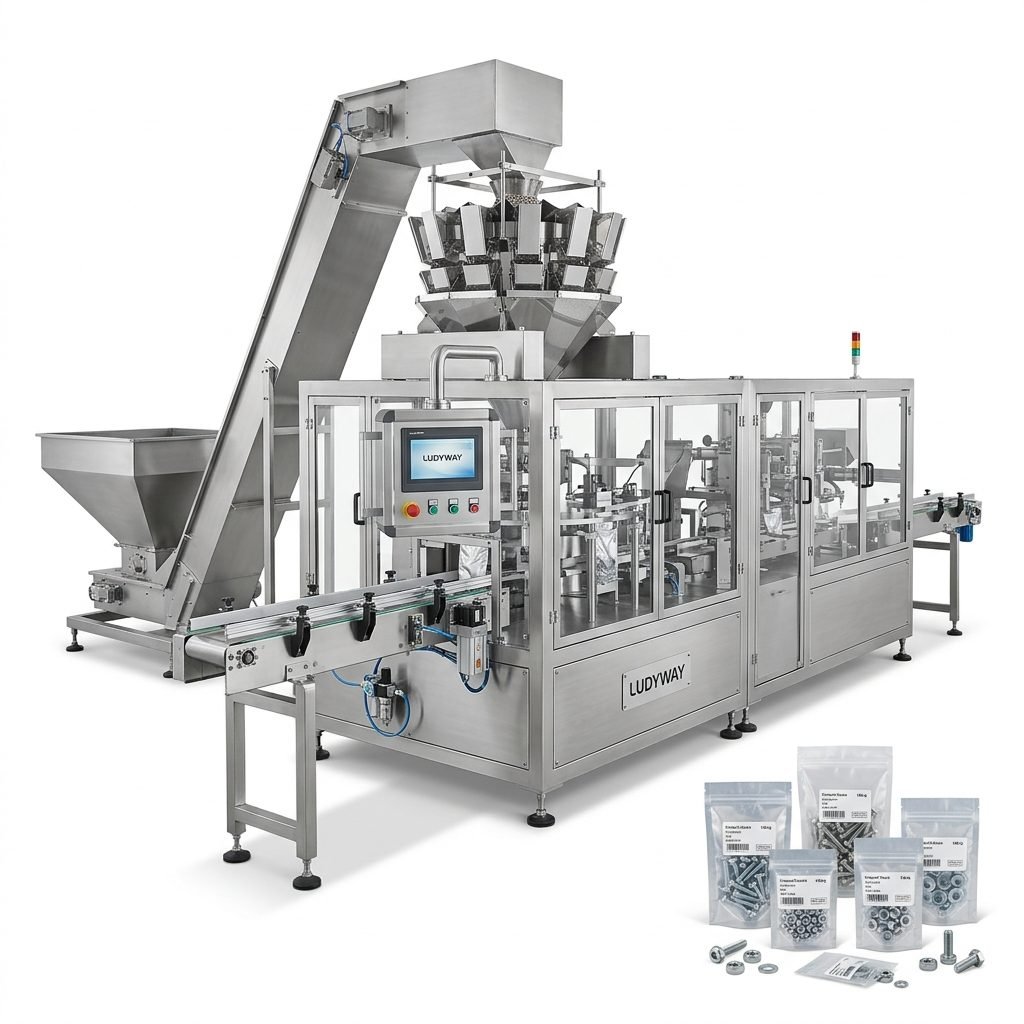
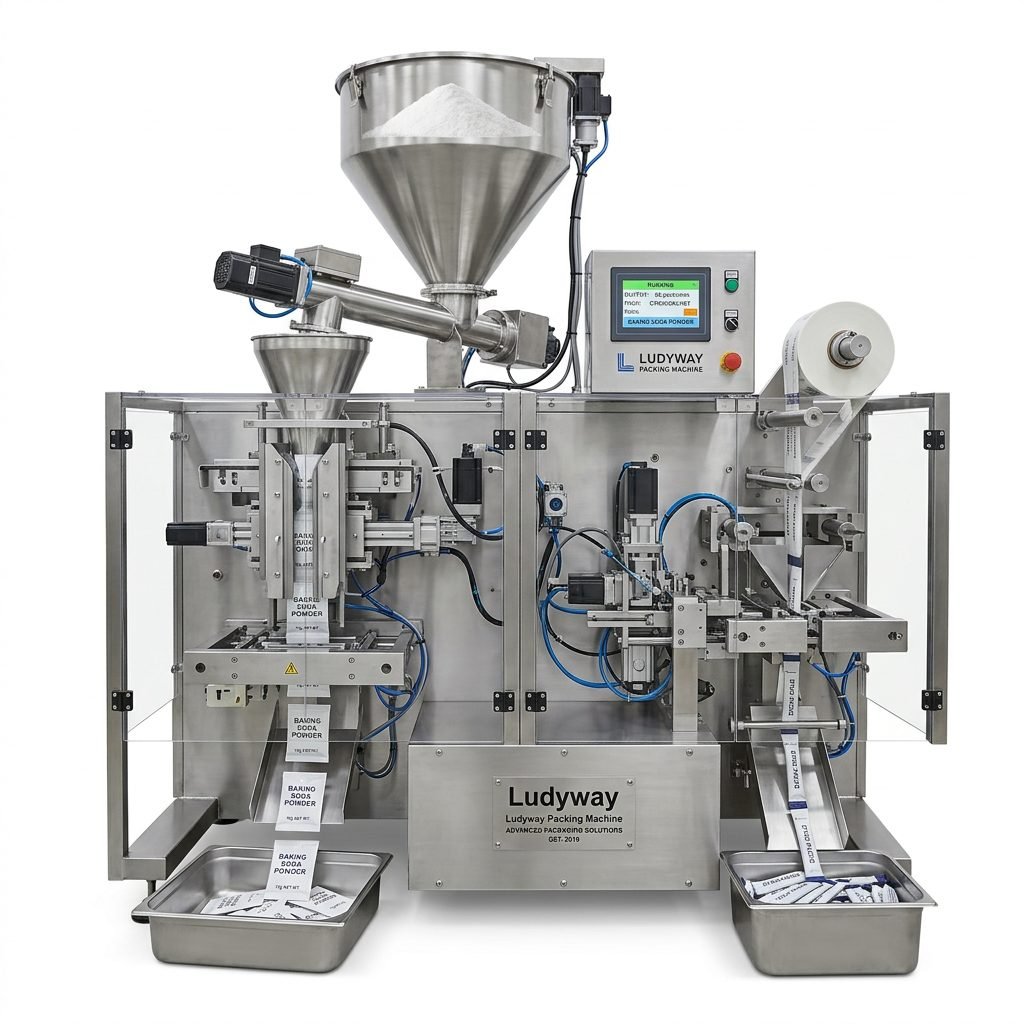
Vertical Form-Fill-Seal (VFFS) Machines: Highly versatile and common, these machines form a bag from a roll of film, fill it with product (like snacks, granules, or powders), and then seal it. They are ideal for high-speed, flexible packaging of free-flowing products.
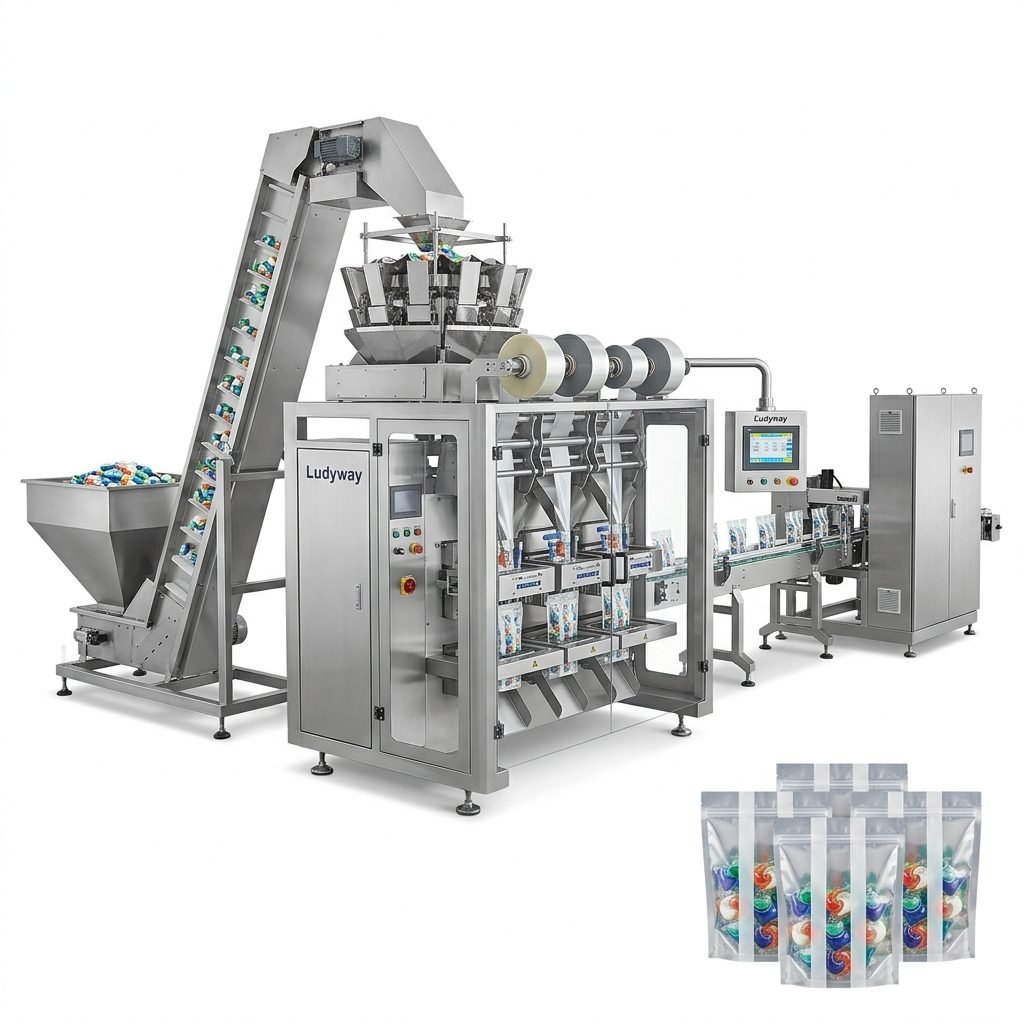
Horizontal Form-Fill-Seal (HFFS) Machines: Often used for more rigid or structured packaging, such as blister packs or trays. The product is placed into pre-formed pockets or trays, which are then lidded with a top film.
Liquid & Pouch Fillers: Specialized for beverages, sauces, oils, and dairy. They precisely fill liquids into bottles, cartons, or stand-up pouches, often incorporating capping, sealing, and labeling in-line.
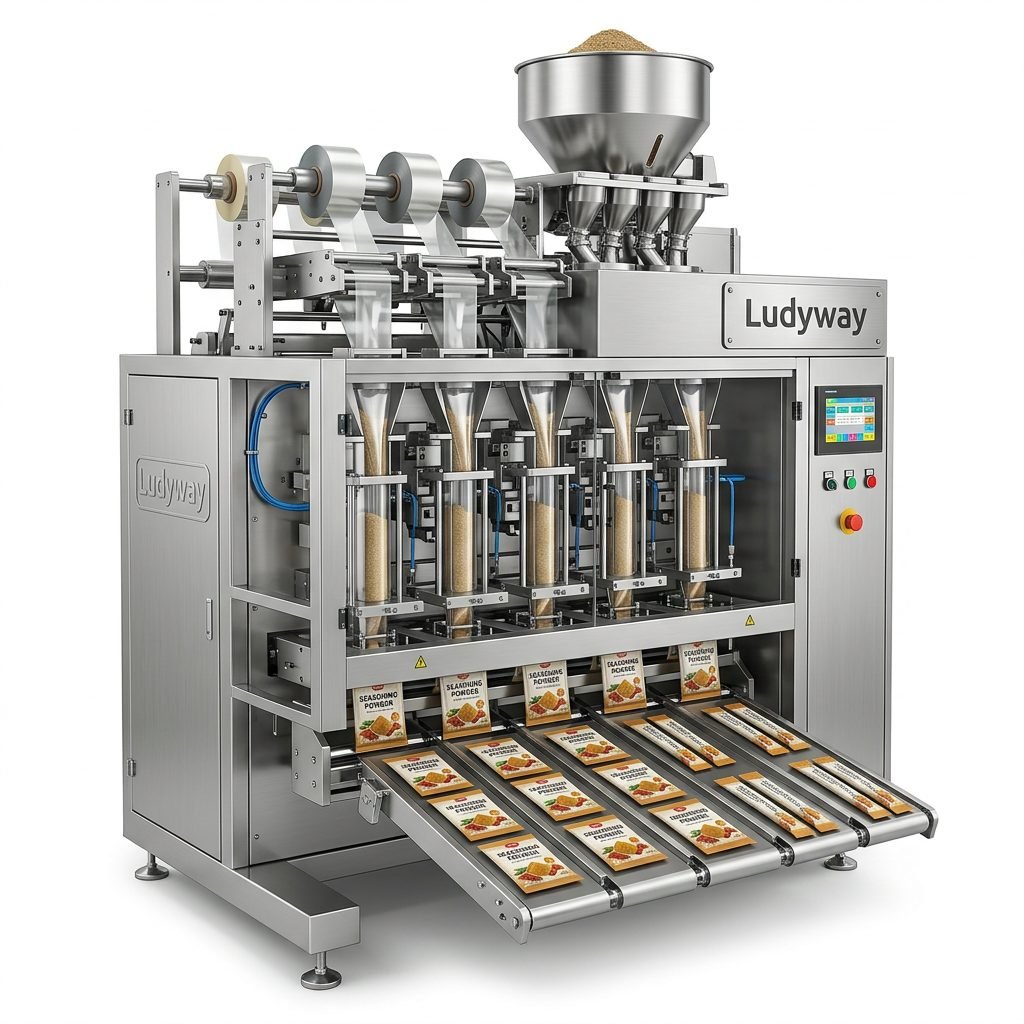
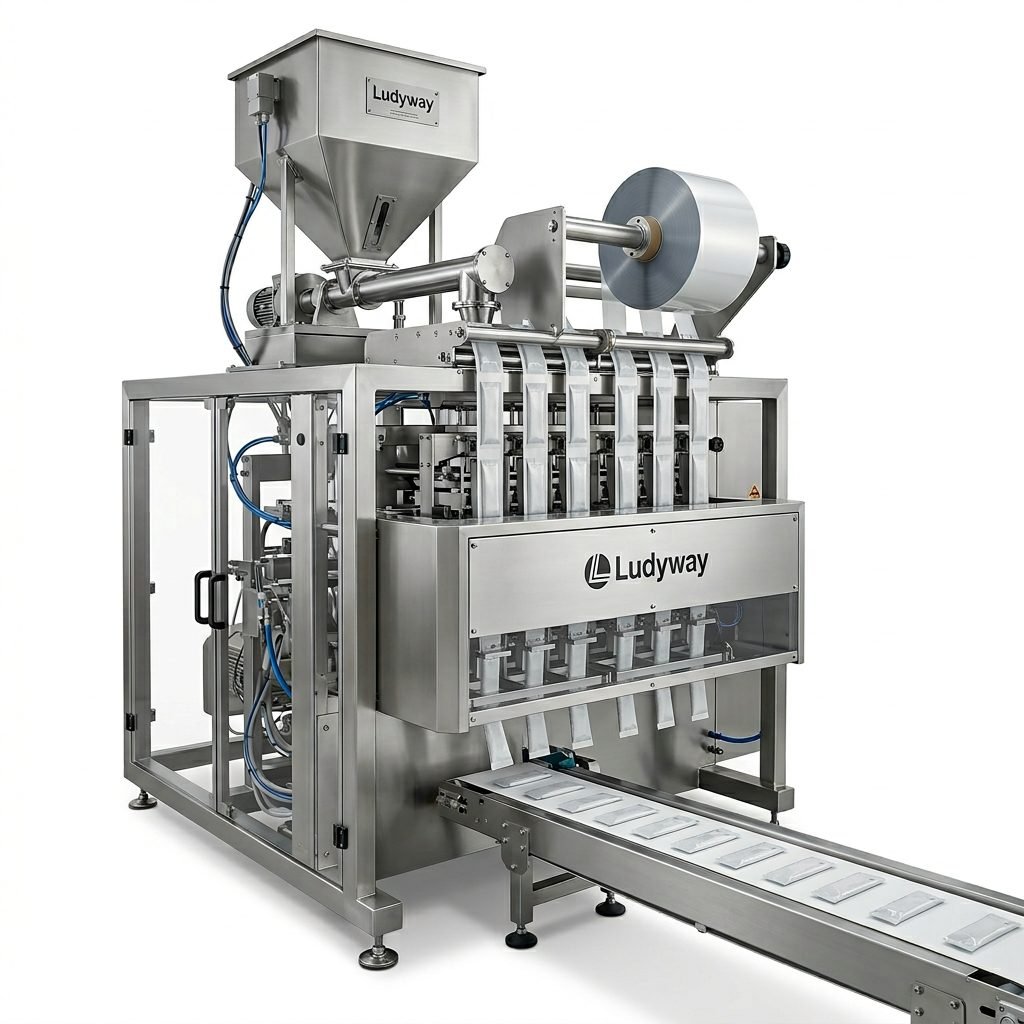
Sachet & Stick Pack Machines: Perfect for single-serve portions of coffee, sugar, condiments, or supplements. These compact machines are designed for high-speed production of small, sealed packets.
2. Secondary & Tertiary Packaging Systems
This equipment handles the bundling and shipping of primary packages.
Cartoning Machines: Automatically erect, load, and close cartons around primary packages.
Case Packers & Palletizers: Case packers load products into shipping cases, while palletizers arrange these cases onto pallets for stable transport.
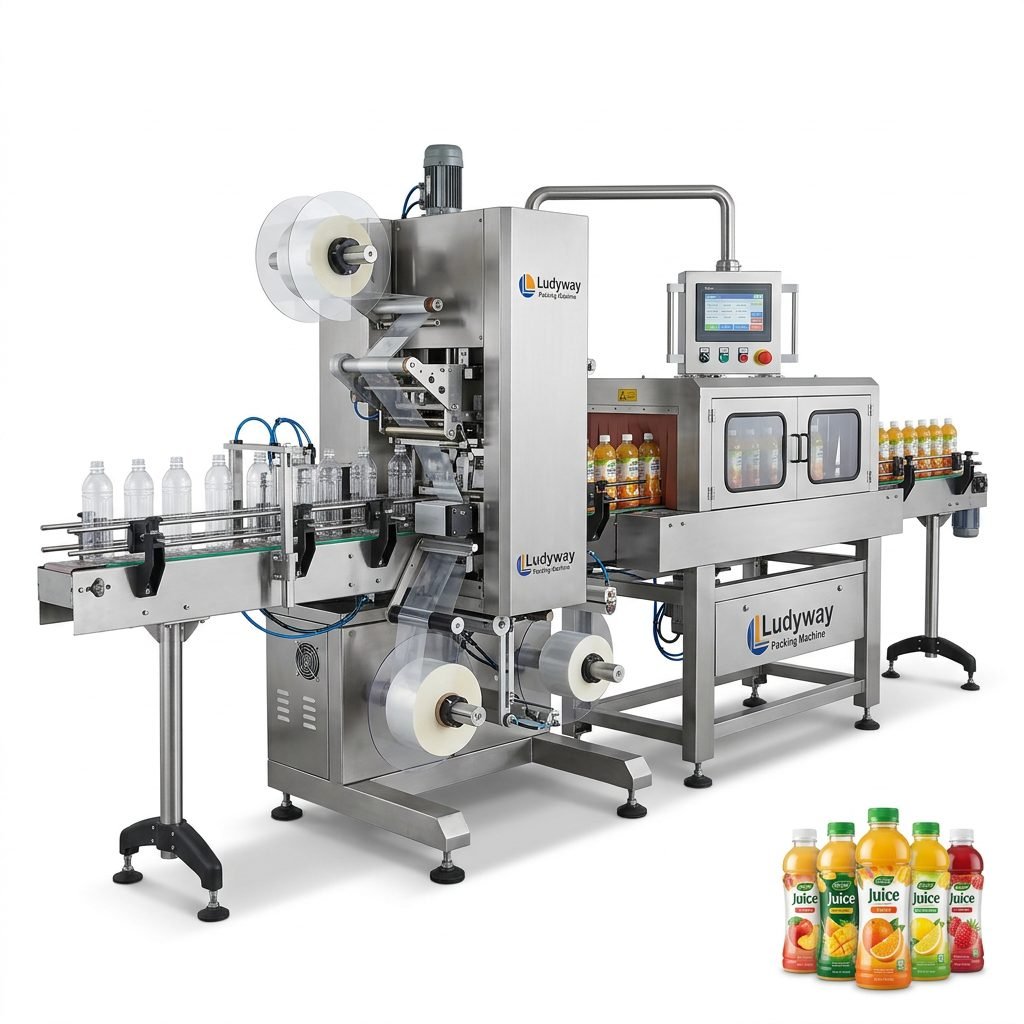
Shrink Wrappers & Bundlers: Use heat to apply a tight plastic film around multiple products, creating secure bundles for retail sale or shipping.
Tangible Benefits of Automated Packaging Machinery
Investing in modern packaging automation yields significant returns across multiple facets of your business.
Enhanced Productivity & Speed
Automated machines operate at consistent, high speeds far beyond manual capabilities. A single vertical form-fill-seal machine can produce hundreds of packages per minute, drastically increasing output and meeting large order demands efficiently.
Superior Consistency & Quality Control
Machines eliminate human error in critical steps like filling weight, seal integrity, and placement. Every package is identical, ensuring consistent product presentation, accurate portion control, and reliable seals that extend shelf life and prevent contamination.
Significant Cost Reduction
While the initial investment is notable, automation reduces long-term labor costs, minimizes material waste through precise application, and decreases product giveaway via accurate filling. The overall cost per unit drops substantially at scale.
Improved Safety & Hygiene
Automated systems limit direct human contact with food products, a crucial factor for compliance with strict food safety standards like HACCP, FDA, and GMP. This reduces contamination risks and enhances workplace safety by handling repetitive or strenuous tasks.
Operational Flexibility
Many modern machines are designed for quick changeovers. With adjustable parameters and modular tooling, you can switch between different package sizes, shapes, or products with minimal downtime, allowing you to respond quickly to market trends.
How to Choose the Right Equipment for Your Line
Selecting machinery is a strategic decision. Follow this step-by-step framework to ensure your investment aligns with your goals.
Step 1: Define Your Product & Packaging Specifications
- Product Characteristics: Is it solid, granular, powder, or liquid? What is its viscosity, density, and flowability?
- Packaging Format & Material: Determine your desired package (pouch, bottle, stick pack, tray) and the film/container material (PET, PE, aluminum laminate, etc.).
- Production Speed & Volume: Calculate your required output in packages per minute/hour/shift. Consider both current needs and projected growth.
Step 2: Assess Integration with Existing Operations
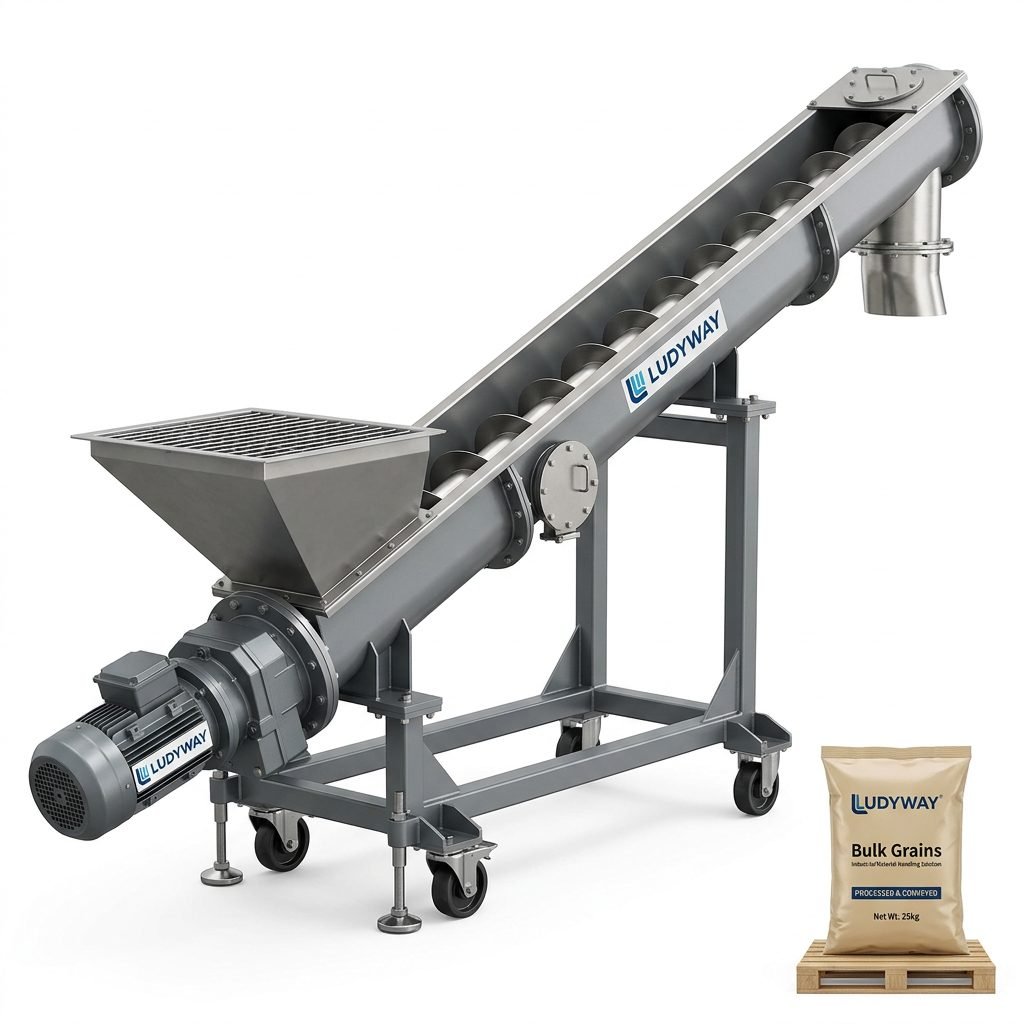
The new machine must fit seamlessly into your current workflow. Consider the available floor space, utility requirements (power, air, water), and how it will connect to upstream (e.g., mixing) and downstream (e.g., cartoning) processes. A turnkey solution provider can be invaluable for designing a cohesive line.
Step 3: Evaluate Machine Features & Technology
Look beyond the basic function. Prioritize features that add value:
✔ Precision Weighing/Filling: Servo-driven systems offer superior accuracy.
✔ User-Friendly HMI: An intuitive touchscreen interface simplifies operation and changeovers.
✔ Robust Construction: Stainless steel contact parts and a sturdy frame ensure durability and ease of cleaning.
✔ Safety & Compliance: Ensure the machine meets relevant industry safety and sanitary standards.
Step 4: Analyze Total Cost of Ownership (TCO) & ROI
The purchase price is just one component. Factor in installation, training, maintenance, spare parts, energy consumption, and expected downtime. A slightly more expensive but more reliable and efficient machine from a reputable supplier with strong engineering support often delivers a faster and greater return on investment through higher uptime and lower operating costs.
Step 5: Prioritize Supplier Support & Service
The relationship with your machinery supplier is critical. Choose a partner who offers comprehensive after-sales service, including:
- Detailed installation and operator training.
- Readily available technical support and spare parts.
- Clear warranty terms and preventive maintenance programs.
Conclusion
Selecting the ideal food packaging machinery is a multifaceted process that demands careful analysis of your product, output goals, and operational environment. By understanding the different machine types, recognizing the full spectrum of benefits automation brings, and methodically following a selection framework focused on integration, TCO, and supplier reliability, you can make a confident investment. The right equipment will become a powerful driver for your business, enhancing efficiency, ensuring quality, and providing the scalability needed for future growth in the competitive food industry.
Frequently Asked Questions (FAQs)
1. What is the typical lead time for receiving a new packaging machine?
Lead times vary significantly based on machine complexity, customization, and manufacturer backlog. For standard models, expect 8-16 weeks. Highly customized or turnkey lines may require 20 weeks or more. Always confirm timelines with your supplier during the quotation process.
2. Can one machine handle multiple different products or package sizes?
Yes, many machines are designed for flexibility. Look for models with “quick changeover” features, such as interchangeable forming tubes, servo-driven adjustments saved in recipes, and tool-less change parts. This allows you to switch between similar products or different package dimensions with minimal downtime, often in under 30 minutes.
3. How important is after-sales service when choosing a supplier?
Extremely important. The machine’s long-term performance and uptime depend heavily on the supplier’s support. Prioritize suppliers who offer comprehensive training, readily available phone/online support, a local stock of common spare parts, and scheduled preventive maintenance visits. Good service minimizes costly production stoppages.
4. What are the key maintenance requirements for packaging machinery?
Daily cleaning and visual inspection are essential. Regular maintenance includes lubricating moving parts as per the manual, checking and replacing worn seals or gaskets, calibrating weighing systems, and inspecting electrical components. Following the manufacturer’s prescribed preventive maintenance schedule is crucial for longevity and consistent performance.
5. How do I ensure the machine meets food safety and regulatory standards?
Specify that the machine must be constructed with food-grade materials (e.g., 304 or 316 stainless steel for product contact zones) and designed for easy cleaning and inspection (with smooth surfaces and minimal crevices). Request documentation proving compliance with relevant standards like USDA, FDA, EHEDG, or CE directives applicable to your region.