Selecting the right pharmaceutical packaging machine is a critical decision that impacts product integrity, regulatory compliance, production efficiency, and overall operational cost. This guide provides a comprehensive overview of the different types of equipment, their key features, and a structured approach to choosing the best machinery for your specific pharmaceutical packaging needs.
Primary Types of Pharmaceutical Packaging Machines
The pharmaceutical industry utilizes a diverse range of packaging machinery, each designed for specific formats and production volumes. Understanding these core types is the first step in the selection process.
Blister Packaging Machines
Blister packaging is ubiquitous for unit-dose solid oral medications like tablets and capsules. These machines form a cavity (blister) from a roll of thermoformable film, place the product into the cavity, and then seal it with a lidding material, often aluminum foil. Modern blister packers are highly automated and can integrate with cartoning lines.
Bottle Filling and Capping Lines
For liquid formulations (syrups, suspensions) and large quantities of tablets or capsules, bottle filling lines are essential. This is typically a multi-machine system comprising a rinser, filler, capper, and labeler. Systems can handle plastic or glass bottles with high precision, ensuring accurate fill volumes and tamper-evident seals.
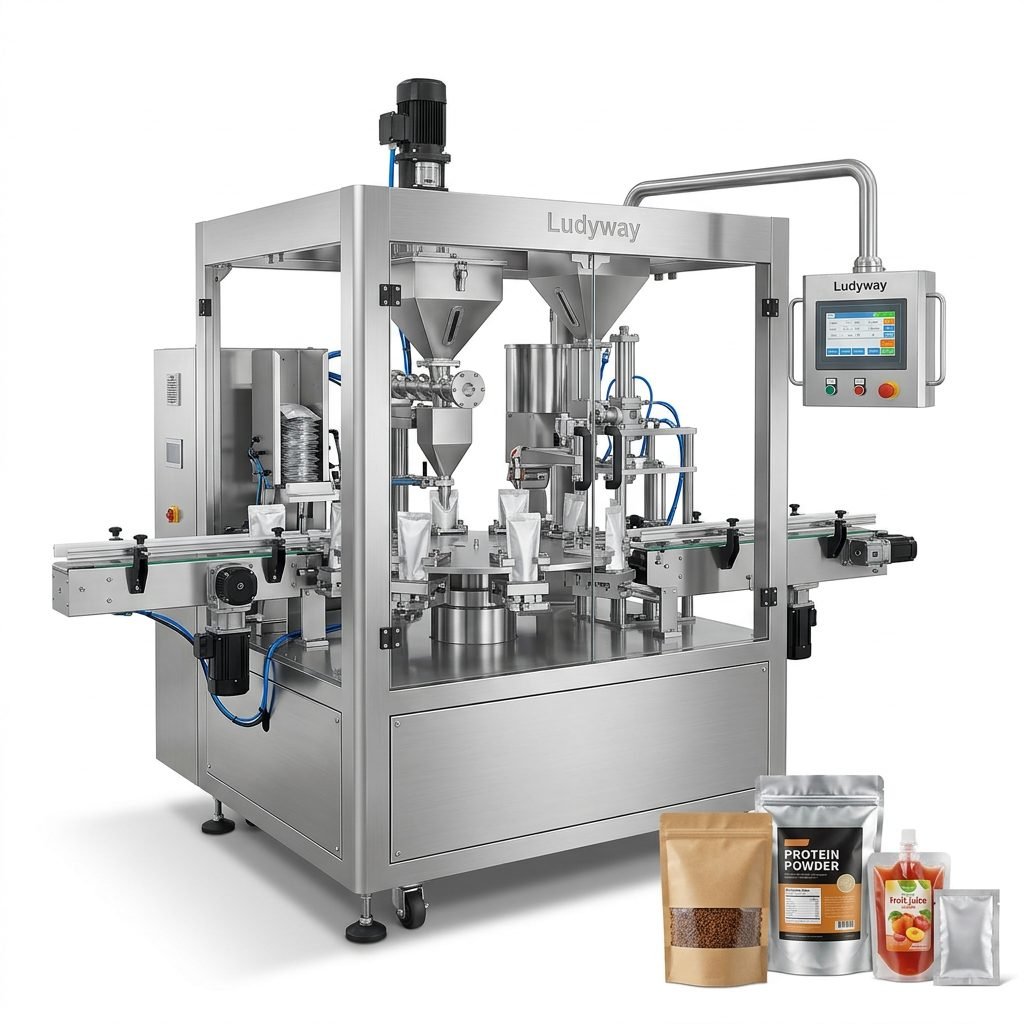
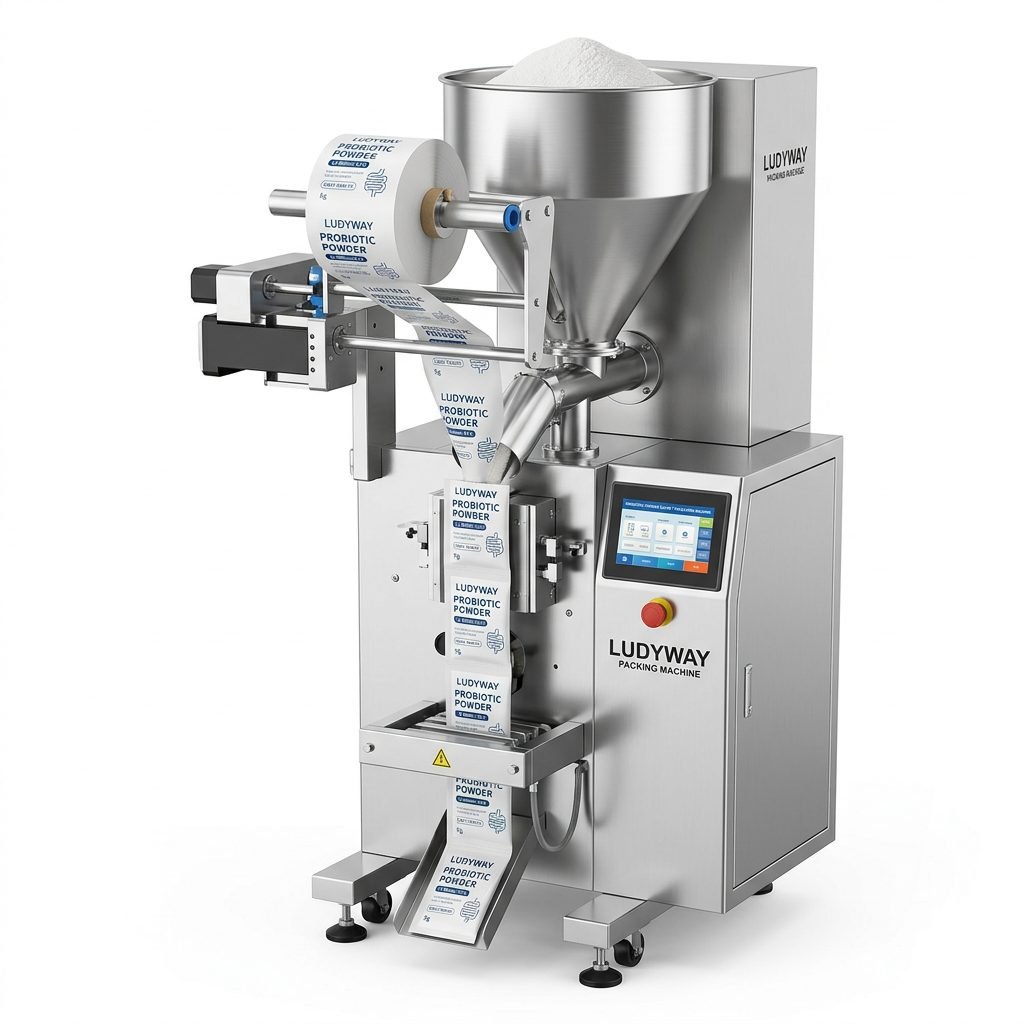
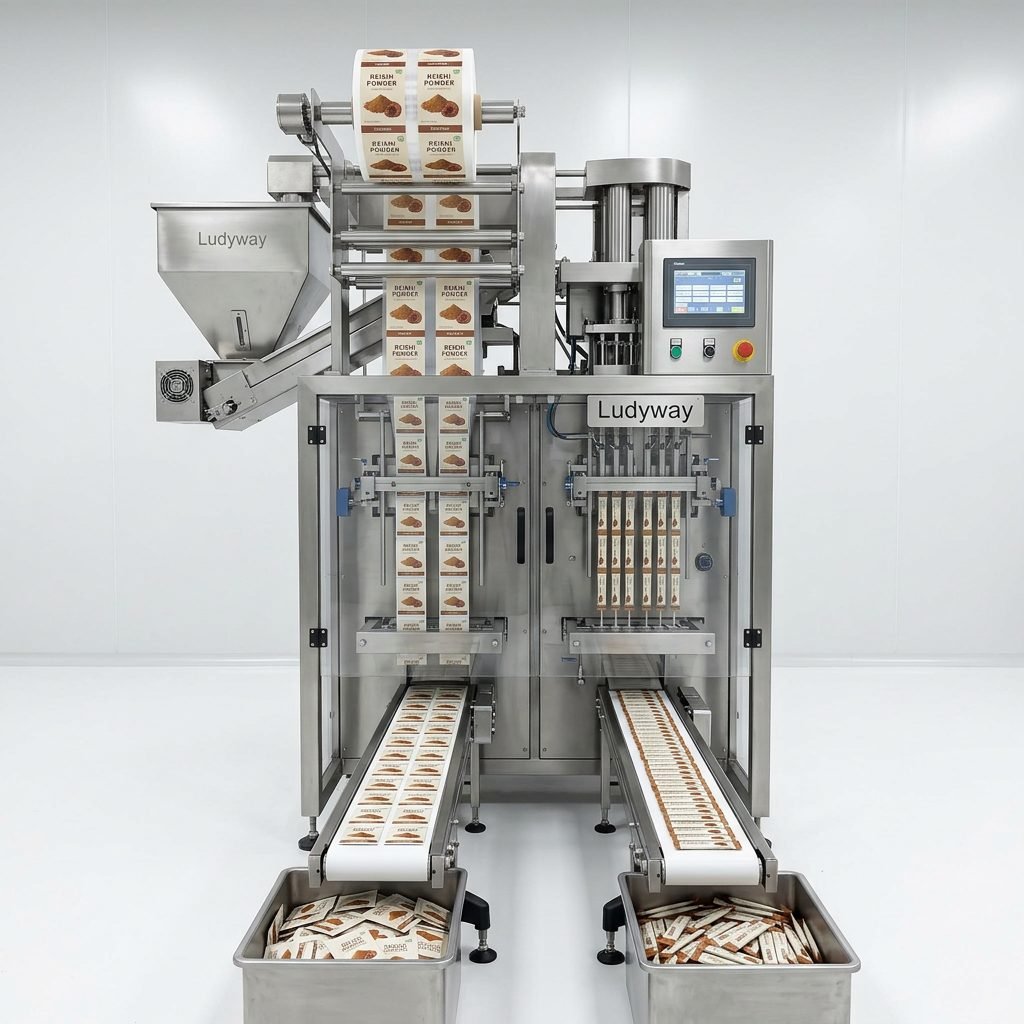
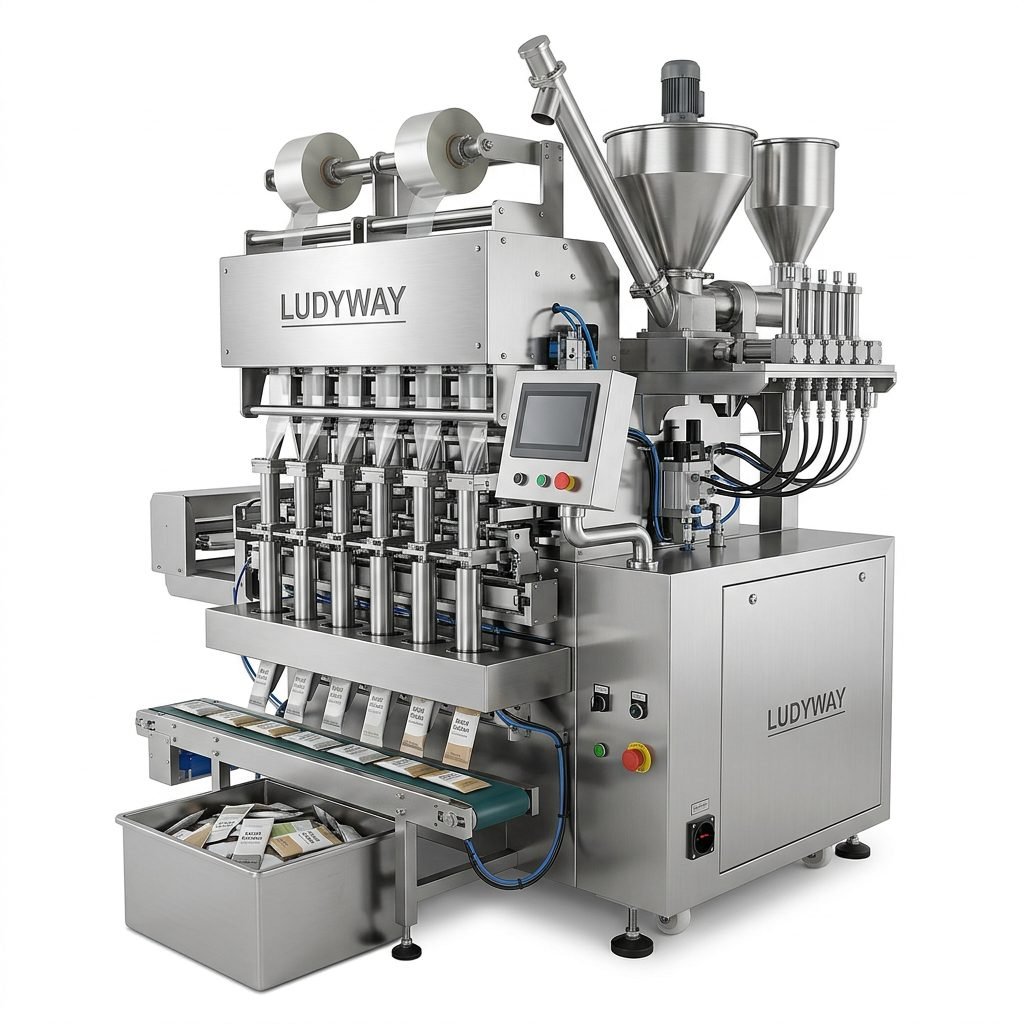
Sachet and Pouch Packaging Machines
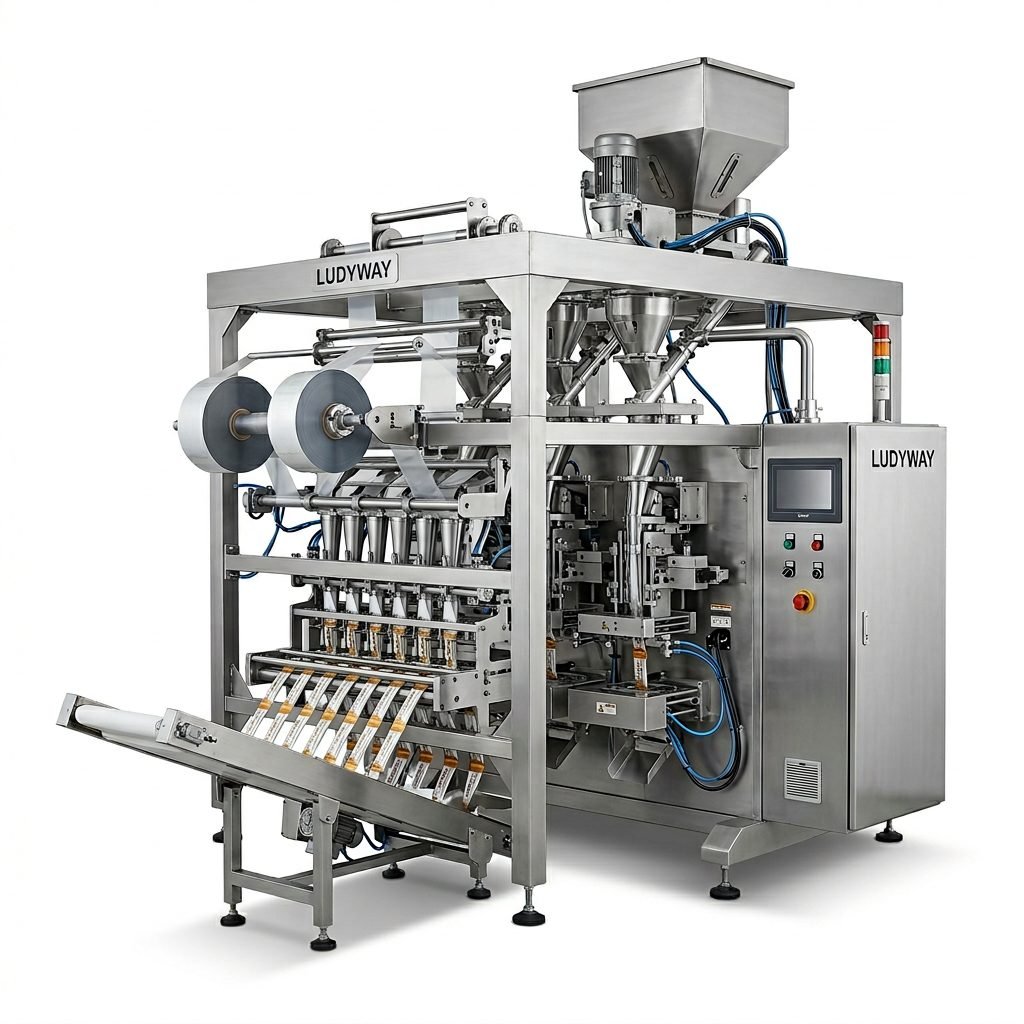
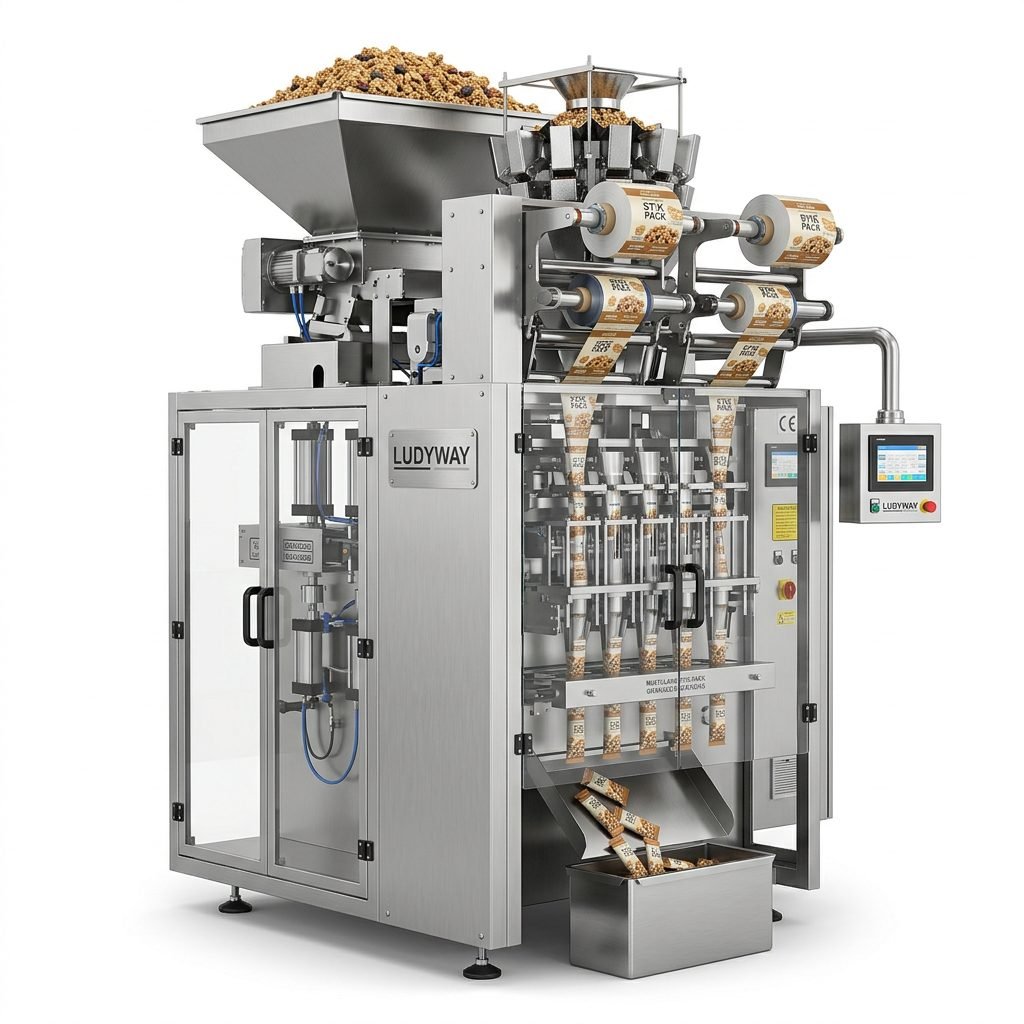
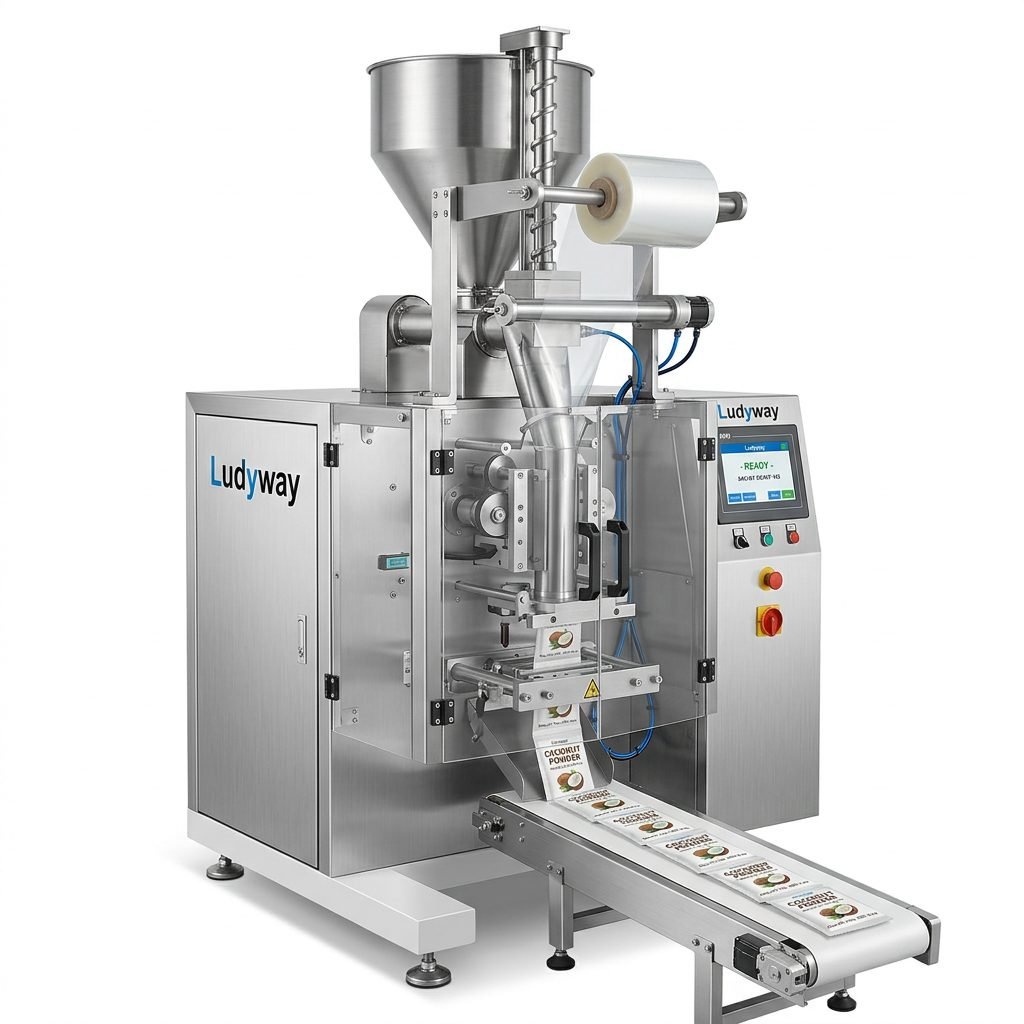
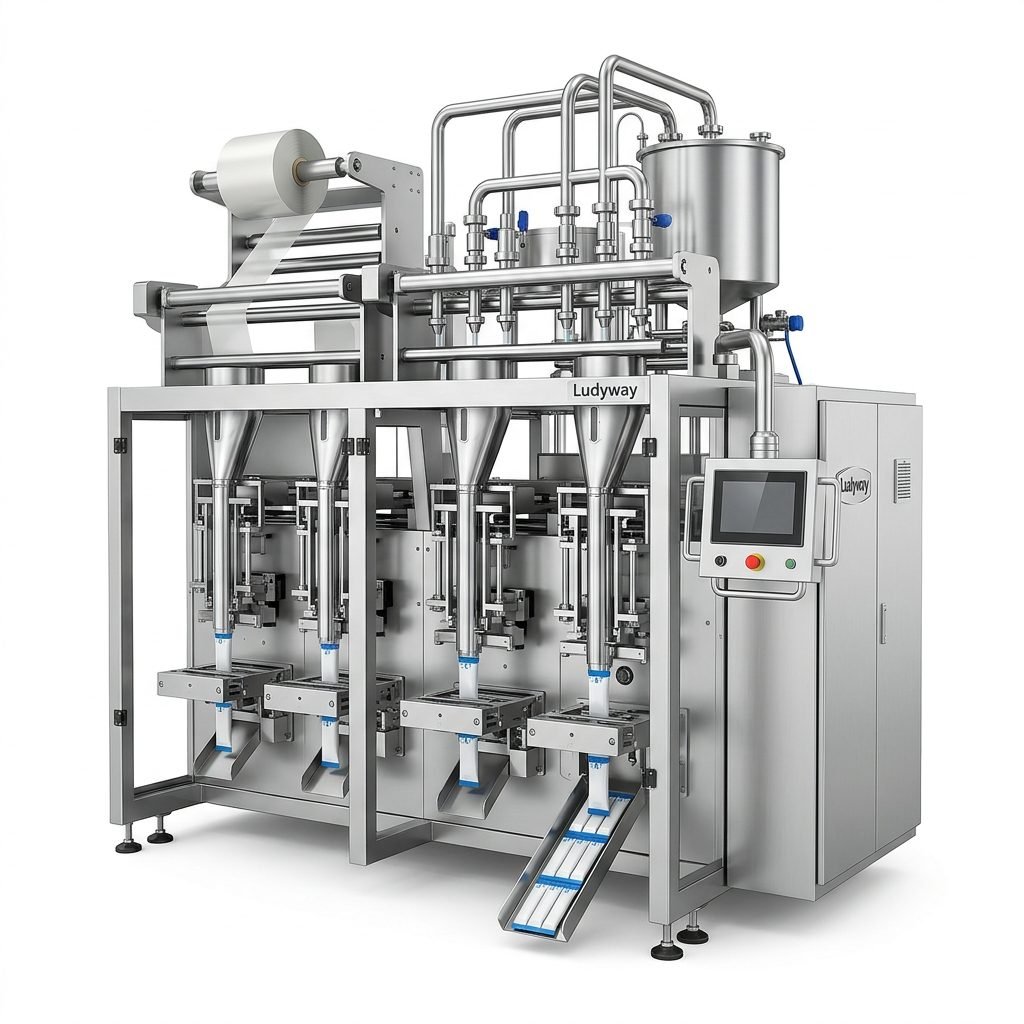
Ideal for single-dose powders, granules, or liquids (e.g., oral rehydration salts, effervescent powders). These machines form, fill, and seal packets from roll stock film. They are valued for their excellent barrier properties and patient convenience. Vertical form-fill-seal (VFFS) machines are the most common type for this application.
Cartoning Machines
These machines erect folding cartons, insert the primary packaged product (blister packs, bottles, vials), along with leaflets, and close the carton. They are crucial for secondary packaging and can apply lot numbers, expiry dates, and barcodes.
Ampoule, Vial, and Syringe Fillers
Used for sterile injectable products. These are highly specialized, often isolator-based or located in cleanrooms (ISO 5/Class A). They perform washing, sterilization, filling, and sealing under aseptic conditions with extreme accuracy to prevent contamination.
Critical Features and Technological Considerations
Beyond the machine type, several features define performance, compliance, and suitability.
1. Accuracy and Precision
For pharmaceuticals, dosage accuracy is non-negotiable. Look for machines with high-precision servo drives, advanced weighing systems (for powders/granules), and volumetric or peristaltic pumps (for liquids) that meet pharmacopeial standards.
2. Material Compatibility and Flexibility
The machine must handle your specific packaging materials—films, foils, laminates, bottles—without causing stress, tears, or seal weaknesses. Quick-changeover features are vital for production lines running multiple product SKUs.
3. Compliance with Regulatory Standards
Machinery must facilitate compliance with cGMP (Current Good Manufacturing Practice), FDA 21 CFR Part 211, and other regional regulations like EU GMP Annex 1. Key aspects include:
✔ Easy-to-clean design with no product traps (sanitary design).
✔ Construction from compliant materials (e.g., 316L stainless steel for contact parts).
✔ Comprehensive documentation (DQ, IQ, OQ, PQ).
✔ Data integrity features for audit trails.
4. Automation and Integration Level
From semi-automatic benchtop units to fully automated lines with robotic pick-and-place, vision inspection systems, and track-and-trace serialization, the automation level dictates labor requirements and output. Integration with a Manufacturing Execution System (MES) is increasingly important.
5. Speed and Output Capacity
Match the machine’s speed (packs per minute) to your current and forecasted production volumes. Over-specifying can lead to unnecessary capital expense, while under-specifying creates bottlenecks.
How to Choose the Right Pharmaceutical Packaging Equipment
A systematic selection process mitigates risk and ensures a sound investment.
Step 1: Define Your Product and Packaging Requirements
Start with absolute clarity on: Product form (tablet, powder, liquid, sterile). Primary packaging format (blister, bottle, sachet, vial). Required output (units per shift/day). Material specifications (film type, thickness). Any special needs (light protection, child resistance, senior-friendly).
Step 2: Evaluate Compliance and Validation Needs
Determine the regulatory landscape for your target markets. Engage with suppliers early to discuss validation support, documentation packages, and their experience with regulatory audits. The supplier’s reputation for compliance is as important as the machine itself.
Step 3: Assess Total Cost of Ownership (TCO)
Look beyond the initial purchase price. Calculate TCO by including: Installation and commissioning costs. Costs of spare parts and consumables (like change parts). Energy consumption. Expected maintenance labor and downtime. Potential costs for future upgrades or retrofits.
Step 4: Analyze Supplier Capability and Support
Choose a partner, not just a vendor. Evaluate: Their industry experience and client references, especially in pharma. Availability of local service engineers and technical support. Training programs for your operators and maintenance staff. Lead times for spare parts. Their financial stability and commitment to the industry.
Step 5: Request Factory Acceptance Testing (FAT)
Always insist on witnessing a FAT. This is your opportunity to see the machine run with your actual (or representative) product and materials. Test its performance, speed, changeover procedures, and safety features before it leaves the factory.
Step 6: Plan for Installation and Operational Qualification
Work with the supplier to develop a clear plan for site installation, IQ (verifying correct installation), and OQ (verifying operational performance per specifications). A smooth qualification process is critical for getting your line operational and compliant on schedule.
Common Questions (FAQ)
What is the most important factor when choosing a pharma packaging machine?
While many factors are critical, regulatory compliance and validation support are paramount. A machine that is fast and cheap but cannot be validated or audited is unusable in a pharmaceutical environment.
How long does it typically take to commission and validate a new packaging line?
The timeline varies greatly based on complexity. A simple stand-alone machine may take 4-8 weeks from order to production, while a complex, integrated aseptic filling line can take 12-18 months or more, with validation being a significant portion of that time.
Can one machine handle different package sizes or products?
Yes, through change parts and recipe management on modern servo-driven machines. However, changeover time and complexity vary. Discuss your flexibility needs in detail with the supplier to ensure the machine design supports efficient changeovers.
What are the key maintenance requirements for these machines?
Preventive maintenance is essential. This typically includes daily cleaning, weekly lubrication of guide rails and bearings, and periodic inspection/seal replacement. Always follow the manufacturer’s recommended maintenance schedule to ensure longevity and consistent performance.
How do I future-proof my packaging equipment investment?
Select machines with a modular design and upgradeable control systems (e.g., PLCs with spare I/O). Consider potential future needs for serialization, higher speeds, or integration with broader factory automation systems at the time of purchase.