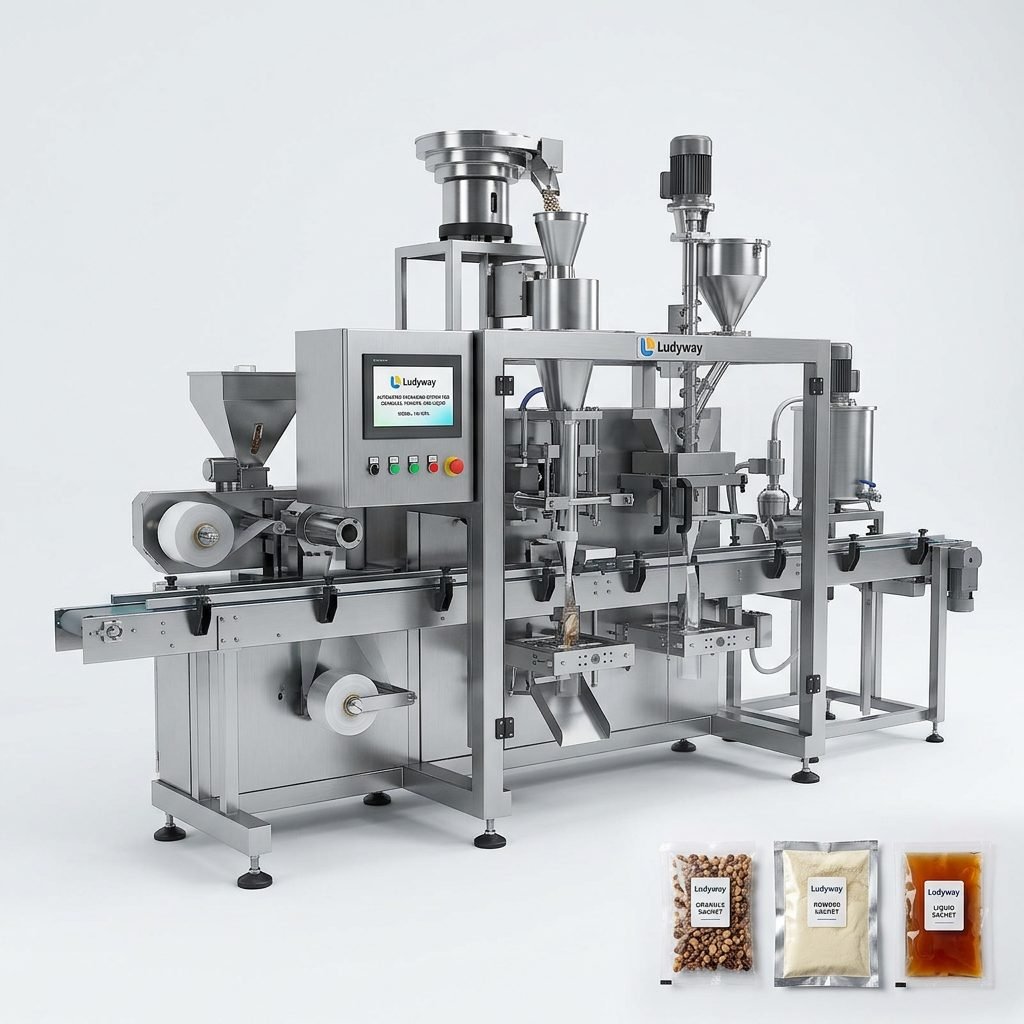
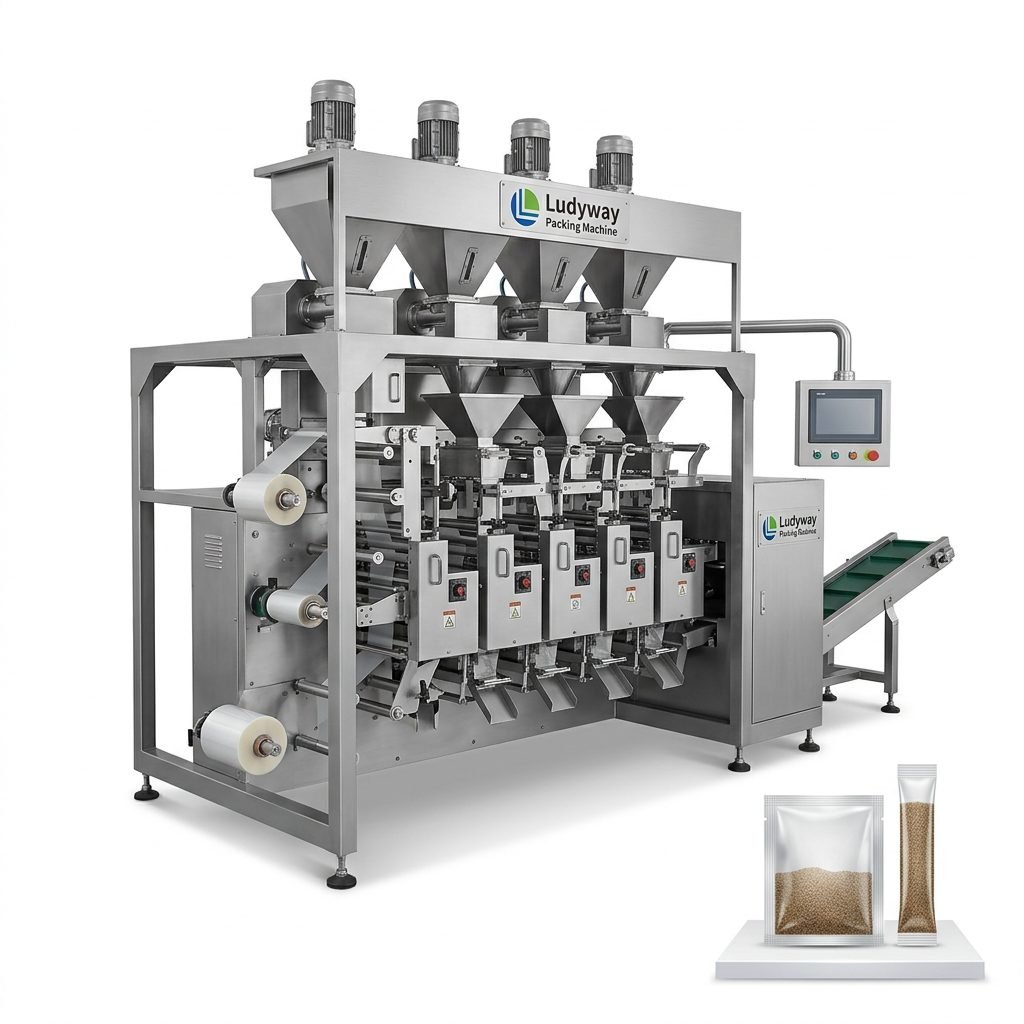
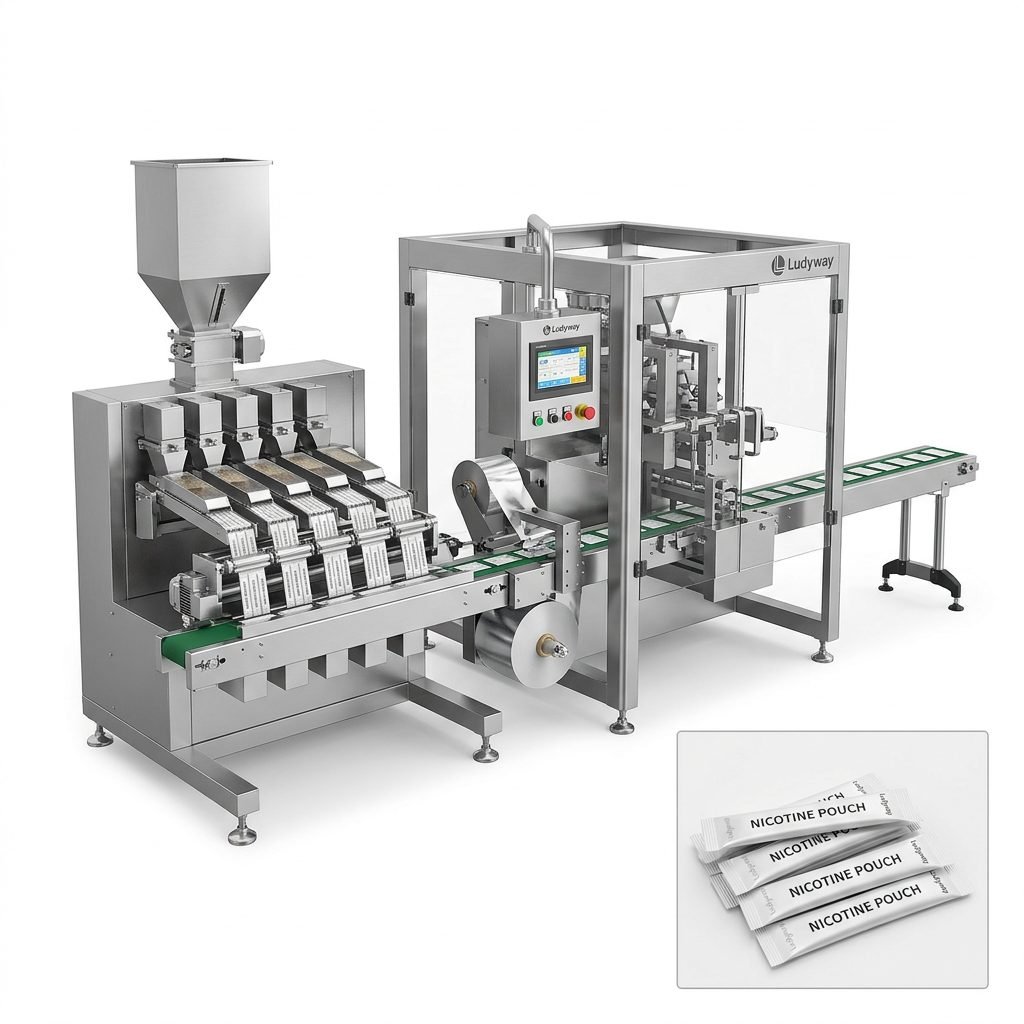
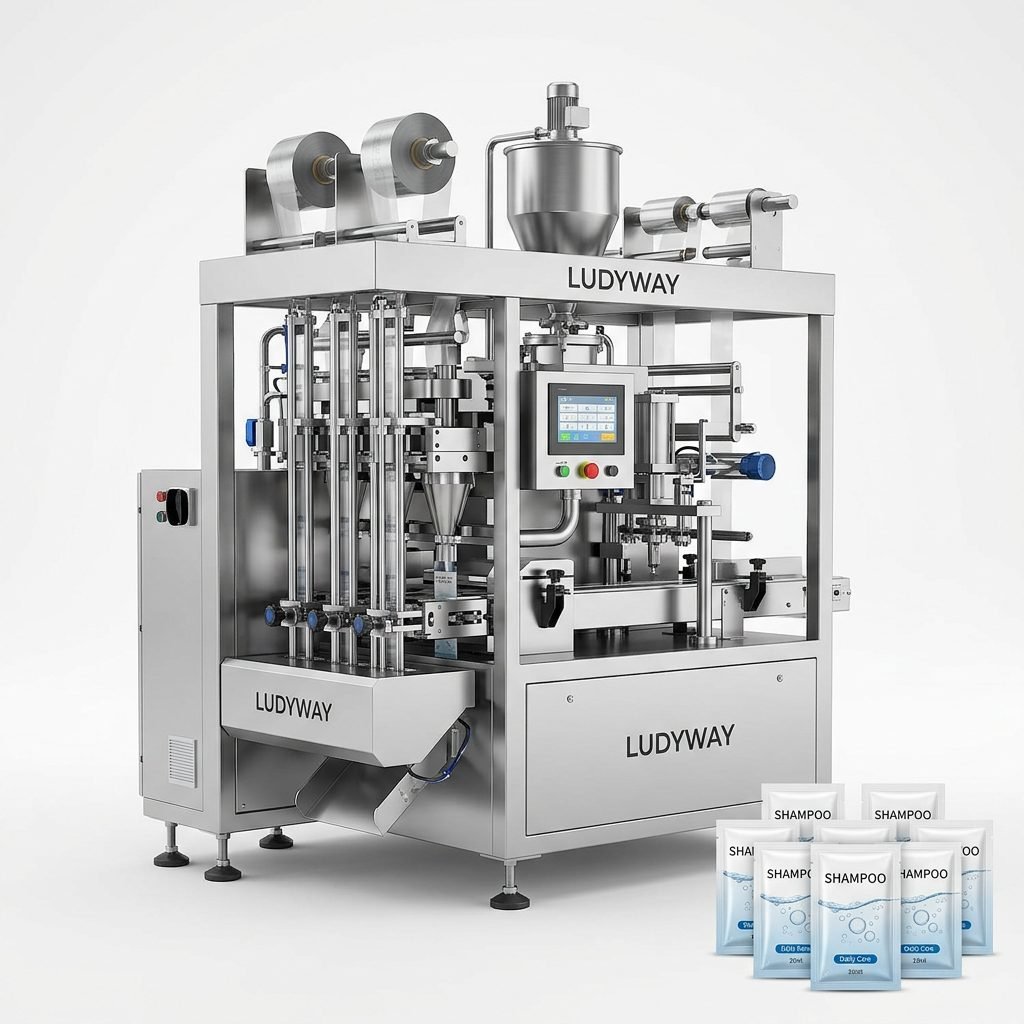
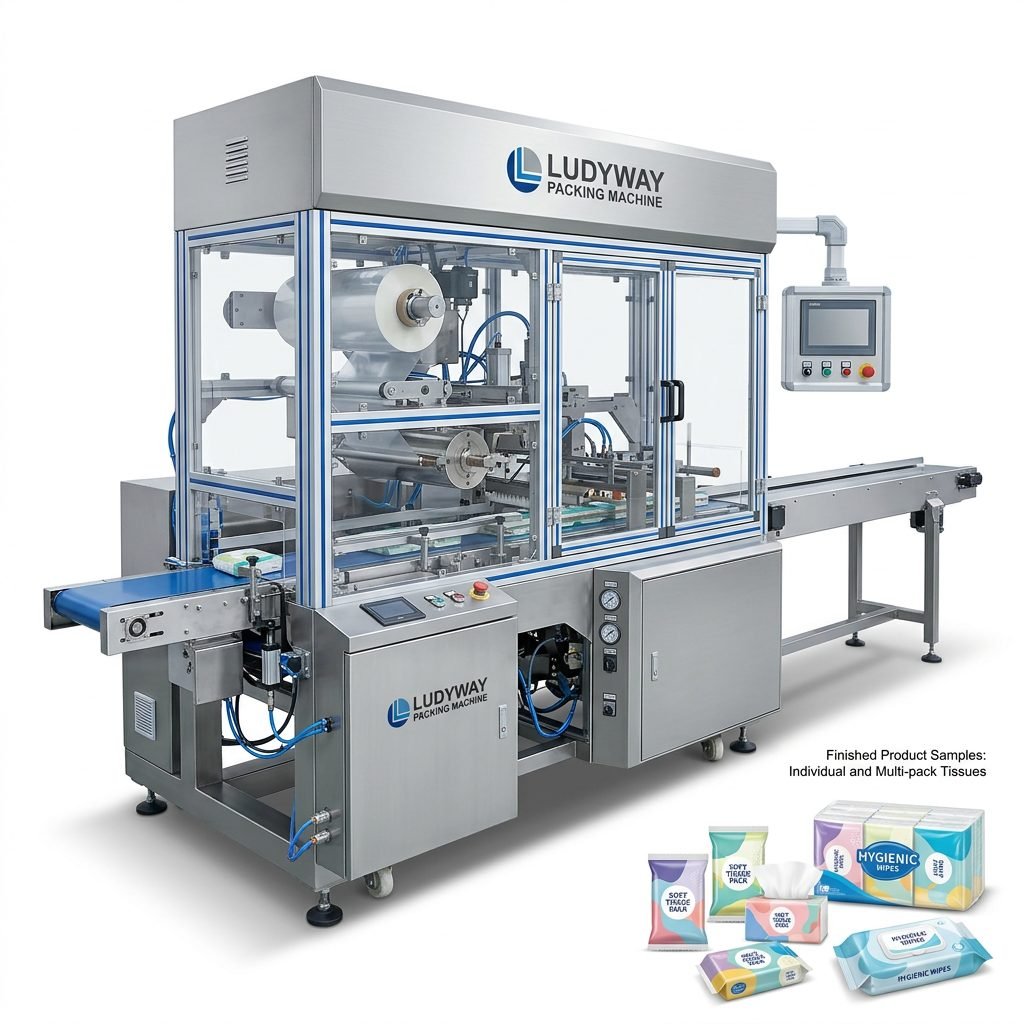
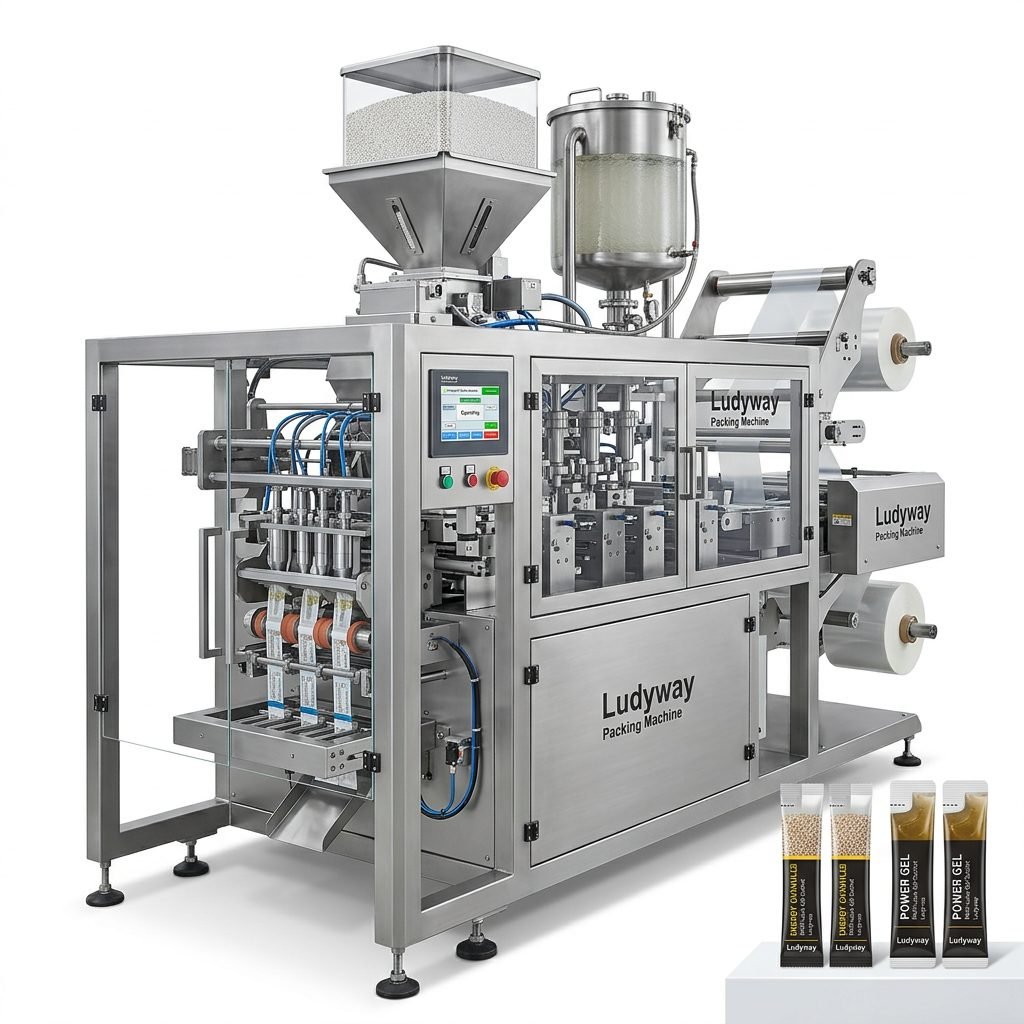
In the fast-paced world of manufacturing, efficiency and presentation are paramount. Sachet packaging machines have become indispensable tools for businesses across the food, pharmaceutical, and health industries, enabling the precise, hygienic, and attractive packaging of small quantities of product. This guide delves deep into the world of sachet packaging, exploring the different types of machines, their vast applications, and the critical factors to consider when selecting the perfect one for your production line.
Understanding Sachet Packaging Machines
A sachet packaging machine is an automated system designed to form, fill, and seal individual pouches from a roll of packaging film. These machines are engineered to handle a wide variety of products, from granules and powders to liquids and creams, with high speed and accuracy. The primary goal is to create a sealed, protective, and convenient single-dose or small-quantity package that preserves product integrity, extends shelf life, and enhances brand appeal on the retail shelf.
Core Advantages:
✔ Product Protection: Excellent barrier properties against moisture, oxygen, and contaminants.
✔ Portion Control: Ideal for single servings, samples, or precise dosing.
✔ Cost-Effective: Reduces material waste compared to rigid packaging.
✔ Branding Flexibility: High-quality printing allows for vibrant, eye-catching designs.
✔ High-Speed Automation: Significantly increases output and reduces labor costs.
Primary Types of Sachet Packaging Machines
The market offers a diverse range of sachet packers, each suited to specific product types, production volumes, and operational needs. Understanding these categories is the first step in making an informed choice.
1. Vertical Form-Fill-Seal (VFFS) Machines
These are the most common type for granular, powdered, and small solid products. The film is drawn downward over a forming tube, shaped into a bag, filled, and then sealed horizontally. They are renowned for their compact footprint and high-speed capabilities.
2. Horizontal Form-Fill-Seal (HFFS) Machines
Ideal for liquids, pastes, creams, and products that need to be laid flat. The film moves horizontally, and the sachets are formed, filled, and sealed in a continuous process. This type is perfect for shampoo sachets, ketchup packets, or cosmetic samples.
3. Four-Side Seal Sachet Machines
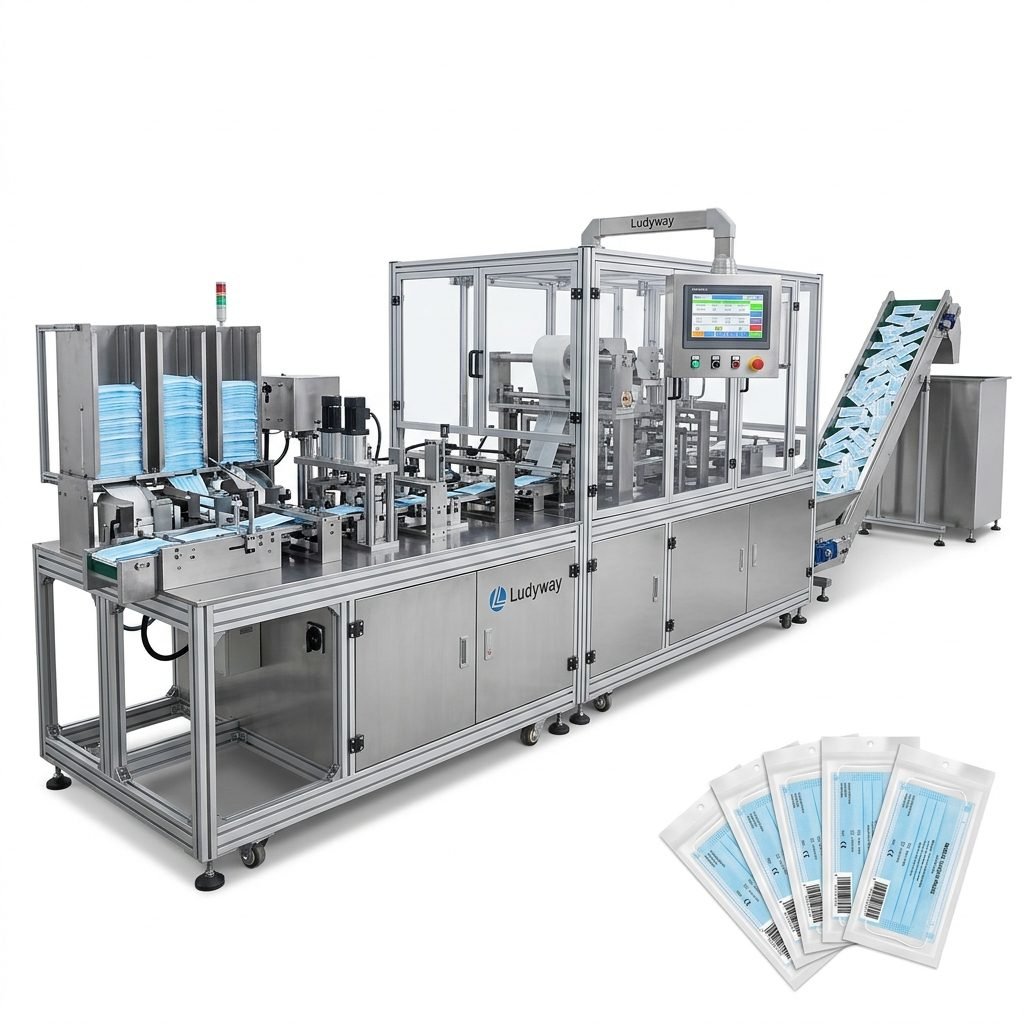
These machines create a pouch with seals on all four sides, often from pre-folded film, resulting in a very flat and stable package. They are frequently used for tea bags, medicinal powders, and premium product samples where a neat, flat presentation is desired.
4. Stick Pack Machines
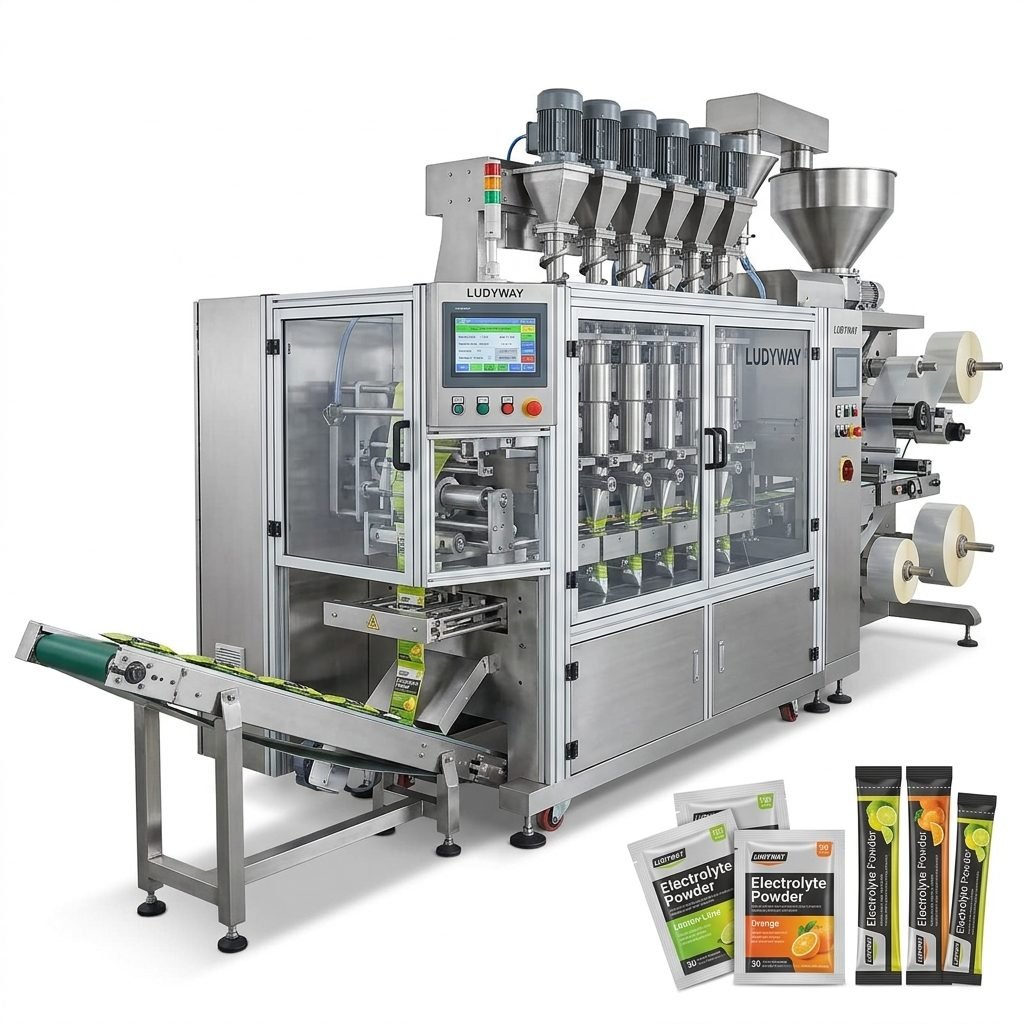
A specialized subset of sachet machines that produce long, narrow, tube-like packages. Stick packs are extremely popular for instant drink mixes, protein powders, and pharmaceutical supplements due to their space-saving design and ease of use for consumers.
Pro Tip: Multi-Lane Configurations
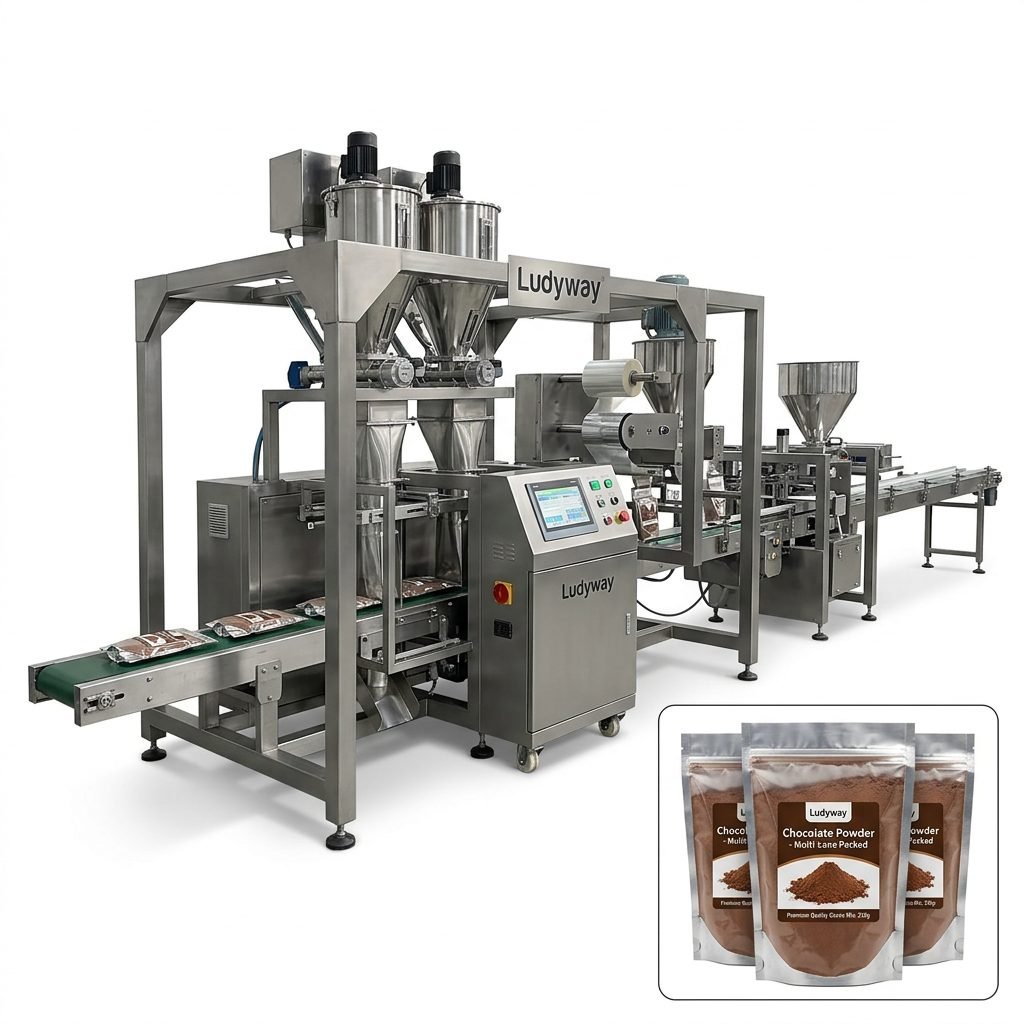
For ultra-high-volume production, machines can be configured with multiple lanes (e.g., dual-lane, quad-lane). This means multiple sachets are produced simultaneously from a single machine, doubling or quadrupling output without a proportional increase in floor space. Leading suppliers like Ludyway Machinery offer advanced multi-lane solutions to maximize efficiency.
Key Industries and Applications
The versatility of sachet packaging makes it a cornerstone in numerous sectors. Here’s how different industries leverage this technology:
Food & Beverage Industry
From spices, instant coffee, and sugar to sauces, dressings, and drink mixes. Sachets provide freshness, precise portioning for recipes, and convenience for on-the-go consumption.
Pharmaceutical & Nutraceutical Industry
Critical for single-dose powders, effervescent tablets, and medicinal herbs. The packaging ensures accurate dosing, tamper evidence, and protects hygroscopic materials from moisture degradation.
Cosmetics & Personal Care
Widely used for shampoo, conditioner, lotion, and face cream samples in hotels, salons, or as promotional items. Sachets are a cost-effective way to introduce new products to consumers.
Agrochemical & Industrial
For packaging seeds, fertilizers, dyes, and chemical additives in small, pre-measured quantities, ensuring safety, reducing handling, and minimizing waste.
How to Choose the Right Sachet Packaging Machine
Selecting the ideal machine is a strategic decision that impacts your productivity, product quality, and bottom line. Follow this structured approach to evaluate your options.
Step 1: Define Your Product and Material
The nature of your product dictates the machine type. Consider its physical form (powder, granule, liquid), flow characteristics, and any special handling requirements (e.g., abrasiveness, hygroscopic nature). The packaging material (film type, layer structure, sealant) must also be compatible with the machine’s sealing system.
Step 2: Assess Your Production Requirements
- Output Speed (sachets per minute): Match the machine’s capacity with your current and future production volume targets.
- Accuracy & Fill Weight: High-precision auger fillers or liquid pumps are needed for costly ingredients to minimize giveaway.
- Changeover Flexibility: How quickly can you switch between different sachet sizes or products? Look for machines with tool-less adjustments.
Step 3: Evaluate Machine Features and Build Quality
Prioritize durability and precision engineering. Key components to scrutinize include the frame construction (stainless steel is preferred), the type of drive system (servo motors offer superior control), and the sealing technology (constant heat vs. pulse sealing). A robust machine from a reputable manufacturer like Ludyway, with over 30 years of industry experience, ensures longevity and minimal downtime.
Step 4: Consider Automation and Integration
Do you need a standalone machine or a fully integrated line? Consider upstream equipment (e.g., feeders, elevators) and downstream systems (e.g., cartoners, case packers). Modern machines with PLC touchscreen controls and IoT capabilities allow for easier monitoring, recipe storage, and data collection.
Step 5: Analyze Supplier Support and Service
This is often the most critical factor. A reliable partner provides comprehensive support:
▶ Installation & Training: Proper setup and operator training are crucial.
▶ Technical Support & Spare Parts: Ensure prompt availability of service and genuine parts.
▶ Customization: The ability to tailor the machine to your specific needs is a sign of a true solutions provider.
Making the Final Decision
Beyond specifications, consider the supplier’s reputation and track record. Review their company history and client portfolio. Request a live product test using your actual materials to see the machine in action. Ultimately, the right choice balances performance, reliability, and total cost of ownership with a partnership that supports your long-term growth.
Frequently Asked Questions (FAQs)
1. What is the typical production speed of a sachet packaging machine?
Speeds vary greatly depending on the machine type, sachet size, and product. Basic single-lane machines may run at 40-80 sachets per minute, while advanced multi-lane stick pack or sachet machines from leading manufacturers can achieve speeds of 200 to over 1,000 sachets per minute.
2. Can one machine handle different types of products (e.g., powder and liquid)?
While some machines are designed to be versatile, significant changeovers between fundamentally different product types (dry to wet) usually require different filling systems. It’s more common to have dedicated machines or modular systems where the filling head can be exchanged. Always discuss your specific product range with the supplier.
3. How do I ensure the sachets are sealed properly and won’t leak?
Proper sealing depends on the correct combination of film material (with an appropriate sealant layer), sealing temperature, pressure, and dwell time. A reputable supplier will help you select the right film and fine-tune the machine’s sealing parameters during installation and testing to guarantee perfect, leak-proof seals.
4. What kind of maintenance does a sachet machine require?
Regular preventive maintenance is key. This includes daily cleaning, lubrication of moving parts as per the manual, and inspection of critical components like sealing jaws, film guides, and fillers. Choosing a machine with easy access for cleaning and a design that minimizes product buildup (e.g., stainless steel surfaces) reduces maintenance time.
5. What is the lead time for receiving a new sachet packaging machine?
Lead times can range from 8 to 20 weeks or more, depending on the machine’s complexity, customization level, and the manufacturer’s order backlog. Standard models may be available sooner, while fully customized turnkey lines require more engineering and assembly time. It’s essential to plan your procurement timeline accordingly.