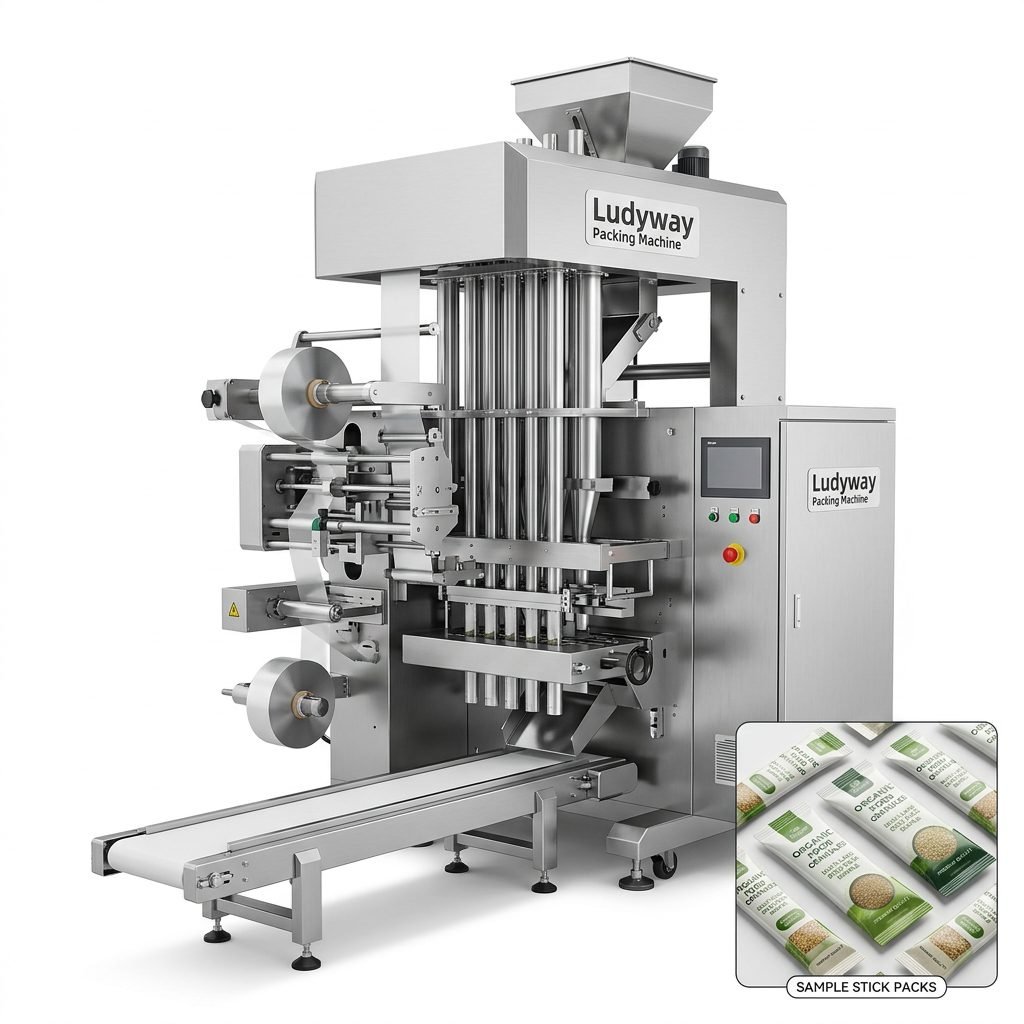
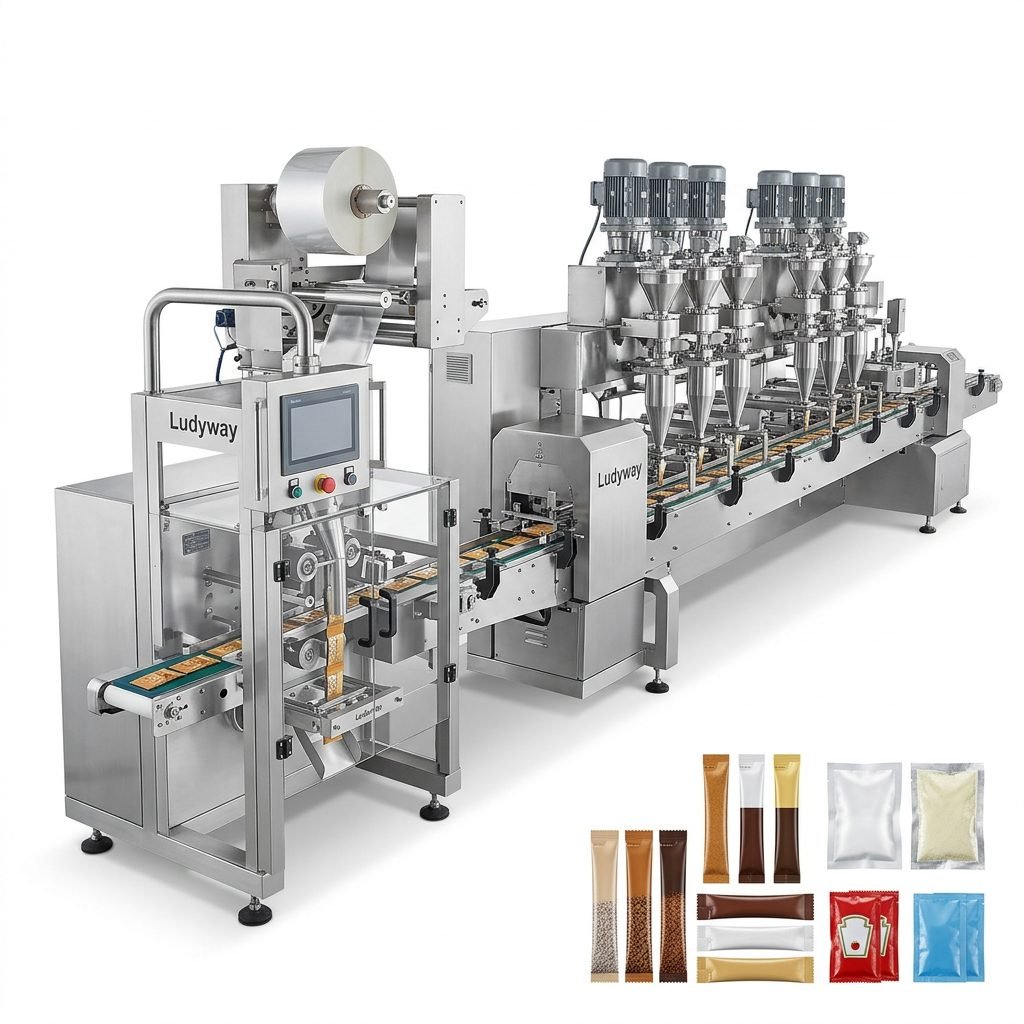
In the fast-paced world of manufacturing, efficiency and precision are paramount. For industries producing items like pillows, whether for bedding, medical, or decorative use, the final packaging stage is a critical point that can impact productivity, cost, and product presentation. Manual packaging is labor-intensive, inconsistent, and can become a significant bottleneck. This is where the automatic pillow packaging machine becomes an indispensable asset. This comprehensive guide delves into the various types of these machines, explains their working principles, outlines their significant benefits, and provides essential tips for making a smart purchase.
Understanding Automatic Pillow Packaging Machines
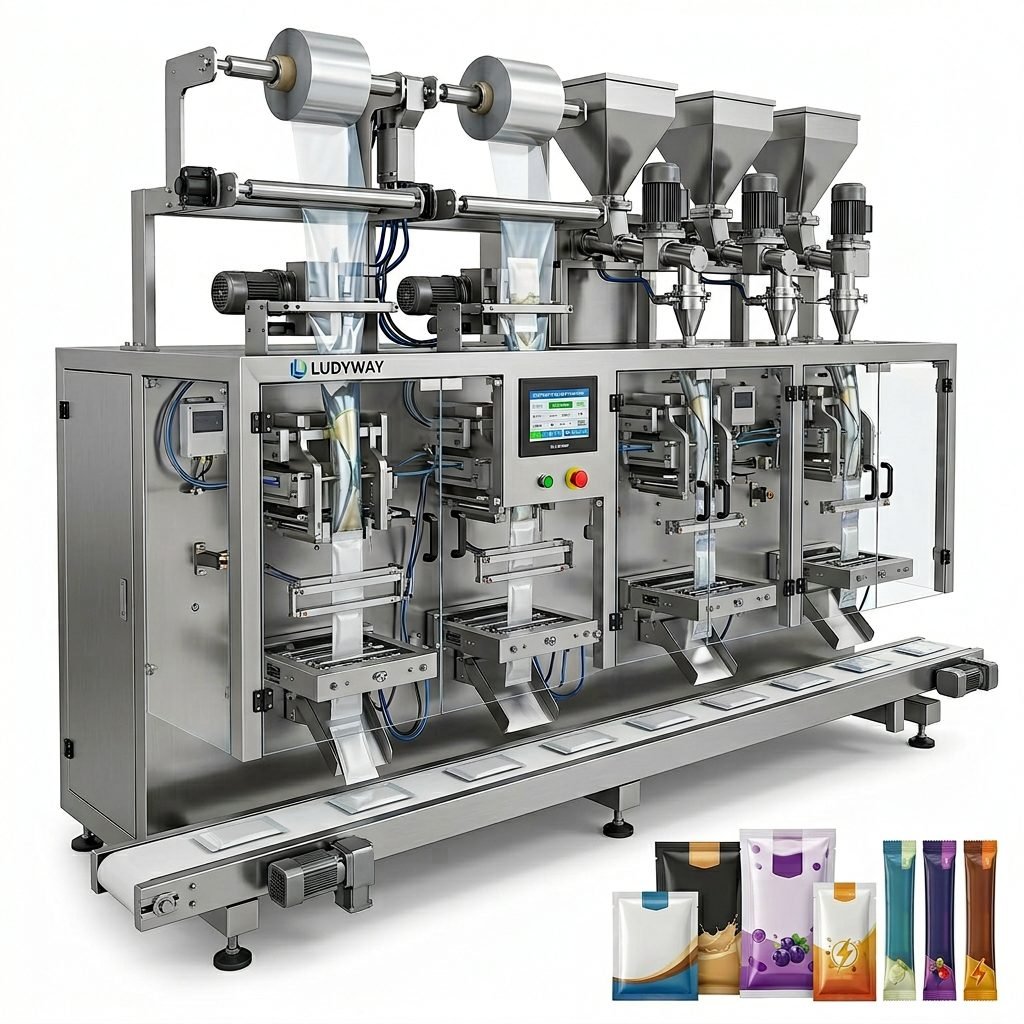
An automatic pillow packaging machine is a specialized piece of equipment designed to automatically bag, seal, and sometimes shrink-wrap pillows of various sizes and fills. These systems are engineered to handle the unique challenges of packaging soft, bulky, and often lightweight products, transforming a manual, variable process into a streamlined, high-speed operation. They are a cornerstone of modern production lines in the home textiles, hospitality, and healthcare sectors.
Core Function at a Glance
The primary function is to take a loose pillow, insert it into a pre-formed bag or a sleeve of film, and create a secure, neat, and salable package—all with minimal human intervention. Advanced models can also include features like date coding, batch numbering, and vacuum sealing for compressed pillows.
Primary Types of Pillow Packaging Machines
Choosing the right machine depends heavily on your pillow type, production volume, and packaging material. Here are the main categories:
1. Vertical Form-Fill-Seal (VFFS) Machines
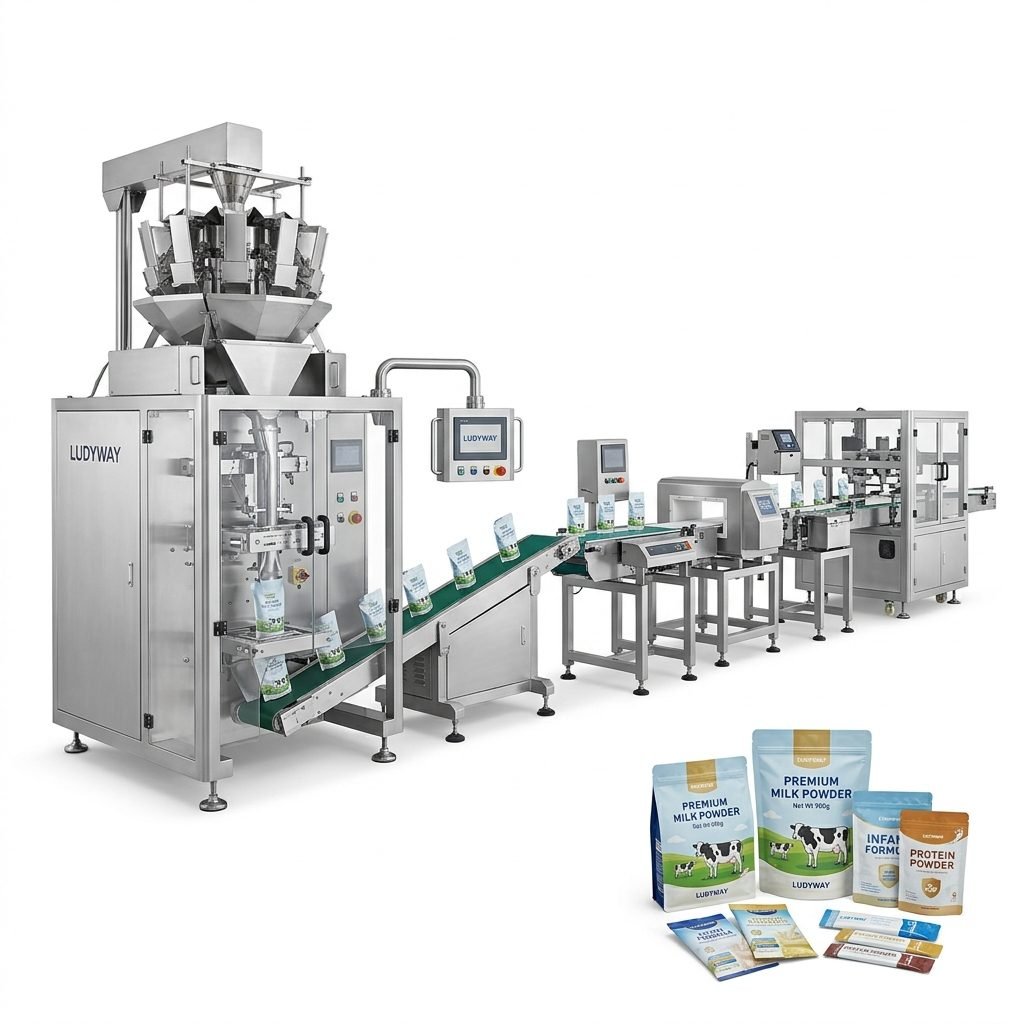
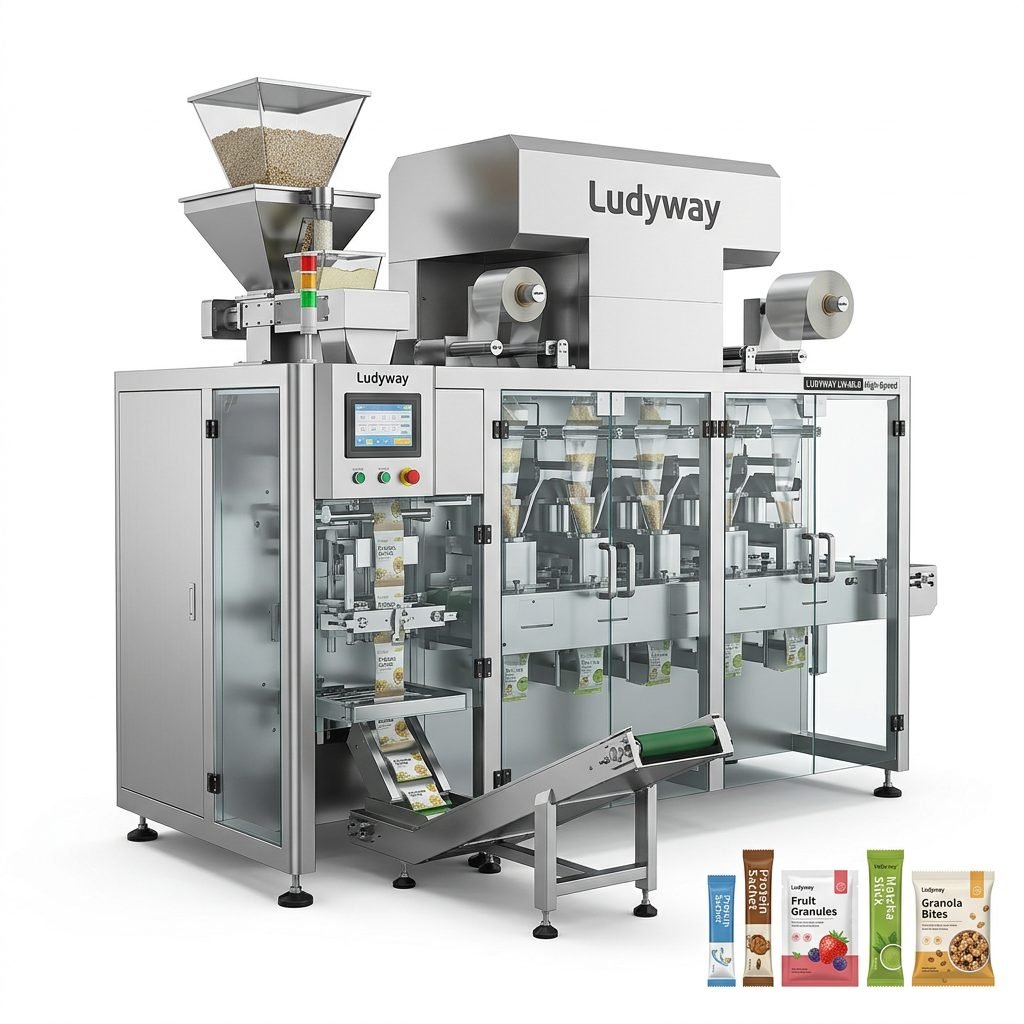
These are highly versatile and common for packaging pillows in poly bags. The machine forms a bag from a roll of flat film, fills it with the pillow, and then seals it. VFFS machines are excellent for high-speed production and can handle a range of pillow sizes with quick changeovers.
2. Horizontal Flow Wrappers
Ideal for wrapping pillows in a tight, snug film, often used for “bed-in-a-bag” sets or to create a compact retail package. The pillow is placed on a conveyor, and a film is wrapped around it horizontally before being sealed. This method provides excellent product visibility and protection.
3. Shrink Wrapping Systems
These systems first loosely bag or sleeve the pillow and then pass it through a heat tunnel (shrink oven). The heat causes the plastic film to contract tightly around the pillow’s contours, creating a sleek, tamper-evident package that is resistant to dust and moisture.
4. Bagging Machines with Automatic Insertion
Designed for use with pre-made bags. The machine automatically opens the bag, and a mechanical arm or conveyor system inserts the pillow before sealing. This is often preferred for premium packaging or when using specific branded bags.
How Does an Automatic Pillow Packer Work?
The working principle, while varying by type, generally follows a consistent automated sequence. Understanding this flow highlights the engineering behind the efficiency.
The Standard Operating Cycle
📦 Step 1: Feeding & Positioning – Pillows are fed onto an infeed conveyor, often manually or from an upstream process, and are aligned for consistent entry.
🎯 Step 2: Bag Forming/Opening – The machine either forms a bag from film roll (VFFS) or uses suction cups to open a pre-made bag.
⬇️ Step 3: Insertion – The pillow is pushed or dropped into the open bag or film web. Precision here is key to avoid jams.
🔥 Step 4: Sealing – The open end of the bag is sealed using heat (thermal sealing) or pressure. This creates an airtight, secure closure.
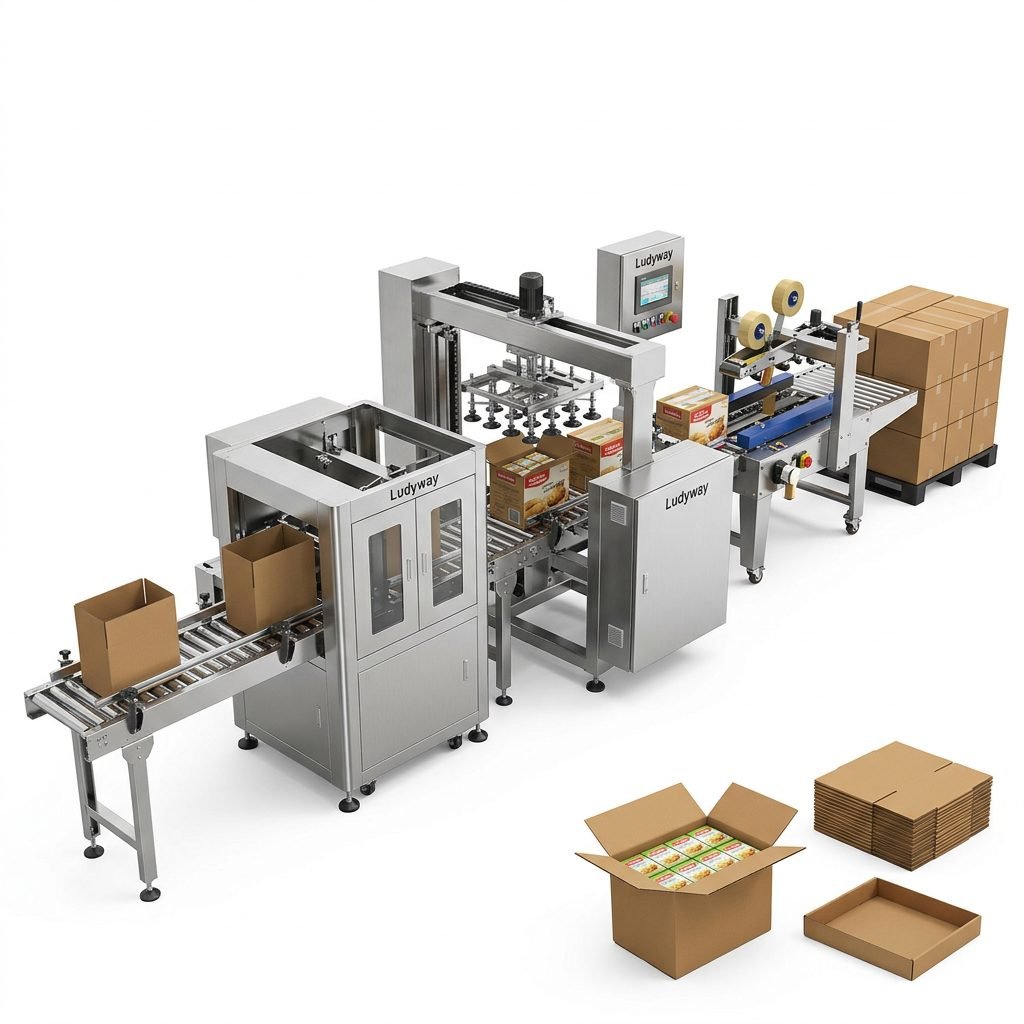
📤 Step 5: Discharge – The finished, packaged pillow is conveyed out to a collection area or to the next station (e.g., a shrink tunnel or boxing line).
Tangible Benefits for Your Business
Investing in automation yields a rapid return on investment through multiple channels.
➤ Dramatically Increased Output: Machines can package hundreds of pillows per hour, far surpassing manual capabilities and eliminating production bottlenecks.
➤ Unmatched Consistency & Quality: Every package is identical—seals are uniform, positioning is centered, and the presentation is professionally neat, enhancing brand image.
➤ Significant Labor & Cost Savings: Automating a repetitive task reduces direct labor requirements and associated costs, allowing staff to be redeployed to higher-value tasks.
➤ Reduced Material Waste: Precise control over film/bag usage minimizes overuse and errors common in manual packing, directly saving on packaging material costs.
➤ Improved Hygiene & Safety: In sectors like medical pillows, minimizing human contact reduces contamination risk. It also lowers the risk of repetitive strain injuries among workers.
➤ Enhanced Scalability: An automated system can grow with your business, easily integrating with other line equipment like checkweighers or labeling machines.
Critical Buying Tips: Choosing Your Machine
Selecting the right automatic pillow packaging machine is a strategic decision. Here are key factors to consider:
1. Assess Your Product Range
Define the size range (min/max dimensions), pillow type (fiber, foam, feather), and compressibility. The machine must handle your current and foreseeable future product portfolio.
2. Determine Required Speed (Output)
Calculate your required units per hour/day. Choose a machine that meets your peak demand with a 10-20% buffer for future growth, without overpaying for excessive, unneeded speed.
3. Choose Packaging Material Compatibility
Decide on your packaging film or bag type (e.g., LDPE, PP, with or without zip-lock). Ensure the machine’s sealing system is perfectly compatible with your chosen material for strong, reliable seals.
4. Prioritize Ease of Use & Changeover
Look for user-friendly PLC touchscreen controls. Quick-change features for bag size or product type are crucial for minimizing downtime in batch production environments.
5. Evaluate Build Quality & Supplier Support
Inspect the robustness of the frame and components. Crucially, partner with a reputable supplier known for reliable packaging machinery, comprehensive after-sales service, readily available spare parts, and strong technical support. A company with deep industry experience, like Ludyway Machinery, which brings over 30 years of expertise in providing turnkey packaging solutions, can be a valuable partner in ensuring long-term operational success.
6. Plan for Integration & Space
Consider the machine’s footprint and how it will fit into your existing or planned production line. Check interfaces for connectivity with upstream/downstream equipment.
Frequently Asked Questions (FAQs)
1. What is the typical production speed of an automatic pillow packaging machine?
Speeds vary widely by machine type and pillow size. Standard vertical baggers can typically handle 5-15 pillows per minute, while high-speed models for standard-sized pillows can reach 25-40 packages per minute. Always verify speed based on your specific product dimensions.
2. Can one machine handle different sizes and types of pillows?
Yes, most modern machines are designed with changeover capabilities. However, the ease and time required for changeover differ. Look for machines with quick-adjust mechanisms for bag width, length, and insertion depth to switch between products with minimal downtime.
3. What are the main maintenance requirements?
Regular maintenance is simple but essential. It primarily involves cleaning dust and lint from moving parts, regularly inspecting and cleaning the heating elements for seals, and lubricating guide rails and chains as per the manufacturer’s schedule. Proper maintenance ensures longevity and consistent seal quality.
4. Is operator training complicated?
Not typically. Most automatic pillow packers feature intuitive PLC control panels with touchscreen interfaces. Basic operation—starting, stopping, and routine monitoring—can be learned quickly. Training on changeover procedures and basic troubleshooting is usually provided by the supplier and is straightforward.
5. How do I choose between a VFFS machine and a pre-made bag machine?
The choice hinges on cost, flexibility, and packaging look. VFFS machines are generally more cost-effective per package (using roll film) and offer great flexibility in bag size. Pre-made bag machines are often chosen for higher-end retail packaging where a specific bag style, gusset, or handle is required, as they can use more complex, pre-printed bags.