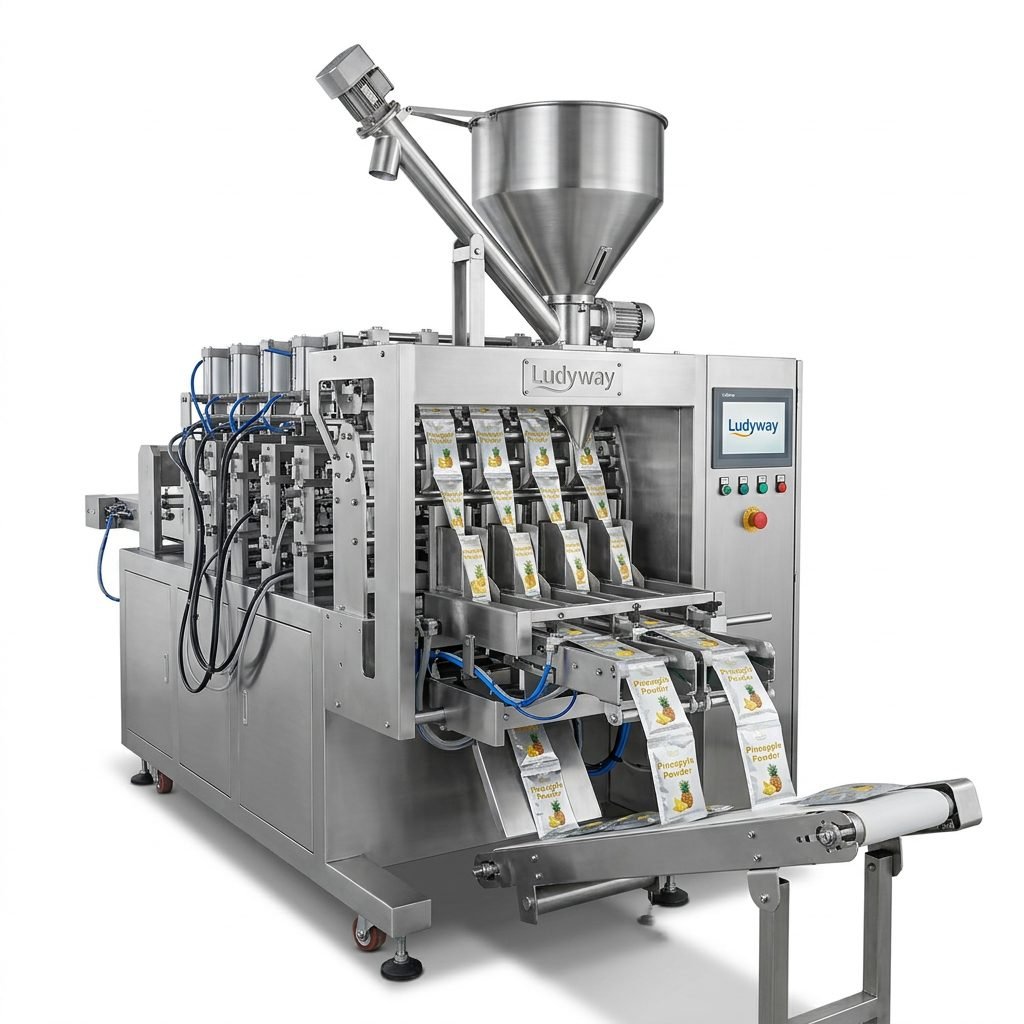
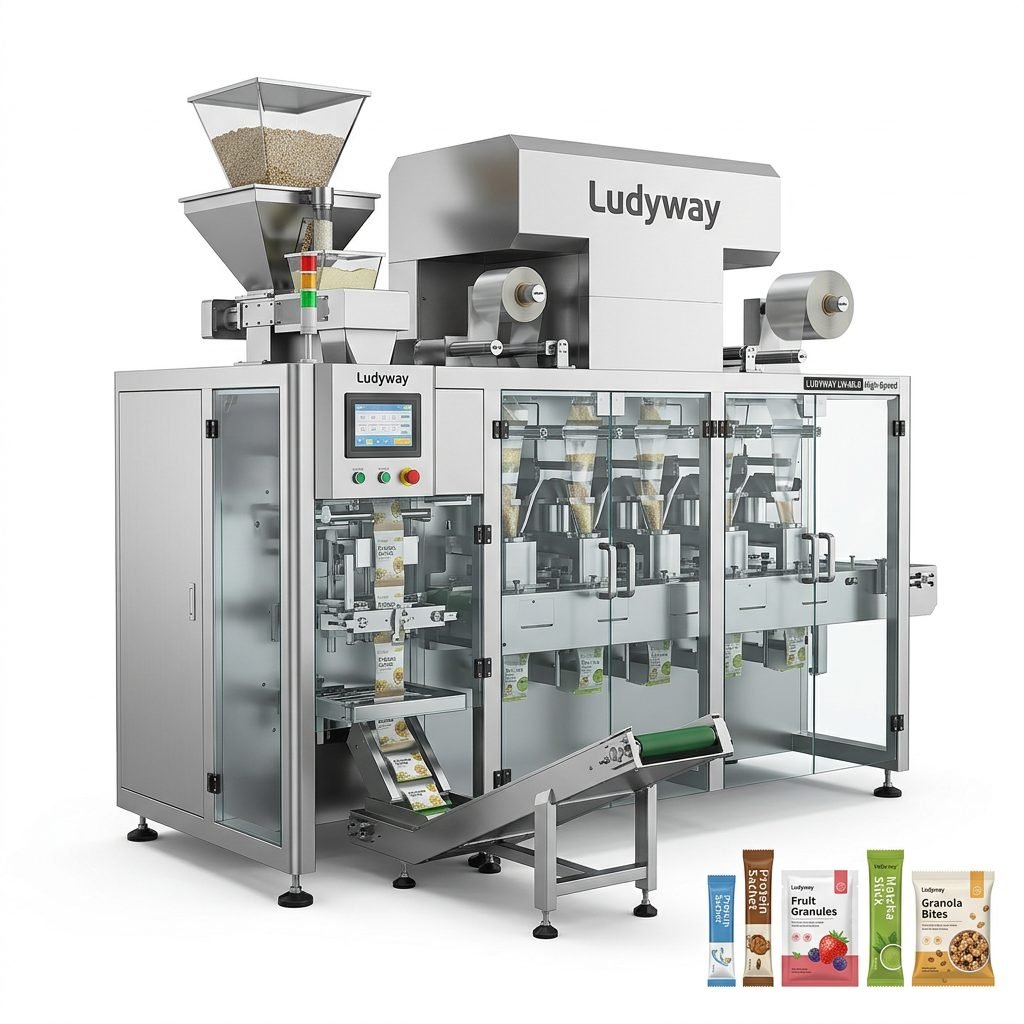
Selecting the right packaging equipment supplier is a critical decision that can significantly impact your production efficiency, product quality, and overall business profitability. With numerous companies in the market, from global giants to specialized manufacturers, identifying the best partner for your specific needs requires careful evaluation. This guide will walk you through the key factors to consider when choosing a packaging equipment supplier for your production line.
Understanding the Packaging Equipment Landscape
The packaging machinery industry is diverse, offering solutions for every conceivable product type—from food and beverages to pharmaceuticals, cosmetics, and industrial goods. Suppliers range from large corporations providing standard, high-volume machines to niche players specializing in customized, turnkey production lines. Your first step is to map your requirements against this landscape.
Key Types of Packaging Equipment Companies
▶ Full-Line Manufacturers: These companies offer a wide range of machinery, from filling and sealing to cartoning and palletizing. They are ideal for businesses seeking a single source for complex, integrated lines.
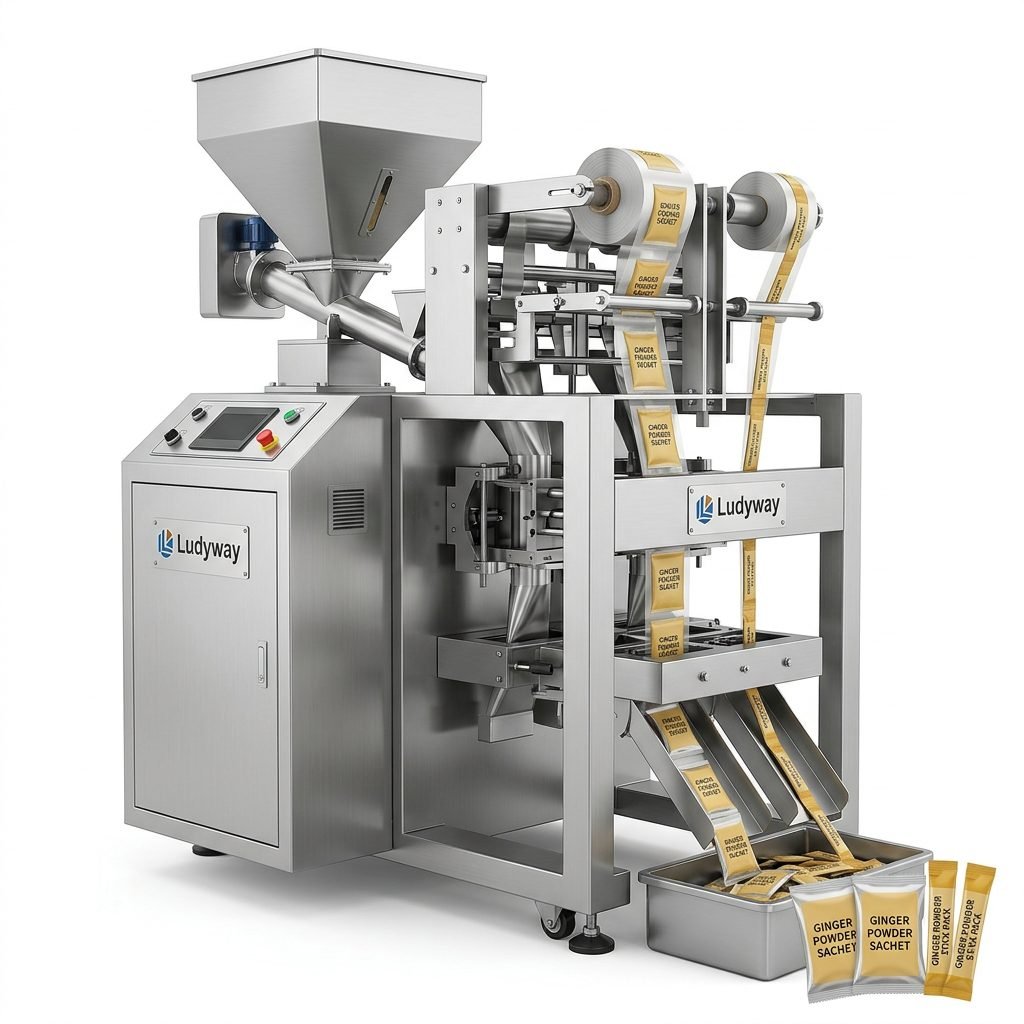
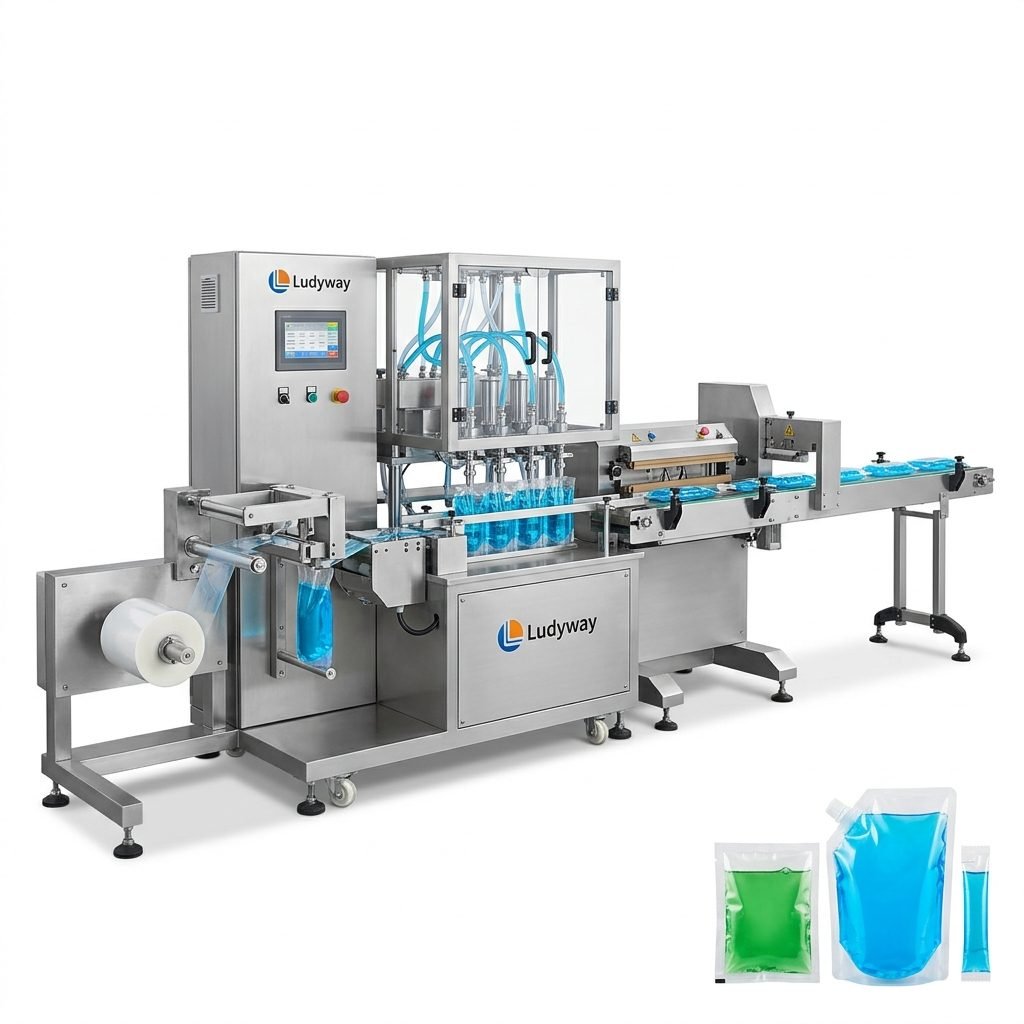
▶ Specialized Niche Suppliers: These experts focus on specific packaging formats, such as stick packs, sachets, liquid pouches, or blister packs. They often provide deeper technical expertise for that particular technology.
▶ System Integrators & Solution Providers: Companies like Ludyway Machinery fall into this category. They don’t just sell machines; they analyze your entire production process and deliver customized, automated solutions that may combine best-in-class components from various sources.
Why Specialization Matters
A supplier specializing in your product category (e.g., food-grade powders, sterile pharmaceuticals, viscous liquids) will have invaluable experience with regulatory standards, hygiene protocols, and material handling challenges specific to your industry. This expertise translates into fewer operational headaches and a more reliable line.
Core Criteria for Selecting Your Supplier
Beyond the type of company, evaluate potential partners against these essential criteria.
1. Technical Capability & Machine Range
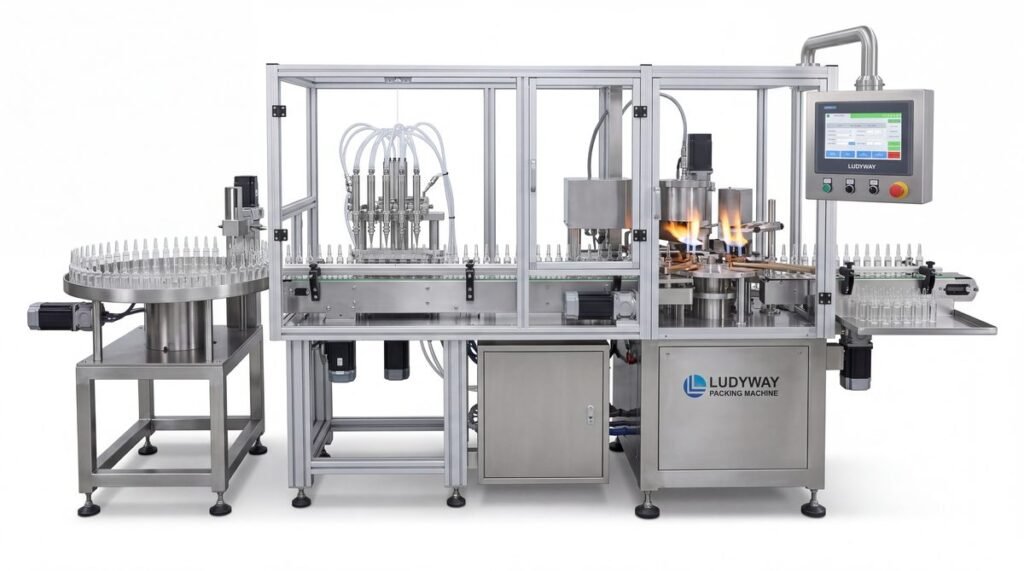
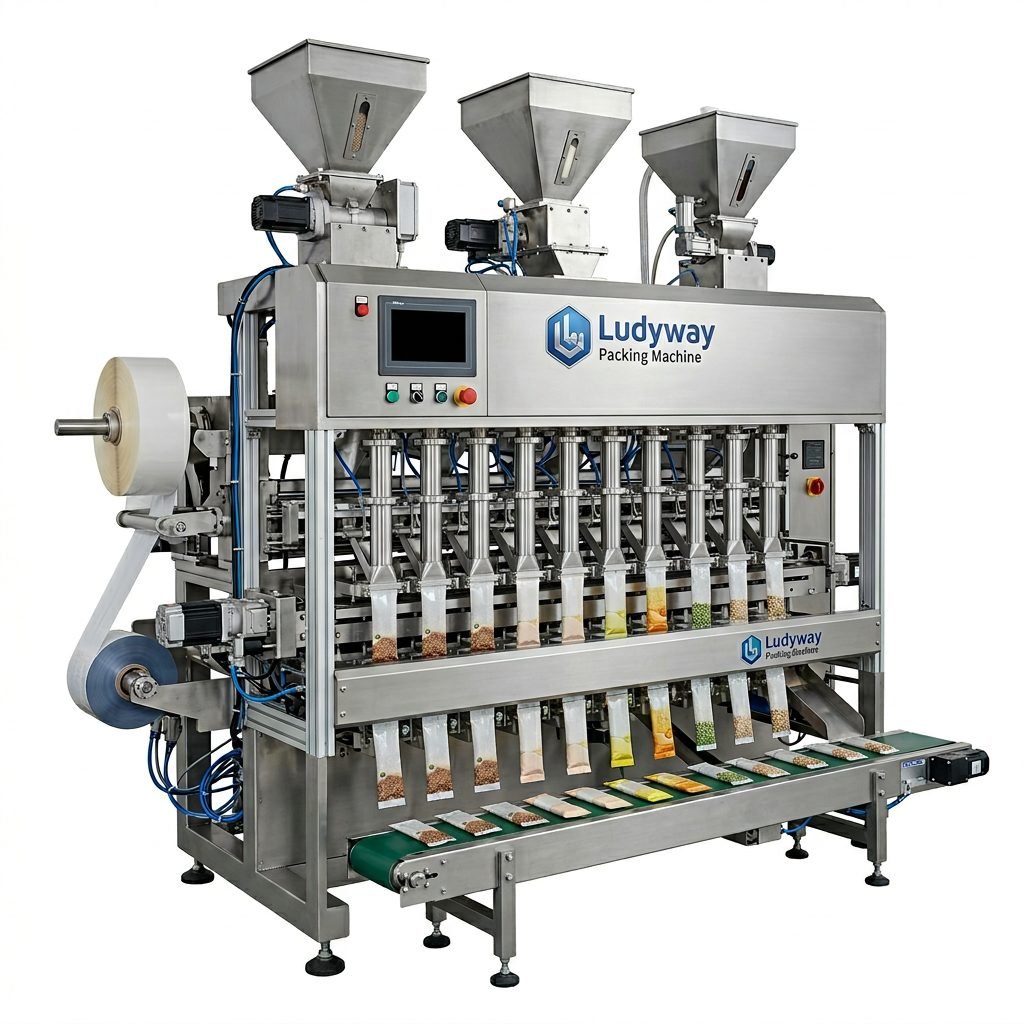
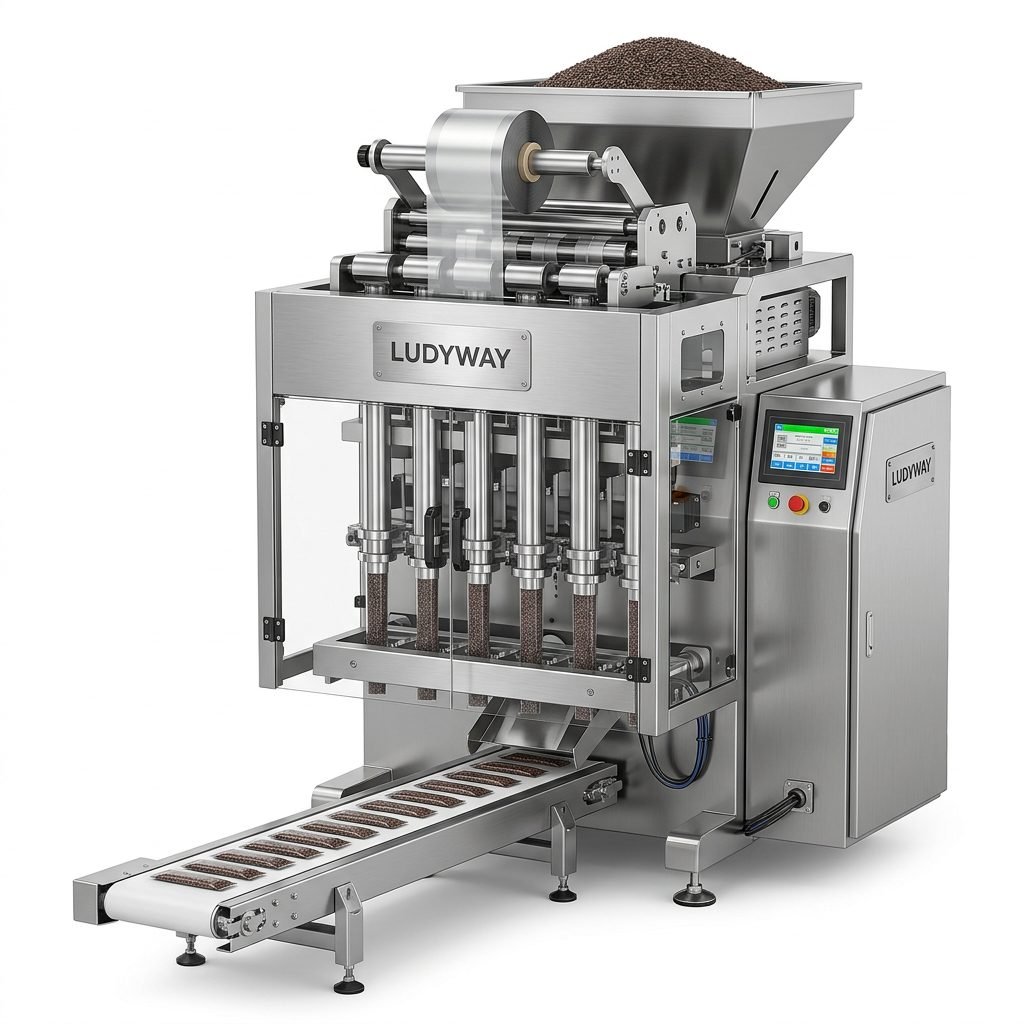
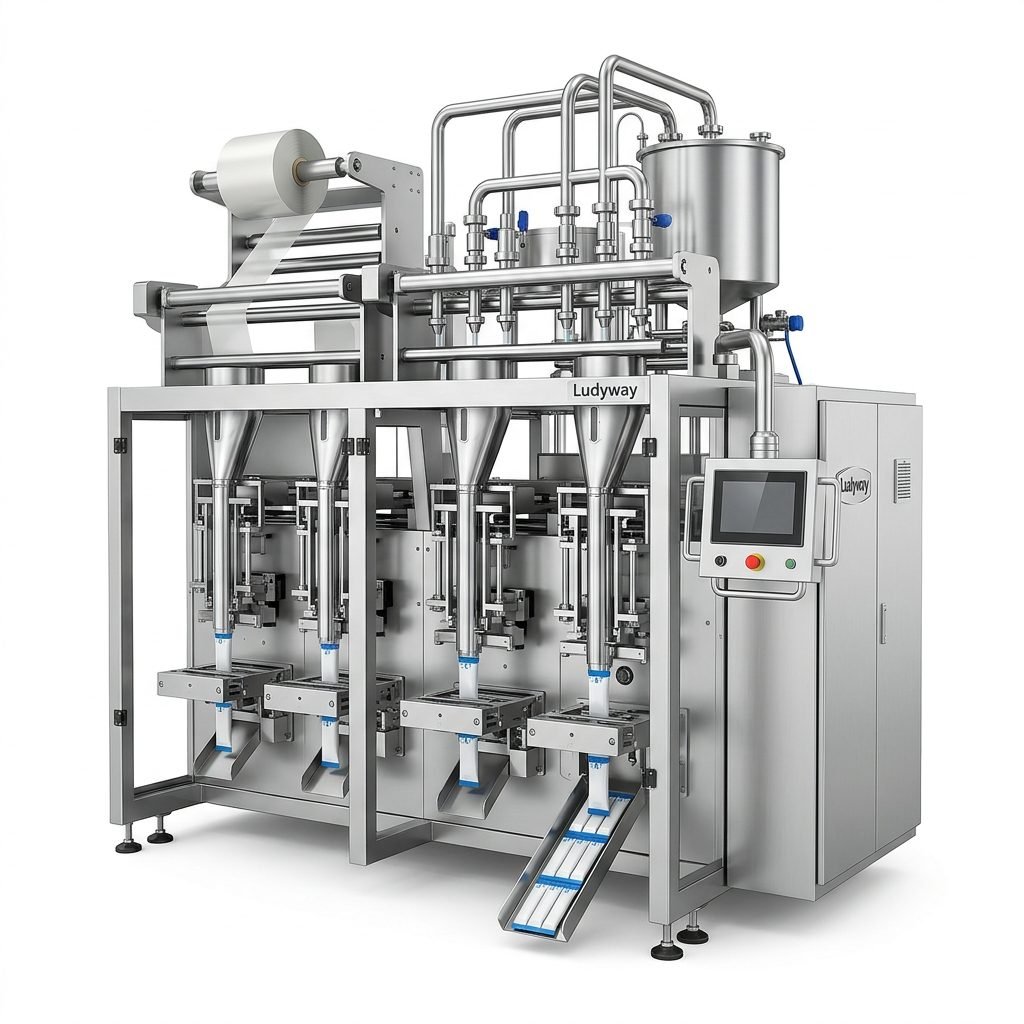
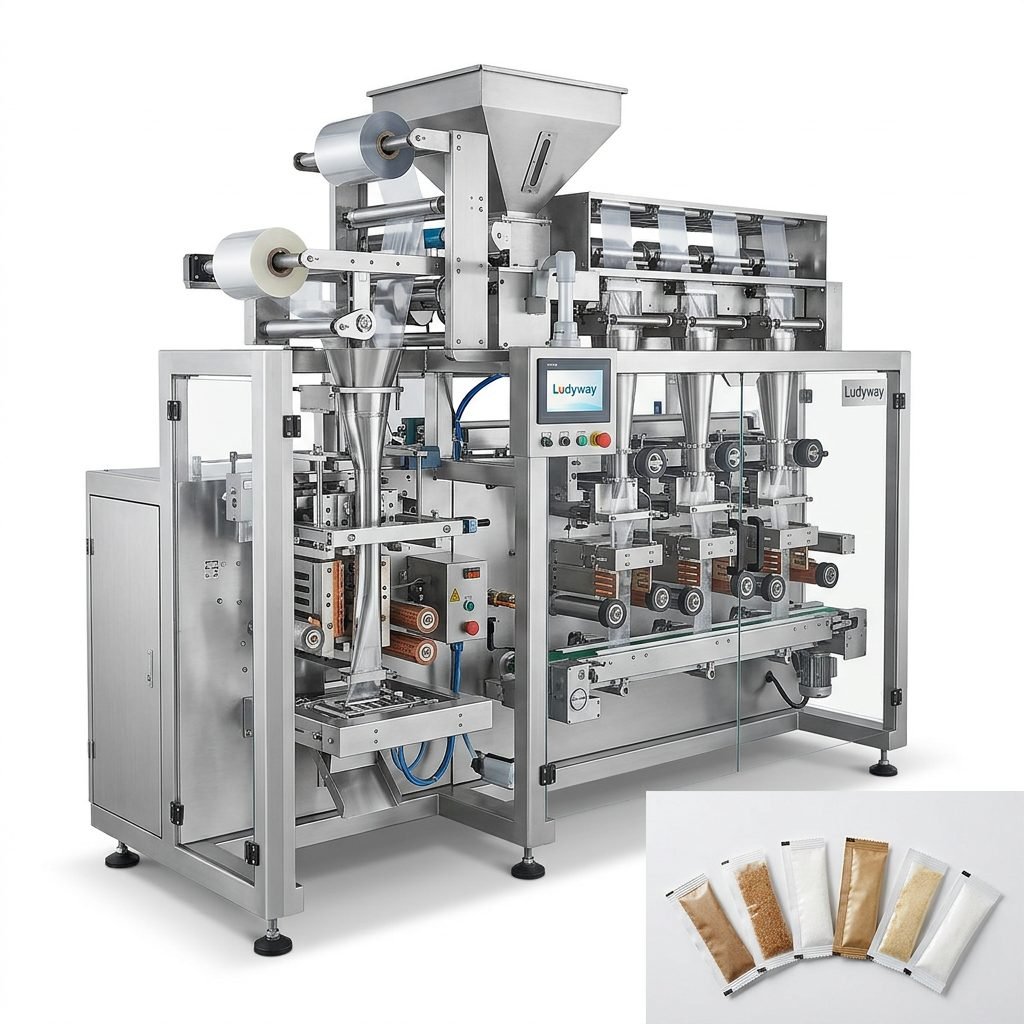
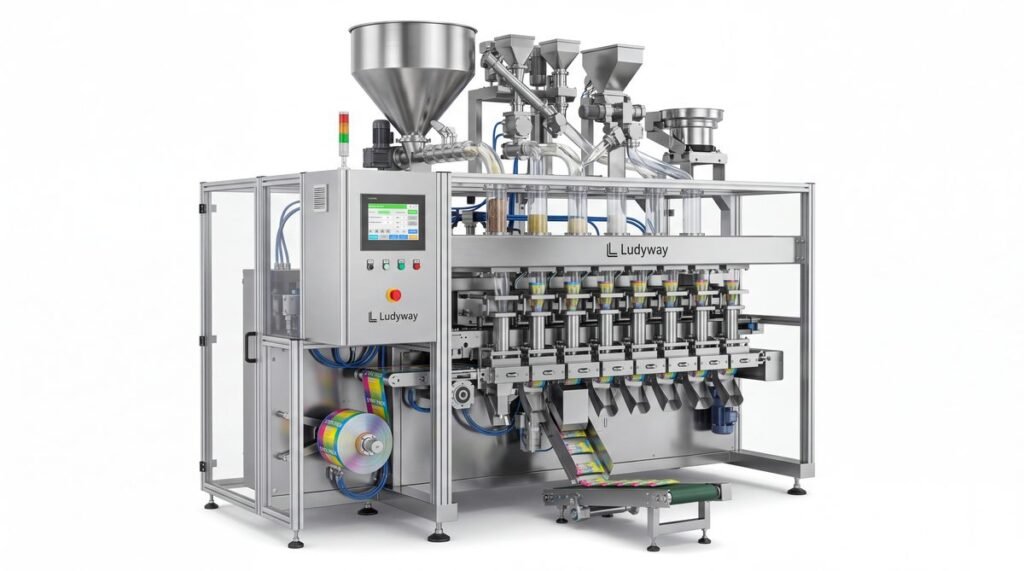
Assess the supplier’s portfolio. Do they offer the machine type you need (e.g., vertical form-fill-seal, liquid filler, capper)? Crucially, can they demonstrate experience with your specific product—whether it’s coffee granules, pharmaceutical powders, or shampoo? Request detailed specifications and case studies. A robust supplier will have a range like over 50 intelligent packaging machine models, covering multi-lane stick pack, sachet, granule, powder, and liquid systems.
2. Manufacturing Quality & Engineering Support
The durability and precision of the equipment are paramount. Inquire about:
- Production Facility: Is manufacturing done in-house in a modern facility? A sizable plant (e.g., 20,000㎡) often indicates strong control over quality and scalability.
- Engineering Team: A dedicated R&D and engineering team is a sign of innovation and the ability to customize solutions.
- Component Quality: What brands are used for critical parts like PLCs, servos, and seals? Premium components reduce downtime.
3. After-Sales Service & Global Support
Machinery will require maintenance, parts, and occasional troubleshooting. A supplier’s commitment to service is as important as the machine itself. Key questions include:
- What is the structure of their technical support (phone, email, remote access)?
- Do they have a readily available spare parts inventory?
- Can they provide installation supervision, commissioning, and operator training?
- For international clients, do they offer support in your local time zone or language?
A company with over 30 years of industry experience typically has a refined and reliable support system.
The Value of a Turnkey Solution Provider
For many businesses, especially those scaling up or entering new markets, partnering with a turnkey solution provider is the most efficient path. These suppliers manage the entire project—from initial concept and layout design to machine selection, integration, installation, and training. This single-point accountability minimizes risk, ensures system compatibility, and saves you from coordinating multiple vendors. It transforms a complex capital project into a streamlined partnership.
The Supplier Evaluation & Decision Process
Turn your criteria into a actionable process.
Step 1: Define Your Requirements Document
Create a detailed brief outlining your product specs, desired output speed, packaging materials, factory footprint, budget, and future scalability needs. This document will ensure all potential suppliers are bidding on the same scope.
Step 2: Shortlist & Deep-Dive Research
Based on your criteria, create a shortlist of 3-5 companies. Scrutinize their websites, review client lists, and request detailed proposals. Pay close attention to how they respond—are they asking insightful questions about your process?
Step 3: Request References & Factory Visits
Ask for references from clients with similar applications. If possible, visit the supplier’s manufacturing facility. Seeing the production environment, quality controls, and engineering team firsthand is invaluable. A visit to a modern production facility can build immense confidence.
Step 4: Analyze the Total Cost of Ownership (TCO)
Look beyond the initial purchase price. Consider energy consumption, maintenance costs, expected lifespan, and potential downtime. A slightly more expensive machine from a reputable supplier like Ludyway Machinery often has a lower TCO due to higher reliability and better support.
Building a Partnership for the Long Term
The best supplier relationships evolve into strategic partnerships. Choose a company that demonstrates a commitment to long-term cooperation and innovation. They should be interested in your growth and able to support you with future upgrades, new product lines, and technological advancements. A partner invested in your success will proactively suggest improvements and help you stay competitive.
Frequently Asked Questions (FAQs)
1. What is more important: the machine price or the supplier’s reputation?
While budget is always a constraint, the supplier’s reputation for quality, reliability, and support is almost always more critical in the long run. A cheap machine from an unknown supplier can lead to massive costs in downtime, lost production, and premature replacement.
2. Should I buy a standard machine or a customized solution?
If your product and packaging are straightforward, a standard machine may suffice. However, for unique products, high speeds, complex material handling, or seamless integration into an existing line, a customized or turnkey solution from an experienced provider will deliver better efficiency and ROI.
3. How can I verify a supplier’s claims about their experience and capabilities?
Always ask for specific client references you can contact. Request to see detailed case studies or videos of their machines running products similar to yours. A factory audit or visit is the most effective verification method.
4. What should I expect during the installation and commissioning phase?
A professional supplier will provide a clear project plan. This typically includes factory acceptance testing (FAT) at their facility, followed by installation, commissioning, and performance qualification (IQ/OQ/PQ) at your site, along with comprehensive operator and maintenance training.
5. How do I handle maintenance and spare parts for an international supplier?
Discuss this upfront. Reliable international suppliers maintain a global spare parts network, offer express shipping, and provide remote diagnostic support. Ensure you receive complete documentation and have a clear, agreed-upon process for ordering parts and requesting technical assistance.