Packaging is a critical component of modern manufacturing and distribution, impacting product safety, shelf life, and consumer appeal. The right packaging equipment streamlines operations, reduces costs, and ensures consistency. This guide explores the vast world of packaging machinery, detailing types, applications, and key considerations for making an informed purchase.
Understanding Core Packaging Equipment Types
The packaging machinery landscape is diverse, with equipment designed for specific materials, product forms, and production speeds. Understanding the primary categories is the first step in selecting the right solution for your needs.
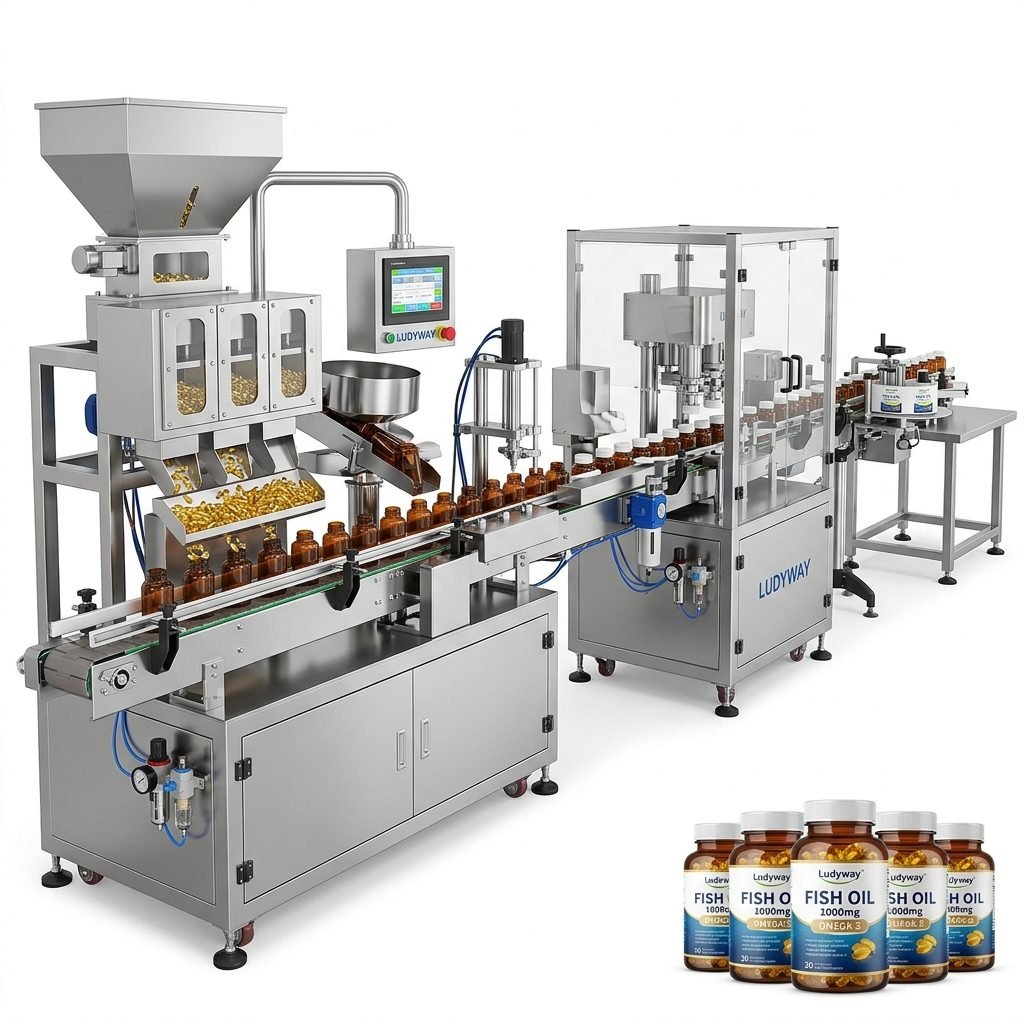
Filling and Sealing Machines
These machines are the workhorses of packaging lines, responsible for accurately dispensing product into containers and securely closing them.
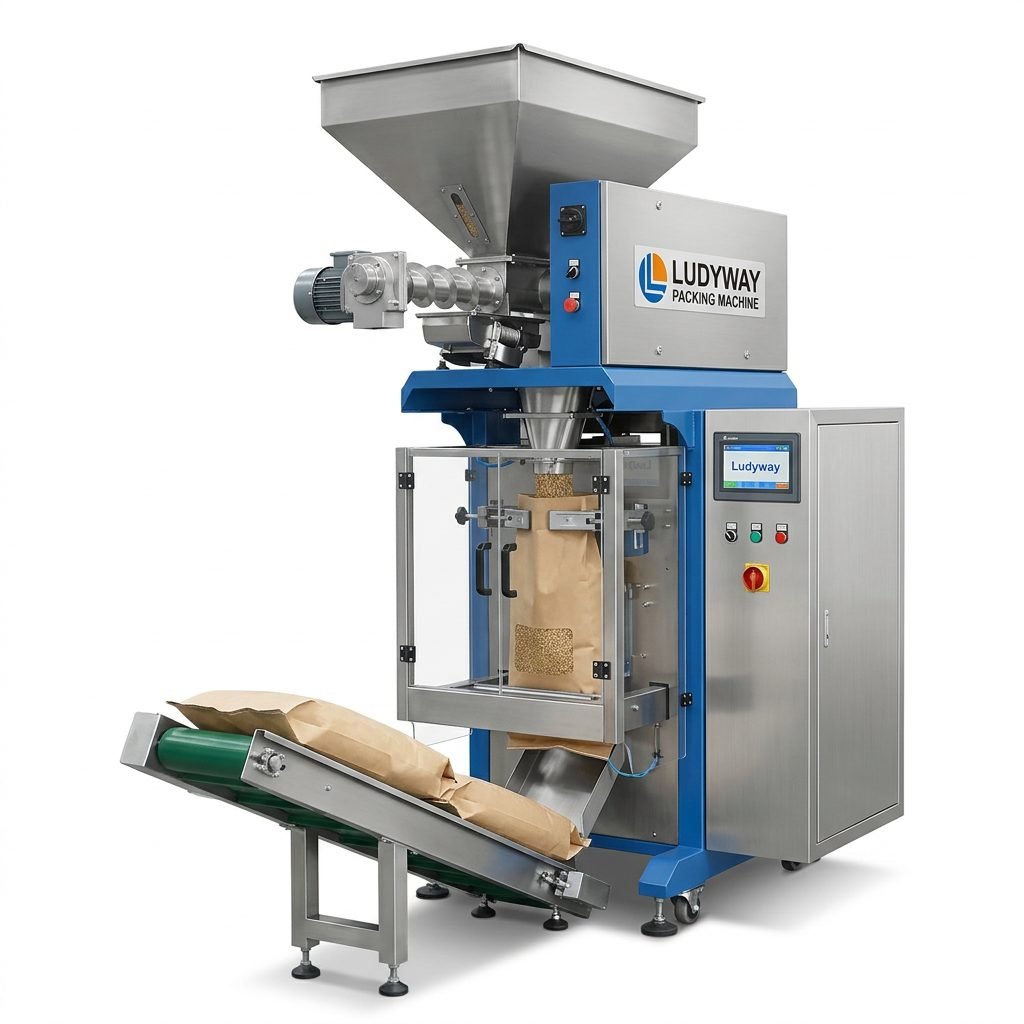
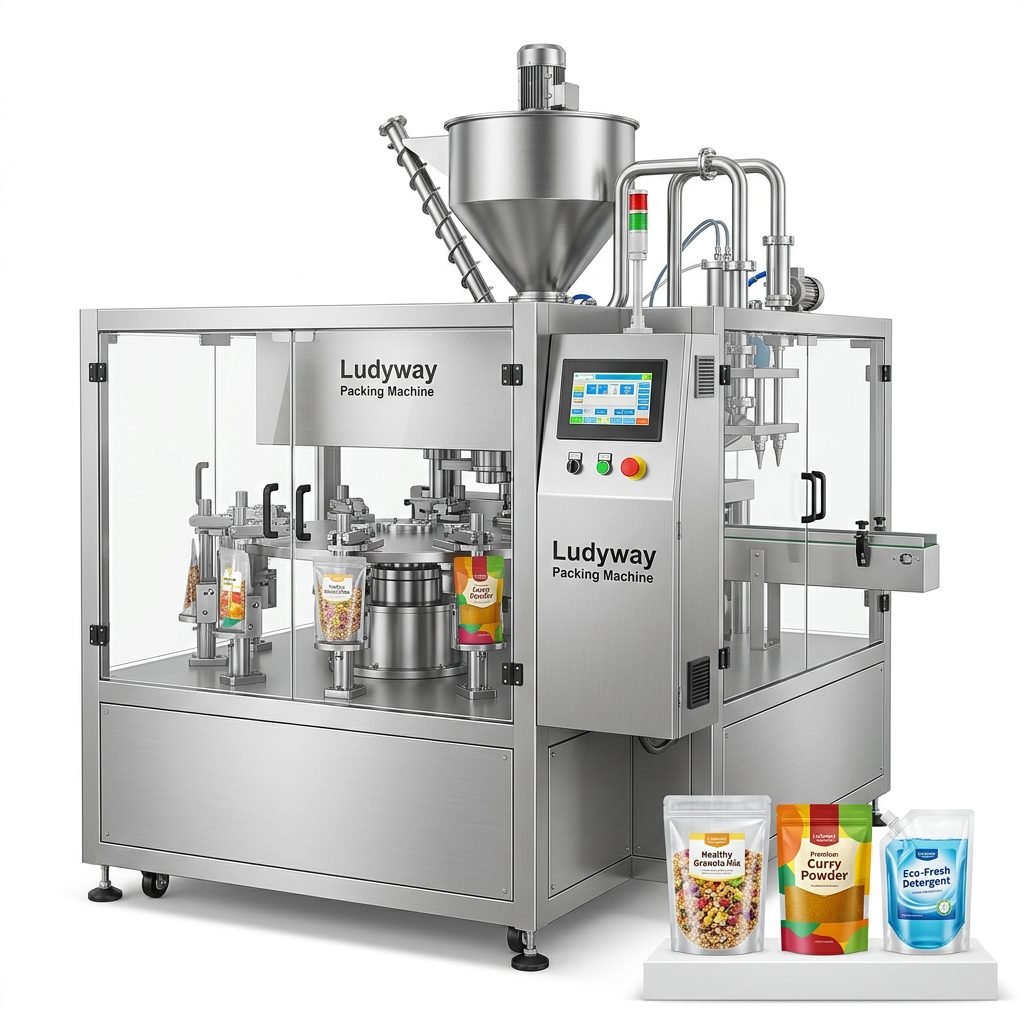
Liquid Fillers: Ideal for beverages, oils, and chemicals. They range from simple gravity fillers to advanced volumetric or net weight fillers for high accuracy. Powder Fillers: Used for flour, spices, and pharmaceuticals. Auger fillers are common, using a screw mechanism to dispense dry products precisely.
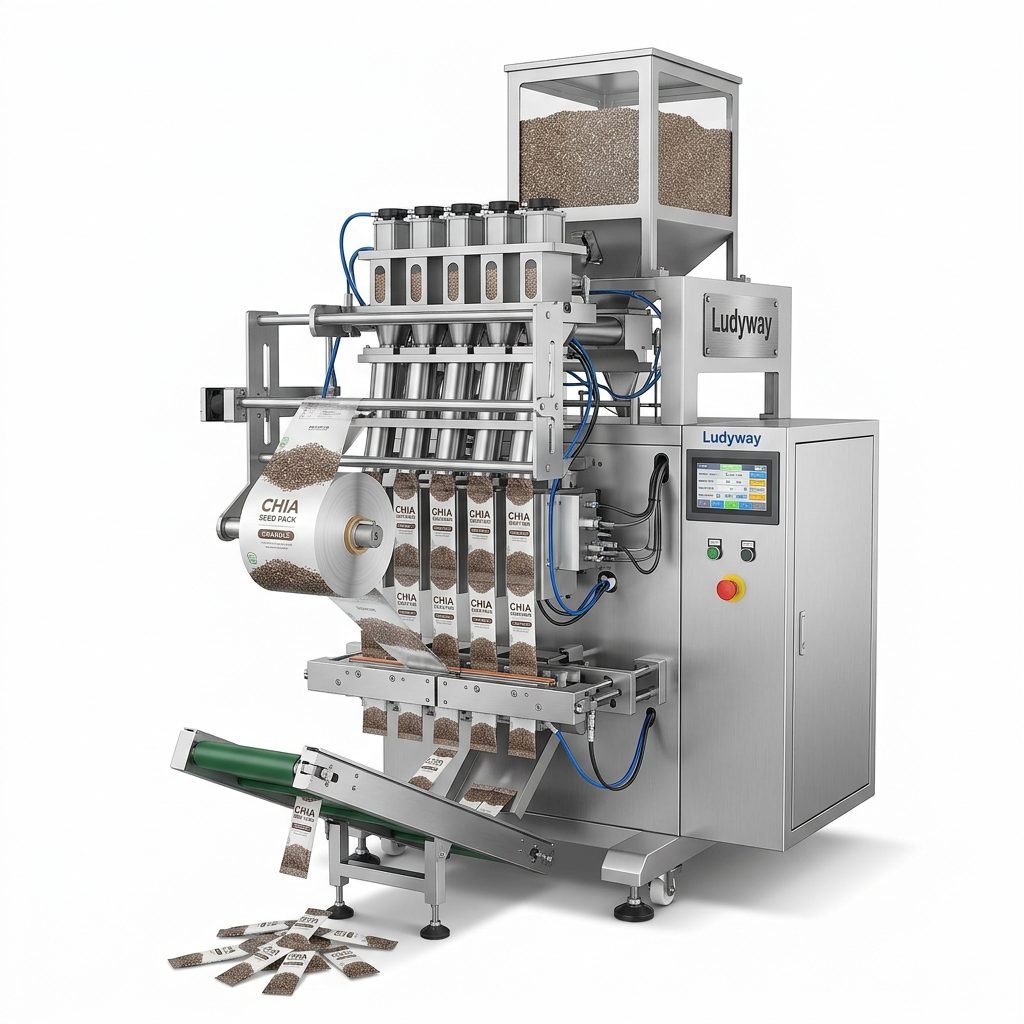
Granule Fillers: Perfect for coffee beans, nuts, and seeds. These often use cup or weigh cell technology. Sealers: Apply heat, pressure, or induction to close bags, pouches, or containers. Common types include continuous band sealers and induction cap sealers for bottles.
Form-Fill-Seal (FFS) Machines
FFS machines are highly efficient, integrated systems that form packaging from a roll of film, fill it with product, and seal it—all in one continuous operation. They are dominant in the food and pharmaceutical sectors.
- Vertical Form-Fill-Seal (VFFS): Creates bags that are filled vertically. Perfect for snacks, frozen vegetables, and hardware items. They are space-saving and fast.
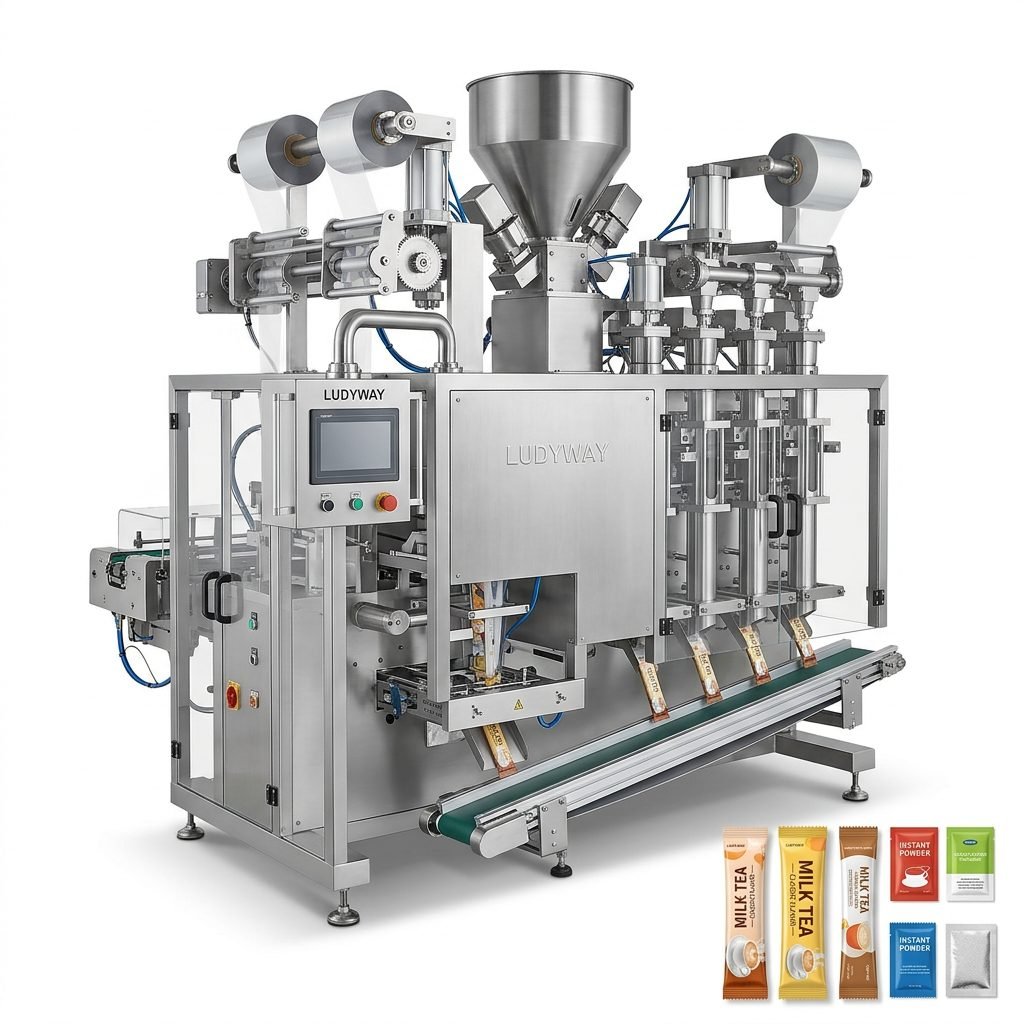
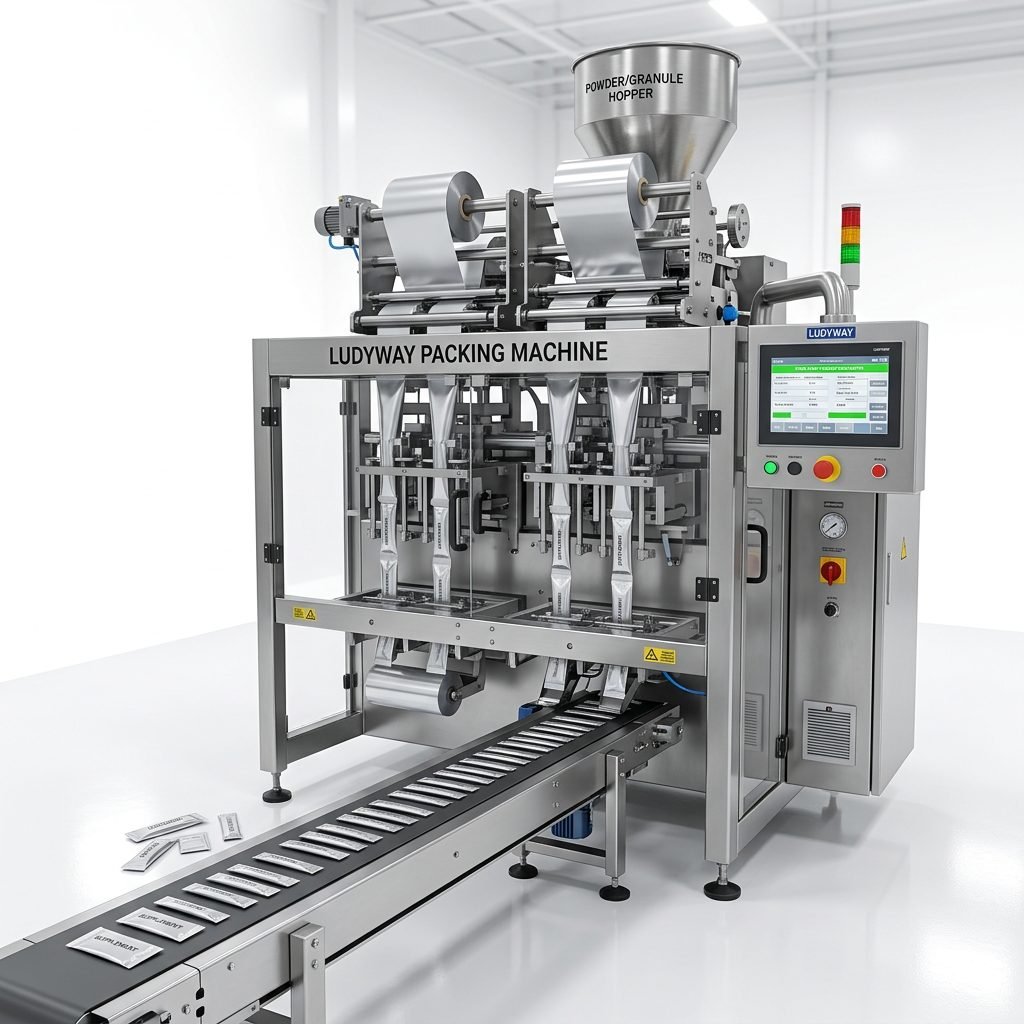
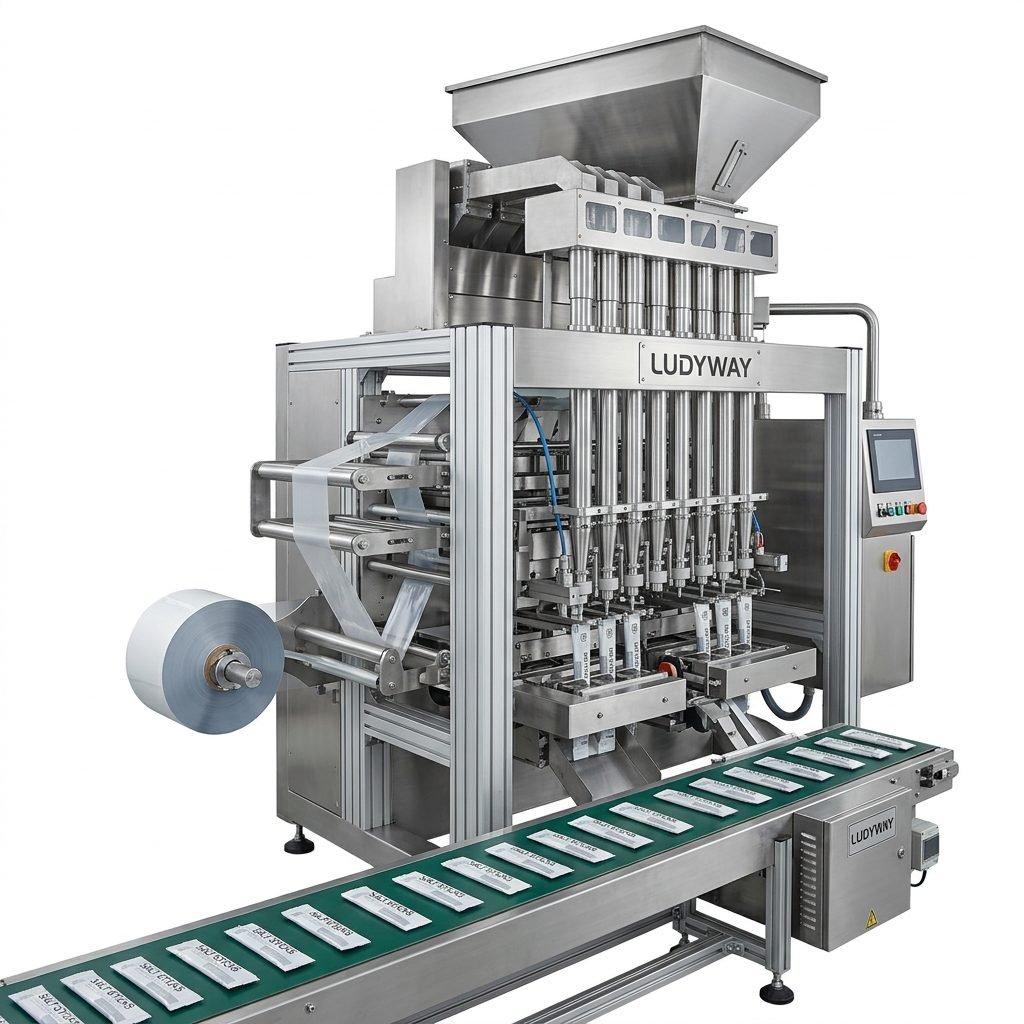
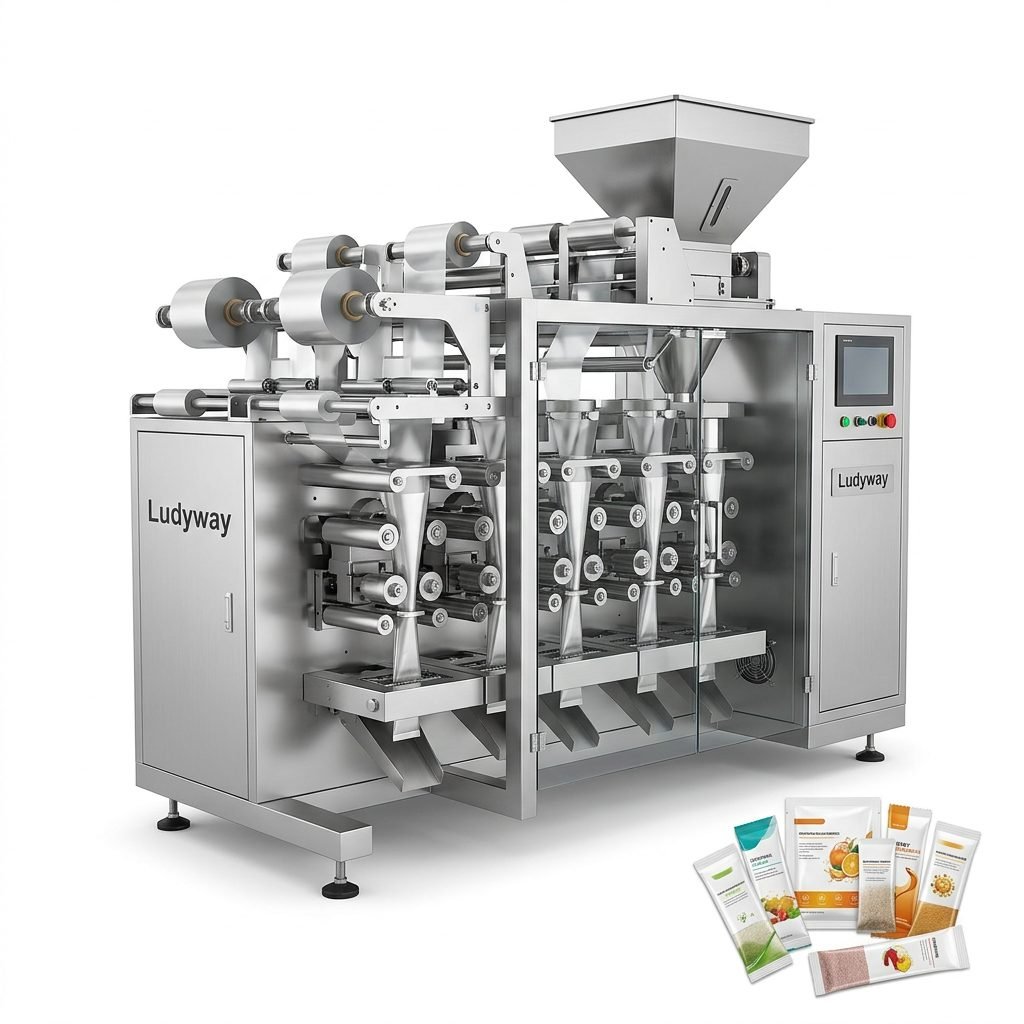
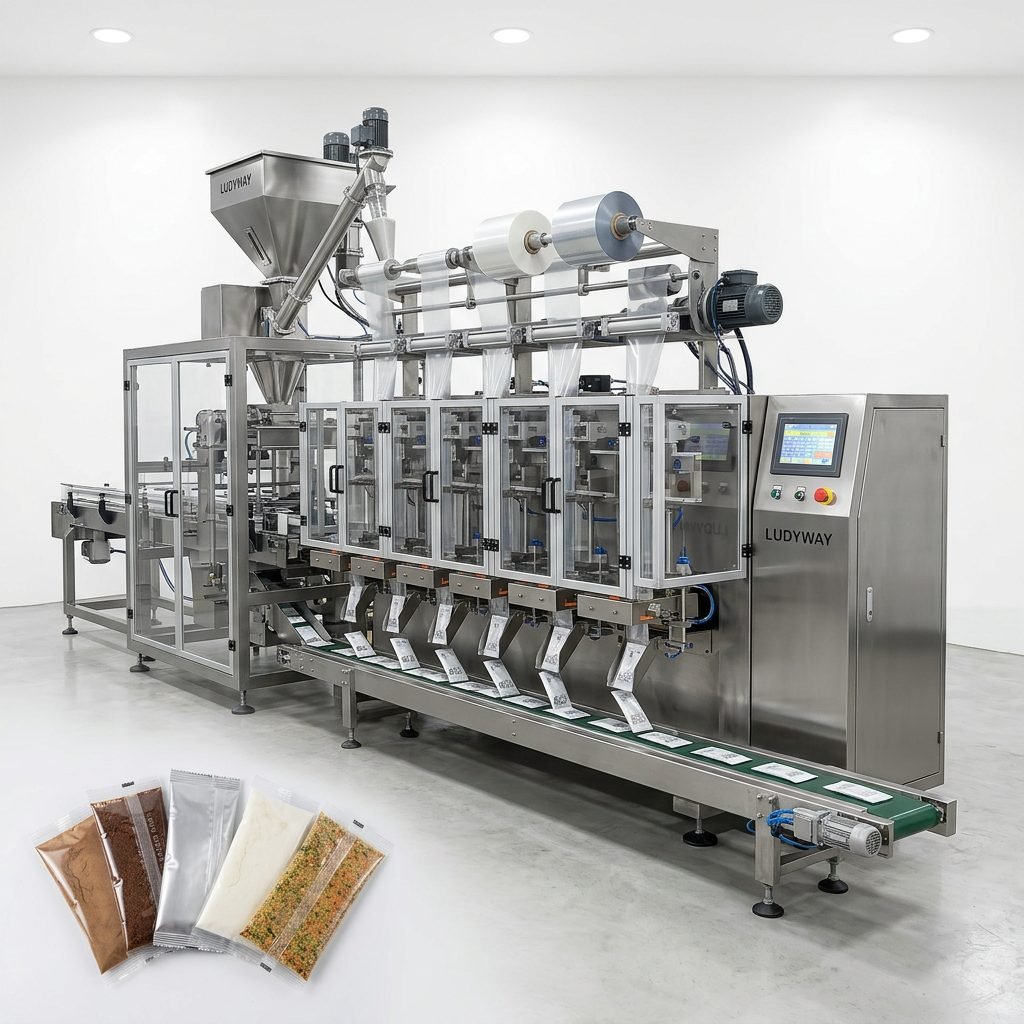
- Horizontal Form-Fill-Seal (HFFS): Forms pouches on a horizontal plane. Often used for liquids, sauces, and products that need to lie flat, like stick packs for supplements or drink mixes.
Labeling and Coding Equipment
This equipment applies vital information and branding to packages. Labelers can apply pressure-sensitive labels, wrap-around labels, or print-and-apply labels directly. Coders, including inkjet and laser systems, print batch numbers, expiry dates, and barcodes directly onto packaging materials.
Key Applications Across Major Industries
Different industries have unique packaging requirements driven by regulation, product nature, and market expectations.
Food & Beverage Industry
Demands high-speed, hygienic equipment that maintains freshness. Applications include vacuum packaging for meats, modified atmosphere packaging (MAP) for salads, and aseptic filling for dairy and juices. Liquid filling machines and multi-lane VFFS machines for snacks are ubiquitous.
Pharmaceutical & Healthcare
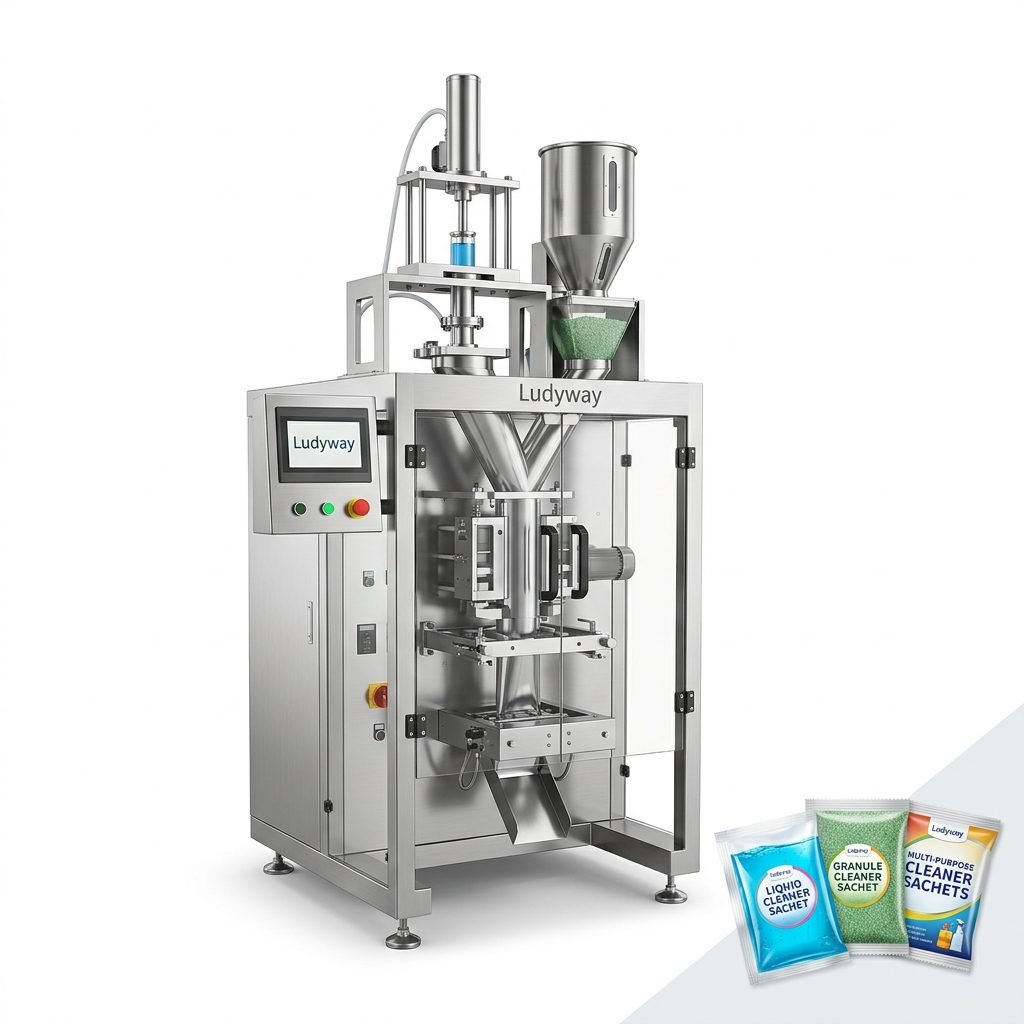
Precision and contamination control are paramount. Equipment must often comply with strict standards like cGMP. Common machinery includes blister packers, sachet packaging machines for powders or ointments, and tamper-evident sealing systems. Accuracy in filling small doses is critical.
Cosmetics & Chemicals
Focuses on aesthetic appeal and leak prevention. This sector uses elegant filling lines for perfumes and creams, reliable tube fillers, and robust equipment for packaging household chemicals. Consistent filling and secure sealing are essential to prevent damage and ensure safety.
Essential Buying Tips for Your Packaging Machinery
Investing in packaging equipment is a significant decision. Here are crucial factors to evaluate to ensure a successful purchase that delivers long-term value.
1. Assess Your Product and Production Needs
Start with a clear analysis. What is your product’s form (liquid, powder, granule)? What are your required output speeds (bags/per minute)? What packaging material will you use (film, pouch, bottle)? Answering these questions narrows down machine types. Consider future product variations to ensure flexibility.
2. Prioritize Machine Quality and Durability
Look for robust construction with high-grade components (e.g., stainless steel contact parts for food/pharma). A durable machine minimizes downtime and maintenance costs. Research the manufacturer’s reputation and company history; those with decades of experience, like industry experts with 30+ years, often provide more reliable engineering.
3. Evaluate Automation and Integration Capabilities
Modern packaging lines thrive on connectivity. Can the machine integrate with upstream (e.g., mixers) and downstream (e.g., cartoners) equipment? Does it offer programmable logic controller (PLC) touchscreen controls for easy operation and recipe changeovers? Automation boosts efficiency and reduces labor.
4. Consider Total Cost of Ownership (TCO)
Look beyond the initial purchase price. Factor in installation, training, ongoing maintenance, spare parts availability, and energy consumption. A slightly higher upfront cost for a more efficient, reliable machine from a supplier with strong technical support often results in a lower TCO.
5. Verify Supplier Support and Service
Strong after-sales support is non-negotiable. Ensure the supplier offers comprehensive installation, operator training, and readily available spare parts. Check if they have a global service network or remote diagnostic capabilities. A partner committed to long-term cooperation is invaluable for your operational continuity.
Trends Shaping the Future of Packaging Machinery
The industry is rapidly evolving with technology. Smart Packaging lines with IoT sensors allow for real-time monitoring of machine performance and predictive maintenance. Sustainability drives demand for machines that handle recyclable or biodegradable materials efficiently. Furthermore, flexibility remains key, as manufacturers seek equipment that can quickly switch between package sizes and formats to meet agile market demands.
Frequently Asked Questions (FAQs)
What is the main difference between VFFS and HFFS machines?
VFFS (Vertical Form-Fill-Seal) machines form bags vertically and are typically used for free-flowing products like chips or granules. HFFS (Horizontal Form-Fill-Seal) machines form pouches horizontally and are better suited for liquid, viscous, or fragile products that need to lie flat, such as sauce sachets or stick packs.
How do I determine the right speed/capacity for my packaging machine?
Calculate your current and projected future production volumes (e.g., units per shift). Choose a machine with a maximum speed that exceeds your peak requirement by 15-20% to account for efficiency losses and future growth, ensuring you don’t bottleneck your production line.
What are the most important features for packaging food products?
Hygiene and safety are paramount. Key features include easy-clean designs with stainless steel surfaces, compatibility with food-grade lubricants, and often certifications for washdown environments. Accuracy in filling and secure sealing to prevent contamination and spoilage are also critical.
Can one machine handle different types of packaging materials?
Many modern machines offer good flexibility, but there are limits. A machine might handle various thicknesses of plastic film, but switching to a completely different material (e.g., from film to paper-based laminate) may require significant part changes or a different machine type. Always discuss material flexibility with your supplier.
Why is after-sales service so important when buying packaging equipment?
Packaging machines are complex and require maintenance. Reliable after-sales service ensures minimal downtime through quick access to spare parts, expert troubleshooting, and preventive maintenance support. This service is crucial for maintaining your production schedule and protecting your investment over the machine’s lifespan.