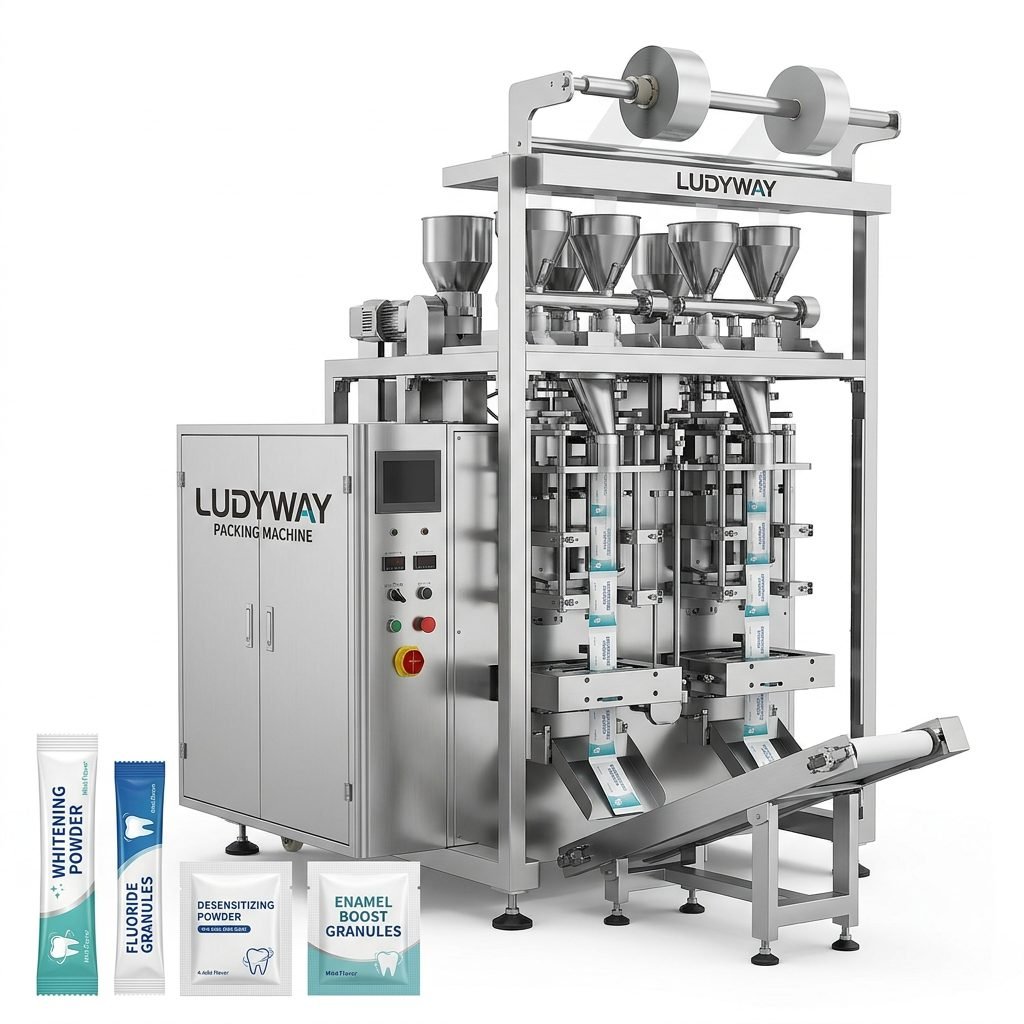
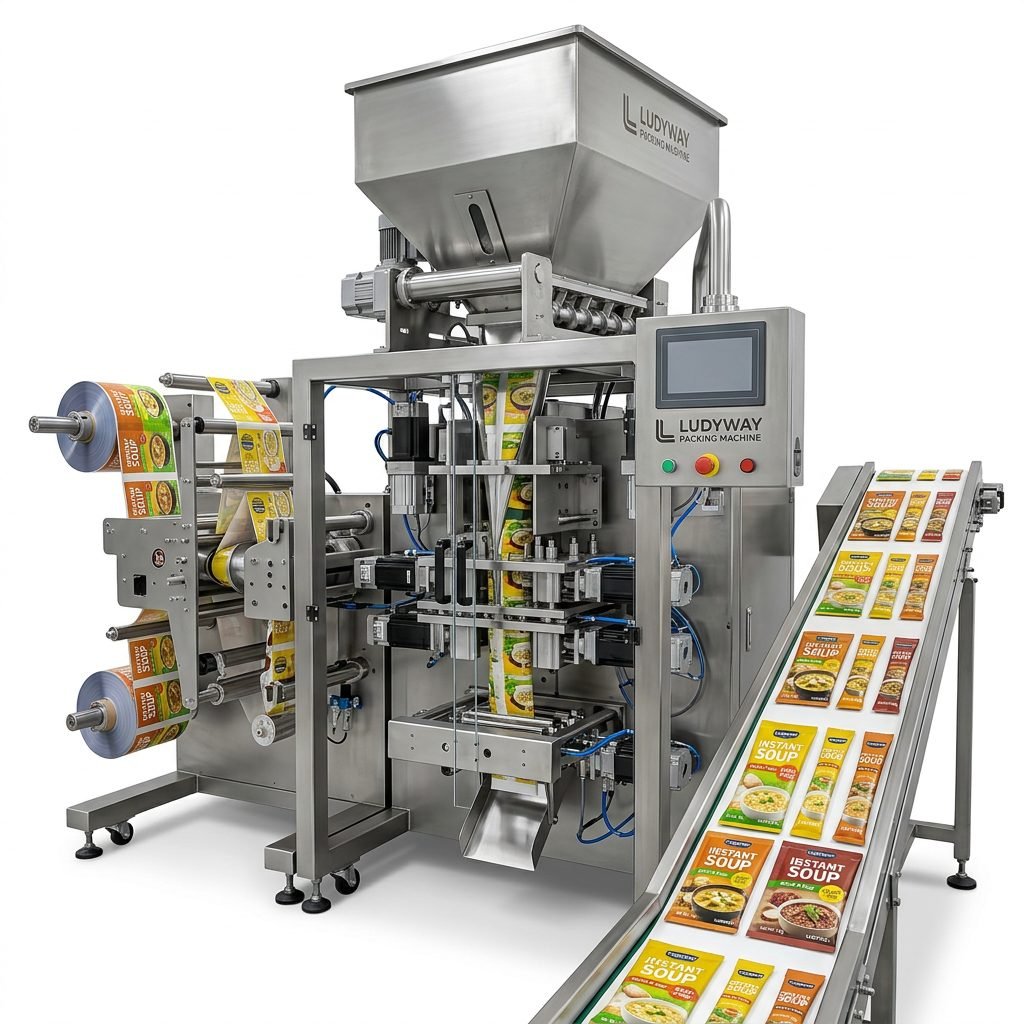
Selecting the right flexible packaging machine is a critical decision that directly impacts your production efficiency, product quality, and overall operational costs. With a vast array of technologies, configurations, and suppliers available, navigating the options can be complex. This comprehensive guide is designed to help you understand the key factors involved in choosing the best flexible packaging solution for your specific production line needs.
Understanding Your Packaging Requirements
The first and most crucial step is a thorough internal analysis. You must clearly define what you need the machine to accomplish before evaluating any equipment.
Key Questions to Answer:
→ Product Type: Are you packaging granules, powders, liquids, pastes, or solids? Each product type has unique handling requirements.
→ Packaging Format: Do you need stand-up pouches, flat pouches, stick packs, or sachets? The desired final bag dictates the machine type.
→ Production Speed (Output): What is your required output in bags per minute (BPM) or packs per hour? This is a primary driver for machine selection and cost.
→ Film Material: What laminate or film will you use (e.g., PET/AL/PE, OPP/CPP)? The machine must be compatible with your material’s thickness and sealing properties.
→ Future-Proofing: Do you plan to introduce new products, package sizes, or materials in the next 3-5 years? Flexibility for change is a valuable feature.
Core Types of Flexible Packaging Machines
Different machines are engineered for specific tasks. Understanding these core types will narrow your search significantly.
Vertical Form-Fill-Seal (VFFS) Machines
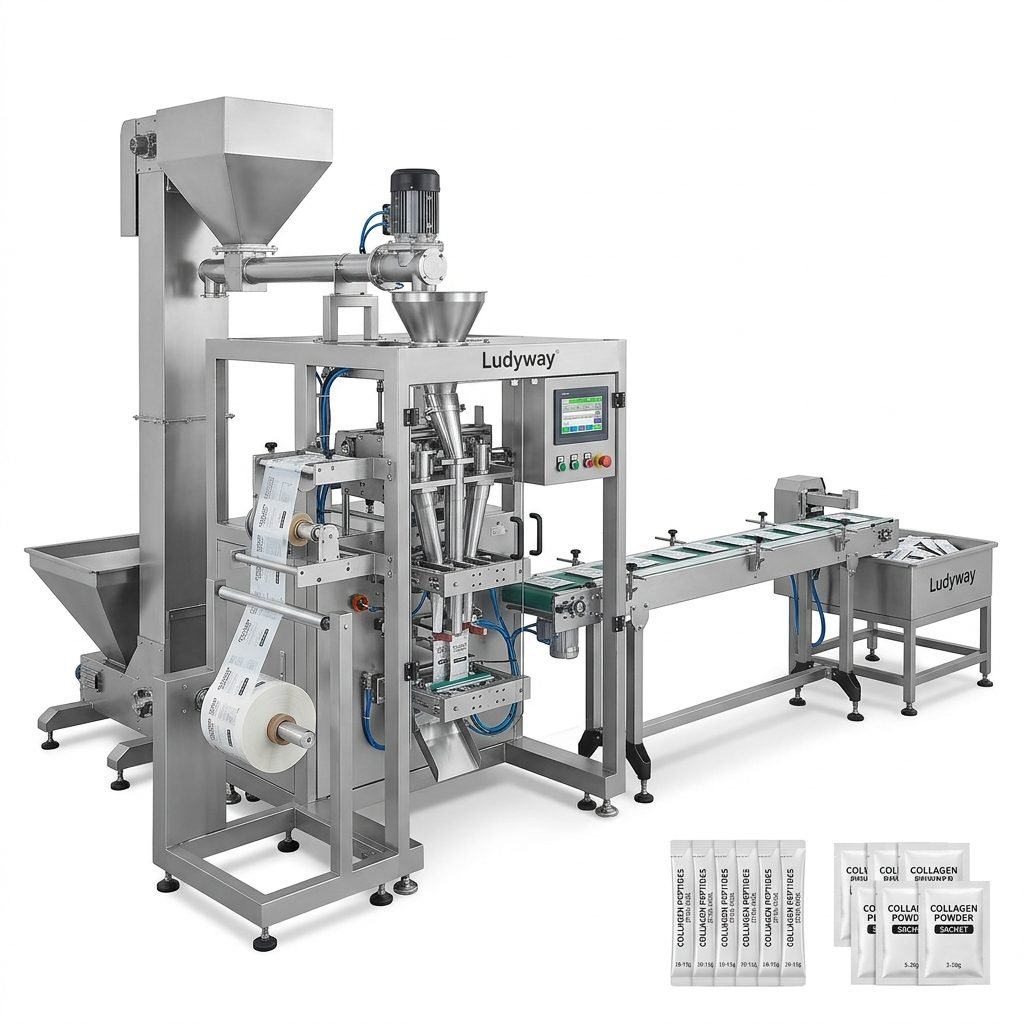
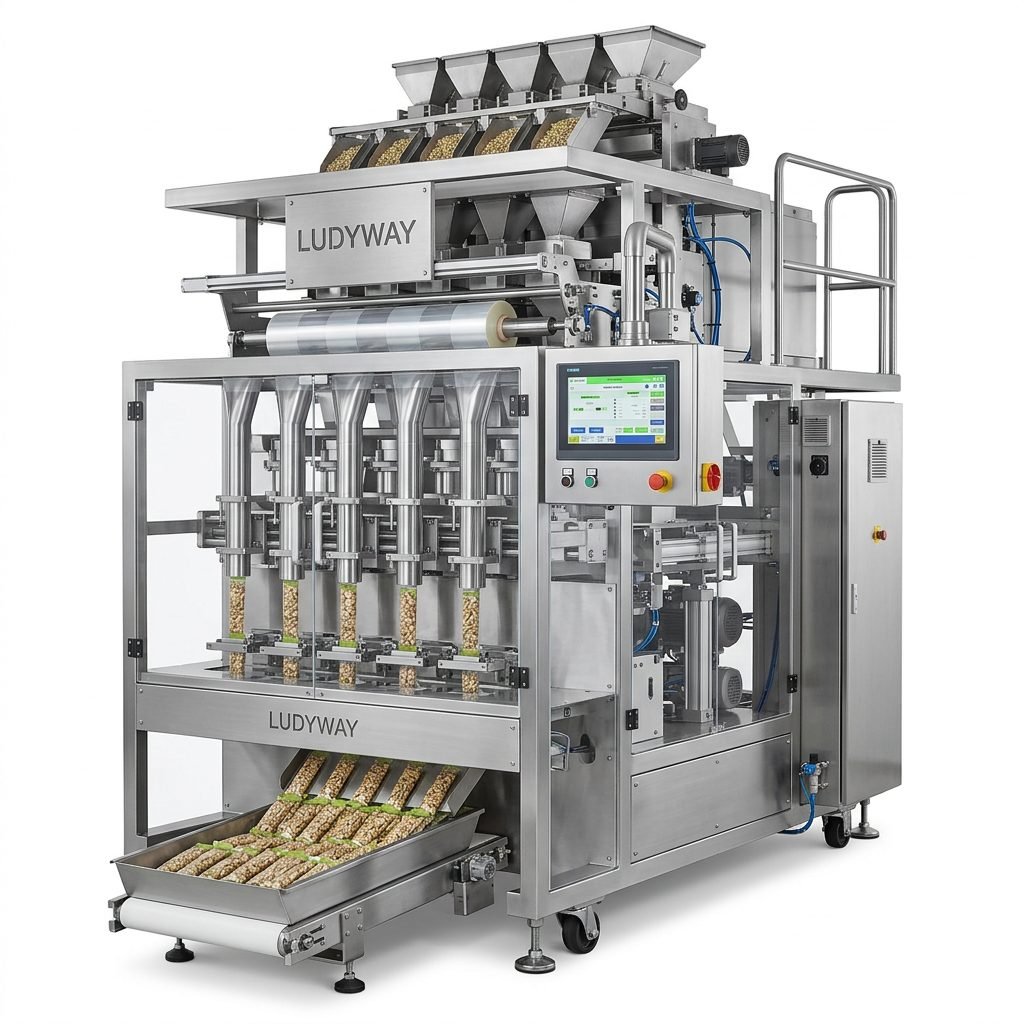
The most common and versatile type. A VFFS machine forms a bag from a roll of flat film, fills it with product, and seals it—all in a continuous vertical process. Ideal for granules, powders, seeds, snacks, and liquids. They are excellent for high-speed production and frequent size changes.
Horizontal Form-Fill-Seal (HFFS) Machines
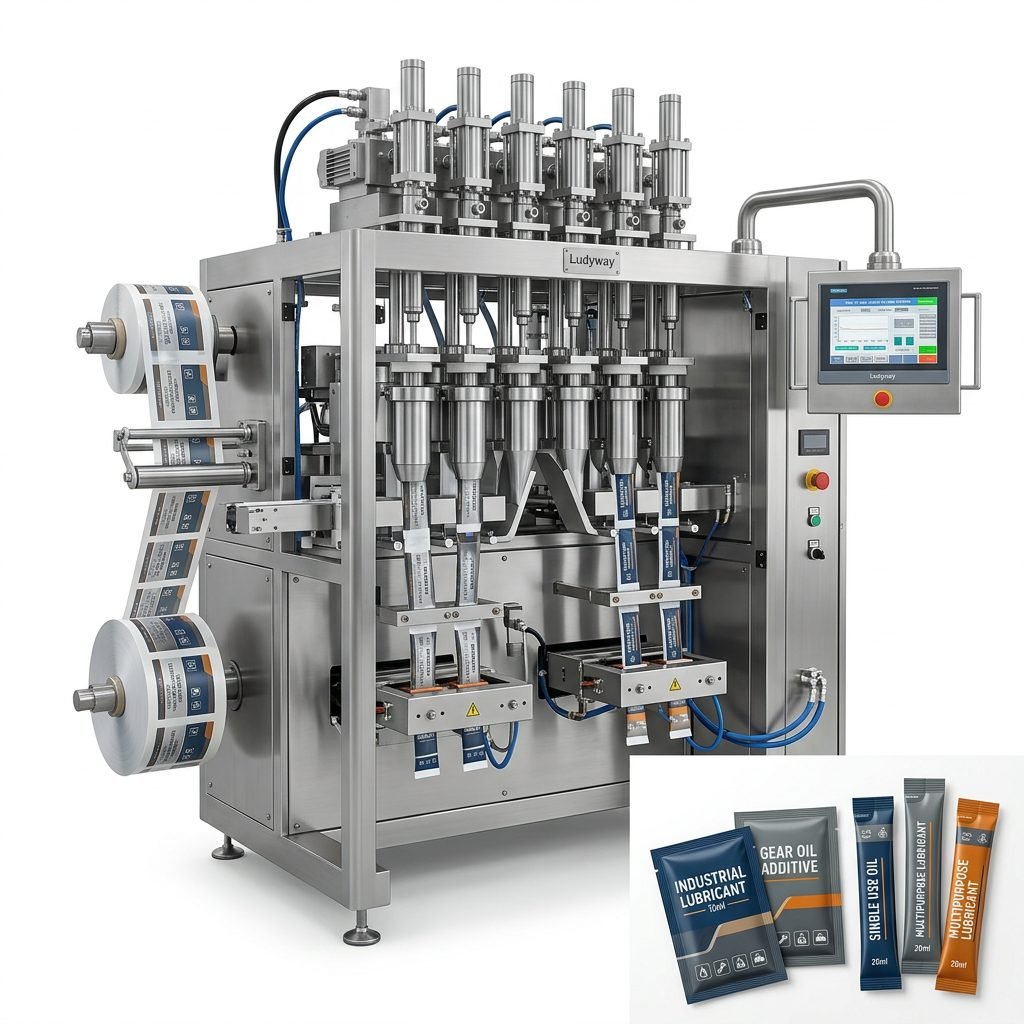
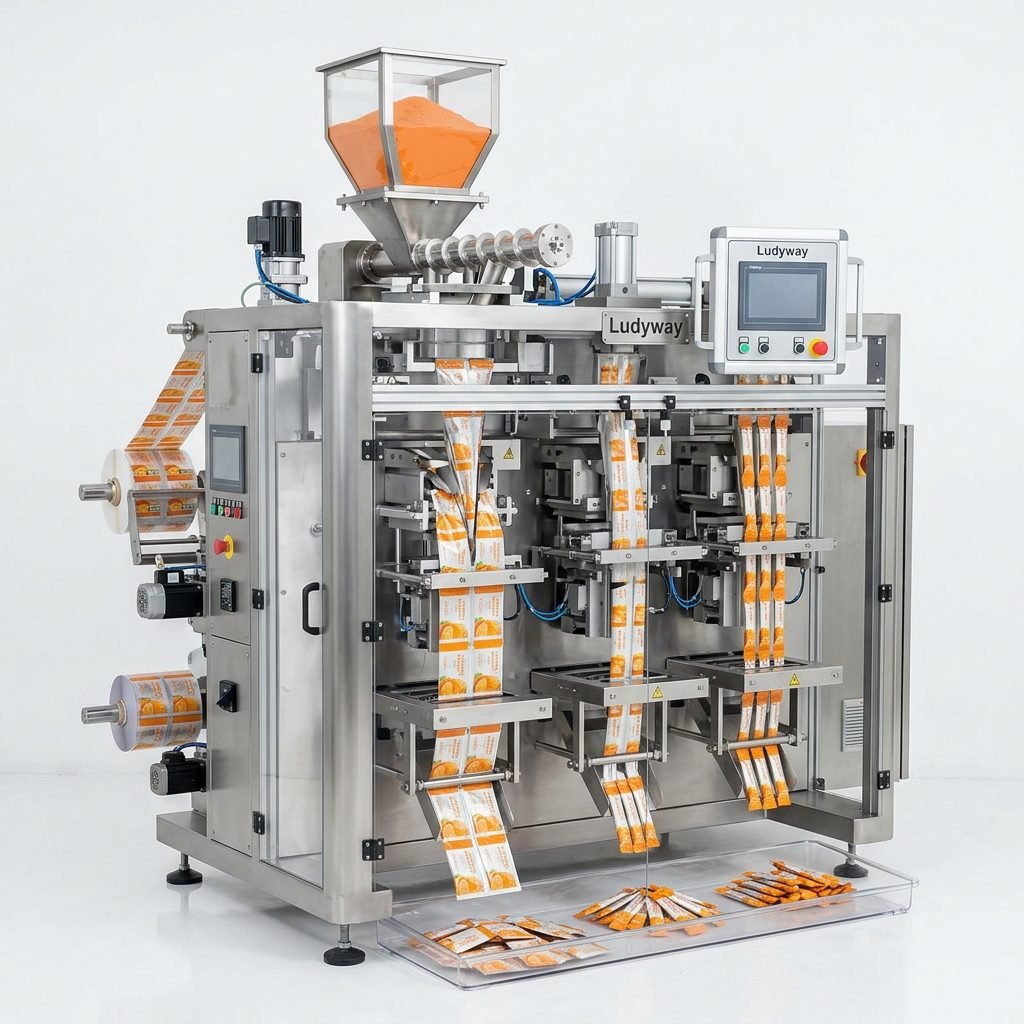
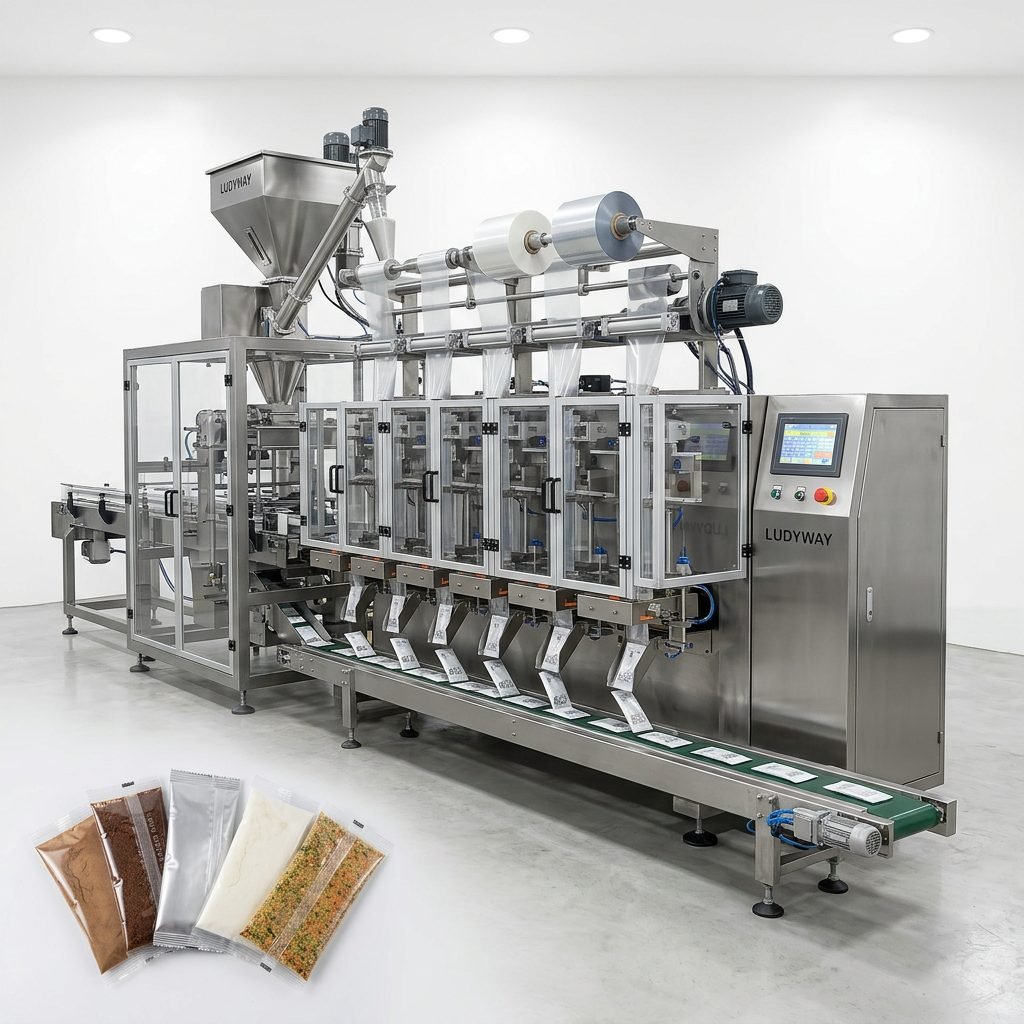
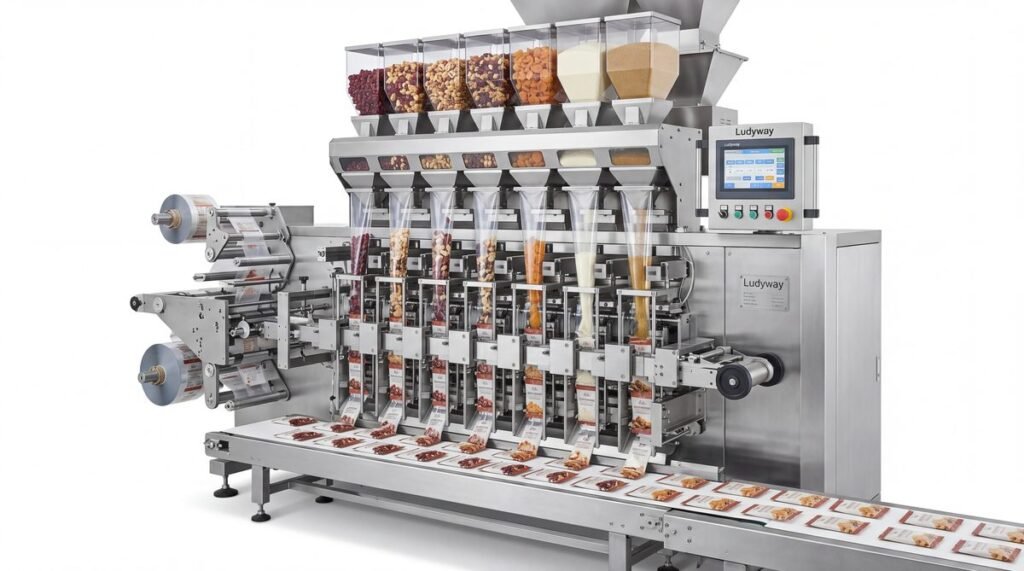
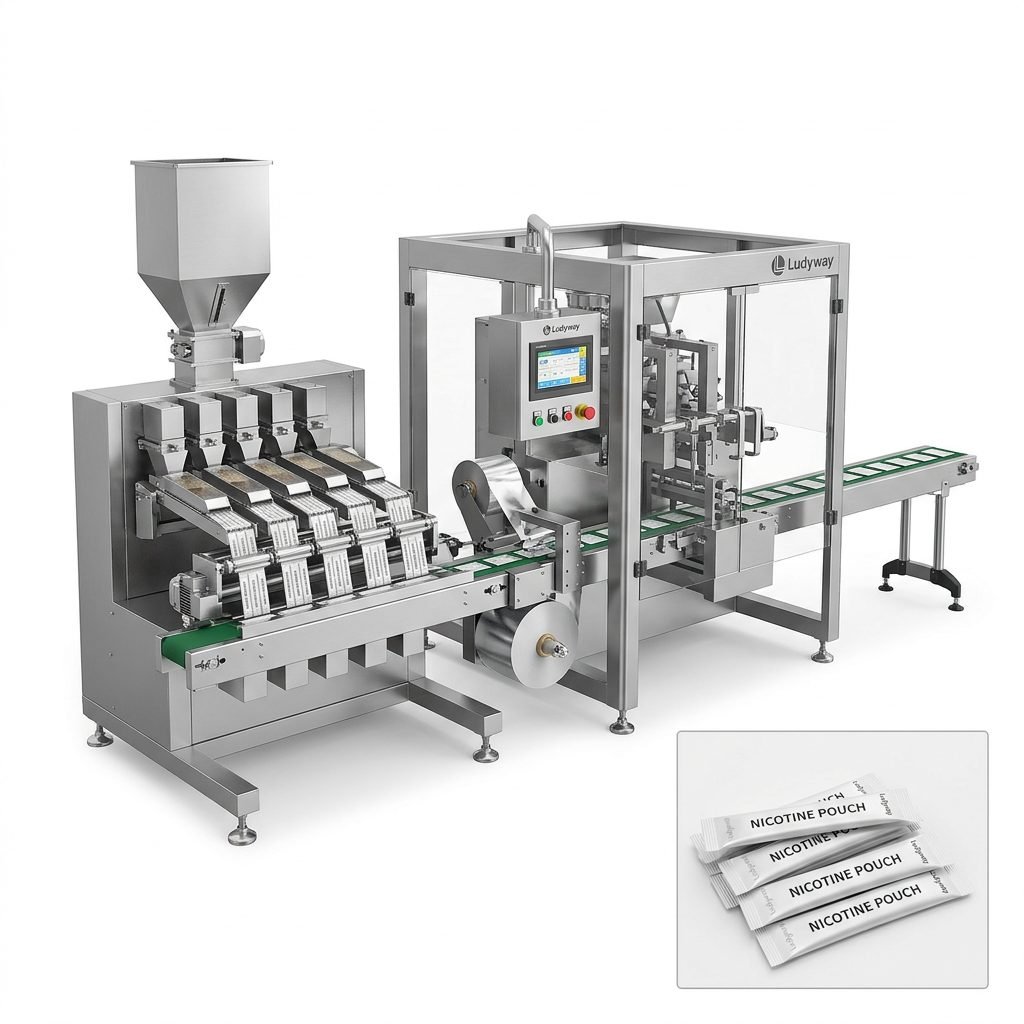
These machines form pouches horizontally and are often used for more complex packaging, such as portion packs (sachets for sauces, condiments), stick packs (for powders), and products requiring precise placement. They can handle multi-lane production, dramatically increasing output for small packs.
Pre-Made Pouch Fillers
Instead of forming pouches from roll stock, these machines fill and seal pre-manufactured, finished pouches. This is ideal for high-quality retail packaging where the pouch has advanced graphics or unique shapes that cannot be achieved with VFFS/HFFS. Speeds are generally lower, but presentation is superior.
Critical Selection Criteria for Your Production Line
Beyond the machine type, evaluate these technical and operational aspects.
1. Machine Speed & Efficiency
Do not just look at the maximum speed. Consider the effective, sustainable operating speed with your specific product and film. Evaluate changeover time between different products or bag sizes. A machine with quick-change features can drastically reduce downtime and increase overall equipment effectiveness (OEE).
2. Accuracy & Dosing Systems
Product waste is profit loss. The filling system must match your product’s characteristics.
Volumetric Cups: Good for uniform granules.
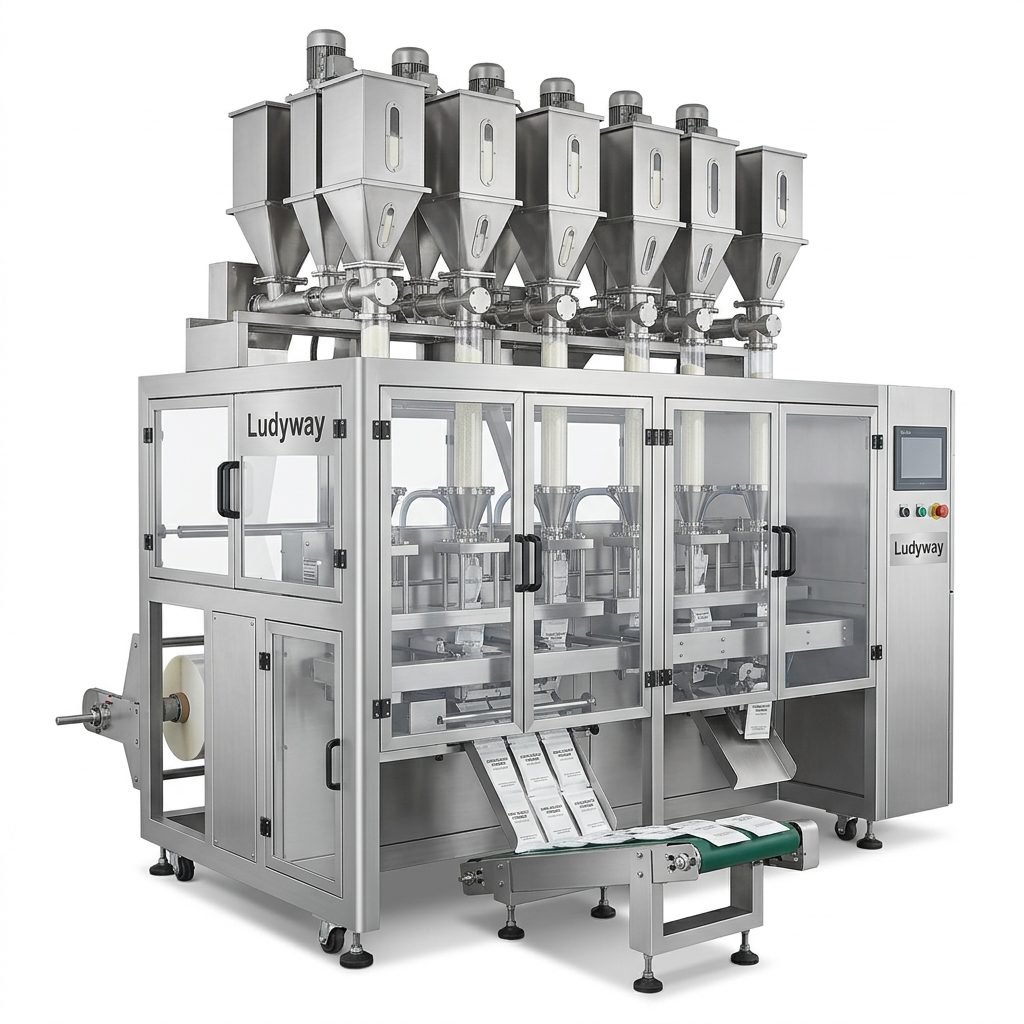
Auger Fillers: Essential for powders; precision depends on auger design and control.
Liquid Pumps: Used for viscosities from water to paste.
Weighing Scales (Multi-Head Weighers): The gold standard for high-speed, high-accuracy filling of snacks, nuts, and frozen foods.
3. Sealing System & Quality
The seal integrity is paramount for product shelf life and protection. Understand the sealing method: heated jaws, impulse seal, or ultrasonic seal. The system must reliably seal through potential product contamination (dust, powder, liquid) on the film. Look for consistent temperature control and pressure.
Integration & Automation Potential
Your packaging machine should not be an island. Consider how it will integrate into your existing or planned line. Does it need to connect with upstream equipment like mixers or downstream systems like cartoners or case packers? Look for machines with standard communication protocols (e.g., PLC with Ethernet/IP) and the ability to add automation like robotic bag placers, checkweighers, or vision inspection systems.
Supplier Evaluation: Beyond the Machine
The manufacturer or supplier is as important as the hardware. A reliable partner ensures long-term success.
Experience & Expertise: Choose a supplier with proven experience in your specific industry (e.g., food, pharmaceutical, chemicals). They will understand your regulatory and hygienic requirements. For instance, Ludyway Machinery brings over a decade of focused expertise in providing tailored solutions for these sectors.
Service & Support: Inquire about installation, training, spare parts availability, and technical support response times. Global manufacturers should offer localized or responsive remote support.
Quality of Construction: Inspect the machine’s build quality. Are frames sturdy? Are components from reputable brands? High-quality construction minimizes vibration at high speeds and ensures longevity.
Making the Final Decision: Cost vs. Value
The cheapest machine often becomes the most expensive in the long run due to downtime, poor seals, product waste, and limited support. Perform a Total Cost of Ownership (TCO) analysis that includes:
• Purchase Price
• Installation & Commissioning
• Operating Costs (Energy, Film Waste)
• Maintenance & Spare Parts
• Potential Cost of Downtime
Invest in a solution that offers the best long-term value, reliability, and scalability for your business growth.
Frequently Asked Questions (FAQs)
Q1: What is the main difference between VFFS and HFFS machines?
A: The primary difference is the orientation of bag formation and filling. VFFS machines work vertically and are best for free-flowing products going into bags that are filled by volume or weight. HFFS machines work horizontally and are often used for creating multiple small sachets or stick packs from a single web of film, ideal for precise dosing of powders or liquids.
Q2: How important is a test with my own product before purchase?
A: It is highly recommended and often critical. A product test run at the supplier’s facility allows you to verify speed, accuracy, seal quality, and film runnability with your exact materials. It de-risks the investment and ensures the machine is correctly configured.
Q3: Can one machine handle different bag sizes and products?
A: Most modern flexible packaging machines are designed for quick changeover. However, the degree of flexibility varies. Some machines allow for tool-less changeovers in minutes for a range of sizes, while others may require changing forming tubes or sealing jaws, which takes longer. Discuss your required changeover frequency with the supplier.
Q4: What maintenance does a flexible packaging machine require?
A: Regular maintenance is key to longevity. Daily cleaning, periodic lubrication of moving parts, inspection and replacement of wear items like sealing jaws, cutting blades, and servo motor brushes are standard. A good supplier will provide a detailed maintenance schedule and training for your operators.
Q5: How do I ensure the machine meets food safety or pharmaceutical standards?
A: Specify your industry regulatory requirements (e.g., FDA, EHEDG, GMP) upfront. The machine should be constructed with appropriate materials (e.g., food-grade stainless steel), have smooth, cleanable surfaces, and design features that prevent contamination. Documentation of materials and design compliance is essential.