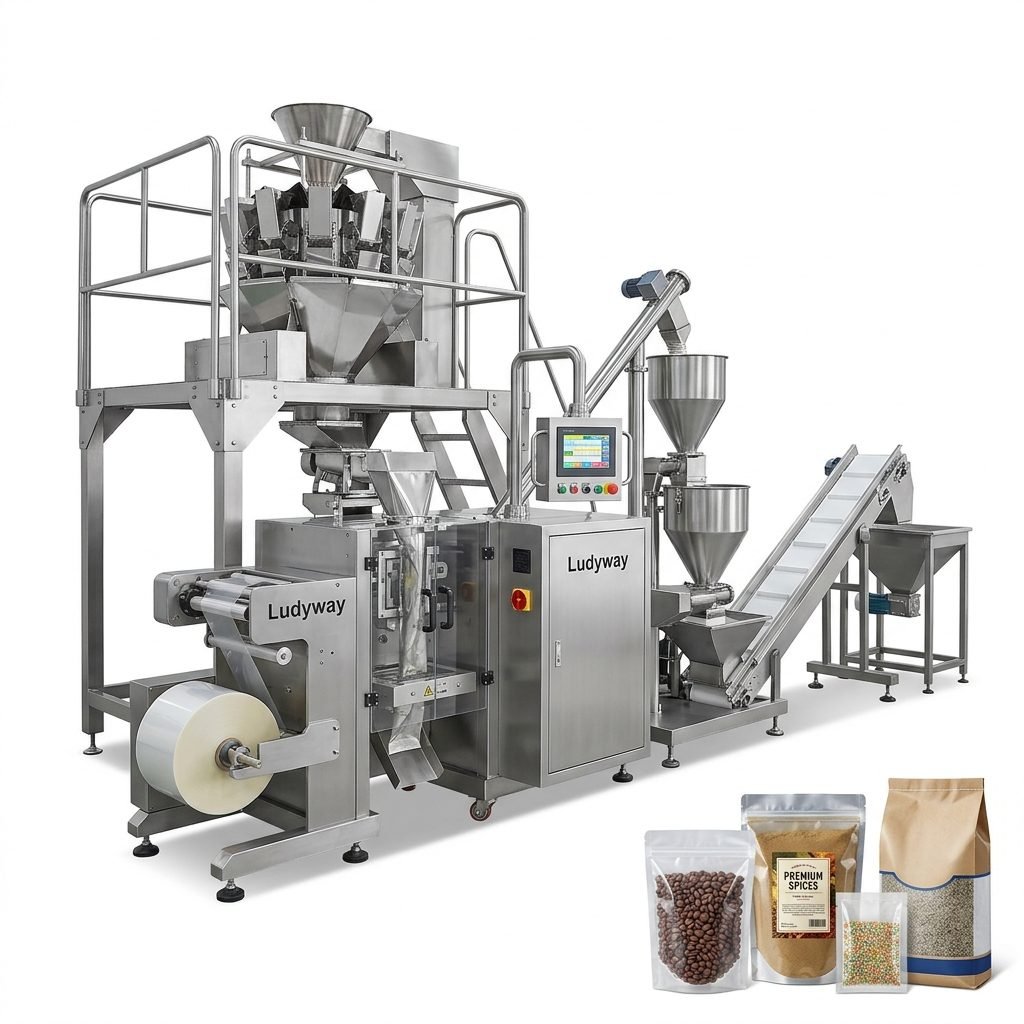
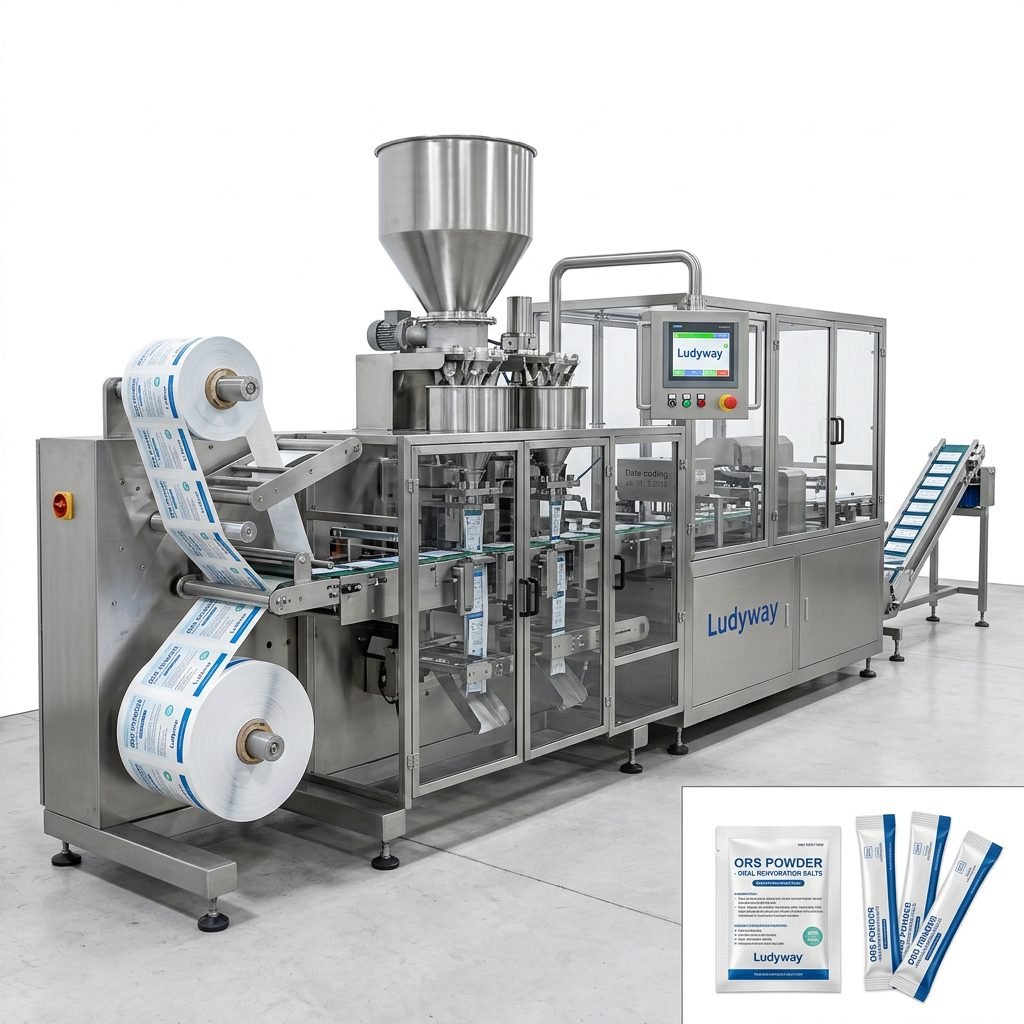
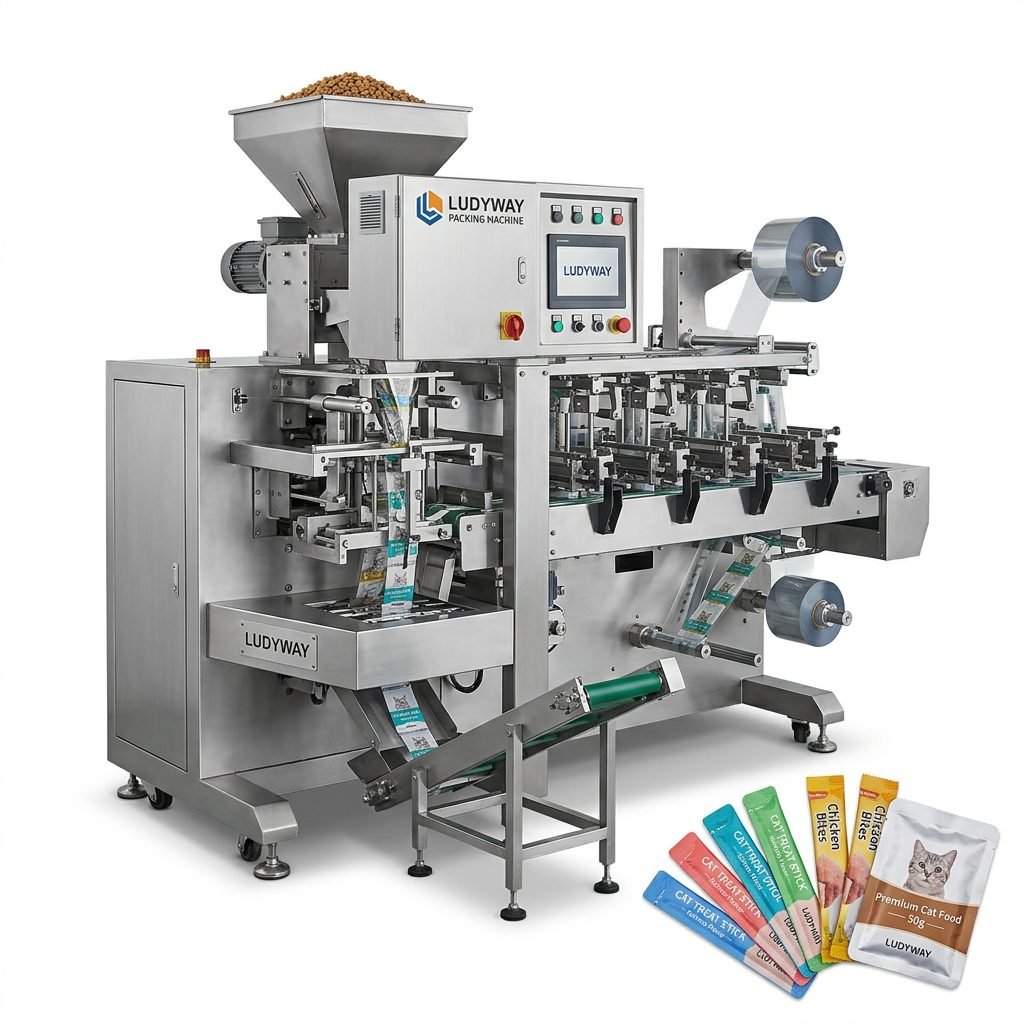
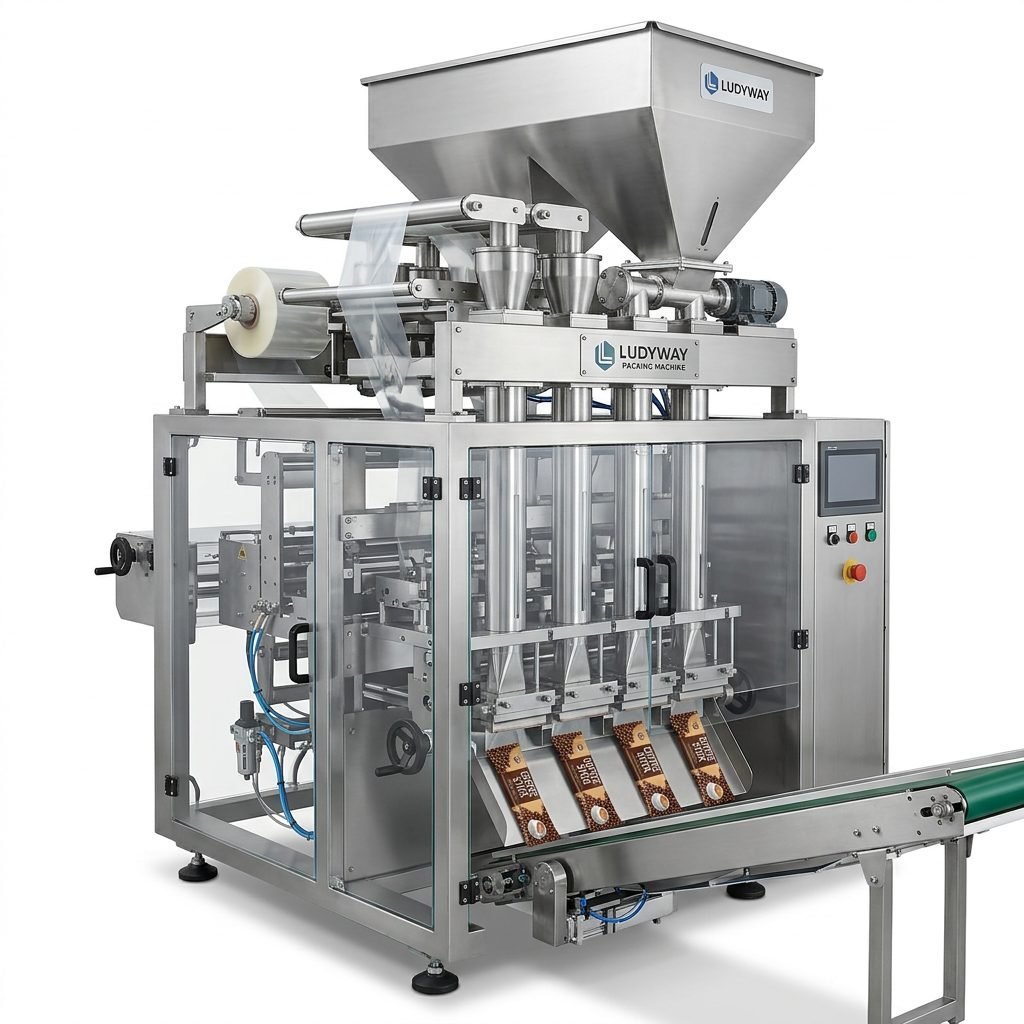
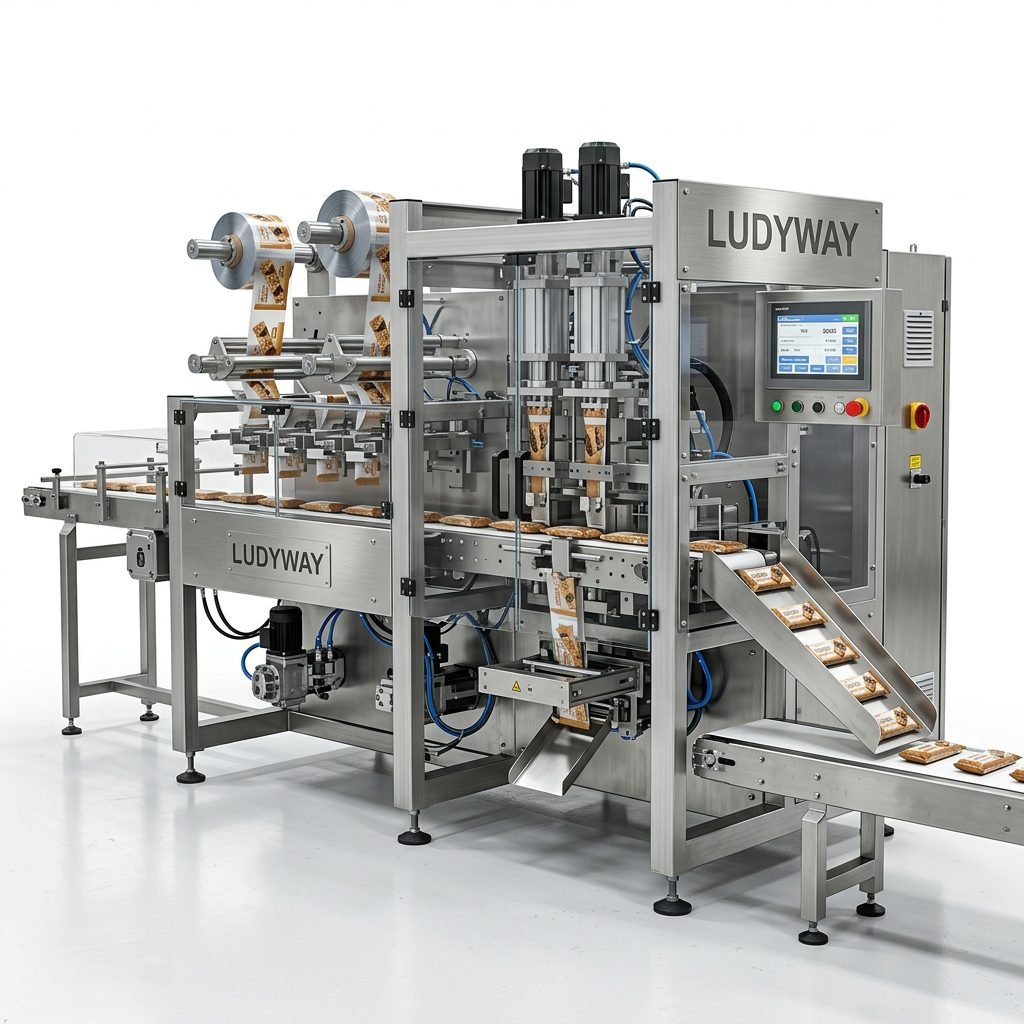
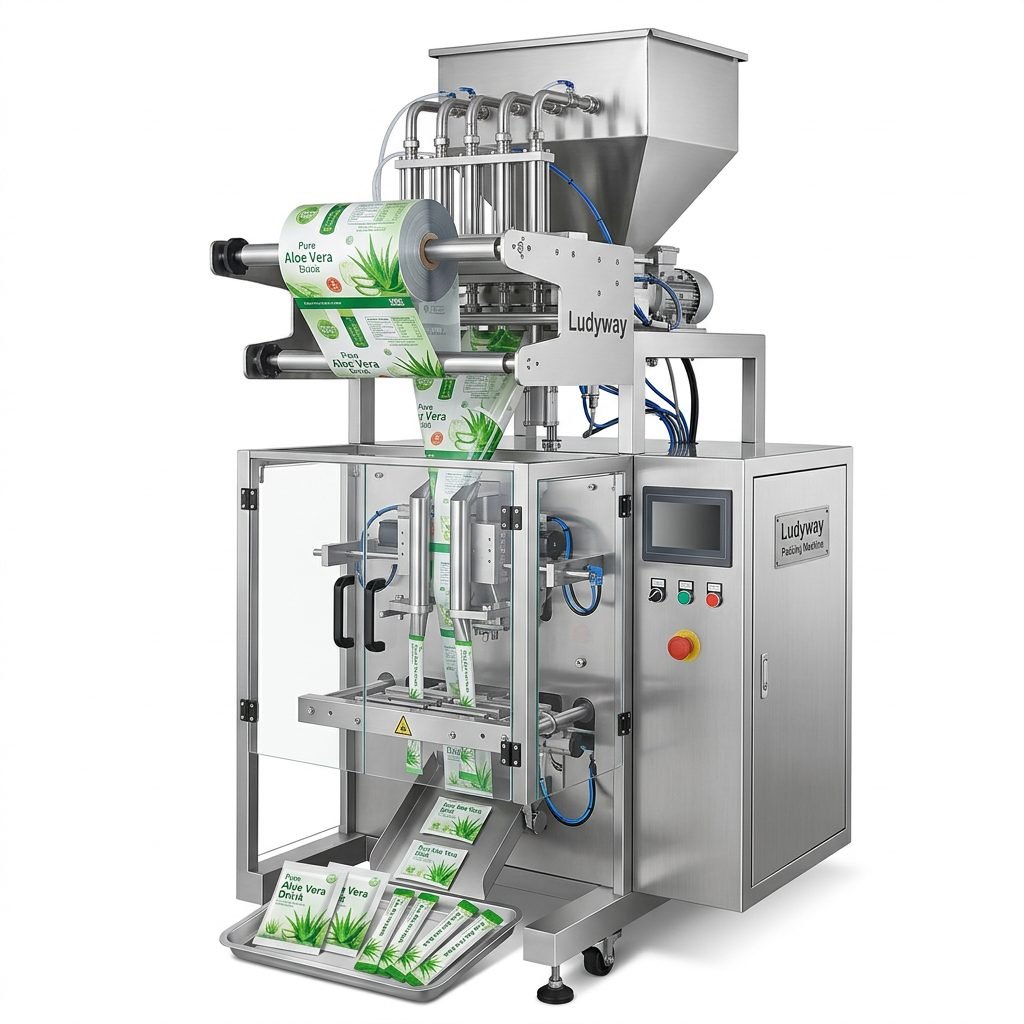
In the fast-paced world of e-commerce and logistics, the final step before a product reaches a customer—packing and shipping—is critical. Manual packaging processes are often slow, inconsistent, and can lead to damaged goods, resulting in customer dissatisfaction and increased costs. This is where automated packaging technology, specifically the Automated Bubble Mailer Packaging Machine, becomes a game-changer. By seamlessly integrating into shipping operations, this machinery not only boosts efficiency but also ensures parcels are consistently and securely protected.
The Core Challenge in Modern Shipping
Businesses today face immense pressure to ship orders quickly and accurately. Manually inserting items into bubble mailers is labor-intensive, prone to human error, and struggles to scale with order volume spikes. Inconsistent sealing or inadequate cushioning can lead to product damage during transit, a primary cause of returns and negative reviews. An automated solution addresses these pain points directly, transforming packaging from a bottleneck into a streamlined, reliable process.
Key Benefit: The primary advantage of automation is the transformation of packaging from a variable, cost-intensive manual task into a consistent, high-speed, and cost-effective operation. This directly impacts the bottom line and customer satisfaction.
How an Automated Bubble Mailer Machine Works
The operation is a marvel of engineering simplicity focused on reliability. The process typically follows these stages:
Stage 1: Feeding and Positioning
The machine automatically feeds flat bubble mailer stock from a roll or pre-formed pouches from a magazine. The item to be shipped is simultaneously conveyed to the precise loading position.
Stage 2: Item Insertion
Using gentle robotic arms, suction cups, or guided pushers, the product is accurately placed into the open bubble mailer. This step is crucial for preventing item shifting and ensuring optimal cushioning.
Stage 3: Sealing and Finishing
The machine neatly folds the mailer flap and applies a secure adhesive or heat seal. The finished, protected parcel is then discharged onto a conveyor belt, ready for labeling and sorting. This entire cycle takes mere seconds.
Tangible Benefits for Your Business
Investing in this automation delivers measurable returns across several key operational areas.
1. Dramatically Increased Shipping Efficiency
Machines can package hundreds of units per hour, far surpassing manual capabilities. This allows businesses to easily handle peak season volumes, fulfill same-day shipping promises, and scale operations without proportionally increasing labor costs. The speed and consistency directly translate to higher throughput and faster order turnaround. For more on scaling operations, see our insights on high-speed packaging solutions.
2. Superior Parcel Protection and Reduced Damage
Automation ensures every parcel receives the same, optimal level of cushioning and a perfectly applied seal. This eliminates the variability of manual packing, drastically reducing the risk of in-transit damage. Fewer damaged items mean a significant drop in return rates, replacement costs, and the preservation of brand reputation.
→ Operational Cost Savings Breakdown
Labor Reduction: Automating a repetitive task frees staff for higher-value roles like quality control or customer service.
Material Optimization: Machines can be programmed to use the exact amount of material needed, minimizing waste from oversized mailers or excess tape.
Error Reduction: Eliminates costs associated with mis-picks, incorrect items shipped, and poor sealing that leads to damage.
3. Enhanced Operational Consistency and Scalability
Every parcel leaving your facility has a uniform, professional appearance. This consistency is vital for brand perception. Furthermore, automated systems are inherently scalable; adding a second machine or integrating with a complete automated shipping line is far simpler than recruiting and training large teams of seasonal workers.
Integration into Existing Workflows
A significant advantage of modern automated bubble mailer machines is their flexibility. They are designed to integrate smoothly with existing warehouse management systems (WMS), conveyor systems, and labeling solutions. This creates a continuous flow from picking to packing to shipping, minimizing touchpoints and maximizing efficiency. Choosing a provider with strong integration support is key. Companies like Ludyway Machinery, with over 30 years of industry experience, specialize in tailoring such automation solutions to fit seamlessly into diverse production and logistics environments.
Choosing the Right Machine for Your Needs
Selecting the ideal machine requires careful consideration of your specific operation. Key factors include:
• Product Size and Type: The machine must accommodate your product dimensions and be gentle enough for fragile items.
• Required Output Speed: Match the machine’s cycles-per-hour rate to your current and projected order volumes.
• Mailer Specification: Ensure compatibility with your preferred bubble mailer size, material, and sealing type (adhesive vs. heat seal).
• Floor Space and Connectivity: Assess the machine’s footprint and its ability to connect to your existing data and conveyor systems.
Partnering with an experienced supplier who offers comprehensive support—from consultation and installation to training and maintenance—is crucial for long-term success and ROI.
Conclusion: A Strategic Investment for Growth
The Automated Bubble Mailer Packaging Machine is more than just a piece of equipment; it is a strategic investment in operational excellence. By boosting shipping efficiency, guaranteeing parcel protection, and reducing long-term costs, it directly strengthens a business’s competitiveness and customer satisfaction. In an era where delivery speed and reliability are paramount, automating this final physical touchpoint with the customer is a decisive step toward sustainable growth and operational resilience.
Frequently Asked Questions (FAQs)
1. What is the typical output speed of an automated bubble mailer machine?
Speeds vary by model and package complexity, but modern machines typically range from 600 to over 2,000 parcels per hour. The exact speed depends on factors like mailer size, product insertion complexity, and the level of automation integration.
2. Can one machine handle different sizes of bubble mailers and products?
Many machines are designed with flexibility in mind. Look for models with adjustable guides, programmable settings, and quick-change parts that allow for running different mailer sizes and product types with minimal downtime for changeover.
3. How does automation impact my return on investment (ROI)?
ROI is achieved through labor savings, reduced material waste, and a significant decrease in shipping errors and product damage claims. For most medium-to-high volume shippers, the investment can pay for itself in 12-24 months, followed by ongoing annual cost savings.
4. Is the machine difficult to maintain or operate?
Reputable suppliers design machines for reliability and user-friendly operation. They provide thorough training for your staff and offer clear maintenance schedules. Choosing a provider with strong technical support and readily available spare parts is essential for minimizing downtime.
5. Can the machine integrate with my existing warehouse software and label printers?
Yes, most advanced packaging machines are built with integration capabilities. They can typically receive signals from your Warehouse Management System (WMS) and interface with print-and-apply labelers to create a fully automated packing and shipping station.