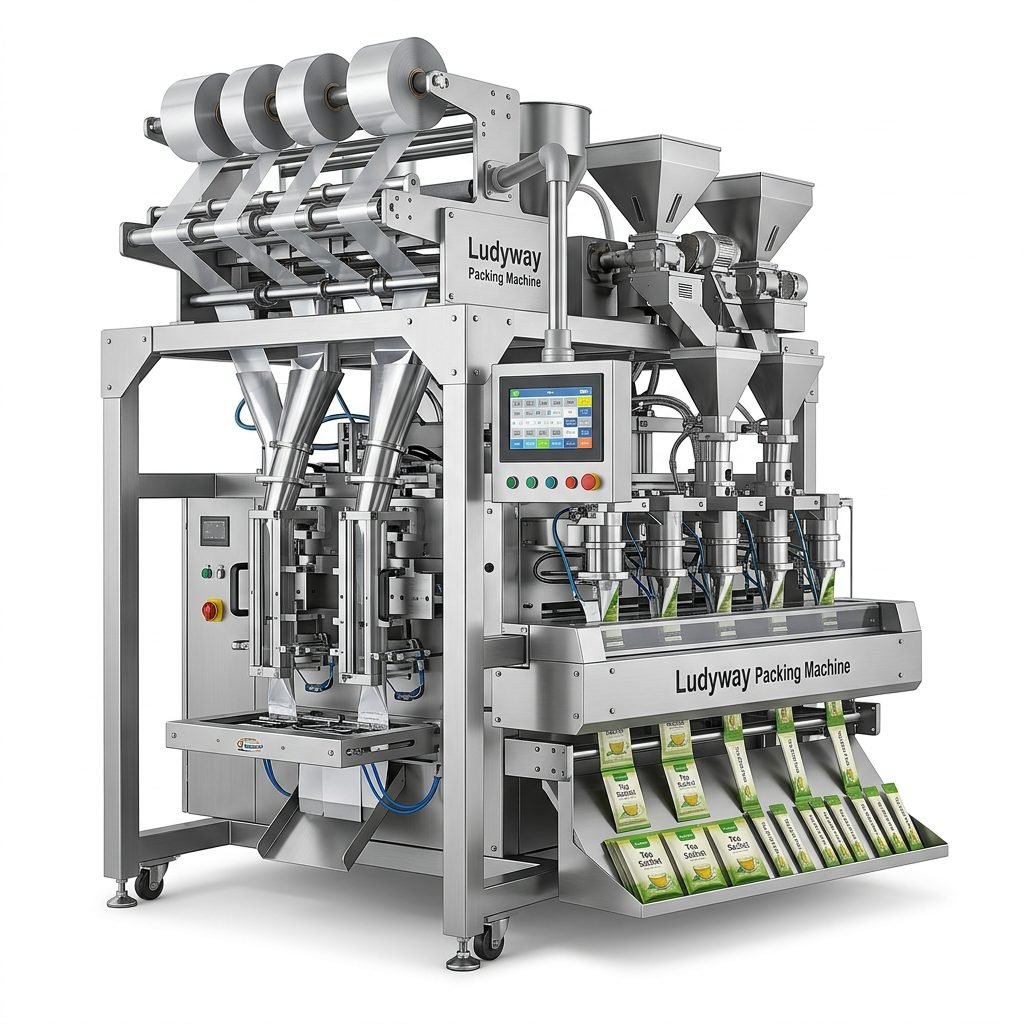
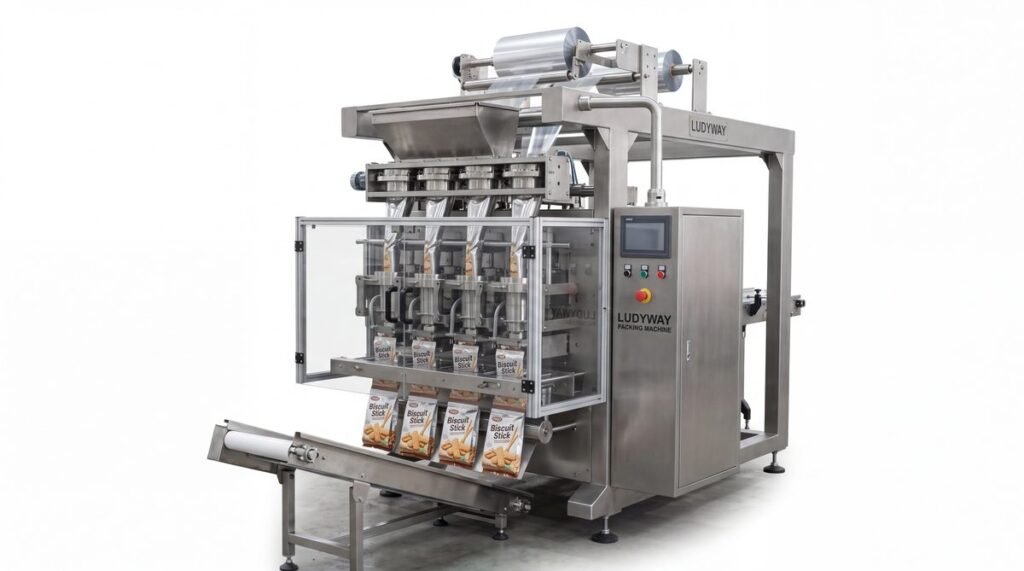
Operating packaging machinery requires specialized knowledge to ensure safety, efficiency, and product quality. Proper training transforms an operator from a simple machine handler into a skilled technician capable of optimizing production, performing maintenance, and troubleshooting complex issues. This guide provides a complete overview of the training landscape, from foundational courses and professional certifications to the essential skills every operator must master.
Why Formal Packaging Machinery Training is Essential
In today’s automated production environments, packaging machinery is highly sophisticated. Investing in formal training yields significant returns:
Safety First: Comprehensive training drastically reduces workplace accidents. Operators learn to identify hazards, implement lockout-tagout (LOTO) procedures, and handle emergencies, protecting both personnel and equipment.
Maximized Uptime & Efficiency: Trained operators can perform routine adjustments, preventive maintenance, and minor repairs, minimizing unplanned downtime and keeping production lines running at optimal speed.
Consistent Product Quality: Understanding machine parameters and inspection points ensures packaging meets strict standards for seal integrity, fill accuracy, and presentation, reducing waste and customer complaints.
Core Components of a Training Program
A robust training curriculum typically blends theoretical knowledge with hands-on practice. Key modules include:
1. Machine Operation Fundamentals
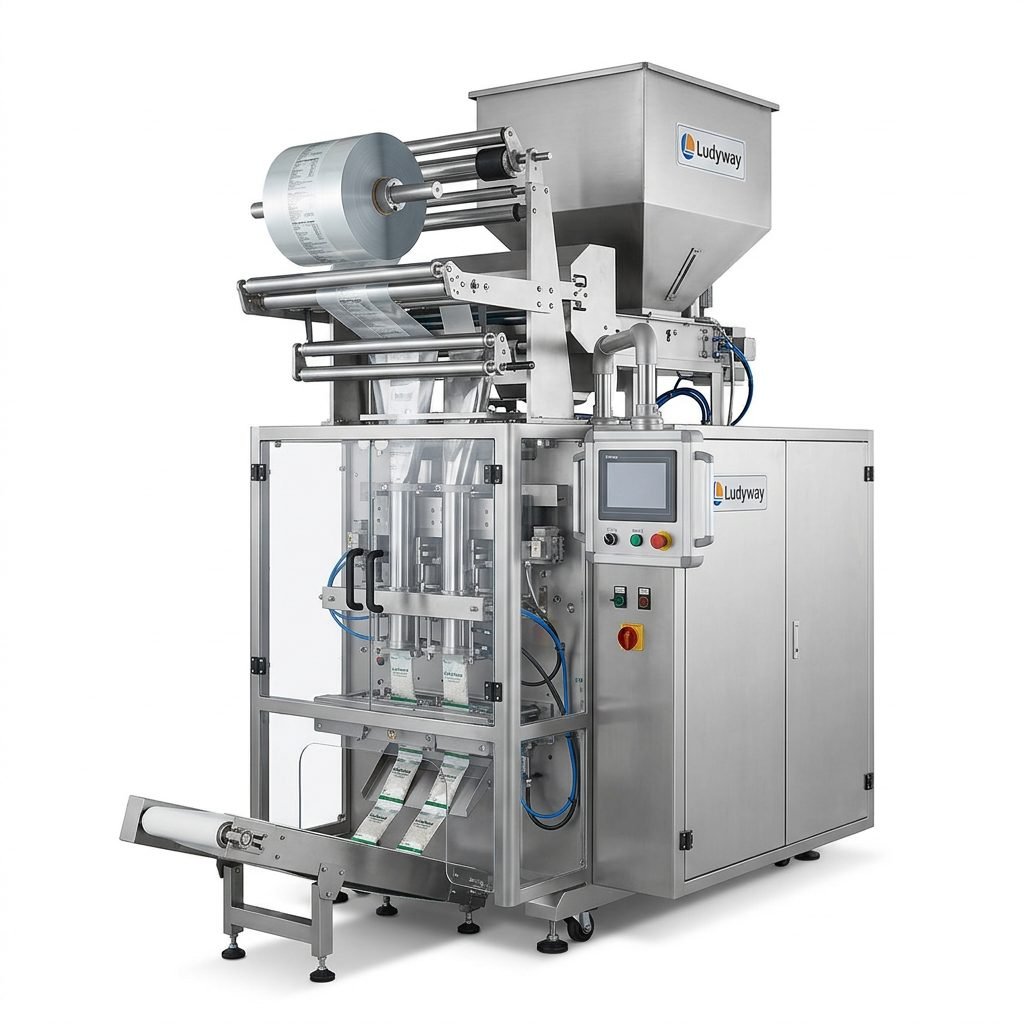
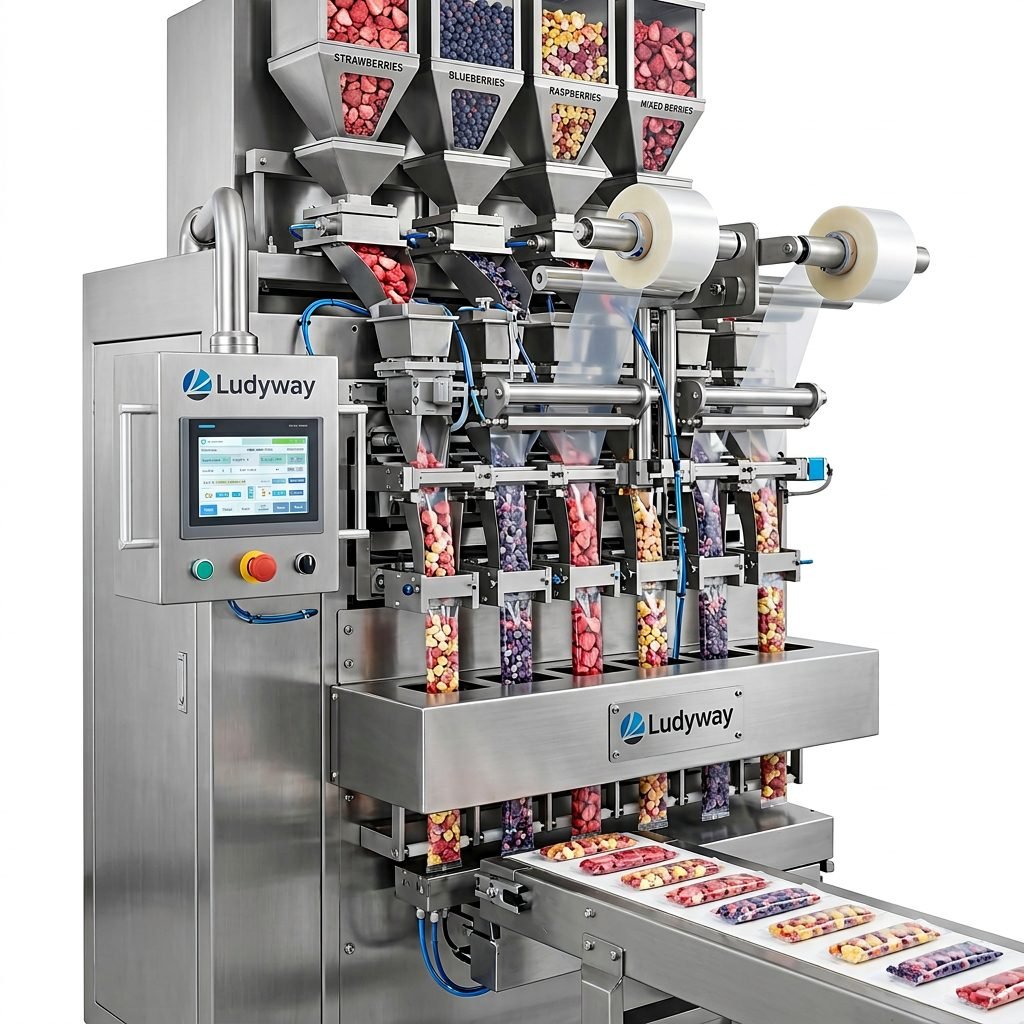
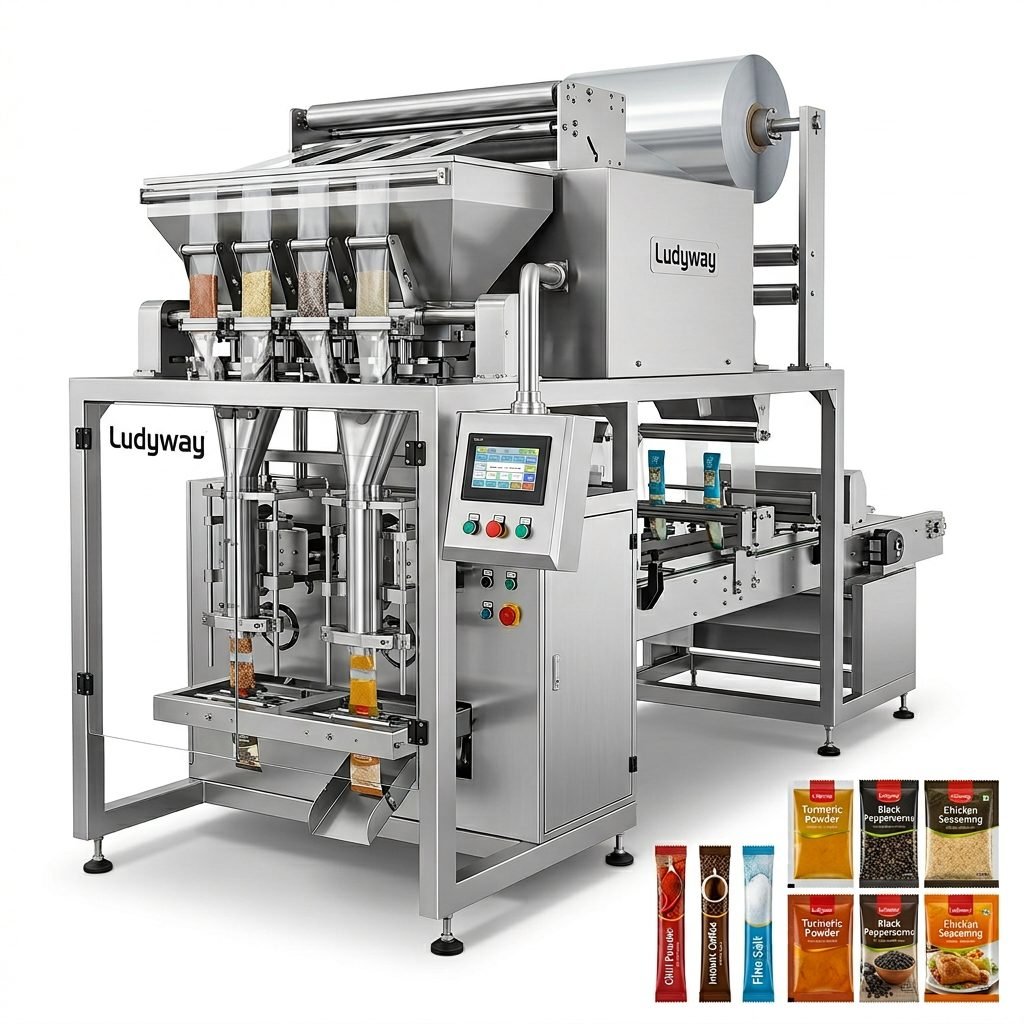
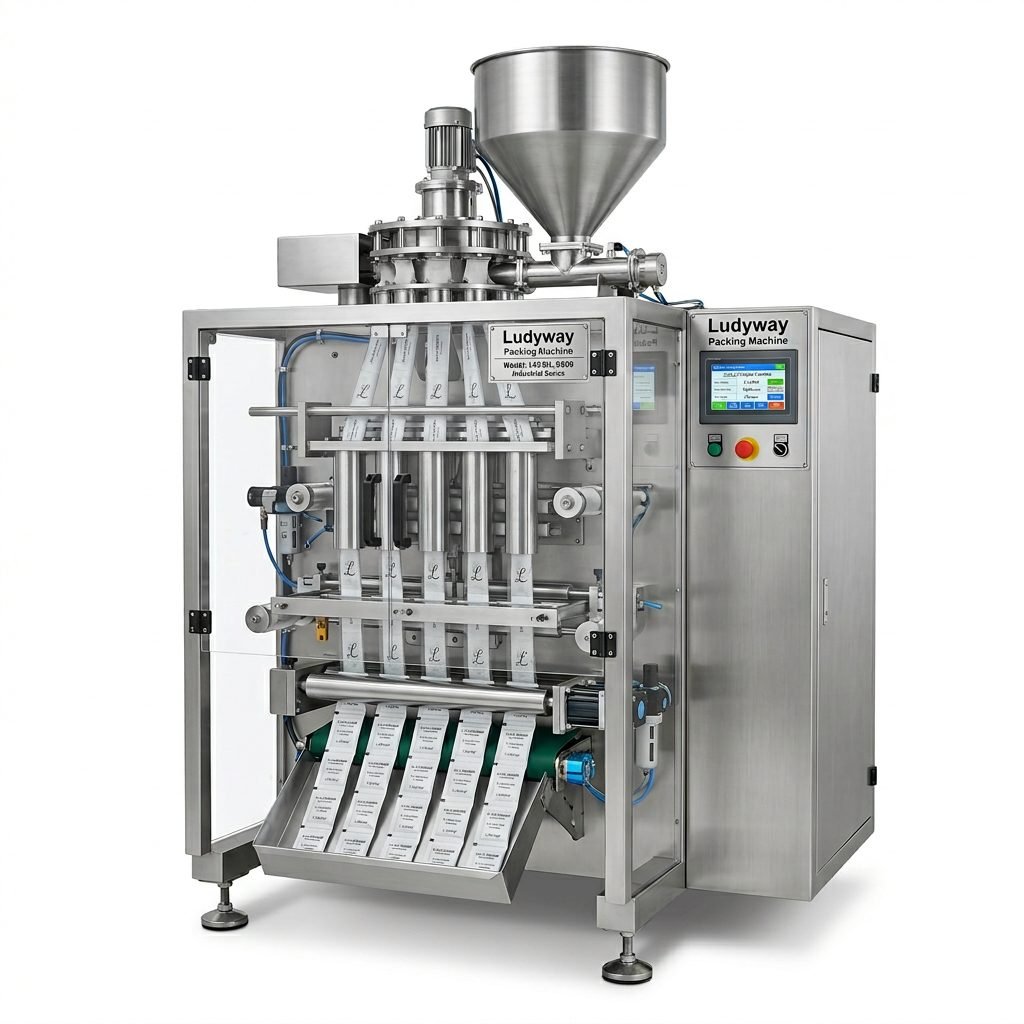
This module covers the basic principles of the specific machinery, such as sachet or stick pack machines. Trainees learn about the control panel, operating sequences, startup/shutdown procedures, and daily operational checks.
2. Safety Protocols and Compliance
Safety is non-negotiable. Training must cover machine-specific safety guards, emergency stops, proper use of personal protective equipment (PPE), and compliance with local and international safety standards like OSHA or CE directives.
3. Setup, Changeover, and Adjustment
Efficient changeovers between product runs are critical for flexibility. Operators are trained to change forming tubes, sealing jaws, fillers, and film reels, and to adjust parameters for temperature, speed, and filling accuracy.
4. Preventive Maintenance (PM)
Learning daily, weekly, and monthly maintenance tasks—such as lubrication, cleaning, and inspection of critical components—extends machine life and prevents major breakdowns.
5. Basic Troubleshooting
Operators learn to diagnose and resolve common issues like film jams, poor seals, inaccurate fills, or sensor errors, using systematic problem-solving techniques and machine manuals.
Pathways to Certification and Skill Validation
While not always mandatory, certifications provide formal recognition of an operator’s competence and are highly valued by employers.
Manufacturer-Specific Certifications: Many machinery suppliers, including brands like Ludyway Machinery, offer certified training programs for their equipment. These are often the most direct and valuable, as they provide deep, model-specific knowledge.
Industry Association Credentials: Organizations like the Packaging Machinery Manufacturers Institute (PMMI) offer broader credentials, such as the Mechatronics Certificate, which validates skills in automation, mechanics, and electronics relevant to packaging systems.
In-House Company Certification: Large manufacturers often develop their own competency-based certification programs, assessing operators on safety, operation, changeover speed, and troubleshooting ability on their specific production lines.
Developing Critical Operator Skills Beyond the Manual
Technical knowledge must be complemented by soft skills and practical intuition.
Mechanical Aptitude & Spatial Awareness: The ability to understand how mechanical parts interact and to visualize machine processes is invaluable for setup and troubleshooting.
Attention to Detail: A skilled operator notices subtle changes in machine sound, vibration, or package appearance that signal a potential problem before it causes downtime.
Problem-Solving Under Pressure: Production stops are costly. The best operators can think logically and calmly during a breakdown to identify the root cause and implement a solution swiftly.
Basic Technical Documentation: The ability to read mechanical drawings, electrical schematics, and follow technical manuals is crucial for advanced maintenance and communication with engineers.
Implementing Continuous Learning and Advanced Training
Technology evolves rapidly. A commitment to ongoing learning is essential. This can include:
- Advanced PLC & HMI Training: As packaging machines become more connected, understanding the programmable logic controller (PLC) and human-machine interface (HMI) allows for deeper diagnostics and parameter optimization.
- Precision Maintenance Workshops: Focusing on alignment, balancing, and advanced lubrication techniques to achieve peak machine performance.
- Networking and Knowledge Sharing: Attending industry trade shows like PACK EXPO or joining online forums allows operators to learn about new technologies and solutions from peers and experts.
Partnering with an experienced supplier like Ludyway can provide access to ongoing technical updates and support, ensuring your team’s skills remain current with the latest packaging machinery advancements.
Frequently Asked Questions (FAQs)
How long does it take to become a proficient packaging machine operator?
Basic operational competence can often be achieved in 1-2 weeks of intensive training. However, developing proficiency in changeovers, troubleshooting, and preventive maintenance typically requires 3-6 months of hands-on experience under guidance.
Are online training courses effective for learning packaging machinery operation?
Online courses are excellent for theoretical knowledge, safety protocols, and understanding machine principles. However, they cannot replace hands-on, practical training for machine setup, adjustment, and tactile troubleshooting, which are best learned on the actual equipment.
What is the most common cause of packaging machine failure that training can prevent?
Improper or neglected preventive maintenance is a leading cause. Training emphasizes regular cleaning, lubrication, and inspection routines that prevent the wear and contamination which lead to major component failures and unplanned downtime.
Do I need an engineering background to operate advanced packaging machinery?
Not necessarily. While an engineering background is helpful, comprehensive training programs are designed to bring operators with various backgrounds up to speed. Strong mechanical aptitude, attention to detail, and a willingness to learn are often more important than formal degrees.
How can I convince management to invest in formal training for our operators?
Present a cost-benefit analysis focusing on key metrics: reduced downtime, lower waste (from mis-filled or poorly sealed packages), decreased repair costs, improved safety record (lowering insurance costs), and increased overall equipment effectiveness (OEE). Frame training as an investment in productivity, not just an expense.