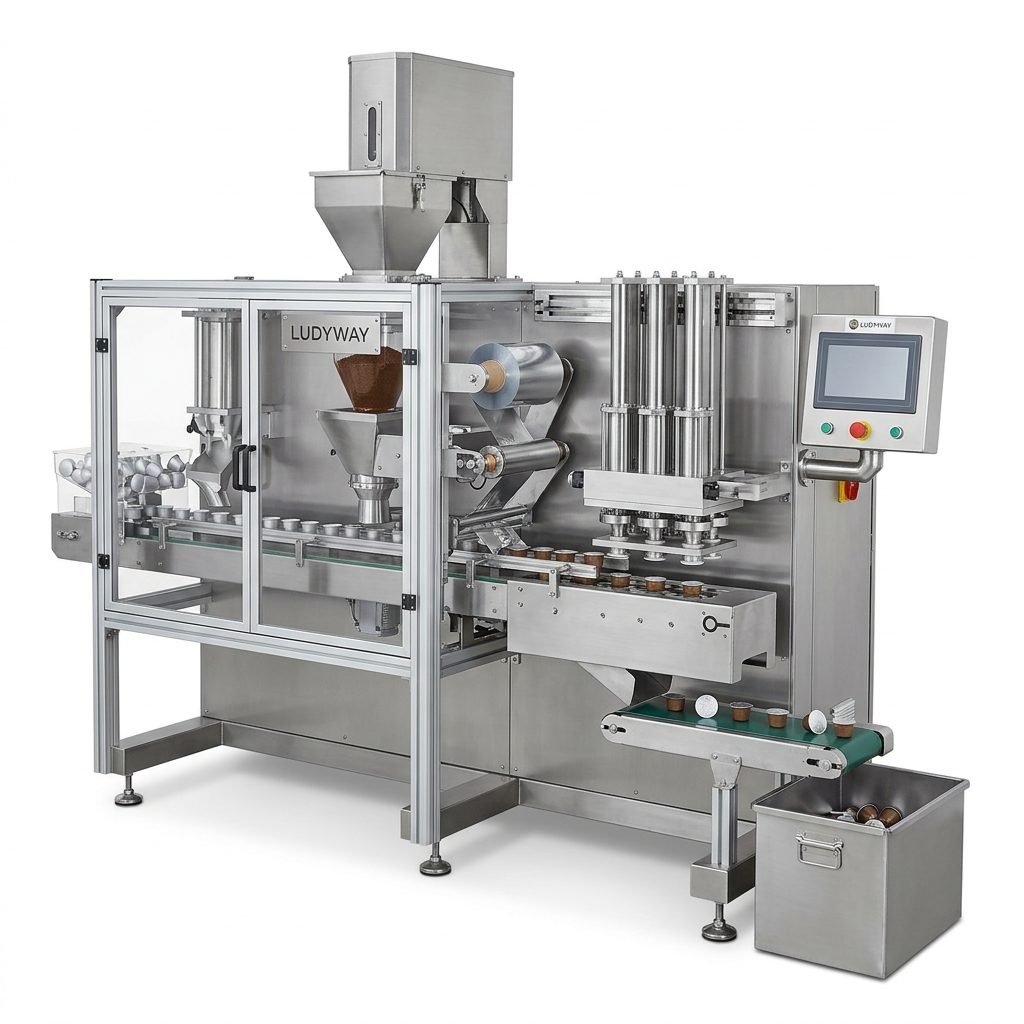
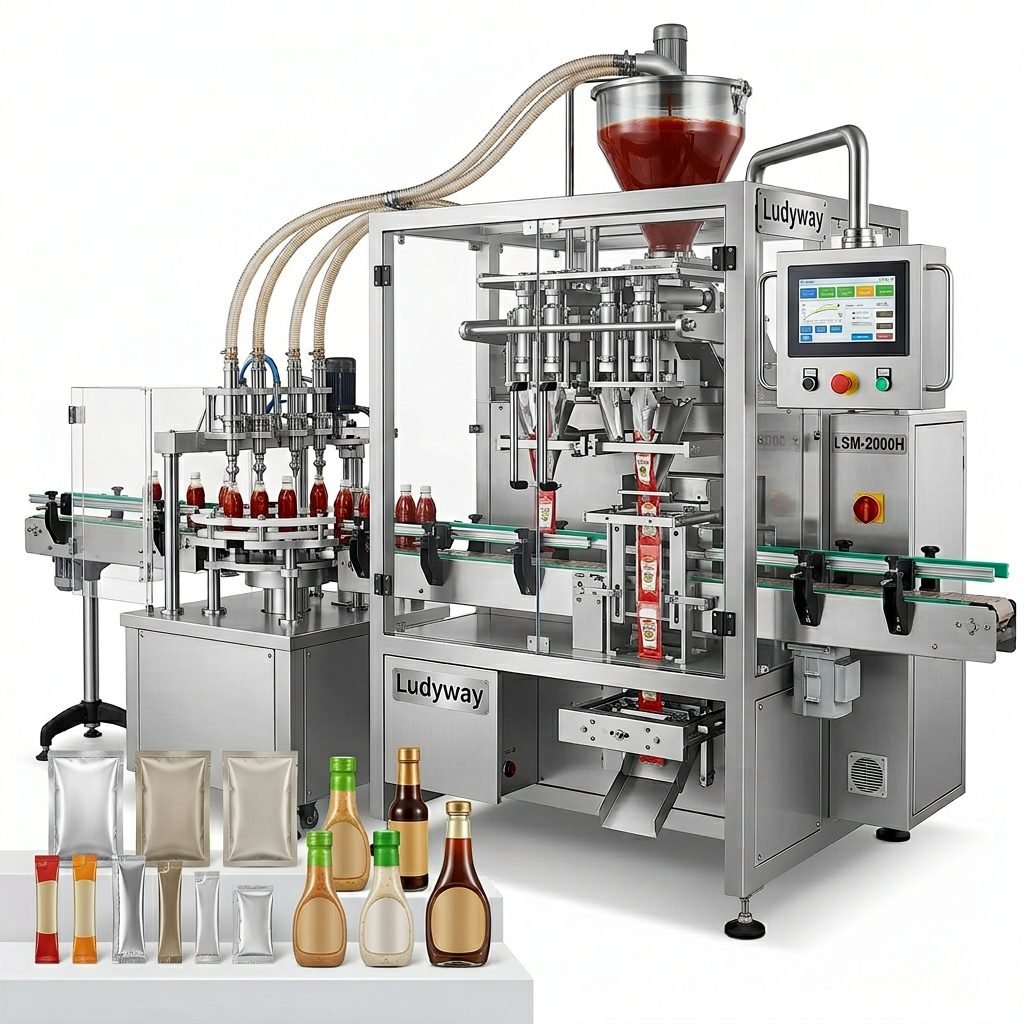
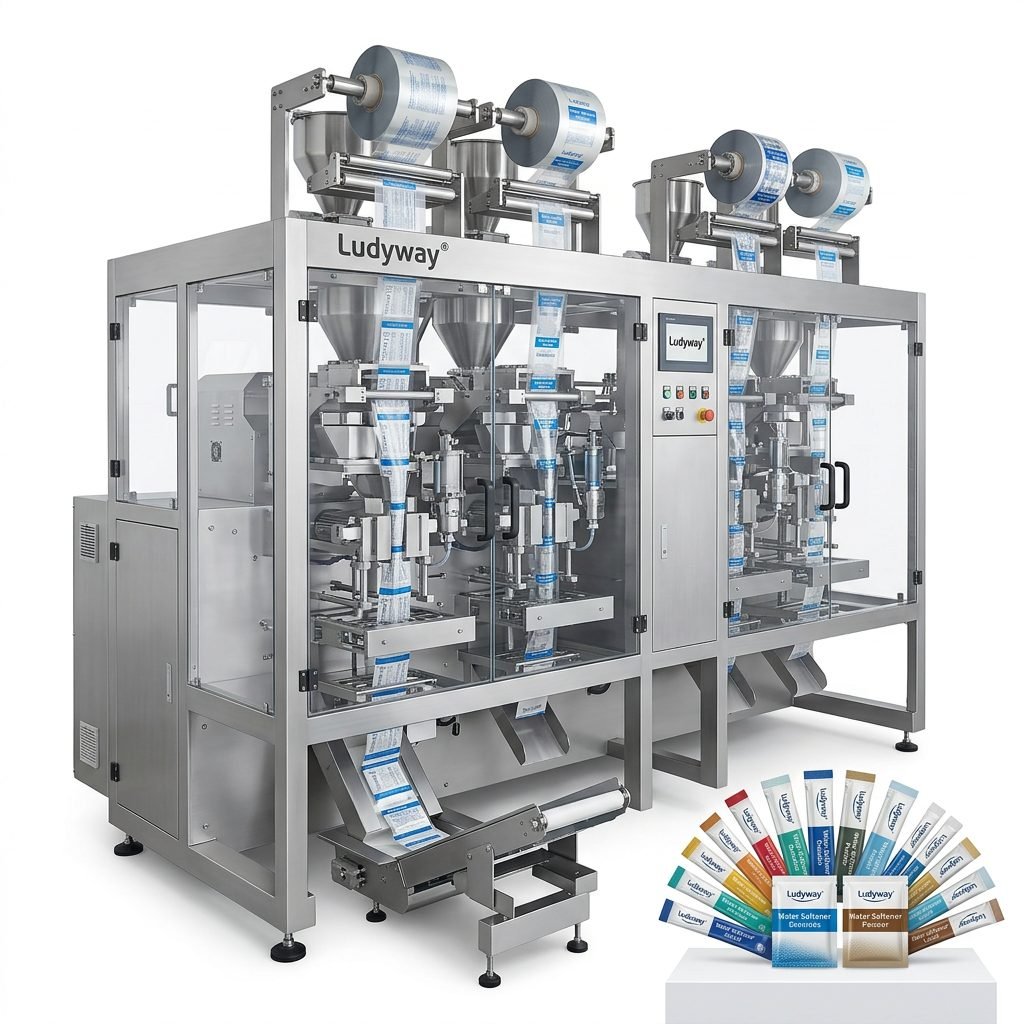
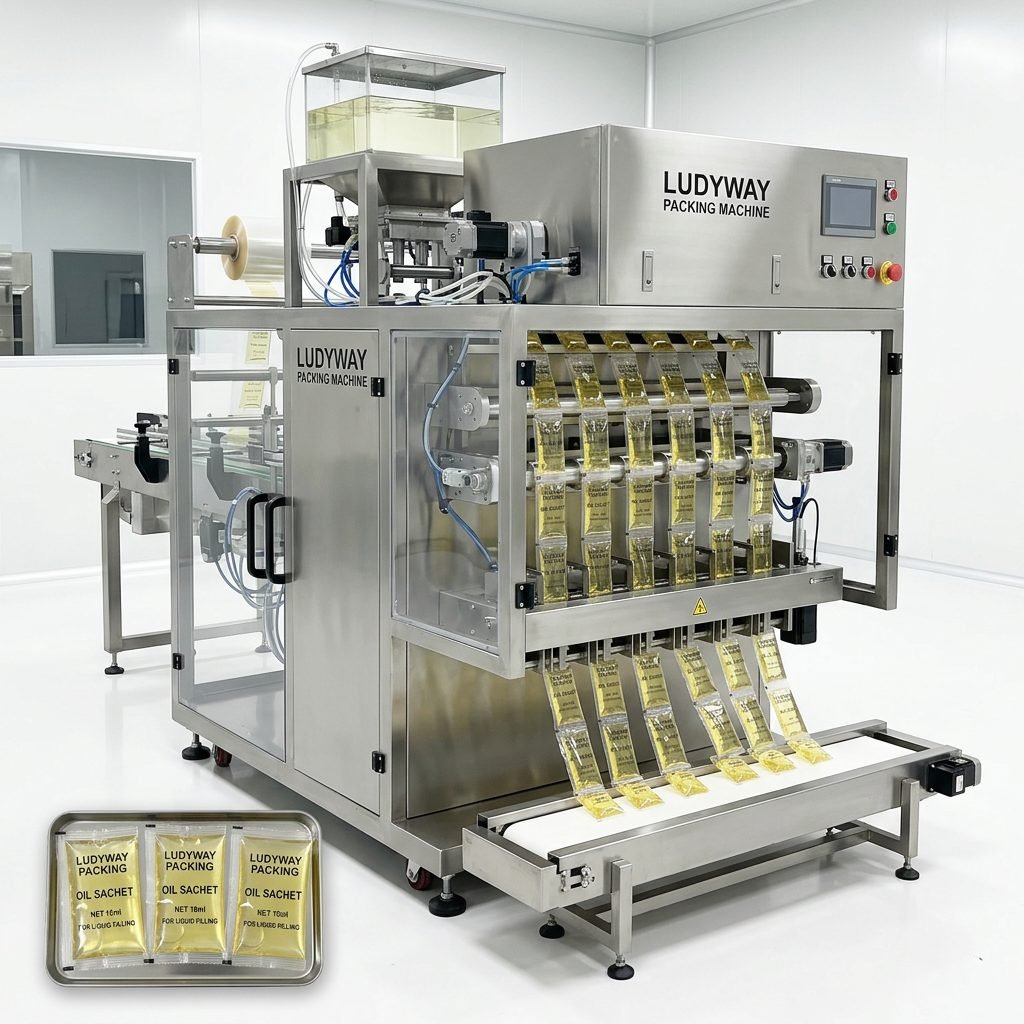
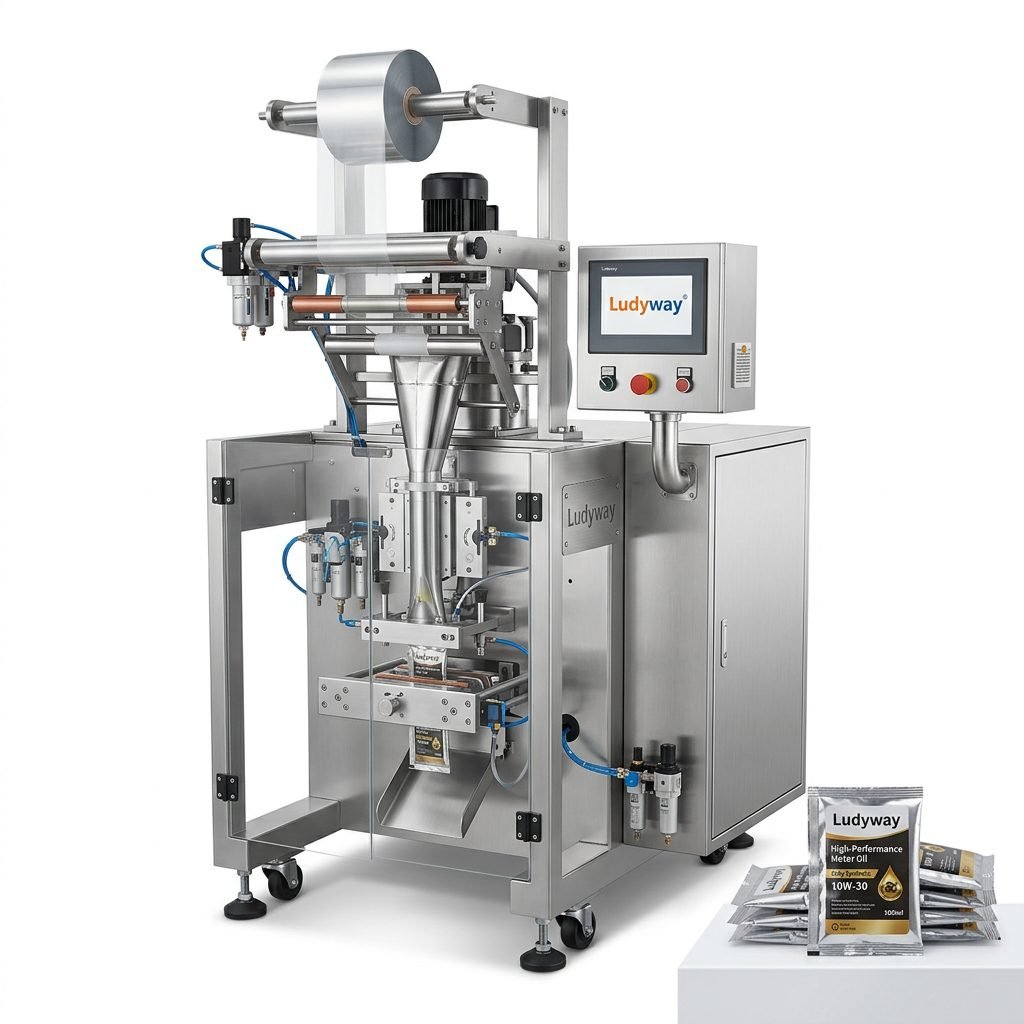
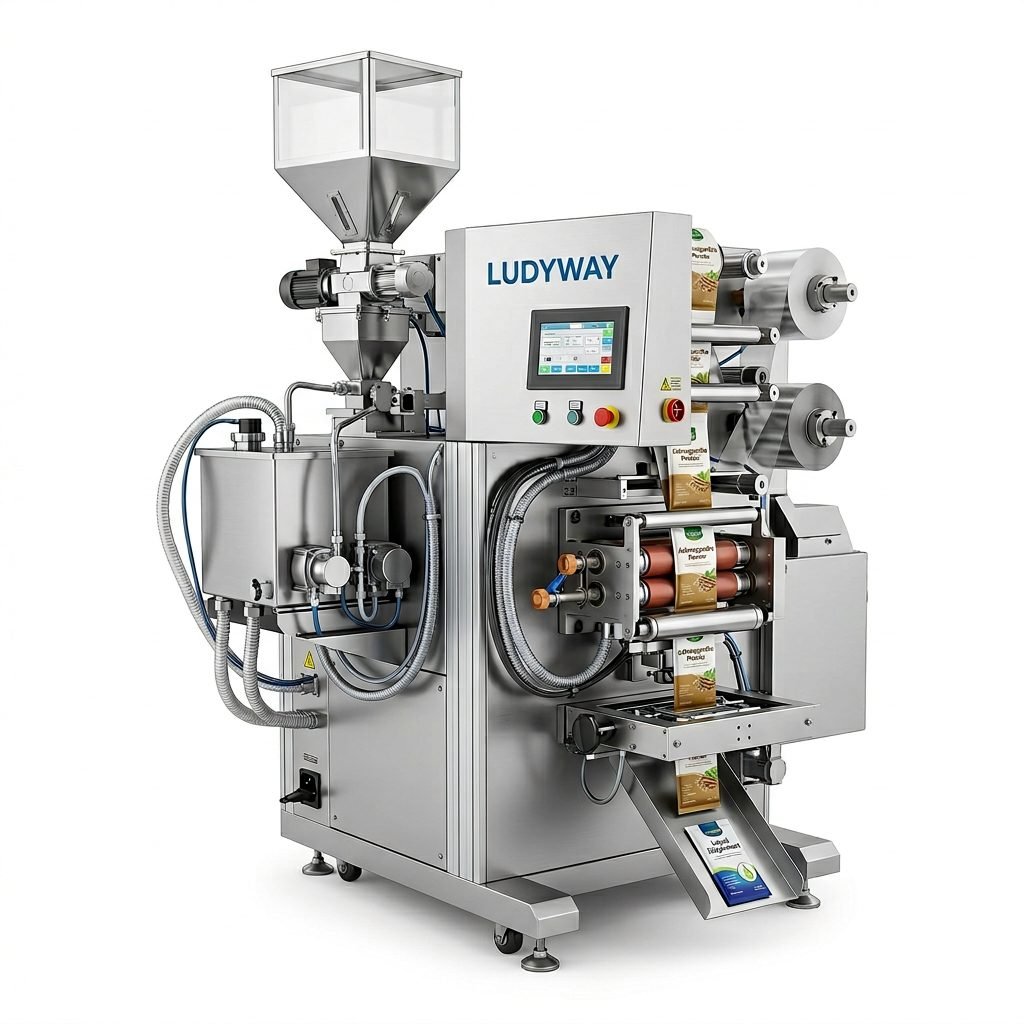
In today’s fast-paced world, preserving food freshness, extending shelf life, and maintaining quality are crucial for both home enthusiasts and small business owners. Whether you’re meal prepping, storing garden harvests, or packaging products for sale, a reliable food vacuum packaging machine is an invaluable tool. This guide will help you navigate the key factors in selecting the best machine for your specific needs.
Understanding Your Packaging Needs
Before diving into specifications, clearly define your primary use case. Are you primarily packaging dry goods like coffee beans or nuts, moist foods like meats and cheeses, or perhaps liquid-rich items like soups or marinades? The type of food significantly influences the required machine power and bag material.
Pro Tip: For small businesses, consider not just current volume but projected growth. A machine that can handle slightly more capacity than you need today can save a costly upgrade later.
Key Features to Evaluate
Not all vacuum sealers are created equal. Focus on these core functionalities:
1. Suction Power and Vacuum Strength
Measured in bar or Pascal, this determines how much air the pump can remove. For delicate items like crackers or bread, a gentle or adjustable suction setting is ideal to prevent crushing. For dense, moist foods, maximum power is necessary to remove air effectively and prevent freezer burn.
2. Seal Quality and Bar Width
A strong, airtight seal is non-negotiable. Look for machines with a wide sealing bar (often 3mm or more) and double or impulse sealing wires for reliability. The seal must withstand freezing temperatures and the pressure of stacked packages.
3. Machine Type: External vs. Chamber
External (Suction) Sealers: The most common for home and light commercial use. You place the open end of the bag in the machine, and it sucks out air before sealing. Excellent for dry and semi-moist foods. They are generally more affordable and use less expensive bags.
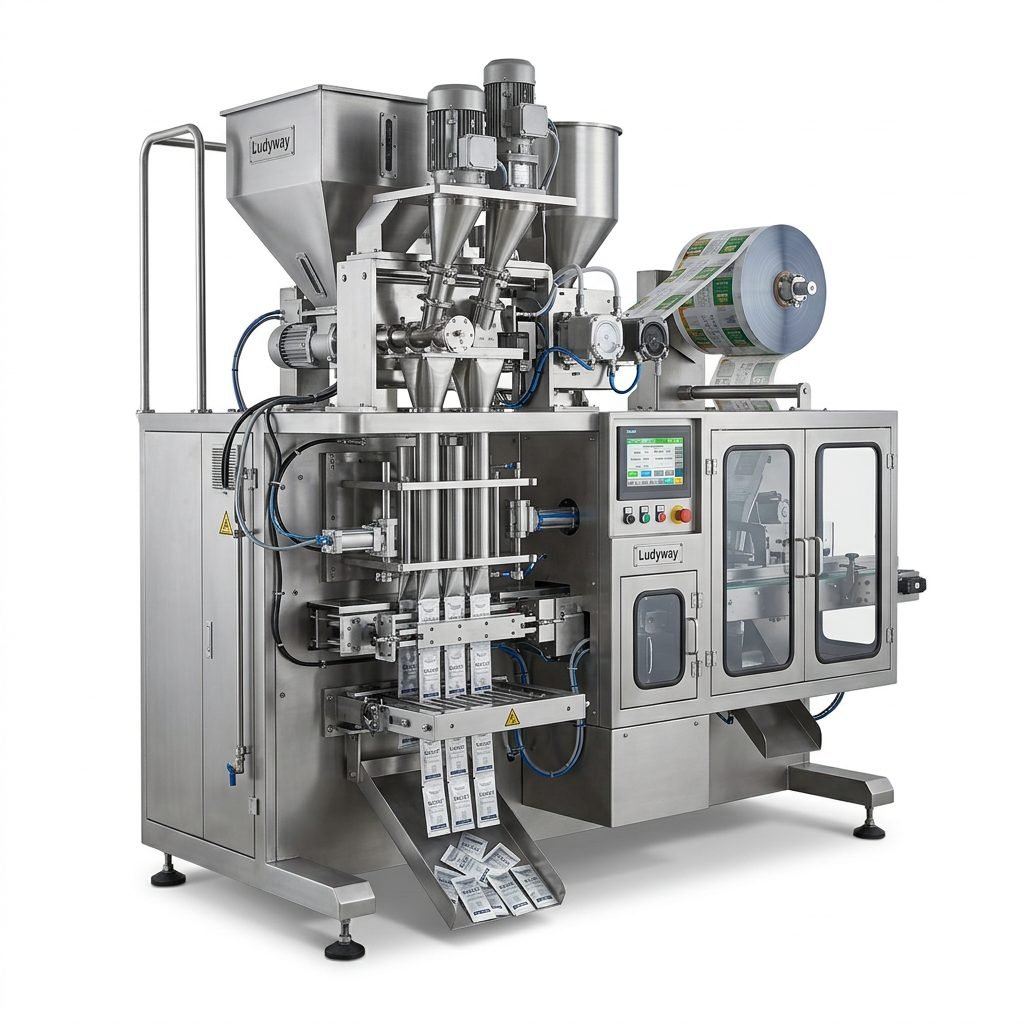
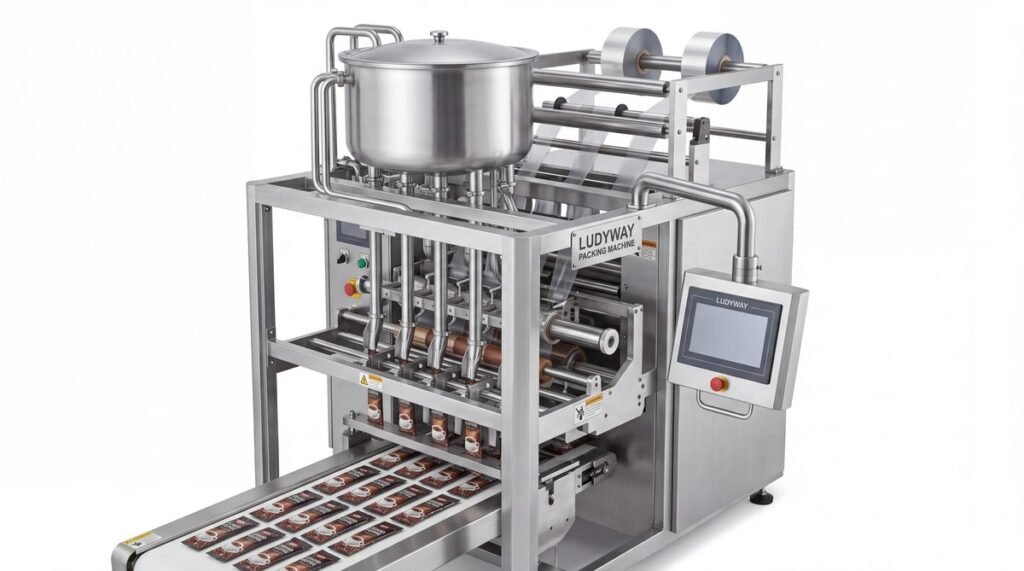
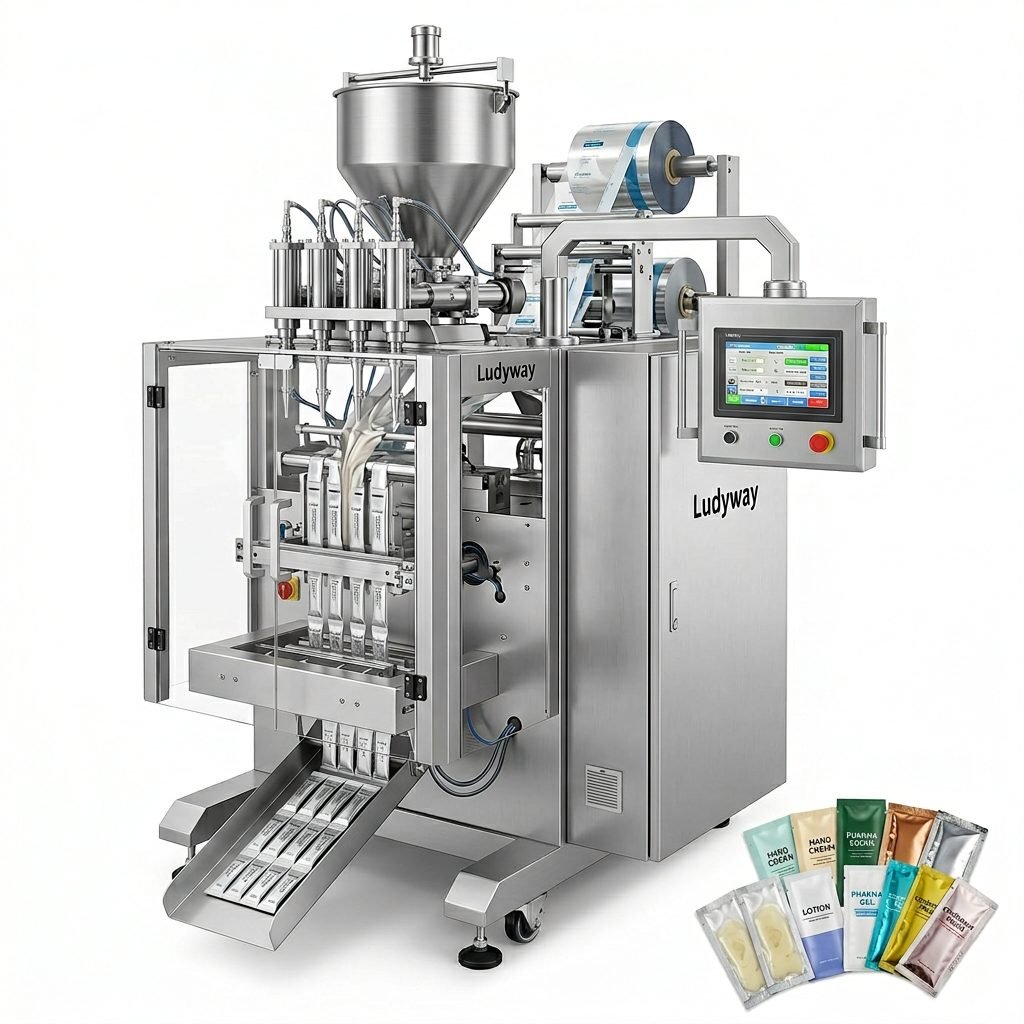
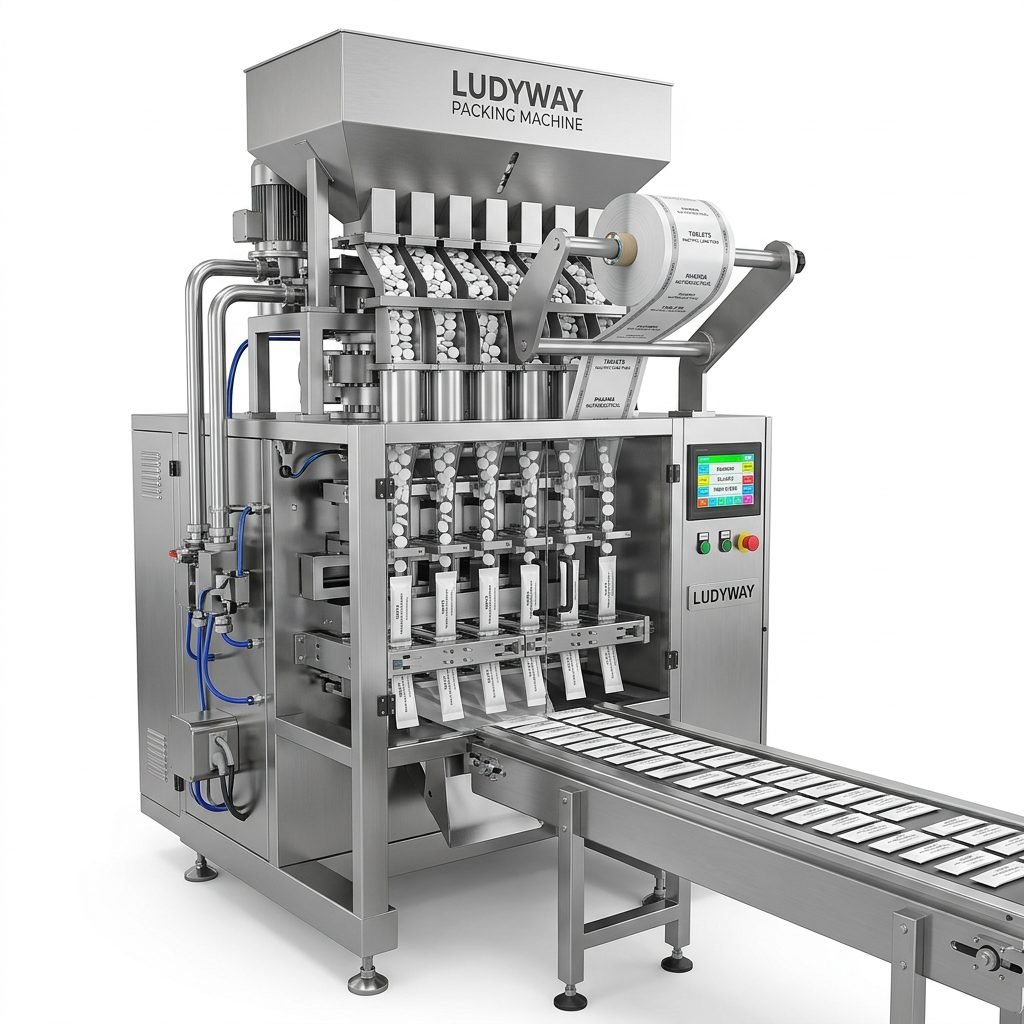
Chamber Vacuum Sealers: The entire bag is placed inside a chamber. The machine removes air from the entire chamber, then seals the bag. This is superior for packaging liquids, soups, and very moist foods without liquid being sucked into the pump. They are more expensive but are the professional choice for many small food businesses. Companies like Ludyway Machinery specialize in providing such advanced solutions for commercial applications.
4. Versatility and Accessories
Can the machine seal bags without vacuuming (for pre-filled bags)? Does it have a port for sealing jars or bottles with accessory hoses? Some models offer canister sealing kits, which are great for storing leftovers in reusable containers.
Choosing for Home Use
For households, priorities often include ease of use, countertop footprint, noise level, and budget. A compact external sealer with an automatic bag detection and dry/moist settings is usually perfect. Look for reputable brands with good warranty support. The focus is on reducing food waste, organizing bulk purchases, and sous vide cooking preparation.
Choosing for Small Business
Durability, speed, and cost-per-package become critical here. A business must consider:
- Cycle Time: How many bags can be sealed per minute? This directly impacts productivity.
- Duty Cycle: Can it run continuously for 30 minutes or more without overheating?
- Bag Compatibility & Cost: Using standard, readily available roll stock can significantly lower long-term material costs compared to proprietary bags.
- Hygiene and Cleanability: Stainless steel surfaces and easy-to-wipe designs are essential for food safety compliance.
Investing in a semi-automatic or fully automatic chamber vacuum sealer from a specialized industrial provider can be a game-changer for businesses scaling up. Exploring options from established packaging equipment experts can ensure you get a machine built for endurance. For instance, reviewing the product range of a professional supplier can provide insight into commercial-grade features.
Material Matters: Selecting the Right Bags
The machine is only as good as the bag. For home use, pre-made bags and rolls are convenient. For business, buying roll stock and cutting bags to custom sizes is more economical.
Bag Material Types:
- PA/PE (Nylon/Polyethylene): Excellent barrier against oxygen and moisture, flexible, and freezer-safe. The most common multi-layer material.
- PET/PE (Polyester/Polyethylene): Offers high clarity and good puncture resistance.
- Laminated Bags: Often used for chamber machines, with stronger construction for wet environments.
Always ensure your bags are compatible with your machine type (smooth for external sealers, textured/gusseted for chamber machines).
Maintenance and Longevity
To ensure your investment lasts, regular maintenance is key. Keep the sealing strip clean from debris or liquid. For external sealers, regularly check and replace the foam seal on the lid if it wears out. For any machine, follow the manufacturer’s guidelines for cleaning and filter replacement (common in chamber models). Partnering with a supplier that offers reliable technical support and service is a major advantage for business users.
Final Checklist Before You Buy
✓ Define primary food types (dry, moist, liquid).
✓ Determine required daily capacity.
✓ Choose between external and chamber type.
✓ Check seal bar strength and width.
✓ Calculate long-term bag material costs.
✓ Verify warranty and available customer support.
✓ Read user reviews, especially from users with similar needs.
Selecting the right food vacuum packaging machine requires balancing functionality, budget, and your specific application. By carefully considering the factors outlined above—from suction power and seal quality to machine type and bag materials—you can make an informed decision that enhances food preservation, reduces waste, and supports your culinary or business goals for years to come.
Frequently Asked Questions (FAQs)
Can I vacuum seal liquids with any machine?
No. Standard external suction sealers will pull liquid into the pump, damaging it. To vacuum seal liquids effectively, you need a chamber vacuum sealer, which removes air from around the entire bag before sealing.
What is the main difference between a $50 and a $500 vacuum sealer?
The difference lies in power, durability, features, and intended use. Inexpensive models are for light, intermittent home use. Higher-priced models offer stronger pumps, wider seals, metal construction, higher duty cycles, and advanced features like pulse vacuuming or gas flushing, making them suitable for frequent use or small business operations.
How long does vacuum-sealed food last?
Vacuum sealing significantly extends shelf life but does not make food immortal. In the freezer, it can prevent freezer burn for 2-3 years. In the refrigerator, it can extend the life of dry goods (nuts, grains) by many months and moist foods (cheese, cooked meat) by several weeks compared to conventional storage. Always follow food safety guidelines.
Are vacuum-sealer bags reusable?
Most are designed for single use, especially after sealing. However, bags used for dry goods can sometimes be rinsed, thoroughly dried, and re-sealed if the seal area is undamaged. For environmental and cost savings, consider reusable silicone bags or containers used with a sealer’s accessory hose.
My vacuum sealer is not sealing properly. What should I check?
First, ensure the bag’s open end is clean, dry, and placed completely across the sealing bar. Check the machine’s sealing strip for debris or residue and clean it according to the manual. Inspect the silicone gasket on the lid (for external sealers) for tears or wear. If the seal is weak, the heating element may be failing, and you should contact customer support.