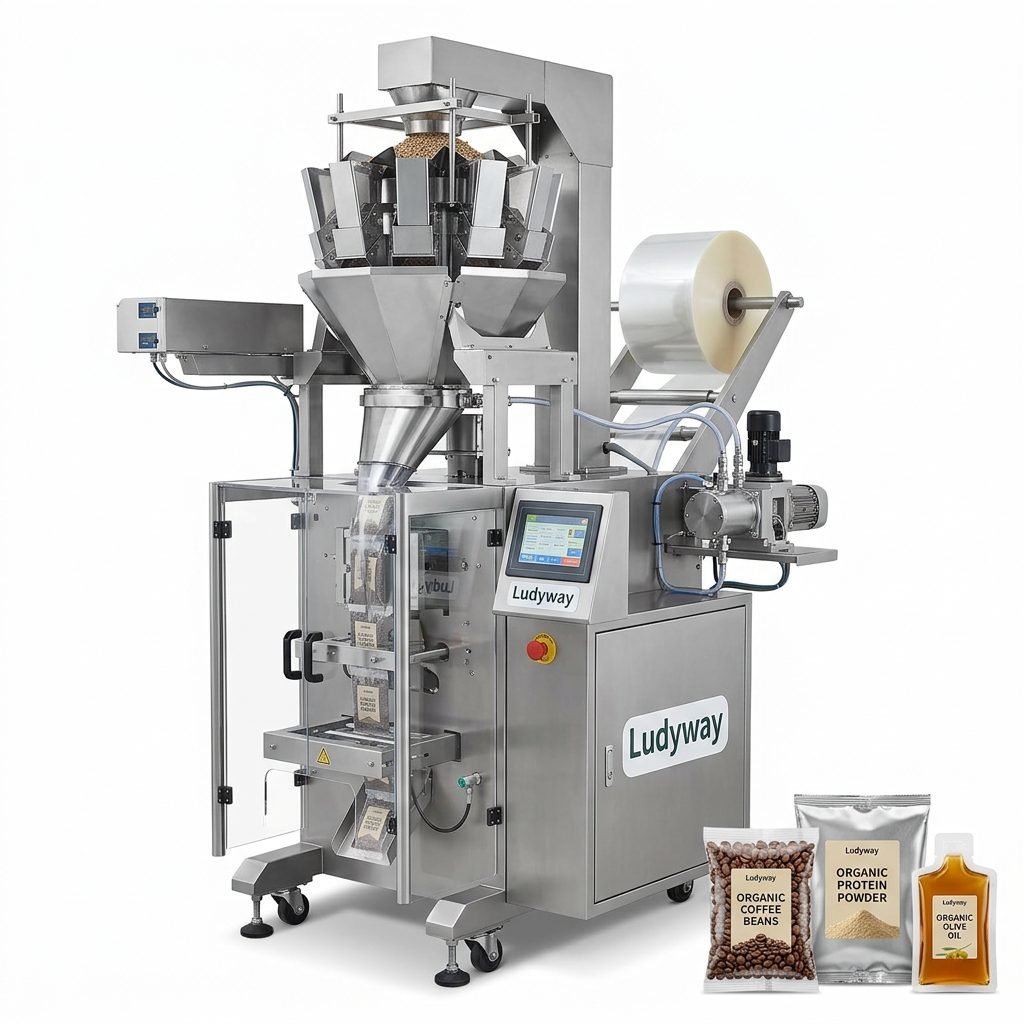
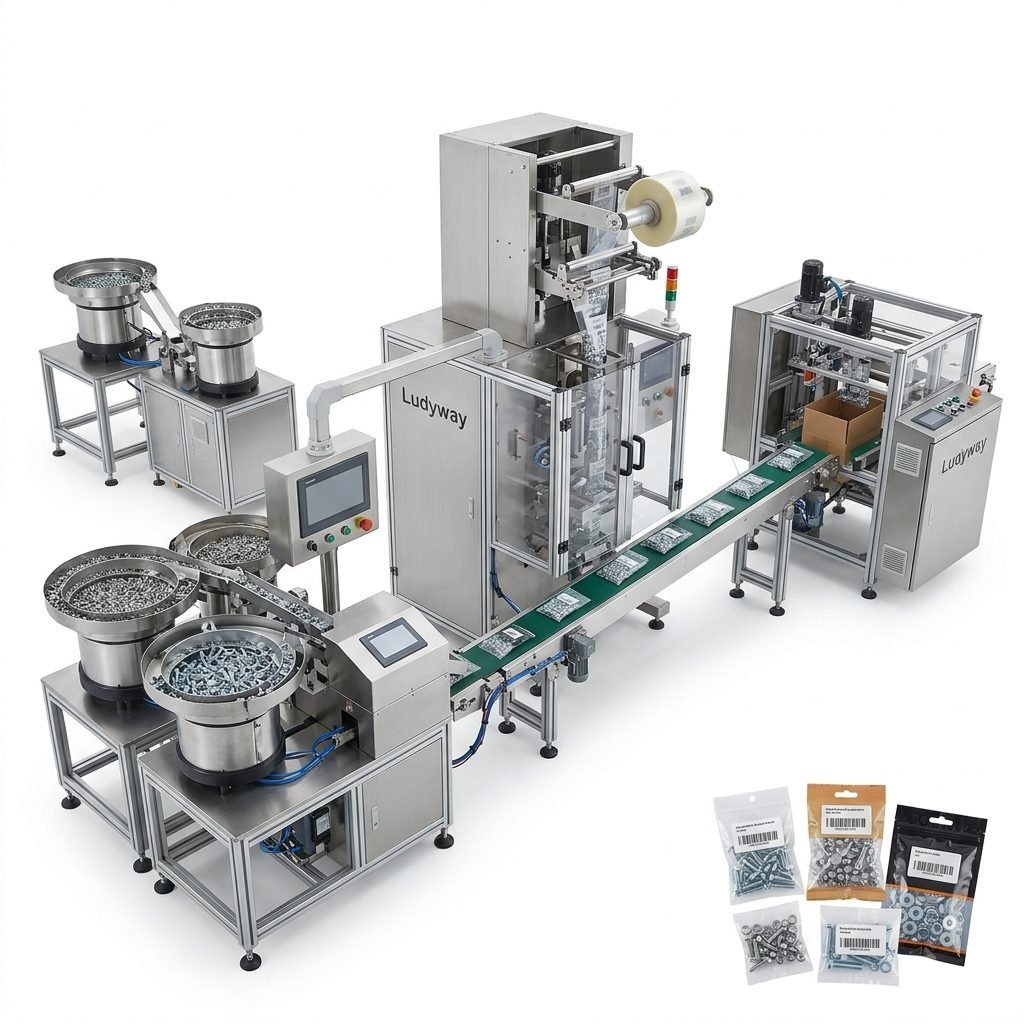
In today’s fast-paced manufacturing and food processing industries, maintaining product freshness, extending shelf life, and ensuring safe, hygienic transport are paramount. An external vacuum packaging machine is a critical piece of equipment that achieves these goals by removing air from a package before sealing it. This comprehensive buyer’s guide will explore the benefits of external vacuum packaging, provide key selection criteria, and help you identify the right model for your specific operational needs.
Understanding External Vacuum Packaging Technology
Unlike chamber vacuum sealers, an external vacuum packaging machine uses a suction nozzle to draw air directly from the bag’s interior. The machine then heat-seals the bag, creating an airtight environment. This method is exceptionally efficient for packaging solid, dry, or semi-solid products like meats, cheeses, electronics components, and hardware. The process significantly reduces oxidation, inhibits the growth of aerobic bacteria and molds, and prevents freezer burn, making it indispensable for quality preservation.
Core Operational Advantage
The primary advantage of the external system is its speed and flexibility. It can handle bags of various sizes without the need to load and unload a chamber, streamlining continuous, high-volume packaging lines. This makes it ideal for operations where speed and adaptability are crucial.
Key Benefits for Your Business
Investing in a reliable external vacuum sealer delivers tangible returns across several business dimensions.
1. Enhanced Product Quality & Shelf Life
By removing oxygen, the primary agent of spoilage, vacuum packaging can extend a product’s shelf life by 3 to 5 times compared to conventional packaging. This reduces waste, allows for longer distribution cycles, and ensures the product reaches the consumer in its intended state.
2. Improved Hygiene and Safety
The airtight seal acts as a robust barrier against external contaminants, dust, and moisture. This is especially critical in food processing to meet stringent food safety standards and in industrial settings to protect sensitive components from corrosion.
3. Cost Efficiency and Space Optimization
Vacuum-packed products are compressed, reducing their volume. This leads to significant savings in storage space and transportation costs. Furthermore, reducing product spoilage directly improves your bottom line.
4. Professional Presentation
A tight, clean vacuum package presents a professional, high-quality image. It enhances brand perception on retail shelves and provides a superior unboxing experience for shipped goods.
How to Choose the Right Model: A Step-by-Step Guide
Selecting the perfect machine requires a careful assessment of your production requirements. Follow this framework to make an informed decision.
Step 1: Analyze Your Product and Bag Requirements
Consider product size, texture (e.g., powdery items may require a specialized filter to prevent powder ingress), and packaging material. Determine the maximum bag length and width you will need. The machine’s sealing bar length must accommodate your widest bag.
Step 2: Evaluate Required Production Speed
Match the machine’s cycle time (seals per minute) to your output demands. For low to medium volume, a single-chamber external sealer may suffice. For high-speed continuous production, a double-chamber or belt-driven automatic external vacuum sealer is necessary to maintain workflow without interruption.
Step 3: Assess Key Machine Features
- Vacuum Power: Measured in cubic feet per minute (CFM) or millibar (mbar) ultimate pressure. Higher power ensures faster, more complete air removal.
- Seal Quality: Look for adjustable heat settings and dual sealing wires for redundancy and durability.
- Durability: A robust stainless-steel construction is vital for longevity in industrial environments.
- Ease of Use & Maintenance: User-friendly controls, easy-to-clean surfaces, and accessible service points minimize downtime.
Step 4: Consider the Manufacturer’s Support
Partner with a supplier known for reliability and strong after-sales service. Ludyway Machinery, with decades of industry experience, exemplifies this by offering comprehensive technical support, readily available spare parts, and expert guidance to ensure your packaging line runs smoothly for years.
Integration into Your Production Line
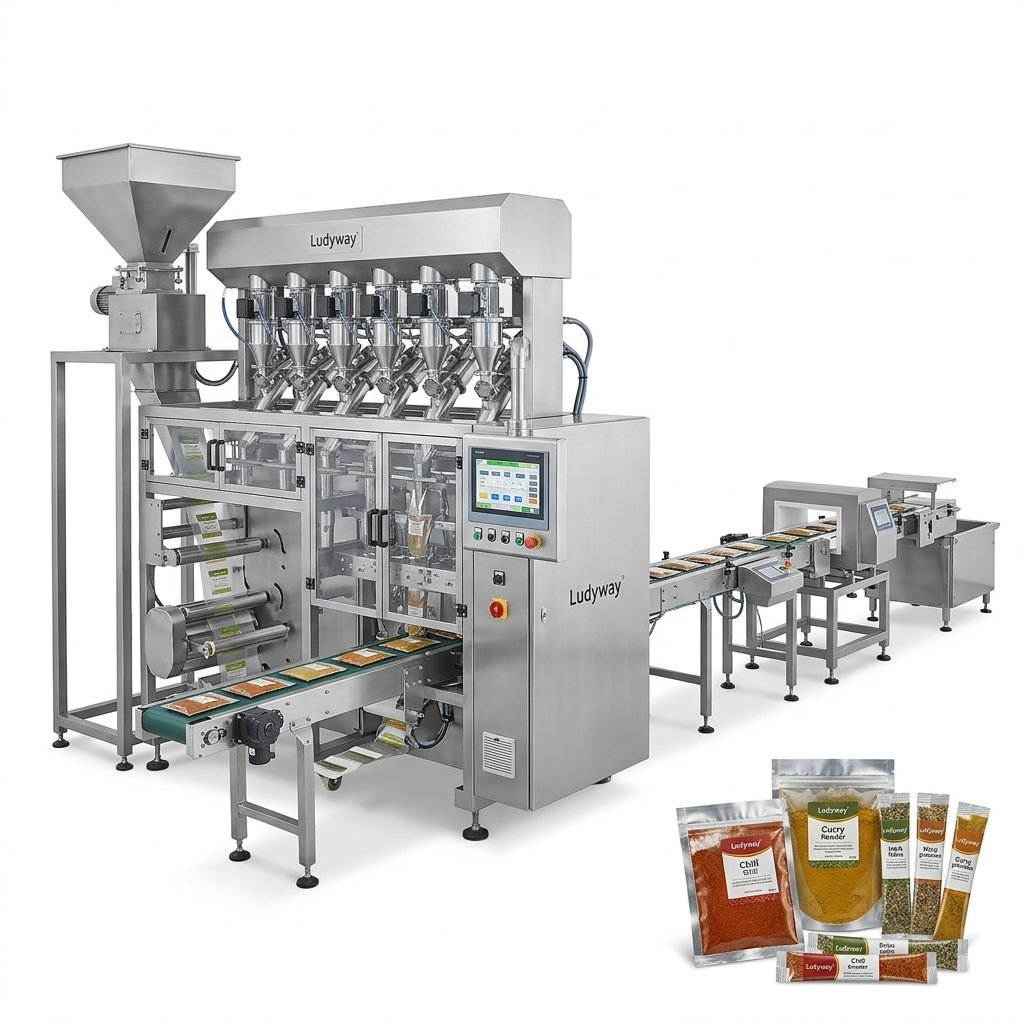
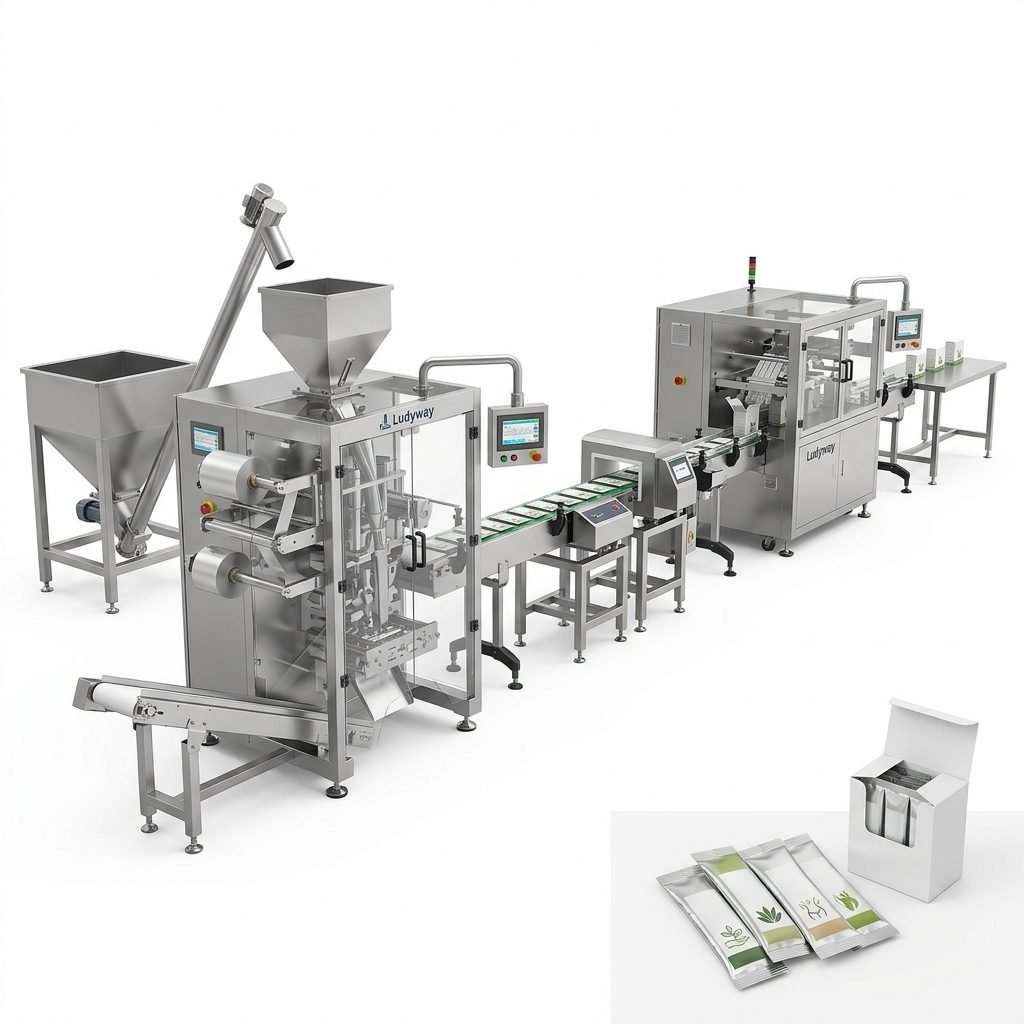
An external vacuum sealer can be a standalone station or integrated into a fully automated line with bag loaders, conveyors, and labelers. For businesses looking to scale, working with a provider that offers turnkey packaging solutions ensures all components work in harmony, maximizing efficiency and return on investment.
Final Recommendations
Before finalizing your purchase, request a product sample test with your chosen machine. This is the most reliable way to verify performance. Additionally, consider future growth—investing in a slightly more capable machine than your current needs dictate can save costly upgrades later.
Choosing the right external vacuum packaging machine is a strategic decision that impacts product quality, operational efficiency, and profitability. By thoroughly understanding your needs and partnering with a trusted equipment provider, you can secure a solution that drives your business forward.
Frequently Asked Questions (FAQs)
1. What is the main difference between an external and a chamber vacuum sealer?
An external sealer uses a nozzle to vacuum air from bags of various sizes, offering speed and flexibility for solid products. A chamber sealer places the entire bag inside a chamber, making it better for liquid or moist products, as it prevents liquid from being sucked into the pump.
2. Can I vacuum package liquids with an external machine?
It is not recommended. Liquids can be drawn into the vacuum pump, causing damage. For liquid or very moist products, a chamber vacuum sealer or a specialized liquid-tolerant external model with advanced protection is required.
3. What type of bags do I need to use?
You must use bags specifically designed for vacuum packaging. These are typically multi-layered plastic (like PA/PE) with a textured surface on one side to allow air channels for evacuation. Using improper bags will result in a poor vacuum and weak seals.
4. How do I maintain my external vacuum packaging machine?
Regular maintenance includes cleaning the sealing bar and area around the vacuum nozzle, checking the oil level in the pump (if oil-lubricated), and inspecting the sealing gasket for wear. Always follow the manufacturer’s specific maintenance schedule.
5. What production speed can I expect from a standard external sealer?
Speeds vary by model. Basic manual models may achieve 1-2 seals per minute, while semi-automatic models can reach 3-5. Fully automatic, continuous belt-driven systems can achieve 10 or more cycles per minute, depending on bag size and vacuum level required.