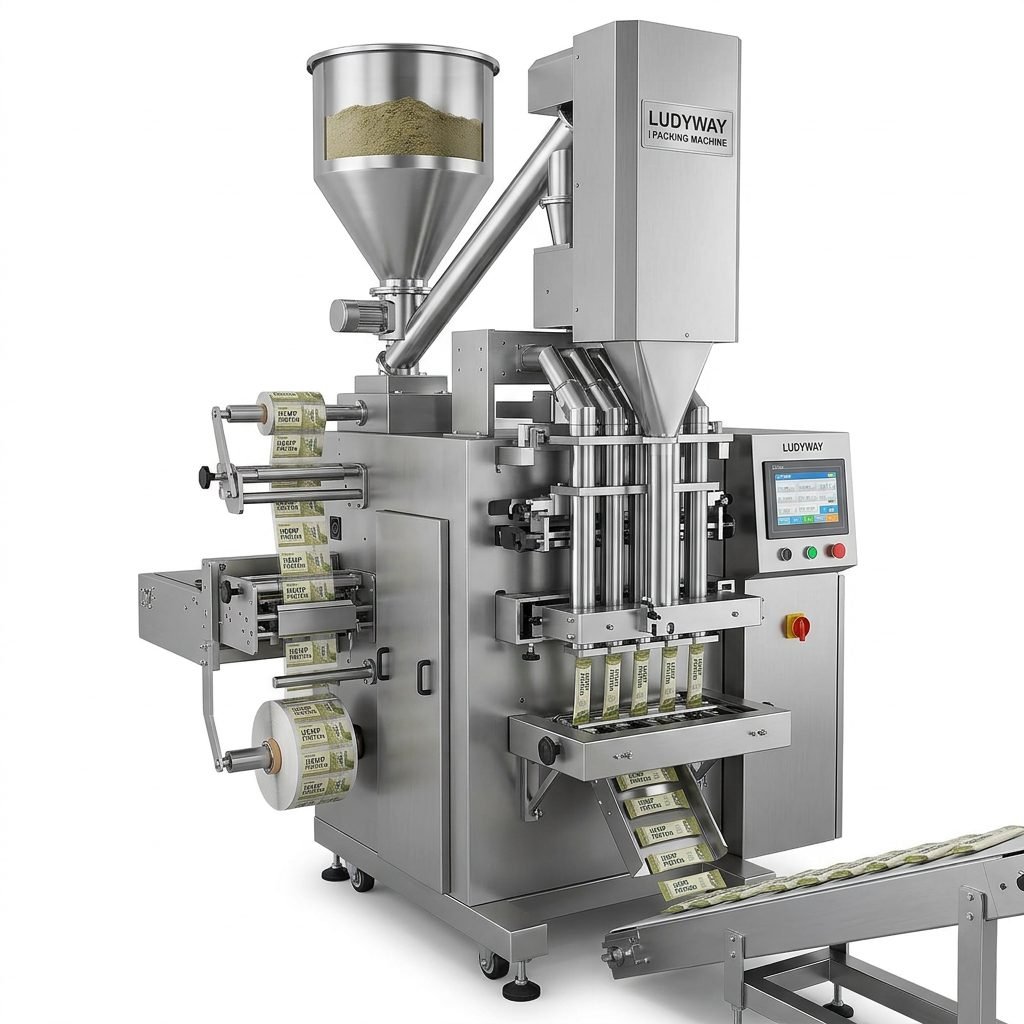
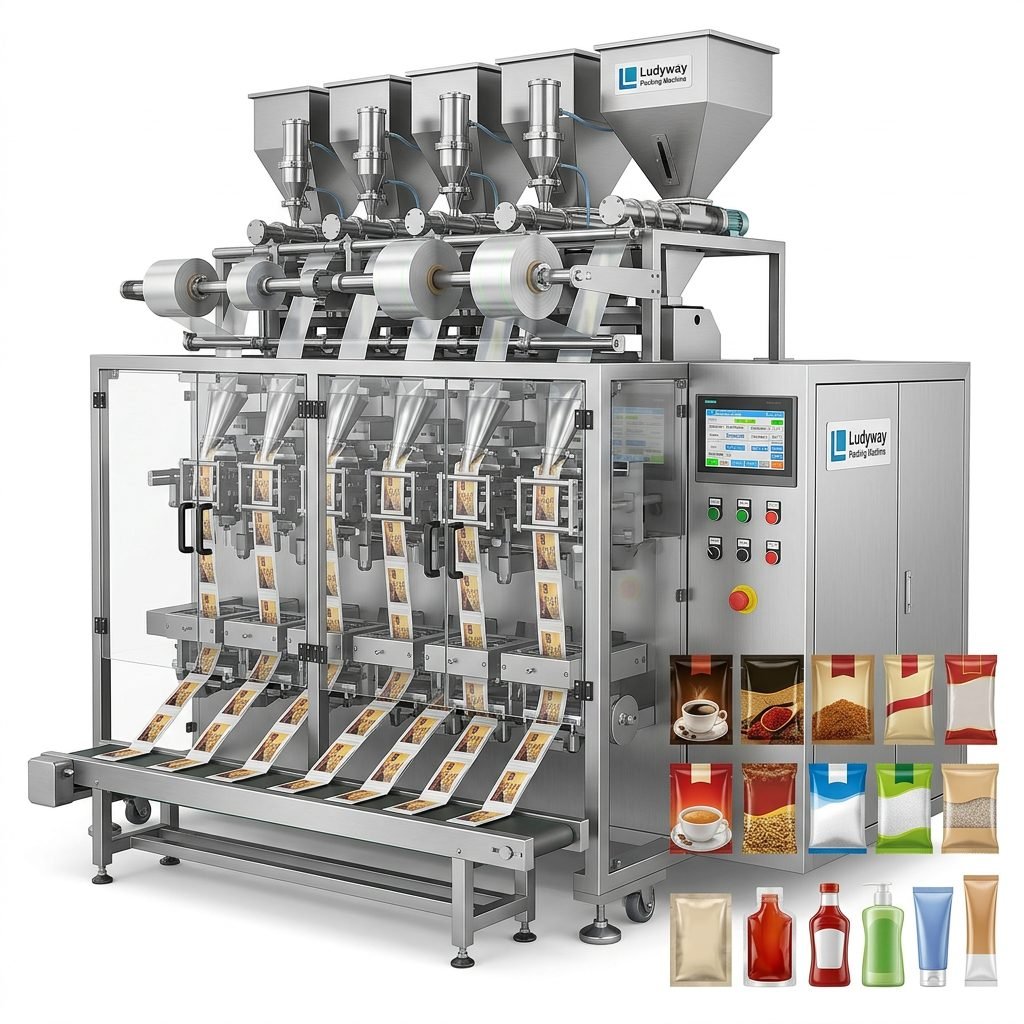
Selecting the right powder packaging equipment is a critical decision for manufacturers in industries ranging from food and pharmaceuticals to chemicals and nutraceuticals. The right machine directly impacts production efficiency, product integrity, operational costs, and ultimately, your bottom line. This comprehensive guide will walk you through the different types of powder packaging machines, their key features, and a detailed framework to help you choose the perfect equipment for your specific needs.
Understanding the Different Types of Powder Packaging Equipment
The packaging landscape offers a variety of machine types, each suited for different production scales, powder characteristics, and packaging formats. Knowing the core categories is the first step in making an informed choice.
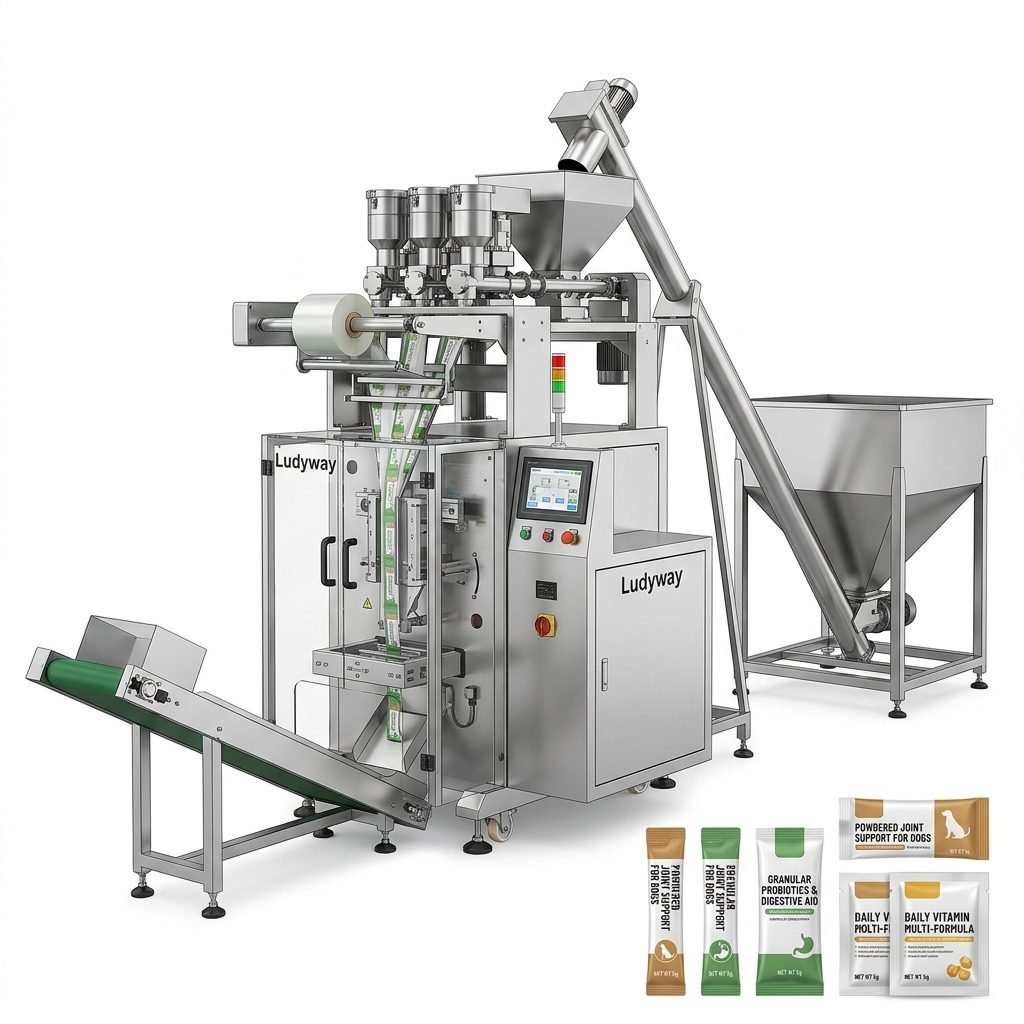
Vertical Form-Fill-Seal (VFFS) Machines
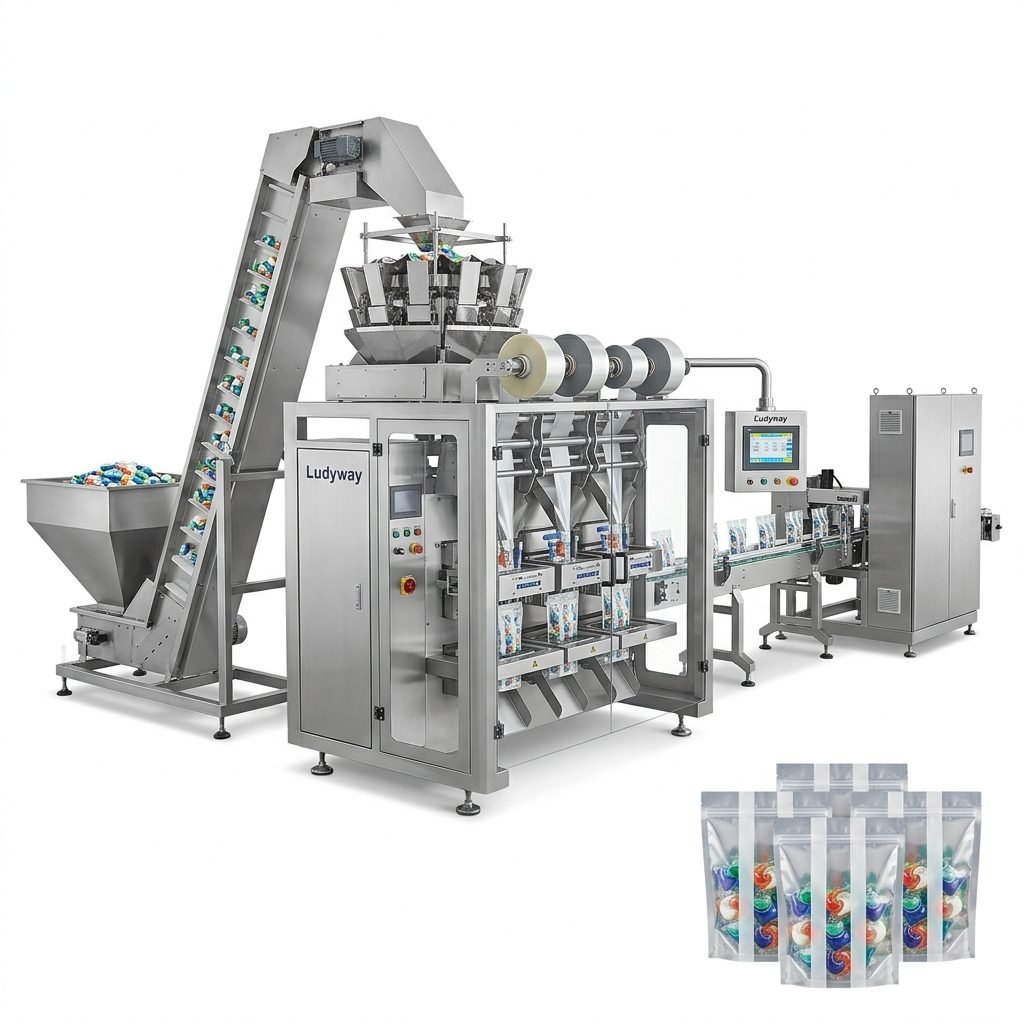
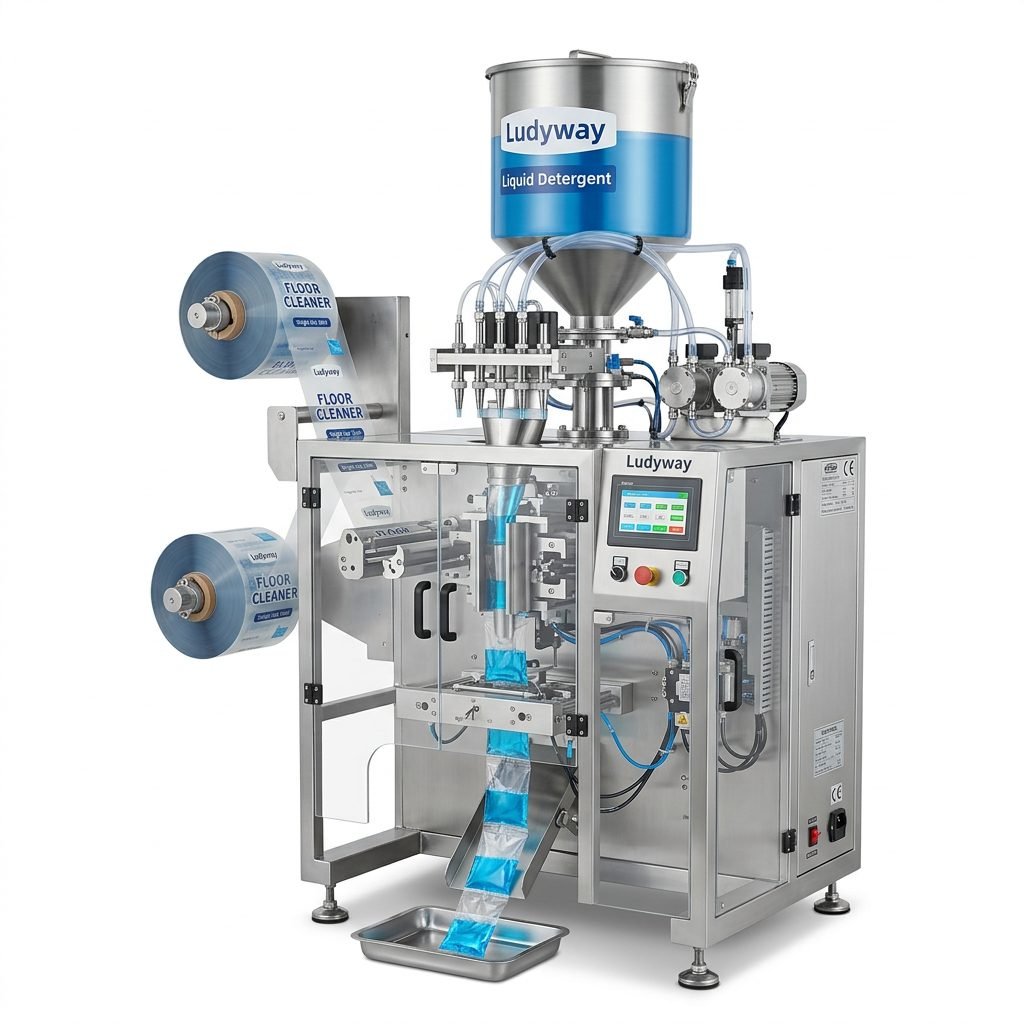
These are among the most common and versatile machines for powder packaging. They form the packaging bag from a roll of film, fill it with a pre-measured dose of powder, and then seal it—all in one continuous vertical process. They are ideal for producing stand-up pouches, pillow bags, and gusseted bags. VFFS machines are excellent for medium to high-speed production and offer great flexibility in bag size and design.
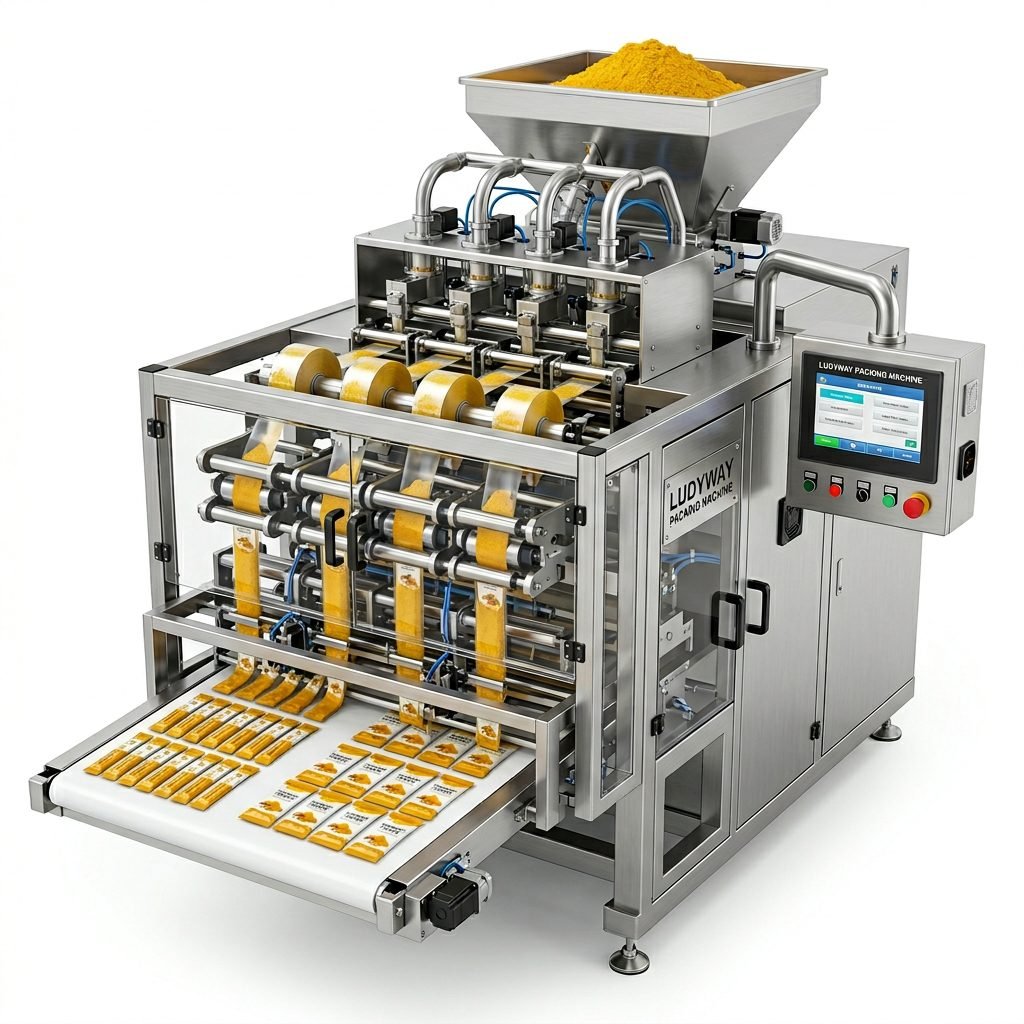
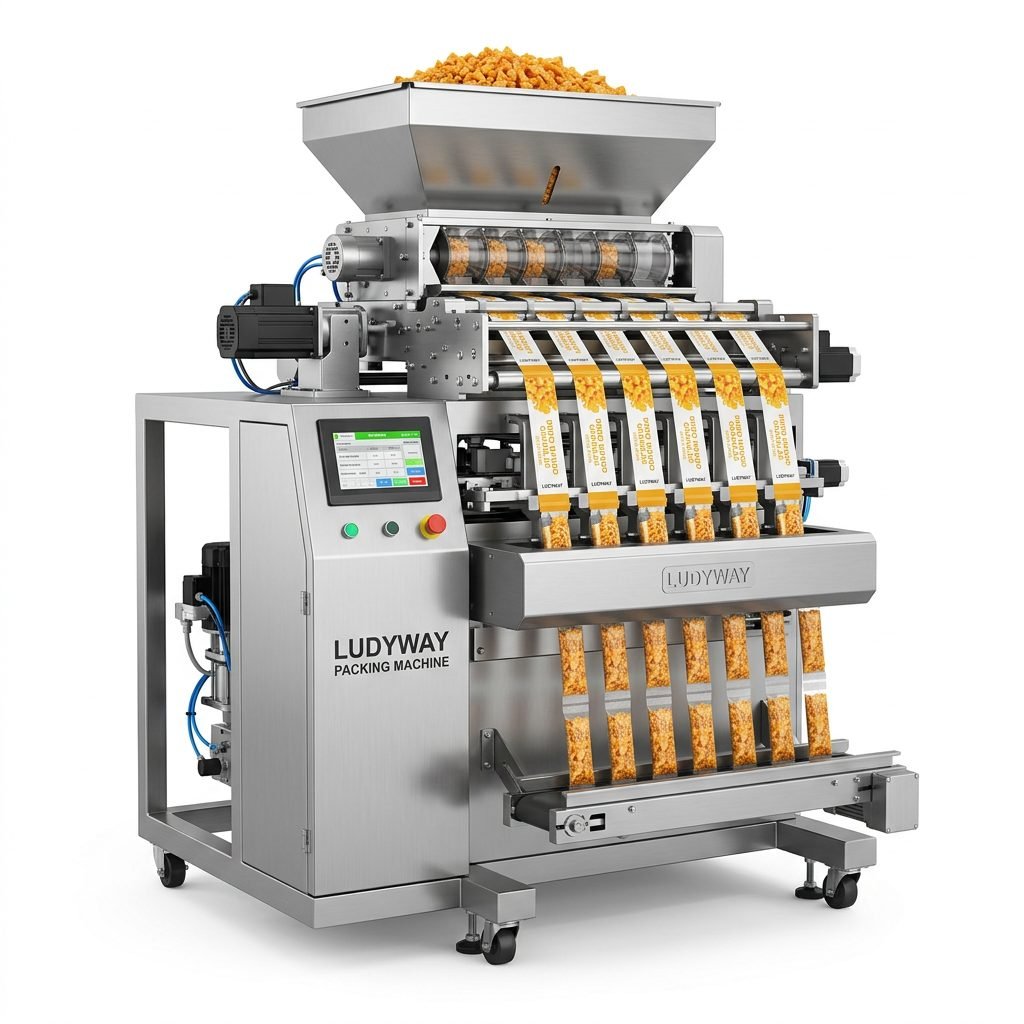
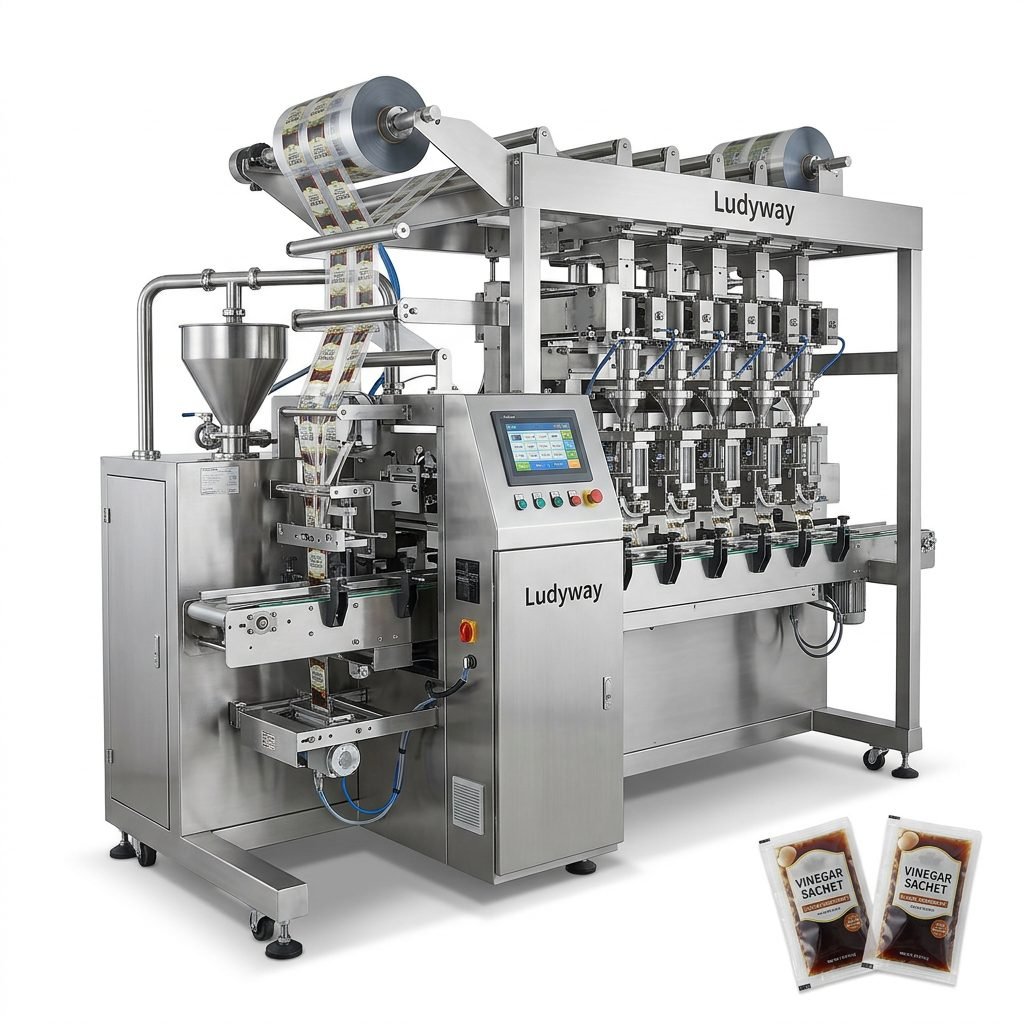
Horizontal Form-Fill-Seal (HFFS) Machines
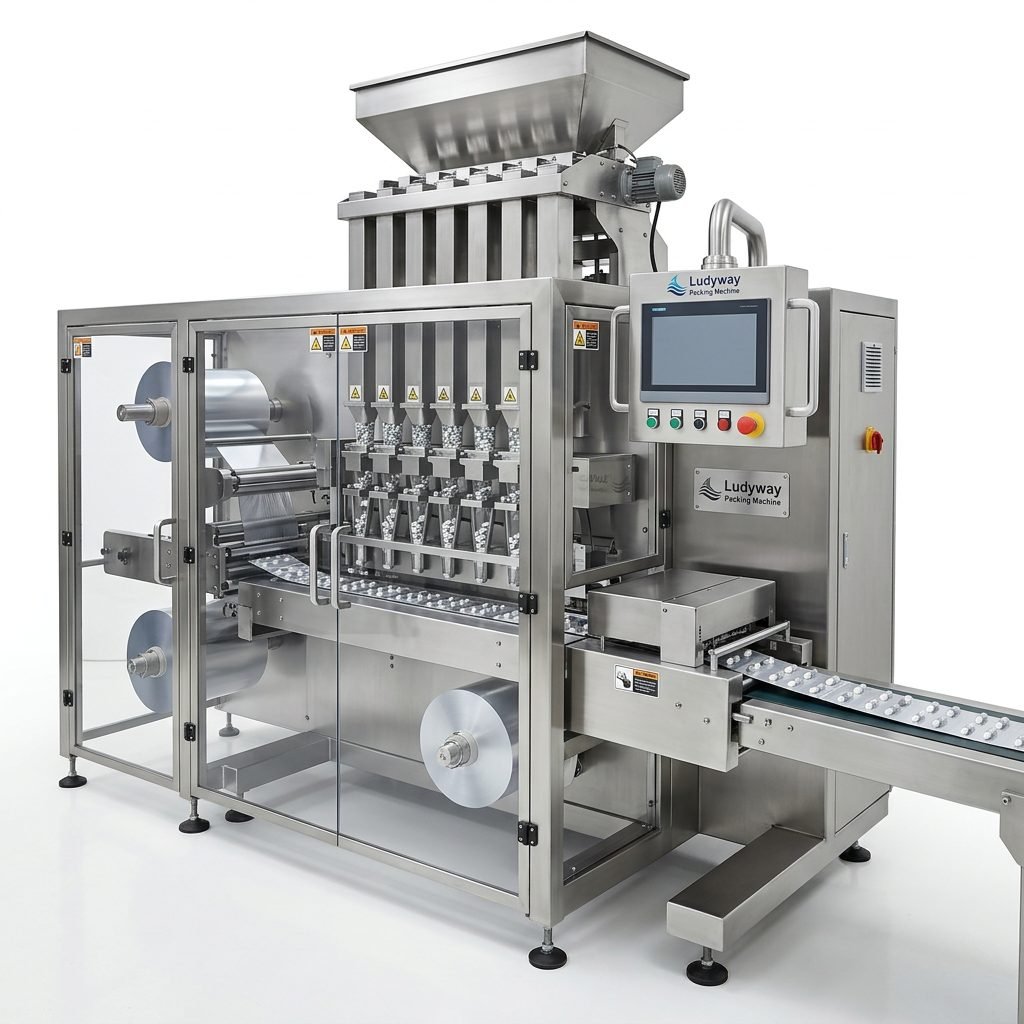
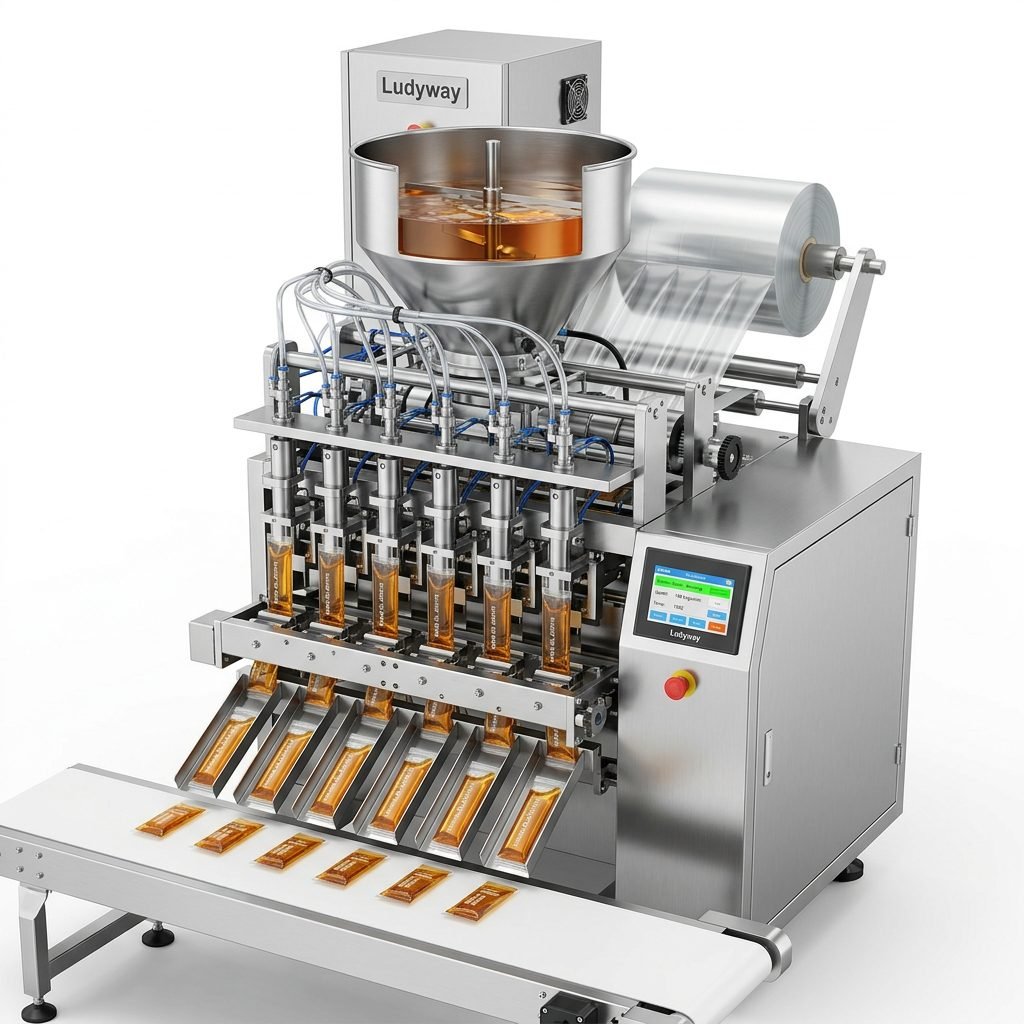
In contrast to VFFS, HFFS machines form and fill packages on a horizontal plane. They are typically used for creating sachets, stick packs, and portion packs. This type is highly efficient for packaging small, precise doses of powder, such as instant drink mixes, supplements, or pharmaceutical samples. They often feature multi-lane configurations for very high output.
Pre-Made Bag Fillers
These systems use bags that are already manufactured (pre-made pouches, stand-up zipper bags, etc.). The machine’s function is to open, fill, and then seal the bag. This is an excellent choice for products requiring premium presentation, unique bag shapes, or specific barrier materials that are difficult to form from a roll. Speeds can be high, and bag changeovers are often quick.
Auger Fillers
The auger filler is the heart of many powder dosing systems. It uses a rotating screw (auger) inside a hopper to move powder into the packaging container with high accuracy. Auger fillers are renowned for handling a wide range of powder types, from free-flowing to cohesive and non-free-flowing products. They can be integrated into VFFS machines, mounted on rotary platforms, or used as standalone volumetric fillers for cans, jars, or bottles.
Cup Filling and Sealing Machines
Designed for filling pre-formed cups or containers with powder and then sealing them with a lidding material (foil or film). This format is prevalent in the dairy, coffee, and single-serve food industries. It provides excellent product protection, shelf appeal, and can be combined with gas flushing for extended shelf life.
Key Features and Technologies to Evaluate
Beyond the basic type, several advanced features and technologies differentiate modern powder packaging equipment. Prioritizing these based on your product’s needs is crucial.
Critical Feature Checklist:
Filling Accuracy & Technology: For costly or precisely dosed products (like pharmaceuticals), weight-based fillers (net weighers) offer the highest precision. For many applications, auger fillers with servo drives provide excellent speed and accuracy. Consider technology that compensates for powder density variations.
Powder Handling & Anti-Bridging: Look for features like vibrating hoppers, agitators, or specialized auger designs to ensure consistent powder flow and prevent clumping or bridging in the hopper, which disrupts filling accuracy.
Sealing Integrity & Options: Robust sealing bars (often with adjustable temperature, pressure, and dwell time) are essential. Options for gas flushing (nitrogen) to displace oxygen can be critical for product preservation. Check for the ability to handle different laminate structures.
HMI & Control System: A user-friendly Human-Machine Interface (HMI) with recipe storage allows for quick changeovers between products. Modern PLC controls enhance reliability and provide diagnostic data.
Hygienic Design & Cleanability: For food or pharmaceutical use, machines with stainless steel contact parts, rounded edges, and easy disassembly for cleaning (CIP/SIP options) are non-negotiable to meet GMP standards.
How to Choose the Right Powder Packaging Machine: A Step-by-Step Guide
Making the final selection requires a systematic assessment of your product, production goals, and operational environment.
Step 1: Analyze Your Product and Powder Characteristics
This is the most critical foundation. You must understand:
- Flowability: Is it free-flowing (like salt), cohesive (like flour), or non-free-flowing (like protein powder)? This dictates the filling technology (e.g., auger type, need for agitation).
- Bulk Density & Compressibility: Does the powder settle or compact easily? This affects volumetric filling consistency and may require a tamping or vibration system.
- Hygroscopicity & Sensitivity: Does it absorb moisture? Is it sensitive to heat (from sealing) or oxygen? This influences material selection and the potential need for gas flushing capabilities.
- Abrasiveness or Corrosiveness: Abrasive powders (like certain ceramics) require hardened wear parts. Corrosive powders need compatible, often higher-grade, stainless steel.
Step 2: Define Your Packaging Requirements
Clearly outline the desired final package:
- Format: Pouch, sachet, stick pack, can, jar, cup?
- Material: Laminated films, foil, paper composites? Your supplier must be able to test and run your specific material.
- Size Range: Minimum and maximum weight/volume you need to package. Ensure the machine’s range comfortably covers your needs with room for future products.
- Seal Type: Pillow seal, gusset, zipper, tear notch?
Step 3: Determine Your Production Capacity Needs
Be realistic about both current and future volumes.
Speed (Packages Per Minute – PPM): Calculate based on your annual output, shifts, and desired efficiency. Always add a 15-20% buffer to the machine’s rated speed for sustainable operation.
Uptime & Reliability: Investigate the machine’s build quality, component brands (e.g., PLC, servos), and the manufacturer’s reputation for reliability. Downtime is far more costly than a slightly higher initial investment.
Changeover Time: How quickly can you switch between different bag sizes or products? Look for features like tool-less changeovers and digital recipe recall.
Step 4: Assess Operational and Facility Factors
The machine must fit into your ecosystem.
- Floor Space & Layout: Measure available space, including access for maintenance and upstream/downstream equipment (e.g., conveyors, checkweighers).
- Utilities: Power requirements (voltage, phases), compressed air (CFM, pressure), and any required dust extraction systems.
- Operator Skill Level: Match the machine’s complexity with your team’s ability to operate and perform basic maintenance. Comprehensive training from the supplier is vital.
Step 5: Evaluate the Supplier and Support
You are buying a long-term partnership, not just a machine.
Choose a supplier like Ludyway Machinery, which brings over 30 years of industry experience to the table. Key evaluation points include:
- Technical Expertise & Customization: Can they adapt the machine to your specific powder and process? Will they conduct product tests?
- After-Sales Service: Availability of spare parts, service engineers, and response time for support. A global support network is crucial for international operations.
- Training & Documentation: Provision of detailed manuals, on-site training, and troubleshooting guides.
- Warranty & Trial Runs: Clear warranty terms and the opportunity for a factory acceptance test (FAT) with your product are highly recommended.
Conclusion and Final Recommendations
Investing in powder packaging equipment is a significant decision that requires careful cross-functional analysis involving production, engineering, quality assurance, and procurement teams. Start with a deep understanding of your powder’s behavior. Prioritize accuracy, reliability, and hygienic design based on your industry standards. Never compromise on the supplier’s expertise and support structure—this relationship will define your operational success for years to come. By following this structured guide, you can confidently select a machine that enhances efficiency, ensures product quality, and scales with your business growth. For exploring a range of reliable and innovative solutions, reviewing the offerings from experienced providers like Ludyway Packaging Machinery can be an excellent starting point for your project.
Frequently Asked Questions (FAQs)
What is the most accurate filling method for powders?
Weight-based filling (net weighers) is generally the most accurate method, especially for expensive or critically dosed products. It directly measures the weight of each dose, compensating for density variations. For many applications, servo-driven auger fillers offer an excellent balance of high speed and very good accuracy.
How do I handle non-free-flowing or cohesive powders that bridge or clump?
Machines equipped with specialized agitation systems are essential. Look for features like vibrating hoppers, internal hopper agitators (paddles or ribbons), and augers designed with specific pitches or surface treatments to promote flow. A live bottom hopper can also be highly effective for difficult products.
What is the difference between a VFFS and a pre-made pouch filler?
A Vertical Form-Fill-Seal (VFFS) machine creates the package from a roll of film, offering flexibility and lower material cost per bag. A pre-made pouch filler uses already-printed and shaped bags, which allows for more complex, premium packaging designs and often faster changeovers between bag styles, but the bags themselves are more expensive.
Why is hygienic design important, and what should I look for?
Hygienic design prevents product contamination, facilitates cleaning, and is often required by regulations (e.g., FDA, GMP). Key features include stainless steel (grade 304 or 316) surfaces, rounded corners with no crevices, easy disassembly without tools, and options for clean-in-place (CIP) systems.
Can one machine package different types of powders?
Many machines are versatile, but changeovers can be complex. While switching between similar, free-flowing powders might only require a recipe change and cleaning, switching to a powder with drastically different flow characteristics (e.g., from sugar to sticky protein powder) may require changing the auger, hopper, or agitation system. Always discuss your full product range with the machine supplier.