In the competitive snack food industry, packaging is not just about containment—it’s a critical component of product preservation, branding, and consumer appeal. Selecting the right snack food packaging equipment is therefore a pivotal decision for manufacturers aiming to enhance efficiency, ensure product integrity, and meet market demands. This guide explores the various types of packaging systems, their key features, and provides actionable insights on how to choose the optimal equipment for your production line.
Understanding Snack Food Packaging Equipment
Snack food packaging equipment encompasses a range of automated machines designed to portion, fill, seal, and sometimes label various snack products. These systems handle diverse product forms—from crispy chips and crunchy nuts to chewy candies and powdery mixes—ensuring they are packed securely and attractively for retail.
Core Objectives of Packaging Machinery
The primary goals of deploying specialized packaging equipment in snack production include:
- Product Protection: Shielding snacks from moisture, air, light, and physical damage to extend shelf life.
- Operational Efficiency: Automating the packaging process to increase speed, reduce labor costs, and minimize waste.
- Brand Consistency: Ensuring every package has a uniform, professional, and eye-catching appearance.
- Flexibility: Adapting to different snack types, package sizes, and materials without major downtime.
Main Types of Snack Food Packaging Systems
The choice of equipment largely depends on the snack’s physical characteristics and the desired package format. Here are the most common systems used in the industry.
Vertical Form-Fill-Seal (VFFS) Machines
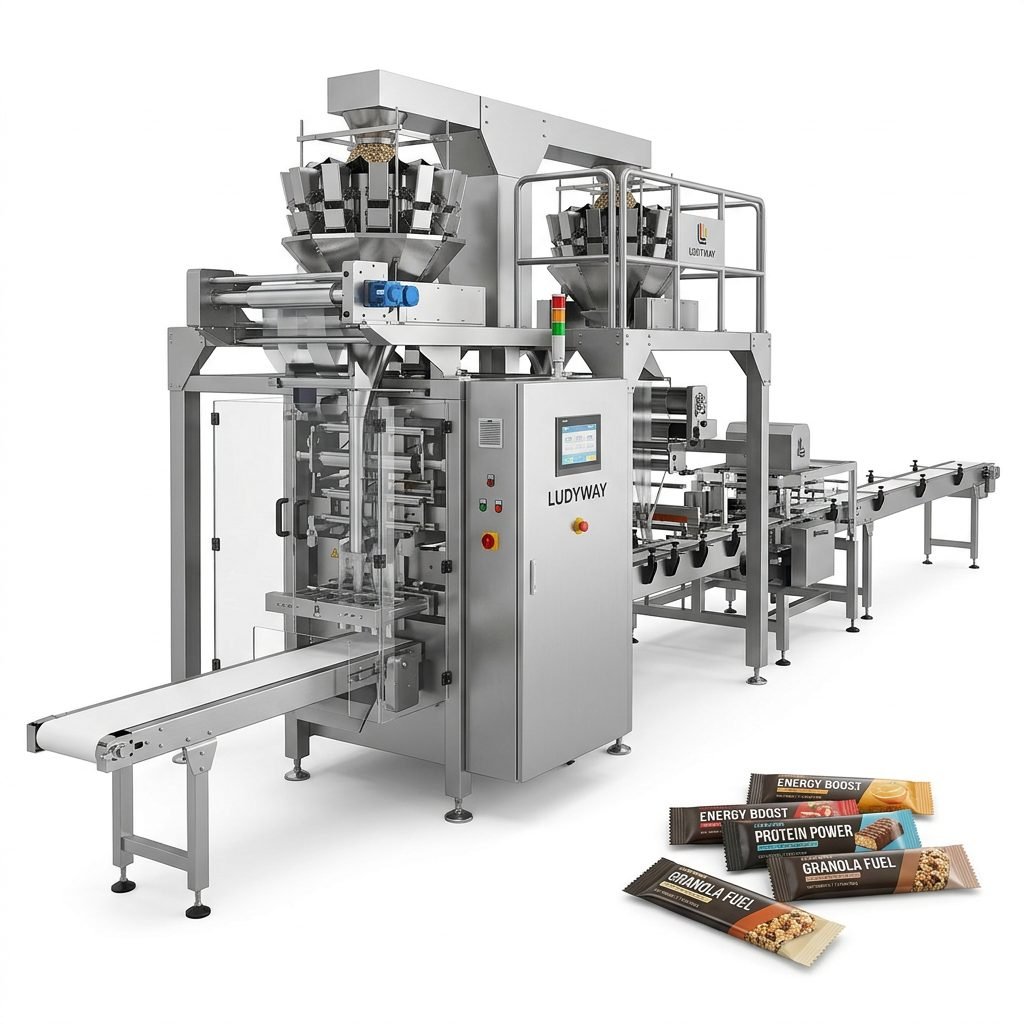
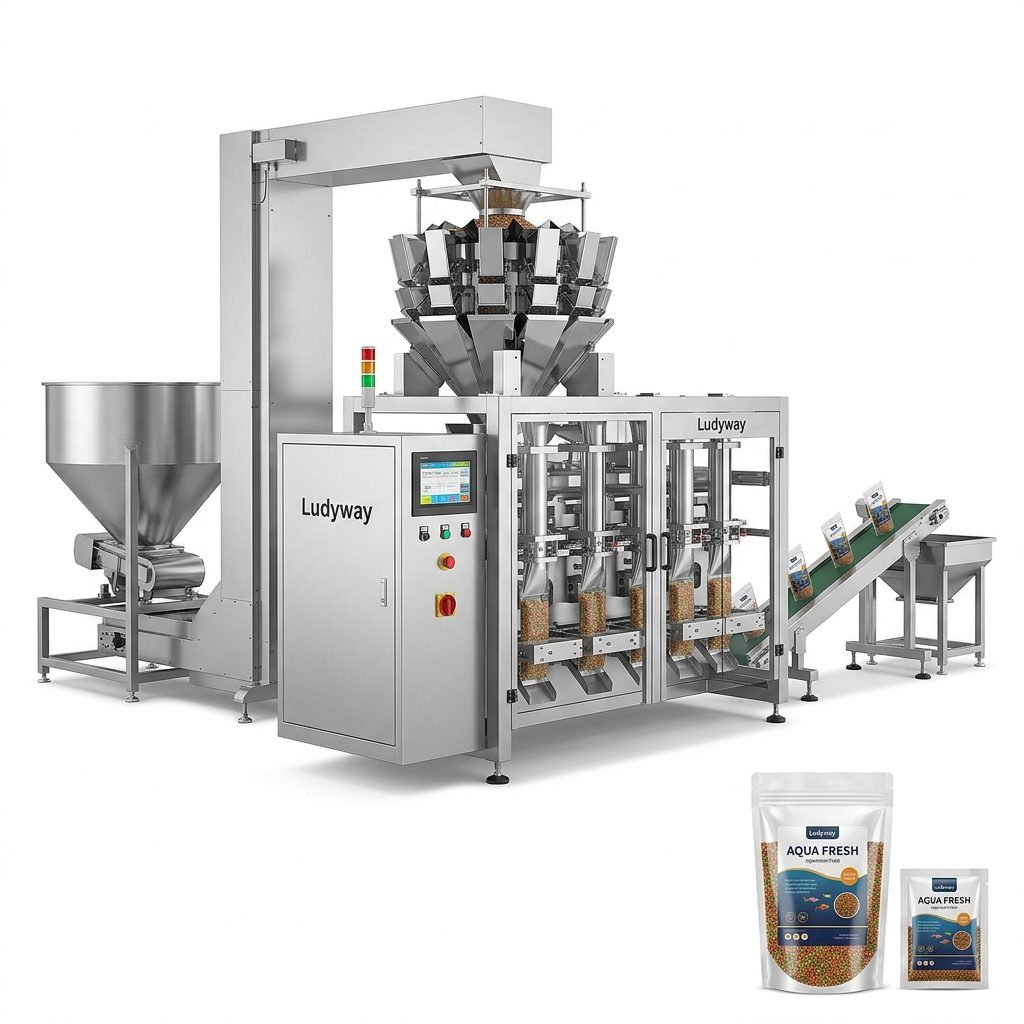
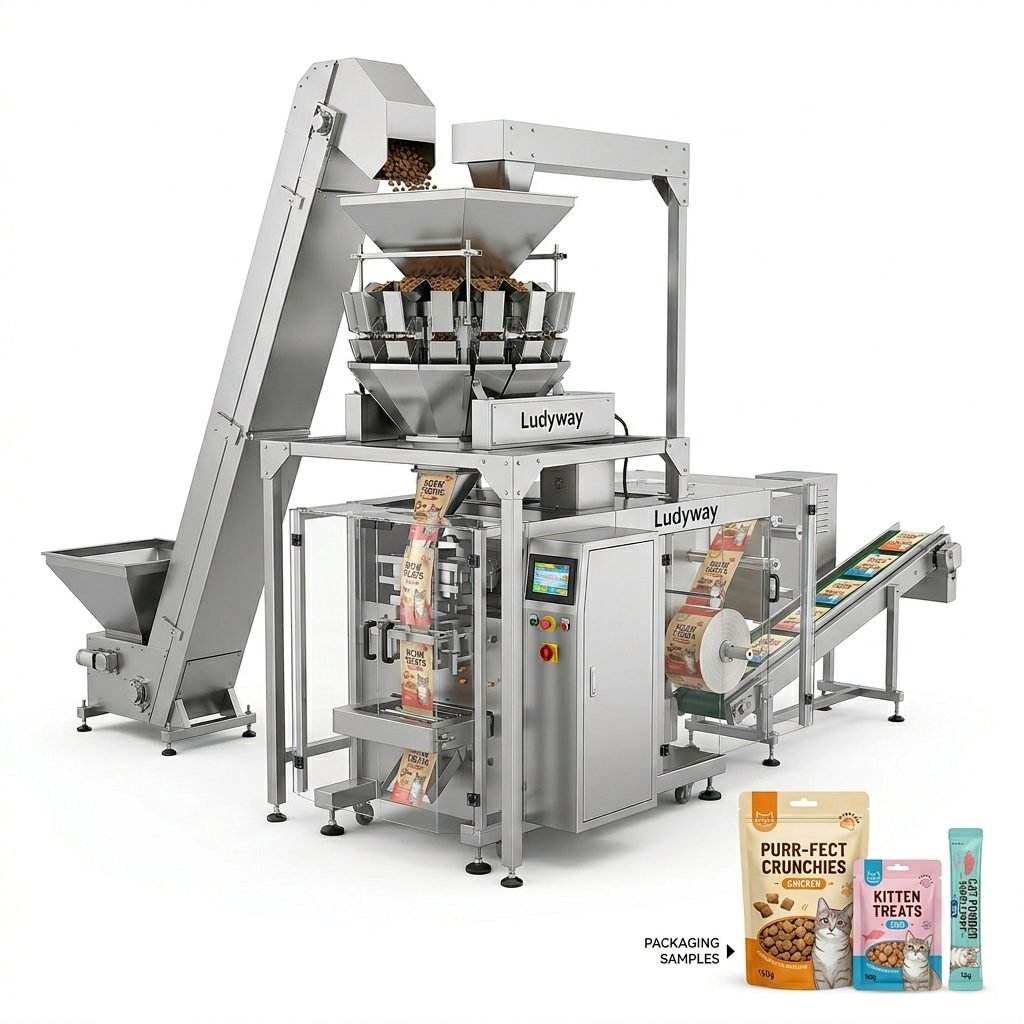
These are the workhorses of snack packaging. VFFS machines form bags from a roll of flexible film, fill them with a pre-measured product dose, and then seal them. They are ideal for free-flowing products like chips, pretzels, and nuts.
Key Features:
- High-speed operation, capable of hundreds of bags per minute.
- Compatible with various films (laminate, polypropylene, metallized).
- Integrated weighing systems for accurate filling.
- Options for gas flushing (for nitrogen flushing) to enhance freshness.
Horizontal Flow Wrappers
This type of equipment is perfect for wrapping individual snack bars, biscuits, or grouped items. The product is placed on a sheet of film, which is then folded around it and sealed at the ends and back.
▶ Primary Advantage: Creates a neat, tight wrap that clearly displays the product shape, ideal for items where visual appeal is paramount.
Multi-Lane Stick Pack & Sachet Machines
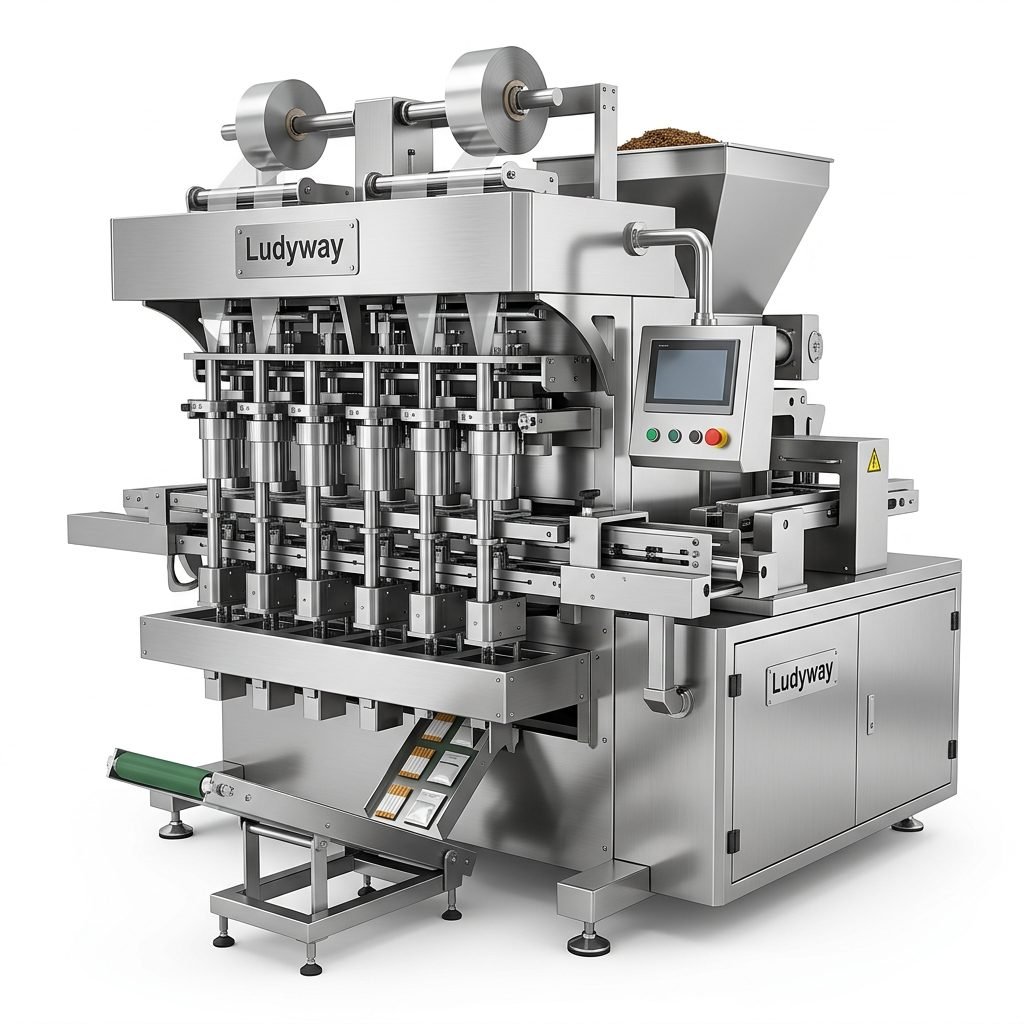
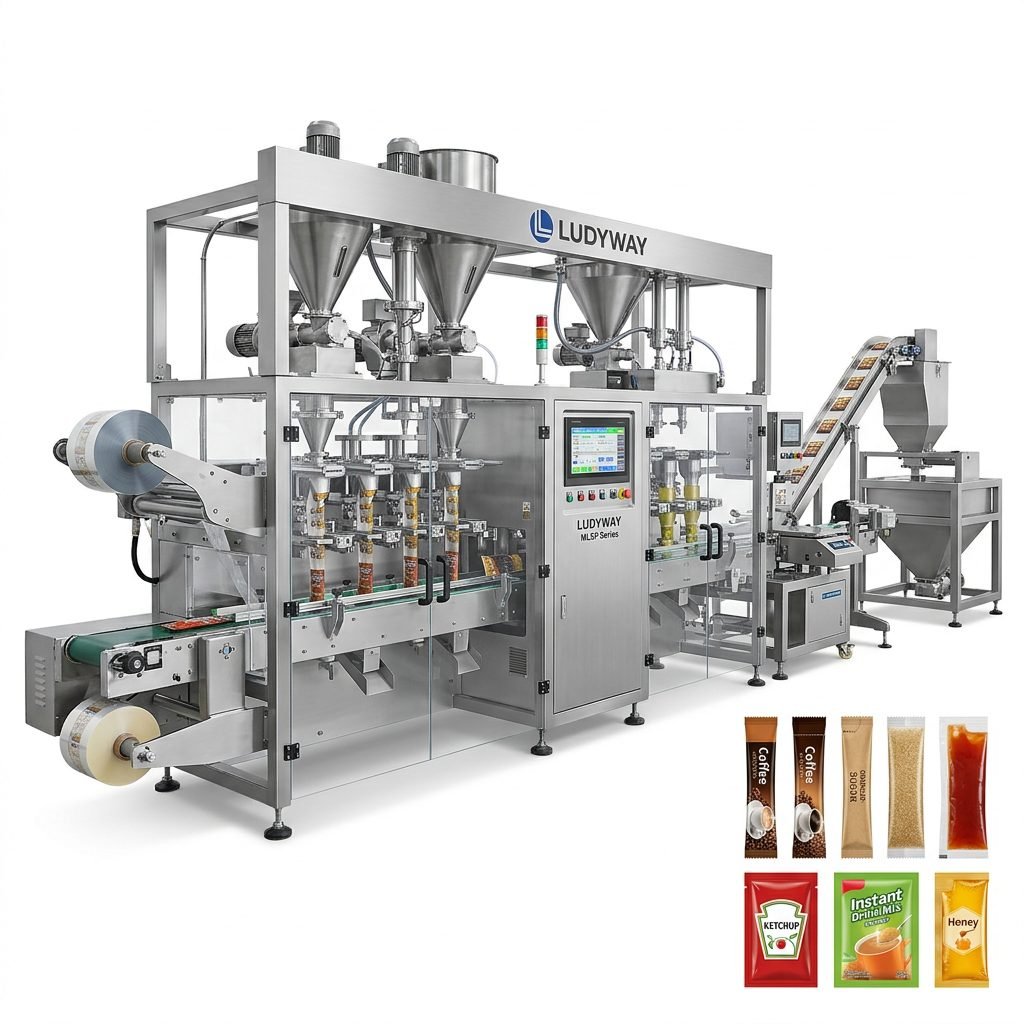
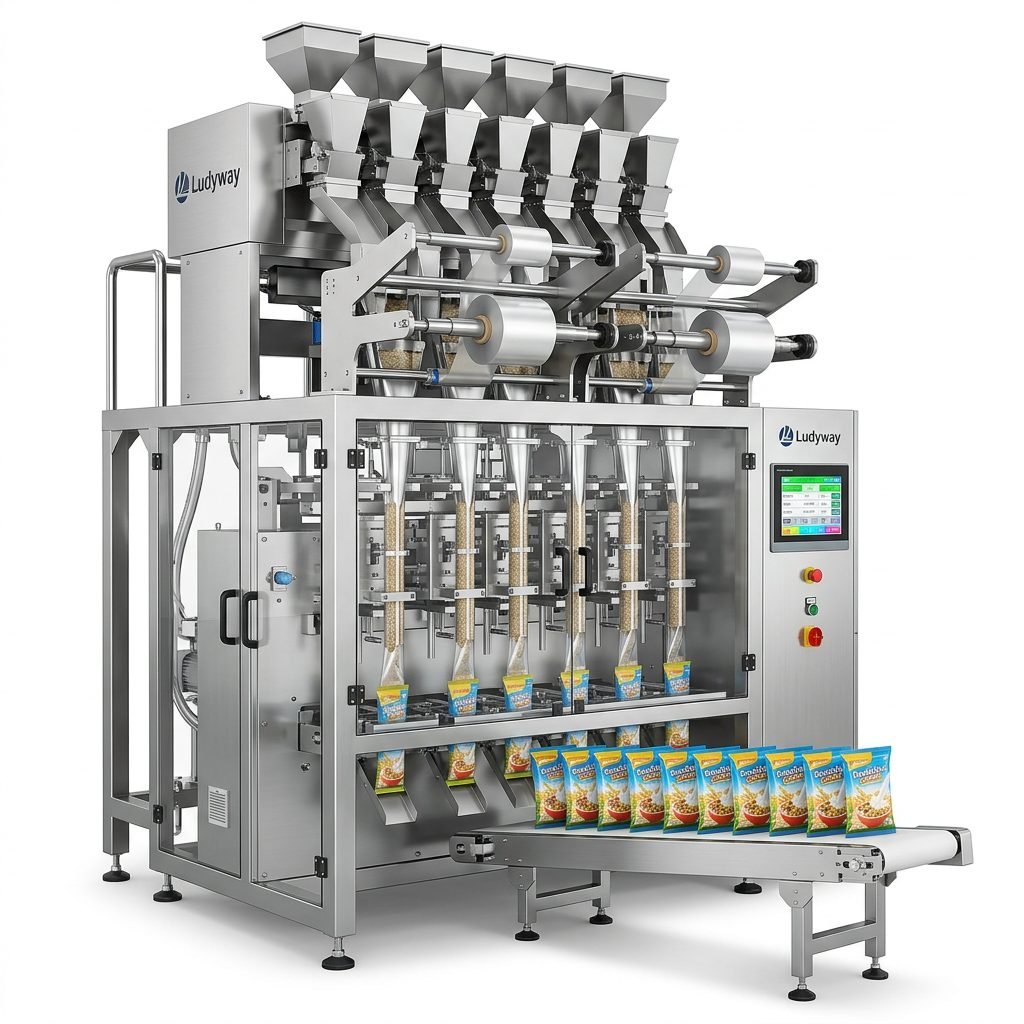
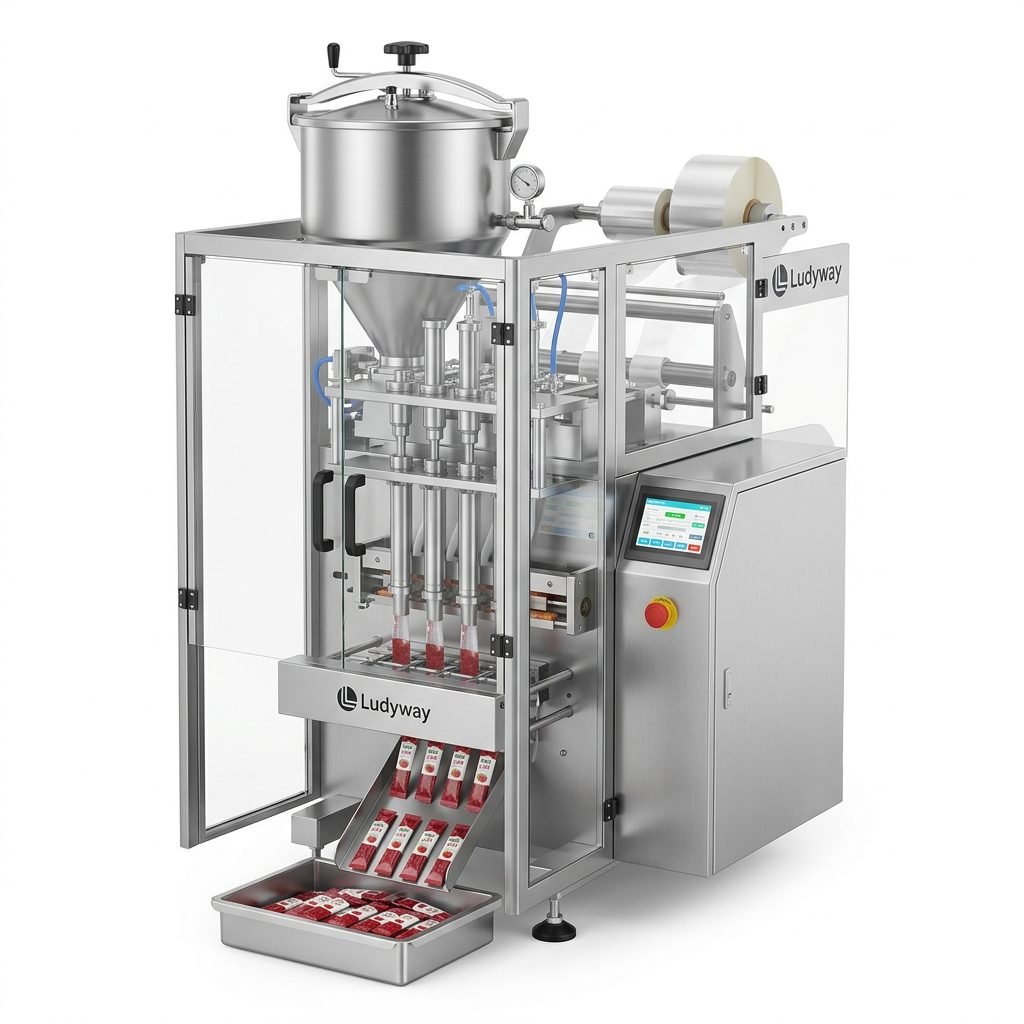
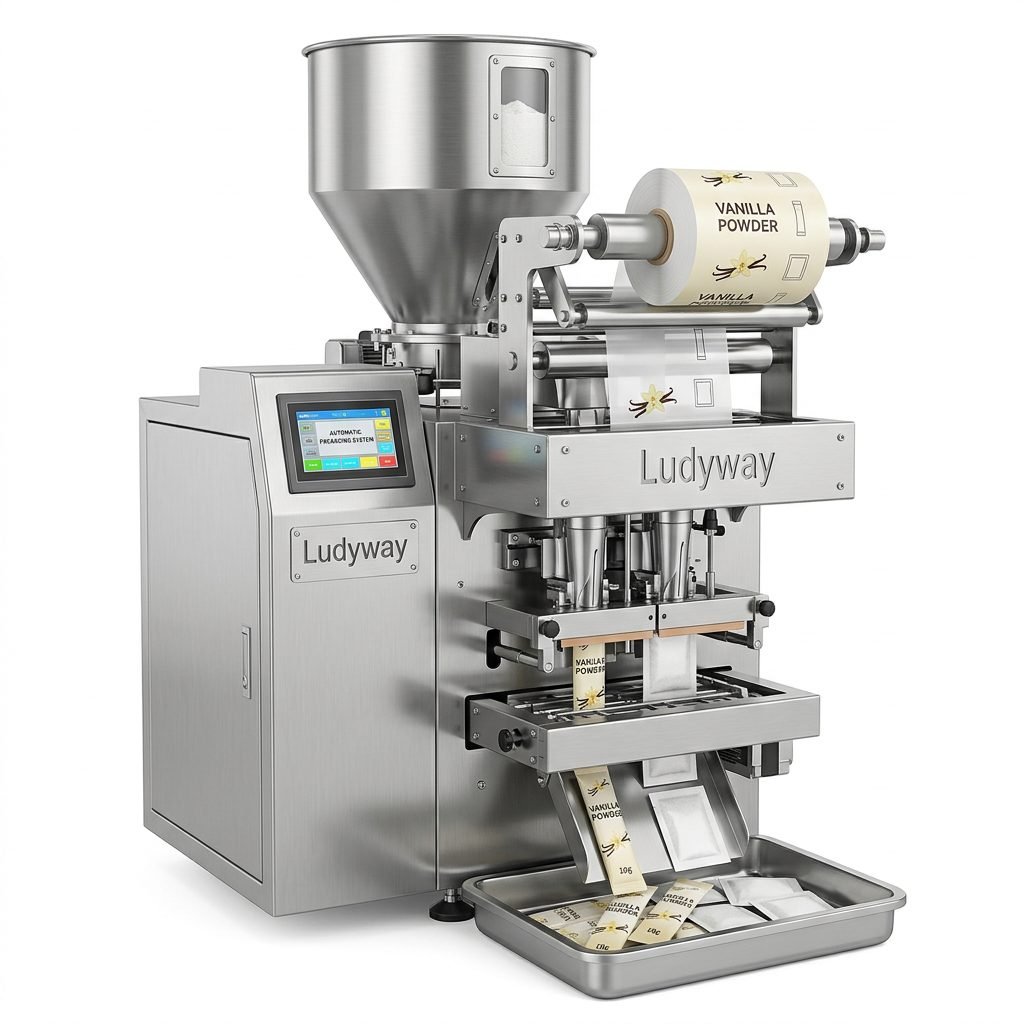
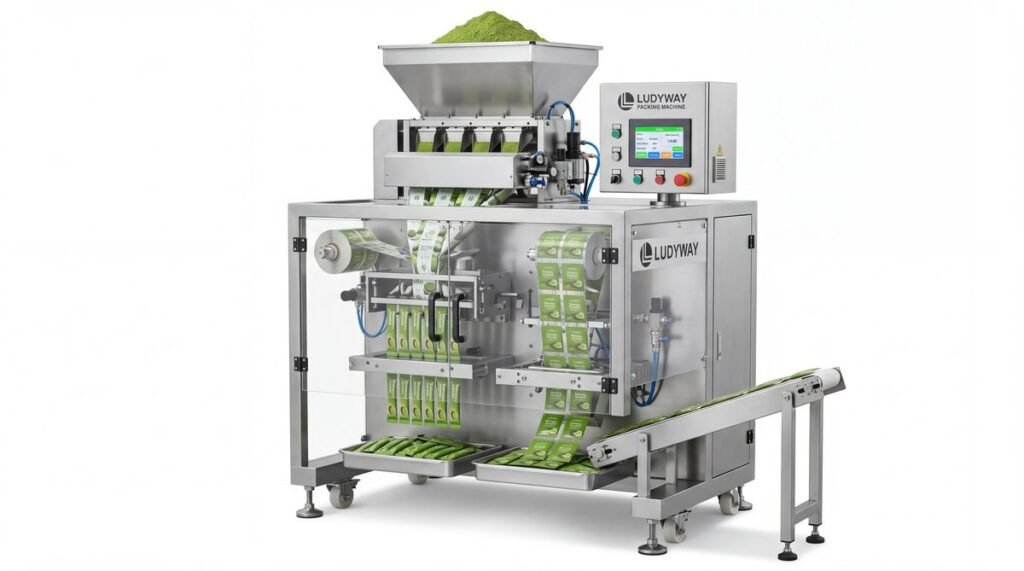
For powdered drink mixes, seasoning, or small-portion snacks, multi-lane machines are highly efficient. They produce multiple small, sealed packets (stick packs or sachets) simultaneously from a single film web.
Ideal Applications:
- Single-serve coffee, sugar, or creamer.
- Powdered cheese for popcorn.
- Small snack mixes or nuts for on-the-go consumption.
Companies like Ludyway Machinery specialize in providing advanced multi-lane systems that maximize output for these specific packaging formats.
Pre-Made Bag Fillers
These systems use pre-manufactured bags (stand-up pouches, flat bags) which are opened, filled, and then sealed. They are excellent for premium snacks or products requiring unique bag shapes and high-quality graphics that are difficult to achieve with form-fill-seal technology.
Essential Features to Evaluate
Beyond the machine type, several features determine performance and suitability for your operation.
1. Weighing and Dosing Accuracy
Precise portion control is non-negotiable for cost management and regulatory compliance. Look for machines with high-precision load cells or volumetric cup fillers tailored to your product’s flow characteristics.
2. Speed and Production Capacity
Measured in bags or packs per minute (PPM), the machine’s speed must align with your upstream production and downstream logistics. Consider not just peak speed but also sustainable operational speed with minimal downtime.
3. Material Compatibility and Changeover
Can the machine handle the film or laminate you plan to use? More importantly, how quickly and easily can you switch between different package sizes or materials? Quick-changeover systems are vital for manufacturers running multiple SKUs.
For insights into machinery built for versatility, exploring resources from established packaging equipment providers can be valuable.
4. Integration and Automation Level
Modern packaging lines are interconnected. Evaluate the machine’s ability to integrate with checkweighers, metal detectors, labelers, and robotic palletizers. Features like PLC control with touchscreen HMI and data reporting capabilities are standard for smart factories.
5. Hygiene and Cleanability
Snack production demands high hygiene standards. Equipment with stainless steel contact parts, smooth surfaces, and easy-access panels for cleaning reduces contamination risk and meets food safety protocols.
How to Choose the Right Packaging System: A Step-by-Step Guide
Selecting equipment is a strategic process. Follow this framework to make an informed decision.
Step 1: Analyze Your Product and Package
Define your snack’s properties: size, shape, weight, fragility, and oil content. Then, determine your target package type: pillow bag, stand-up pouch, stick pack, etc. This narrows down the suitable machine categories.
Step 2: Assess Your Production Volume
Match the machine’s output to your current and projected 3-5 year demand. Avoid under-sizing (creating bottlenecks) or over-sizing (unnecessary capital expenditure).
Step 3: Consider Operational Factors
- Floor Space: Does the machine footprint fit your facility?
- Available Labor: How automated does the system need to be?
- Utilities: Check requirements for power (voltage), compressed air, and gas flushing.
Step 4: Evaluate Total Cost of Ownership (TCO)
Look beyond the initial purchase price. Factor in:
• Maintenance costs and spare part availability.
• Energy consumption.
• Expected lifespan and potential for upgrades.
Partnering with a supplier known for reliable and efficient packaging solutions can optimize long-term TCO.
Step 5: Request a Product Test
Always conduct a live test using your actual snack product and packaging material. This is the only way to verify performance metrics like speed, accuracy, and seal integrity.
Step 6: Verify Supplier Support
Choose a supplier with a strong track record. Key support elements include:
• Comprehensive installation and training.
• Responsive technical service and readily available spare parts.
• A clear warranty policy.
A supplier with deep industry experience can also provide valuable consultancy for your entire packaging line setup.
Conclusion
Investing in the right snack food packaging equipment is a strategic move that directly impacts product quality, operational cost, and market competitiveness. By thoroughly understanding the different system types—from versatile VFFS machines to specialized multi-lane sachet packers—and critically evaluating features against your specific product needs and production goals, you can select a system that delivers reliability, efficiency, and a strong return on investment. Remember, the optimal choice balances technical capabilities with robust supplier partnership for long-term success.
Frequently Asked Questions (FAQs)
What is the most cost-effective packaging machine for starting a small snack business?
For small-scale operations, a tabletop or semi-automatic vertical form-fill-seal (VFFS) machine is often the most cost-effective entry point. It offers a good balance of automation and affordability, allowing for professional packaging without a massive initial investment. As volume grows, you can upgrade to a fully automatic system.
How can I ensure my packaged snacks stay fresh for longer?
Beyond choosing high-barrier packaging materials, opt for equipment with an integrated gas flushing system (like nitrogen flushing). This technology displaces oxygen inside the package, significantly slowing oxidation and staleness, which is crucial for oily snacks like nuts and chips.
Can one machine handle different snack shapes and sizes?
Yes, many modern machines are designed for quick changeover. By switching out parts like forming tubes, dosing cups, and sealing jaws, and adjusting settings via the PLC, a single machine can often accommodate a range of products. However, the feasibility depends on the specific machine model and the product differences.
What maintenance does snack packaging equipment require?
Regular maintenance is key. Daily tasks include cleaning product contact parts and checking for debris. Weekly or monthly schedules should involve lubricating moving parts, inspecting seals and cutting blades for wear, and verifying weighing system calibration. Always follow the manufacturer’s maintenance manual.
Is it better to buy a standalone machine or a complete turnkey line?
This depends on your scope and expertise. A standalone machine suits those adding to an existing line or with in-house integration knowledge. A complete turnkey line—where a single supplier provides and integrates all components from conveying to packaging—is better for new facilities or major upgrades, ensuring compatibility and single-point responsibility.