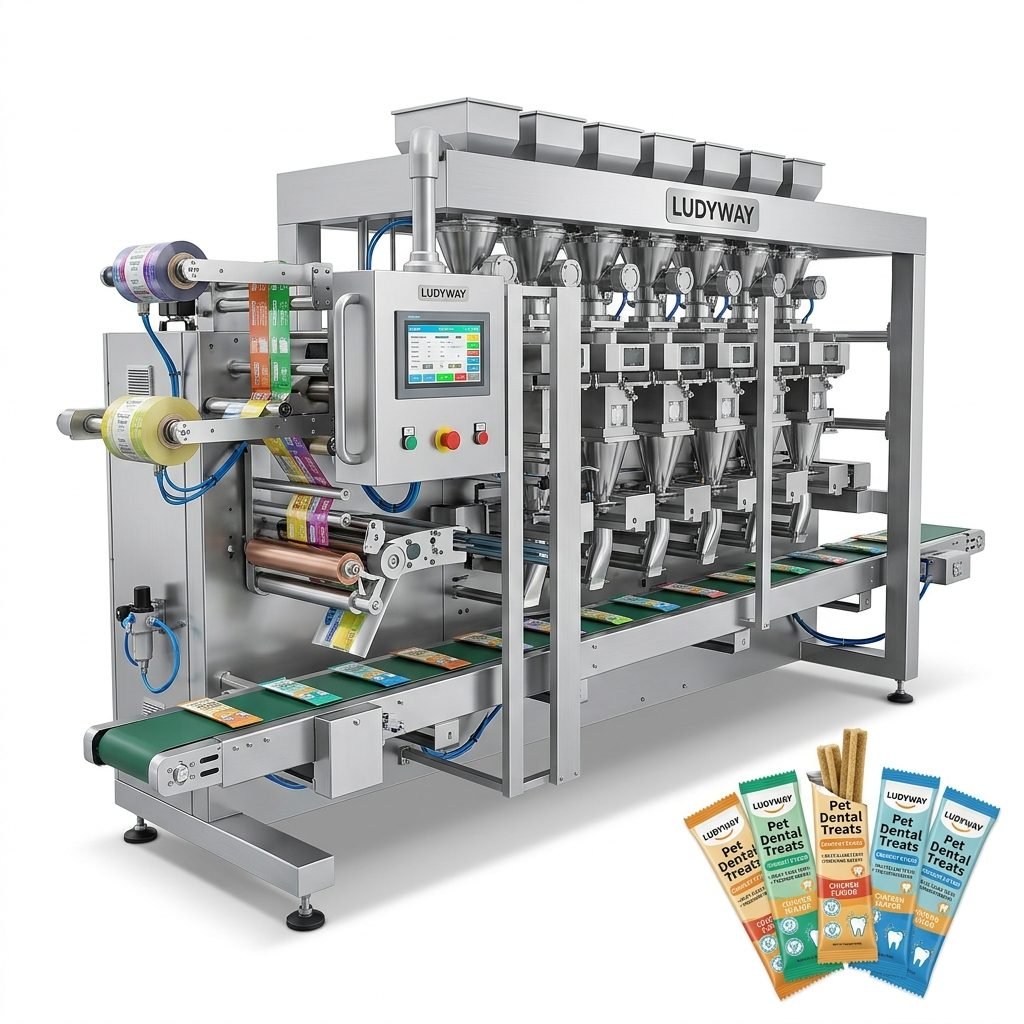
Selecting the right industrial vacuum packaging machine is a critical decision for businesses in the food, meat, and seafood sectors. The correct model directly impacts product shelf life, presentation, operational efficiency, and ultimately, profitability. With numerous options available, understanding key factors and matching them to your specific production needs is essential for making an informed investment.
Understanding Vacuum Packaging Fundamentals
Before diving into model selection, it’s important to grasp what industrial vacuum packaging achieves. The process removes air from the package before sealing, creating a low-oxygen environment. This significantly slows down oxidation and inhibits the growth of aerobic bacteria and fungi, which are primary causes of spoilage. For perishable products like fresh meat, seafood, and prepared foods, this extends freshness from days to weeks or even months, reducing waste and expanding distribution reach.
Key Benefit: The primary advantage is extended shelf life. For seafood, which is highly perishable, vacuum packaging can preserve texture and flavor far better than traditional methods. For meats, it prevents freezer burn and preserves color and juiciness.
Core Machine Types for Food Packaging
Industrial vacuum packaging machines generally fall into several categories, each suited to different production scales and package styles.
Chamber Vacuum Machines
These are the most common type for solid and semi-solid products. The product and bag are placed inside a sealed chamber. The air is evacuated from the entire chamber, and then the bag is heat-sealed. They are excellent for liquid-rich products (like marinated meats or soups) because the vacuum process is gentle and prevents liquid from being sucked out.
- ✓ Best for: Fresh meat cuts, seafood fillets, cheese, prepared meals, and products with sauces or brines.
- ✓ Consideration: Bag size is limited by chamber dimensions. Cycle time can be slower than external suction systems.
External (Nozzle) Vacuum Sealers
These machines use a suction nozzle that is inserted into the bag. Air is removed through the nozzle, which is then retracted before sealing. They are typically used with pre-made bags or pouches.
- ✓ Best for: Large or irregularly shaped items (e.g., whole smoked salmon, large primal cuts of meat), bulk packaging, and operations where bag size varies frequently.
- ✓ Consideration: Not ideal for very liquid products, as suction can pull liquids into the machine.
Thermoforming Vacuum Packaging Machines
This is a high-output, automated system. A roll of base film is heated and formed into cavities (pockets). The product is loaded, a top film is placed over it, the air is evacuated, and the two films are sealed together before being cut into individual packages.
- ✓ Best for: High-volume production of uniform products (e.g., sausage links, fish portions, sliced meats). Offers excellent presentation and barrier properties.
- ✓ Consideration: Higher initial investment and less flexible for frequently changing product sizes.
Tray Sealing Machines
These machines vacuum and seal pre-formed plastic or fiber trays with a lidding film. They are extremely popular in retail for fresh meat, seafood, and ready-to-eat products due to their attractive, rigid presentation.
Critical Selection Criteria for Food, Meat & Seafood
Choosing the right model requires a detailed analysis of your products and production goals.
1. Product Characteristics
The nature of your product dictates the machine type.
• Moisture/Liquid Content: For wet products (fresh fish, marinated meats, vegetables in brine), a chamber vacuum machine is almost always necessary to handle the liquid effectively.
• Product Size & Shape: Irregularly shaped items (like whole poultry or lobsters) may require a large chamber or an external sealer. Consistent, portion-sized items are ideal for thermoformers or automatic chamber machines.
• Fragility: Delicate products like soft cheeses or flaky fish require a machine with adjustable vacuum strength to prevent crushing.
2. Production Volume & Speed Requirements
Your output dictates the level of automation.
• Low to Medium Volume: Manual or single-chamber machines are cost-effective. An operator loads, starts the cycle, and removes the package.
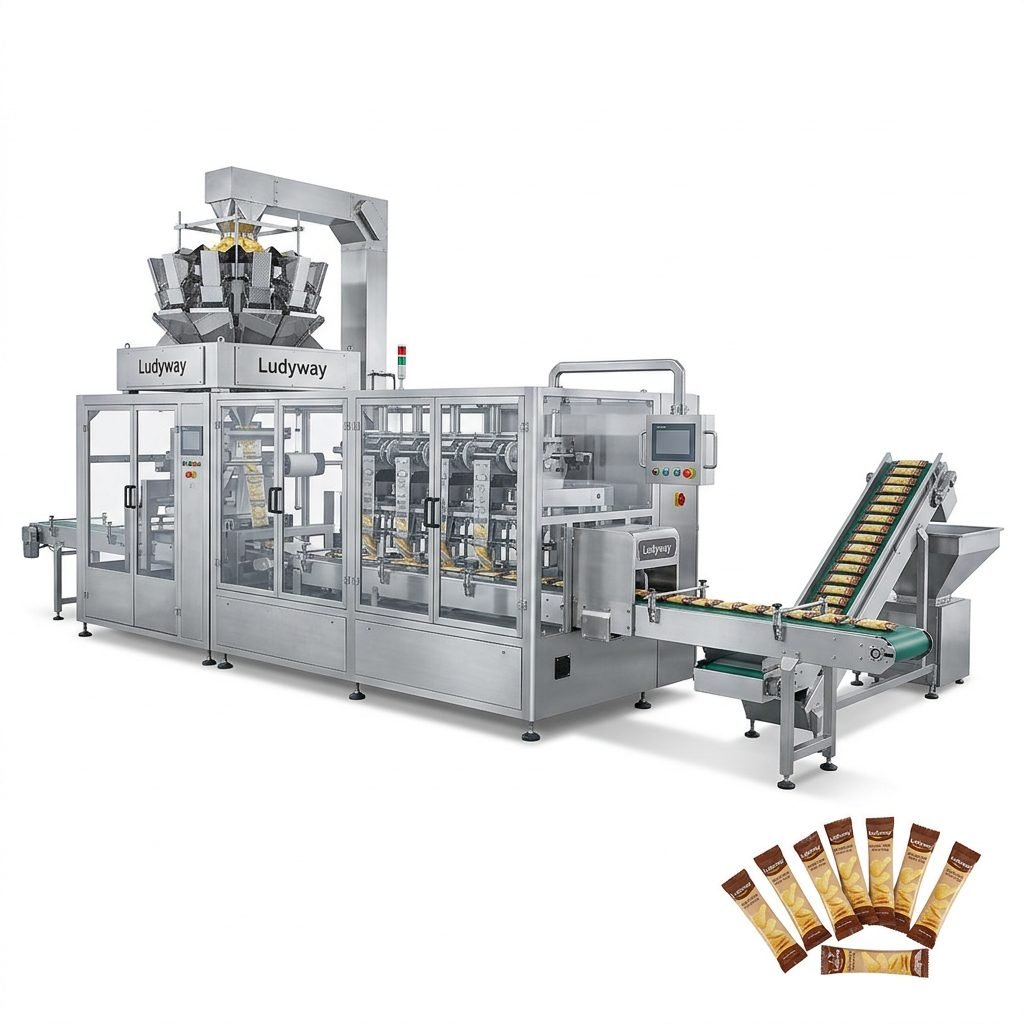
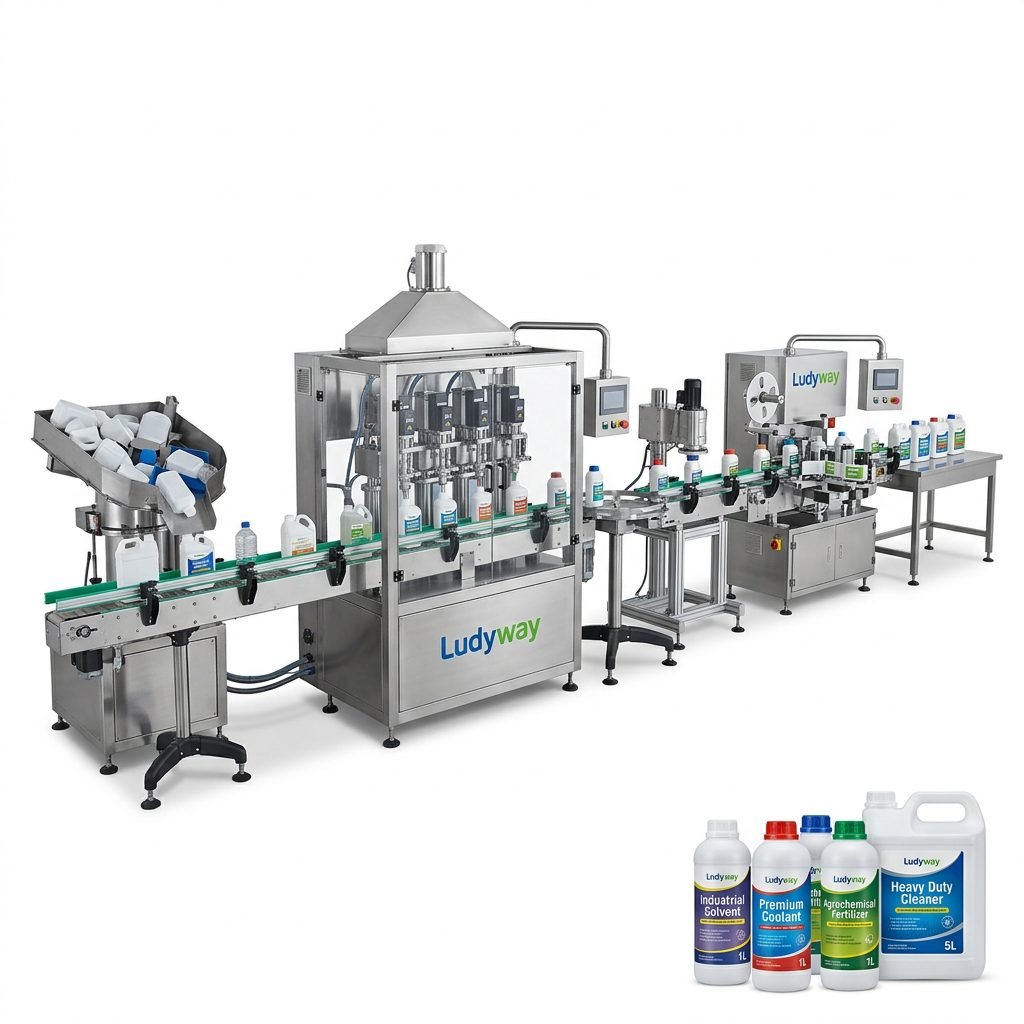
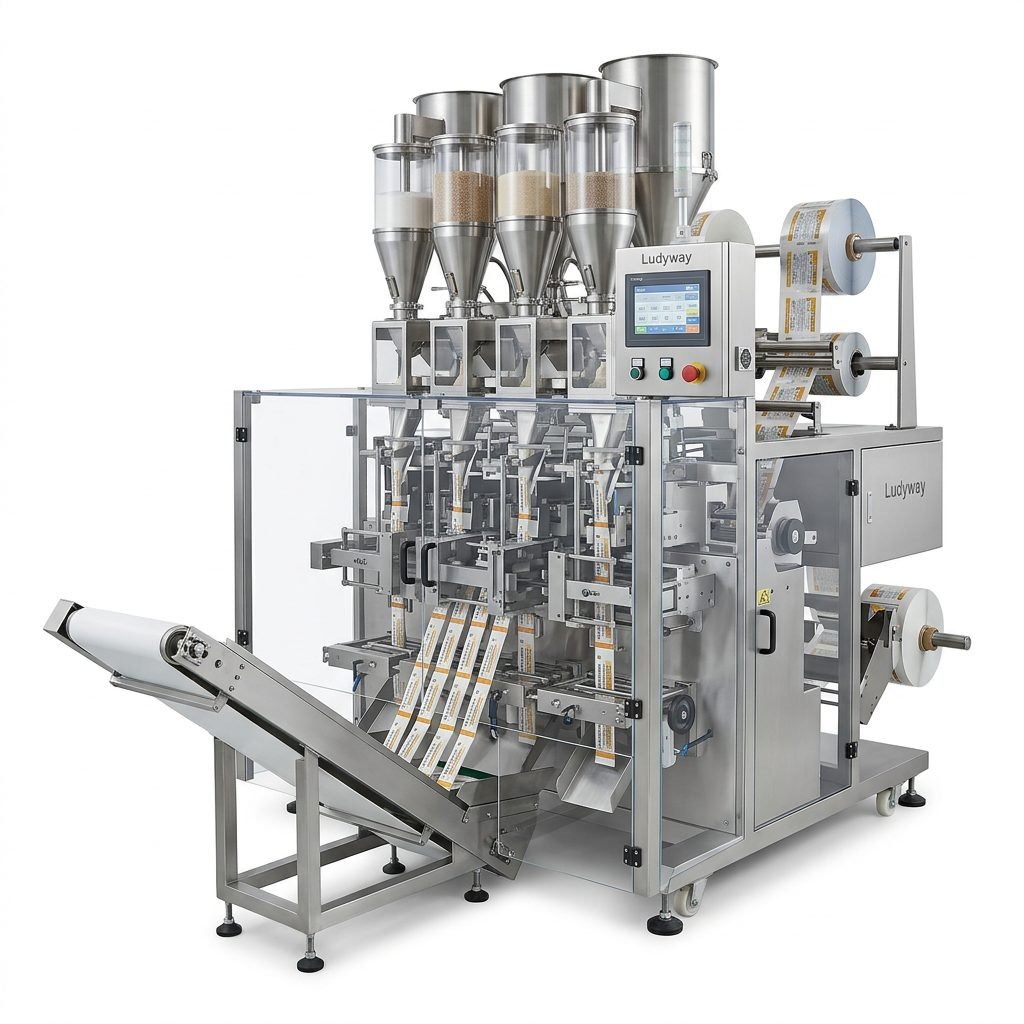
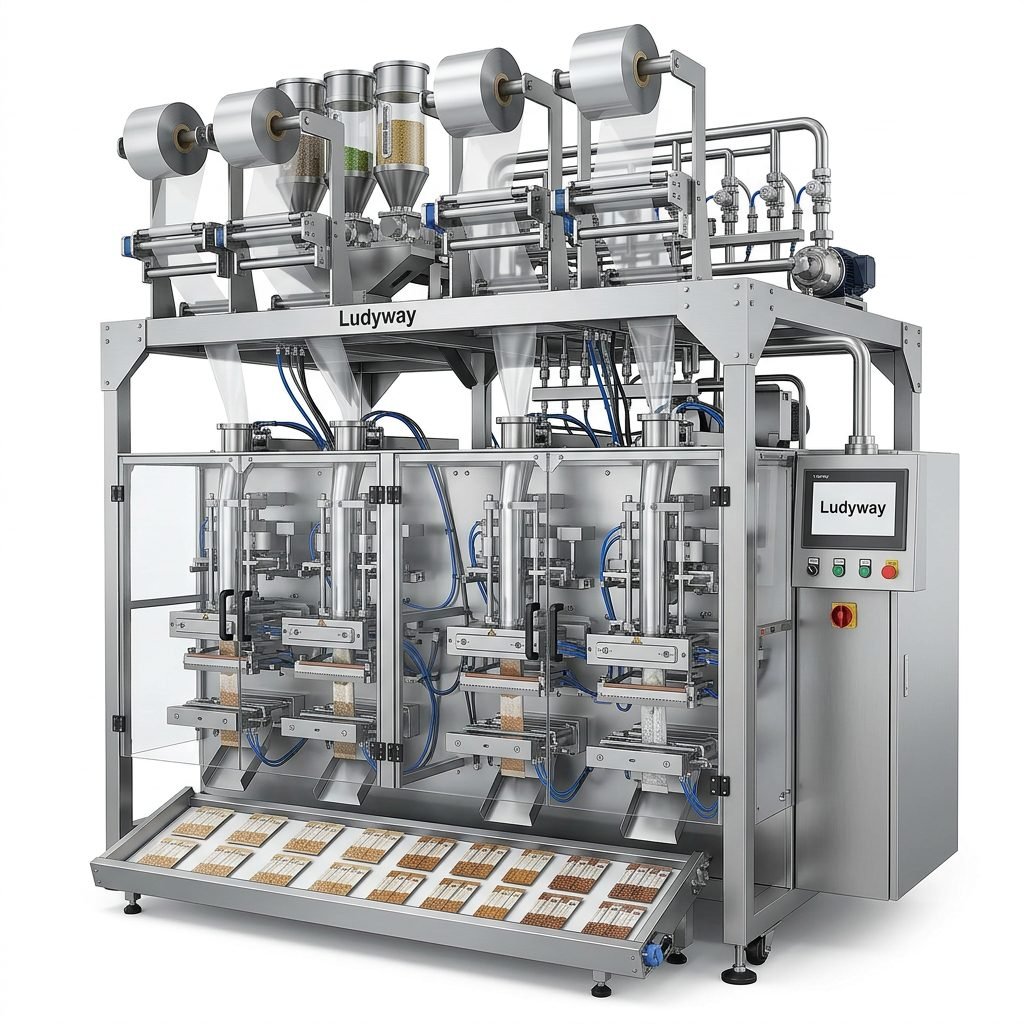
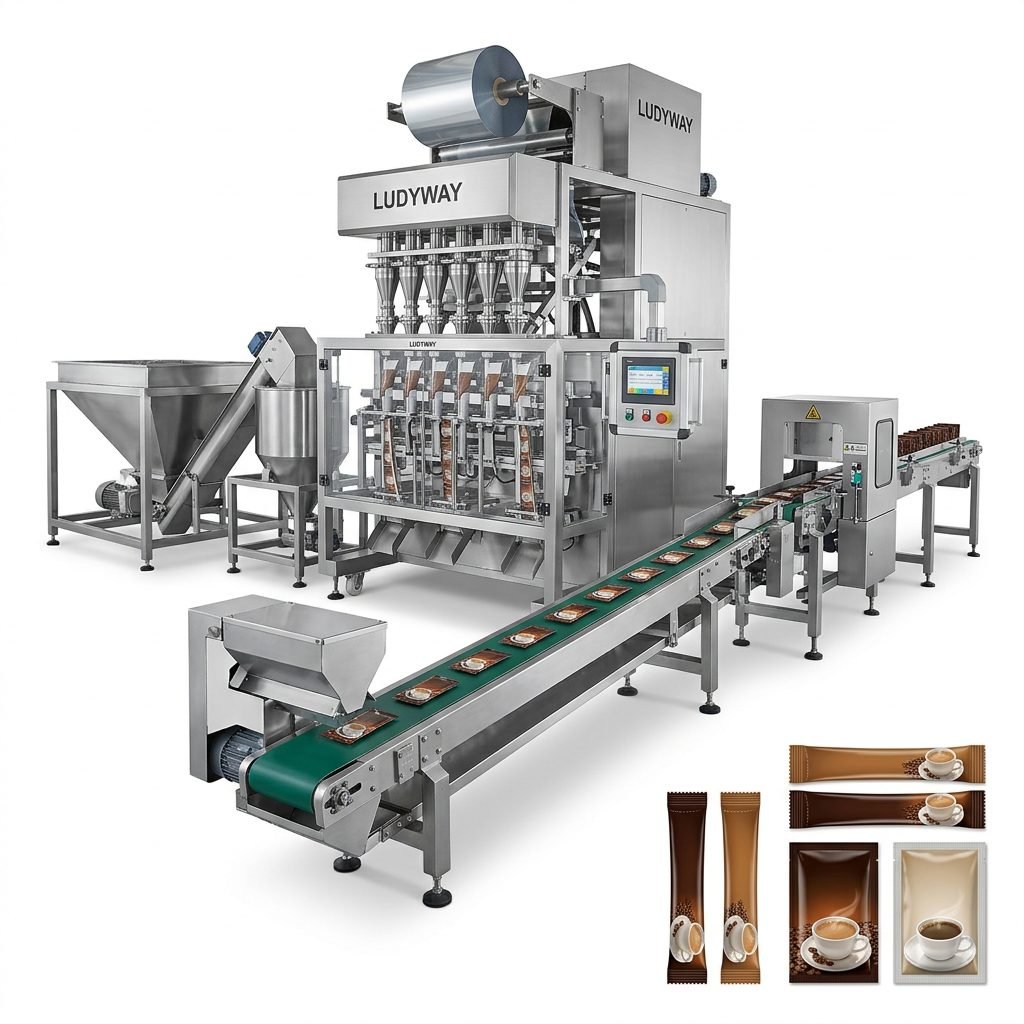
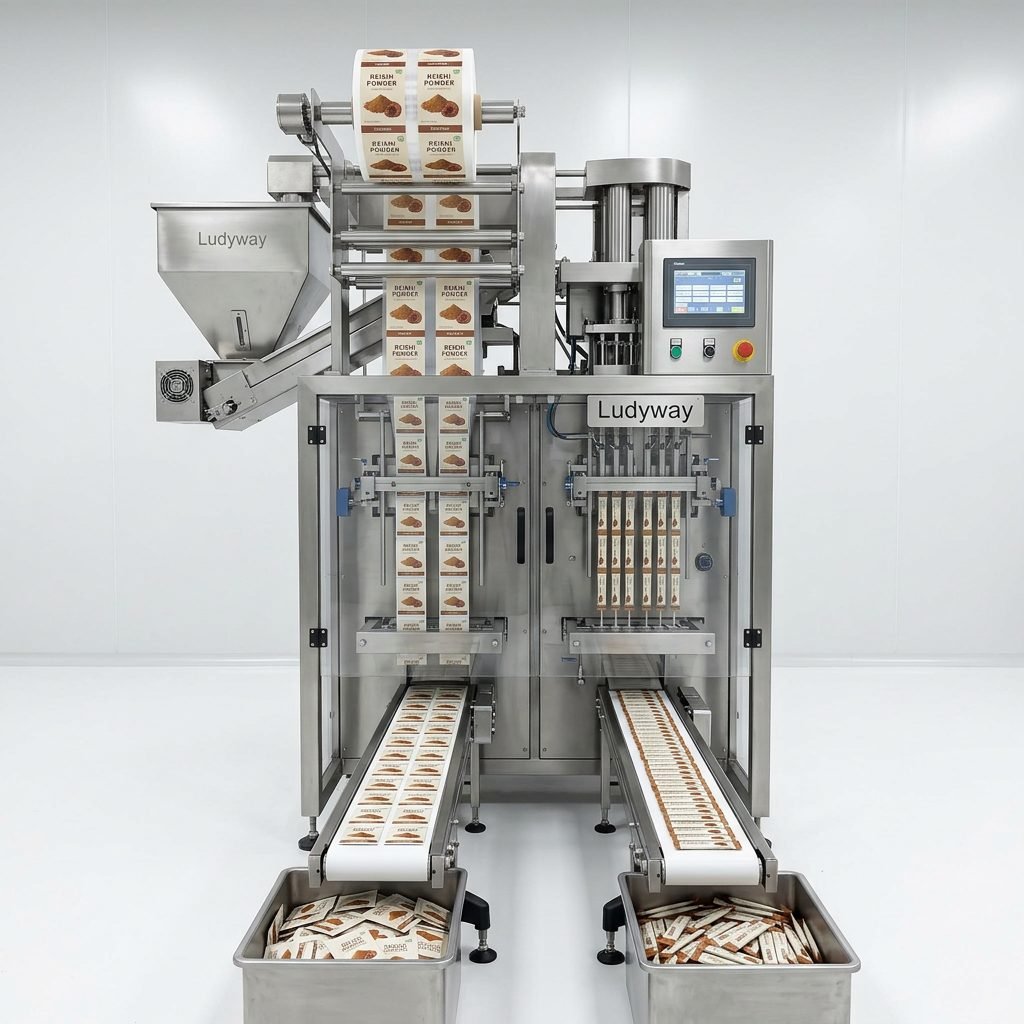
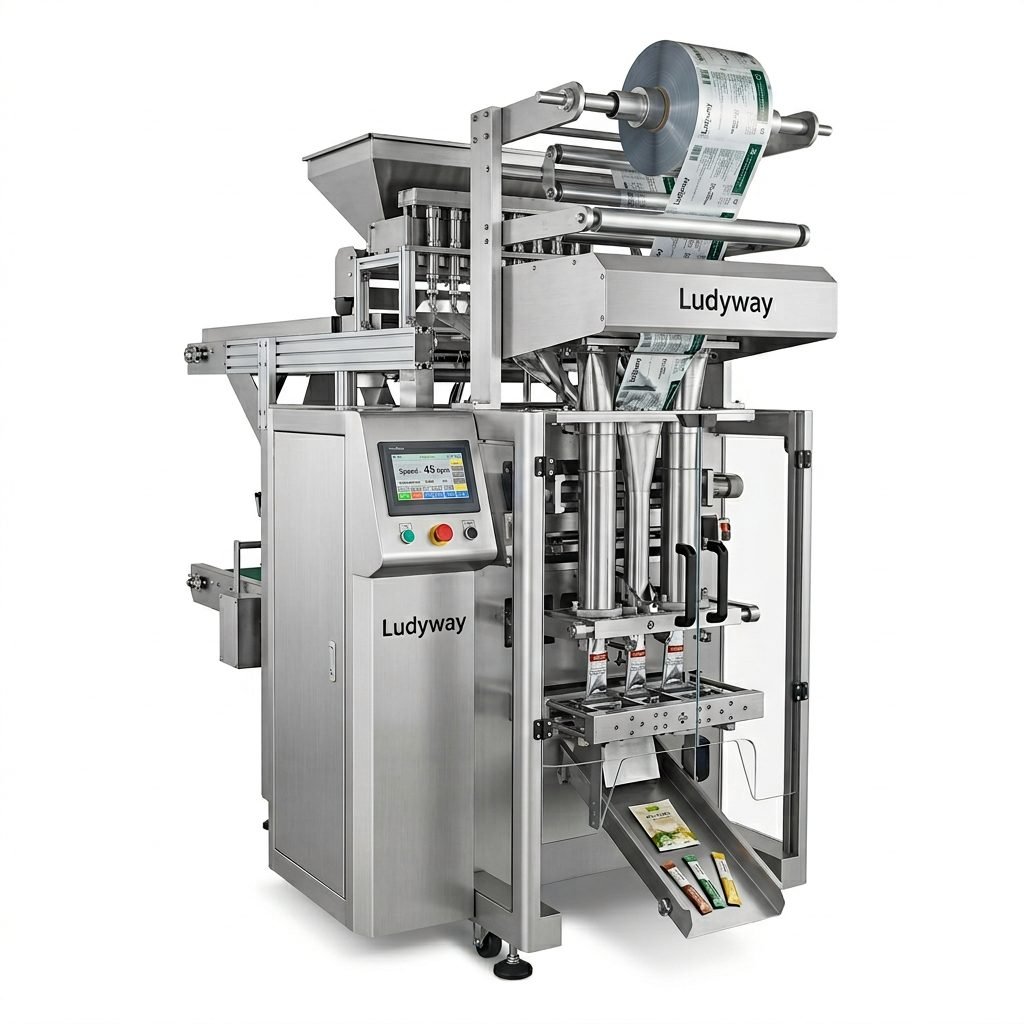
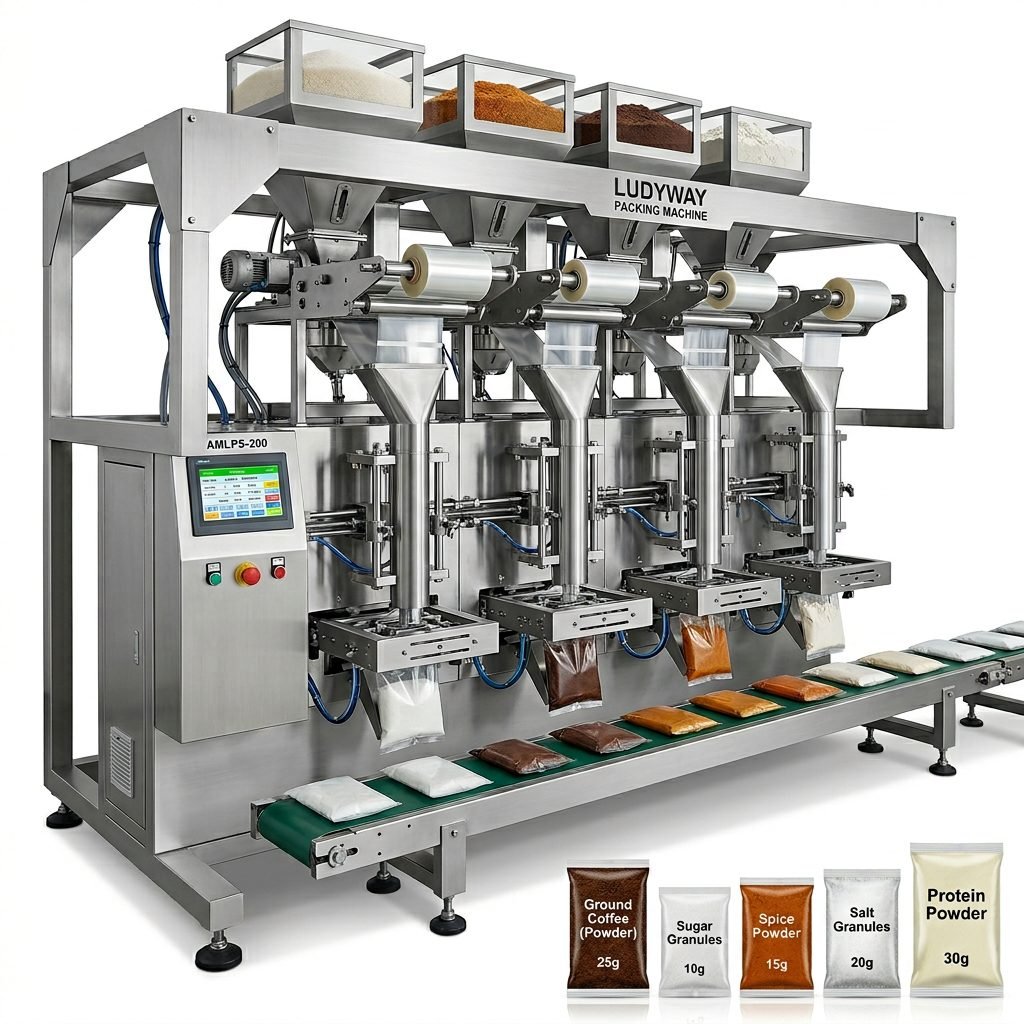
• High Volume: Consider double-chamber machines (while one chamber is evacuating and sealing, the other can be loaded) or automatic belt-fed chamber machines for continuous operation. For the highest throughput, rotary vacuum sealers or thermoforming lines are the solution. Leading providers like Ludyway Packing Machine offer a range of automated solutions scalable to production needs.
3. Packaging Materials & Gas Flushing
The machine must be compatible with your chosen barrier films or bags. For sensitive products like red meat or oily fish, Modified Atmosphere Packaging (MAP) is often used. This involves replacing the air with a gas mix (like CO2 and N2) after vacuuming. Ensure the machine has a precise gas flushing system if MAP is required. The quality of the seal bar is also crucial for strong, leak-proof seals across different multilayer films.
4. Hygiene & Construction
Food safety is paramount. Look for machines with:
- • Stainless steel construction on all food-contact surfaces and exteriors for easy cleaning and corrosion resistance.
- • Rounded edges and minimal crevices where bacteria can harbor.
- • Sealing systems that are easy to access and clean. IP-rated components may be needed for washdown environments.
5. After-Sales Support & Service
An industrial machine is a long-term asset. Reliable technical support, availability of spare parts, and comprehensive operator training are non-negotiable. Partnering with an experienced supplier with a proven track record in the food industry ensures minimal downtime. Companies with deep industry expertise, such as Ludyway Machinery, provide not just equipment but ongoing support and customized production solutions.
Application-Specific Recommendations
Fresh Meat (Beef, Pork, Poultry): Chamber machines with strong vacuum and reliable sealing are standard. For retail, tray sealers with MAP capability are ideal for preserving the bright red color (oxymyoglobin) of red meat.
Seafood (Fish, Shrimp, Scallops): Chamber vacuum machines are preferred due to moisture. For oily fish (like salmon), a machine with excellent vacuum capability and optional MAP (high CO2) is key to preventing oxidation and rancidity.
Processed/Cooked Foods: Thermoforming or tray sealing machines offer great shelf life and presentation for sliced meats, smoked fish, or ready meals. Ensure the machine can handle any residual fats or oils without contaminating the seal area.
Implementing Your New Machine
Successful integration goes beyond purchase. Plan for operator training on proper bag loading, maintenance routines (daily cleaning, seal bar checks), and film selection. Start with a pilot phase to fine-tune vacuum times, gas mixes, and seal temperatures for your specific products. Documenting these settings ensures consistent quality.
Investing in the right industrial vacuum packaging technology is a strategic move that safeguards product quality, reduces loss, and enhances brand value in the competitive food market. By meticulously evaluating your product profile, output goals, and operational environment, you can select a machine that becomes a reliable cornerstone of your production line for years to come.
Frequently Asked Questions (FAQs)
1. What is the main difference between a chamber vacuum machine and an external vacuum sealer for food?
The core difference lies in the process. A chamber machine places the entire bag inside a sealed chamber, evacuates the air from the chamber, and then seals. This is gentler and prevents liquid extraction, making it ideal for moist foods. An external sealer sucks air directly out of the bag through a nozzle, which is faster for large bags but can pull liquids into the machine, making it less suitable for juicy products.
2. Do I need a Modified Atmosphere Packaging (MAP) function for vacuum packing meat and seafood?
It is highly recommended, especially for products where color retention and extended shelf life are critical. For red meat, MAP (with a high oxygen mix) maintains the bright red color consumers expect. For seafood and cooked meats, MAP with high CO2 and nitrogen inhibits bacterial growth more effectively than vacuum alone, significantly extending freshness.
3. How do I determine the right production speed or machine size for my business?
Calculate your current and projected daily/weekly output in packages. Consider your peak seasons. A manual chamber machine may handle 100-200 packages per hour, while an automatic belt-fed system can manage 600+. Factor in labor availability. It’s often advisable to choose a machine with 20-30% more capacity than your current needs to accommodate growth without immediate reinvestment.
4. What are the most important maintenance tasks for an industrial vacuum packer?
Daily: Thorough cleaning of the chamber, seal bar, and gaskets with food-safe cleaners. Weekly: Checking the oil level and cleanliness in the vacuum pump (if oil-lubricated). Periodically: Inspecting the seal bar for residue or damage and replacing the silicone gasket seal if it shows wear or cracks to maintain vacuum integrity.
5. Can one machine handle all my different food products, from dry spices to wet fish?
While a versatile chamber machine can handle a wide range, extreme differences may require compromise or two machines. Packaging dry spices requires a very strong vacuum and excellent barrier film to prevent aroma loss, but the process is simple. Wet fish requires liquid handling features and possibly different seal bar temperatures. A high-quality, adjustable chamber machine can often be tuned for both, but for optimal results and high volume, specialized equipment might be more efficient.