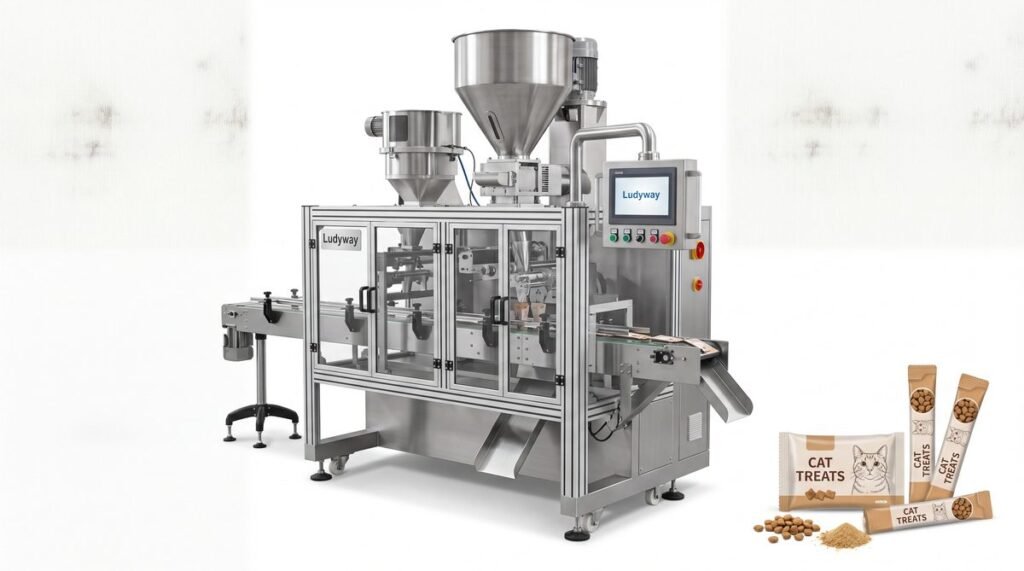
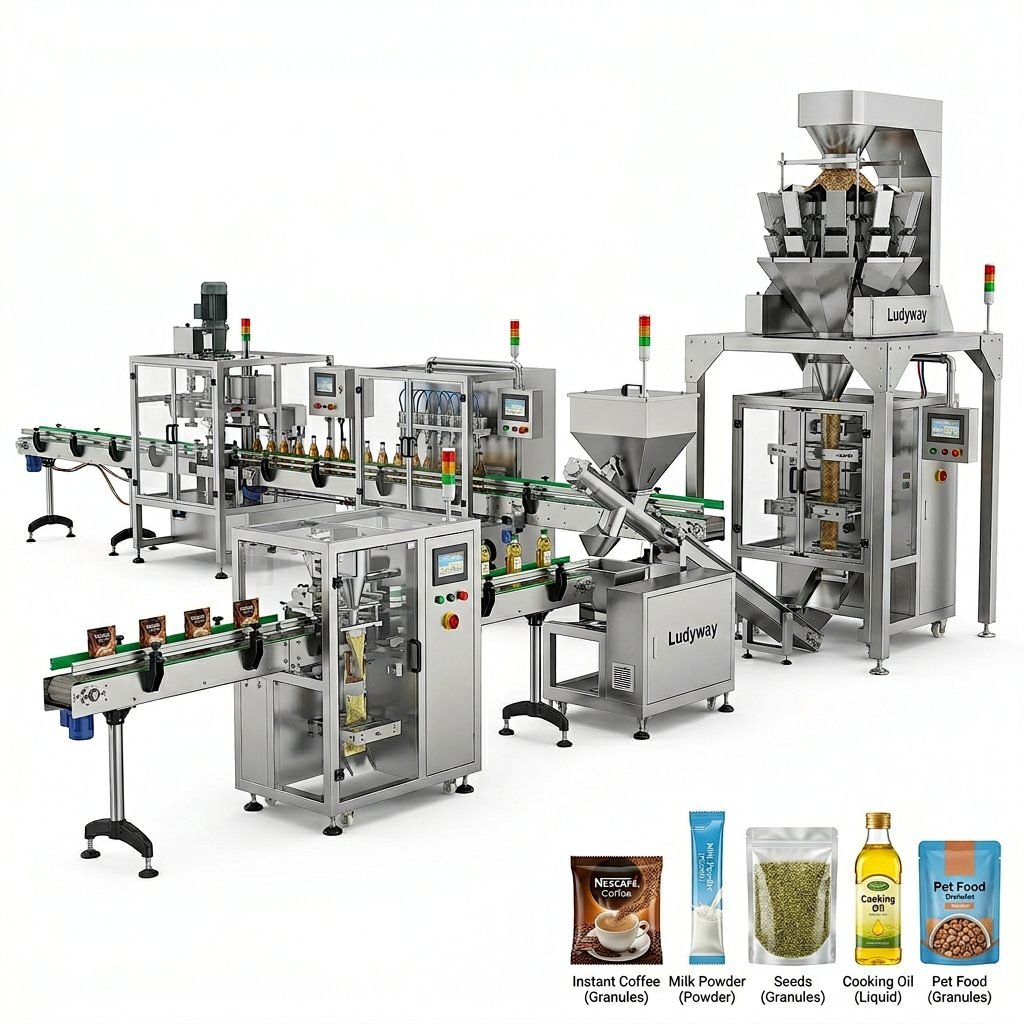
Selecting the right food packaging machine supplier is a critical decision that directly impacts your production efficiency, product quality, and bottom line. With a vast array of equipment and suppliers in the market, navigating this choice can be complex. This comprehensive guide is designed to equip you with the knowledge and framework to identify and partner with the best food packaging machine supplier for your specific business needs.
Understanding Your Core Packaging Requirements
Before you even begin evaluating suppliers, you must have a crystal-clear understanding of your own requirements. This foundational step ensures you seek out partners who can genuinely meet your needs.
Key Questions to Define Your Needs:
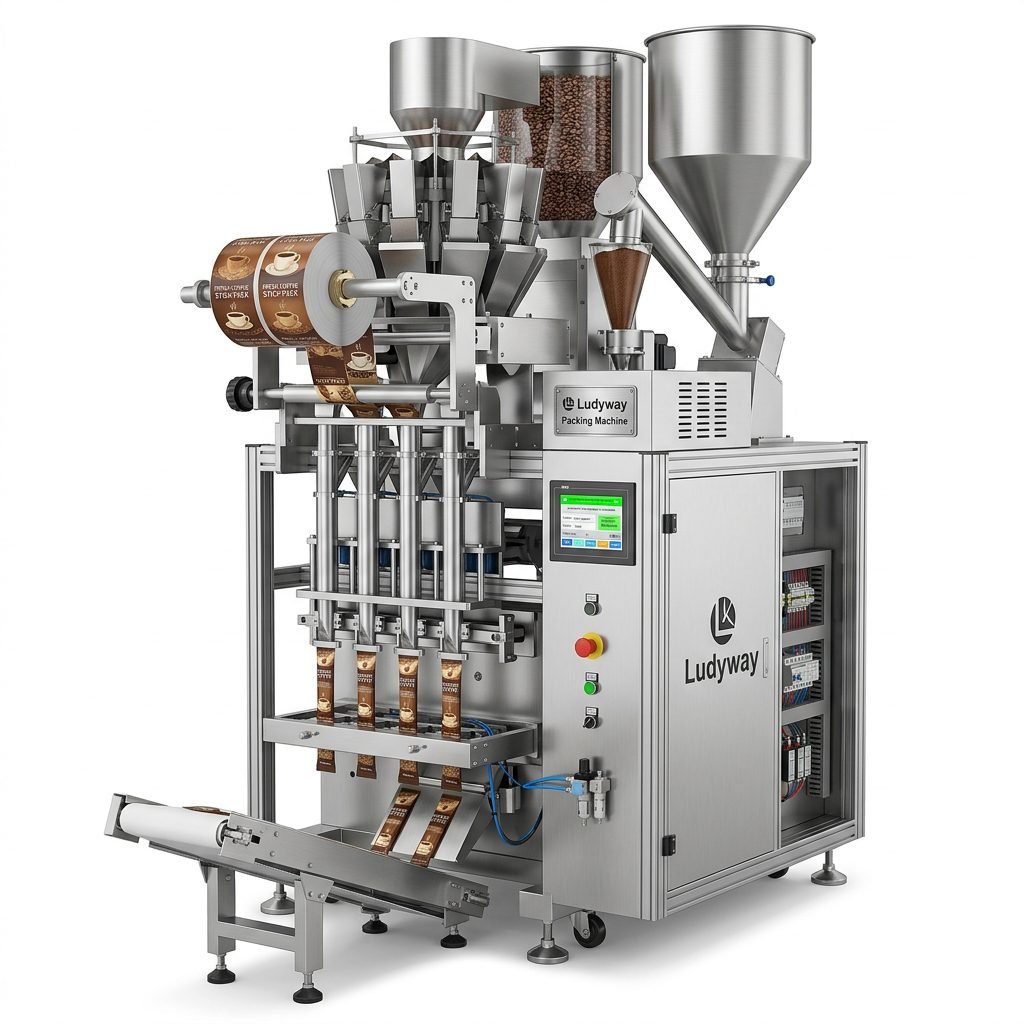
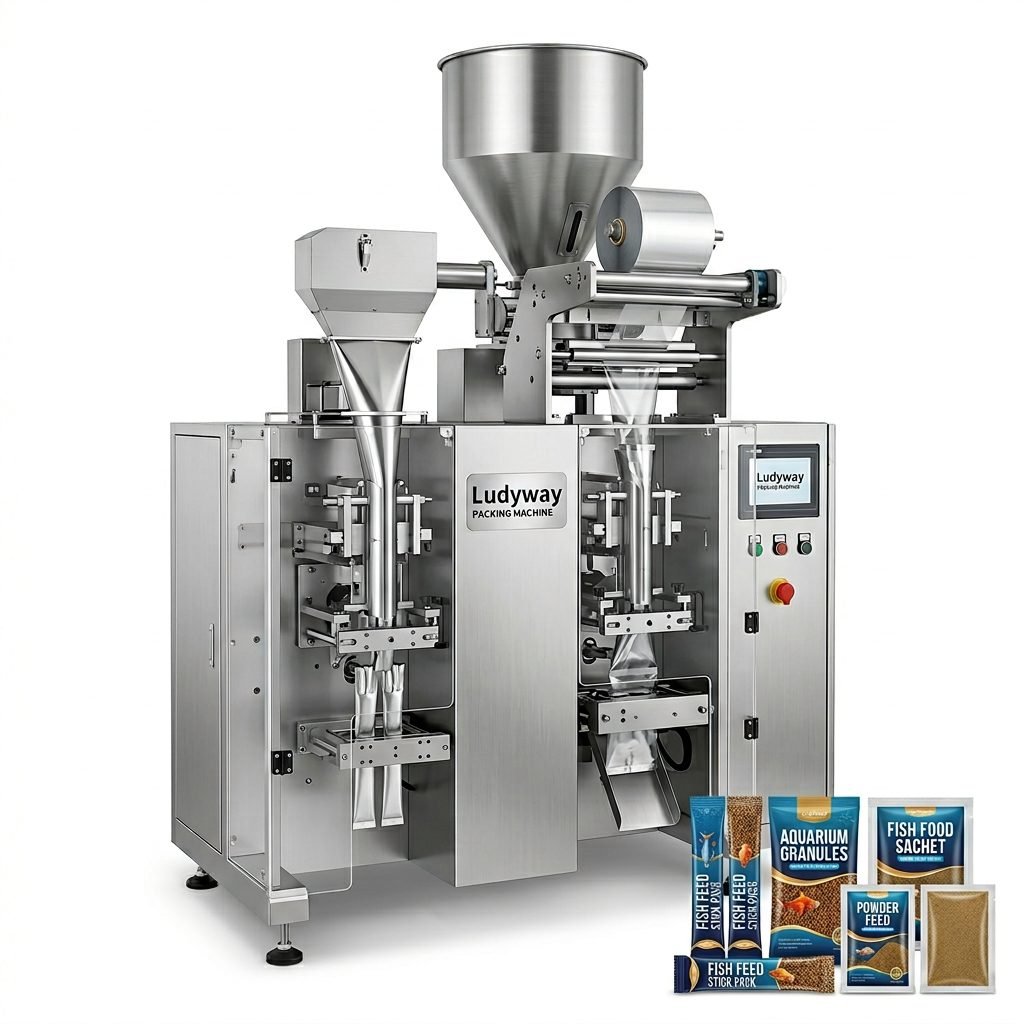
→ Product Type: Are you packaging granules (like coffee, sugar), powders (spices, protein), liquids (sauces, oils), or solids? The product form dictates the machine type (e.g., auger filler for powders, liquid pump fillers).
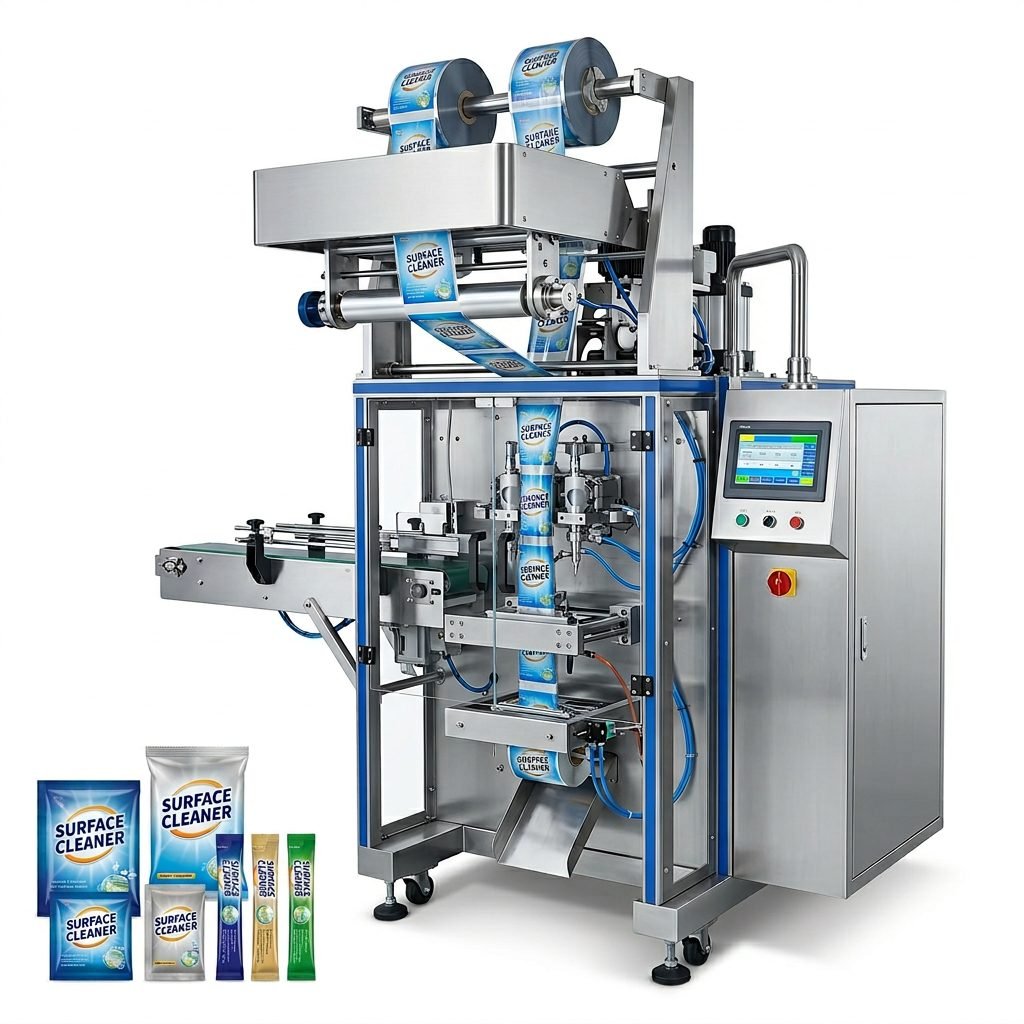
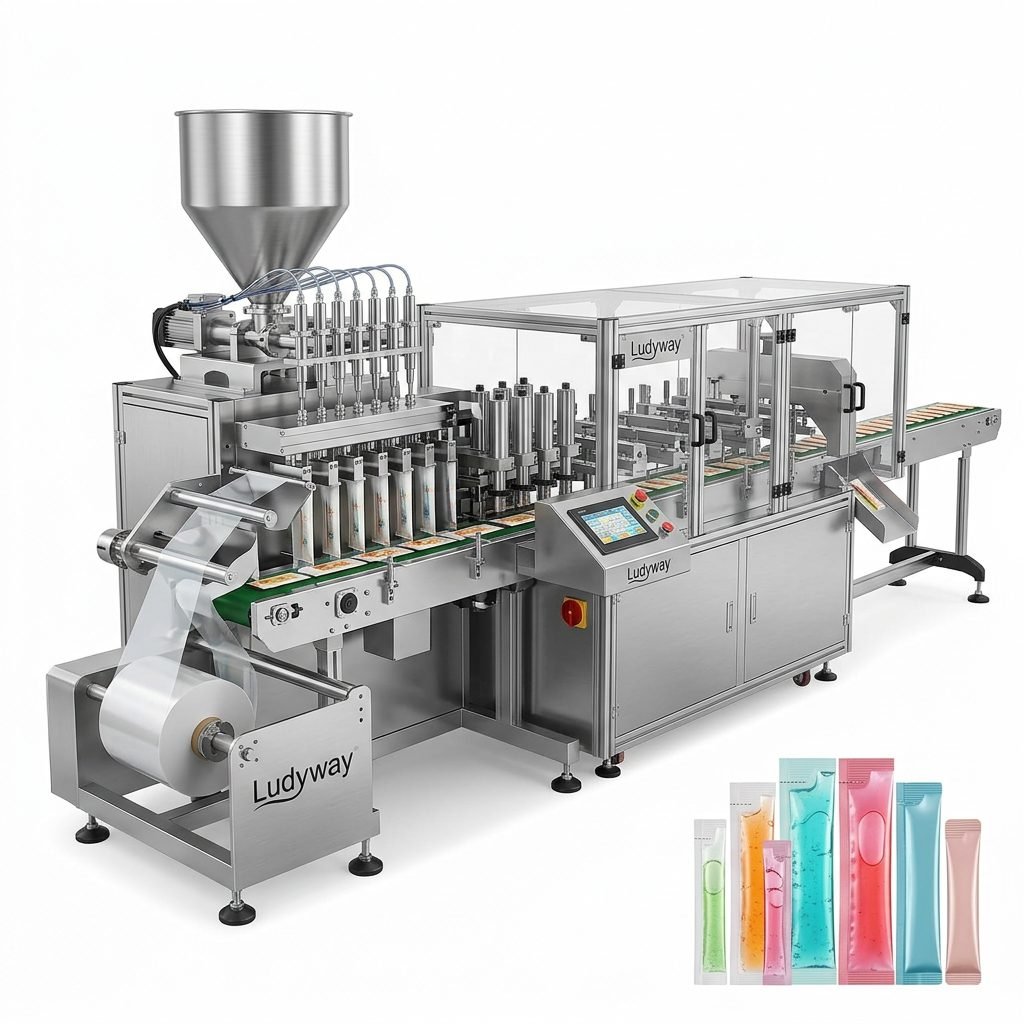
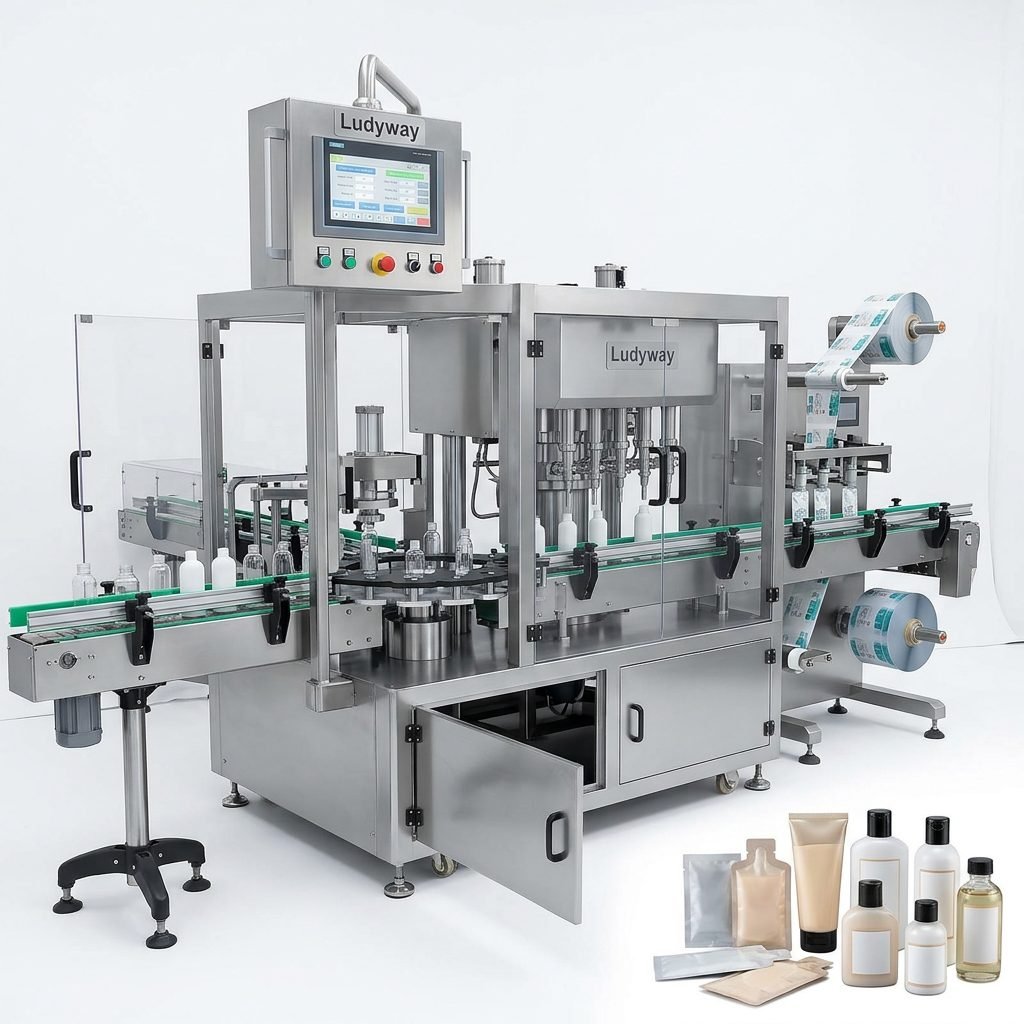
→ Packaging Format: Do you need stick packs, sachets, pouches, bags, or bottles? The desired final package determines the machine’s forming and sealing capabilities.
→ Production Speed & Volume: What is your required output (packs per minute)? Are you a small-batch artisanal producer or a large-scale manufacturer? This influences machine speed and automation level.
→ Budget & ROI: What is your investment capacity? Consider the total cost of ownership, not just the purchase price, including maintenance, downtime, and efficiency gains.
Essential Criteria for Evaluating a Food Packaging Machine Supplier
Once your needs are defined, use these critical criteria to assess potential suppliers. A reputable supplier excels in more than just selling machinery.
1. Technical Expertise and Industry Experience
A supplier’s depth of knowledge is paramount. Look for a partner with proven experience in your specific product category. For instance, packaging hygroscopic powders requires different expertise than handling viscous liquids. Suppliers with decades of collective industry experience, like those with engineering teams focused on food-grade automation, are more likely to anticipate challenges and provide reliable solutions. They understand the nuances of food safety regulations and material compatibility.
2. Range and Flexibility of Equipment Solutions
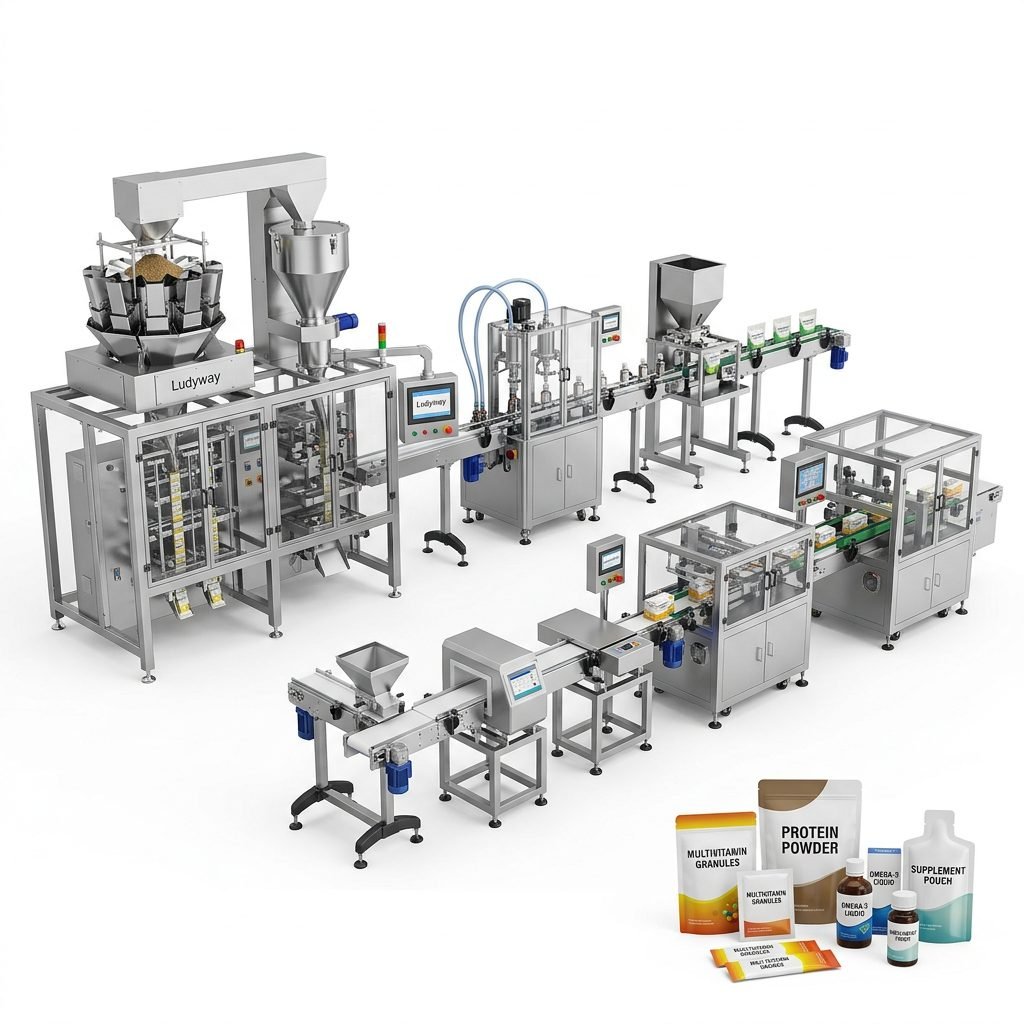
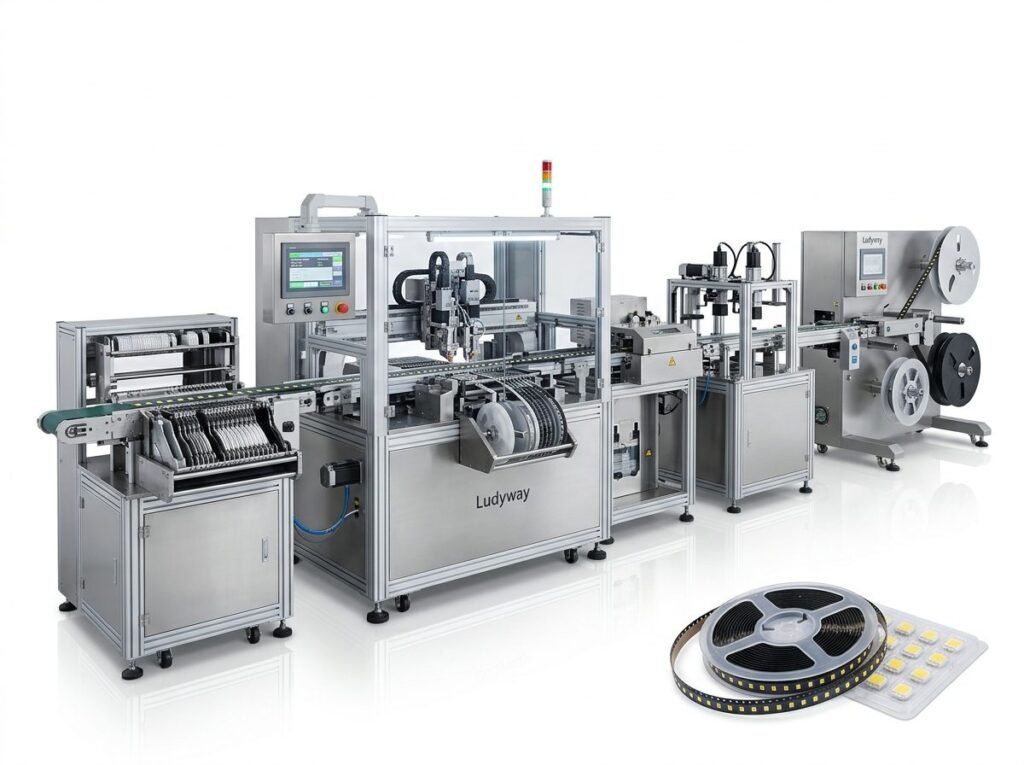
The best suppliers offer a comprehensive portfolio. This includes everything from single sachet packaging machines to complete integrated production lines. A wide range indicates strong engineering capability and allows for scalable solutions. Crucially, assess their willingness and ability to provide customization. Off-the-shelf machines rarely fit perfectly; the ability to tailor equipment to your unique product, package size, or factory layout is a key differentiator.
3. Manufacturing Quality and Technological Innovation
Investigate the build quality and technology behind the machines. Do they use food-grade stainless steel (e.g., SS304, SS316) for contact parts? Are the control systems modern, user-friendly, and precise (e.g., PLC with HMI touchscreen)? Suppliers investing in intelligent packaging systems with features like automatic weight feedback, fault diagnostics, and data tracking offer greater long-term efficiency and quality control.
Why Partner with an Experienced Specialist?
Consider a company like Ludyway Machinery. Founded in 2010 with a vision for efficient global solutions, it exemplifies the value of focused expertise. Starting from a core engineering team, their growth has been driven by continuous innovation and practical industry experience. By developing strong partnerships and integrating advanced technologies, they have built a portfolio of over 50 intelligent machine models. This journey underscores how a supplier’s own history of problem-solving and adaptation directly benefits your project’s success, providing not just a machine, but a reliable production solution backed by over 30 years of collective industry knowledge.
4. After-Sales Support and Service Network
The relationship begins after the machine is installed. A top-tier supplier provides robust after-sales support, including:
- Comprehensive Training: On-site training for your operators and maintenance staff.
- Technical Support: Accessible, knowledgeable support via phone, email, or remote access.
- Spare Parts Availability: A well-stocked, organized inventory of genuine spare parts to minimize downtime.
- Preventive Maintenance Plans: Scheduled service to keep your equipment running optimally.
Global suppliers should have a support structure or capable local agents in your region. The promise of long-term cooperation is as important as the initial sale.
5. Global Reach and Project Execution Capability
If you operate or plan to operate internationally, your supplier should have a global perspective. Experience in serving diverse international markets means they are adept at handling different electrical standards, safety regulations, and logistical challenges. Evaluate their project management process—from initial consultation and factory acceptance testing (FAT) to shipping, installation, and commissioning. A supplier with a modern, sizable production facility (e.g., 20,000㎡) typically has the capacity and process control to ensure timely and quality delivery.
The Supplier Selection Process: A Step-by-Step Approach
Turn the evaluation criteria into an actionable process.
Step 1: Longlist & Initial Research
Compile a list of potential suppliers through industry directories, trade shows (like PACK EXPO, Anuga FoodTec), and referrals. Review their websites, product catalogs, and client lists.
Step 2: Request for Information (RFI)
Send a detailed RFI outlining your requirements. Analyze their responsiveness, the relevance of their proposed solutions, and request case studies or references from similar projects.
Step 3: Deep Dive & Quotation
Engage in technical discussions. A serious supplier will ask detailed questions about your product. Request a formal quotation that breaks down costs for equipment, spare parts, shipping, and installation.
Step 4: Factory Audit & Machine Testing
If possible, visit the supplier’s manufacturing facility. Observe their quality control processes. More importantly, arrange a product test run using your actual materials. This is the single best way to verify machine performance, speed, and accuracy.
Step 5: Final Evaluation & Contract
Compare all factors: technical solution, cost, support terms, and your confidence in the partnership. Ensure the contract clearly defines performance guarantees, delivery timelines, payment terms, and warranty conditions.
Conclusion: Building a Partnership for Growth
Choosing the right food packaging machine supplier is not a simple transaction; it’s the beginning of a strategic partnership. The ideal supplier acts as an extension of your team, contributing expertise to optimize your packaging line, improve efficiency, and adapt to future needs. By meticulously assessing suppliers based on technical expertise, solution flexibility, quality, and unparalleled support, you invest in more than a machine—you secure a foundation for operational excellence and business growth. Look for a partner whose history, like a focus on innovation and reliable turnkey solutions since 2010, demonstrates a commitment to evolving alongside their clients’ needs on a global scale.
Frequently Asked Questions (FAQs)
1. What is the most important factor when choosing a packaging machine supplier?
While cost is a consideration, the combination of technical expertise and after-sales support is often most critical. A slightly more expensive machine from a supplier with superior knowledge and responsive service will typically yield a lower total cost of ownership due to higher uptime, better efficiency, and longer equipment life.
2. How can I test if a machine is right for my product before purchasing?
Always insist on a live product test run at the supplier’s facility or via a rental/demo unit. Provide your exact product and packaging materials. This test validates speed, accuracy, sealing integrity, and overall compatibility, preventing costly mismatches. Reputable suppliers actively encourage this step.
3. What does “turnkey production solution” mean from a supplier?
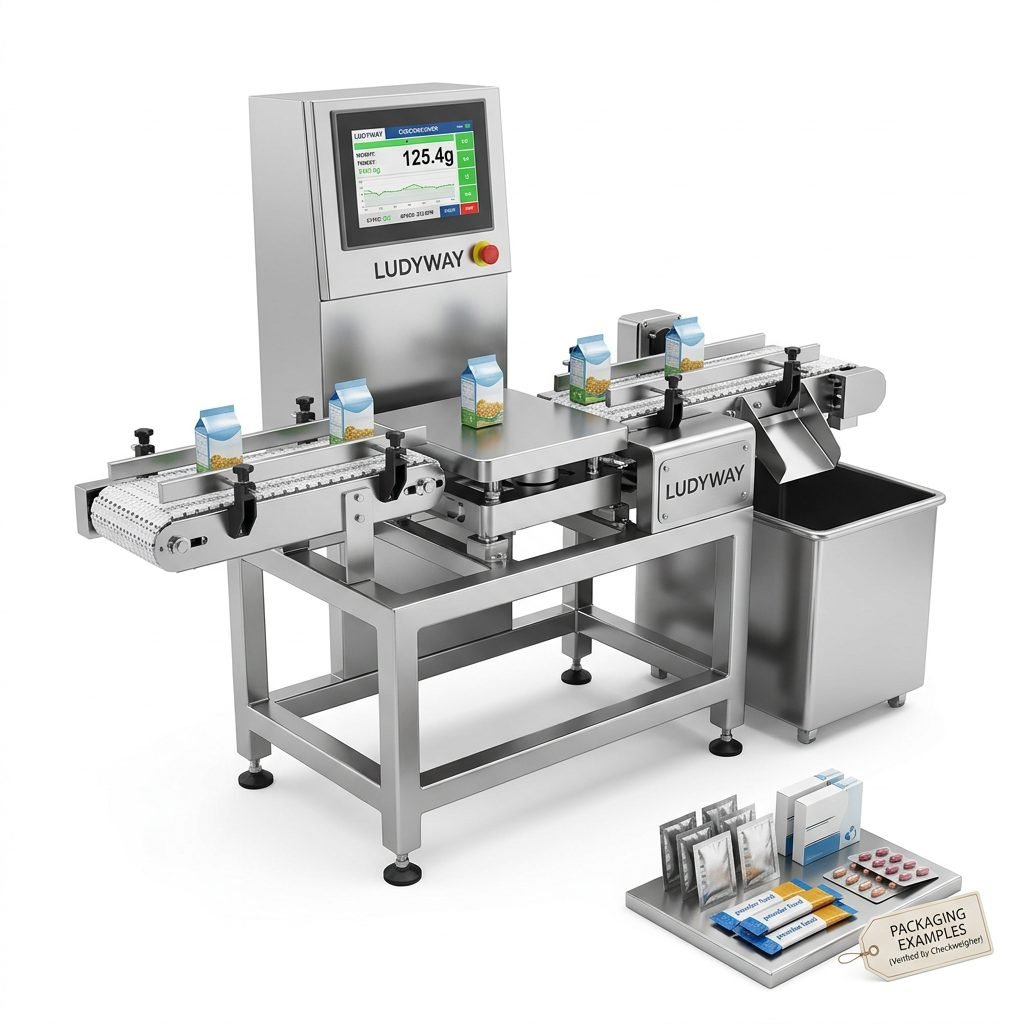
A turnkey solution means the supplier takes responsibility for delivering a complete, ready-to-operate production line. This goes beyond selling a single machine and may include integrating conveyors, checkweighers, cartoners, and robotics, along with providing factory layout planning, installation, commissioning, and training. It offers a single point of accountability.
4. Why is a supplier’s industry experience specifically in food packaging so vital?
Food packaging has unique requirements: strict hygiene standards (ease of cleaning, food-grade materials), sensitivity to product characteristics (oil, moisture, abrasiveness), and compliance with food safety regulations (FDA, EU standards). Experience ensures the supplier understands these constraints and designs machines that meet them reliably.
5. How do I ensure good after-sales support from an international supplier?
Before purchasing, clarify the support structure. Ask about the location of service engineers, availability of local spare parts, language support, and remote assistance capabilities. Check references from clients in your region. A clear service level agreement (SLA) within the contract is essential to define response times and support terms.