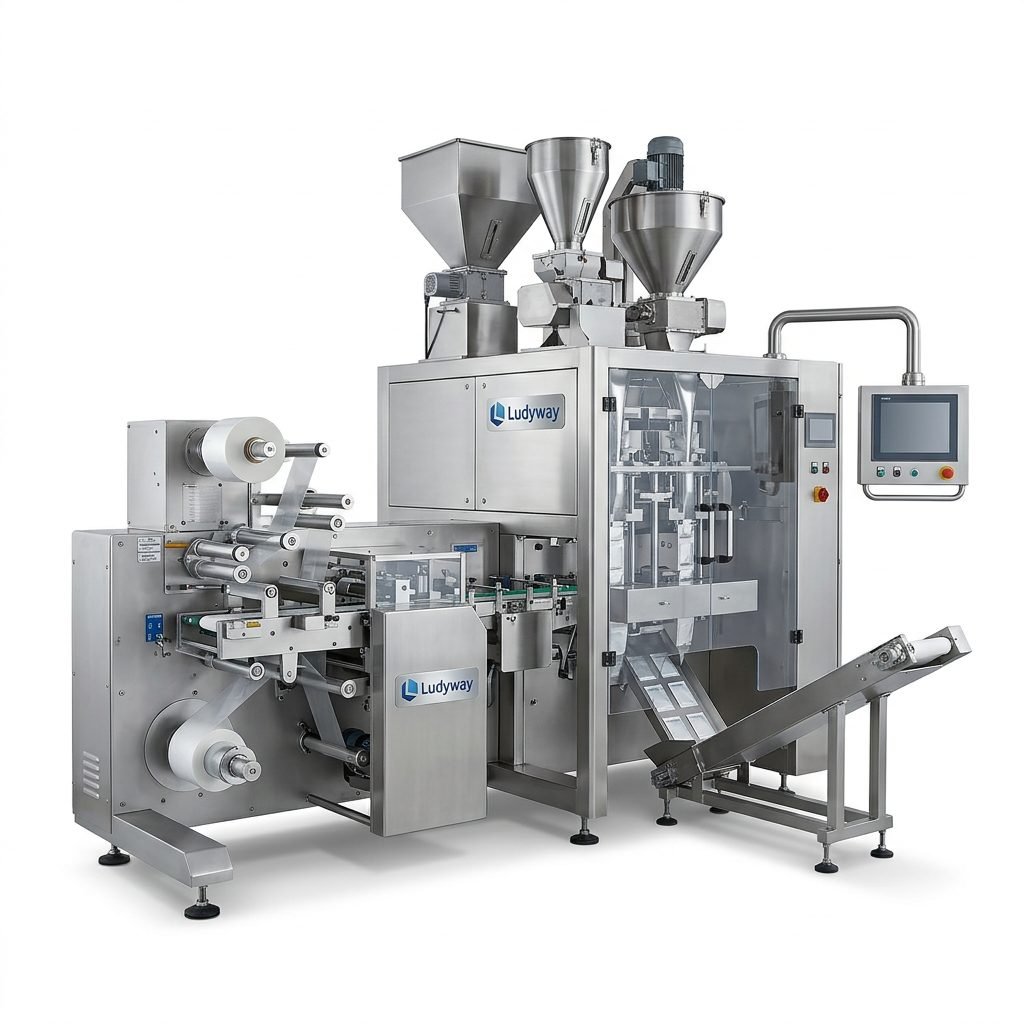
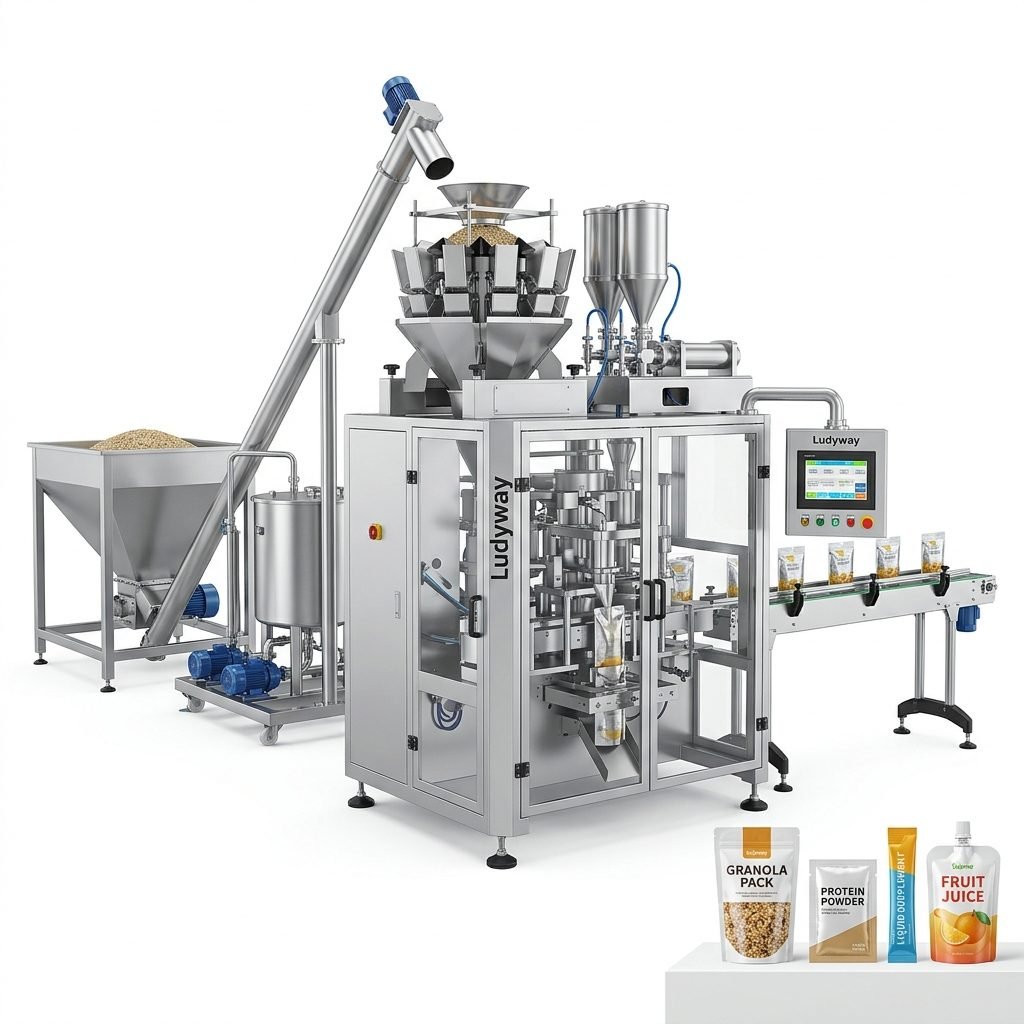
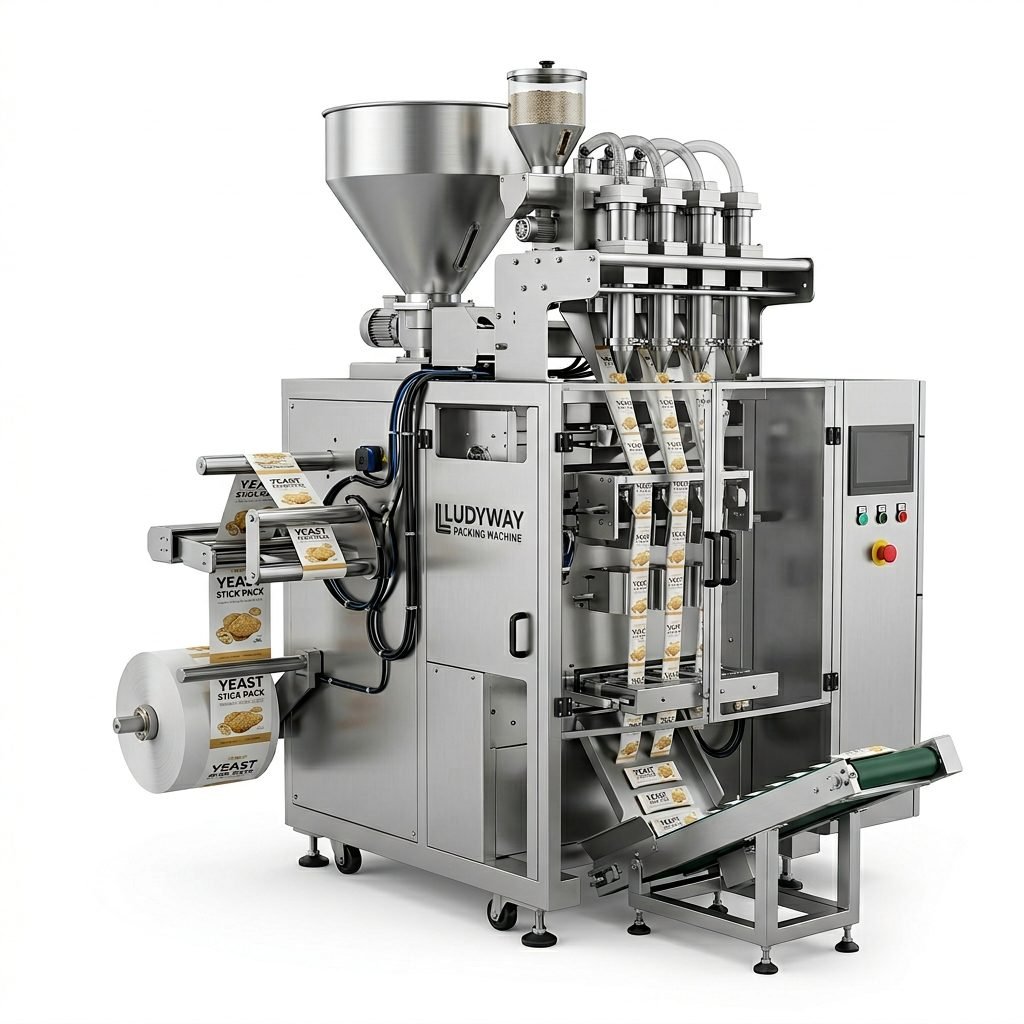
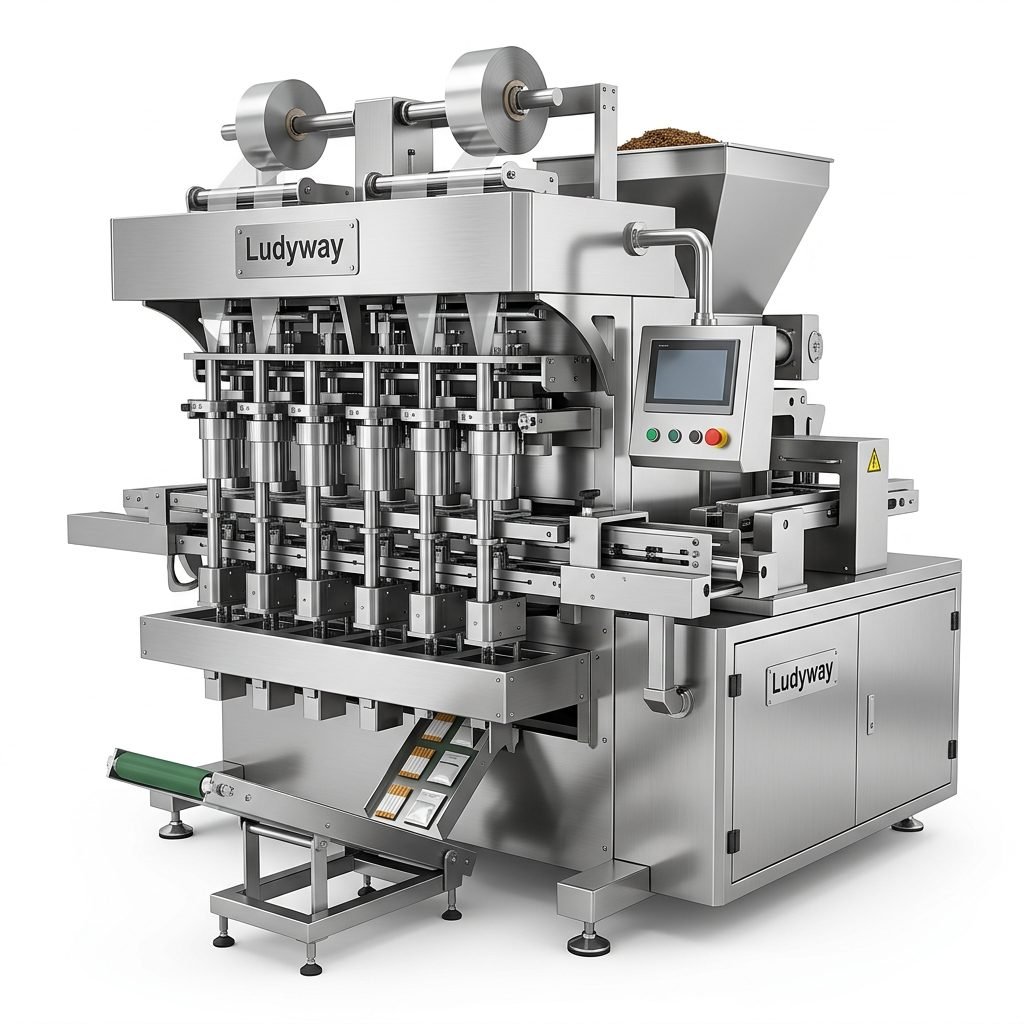
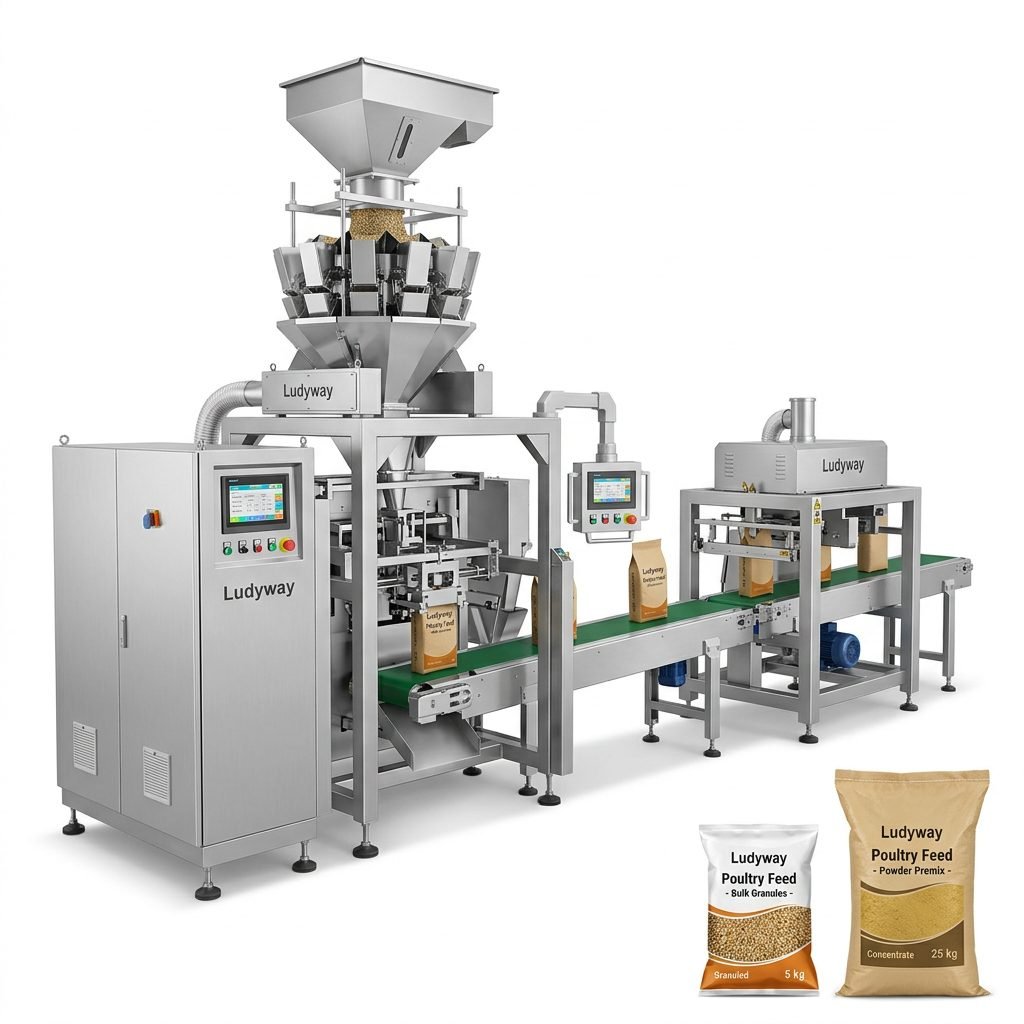
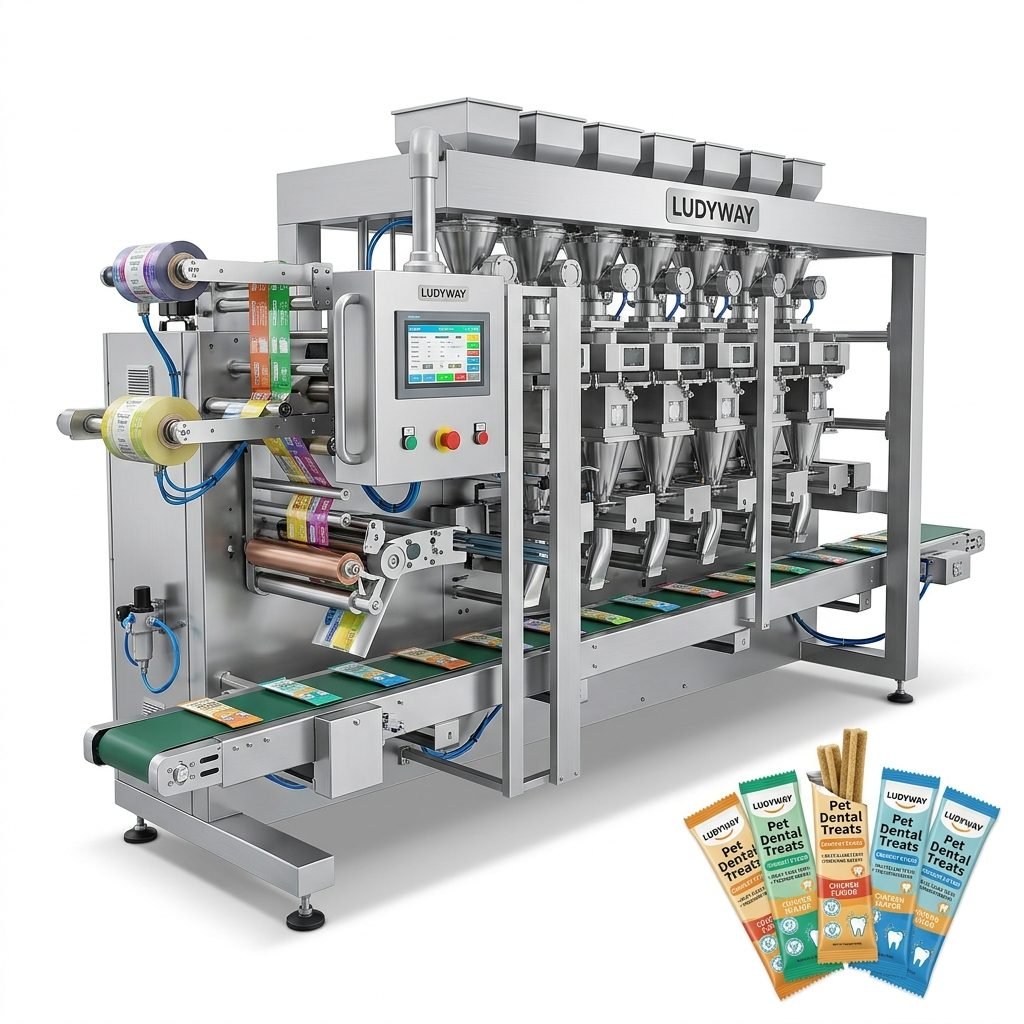
Selecting the optimal packaging equipment is a critical strategic decision for any production operation. The right system enhances efficiency, ensures product integrity, reduces waste, and ultimately protects your bottom line. With a vast array of solutions available, from simple sachet machines to complex multi-lane stick pack lines, navigating the options can be daunting. This guide provides a structured approach to evaluating and choosing the packaging system that aligns perfectly with your production goals, product characteristics, and business growth trajectory.
Core Decision Factors for Your Packaging Line
Before comparing specific machines, define your project’s fundamental parameters. These factors form the non-negotiable foundation of your search.
1. Analyze Your Product Characteristics
The physical and chemical properties of your product dictate the machine’s core functionality. A mismatch here leads to poor performance, product degradation, or frequent downtime.
Product Form
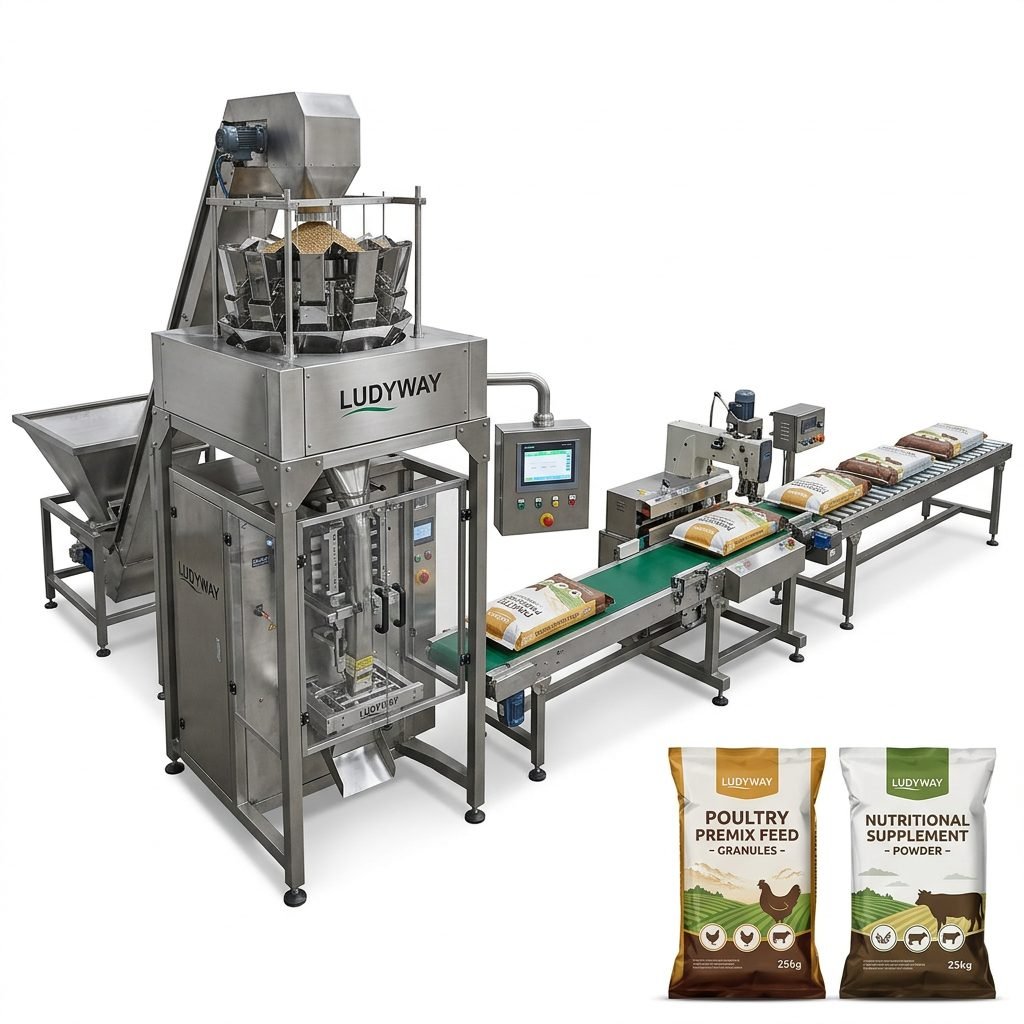
Is your product a granule (like coffee or seeds), a fine powder (like protein or spice blends), a liquid (like sauce or oil), or a viscous paste? Each form requires specific dosing mechanisms—auger fillers for powders, volumetric pumps for liquids, and cup or weigh fillers for granules.
Product Sensitivity
Does your product require protection from moisture, oxygen, or light? This determines the necessary packaging materials (e.g., multi-layer laminates with aluminum foil) and may necessitate integrated nitrogen flushing or vacuum sealing capabilities within the machine.
Dosing Accuracy & Speed
High-value products like pharmaceuticals or premium supplements demand extremely high dosing accuracy to avoid giveaway and ensure regulatory compliance. Define your acceptable tolerance range (±1% vs. ±3%) and your target output in packs per minute (PPM).
2. Define Your Packaging Specifications
The package itself is as important as the product it contains. Your market positioning and consumer needs will shape these requirements.
Package Type & Style
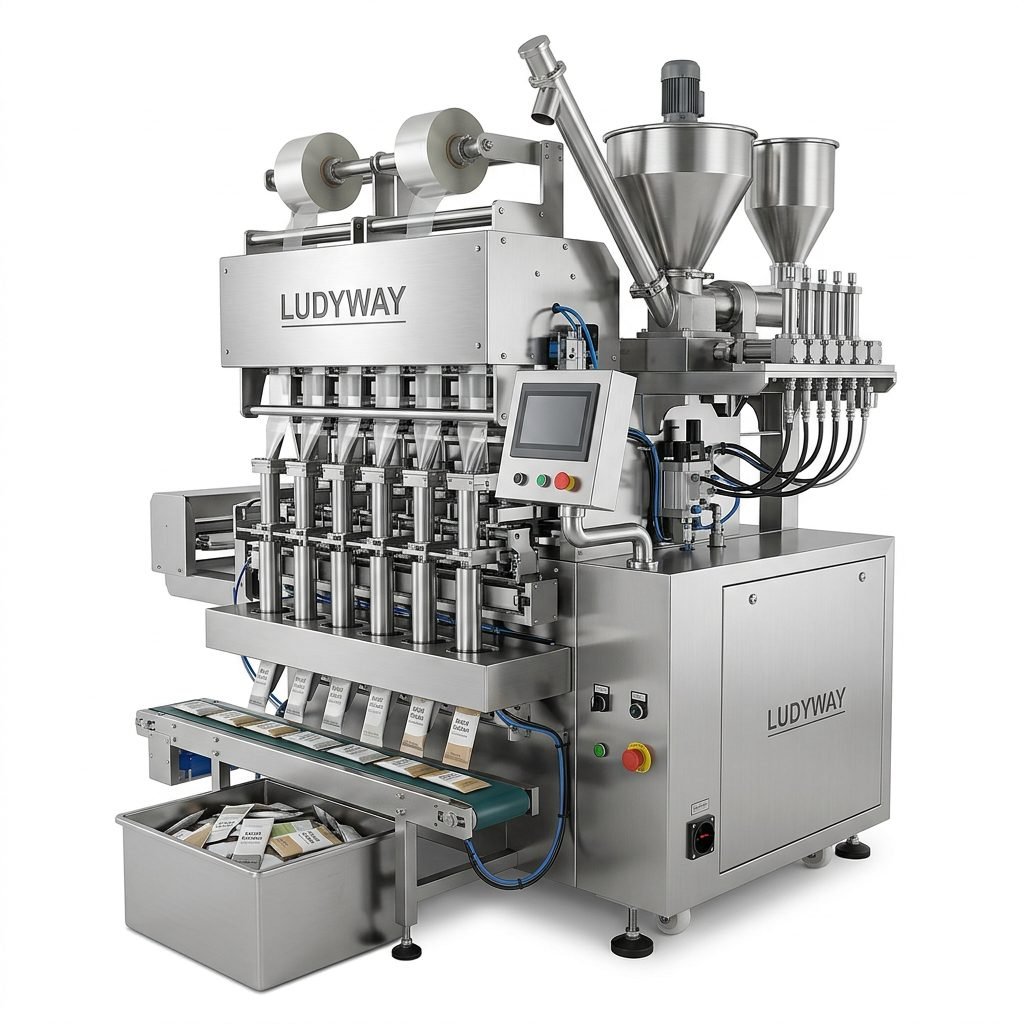
Stick packs are ideal for single-serve, on-the-go products. Sachets offer versatility for a wider range of sizes. Pillow bags are common for bulkier items. Consider if you need a stand-up pouch (doypack) for retail appeal or a simple three-side seal pouch.
Material & Sealing
The packaging film (laminate) must be compatible with your machine’s sealing method—be it thermal sealing, impulse sealing, or ultrasonic sealing. The chosen material structure (e.g., PET/AL/PE) directly impacts shelf life and barrier properties.
3. Evaluate Production Line Integration & Scalability
A packaging machine is rarely an island. It must fit into your existing or planned production ecosystem.
Level of Automation
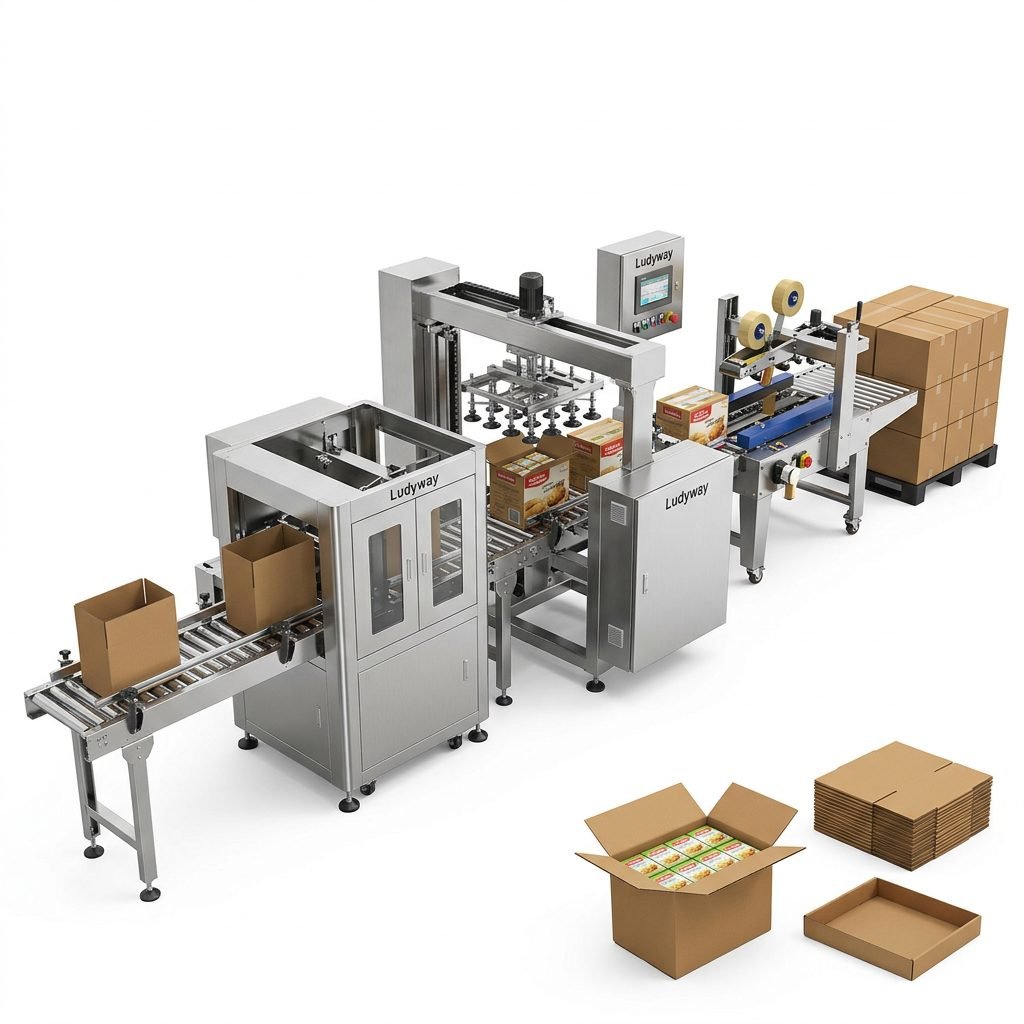
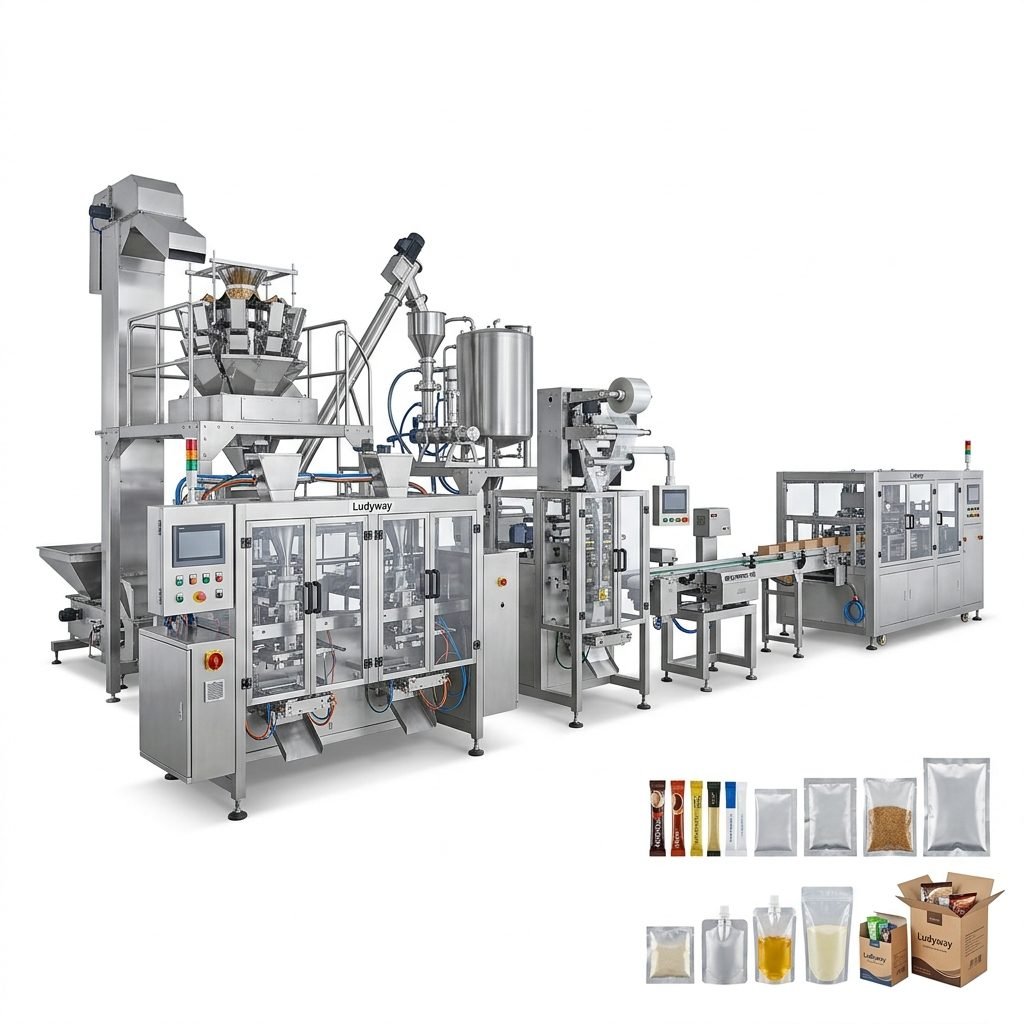
Are you looking for a manual, semi-automatic, or fully automatic system? Fully automatic lines with integrated cartoning, case packing, and robotic palletizing maximize throughput but require higher capital investment and floor space.
Footprint & Utilities
Precisely measure your available floor space. Check the machine’s requirements for power (voltage, phases), compressed air (pressure, flow rate), and any other utilities like vacuum or nitrogen supply.
Future-Proofing
Can the system handle potential future changes? Consider modular machines that allow you to add lanes (e.g., from 2 lanes to 4 lanes) or integrate new functions like printing or checkweighing later. Choosing a supplier with a broad portfolio, like Ludyway Packaging Machinery, ensures you have a partner for future upgrades.
4. Assess Supplier Capabilities & Support
The quality of the machine manufacturer is as crucial as the machine itself. A reliable partner ensures long-term success.
Key Supplier Evaluation Checklist
✔ Industry Experience: Look for a proven track record in your specific sector (food, pharma, etc.). Suppliers with decades of experience understand nuanced challenges.
✔ Technical & Engineering Support: Ensure they provide comprehensive installation, training, and responsive after-sales service. Ask about spare parts availability.
✔ Customization Ability: Can they tailor the machine to your unique product and package, or are they only offering standard models?
✔ Manufacturing Quality: Investigate their production facility standards. A modern, sizable manufacturing base often correlates with better quality control and reliability.
For instance, a supplier with over 30 years of industry experience and a 20,000㎡ modern production facility typically has the depth of knowledge and capacity to deliver robust, reliable equipment and support a global customer base effectively.
5. Calculate Total Cost of Ownership (TCO)
Look beyond the initial purchase price. The true cost includes operational and lifetime expenses.
- Initial Investment: Machine cost, shipping, installation, and training.
- Operational Costs: Energy consumption, compressed air usage, required labor, and maintenance costs.
- Material Efficiency: A machine with higher precision reduces product giveaway. Advanced servo-driven systems can optimize film usage, reducing material waste.
- Downtime Cost: A reliable machine from a reputable supplier minimizes costly production stoppages. Evaluate the company’s history and commitment to long-term support.
Implementing Your Chosen System
Once you’ve selected a partner, a successful implementation involves clear communication. Provide detailed product samples and packaging materials for factory testing. Plan for thorough on-site training for your operators and maintenance staff. Establish a preventive maintenance schedule from day one to ensure optimal performance and longevity. Leveraging a supplier’s expertise in turnkey production solutions can streamline this entire process.
Frequently Asked Questions (FAQs)
1. What is the main difference between a stick pack machine and a sachet machine?
While both produce small pouches, stick pack machines create long, narrow, single-serve packs ideal for powders or granules to be poured out. Sachet machines produce more rectangular pouches that can be used for a wider variety of products, including liquids and creams, and can be torn or cut open.
2. How do I determine the required speed (PPM) for my packaging machine?
Calculate your current or projected daily/weekly production volume in packs. Divide this by your available production hours, factoring in a reasonable efficiency rate (e.g., 85%). This gives you your target average PPM. Always choose a machine with a maximum speed 15-20% higher than this target to allow for peak demand and future growth.
3. Can one machine handle different types of products?
Many modern machines are designed for flexibility. With changeover of parts like dosing heads, filling systems, and sometimes sealing jaws, a single machine can often handle different product forms within a similar category (e.g., different powder densities). However, switching between vastly different forms (e.g., powder to liquid) typically requires a dedicated machine or a highly modular, customizable system.
4. What are the key maintenance requirements for an automatic packaging line?
Daily cleaning to prevent product buildup, regular lubrication of moving parts as per the manual, inspection and cleaning of sealing jaws, and calibration of weighing or dosing systems are essential. The most critical factor is sourcing quality spare parts, like seals and belts, from your original supplier to maintain performance.
5. Why is supplier experience more important than just finding the lowest price?
An experienced supplier provides invaluable application knowledge, helping you avoid costly mistakes in machine selection. They offer reliable technical support to minimize downtime, supply quality spare parts, and can assist with future optimization. The lowest-priced machine often leads to higher long-term costs through inefficiency, frequent breakdowns, and lack of support.