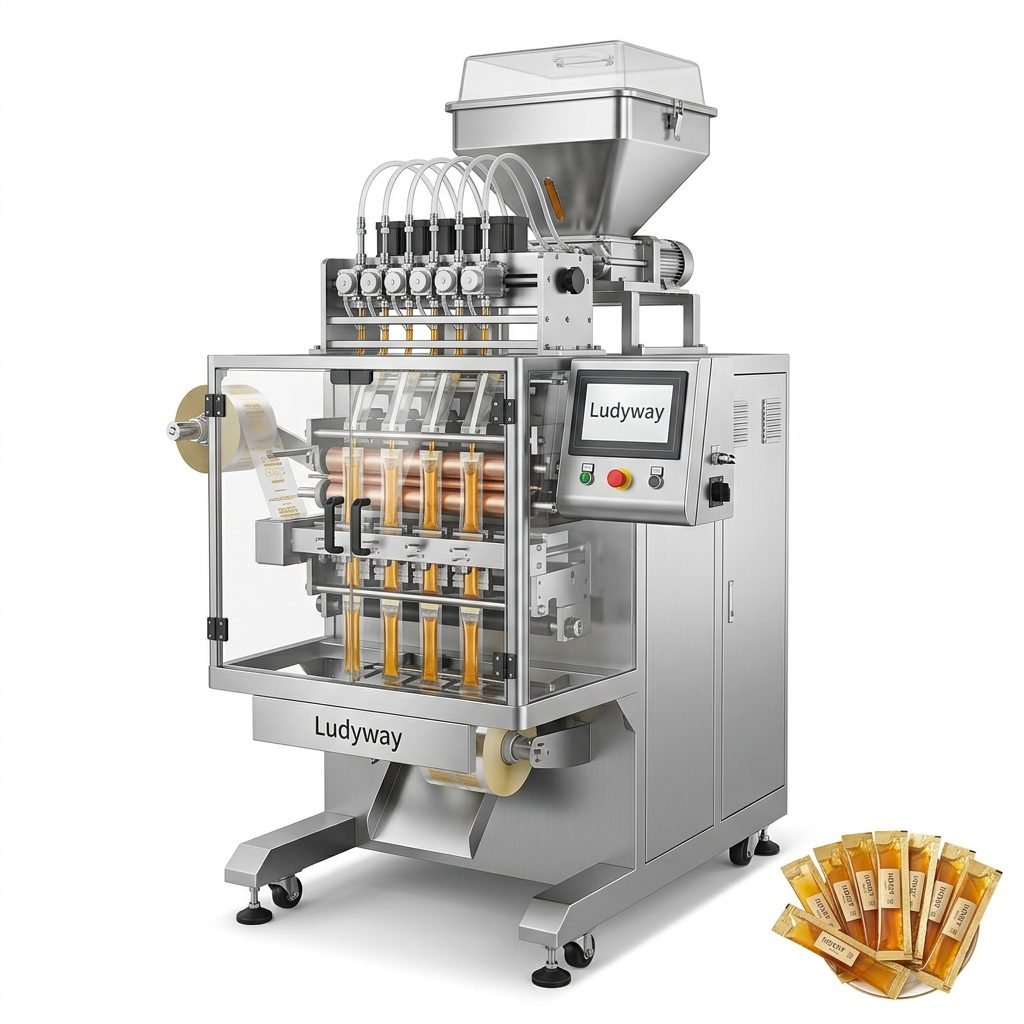
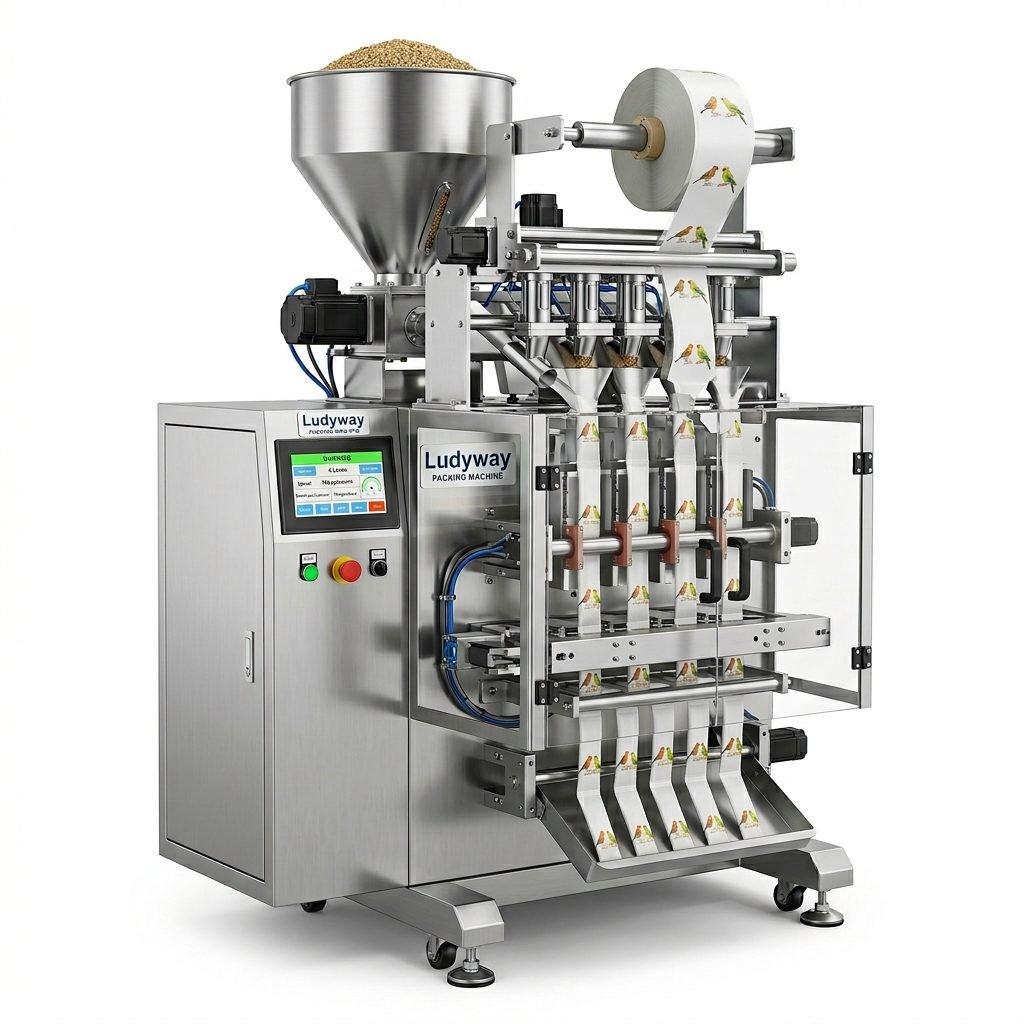
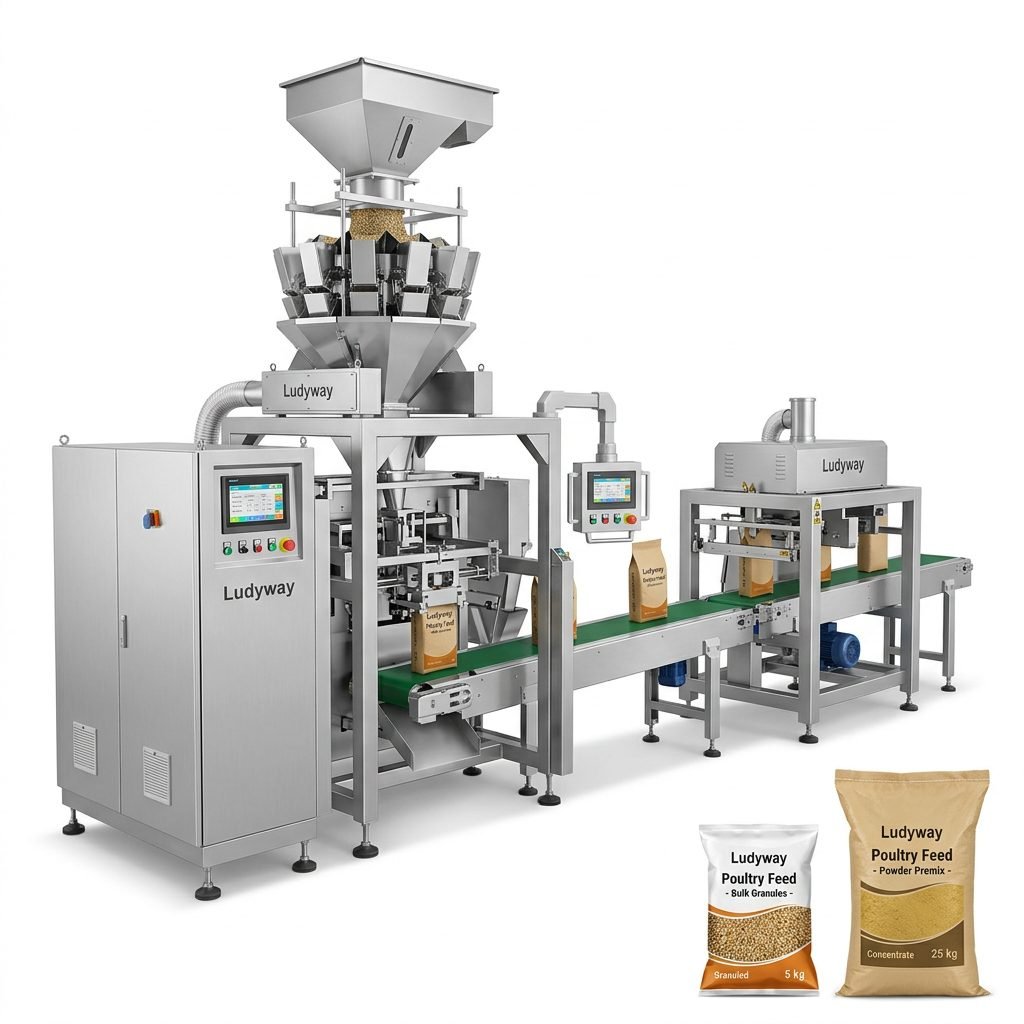
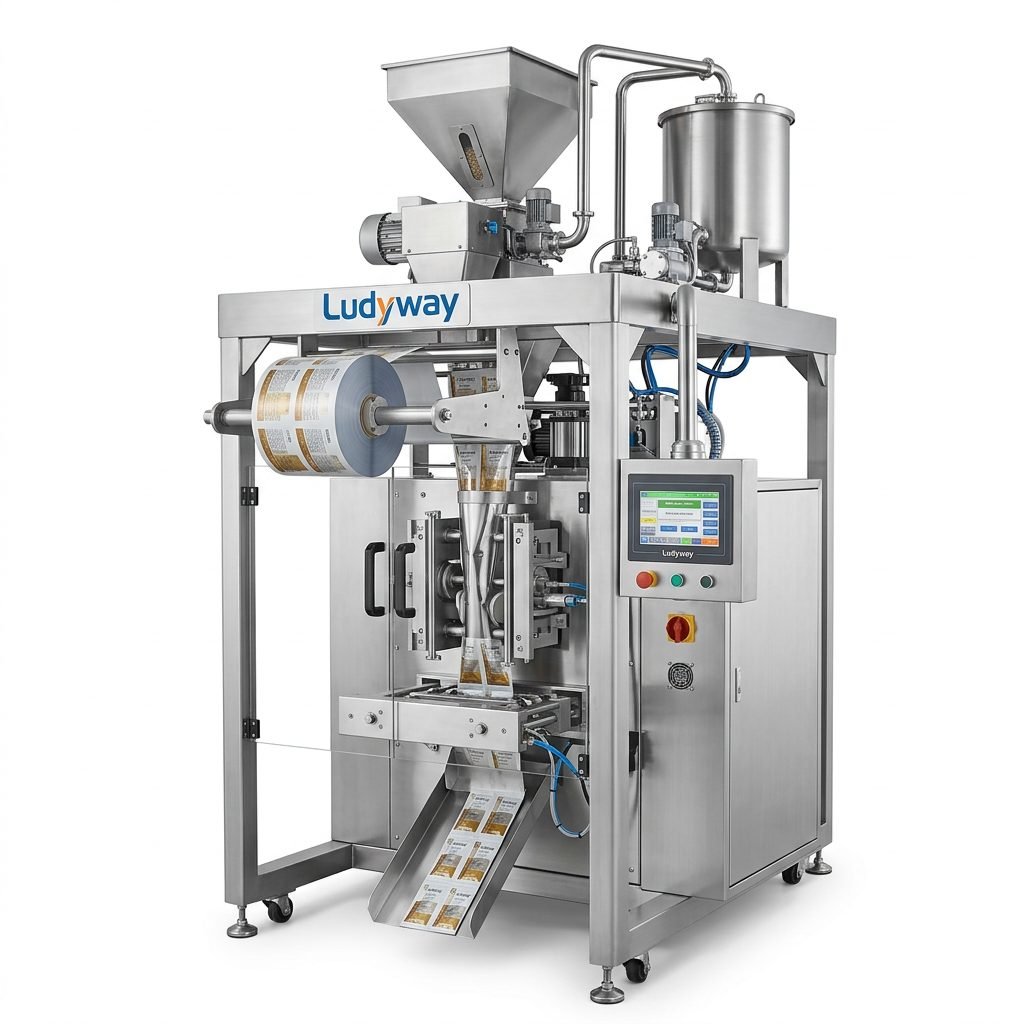
In today’s fast-paced ecommerce landscape, the speed and cost of getting products to customers can make or break a business. Efficient order fulfillment is no longer just a logistical concern—it’s a critical competitive advantage. At the heart of this efficiency lies a powerful yet often overlooked tool: the packaging machine. The right ecommerce packaging equipment doesn’t just wrap products; it streamlines your entire operation, slashing fulfillment times and significantly reducing shipping expenses. This article explores how investing in the best ecommerce packaging machines can transform your fulfillment process, boost your bottom line, and enhance customer satisfaction.
Why Packaging Automation is a Game-Changer for Ecommerce
Manual packaging is a bottleneck. It’s slow, inconsistent, and labor-intensive. For growing ecommerce businesses, scaling manual processes means higher costs and more errors. Automated packaging machines solve these problems by performing repetitive tasks with speed and precision. They ensure every package is the right size, securely sealed, and professionally presented, directly impacting two key metrics: order fulfillment speed and shipping costs.
Key Benefits of Automated Packaging:
- Faster Throughput: Machines can package hundreds, even thousands, of items per hour, dramatically cutting down the time between order receipt and dispatch.
- Material Savings: Automated systems use the minimum amount of packaging material required, reducing waste and material costs.
- Dimensional Accuracy: By creating right-sized packages, you avoid paying for “shipping air,” which is a major contributor to inflated carrier costs.
- Labor Optimization: Frees up your team from repetitive packing tasks, allowing them to focus on value-added activities like quality control and customer service.
- Consistency & Professionalism: Every package looks identical, reinforcing your brand’s reputation for quality and attention to detail.
Top Types of Ecommerce Packaging Machines for Faster Fulfillment
Selecting the right machine depends on your product mix, volume, and packaging materials. Here are the most impactful types for ecommerce operations.
1. Automatic Carton Erectors and Sealers
For businesses shipping a high volume of products in boxes, manual box setup and taping is a major time sink. Automatic carton erectors take flat corrugated blanks, form them into boxes, and bottom-seal them in seconds. Paired with automatic sealers that apply tape or glue to the top flap, these systems create a closed-loop, high-speed boxing line. This is ideal for subscription boxes, multi-item orders, and fragile goods.
2. Polybag and Pouch Packaging Machines
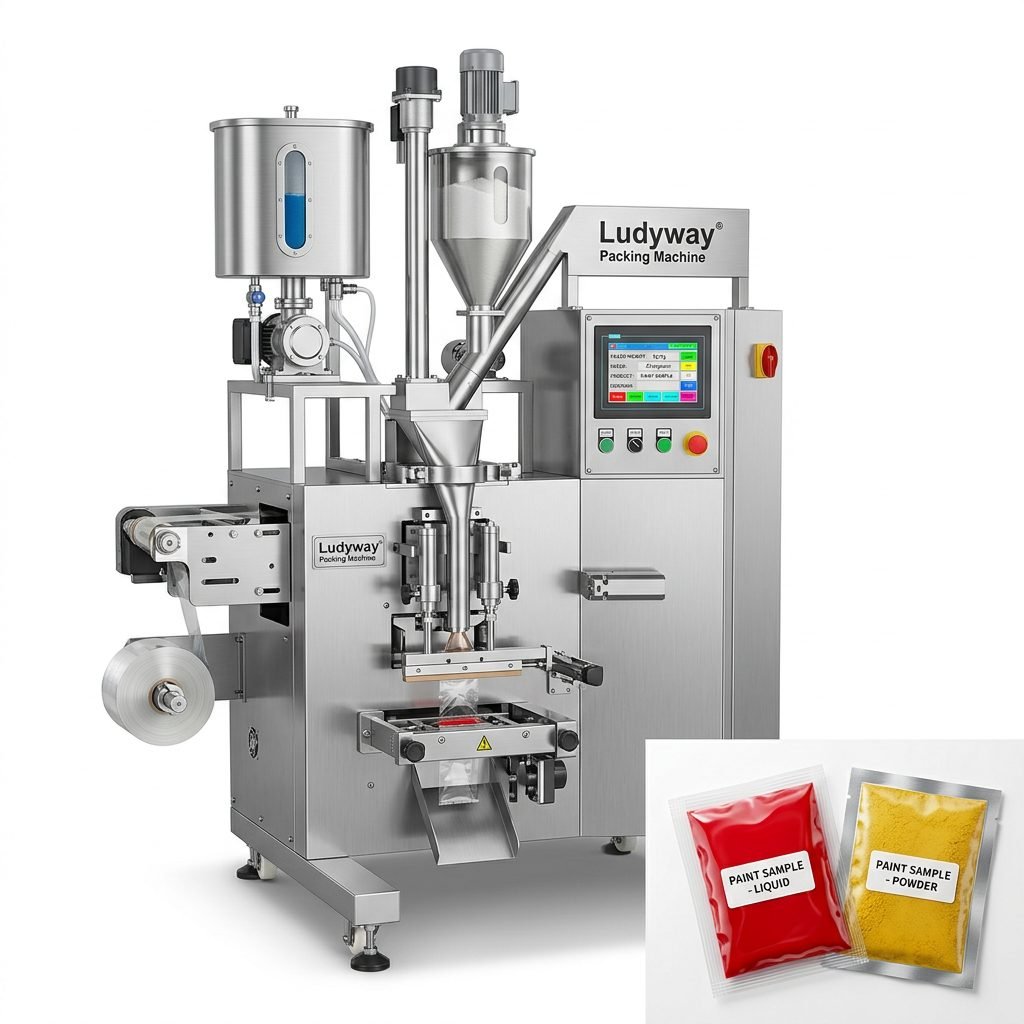
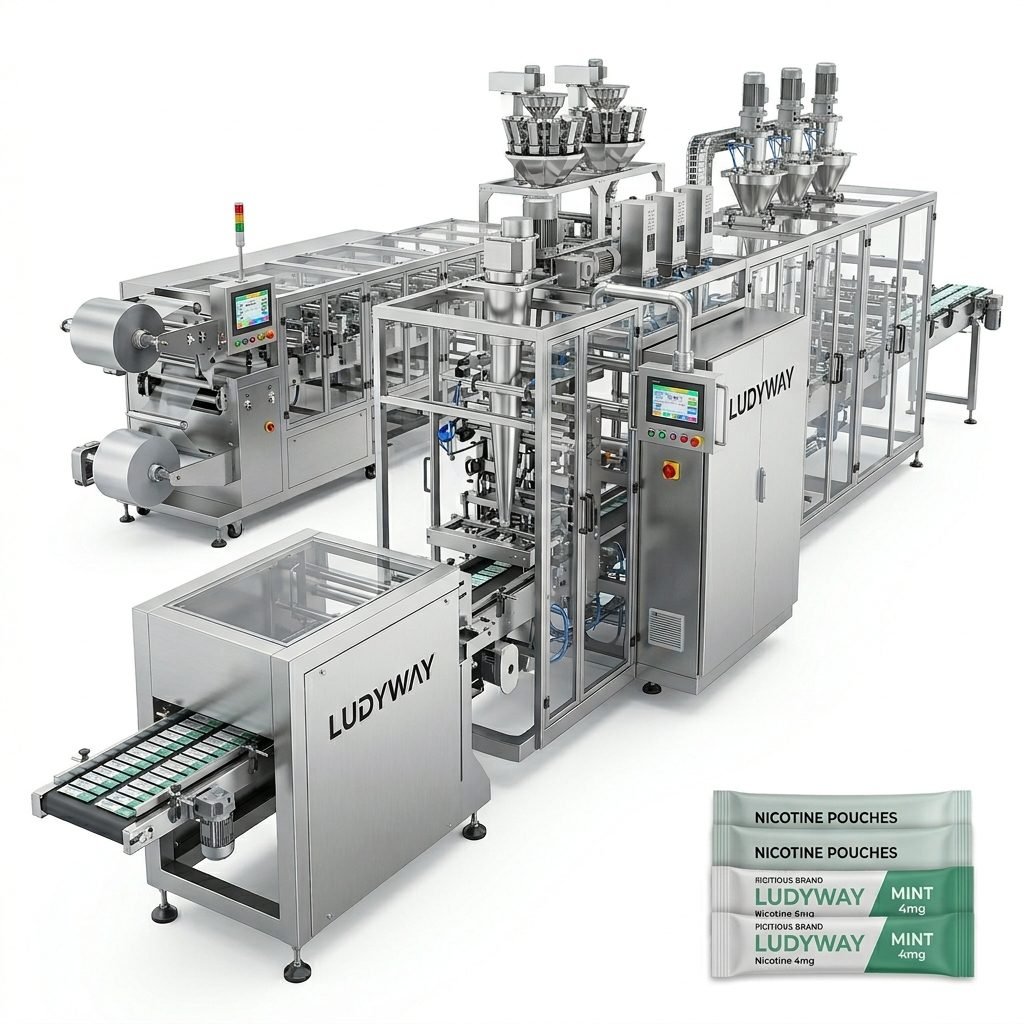
For apparel, soft goods, and non-fragile items, polybags are a lightweight, cost-effective alternative to boxes. Automatic polybag machines unwind roll stock film, cut it to size, seal the bottom, insert the product, and seal the top—all in one continuous motion. Advanced models can even print shipping labels directly onto the bag. This technology is perfect for high-volume, single-SKU fulfillment centers.
Case Study: Apparel Retailer Efficiency Boost
An online fashion retailer integrated an automatic polybag system into their warehouse. The result was a 70% reduction in packing time per order and a 15% decrease in shipping costs due to lighter package weight and optimized dimensions. The system paid for itself in under 12 months through labor savings and carrier discounts.
3. Right-Sized Packaging (On-Demand Box Making) Systems
This is arguably the most direct tool for lowering shipping costs. These systems create a custom-sized corrugated box for each order in real-time. Using product dimension data, the machine cuts and scores a large sheet of board, folds it, and seals it to create a perfect-fit package. This eliminates void fill, reduces material use, and ensures you pay the lowest possible dimensional weight (DIM weight) charges with carriers like FedEx and UPS.
4. Automated Void Fill and Cushioning Systems
For products that require protection, automated void fill dispensers are essential. These systems produce and insert precise amounts of air pillows, paper, or foam into packages at high speeds. This ensures consistent product protection while using the optimal amount of dunnage, preventing over-packing which adds weight and cost.
How the Right Machine Drives Down Shipping Costs
The correlation between packaging and shipping cost is direct. Carriers charge based on a package’s dimensional weight (DIM weight) or actual weight—whichever is greater. Bulky, inefficient packaging leads to high DIM weight charges.
- ✅ Right-Sizing: Machines that create custom packages ensure minimal dimensional weight.
- ✅ Material Reduction: Using less corrugate, film, or void fill directly lowers package weight.
- ✅ Carrier Compliance: Consistent, neat packages are less likely to incur carrier surcharges for irregular sizes or poor preparation.
- ✅ Negotiating Power: Demonstrating efficient, consistent packaging can strengthen your position when negotiating volume discounts with carriers.
Integrating Packaging Automation into Your Workflow
Successful implementation goes beyond buying a machine. It requires thoughtful integration.
Integration Checklist:
- Analyze Your Order Profile: Audit your SKUs, order sizes, and peak volumes to identify the biggest bottlenecks.
- Choose Scalable Technology: Select equipment that can grow with your business, perhaps starting with semi-automatic models before moving to full automation.
- Connect with WMS/OMS: Ensure your packaging machine can receive dimension data from your Warehouse Management System (WMS) or Order Management System (OMS) for true on-demand packaging.
- Train Your Team: Involve operators early. Proper training ensures smooth operation and maximizes machine uptime.
- Measure ROI: Track key metrics before and after: orders packed per hour, material cost per order, and average shipping cost per order.
Choosing Your Partner: Beyond the Machine
Selecting a reliable equipment supplier is as crucial as selecting the machine itself. Look for a partner with proven industry experience, strong technical support, and a commitment to providing tailored solutions. A partner like Ludyway Machinery, with decades of expertise in packaging automation, can guide you from initial assessment through installation and ongoing maintenance. They understand that a packaging line is an investment in your operational core, not just a piece of hardware. Review their company profile and history to assess their capability to support your long-term growth with innovative and reliable automated packaging solutions.
Conclusion: Packaging as a Strategic Advantage
In the competitive world of ecommerce, margins are won in the details. Optimizing your packaging process with the right machinery is a strategic move that delivers a clear, quantifiable return on investment. It accelerates fulfillment, delights customers with professional presentation, and directly attacks one of your largest variable costs: shipping. By investing in the best ecommerce packaging machines, you’re not just buying equipment—you’re building a faster, leaner, and more profitable operation.
Frequently Asked Questions (FAQs)
1. What is the typical ROI period for an ecommerce packaging machine?
Return on investment can vary based on order volume and labor costs, but many businesses see a payback period of 12 to 24 months. Savings are realized through reduced labor hours, lower material consumption, and decreased shipping costs due to right-sized packages.
2. Can automated packaging machines handle a wide variety of product sizes?
Yes, many modern machines are highly flexible. Systems like on-demand box makers and adjustable polybag machines can handle a vast range of sizes without requiring lengthy changeovers, making them suitable for ecommerce businesses with diverse product catalogs.
3. How do I know if my business is ready for packaging automation?
Key indicators include: consistently high order volumes that strain manual packing, rising labor costs, excessive spending on packaging materials or shipping due to poorly sized boxes, and a desire to improve packing consistency and speed to meet customer delivery promises.
4. Is the integration with our existing warehouse software complex?
Reputable suppliers design machines to integrate seamlessly with common Warehouse Management Systems (WMS) and enterprise platforms. The level of integration can be scaled, from simple manual entry to fully automated data exchange for dimension-based packaging. A good supplier will provide full support during this phase.
5. What about maintenance and technical support?
This is a critical consideration. Choose a supplier known for reliable after-sales service, readily available spare parts, and comprehensive training. A global service network, like that offered by established providers, ensures you have support when you need it to minimize downtime.