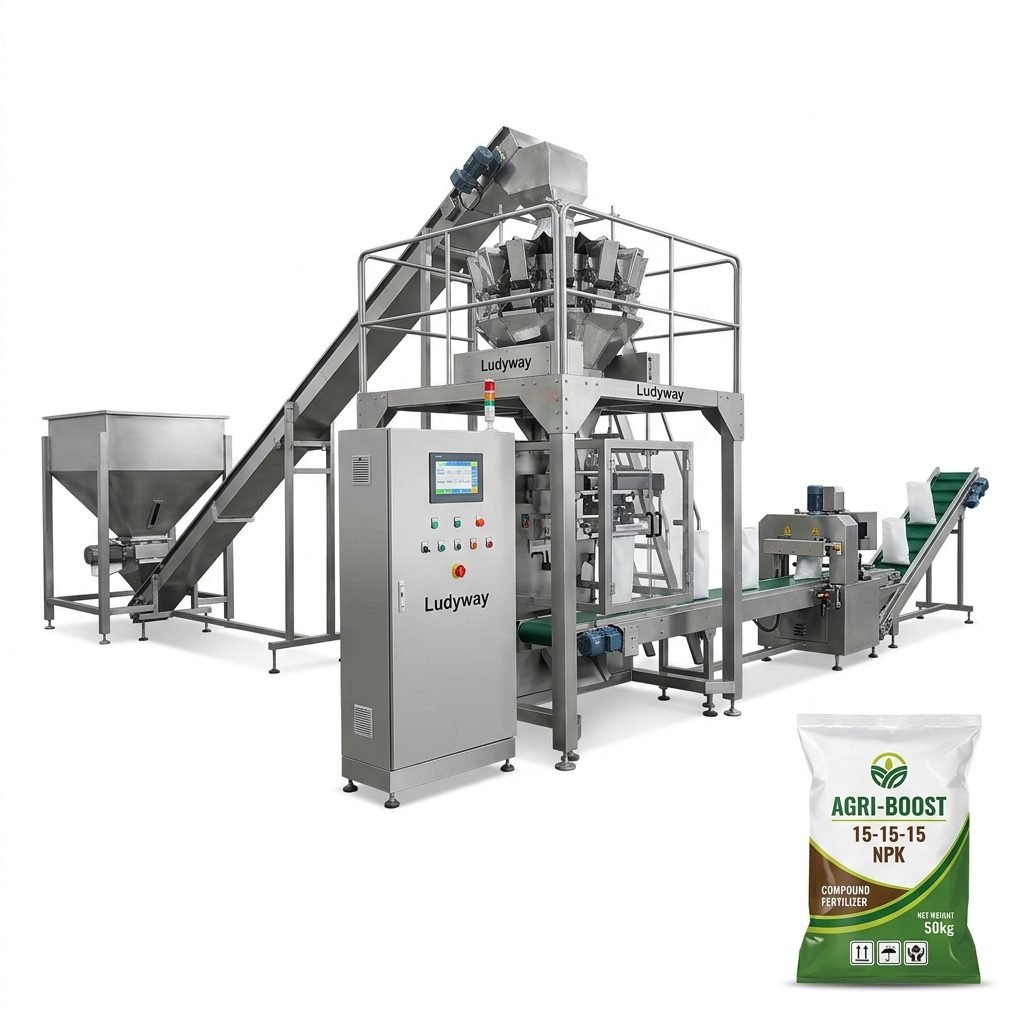
In the highly regulated and precision-driven pharmaceutical industry, packaging is far more than just a final step—it’s a critical component of product safety, efficacy, and patient trust. Pharmaceutical packaging machines are engineered to meet stringent standards for hygiene, accuracy, and reliability, ensuring that medications are protected from contamination, moisture, and damage throughout their shelf life. From blister packs that organize daily doses to vials that store sensitive injectables, the right packaging system is integral to the drug’s journey from manufacturer to end-user.
Essential Types of Pharmaceutical Packaging Machines
The landscape of pharmaceutical packaging is diverse, with specialized equipment designed for different drug forms and packaging formats. Understanding the core types is the first step in selecting the appropriate technology for your production line.
Blister Packaging Machines
These are among the most common machines for solid oral dosage forms like tablets and capsules. They form a cavity (blister) from a base web of plastic or foil, insert the product, and then seal it with a lidding material, often foil. This format provides excellent barrier properties, product visibility, and patient convenience through unit-dose packaging.
Bottle Filling and Capping Lines
Used for packaging tablets, capsules, liquids, and powders in plastic or glass bottles. These are typically automated lines that handle filling, cottoning, capping, sealing, and labeling in sequence. They are highly versatile and can be configured for various container sizes and fill volumes.
Ampoule, Vial, and Syringe Fillers
Critical for sterile injectable products. These machines operate in aseptic or cleanroom environments to fill liquid or lyophilized (freeze-dried) drugs into glass or polymer containers. They often include washing, sterilization, filling, and sealing stations with incredibly high accuracy to avoid dosage errors.
Cartoning Machines
These systems automate the insertion of blisters, bottles, or vials into folded cartons along with patient information leaflets (PILs). They erect the carton, load the primary package and leaflet, and then close and seal it, ready for secondary packaging.
Sachet and Stick Pack Machines
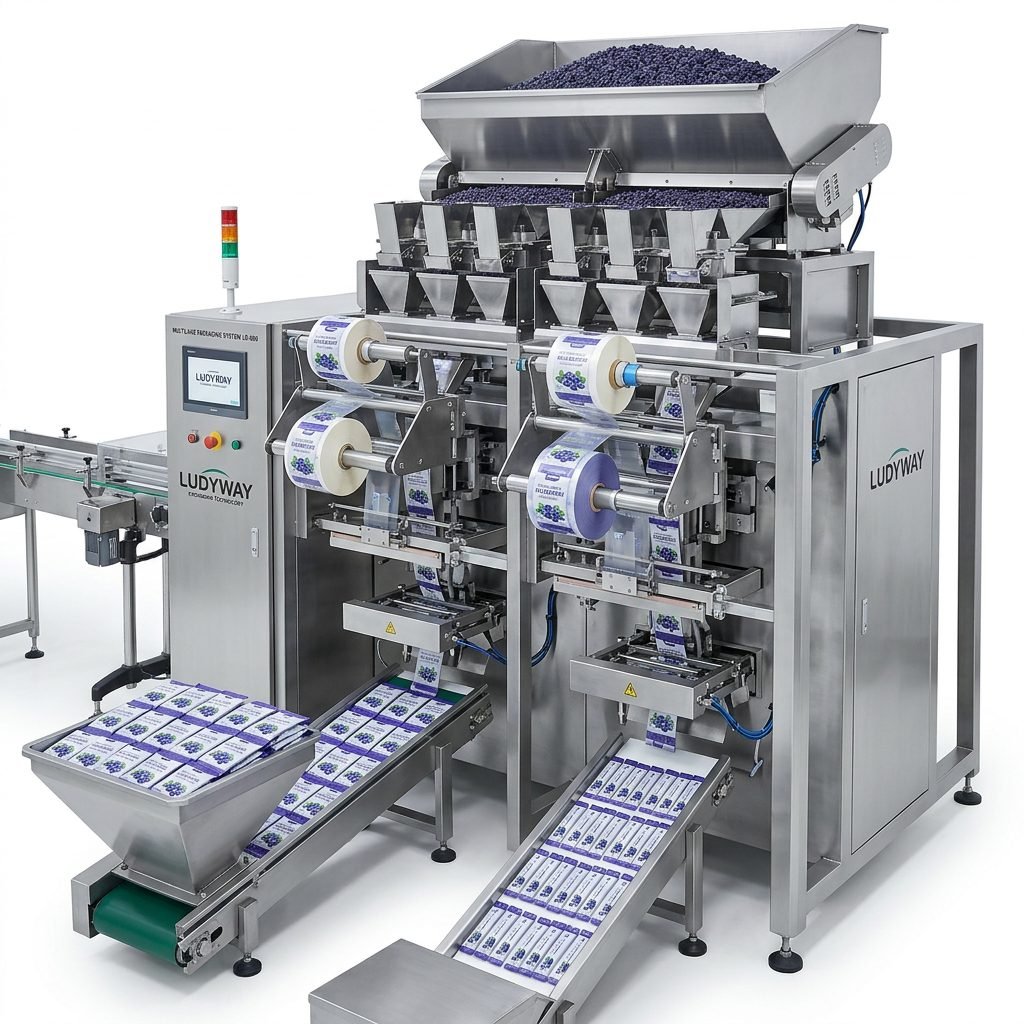
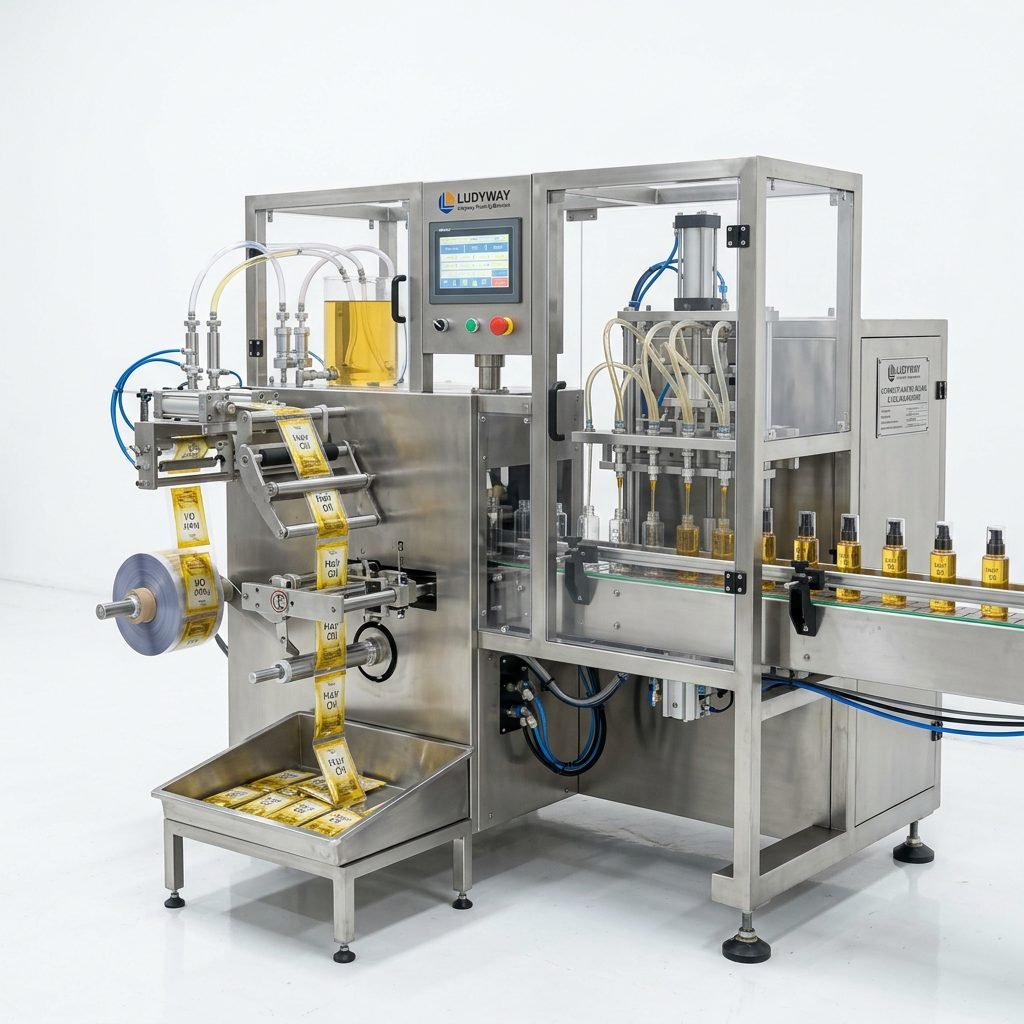
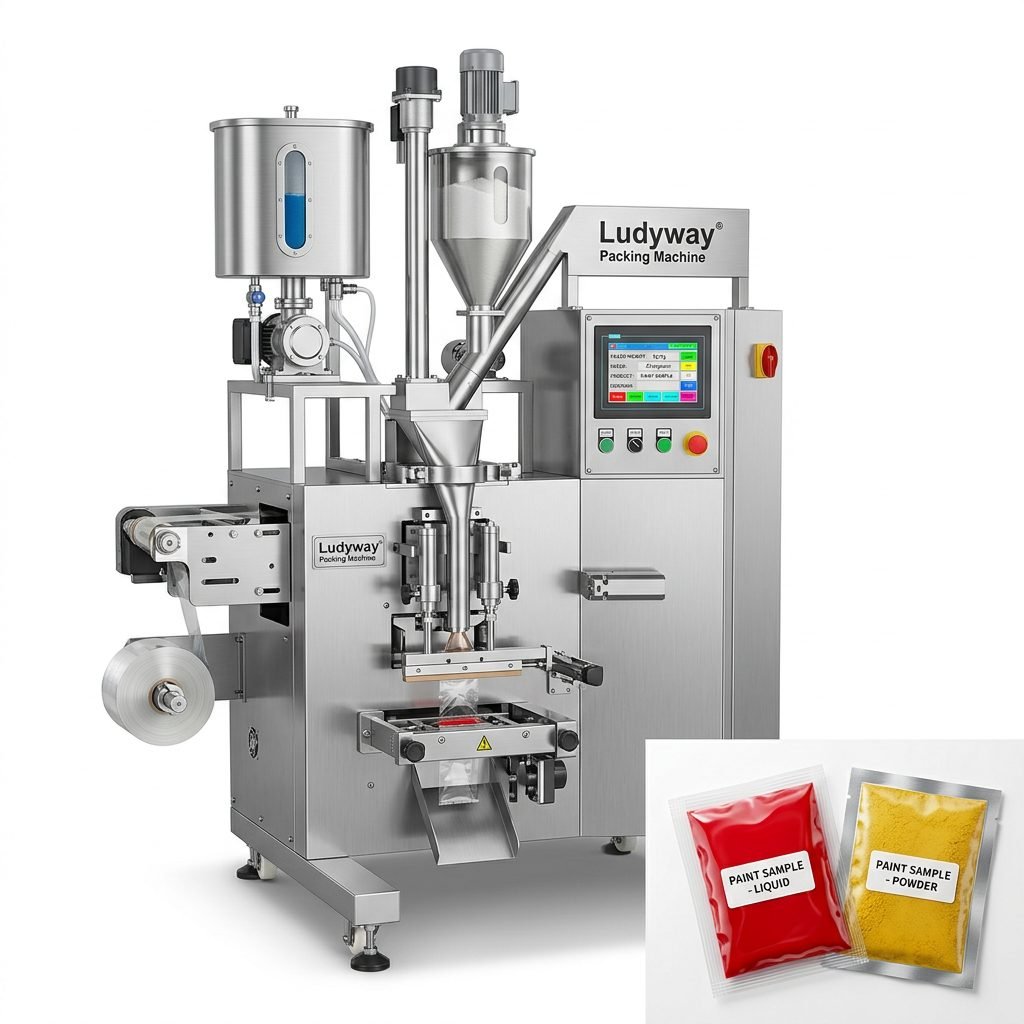
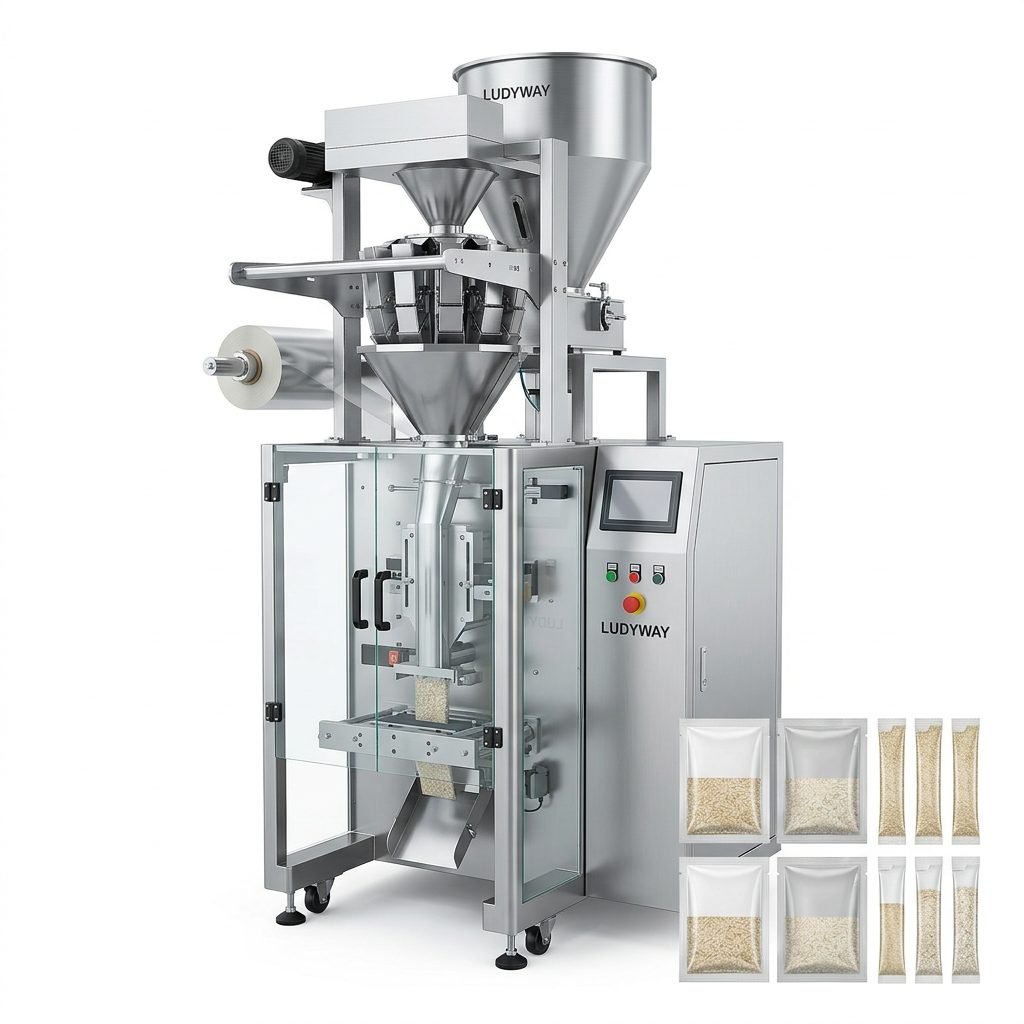
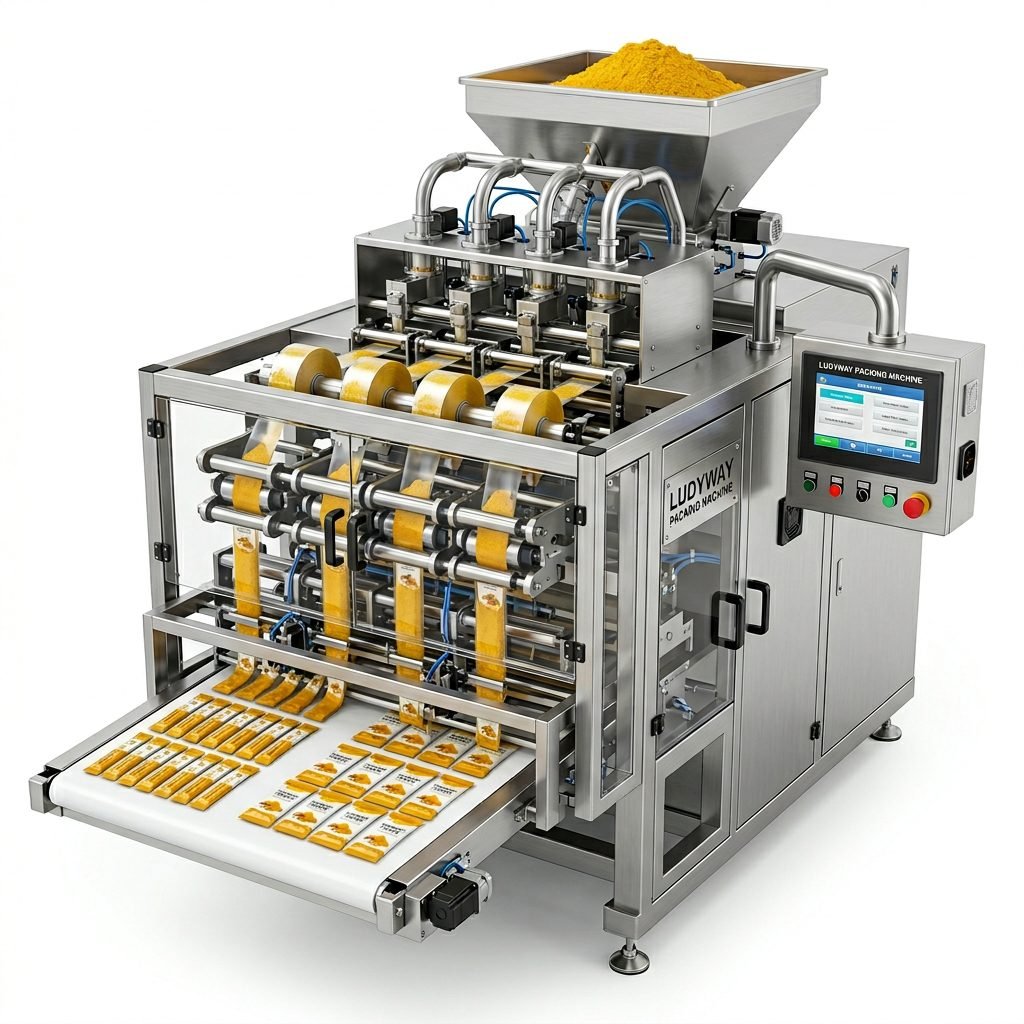
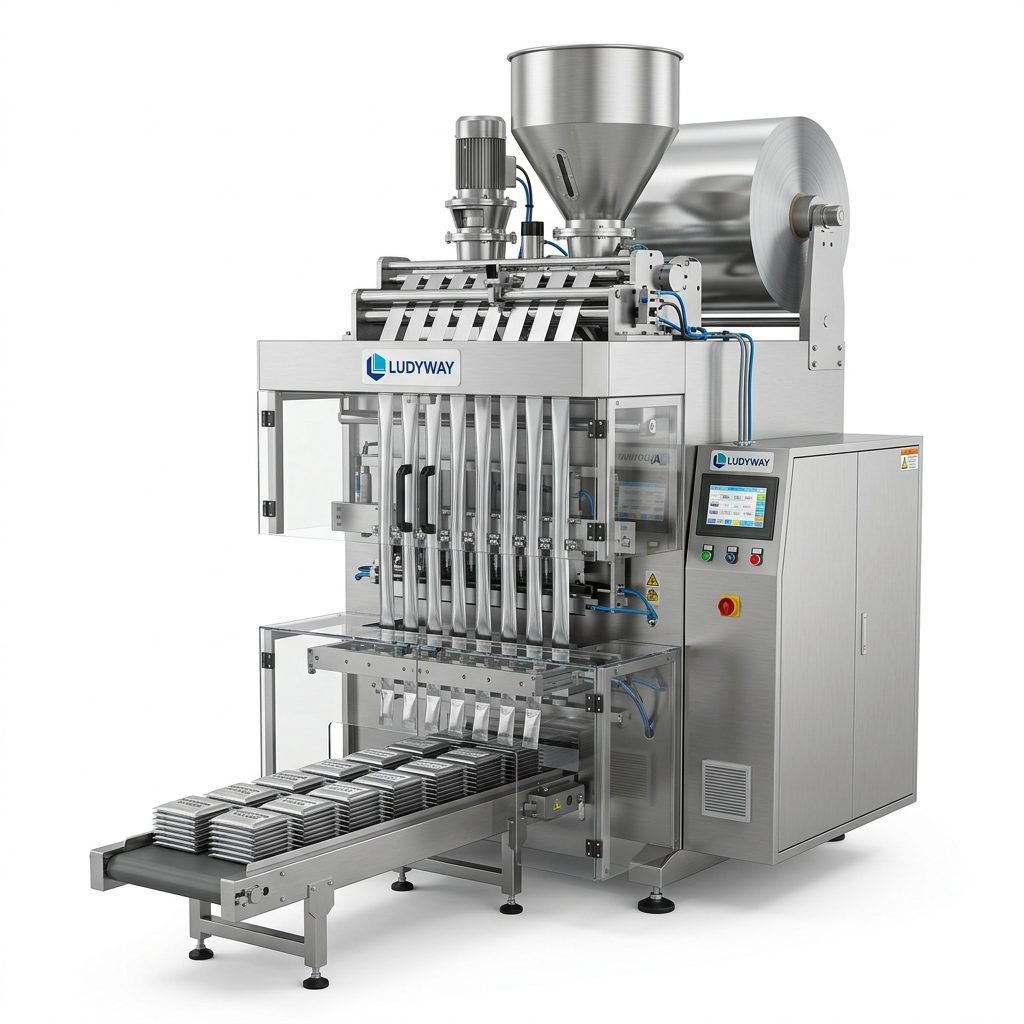
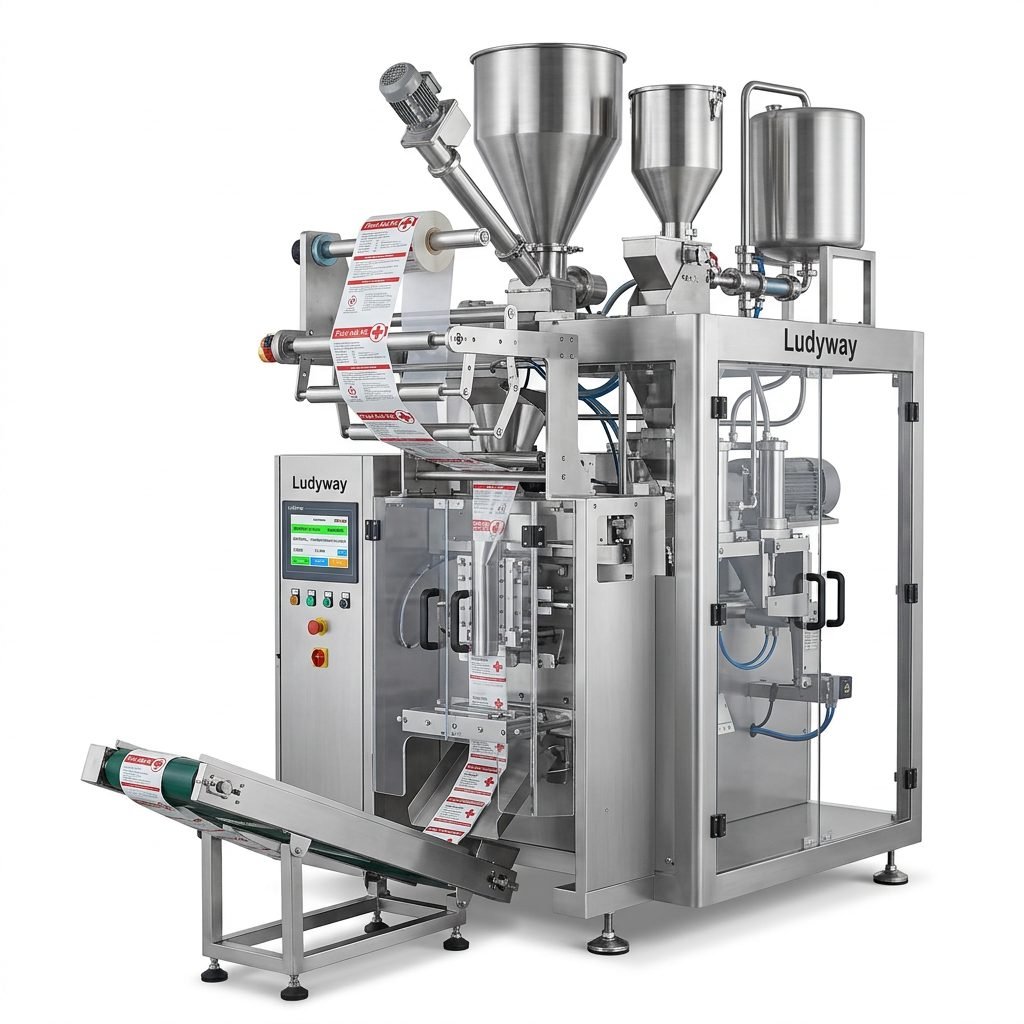
Ideal for unit-dose powders, granules, or liquids, such as oral rehydration salts, effervescent powders, or topical gels. Machines from brands like Ludyway form, fill, and seal individual pouches from a roll of film, offering excellent barrier properties and portability for patients.
Key Applications Across Drug Formats
Each type of pharmaceutical product demands specific packaging considerations to maintain stability, ensure accurate dosing, and facilitate safe administration.
Solid Dosage Forms (Tablets & Capsules)
Primarily packaged using blister machines or bottle filling lines. Blister packs are preferred for their moisture barrier and compliance-prompting design, while bottles are often used for larger quantity OTC products or in markets with specific regulatory preferences.
Liquid Pharmaceuticals (Syrups, Injectables)
Require precise liquid filling technology. Bottle fillers handle oral liquids with capping and induction sealing for tamper evidence. For sterile injectables, vial/syringe fillers are non-negotiable, often integrated with lyophilization chambers for products requiring freeze-drying.
Powders and Granules
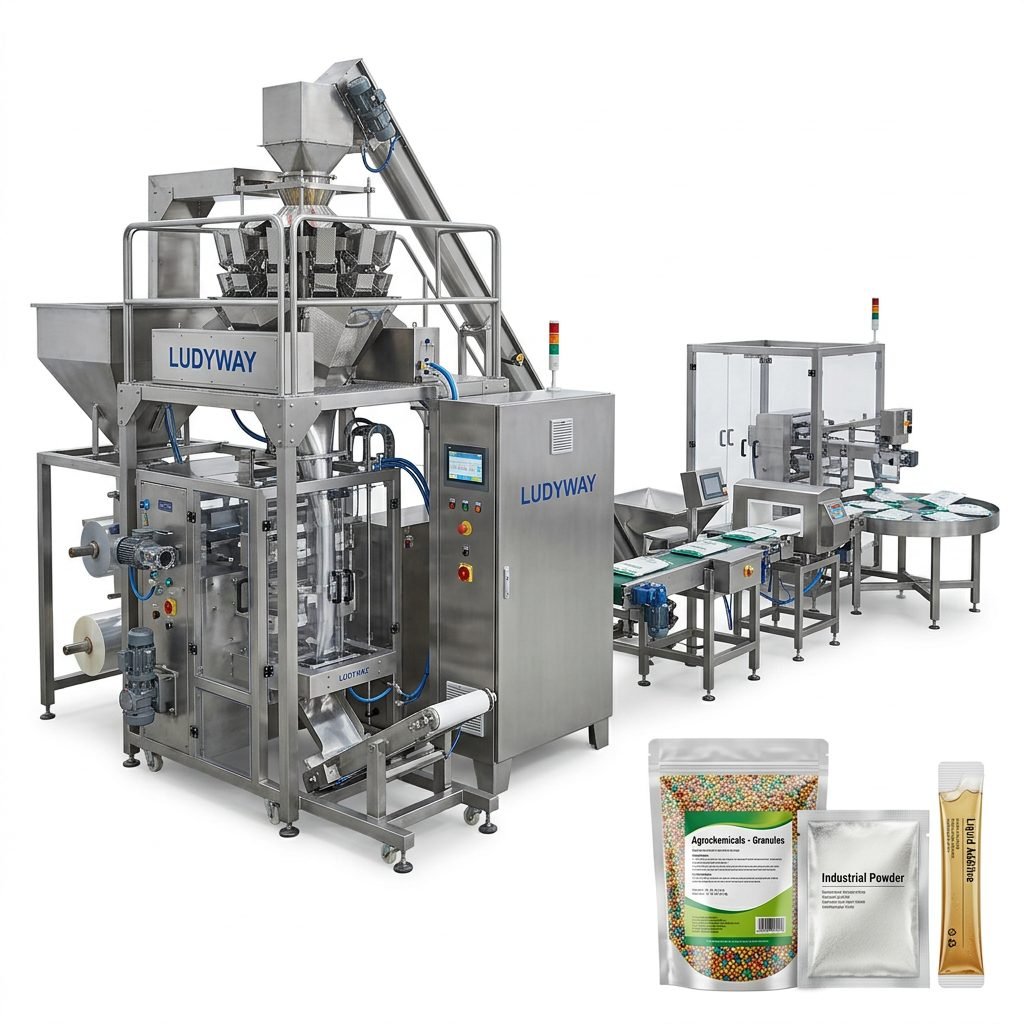
Sachet and stick pack machines are perfectly suited for these. They provide a hermetic seal that protects hygroscopic materials from moisture. This format is also crucial for combination therapies where multiple powder components must be kept separate until use.
Medical Devices and Combination Products
Items like pre-filled inhalers, auto-injectors, or transdermal patches often use specialized cartoning or clamshell packaging machines that can handle the device’s unique shape and include necessary applicators or instructions.
How to Choose the Right Packaging System: A Strategic Guide
Selecting a pharmaceutical packaging machine is a significant capital investment. The decision should be driven by a thorough analysis of technical, regulatory, and operational factors.
1. Define Your Product and Package Specifications
Start with the basics: Drug form, dosage, and primary packaging material (e.g., PVC/Alu blister, glass vial, laminated sachet film). The machine must be compatible with these materials and achieve the required seal integrity. Consider future product pipelines to ensure the machine has some flexibility.
2. Evaluate Output Speed and Capacity Requirements
Calculate your required output in packs per minute/hour. Match this with the machine’s rated speed, but also consider its efficiency (accounting for changeover and maintenance downtime). A machine from an experienced supplier like Ludyway Machinery, with a background in providing turnkey solutions, can offer a realistic assessment of sustainable output.
3. Prioritize Compliance and Validation Support
The machine must be designed for GMP (Good Manufacturing Practice) environments. Look for features like easy-clean surfaces, sanitary design, and documentation for IQ/OQ/PQ (Installation/Operational/Performance Qualification). The supplier should provide robust validation support to streamline your regulatory approval process.
4. Assess Automation and Integration Capabilities
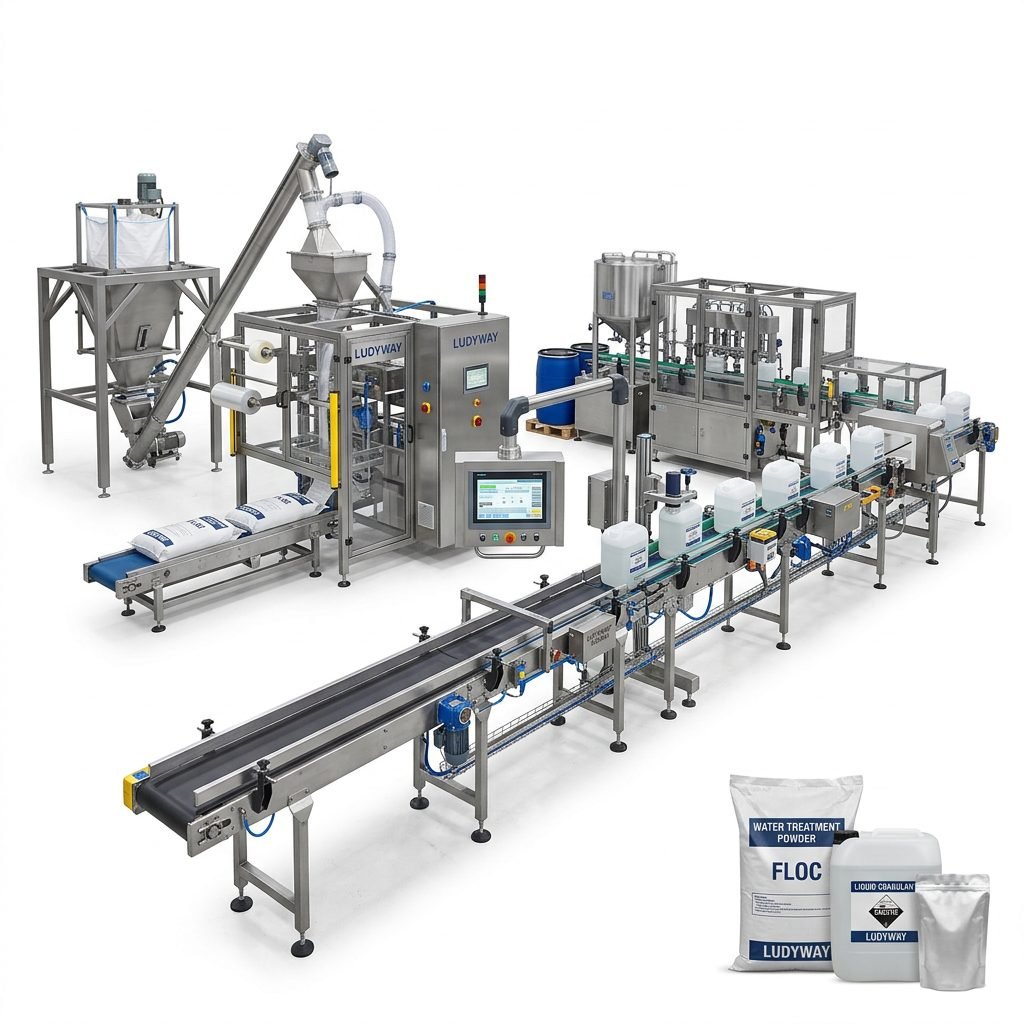
Determine the level of automation needed. Will the machine be a standalone unit or integrated into a full line with checkweighers, vision inspection systems, and serialization units? Choose a system with a proven track record of stable integration and modern control systems (e.g., PLC with HMI).
5. Analyze Total Cost of Ownership (TCO)
Look beyond the initial purchase price. Factor in costs for spare parts, consumables (like sealing jaws), energy consumption, required operator skill level, and the supplier’s reputation for after-sales service and technical support. A reliable partner ensures lower lifetime costs.
6. Verify Supplier Expertise and After-Sales Service
Choose a supplier with deep experience in pharmaceutical packaging. They should understand global regulatory standards (FDA, EMA, etc.). Evaluate their service network, availability of spare parts, and training programs. A supplier’s commitment to long-term partnership, as emphasized in the history of companies like Ludyway, is crucial for ongoing operational success.
Frequently Asked Questions (FAQs)
What is the most critical factor when choosing a machine for sterile product packaging?
The absolute priority is the machine’s ability to operate in or interface seamlessly with an aseptic processing environment. This includes a design that prevents contamination (e.g., sterile zone protection, CIP/SIP capabilities) and compliance with stringent regulatory guidelines for sterile manufacturing.
Can one packaging machine handle different sizes or products?
Many modern machines are designed with quick-changeover features, allowing for adjustments to handle different blister formats, bottle sizes, or sachet dimensions. However, the degree of flexibility varies. It’s essential to discuss your specific product range with the supplier to ensure the machine can accommodate your needs with minimal downtime for changeovers.
How important is serialization, and can it be added later?
Pharmaceutical serialization (printing unique codes for track & trace) is a legal requirement in many major markets (e.g., the EU FMD, US DSCSA). It is highly recommended to select a machine that is either serialization-ready or can be seamlessly integrated with a serialization unit. Retrofitting later can be more complex and costly.
What kind of maintenance should be expected?
Regular preventive maintenance is vital for consistent performance and longevity. This typically includes daily cleaning, lubrication of moving parts, inspection of seals and wear parts, and calibration of sensors and scales. A reliable supplier will provide a detailed maintenance schedule and training for your engineers.
Why is supplier experience specifically in pharmaceuticals so important?
The pharmaceutical industry has unique challenges: extreme regulatory scrutiny, zero tolerance for cross-contamination, and critical demand for accuracy and documentation. An experienced supplier doesn’t just sell a machine; they provide a validated solution and understand the compliance journey, significantly de-risking your project and ensuring a smoother path to production.