The global food packaging machinery market is a dynamic and essential sector within the broader food industry, directly influencing food safety, shelf life, supply chain efficiency, and consumer appeal. As consumer preferences evolve towards convenience, sustainability, and premium product experiences, the demand for advanced, versatile, and intelligent packaging solutions continues to surge. This growth is further propelled by stringent food safety regulations, the expansion of the processed food sector, and the relentless pursuit of operational efficiency by manufacturers worldwide.
Market Size and Growth Trajectory
The food packaging machinery market has demonstrated robust growth and is projected to maintain a strong upward trajectory. Valued in the tens of billions of dollars, the market’s expansion is fueled by several interconnected factors. The rapid urbanization and increasing disposable incomes in emerging economies are leading to higher consumption of packaged and convenience foods. Simultaneously, in developed markets, the focus is on automation, smart packaging, and sustainable solutions to reduce labor costs, minimize waste, and enhance traceability.
Key drivers include the need for extended shelf life to reduce food waste, compliance with global food safety standards (like FDA and EU regulations), and the booming e-commerce sector, which requires durable and protective packaging for safe transit. The integration of Industry 4.0 technologies, such as the Internet of Things (IoT), artificial intelligence (AI), and robotics, is transforming traditional packaging lines into connected, data-driven systems capable of predictive maintenance and real-time quality control.
Primary Types of Food Packaging Machinery
The market encompasses a wide array of machinery, each designed for specific functions, packaging formats, and product types. Understanding these categories is crucial for manufacturers selecting the right equipment for their production lines.
1. Filling and Sealing Machines
This category forms the core of most packaging lines. It includes:
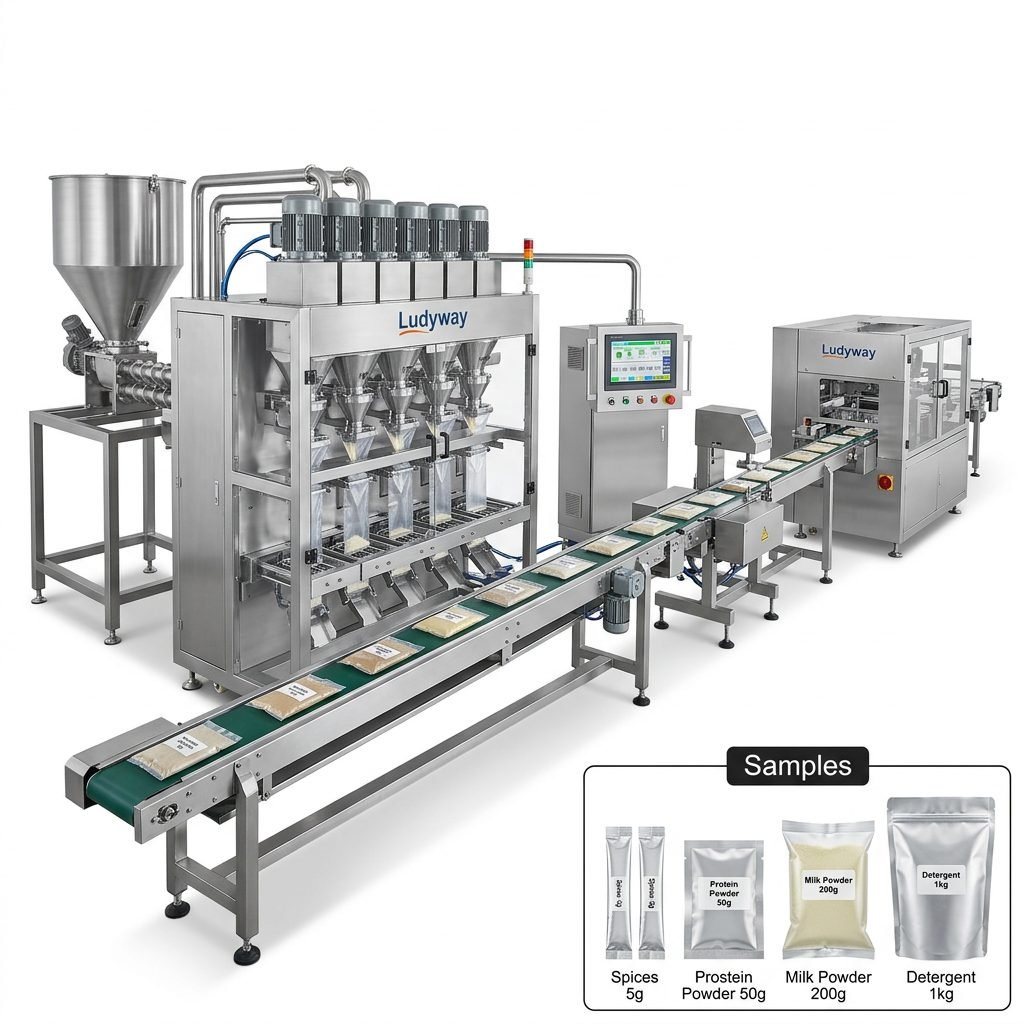
- Volumetric and Auger Fillers: Ideal for precise dosing of granules, powders, and spices.
- Liquid Fillers: Such as piston, gravity, and vacuum fillers for sauces, oils, and beverages.
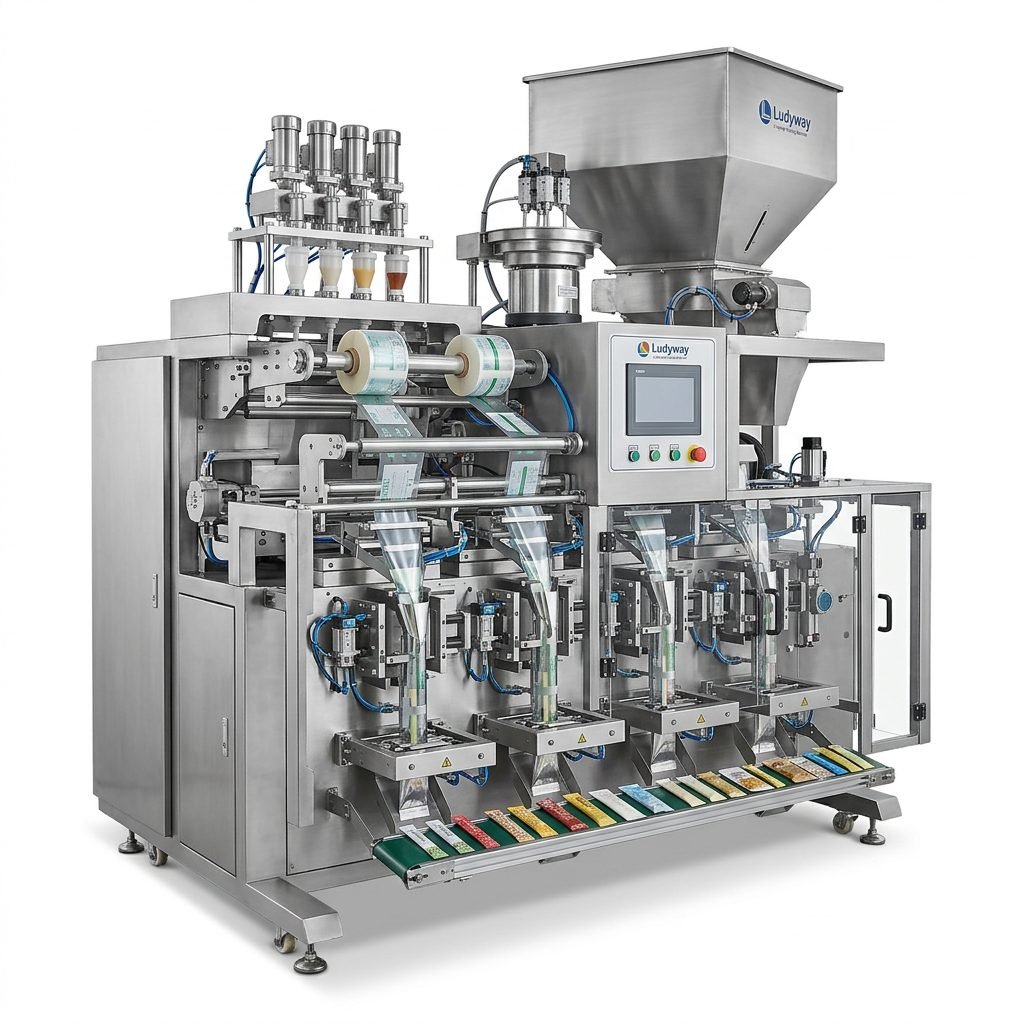
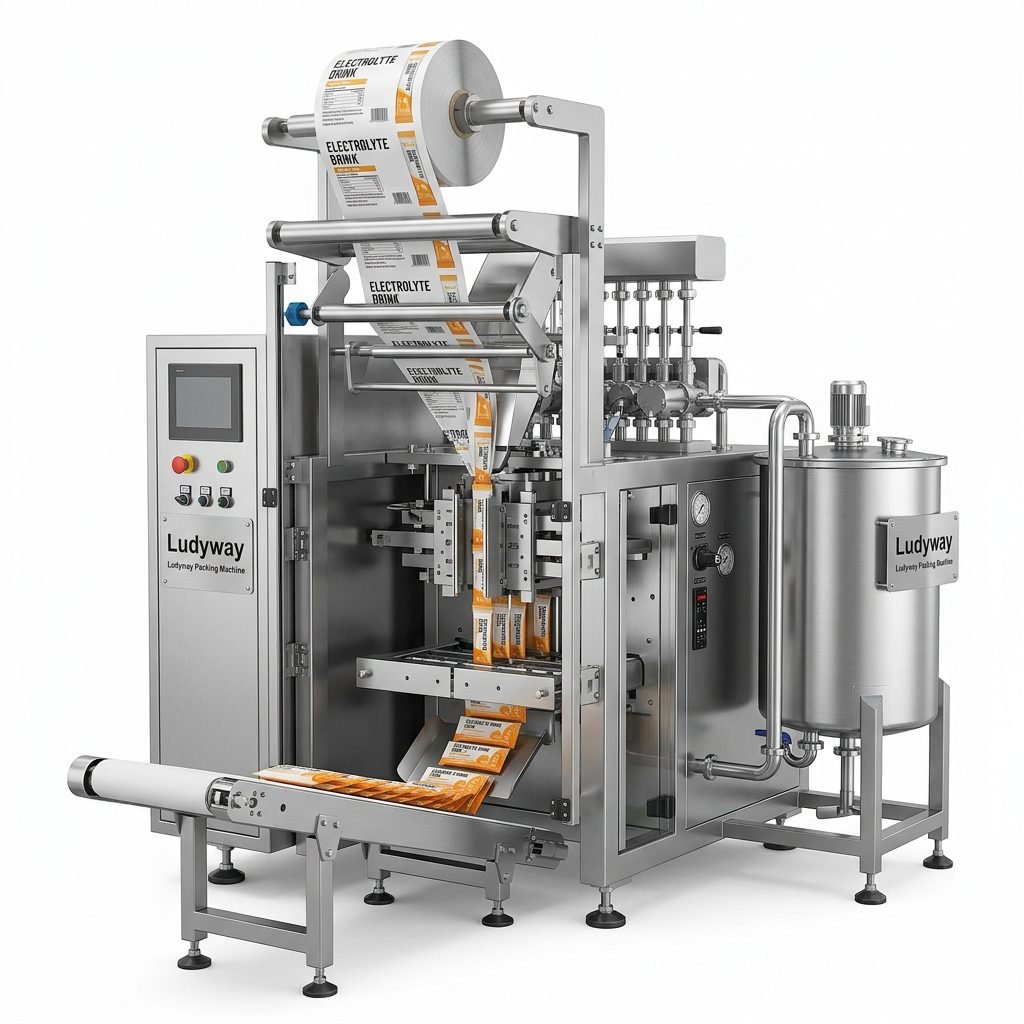
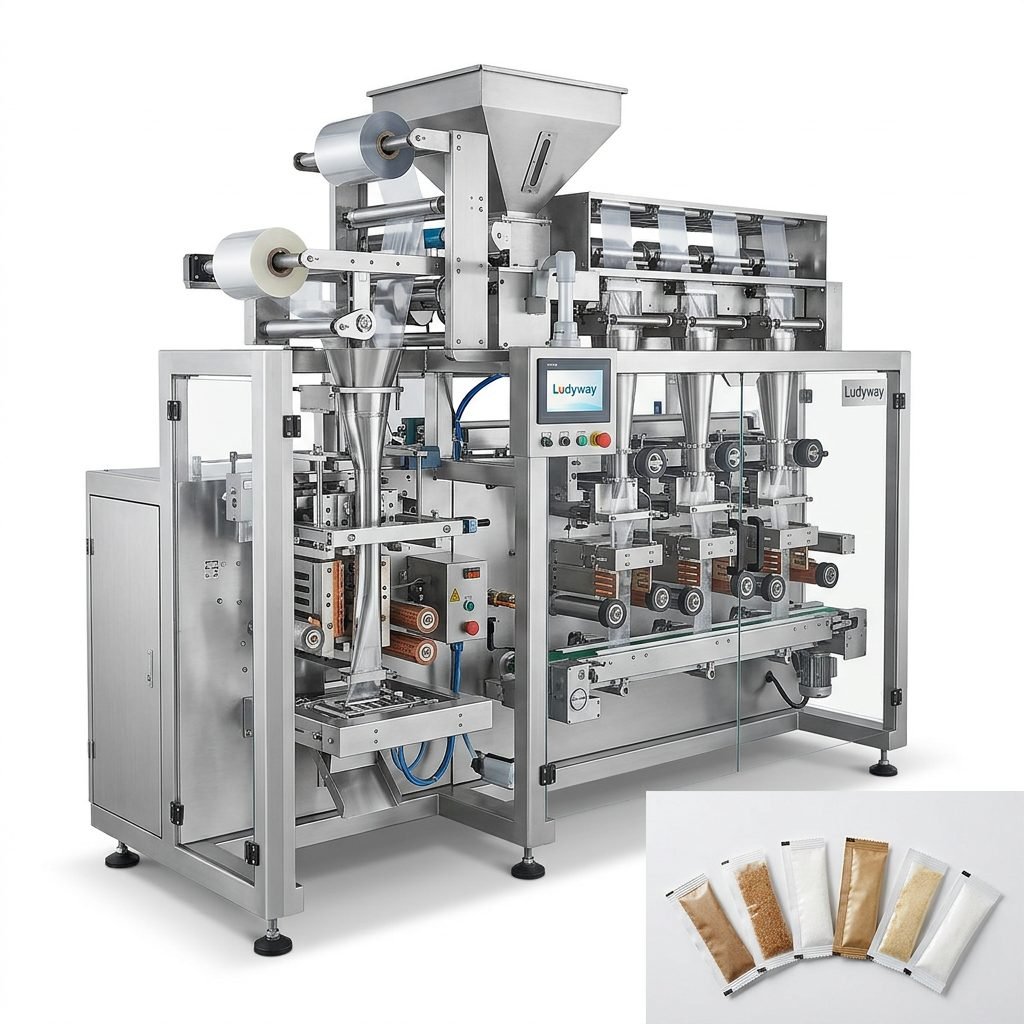
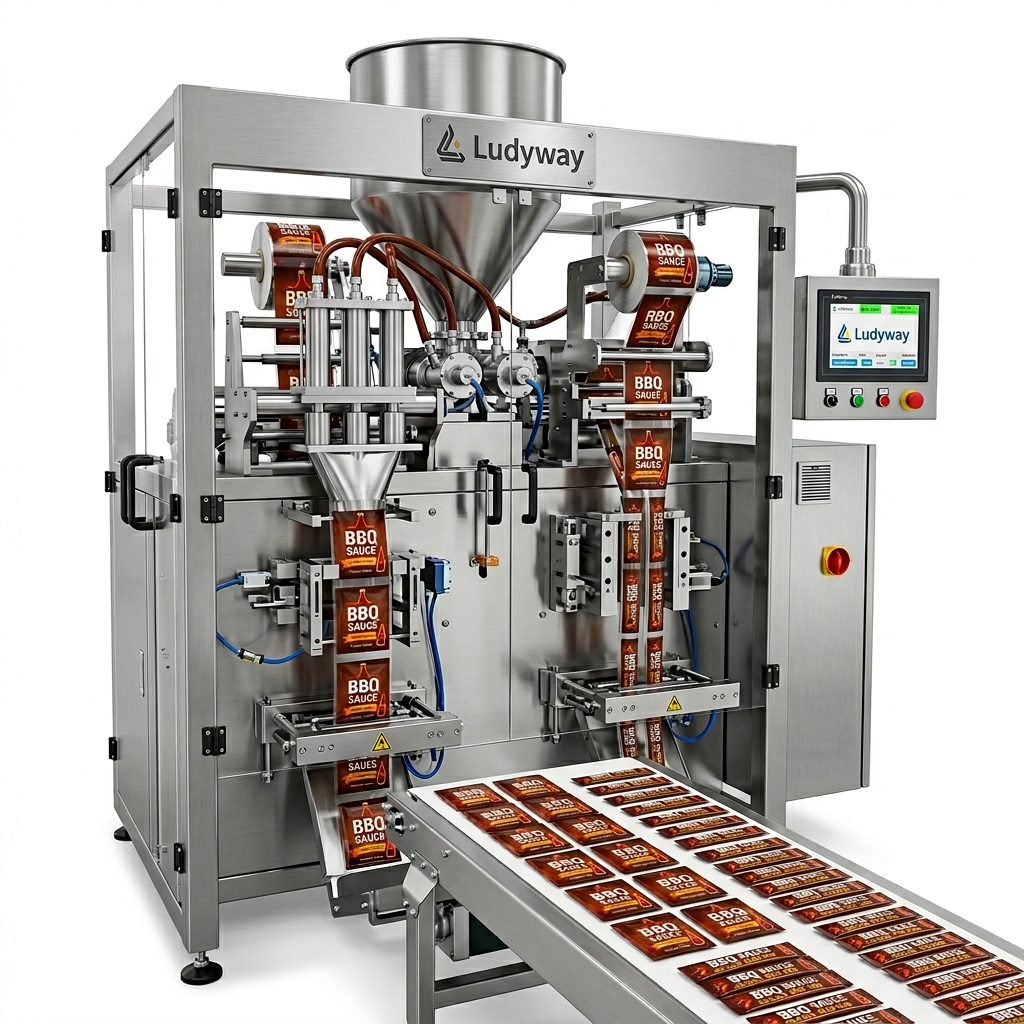
- Form-Fill-Seal (FFS) Machines: Highly versatile systems that form packaging from a roll of film, fill it with product, and seal it in one continuous operation. This includes vertical (VFFS) and horizontal (HFFS) machines producing bags, pouches, and sachets.
2. Wrapping and Bundling Machines
Used for grouping primary packages for distribution and retail. Examples include flow wrappers for candy bars, stretch wrappers for pallets, and shrink wrapping machines for multi-packs.
3. Labeling and Coding Machines
Essential for product identification, branding, and regulatory compliance. This includes pressure-sensitive labelers, sleeve labelers, and inkjet/laser coders for printing dates, batch numbers, and barcodes.
4. Capping, Lidding, and Sealing Machines
Designed to securely close containers like bottles, jars, and cups. Technologies include screw cappers, snap cappers, induction sealers for tamper-evidence, and heat sealers for trays and cups.
🔍 Key Trend: The Rise of Sustainable Packaging Machinery
A dominant trend is the development of machinery compatible with eco-friendly materials like compostable films, recycled plastics, and paper-based substrates. This requires advanced sealing technologies, precise tension control, and modified handling systems to manage the different physical properties of these sustainable materials compared to conventional plastics.
Key Applications Across the Food Industry
Packaging machinery is indispensable across every segment of the food and beverage sector.
Bakery and Confectionery
This sector relies heavily on vertical form-fill-seal machines for packaging cookies, snacks, and candies, and flow wrappers for individual chocolate bars or granola bars. Precision is key to maintaining product freshness and appeal.
Dairy and Beverages
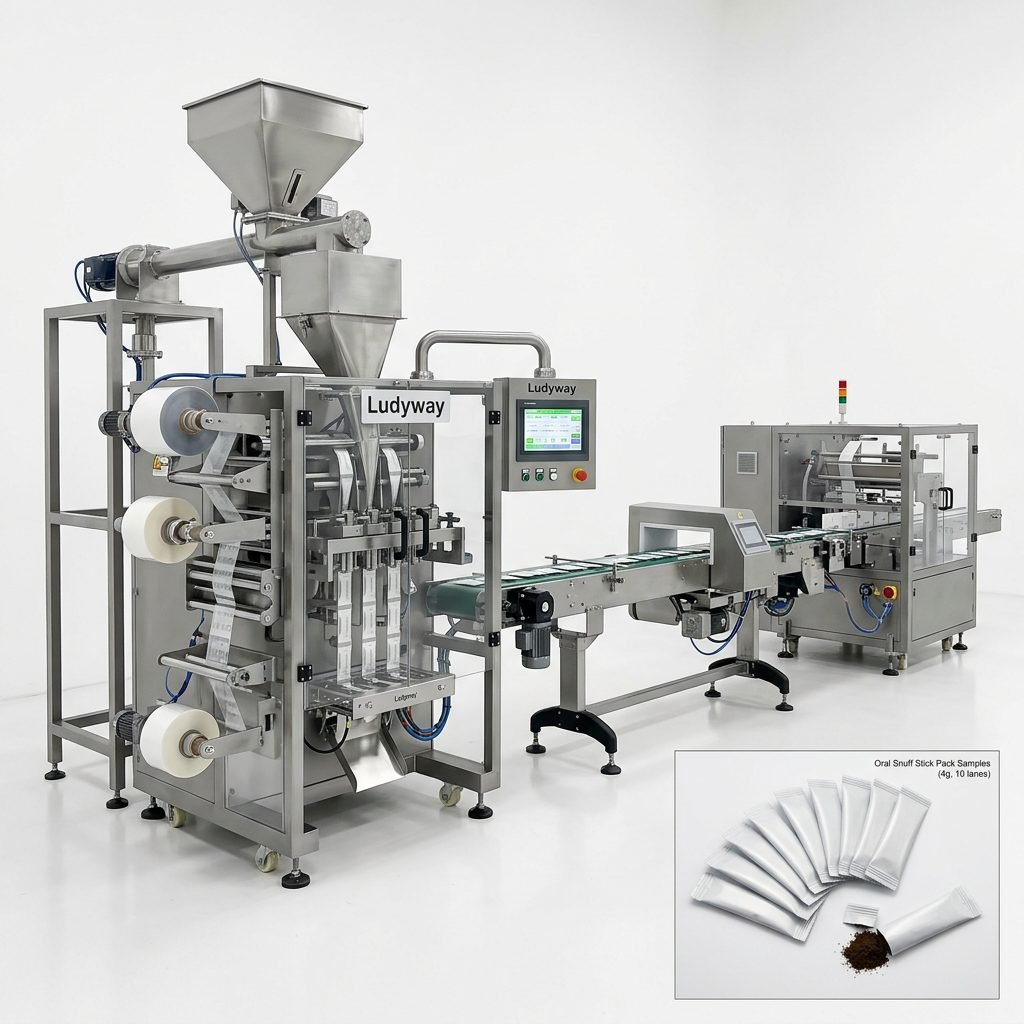
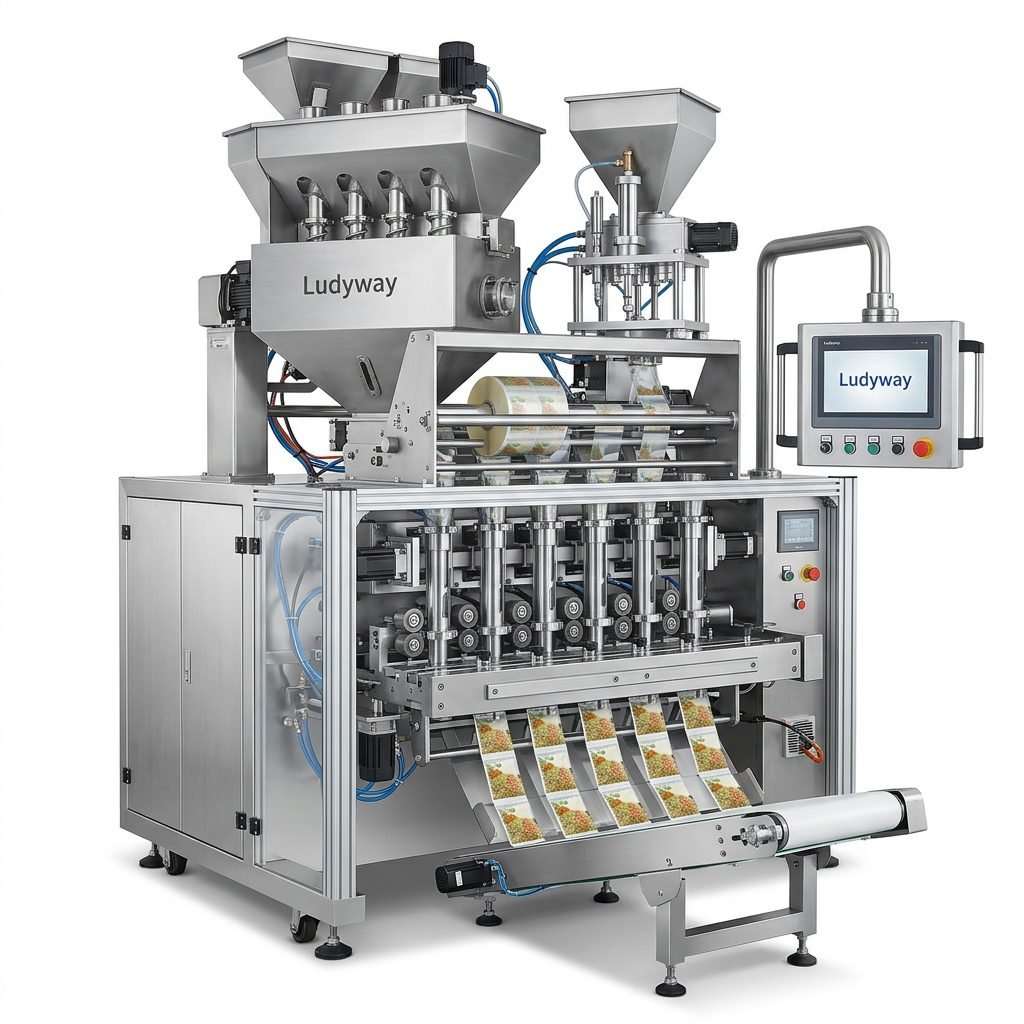
High-speed liquid filling lines for milk, yogurt drinks, and juices are critical. This involves complex integration of rinsers, fillers, cappers, and labelers. For products like coffee stick packs, multi-lane sachet packaging machines offer unparalleled efficiency for single-serve portions.
Seasonings, Spices, and Powders
Hygroscopic and often challenging to handle, these products require auger filling machines with anti-static and dust extraction features. Packaging formats range from small sachets and stick packs for instant soups or drink mixes to larger pouches for bulk spices.
Ready-to-Eat and Processed Foods
This fast-growing segment utilizes tray sealers, vacuum skin packaging machines, and modified atmosphere packaging (MAP) equipment to significantly extend the shelf life of meats, salads, and prepared meals.
Significant Growth Opportunities
The future of the food packaging machinery market is ripe with opportunities driven by technological innovation and shifting market demands.
1. Smart and Connected Packaging Lines
The integration of IoT sensors and data analytics platforms allows for real-time monitoring of machine performance, production output, and product quality. This enables predictive maintenance, reduces downtime, and optimizes Overall Equipment Effectiveness (OEE). Remote diagnostics and support are becoming standard, allowing experts to troubleshoot issues from anywhere in the world.
2. Flexibility and Quick Changeover
With the trend towards shorter production runs and product diversification, machinery that allows for rapid changeover between package sizes, shapes, and materials is in high demand. Machines with recipe memory and servo-driven adjustments minimize changeover time and waste, making production more agile.
3. Focus on Hygiene and Sanitary Design
Post-pandemic and with ever-stricter food safety norms, there is a heightened focus on machinery designed for easy cleaning and sanitation. This includes the use of stainless steel, smooth surfaces without crevices, and Clean-in-Place (CIP) systems, particularly for powder and liquid packaging applications in dairy and pharmaceuticals.
4. Expansion in Emerging Markets
Rapid urbanization, growing middle-class populations, and the formalization of retail sectors in Asia-Pacific, Latin America, and Africa present massive growth potential. The demand is for robust, cost-effective, and semi-automatic to automatic machines that can help local manufacturers scale up production and meet rising domestic and export demand.
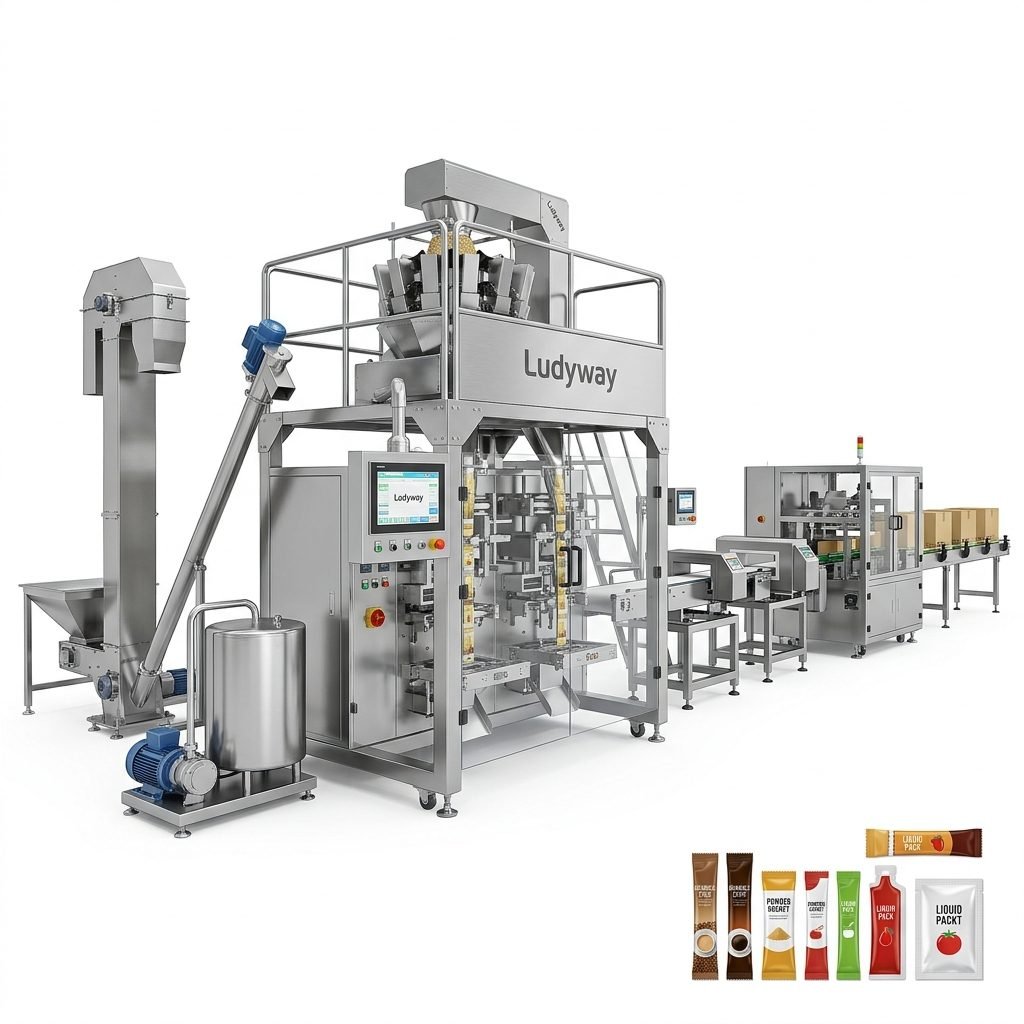
Choosing the right packaging machinery partner is a strategic decision. Companies like Ludyway Packing Machine, with decades of industry experience, exemplify how deep application knowledge and a broad portfolio of over 50 intelligent machine models—from multi-lane stick pack machines to complete sachet packaging lines—can provide tailored, turnkey solutions. This expertise ensures manufacturers can navigate the complexities of the market, adopt new technologies like sustainable packaging, and ultimately achieve efficient, reliable, and high-quality production to meet global consumer needs.
Frequently Asked Questions (FAQs)
Q1: What are the main factors to consider when choosing food packaging machinery?
Key factors include: the physical properties of your product (solid, liquid, powder, viscous), required production speed and output, packaging material (film type, sustainability requirements), available factory space and utilities, compliance with food safety standards (e.g., USDA, FDA, EHEDG), and the total cost of ownership, including maintenance and potential for future upgrades.
Q2: How is automation impacting the food packaging machinery market?
Automation is central to market growth. It drives higher production speeds with consistent quality, reduces labor costs and human error, enhances worker safety in repetitive tasks, and enables sophisticated functions like vision inspection for quality control and robotic palletizing. Automation is the foundation for creating smart, data-connected factories.
Q3: Can existing packaging lines be upgraded to handle new, sustainable materials?
Yes, in many cases. Upgrades may involve retrofitting new sealing jaws (for different temperature requirements), installing film tension control systems optimized for compostable films, or adding specialized feeding mechanisms for paper-based packaging. Consulting with your machinery supplier or an expert like Ludyway Machinery is essential to assess feasibility and implement a successful upgrade path.
Q4: What is the importance of after-sales service and support in this industry?
It is critically important. Reliable technical support, readily available spare parts, comprehensive operator training, and access to service engineers minimize costly production downtime. A strong service partnership ensures the machinery maintains optimal performance, adapts to minor process changes, and has a longer, more productive lifespan.
Q5: What are the benefits of a multi-lane stick pack or sachet packaging machine?
These machines offer exceptional efficiency for high-volume production of single-serve portions (e.g., sugar, instant coffee, condiments, pharmaceutical powders). Multiple lanes operate simultaneously from a single infeed, dramatically increasing output per footprint compared to single-lane machines. They are ideal for manufacturers looking to scale up production of granule, powder, and liquid stick packs with precision and speed.